

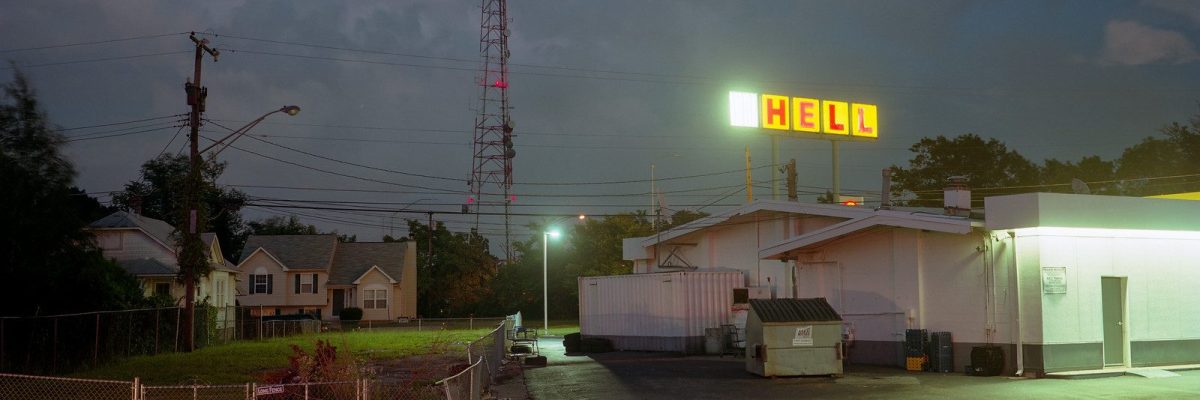
I’ve written a couple of times about Patrick Joust’s work, and tried to share in words why the images are so moving to me. I’m not sure I have much more to say or that I need to say much more. Except that I’m so grateful that he allowed me to share his work in the very first “issue” of Tidings of Magpies, when the magazine wasn’t much, or anything at all. And in the years since I’ve realized that in a world of plenty of noise and plenty of ugliness and plenty of beauty, his work somehow silently expresses some of the reasons I wanted to make Tidings of Magpies in the first place.
Patrick Joust’s work balances thoughtfulness and some kind of honesty, empathy, appreciation, or even love, with some necessary pure detachment that’s tipped into certain times of day or year you can’t really hold. There’s this threshold between the bewildering power of thinking and feeling and the hopeful human effort of expressing all of that with silence and grace. And here we are, in Joust’s work. I am, again, very grateful to have a chance to ask him a few questions about his work.
When a friend first told me about your work a couple years ago, I noticed on IG there was a tag “patrickjouststyle.” Do you think about having a “style?” And, if so, is that grounding/limiting or both/neither? I read something you wrote in which you said (to badly paraphrase) an individual photograph doesn’t reveal much, but a series of work or a body of work can share a lot about the photographer themself. I wonder if you think about some sort of definition of your work, or even about a legacy, of some sort, creatively. Not in a grandiose way, just in a way of being thoughtful about your work from a different angle, if that makes sense.
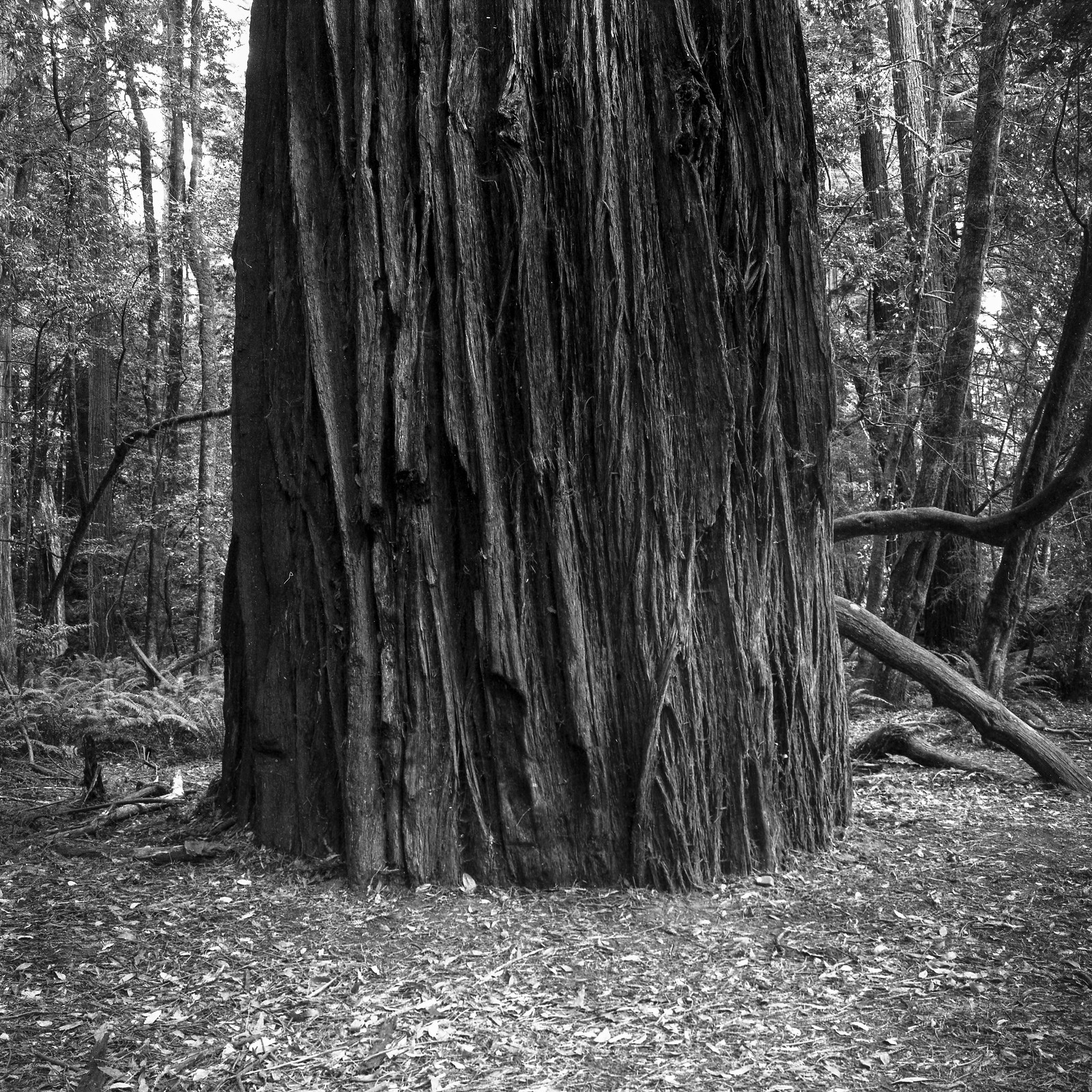
Thanks! Saying something like that to a photographer is very high praise, so I definitely appreciate it. I’m not sure how to think of it myself, in terms of my work as having a particular style. I’m too close to it. I think a lot about how I want a picture to look but I don’t consider style or feel like I must conform to something I’ve done before. I actually get pretty excited when I make a photograph that seems to break the mold in some way. Ultimately I’m photographing what I find interesting. Some things don’t make themselves seen to me as often and others do. I’m also photographing within parameters that have clear limits. I’m almost always using film and even though the images ultimately end up in a digital form, the limitations are an important part of it. I like the hazy zone of possibility that exists in the time between taking pictures, getting them developed, scanning and editing. This is usually a multi-year process with large gaps where the work sits.
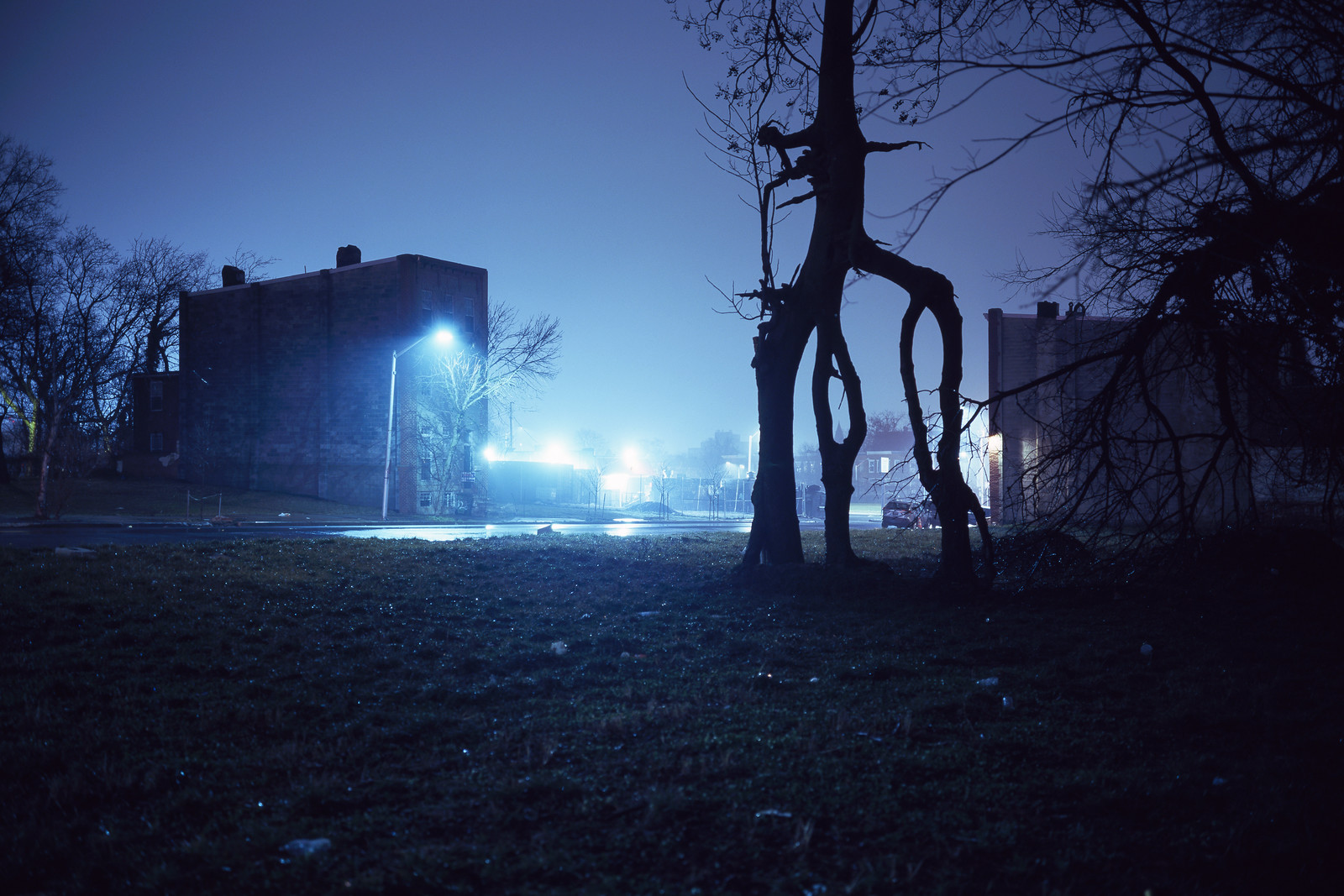
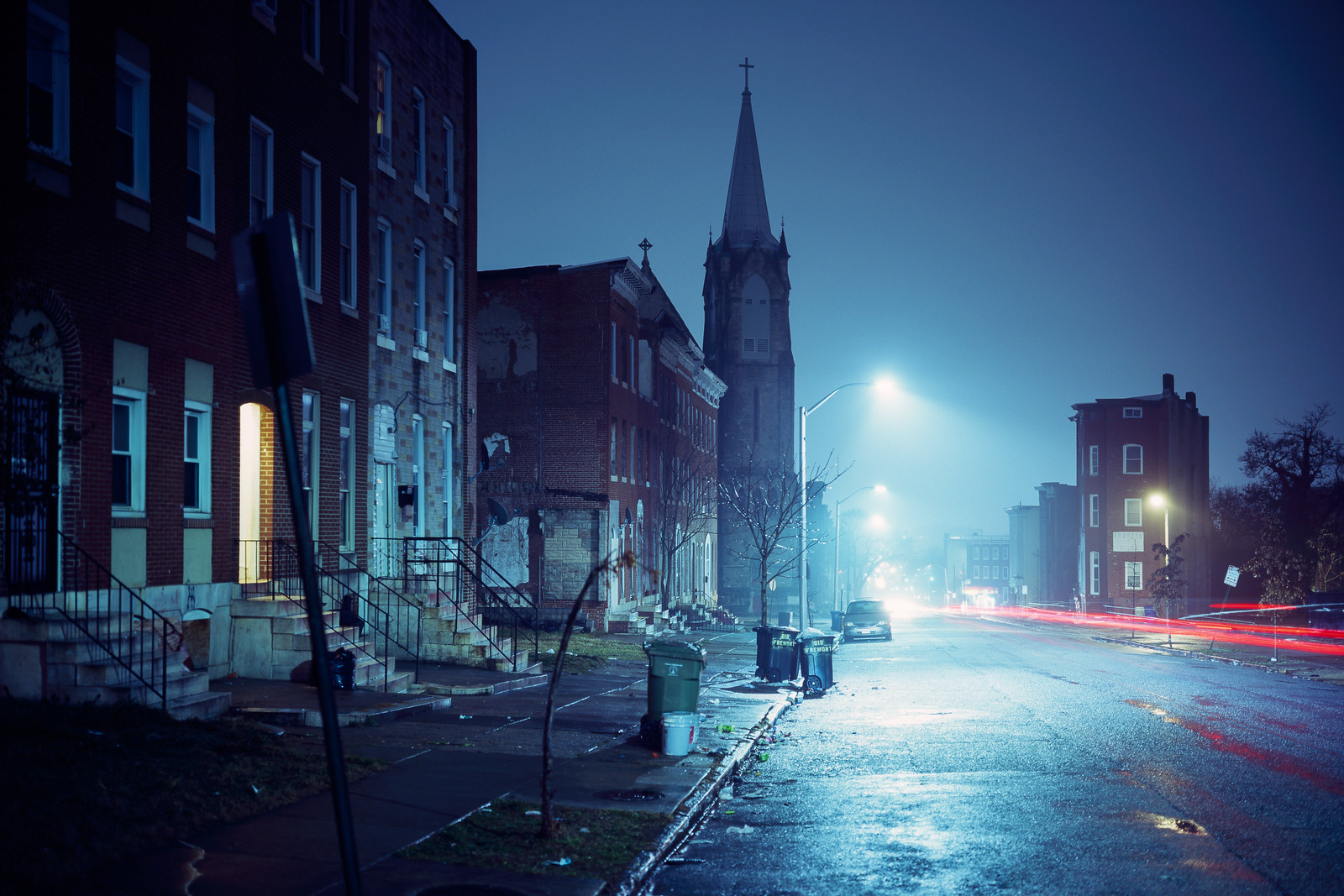
I recently reread Susan Sontag’s Regarding the Pain of Others, in which she writes about a photographic exhibition that was organized after the September 11 attacks. The show consisted of photographs of those events taken by both professional and amateur photographers, all mixed together, and garnering equal praise. In other words it wasn’t obvious to audiences which work was professionally made or otherwise. The subtitle for the show was “a democracy of images.” An amazing thing about the practice of photography is that anyone can take a good picture, an interesting picture. This happens all the time. It really is a democratic medium. And this reminds me of something else Sontag wrote in On Photography:
Time eventually positions most photographs, even the most amateurish, at the level of art.
I do think that photography is, or can be, a form of art but is there another form of art where the boundaries between the person who picks up a camera for the first time and one who has been photographing for decades is so thin, when it comes to making a good picture? My boss is a trained concert pianist. It takes an incredible amount of time to become good at something like that. Even if you’re a prodigy, you still have to learn how to play. A camera just has this incredibly low bar of entry. I bring this up not at all to suggest that a photographer who has been photographing for a long time has nothing to show for it, in terms of talent, but just to point out that photography is also an inherently humbling activity, which is a lot of why it’s so exciting. Most humans have some kind of stake in it, whatever their level of engagement or sophistication.
Sometimes I think photography makes me feel more connected to the world and other times it gives me some distance from it and both of those, somewhat contradictory feelings, can provide comfort.
For at least the last dozen years or so I’ve been very much in a mode of just wanting to make work. I’ve been mostly using the same kind of equipment and I’ve been pretty satisfied with the results, so it’s just a matter of exploring more places and pushing myself to do work that I find challenging (like pictures of people). I have been working hard at this but I also have to admit that I’ve been lazy when it comes to editing work into series, essays, projects, zines, or books. I often pair images together in twos and threes, temporarily, but I don’t feel as confident stringing things together over a longer arc. And part of the reason for that is because I keep making new work and so sorting becomes a bit more arduous. Things get pretty fuzzy in my head when I think in terms of legacy or a place to “permanently” park my work. Photography makes me feel good so I keep doing it to feel good. Sometimes I think photography makes me feel more connected to the world and other times it gives me some distance from it and both of those, somewhat contradictory feelings, can provide comfort. I guess if I keep taking pictures and keep exploring through photography, I can put some of the great existential concerns of our time to the periphery of my thinking. My work might sometimes address that existential stuff but the taking of pictures and organizing allows me to put things into a context where I can mark time and feel a sense of control when I might otherwise feel, without photography and family, like I’m barely holding it together.
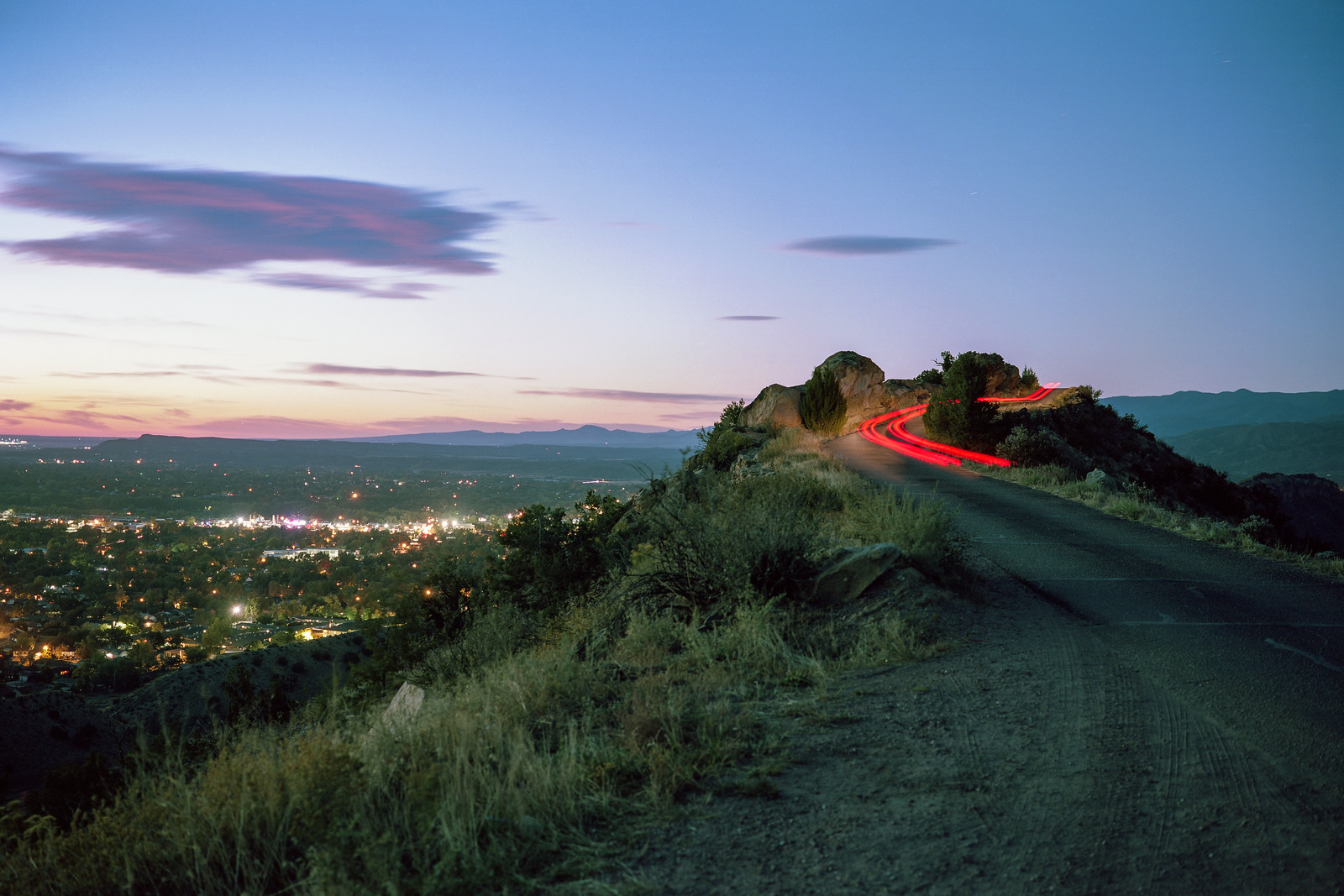
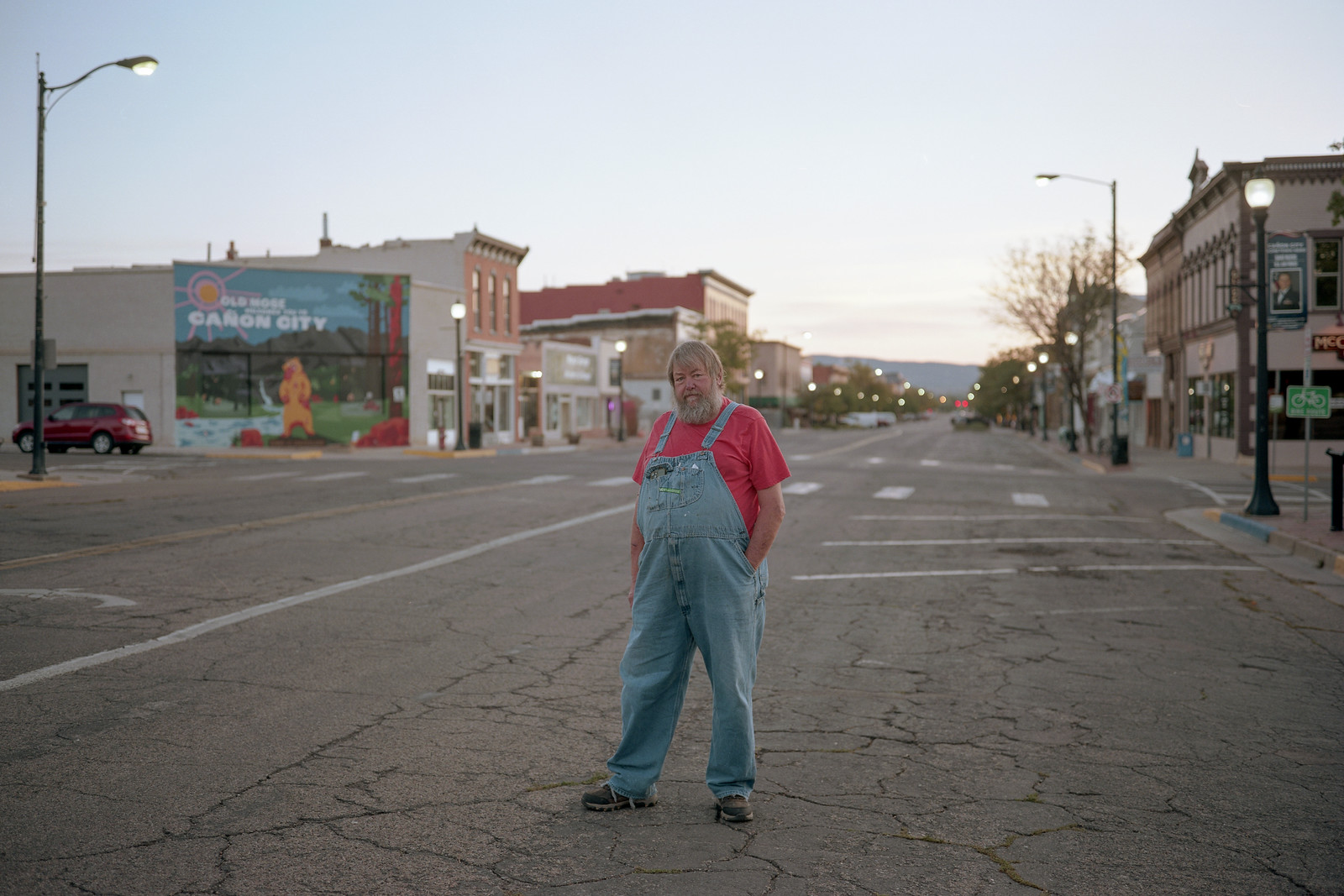
In the years since I first encountered your work, I’ve noticed that quite a few photographers I’ve interviewed or featured are massive fans of your work. Which, to me, seems like a fairly substantial measure of “success.” I’m always curious about how people define “success.” (Quit your day job, have a solo show, be generally happy or satisfied, create, get over a slump, get out of bed in the morning …) How do you define success as a photographer (or as a human)?
That’s wonderful to hear. I definitely feel very successful in my own way. Every once in a while I experience conventional “success” by selling a picture, though that’s increasingly rare. It’s always nice when that happens but selling my work or “getting myself out there” in a big way was never the goal. I hope that’s not taken as a passive slight towards photographers who are trying to do those things. I’m friends with a number of professional photographers and I have a huge amount of respect for them and the extra work they have to put in, it’s just that I’ve always been on an amateur’s path. I think of my success as being in the “get out of bed in the morning” category, which manifests itself quite literally considering that I’m often getting up early to take pictures. I just feel so incredibly lucky to have this thing that I do on a regular basis that is so satisfying. The older I get the more precious this has become. I have a need to protect the most important aspects of that, which is just about creating and being happy with that. Of course it’s important not to take for granted the fact that we live at a time when anyone can put their work online. This is so normal now but it really is an extraordinary thing. I love that I can put my work online and people can take it or leave it. I don’t have to go through a lot of effort the way a photographer in the pre-Internet age was forced to do.
I should insert some kind of joke here, but seriously, in many ways, success is just the fact that I am engaged in some kind of artistic process.
I’ve been taking pictures for a while but I still came to photography relatively late compared to a lot of people I know. I used to think of art as something others made and I appreciated but didn’t directly participate in. Photography might be one of the best entry-level avenues for getting anywhere near to making art but I still marvel at the idea that if my life had gone differently, maybe I wouldn’t have found this path, which is a frightening prospect. I mention this because the universe is a very dark place. Sometimes I think about the fact that when you look up into the sky you are literally looking out into an endless abyss. There’s only this thin layer and gravity holding us together. Even without all the terrible current events in the world it’s easy to sink into despair just pondering our own existence. I should insert some kind of joke here, but seriously, in many ways, success is just the fact that I am engaged in some kind of artistic process.
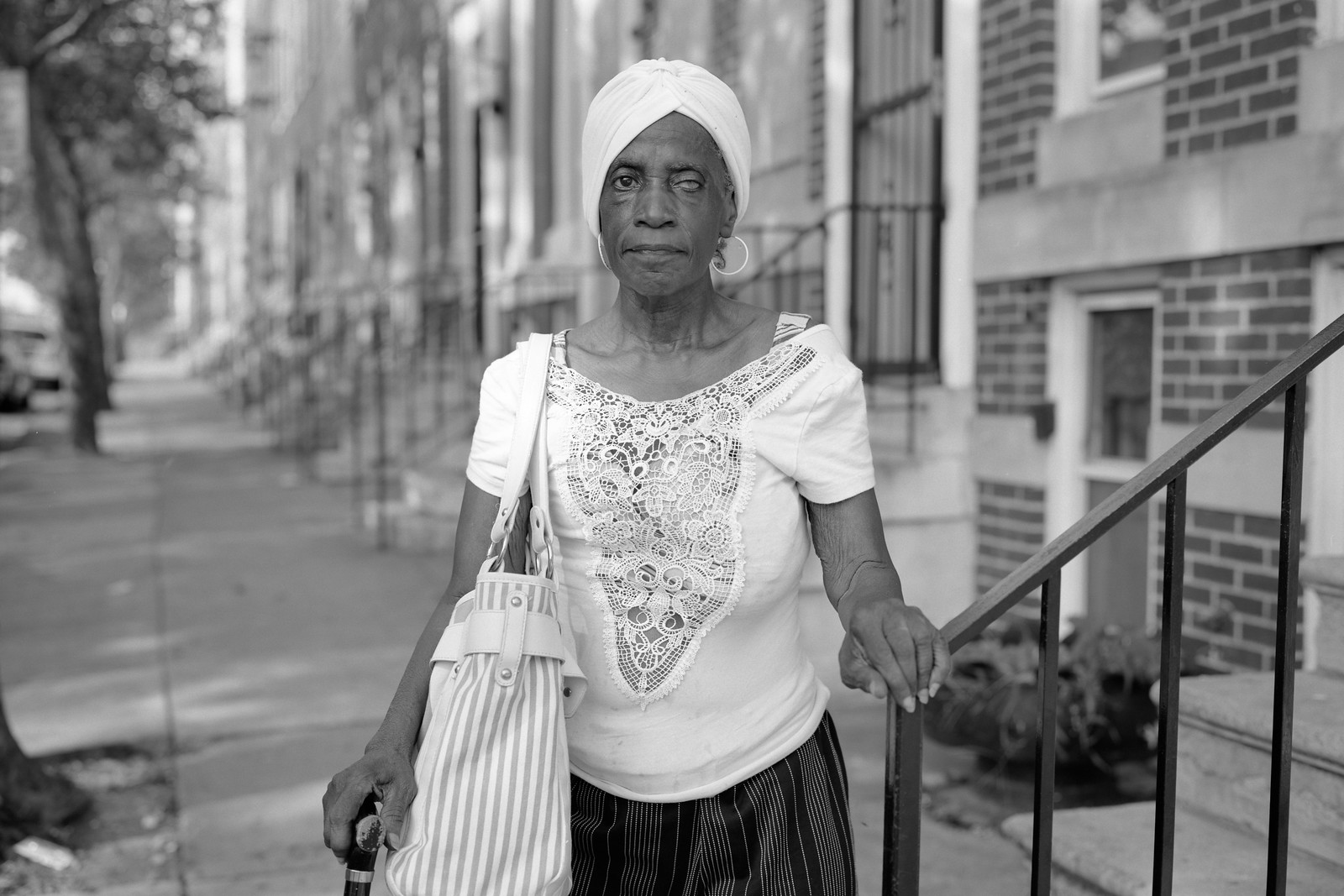
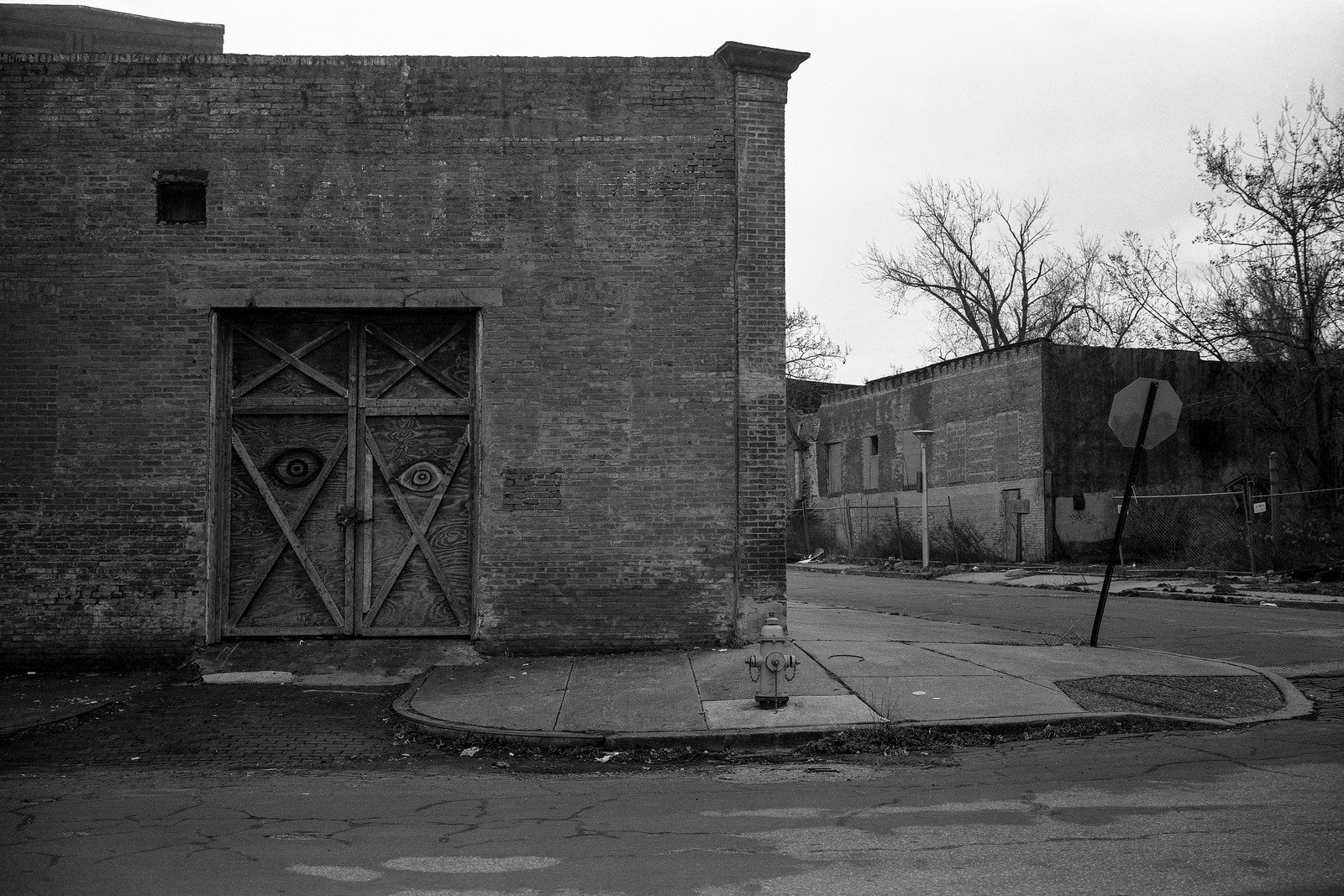
I guess these questions lead logically into a discussion of how the world of taking, making, and sharing pictures has changed. Anyone can take a million pictures an hour now, and manipulate them with a few strokes of their finger, and share them and tag them and “market” them. There’s often a fine line between permanent and fleeting (as there has always been). A fine line between art and content. On the one hand, anyone can create! The means of production are inexpensive and available to all! And the means of sharing those creations! On the other hand Most of these means of production and exhibition are controlled by bad bad men who support a bad bad man. How do you navigate this balance?
I still love the show-and-tell aspect of posting things online. Like a lot of people, it’s a huge motivating factor for making work. I enjoy posting things on my old flickr page, which I’ve had for almost 19 years now. I love looking at other people’s work. But this thing, of sharing with others, that would seem to be straightforward, has definitely gotten more complicated. I still want to share and participate online but I’ve felt the need to scale things back a bit. I’m trying to mostly reside within the quieter and kinder corners of the Internet. So many people I know are trying to navigate their online presence and it’s not easy. I’ve also been a bit reluctant to join something new, partly because I feel uncertain about how different platforms might evolve and also because I spend too much time online as it is.
I often think about the difference between art and content these days. I make quite a bit of work but because I mostly shoot film, it’s still a slower process and there’s only so much content I can make, both as a normal human and considering the tools I use. I do sometimes wonder though if I’m just creating “content” for those bad bad men to use and spit back at me later in some cheapened form.
It’s a strange time and it’s easy to get frustrated, but I often have this feeling that I’m on to something that’s worthwhile; like I’m aware of some wonderful secret that I can’t articulate. I may be delusional, but it keeps me going.
I also worry a bit about the way creation is going. There’s always been a desire for recognition and attention. I’m certainly delighted to have my work recognized in your magazine and elsewhere! I remember sitting in assemblies as a kid and feeling jealous when someone would get an award, feeling like I wanted to be recognized for some kind of something too, even if I didn’t actually do anything that deserved recognition. It’s a natural feeling, but it does seem like that has ramped up to an even greater degree, and well into adulthood, where you have a lot of people desperately trying to satisfy a need to be seen above all else. The poisoning of the waters with AI, in terms of creative processes at least, also doesn’t help. But I don’t like to dwell on these kinds of things too much either because I also feel like I can’t possibly keep up with all the great movies, books, photos and other art work that is being made right now. Whatever level of junk or noise that might be overamplified, the need for people to really put in good work and create is still there. We work hard at something largely because it feels good to do so. Some of us will miss that entirely but enough of us still manage to find a way. My wife is a teacher and talks about some of her students who love to write and sometimes use words incorrectly but are just delighting in the process of discovery and expression. And then there are other students who use AI or don’t do work at all. But that desire to create something through your own work is still alive.
It’s a strange time and it’s easy to get frustrated, but I often have this feeling that I’m on to something that’s worthwhile; like I’m aware of some wonderful secret that I can’t articulate. I may be delusional, but it keeps me going. At the same time I try to keep things light. It’s a funny and somewhat contradictory “balance” of trying not to take myself too seriously while also taking the work seriously enough to do my best. I recently came across this quote from Garry Winogrand that I like:
I really try to divorce myself from any thought of the possible use of my photographs. Certainly, while I’m working, I want them to be as useless as possible.
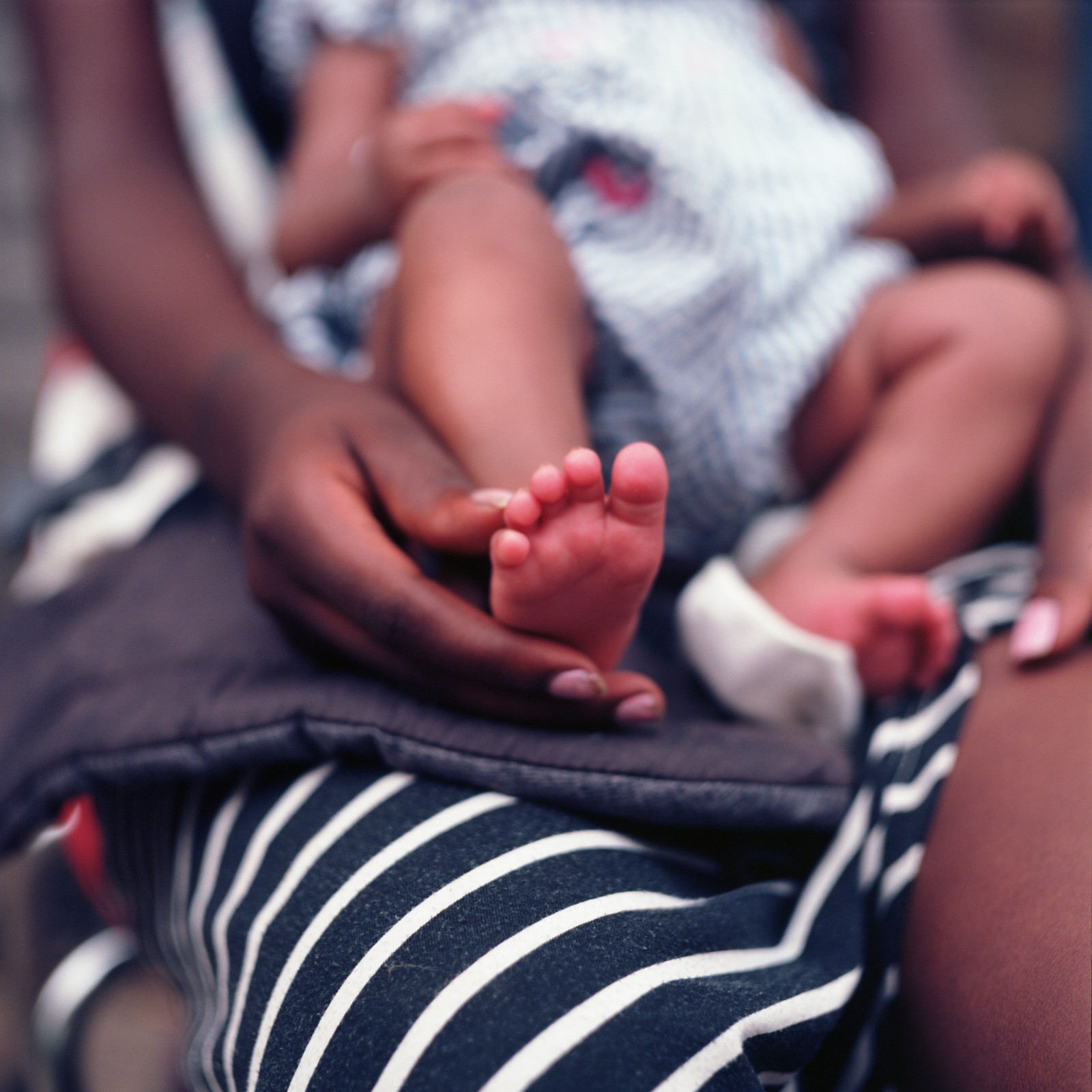
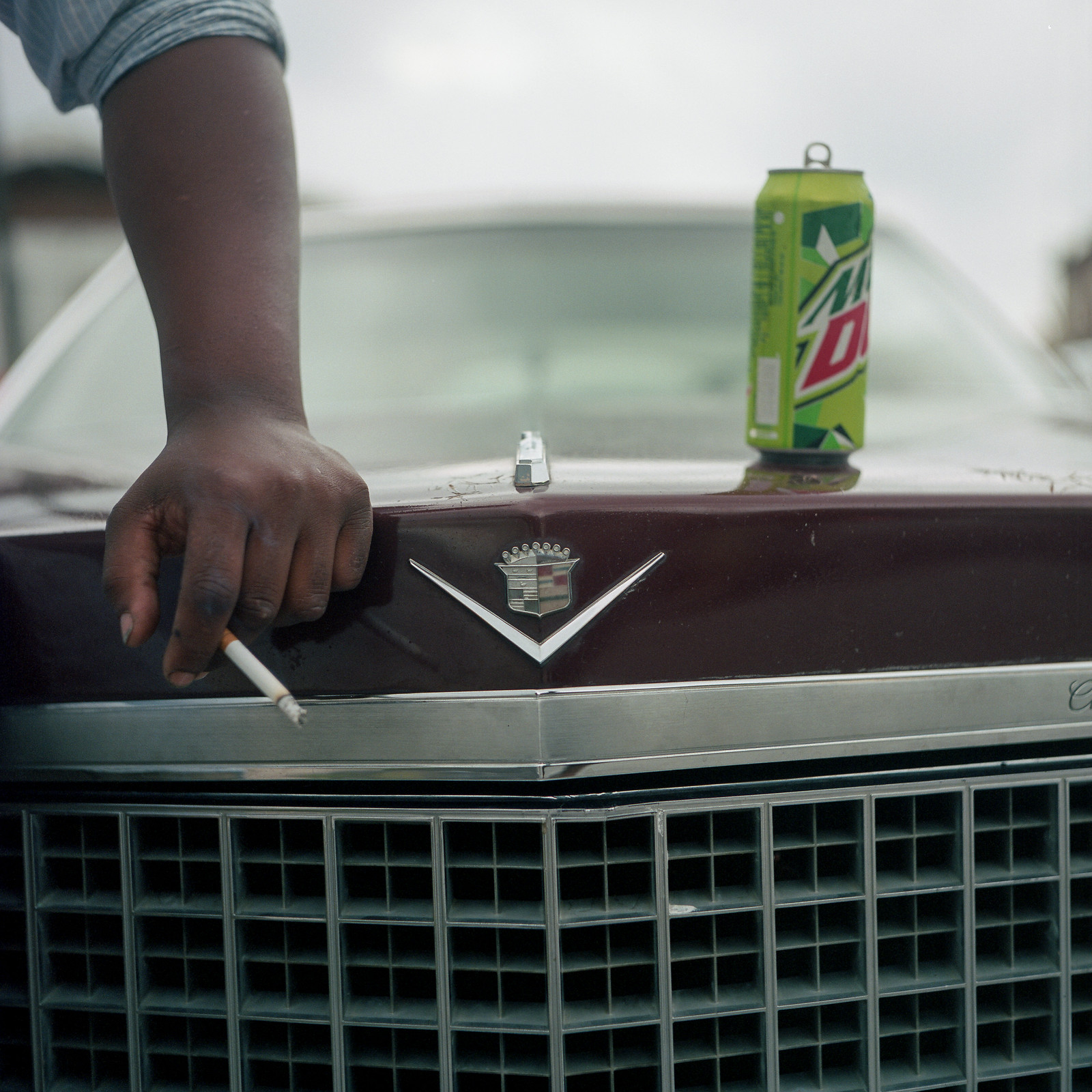
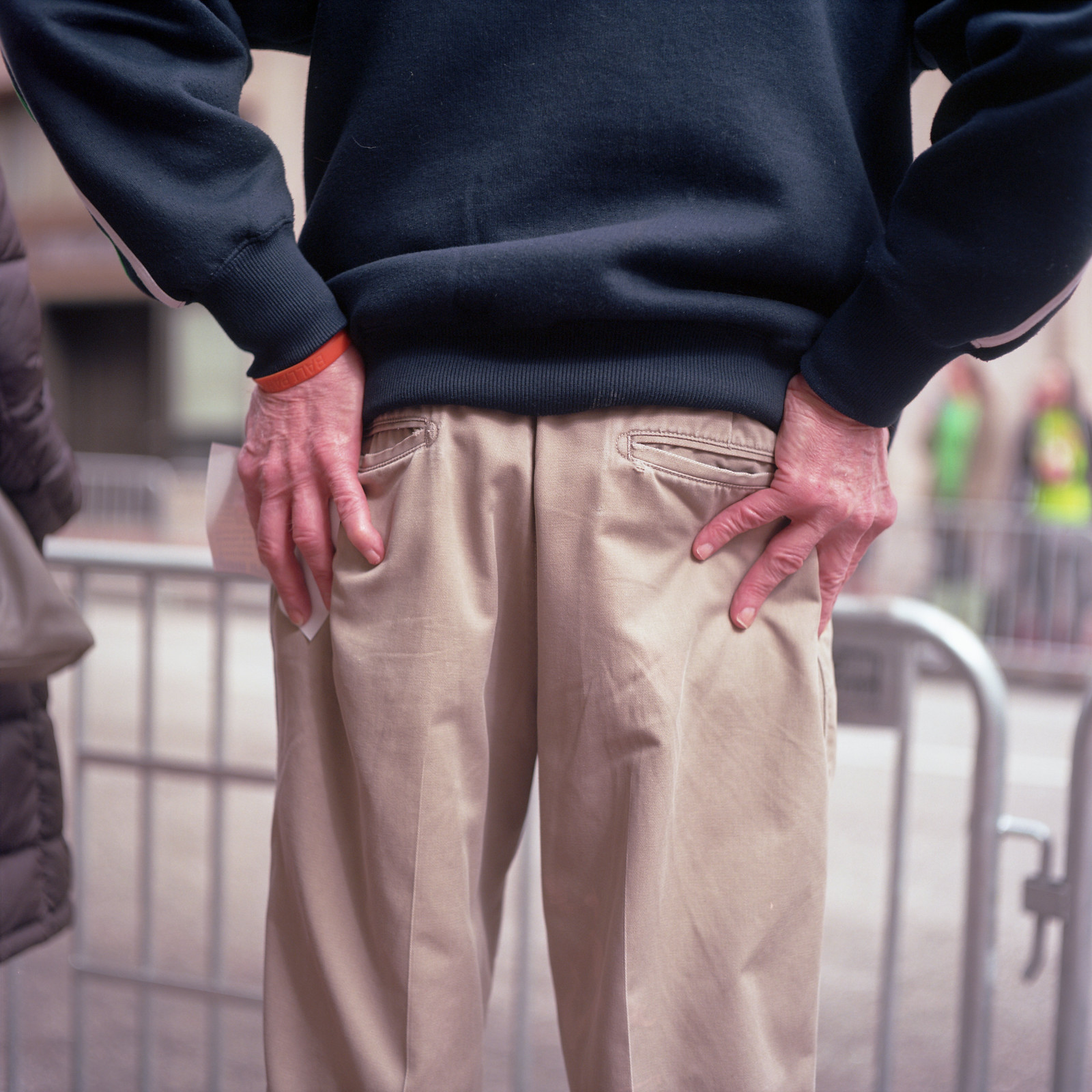
Last I knew, you were working as a librarian. I’m endlessly fascinated by the idea of artists throughout history who have kept their day jobs. Probably my favorite example is Chekhov, whose writing I adore, who worked as a doctor and said his work was stronger because he understood what it was like to care for people, or just to interact with people. To me, being a librarian is one of the most magical jobs. You’re not only introducing people to the world inside books, but also helping with things like printing off an application for Medicare or for employment, important stuff. Has working as a librarian informed your photography?
Yes, becoming a librarian was a good choice for me. I was an AmeriCorps volunteer for a couple years in my 20s, which often involved being in libraries, and then I volunteered at libraries, and when I was floundering a bit, trying to figure out what kind of career path I should take, my wife (then girlfriend) suggested I go to library school. Even though I read a lot and spent a lot of time in libraries, the thought hadn’t occurred to me before. But as you point out in your question, being a librarian involves a lot of different types of work, so it really made sense. Some of it can be really frustrating, and you have a front row seat to a lot of what is wrong with society when it comes to our limited social safety net, but it also feels like I’m in a place where I can offer some kind of help. I often leave work feeling really good, whether I’ve connected someone with a book or resource, or I’ve helped them figure out a job application.
My library work never used to have much direct connection with photography, except that I think working with the public on a daily basis helped me feel a bit more comfortable interacting with strangers. But for the last 3+ years, I’ve been in a position where I’ve been able to promote photo books and suggest purchases when funds are available (thanks to our wonderful cataloging department). For a public library, we have a pretty good photo book collection, and I’m definitely happy about that. I love photo books, but they’re expensive and they often go out of print, so the library is a logical place for them to go. There has been a bit of a boom in photo book production in the last 15 years or so, but it’s still a pretty niche audience, which is a shame. A lot of people are trying to make it otherwise, but there can also be some snobbery around photo book culture as well, unfortunately. I’m hoping that more libraries will add photobooks to their collections in the same way they take in novels, comics, and children’s books.
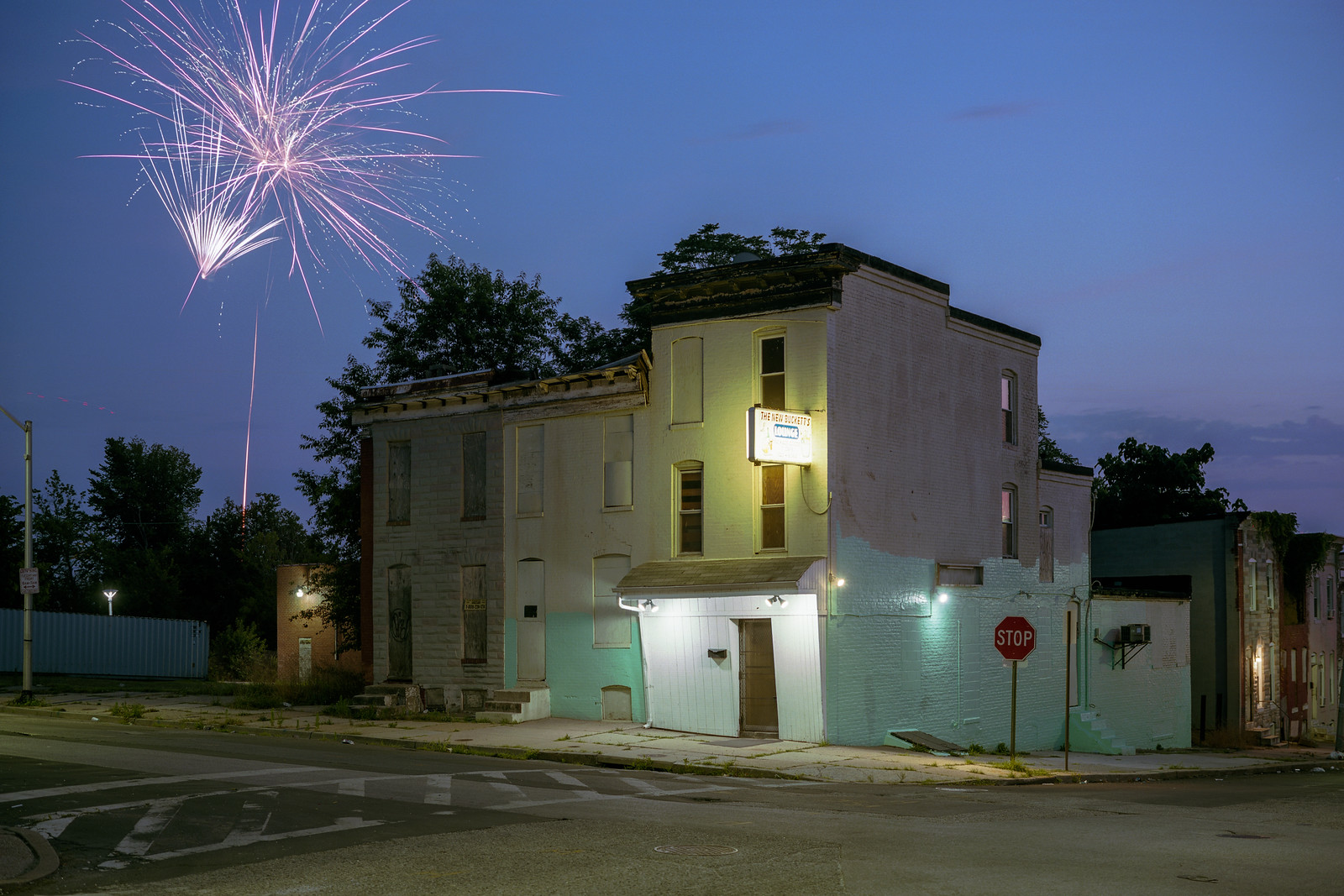
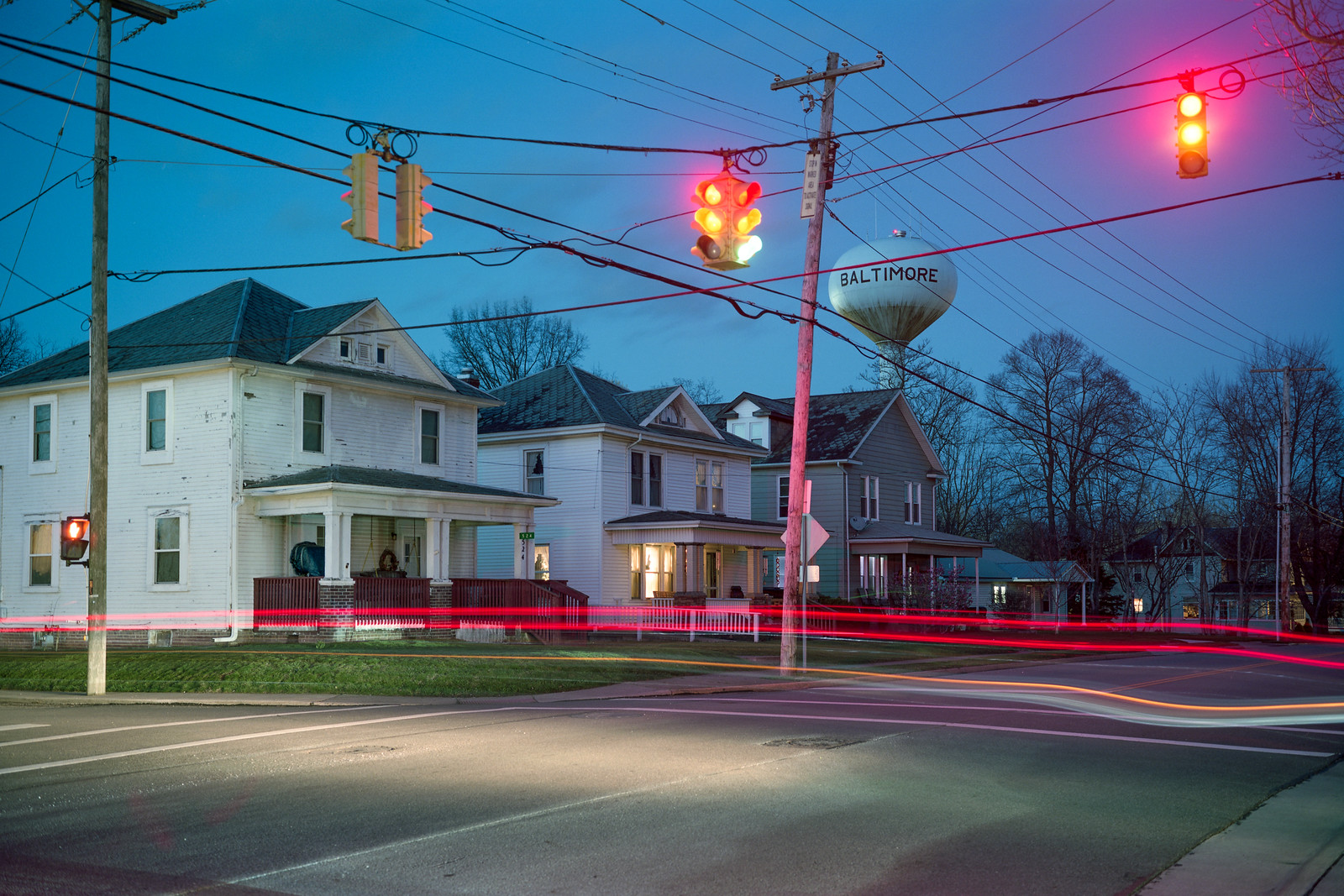
I have a friend who is a poet who works as a librarian in Philly, and I think there’s a real love/hate thing there for her. I see a parallel between Philly and Baltimore, where you live and work. Can you talk about your relationship to Baltimore, what you love about it, and how that love shows up in your photographs?
I don’t think it’s an exaggeration to say that Baltimore taught me to really see. There are a lot of things I didn’t appreciate before living here or maybe I appreciated on some subsurface level, but didn’t take them seriously enough. For a very long time I was mostly interested in the “great” cities of the world and far-off exotic locations. The tired negative notions about certain parts of the country were in my head as much as they seem to be in many others’ both then and now. What I mean by that is that a lot of people can have negative ideas about geographical regions of the country or certain cities that aren’t even ones they necessarily feel strongly about. It’s just kind of cool to put down certain places with knee-jerk humor (thinking of late-night comedy routines with jokes about Rust Belt cities or Appalachia). I was actually in Detroit recently, and I met another photographer on the street and we got to talking and I told him I was from Baltimore but always wanted to visit Detroit, and he said he doesn’t hear that kind of thing very often, and we both kind of compared notes on how often our respective cities are “shit on” by others.
Of course Baltimore has huge problems, but I’m not sure if this was ever not the case here or in much of America. I don’t think there are innocent lands. Suburban, urban, rural; all have been shaped by a complex history. As much as I enjoy living in Baltimore I often find myself frustrated when things don’t get better. You can probably just pick a topic, like literacy, drug abuse, lack of access to good transit and feel the intense frustration over how these things don’t seem to get better. But the bad isn’t all there is.
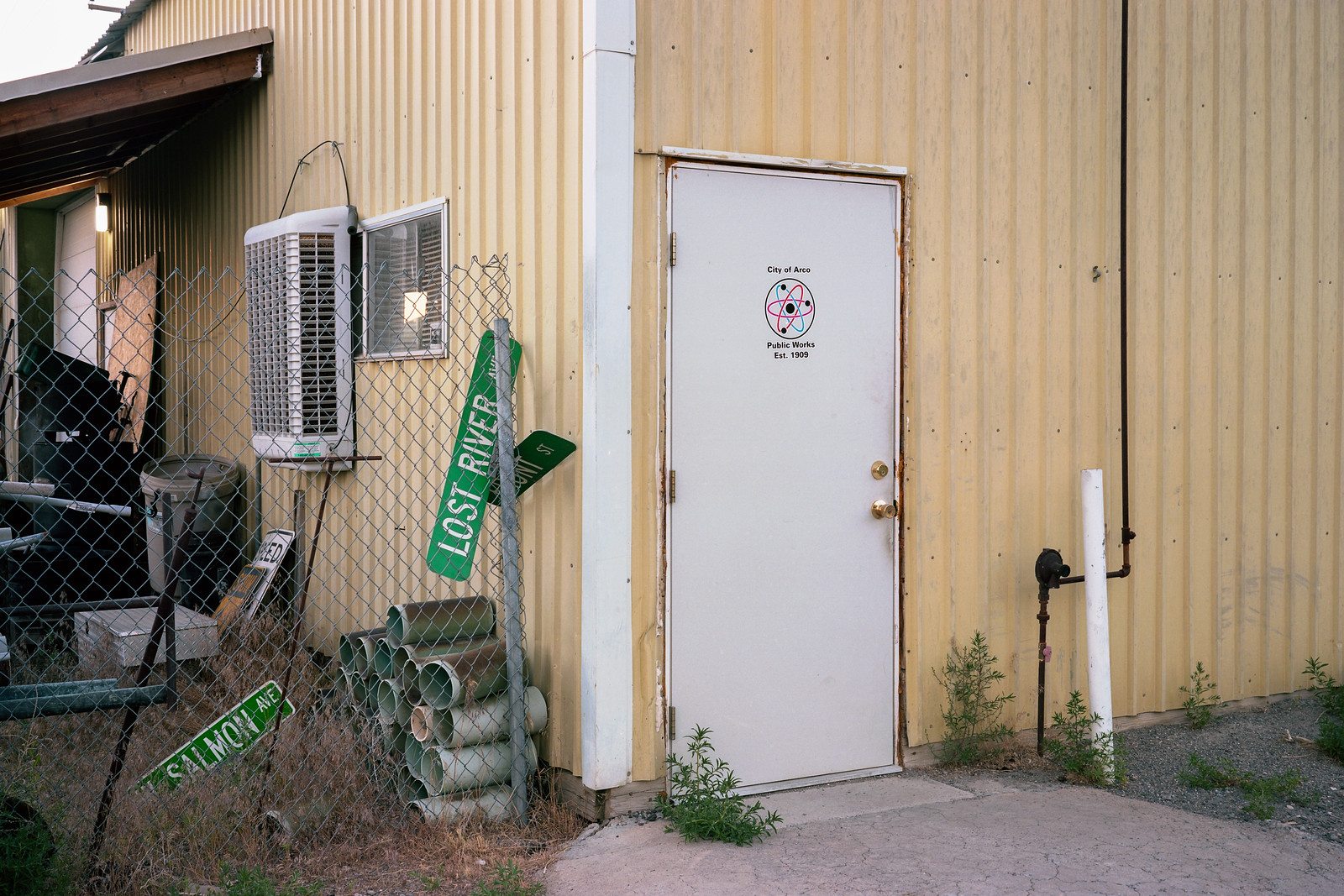
It’s been a long time, but I’ve been lucky to travel a fair amount in Europe and a little in South America and I want to go back to the places I’ve been and explore more of the world, but I also get very excited about being in “ordinary” places in Pennsylvania or Missouri or Texas. I’ll head out to Ohio and people will ask do you have family out there? as if there would be no other reason, and I try to explain myself in a normal voice, but I want to say Are you kidding me? Do you know about Ohio and how much incredible stuff is there? Do you know that if I dedicated my whole life to photographing interesting bits of Ohio I’d never manage to capture it all? People would think I’m crazy but I do have that kind of feeling. It opens up through my own exploration of these places, but also relates to other people’s photographs, artwork, and stories. My wife is also enthusiastic about exploring these places and my kids have gotten into it too. My hope is that my poor capacity to put my enthusiasm into words, like right now, at least comes through in the photographs.
One of my favorite movies is Night of the Hunter. I read a book about the making of the movie and that led me to reading the book on which it is based, by Davis Grubb. The book was a best seller in the early 50s but it’s mostly forgotten now and it’s an unusual example where the book is probably not quite as great as the movie but it’s still a good book, full of impressive descriptions of the Ohio River and the places along it. I like feeling those connections. Seeing how things stand today and really digging into a place. Knowing that there are special things to uncover and also somehow being pleased with the fact that there will always be this sense of mystery; something left for a future visit or imagining.
It might be tempting to say that I started to appreciate “the ordinary,” but I think a better way of putting it would be to say I saw the extraordinary things here and elsewhere that I just passed over before.
Like with a lot of these questions, I’m digressing, but bringing up other places gets back to how Baltimore taught me to see. It might be tempting to say that I started to appreciate “the ordinary,” but I think a better way of putting it would be to say I saw the extraordinary things here and elsewhere that I just passed over before. Baltimore still has this sense of mystery for me. Some of that might be because I’m not from here so it’s never wholly home the way it might be for someone who has lived here all their life. But I just know that if I walk out my door right now and take a different path, go down some alley, chat with a stranger, that something special could happen. That’s a great feeling.
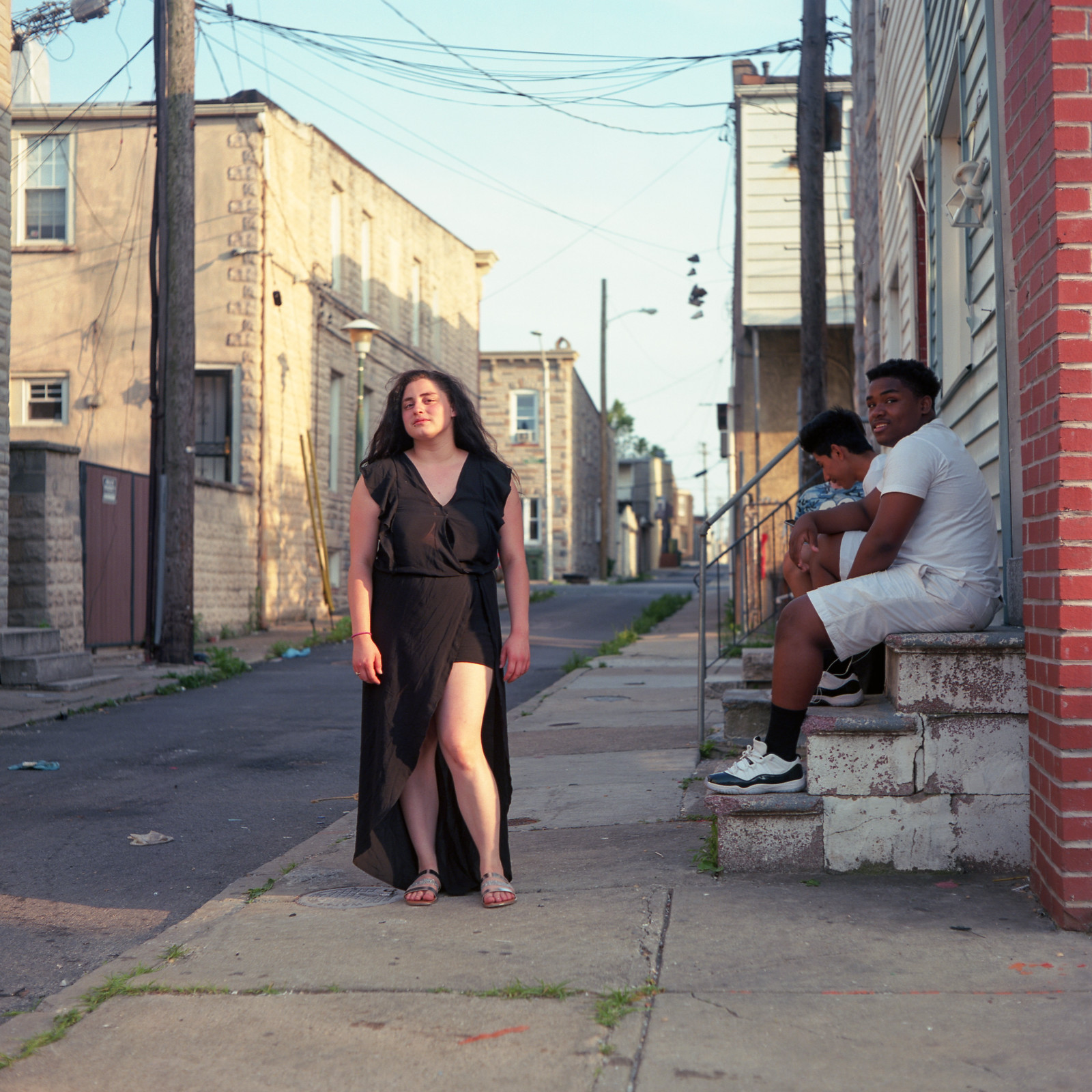
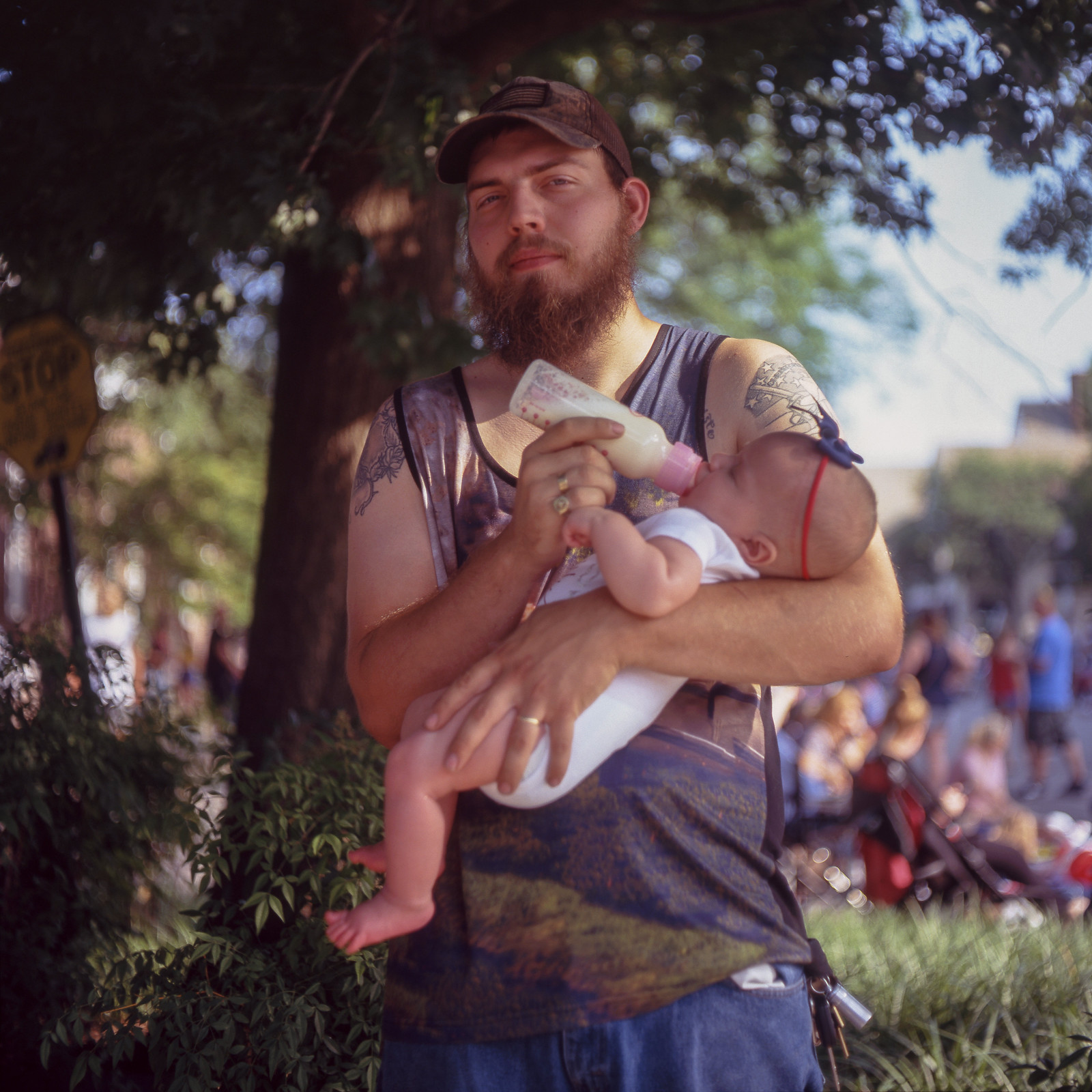
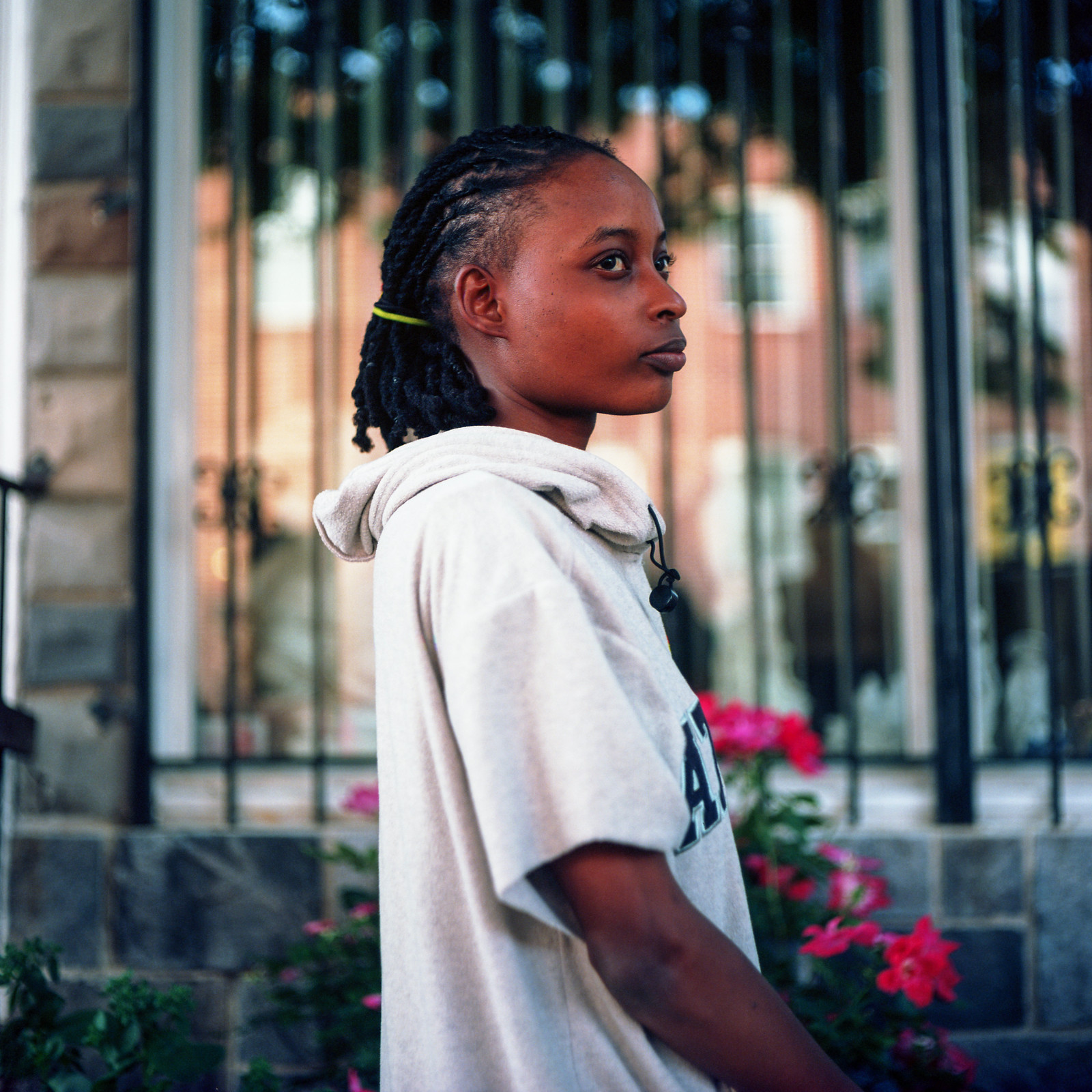
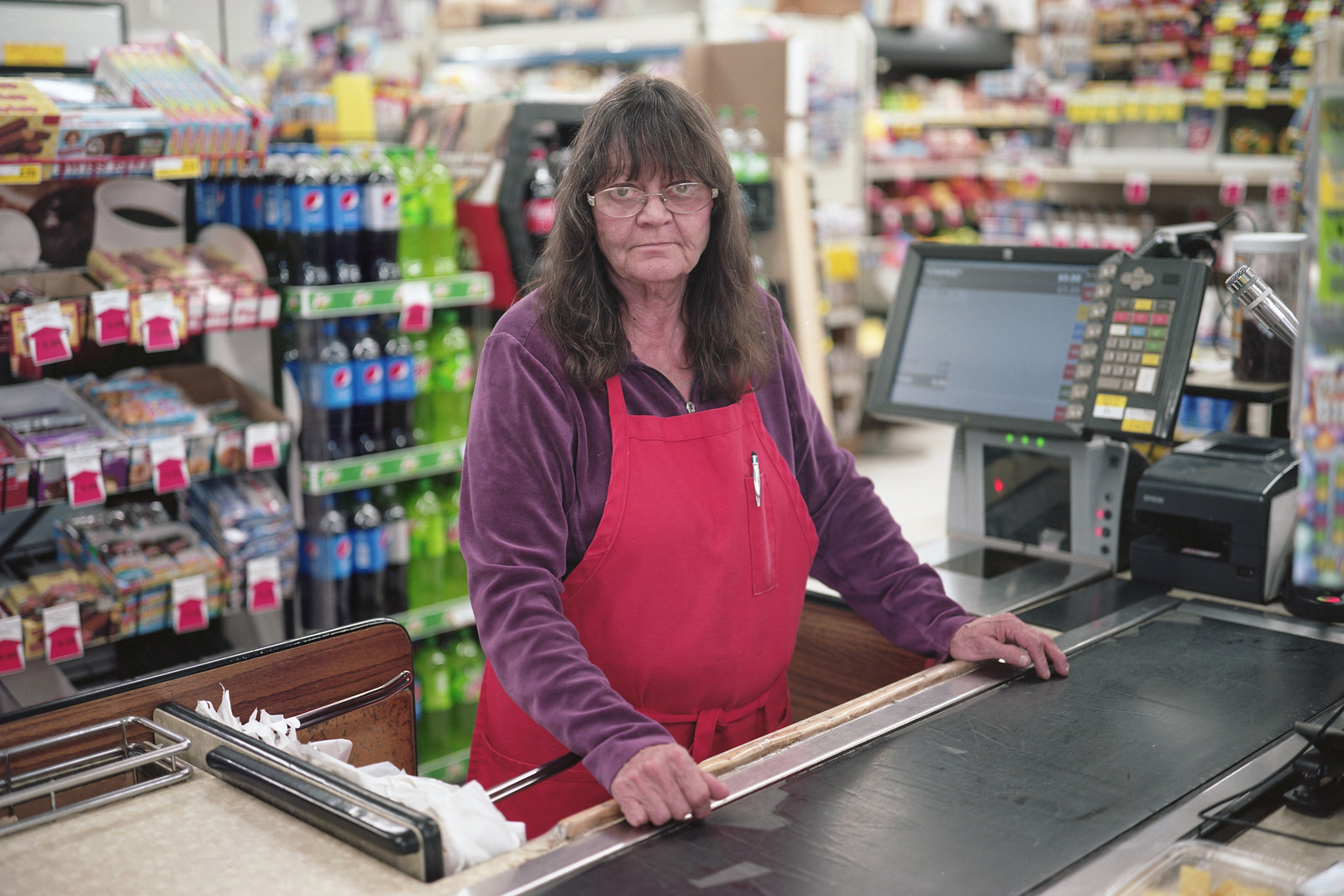
I really love your portraits of people (in Baltimore and beyond). [This is a bit of a lengthy tangent, but I was thinking the other day that I sorta unconditionally love the street photography of, say, Helen Levitt or Vivian Maier, but when I see some modern street photography, it makes me uncomfortable for the subjects, and as a person looking at them. It’s not necessarily a difference in the approach or the level of respect or anything. I think it’s a trick of time. There’s a lot for me to sort through here that’s not directly related to your work.] But I realized I never feel that way about your photography involving people. Which made me think about the difference between a shot of a stranger and a portrait of a person, with whom the photographer may or may not have had some engagement. So my question is about your approach to photographing people, do you get to know their story, do you ask their permission? Or is it a see-how-it-goes when-it’s-going-along process, which might change with each person you’re photographing?
Thank you! I’m definitely all over the place when it comes to my approach to photographing people. I think I have some good pictures, but I still feel less sure of myself. It’s a lot harder to do. It’s hard because I tend to be shy, but it’s also hard to get a good picture of someone in general. It’s hard to get a good picture that fits with some vague notion I have in my mind and it can be hard to do justice to someone. There’s more responsibility. I was actually just at an arts festival here in Baltimore, where there were a lot of people wandering around and I took some portraits but I also felt more reticent, for some reason, probably because it has been a few months since I last photographed at a parade or festival. I’ve photographed people, so I know I can do it, but I’ll have to remind myself of that for the rest of my life. At the same time, that sense of caution isn’t necessarily a bad thing. I’m not likely to be accused of barging in on people and violating their space, but I also think it’s important not to let timidity overcome engagement. I know I missed a couple of opportunities on that recent walk. I should have pushed myself more. One thing I’ve learned is that people often like being seen too. People pass by each other as strangers all the time and asking for a picture can be an acknowledgment of what might be special about someone. This is the ideal interaction, anyway, but I do find things working out this way fairly often.
But getting back to your question. I most often ask permission but I will take surreptitious photos in the right circumstances, in a crowd, like at a parade or festival. Most pictures are of a stranger. I think you can be respectful of others whether asking or not. The equipment I use probably helps to make me less threatening to others. Like Vivian Maier and Diane Arbus, I’m often taking pictures with a twin lens reflex camera with a waist level finder and even though it’s a big device, I think it comes off as less intrusive and since it’s “vintage” it can also be a curiosity. Sometimes I have a 10-minute conversation with someone, other times it’s just a brief nod and other times I’m not even noticed. I’m pretty straightforward about why I’m taking pictures and share my information (I have these little business cards I give out liberally) with anyone who is interested. It’s been a really long time since I got a negative reaction, which is nice, but I also know that I’m due for one. It’s just part of the nature of public interaction.
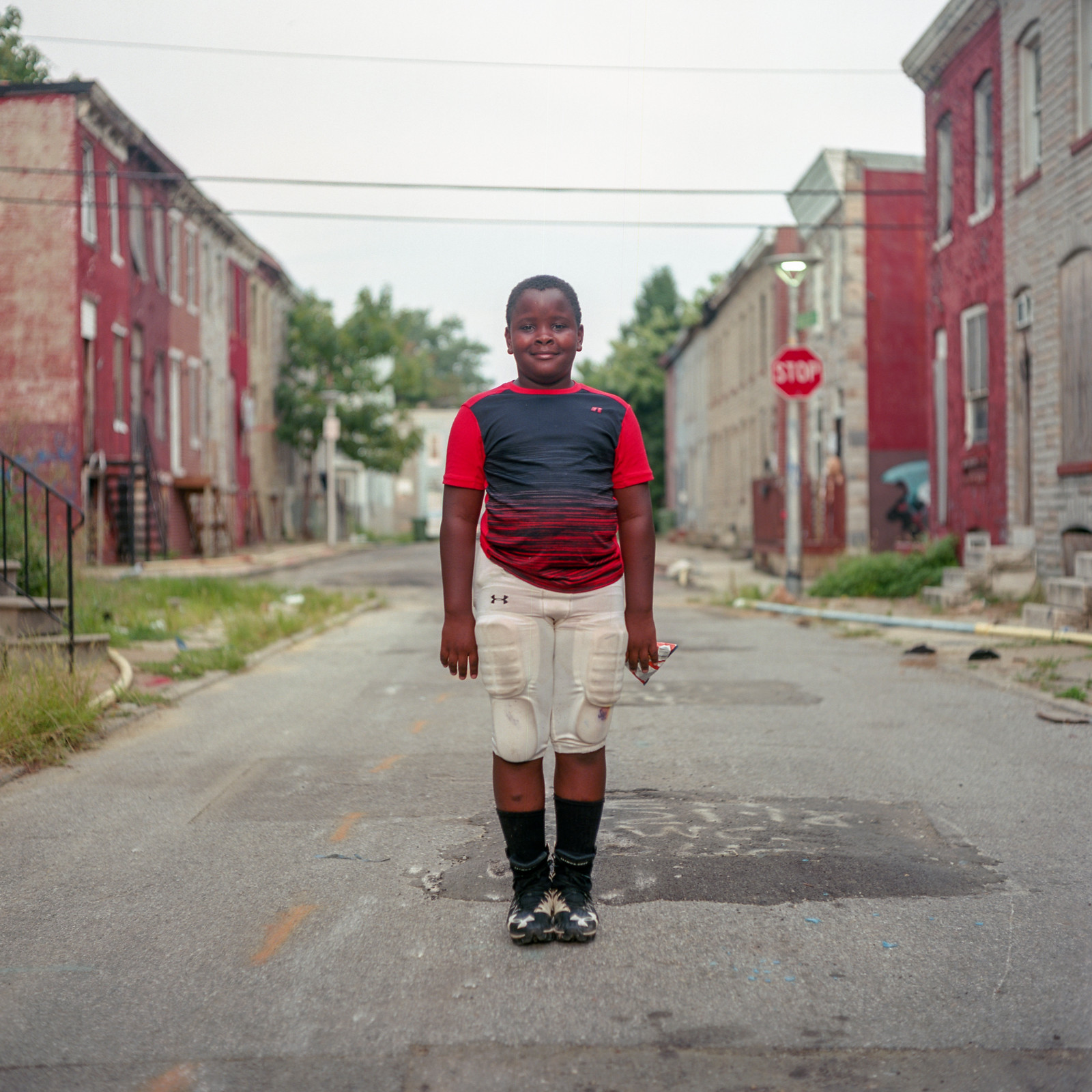
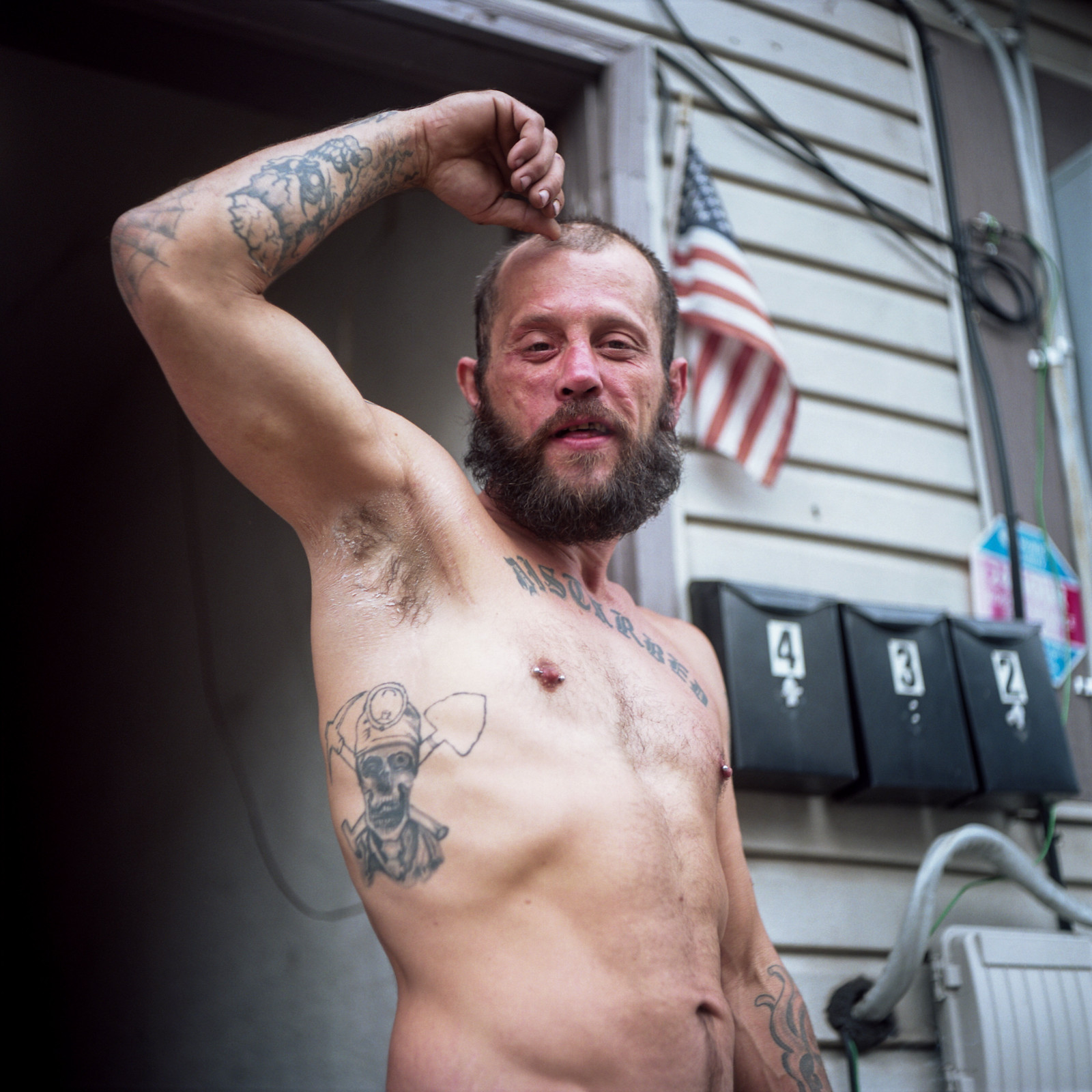
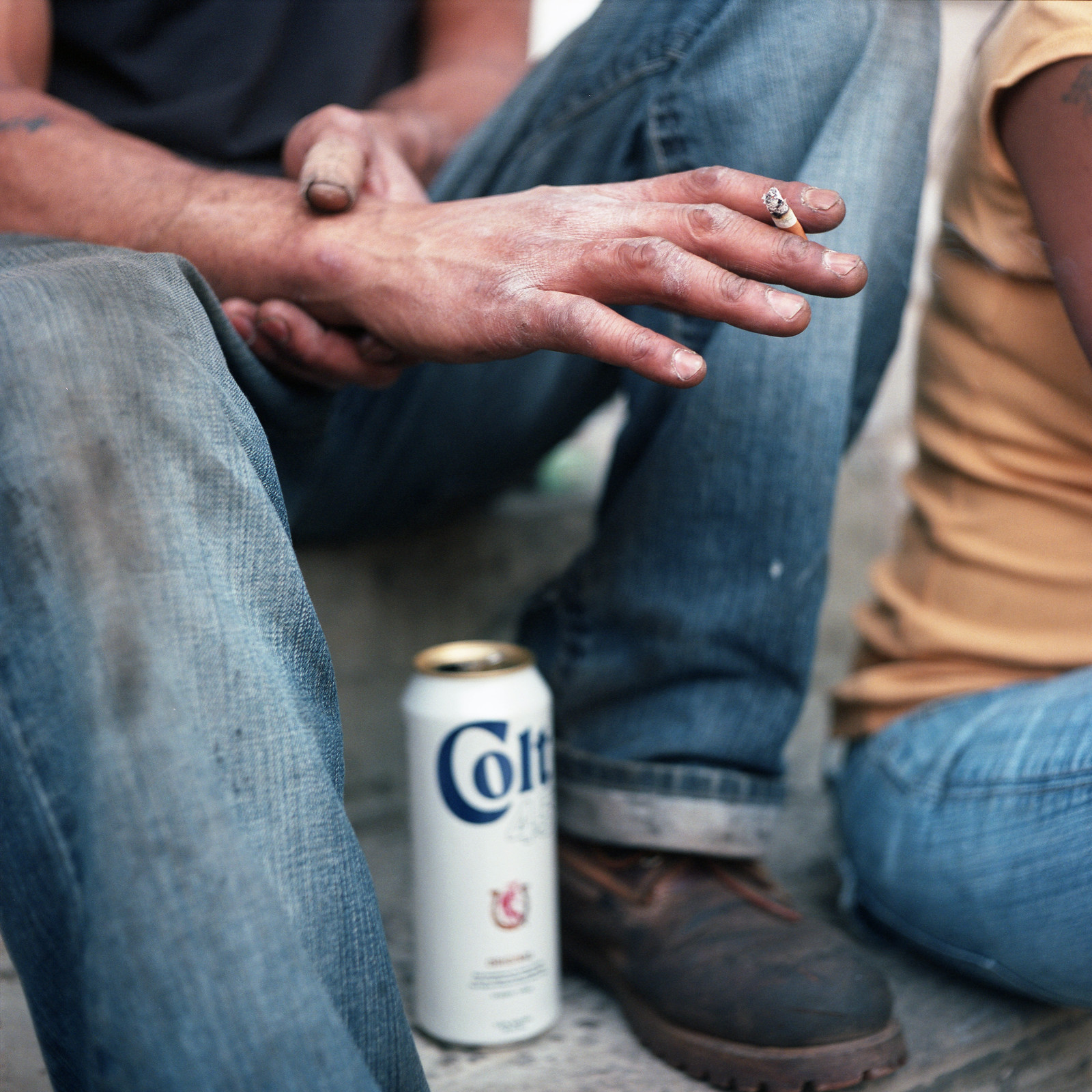
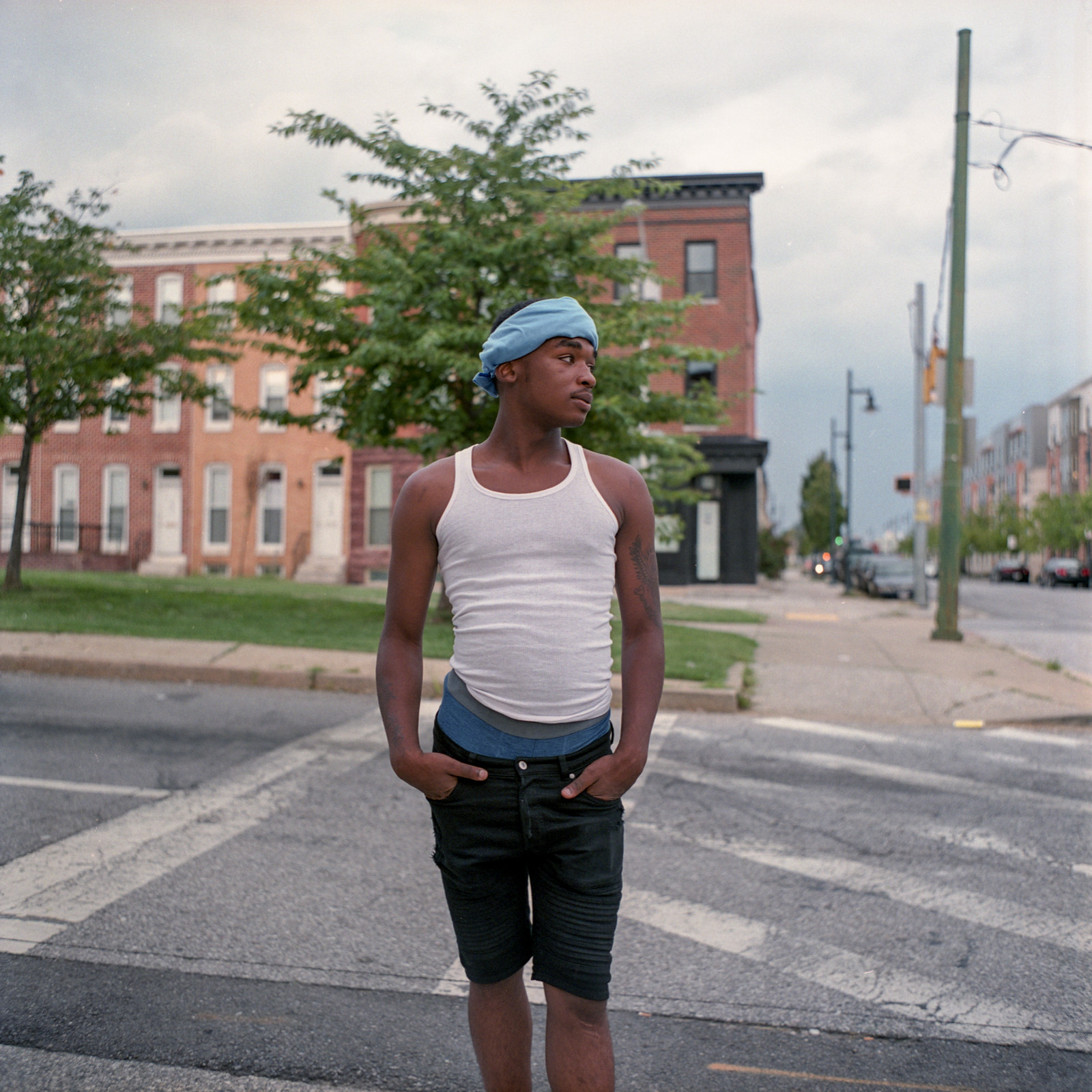
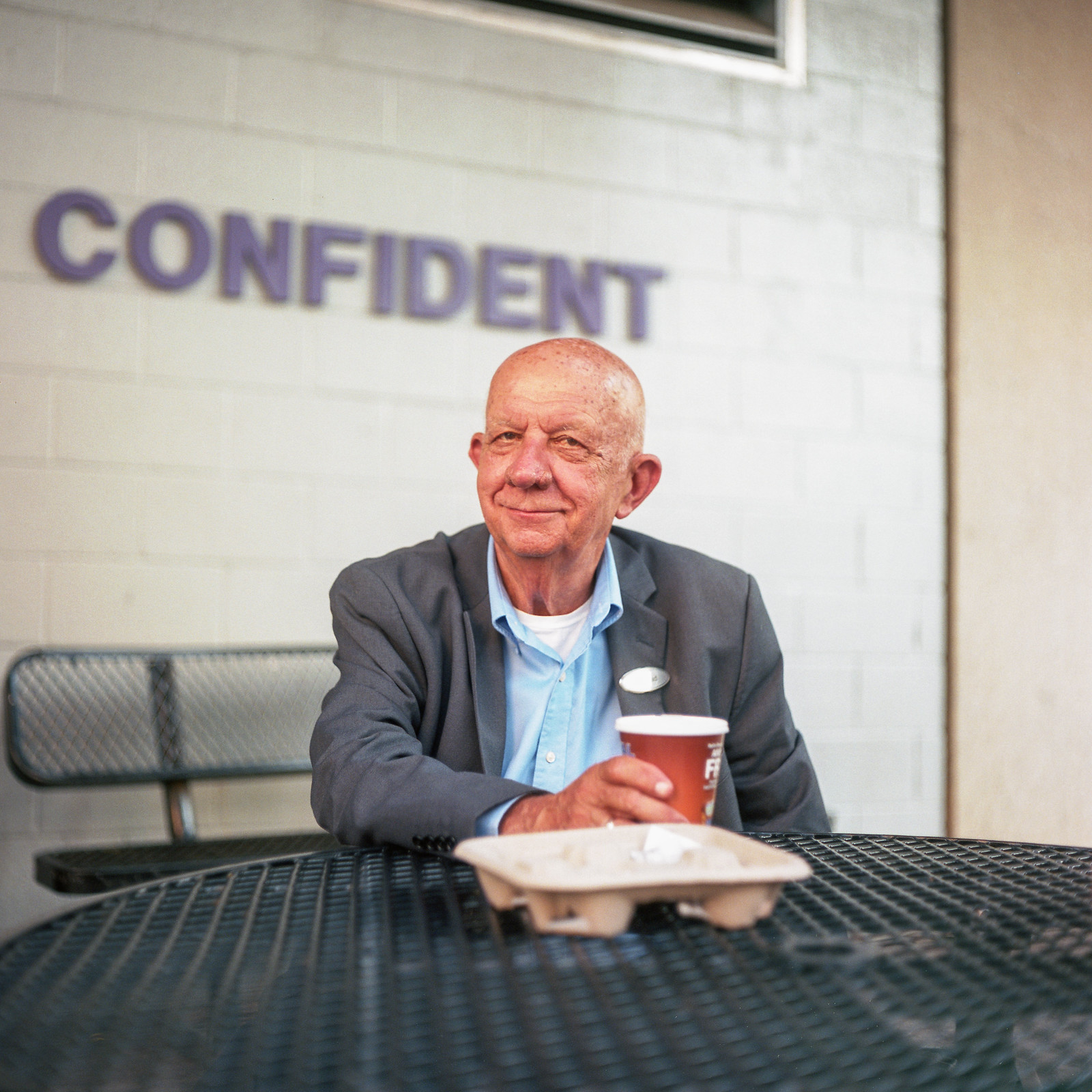
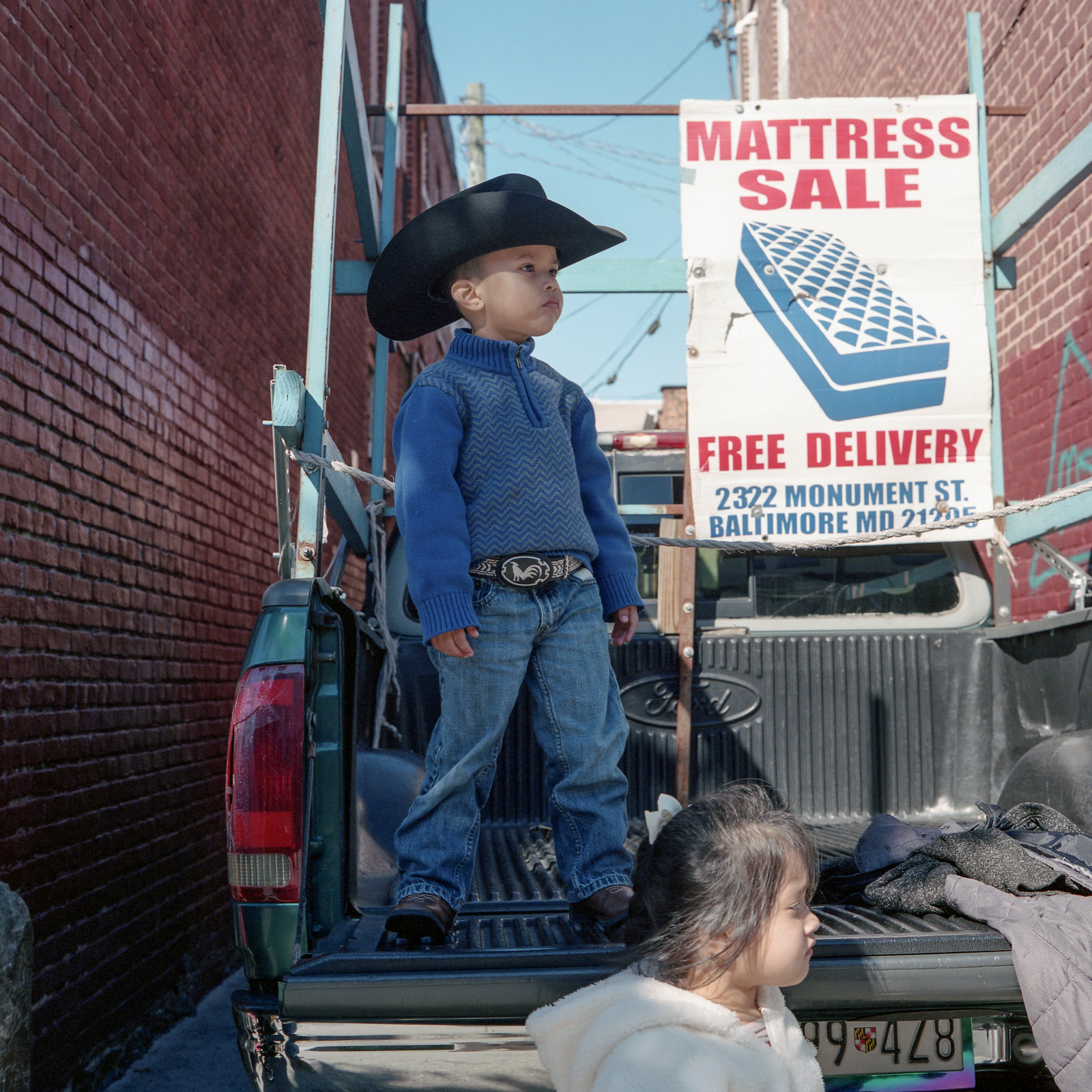
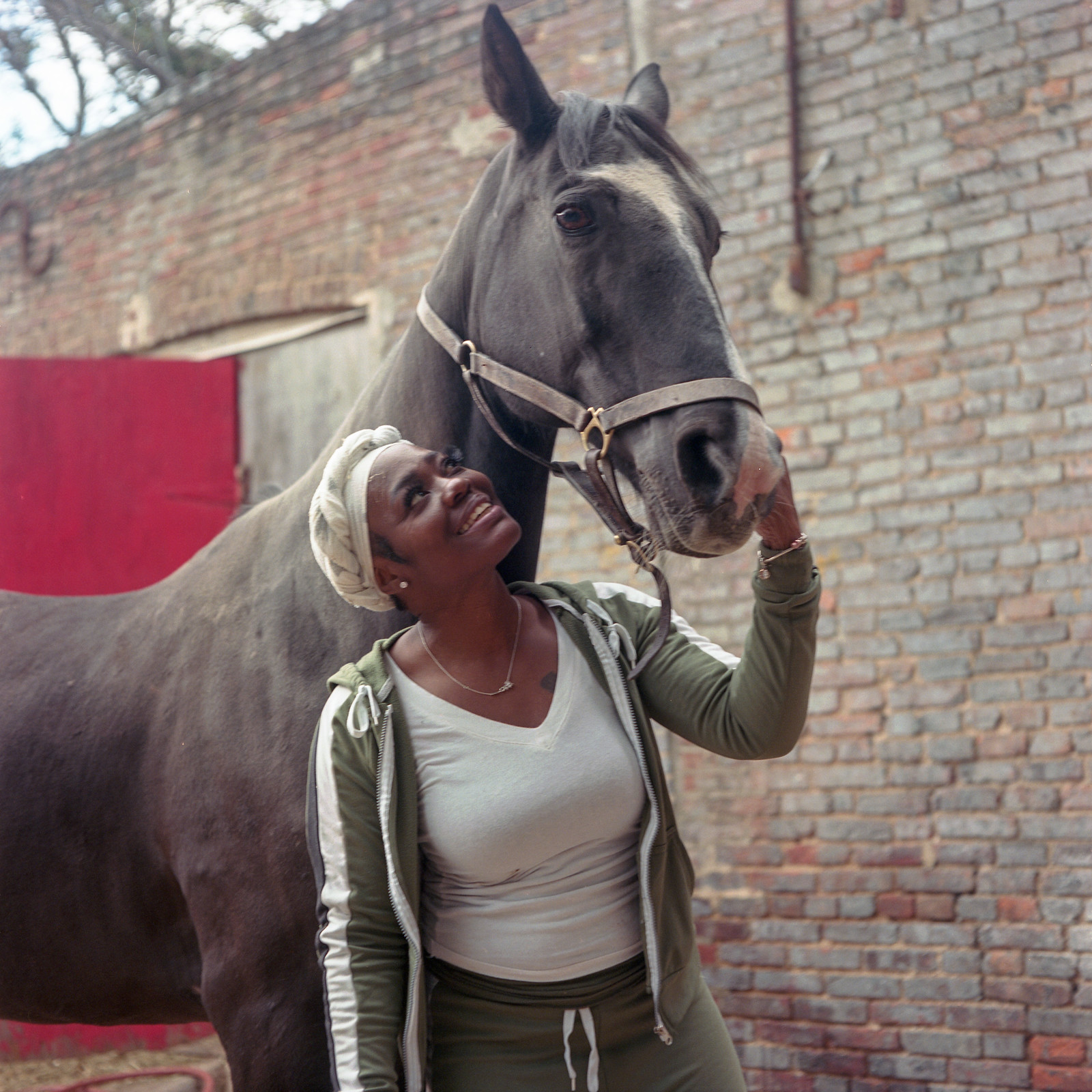
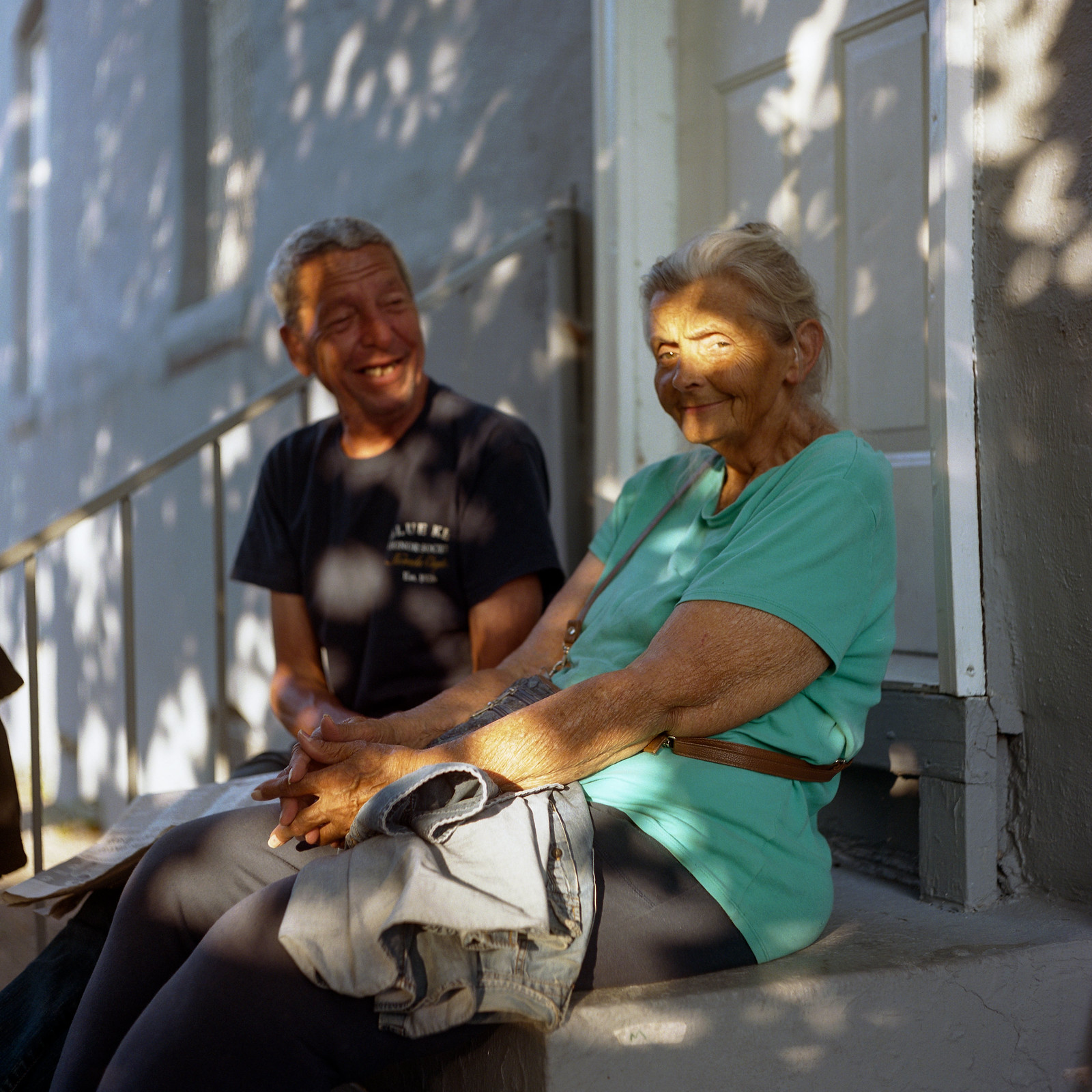
To be honest I think I’ve gotten worse at taking pictures of people in recent years. Some of that might be because there are a few competing aspects of my photography. I mentioned that it’s harder to photograph people, which is true, but I also love photographing in the early morning and evenings and while I’ll sometimes get portraits during that period it’s relatively rare (and the slow film I use makes this tricky too). I know that what I should do is hang out more during daylight hours in certain places to increase my chances of meeting people, but it is also harder to do because these times I’m also more likely to be tied up with other things. I’ve also definitely noticed that fewer people are outside than there used to be. Even in neighborhoods in Baltimore where you could expect people to be out on their steps hanging out, smoking, eating crabs, playing chess; it’s just less common now. So it does become harder. I love the work of Sage Sohier, for instance, and kind of marvel at the level of outdoor activity in the places she photographed in the 70s and 80s. I never experienced anything like that in Baltimore, but even 10 years ago, it was more lively than it is now. And so sometimes I struggle a bit with finding people and I’ll have some pictures and I look at them and think, ok, this is a person in a picture but is it actually a good picture? In most cases, it’s not.
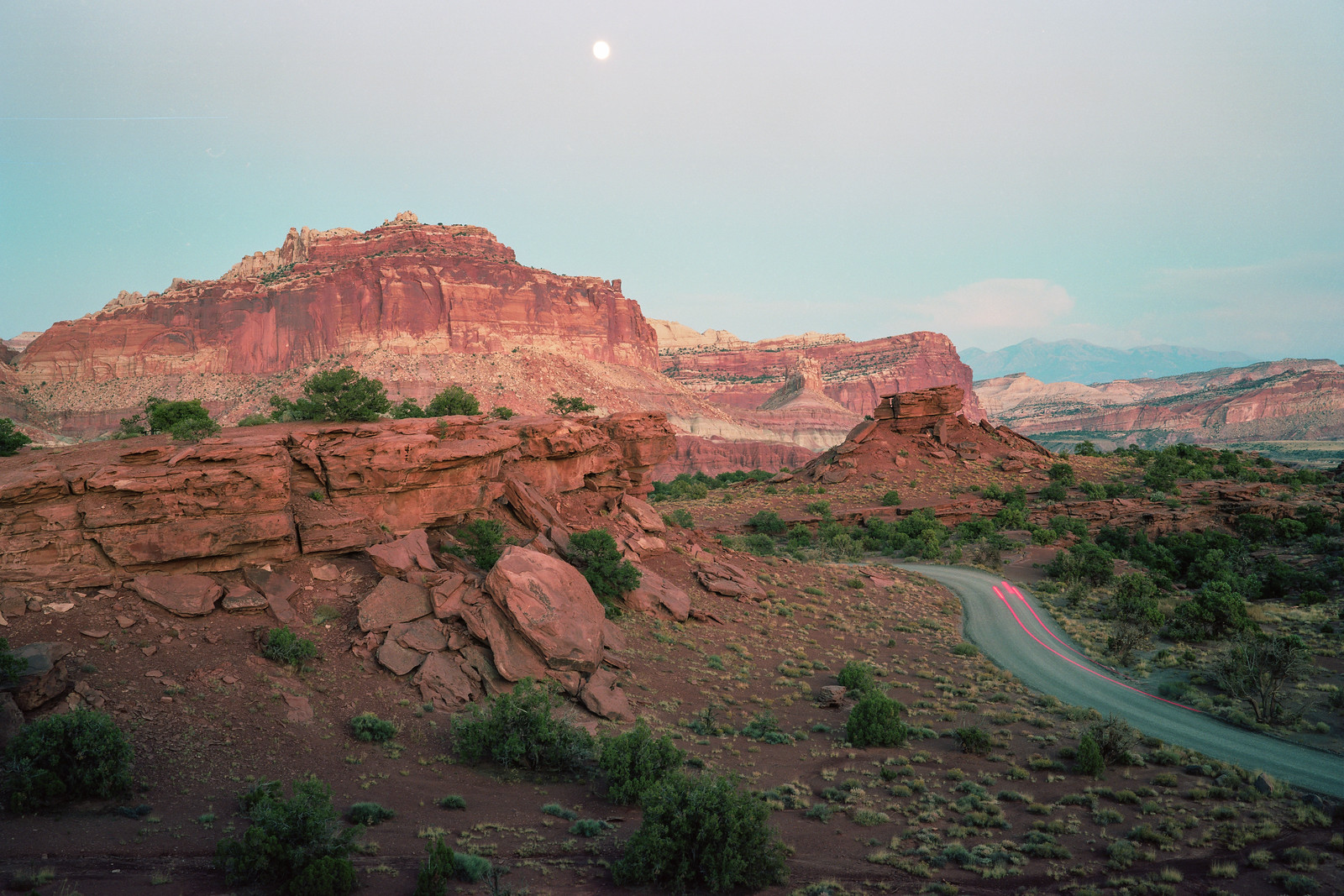
I was thinking it’s strange that certain passages from novels linger in my mind as if I’d seen a photo of them. (And I’m not the most visual person!) Not the big moments, just sort of passing-through moments – K’s Sunday morning walk down the street in The Trial, the invisible man’s walk across the campus at dusk. Are there passages from novels or poems or memoirs that linger with you in this way?
In his sleep he worked so hard that sheer exhaustion woke him up.
That’s a line from Anne Tyler’s Celestial Navigation, which is a lesser-known book of hers but one of my favorites that I just finished re-reading. It tells the story of an artist who is afraid to leave his home and centers around his everyday struggles and the struggles he makes for others. In the last few years I’ve been reading, and listening, to books more than ever, which is also a good way to deal with the stress of our times. I’m sure my interest in photography relates to this, too, but I’m especially attracted to good description. Don Delillo’s Underworld is a book full of vivid details that I have especially loved in recent years. His account of one of the characters getting lost and coming upon the Fresh Kills landfill like it was some kind of great hidden monument sticks in my mind. There are a lot of these moments of discovery in the wonder of ordinary things. There’s a new book of Larry Sultan’s writing that I just finished and this quote seems a good fit here:
For me the greatest experience that a work of art or literature can provide is to make visible something I know inside but cannot yet name or see.
Plot does matter to me but I get especially excited with the way an author turns a phrase in a way that makes me think differently about a normal process, like making breakfast. I listened to A Wrinkle in Time pretty recently and was most fascinated by the way Madeleine L’Engle writes about the kids making sandwiches and the outside storm and mysterious happenings that build up a sense of anticipation that is actually more interesting, to me, than what eventually takes place.
In many ways, I think of myself as a second-rate librarian, not because I’m necessarily such a bad librarian but because I’ve met a number of “super” librarians over the years who really fit the part and I never think of myself as being quite in their league. At the same time, I’m so enthusiastic about reading books that I feel like some kind of cliche trying to convince “the kids” about the “magic of reading,” but I really do think it’s a kind of magic. In many ways I think the novel is the supreme art form, which is a little silly, because it’s not a competition. Maybe I think that way because there’s so much possibility in a good novel and so many different ways of reading. I went through a time in high school where I pushed myself to read great books and thought about the process as being very serious and important. I did enjoy much of what I read then, but there were a lot of books, like Invisible Man, that I really wasn’t sophisticated enough as a reader to appreciate; that tight-knit combination of melancholy, tragedy, and comedy just went over my head. Here’s a fragment I especially like:
…over all is a quietness and an ache as though all the world were loneliness. And I stand and listen beneath the high-hung moon…
This could be a poem all by itself. Invisible Man is full of this kind of rich description. Ralph Ellison was also a photographer, it should be noted, and both Gordon Parks (who was also Ellison’s teacher) and Jeff Wall used his work as artistic inspiration.
I’ve never consciously tried to conjure an image based on something I’ve read but in addition to just being one of the most enjoyable activities I engage in, reading has had a huge influence on how I consider things visually. I’ve had a tendency to be attracted to writers like Ellison or DeLillo who often have a sensibility that is somehow photographic, even though the forms are so different from each other. Here is another quote, this time from If Beale Street Could Talk by James Baldwin, that seems to apply:
The mind is like an object that picks up dust. The object doesn’t know, any more than the mind does, why what clings to it clings.
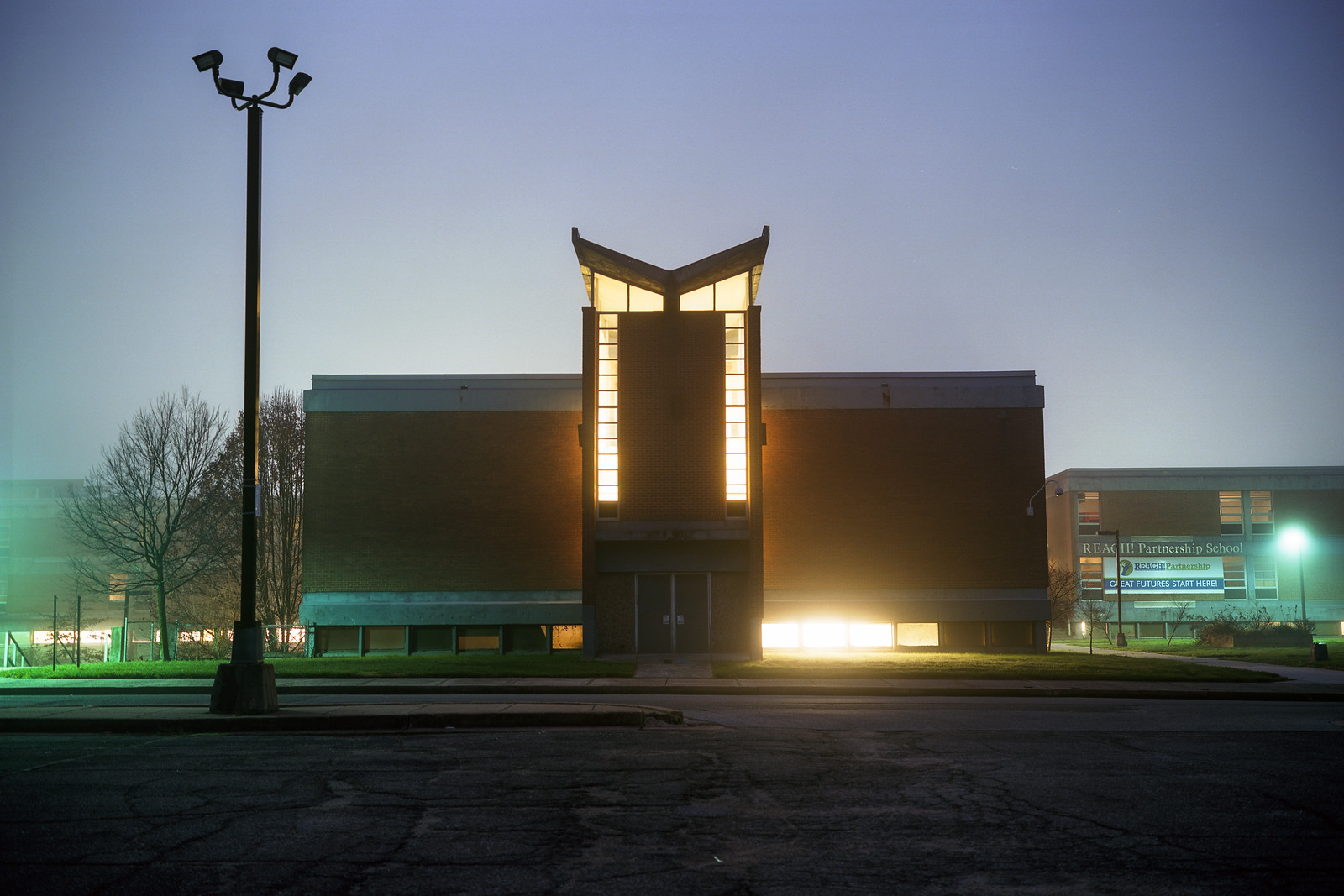
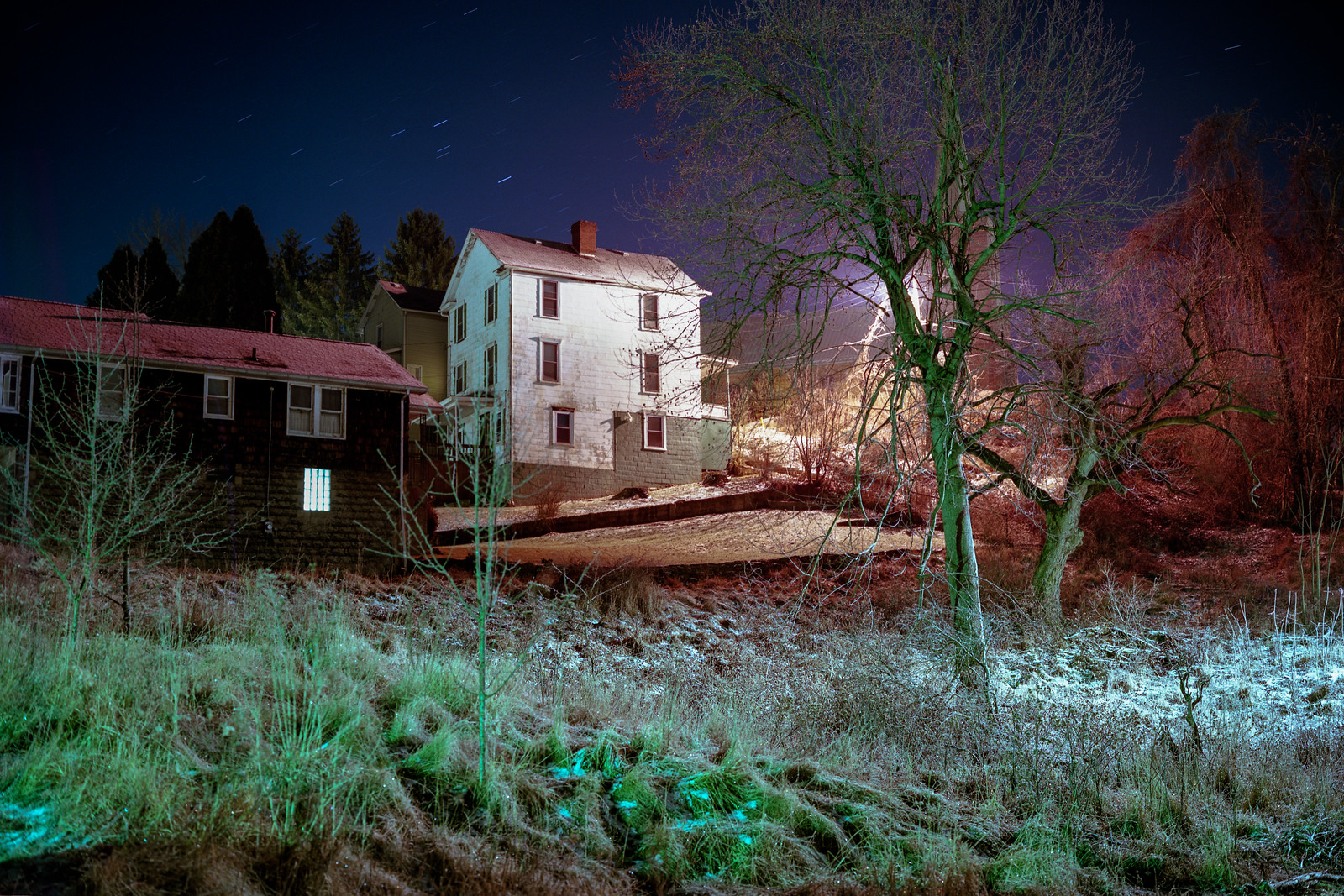
I think maybe related to this, part of what has always drawn me to your photography is your uncanny ability to capture the mood of a certain time of day. Dawn or dusk or that weird middle-of-the-night where everything is quietly humming. What’s the process like in capturing something that’s changing – the passing of time – with a medium that’s so inherently still?
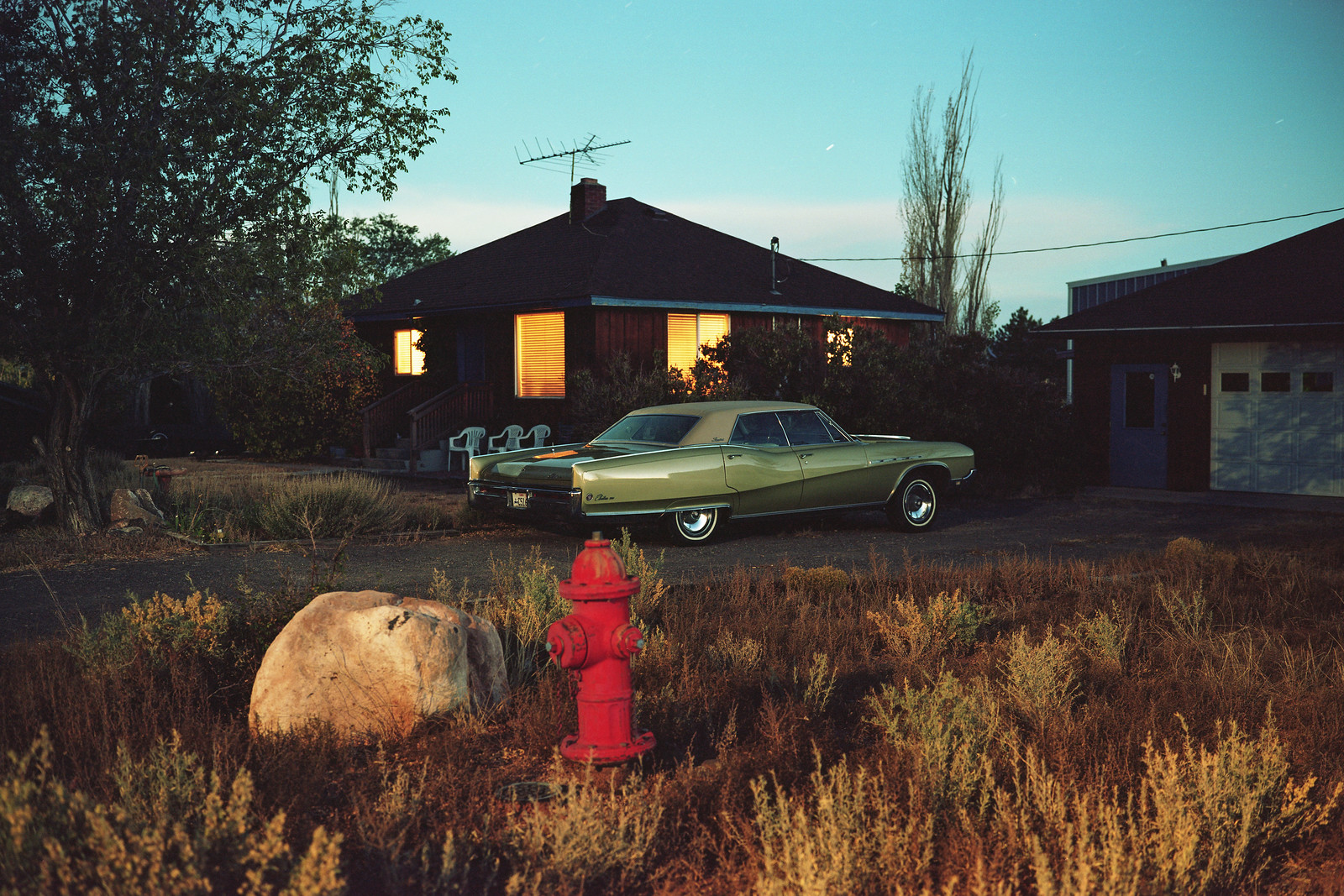
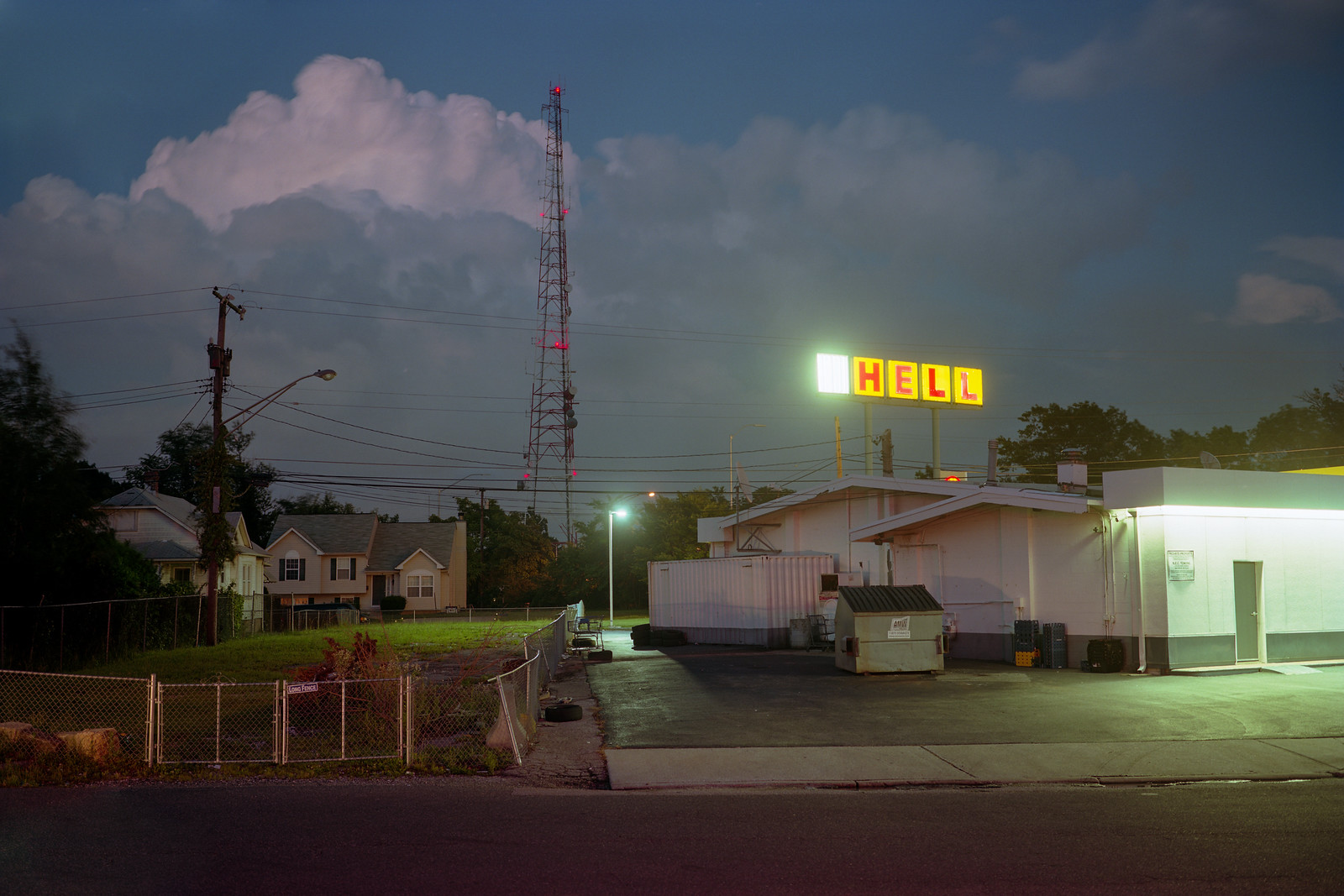
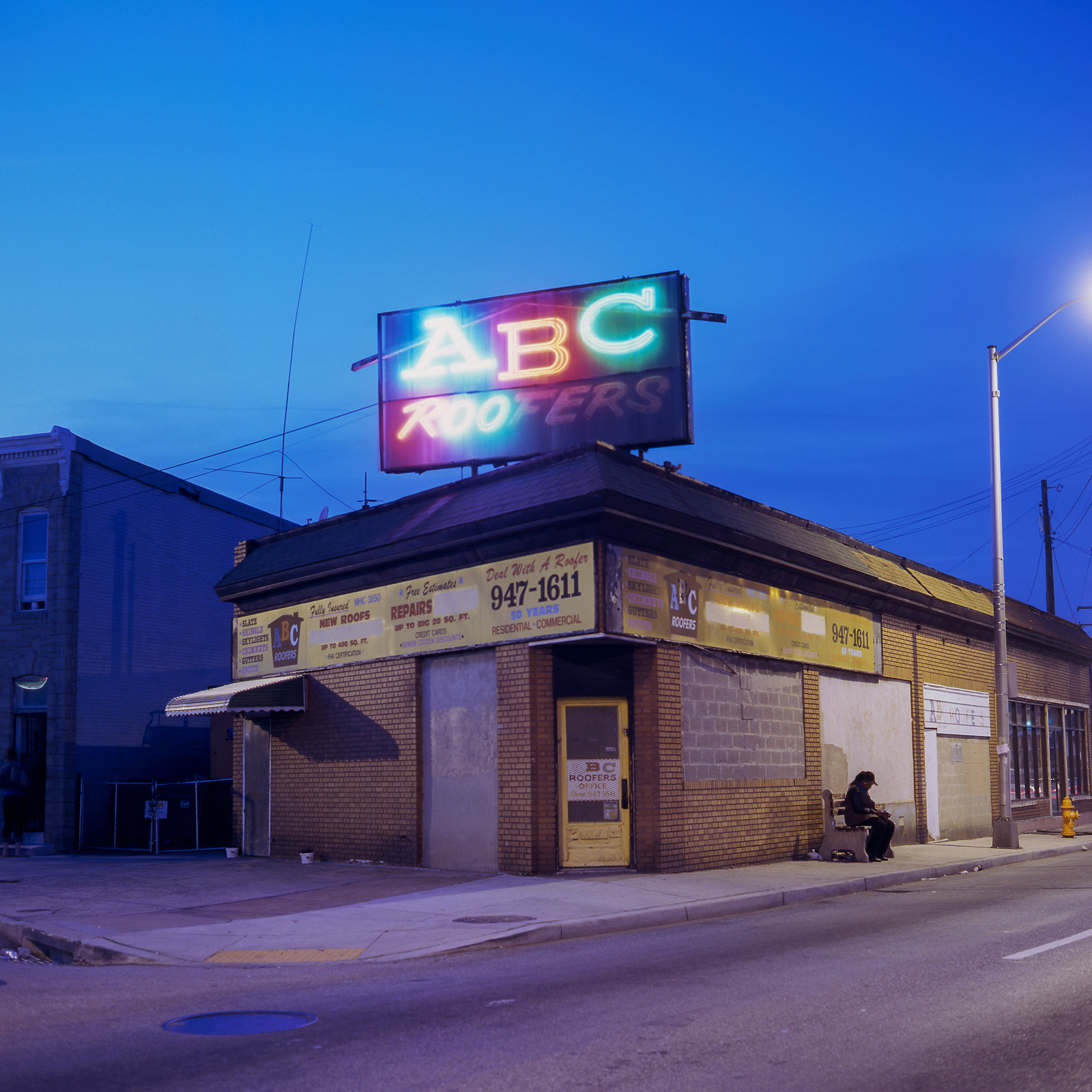
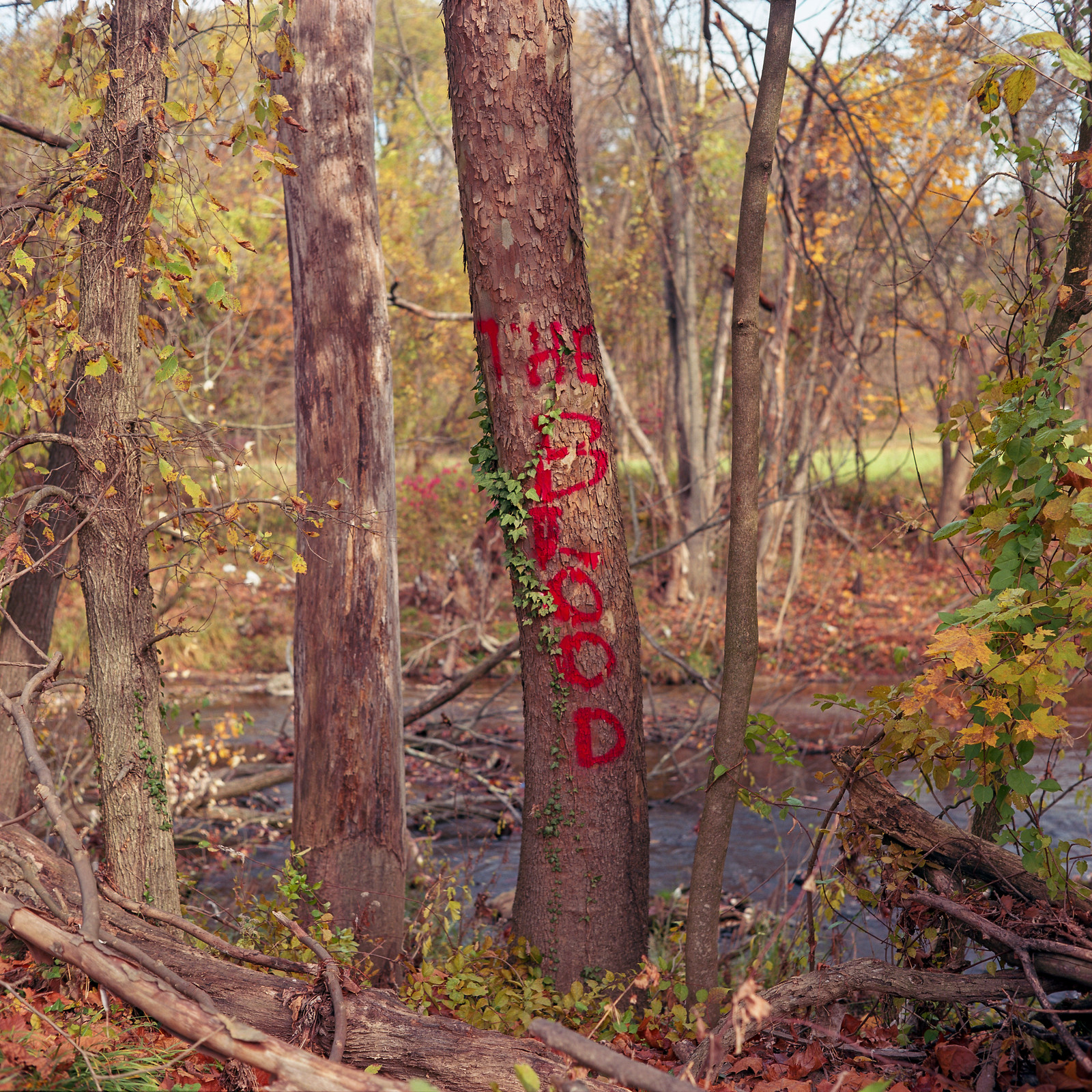
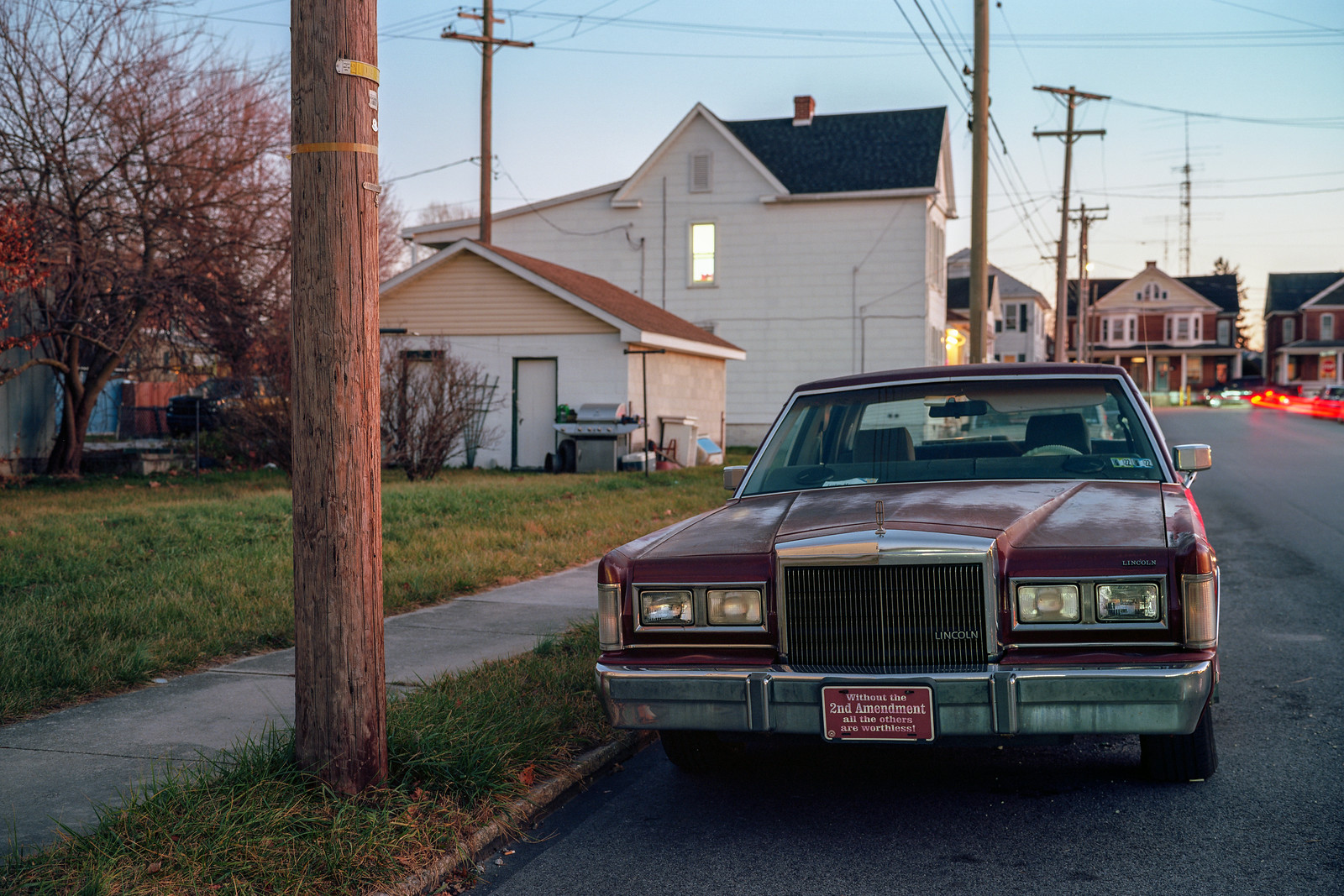
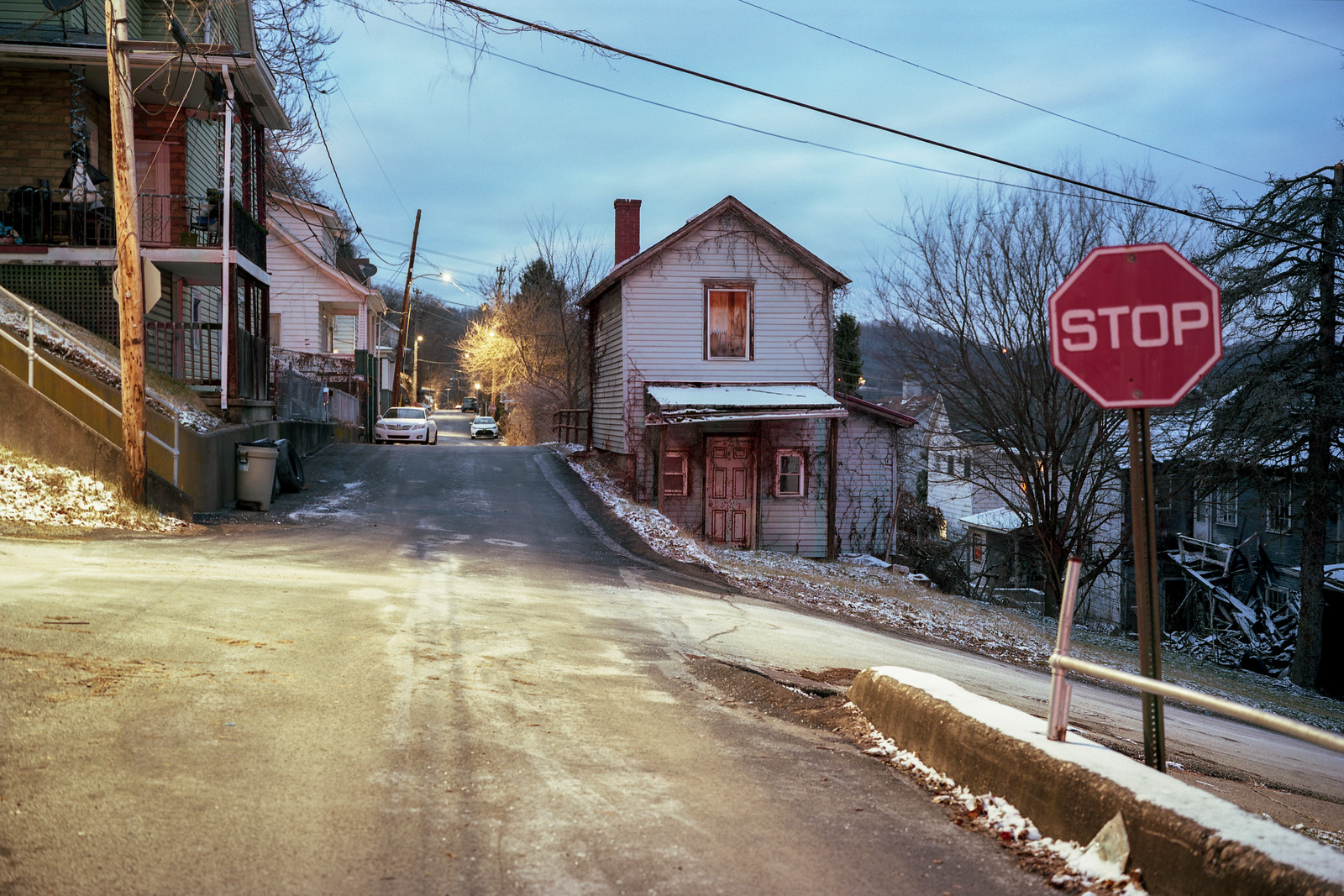
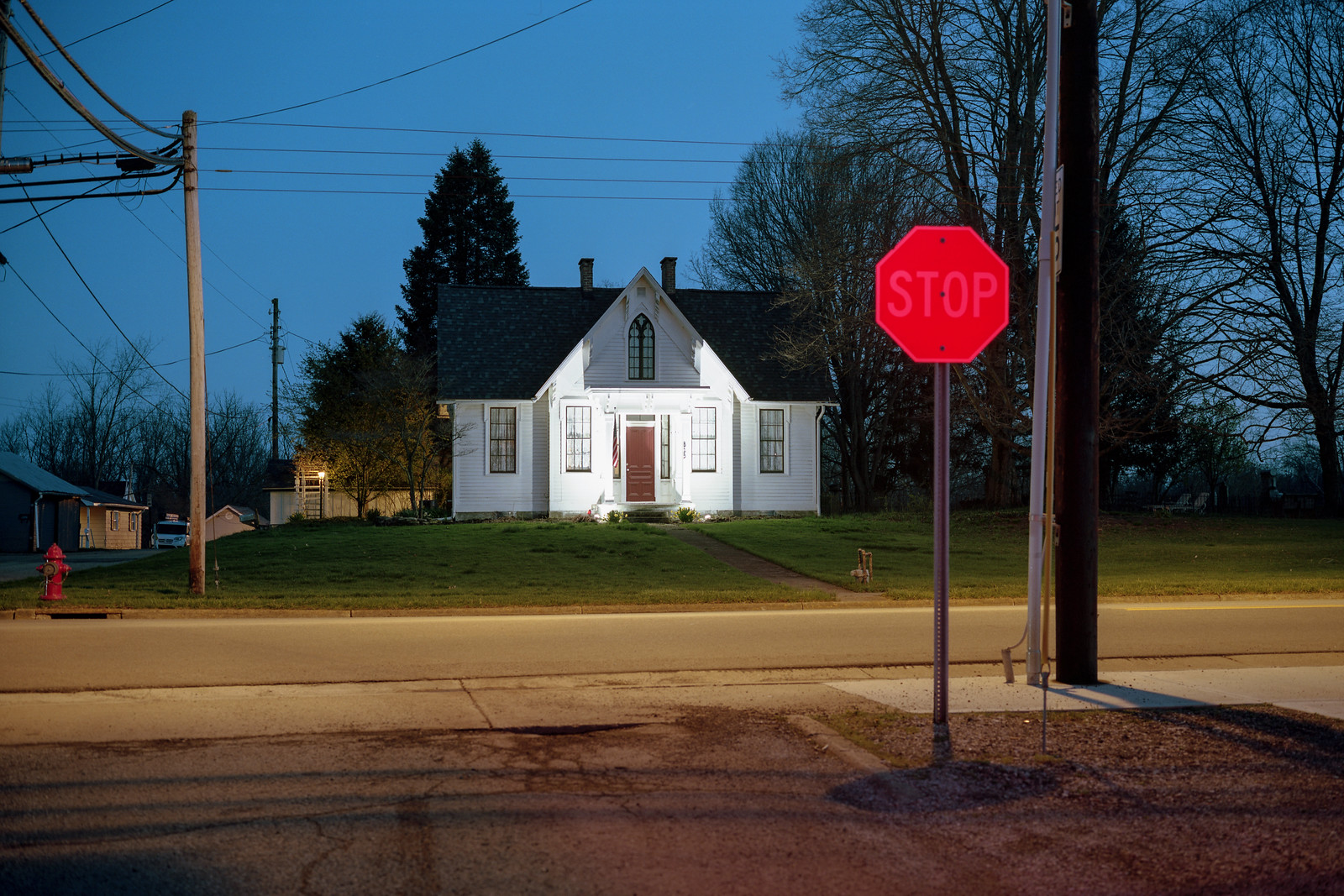
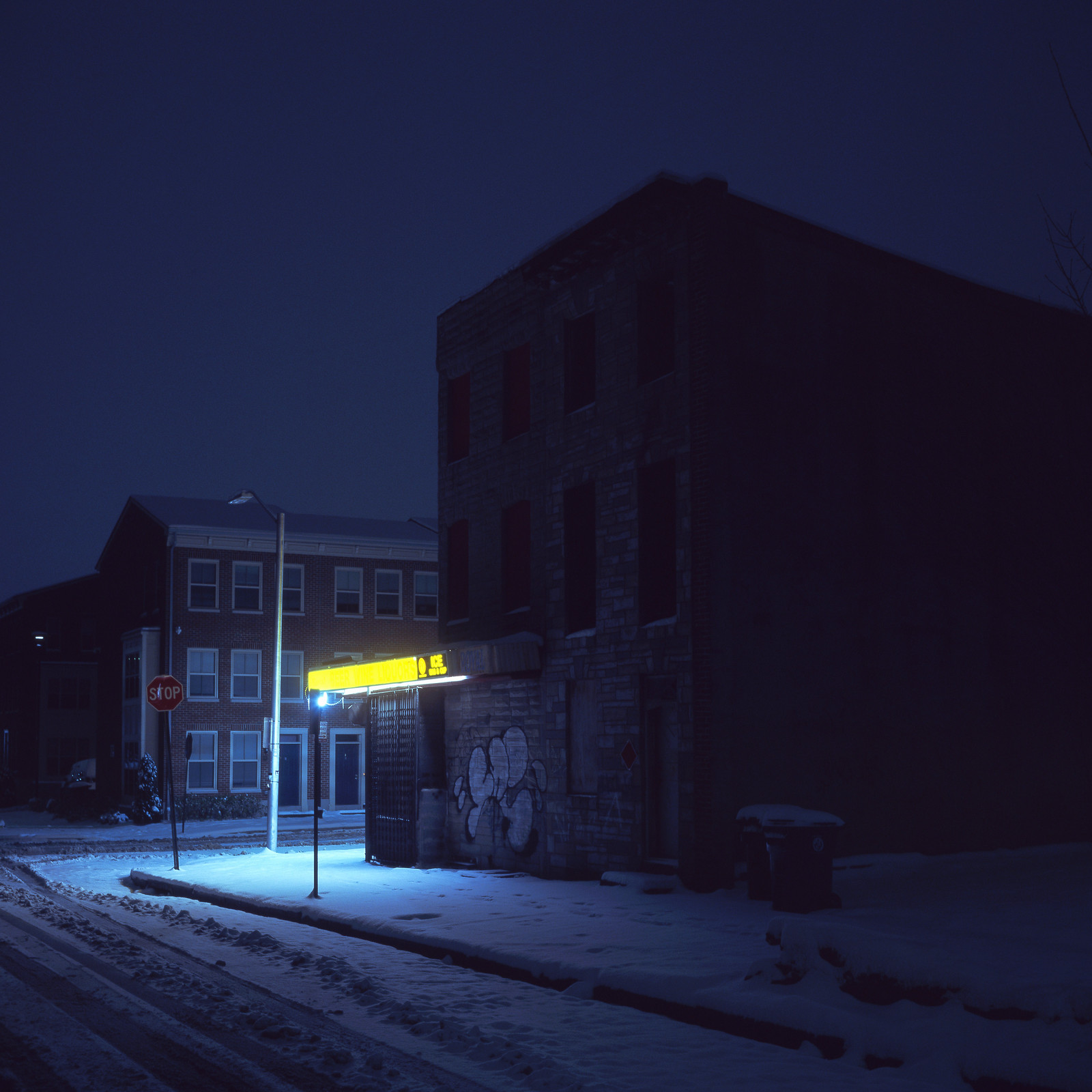
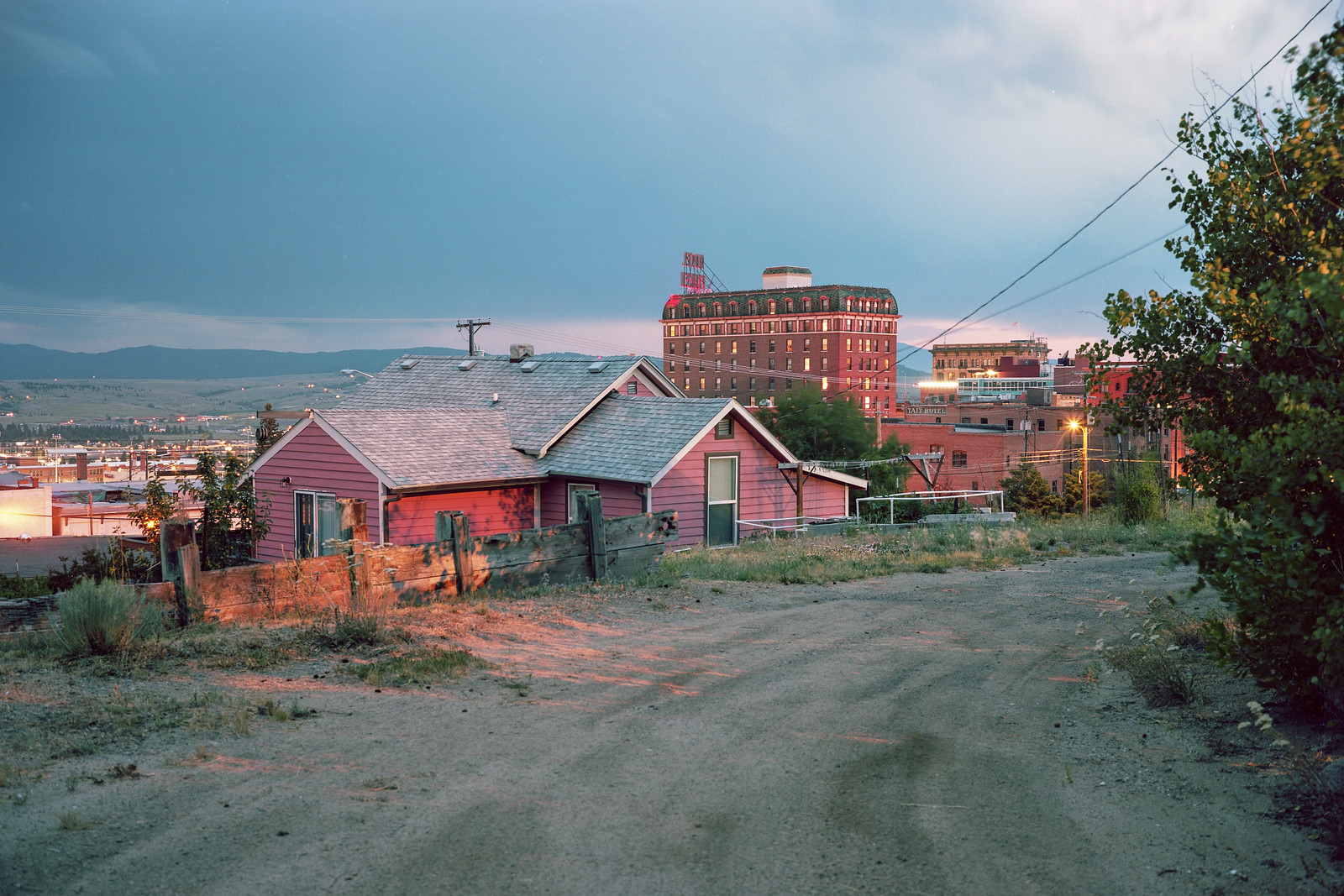
Thanks very much! Things can’t always follow this pattern but, especially with my medium format color work, I tend to photograph in the hours around dawn and dusk the most. I enjoy this dawn/dusk period so much that it tends to dominate my output. I can really wear myself down over a multi-day/night period of taking these kinds of pictures, but I find the process easy and comforting. I love the tension of photographing things when the light is changing. I like the competition between natural and artificial light and having to deal with weather and other things. The mornings are especially attractive to me because even in busier towns/cities, things tend to be calm and quiet.
I’ll often finish up making some pictures and have this feeling that something really amazing and special happened. I want to tell people about it all but, of course, it’s just the sun coming up. It happens every day. Photography has helped me to not take this daily occurrence for granted.
Long before I took pictures I loved the periods of transition from night to day. As a kid there was always this sense of anticipation and sometimes that was associated with something more tangible, like getting up to go on a trip, but there’s a reason a lot of people are attracted to sunrise. I’m just a bit more interested in how things look before the sun actually comes up or just after it goes down; when the light is bouncing off the atmosphere and has this soft look. Within the latitudes I’m photographing this period of time goes by fairly quickly but the photos do give the illusion of arresting time. In the mornings, especially, I’ll often finish up making some pictures and have this feeling that something really amazing and special happened. I want to tell people about it all but, of course, it’s just the sun coming up. It happens every day. Photography has helped me to not take this daily occurrence for granted.
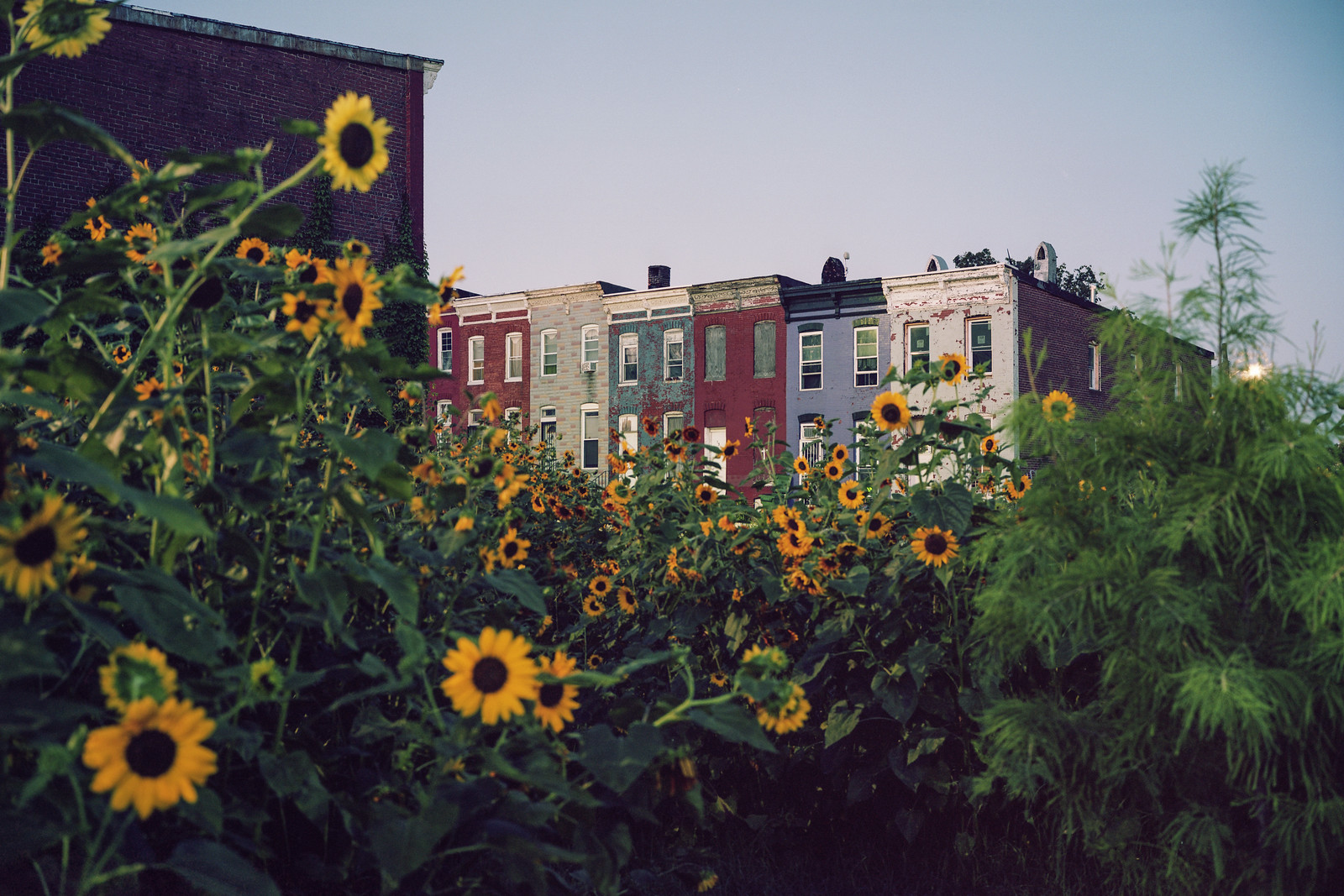
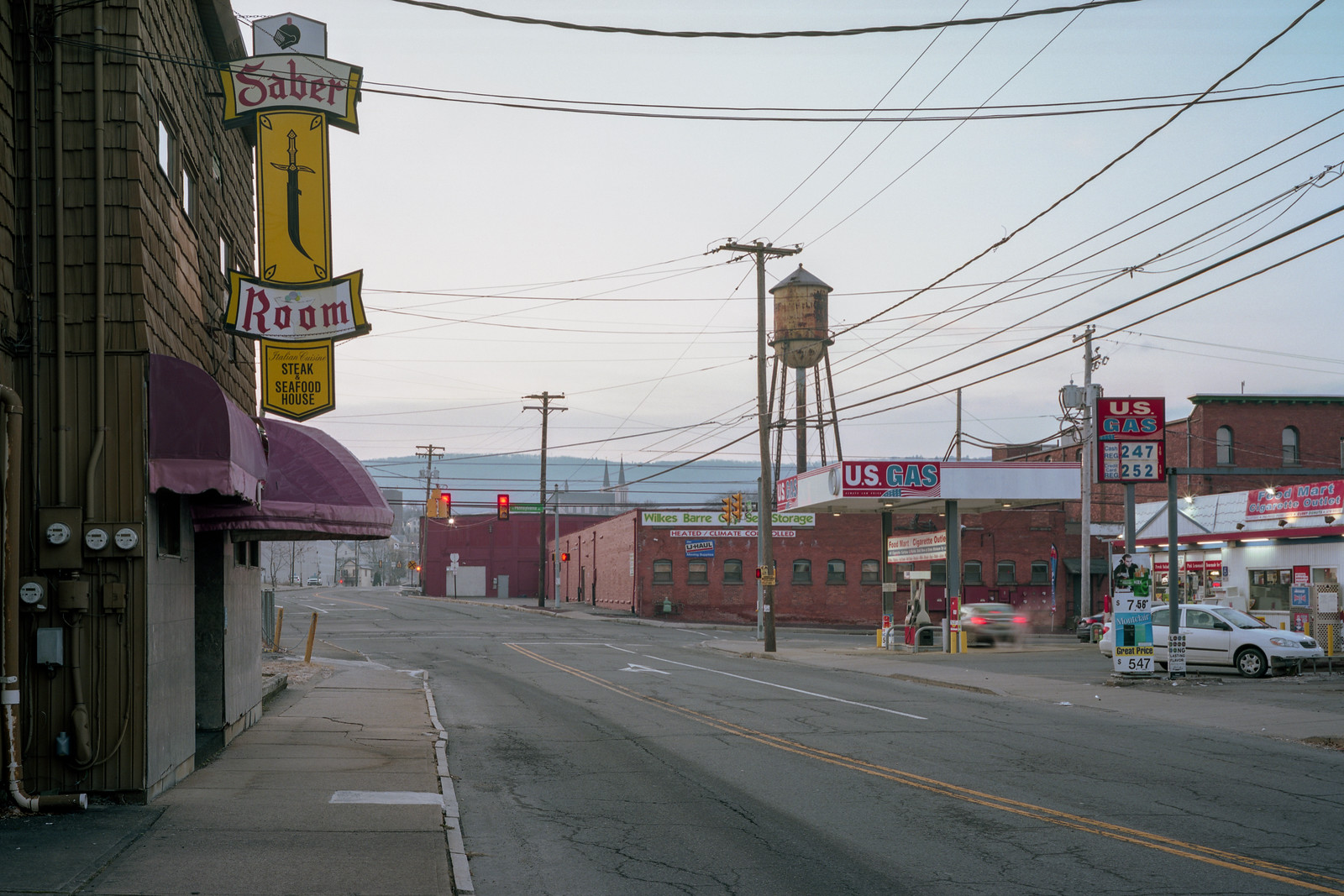
Speaking of which, another (one of the many) things I love about your photography is a sense of space or grace or stillness or quiet. I’m not sure how to describe it. It’s like they speak so clearly that they can speak softly. I really can’t think of much other photography that strikes me in this way. Is this something you think about or work to achieve? I guess the question is about the language, movement, noise, temperature of a photograph.
Thanks again! I definitely feel that about a lot of the work I make but I’m not always sure if it’s being conveyed to others or if I’m just feeling that because the experience of taking the pictures has so much to do with how I look at them later. Another quote from Garry Winogrand that I find myself thinking of often is this:
The photograph should be more interesting or more beautiful than what was photographed.
At the same time it’s often just fun to photograph and document. It doesn’t have to be this epic serious thing and Winogrand’s output clearly showed his basic joy in the act of taking pictures whether he “got” the picture or not. But I think there’s an important point that he makes here. I sometimes think of it in terms of taking a picture that has some weight to it. That’s something I definitely try to do.
It’s hard for me to decide on a favorite photographer, but the one that I think comes closest is Joel Sternfeld, a photographer who has made so many images that speak softly and have a weight to them. American Prospects, Stranger Passing, Rome After Rome; these are bodies of works of his that I come back to again and again for their own sake but also for inspiration. The word sublime might be overused but I do like it and I certainly think of it in relation to his work. I was just checking on the definition and one of the meanings is “to render finer.” Just to focus on one body of work, Rome After Rome, there’s this mix of the modern and the ancient in many of his frames and this is a subject that goes back in photography for certain but can especially be seen in the work of painters like Robert Hubert, JMW Turner, Claude Lorraine and so many others. I love paintings of ruins that also show people living, playing, and working within them.
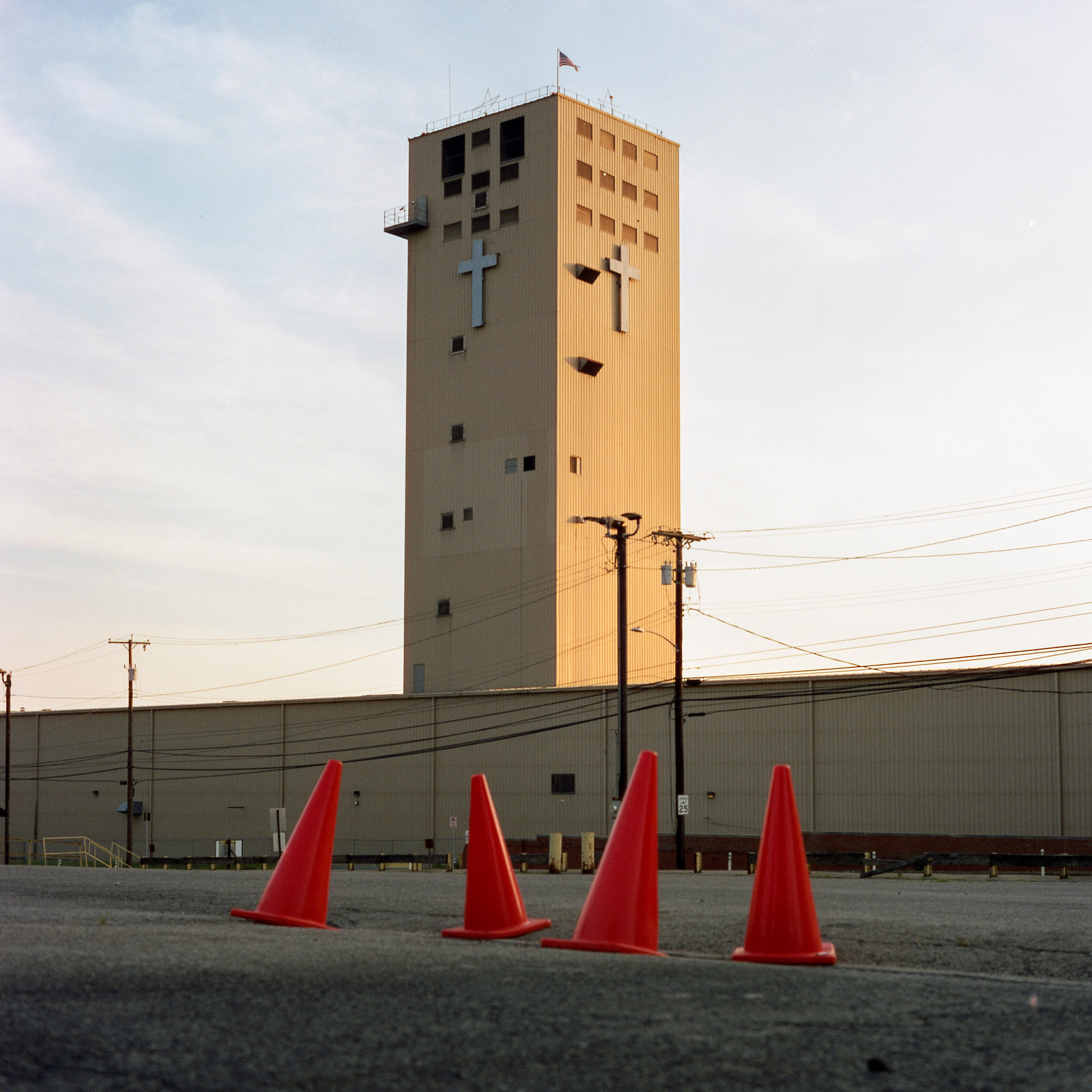
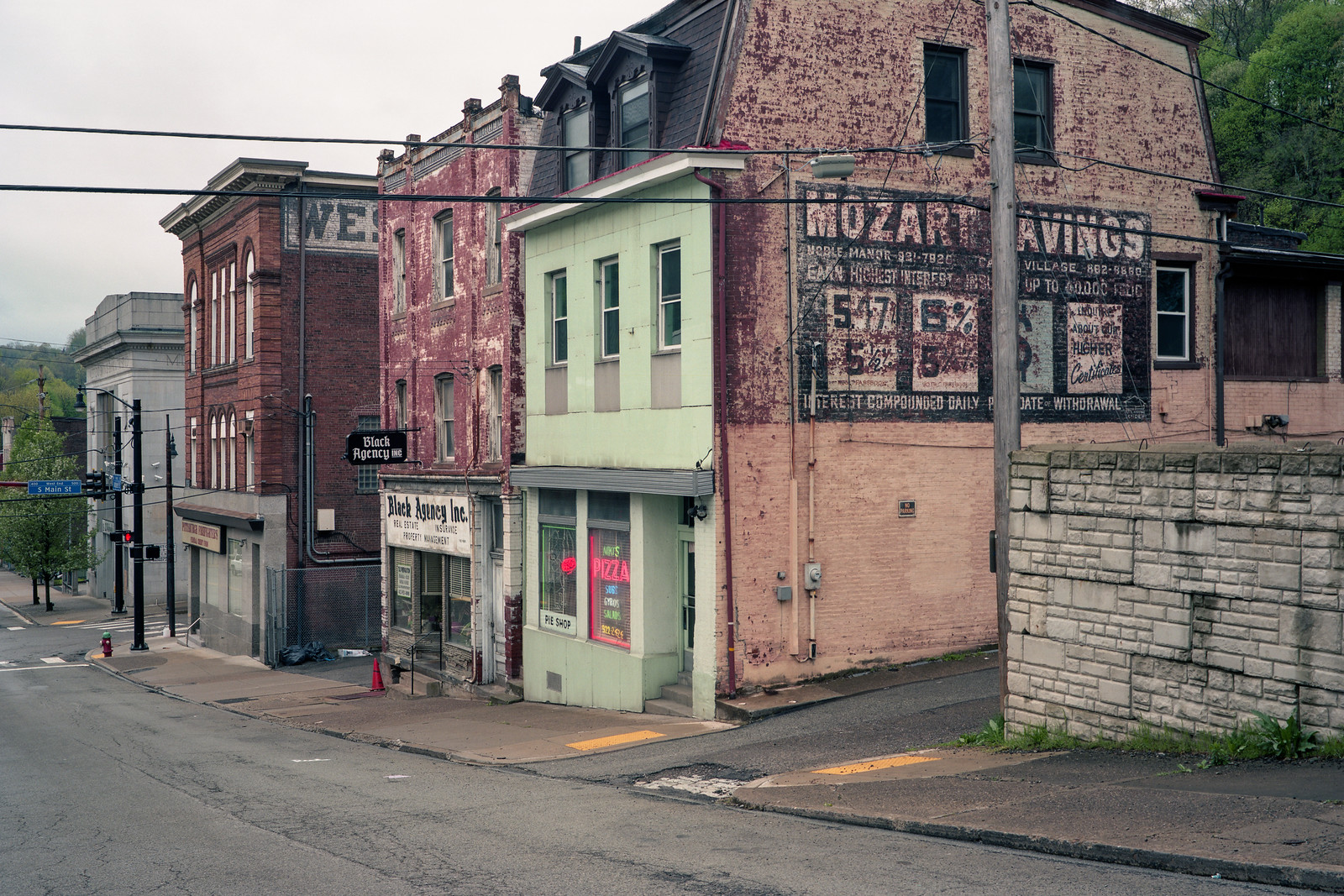
Often America is talked about as a “young” country, which always seems strange to me because what part of the Earth can be described as young or old, really. Of course I know what people mean in the sense that we don’t have castles and ancient Roman architecture dotting the landscape but we do have ancient ruins of various cultures and the land itself has something to say, but there’s also this mix of forms from all over the world, some of which have fallen into ruin, all over the landscape. I love these bits of the “old world” that can be found in towns in places like Pennsylvania or Ohio. I love how the color of towns and cities changes depending on where the brick came from or the stone was quarried. I love the mid-century sandstone colored architecture you can see in civic architecture in Texas. There’s a certain geographical rootedness that’s inherent in taking pictures in a certain place but I also love how you can look at a photo and it can conjure a sense of other places, real or imagined. I love a photo that is complex, that might have romantic elements to it but also reminds us of the sadness that we project on a piece of ground.
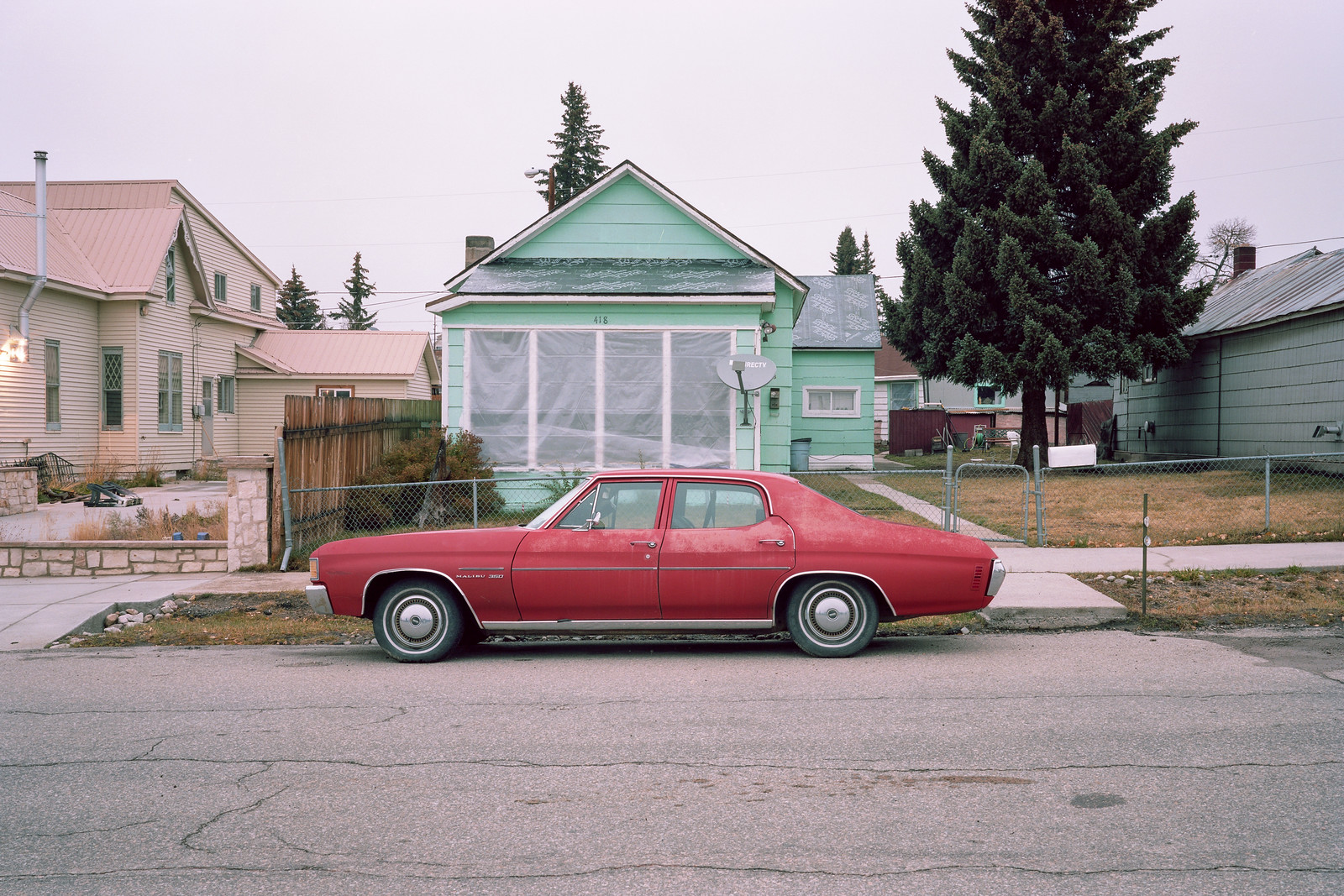
I wonder sometimes about how thin the line is between something that is beautiful and/or profound and something that is kitsch. I’ve photographed in a lot of places where an old car seems strategically set in a place to make it a kind of photo souvenir for people, like me, driving by on the old Route 66 or some other place like that. I was born in the “gold country” of northern California where there were constant reminders of mining and where you might find a painting at a flea market of an old railroad engine called “Old Glory” or something along those lines. I look at a lot of my work and wonder if I’m just making stuff in that kind of tradition. Of course a lot comes down to whatever edit might be made. I think you could definitely make an edit of my work that would amount to kitsch. I just hope that there’s enough material for another stronger edit. Ultimately, that’s something for an audience to consider, if it’s even worth considering.
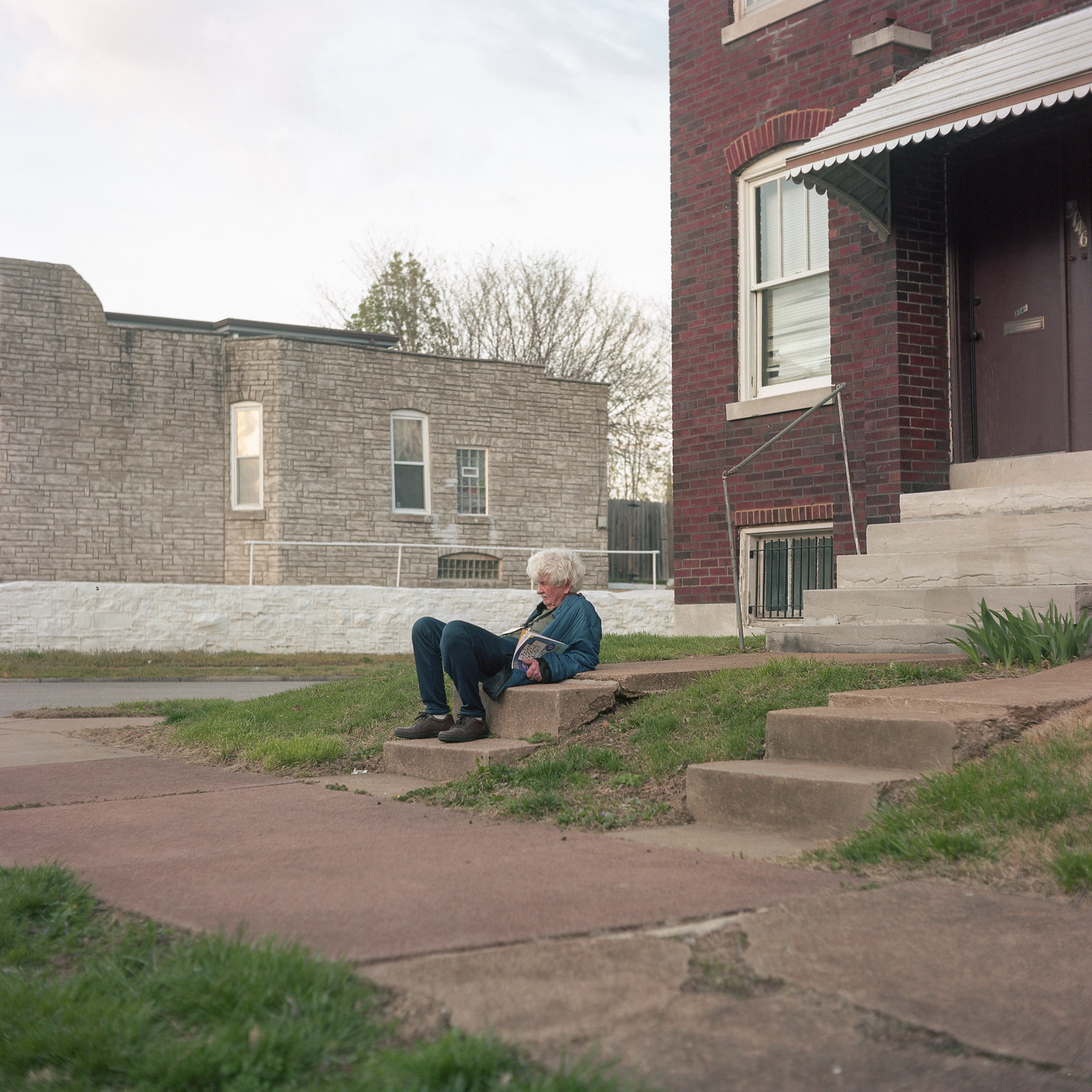
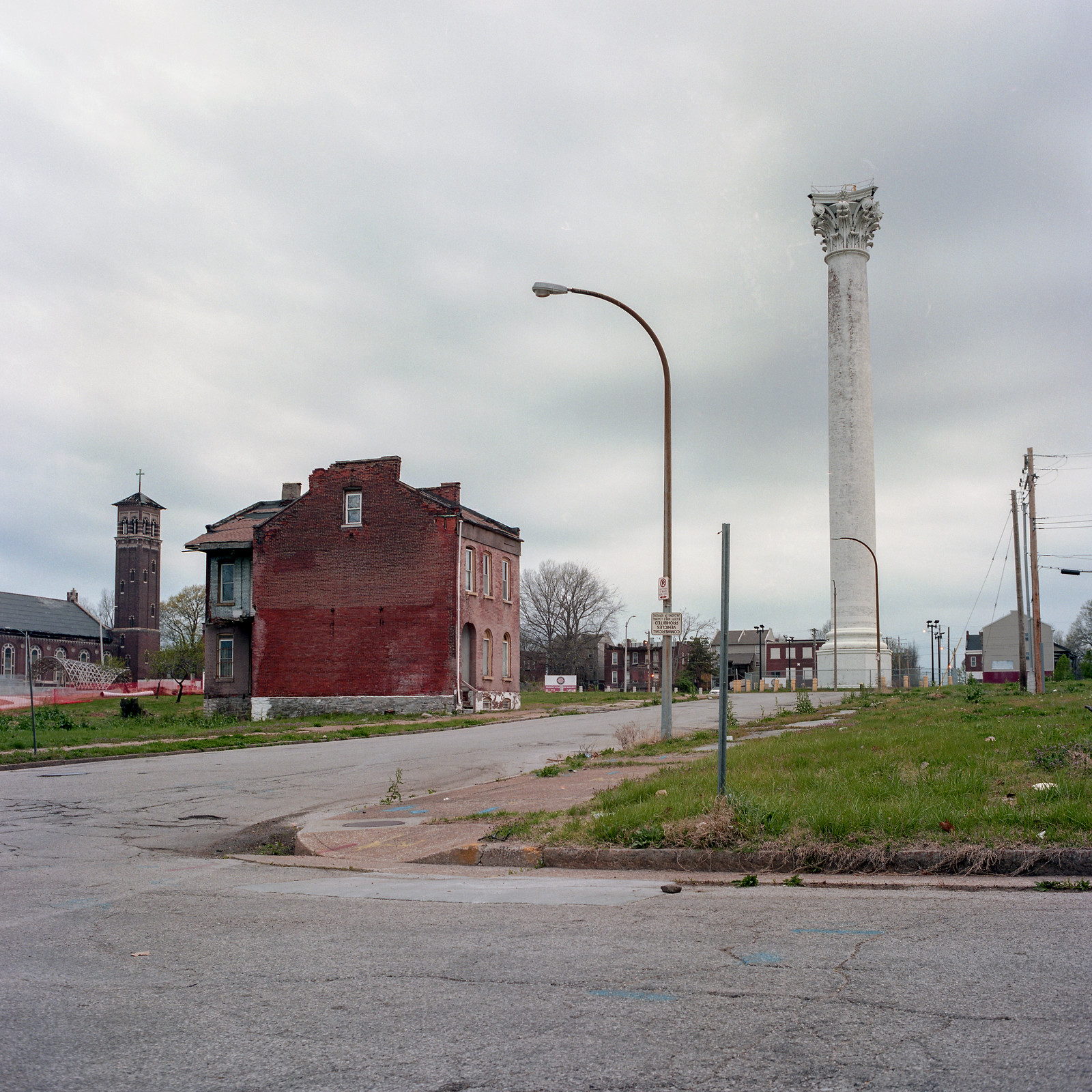
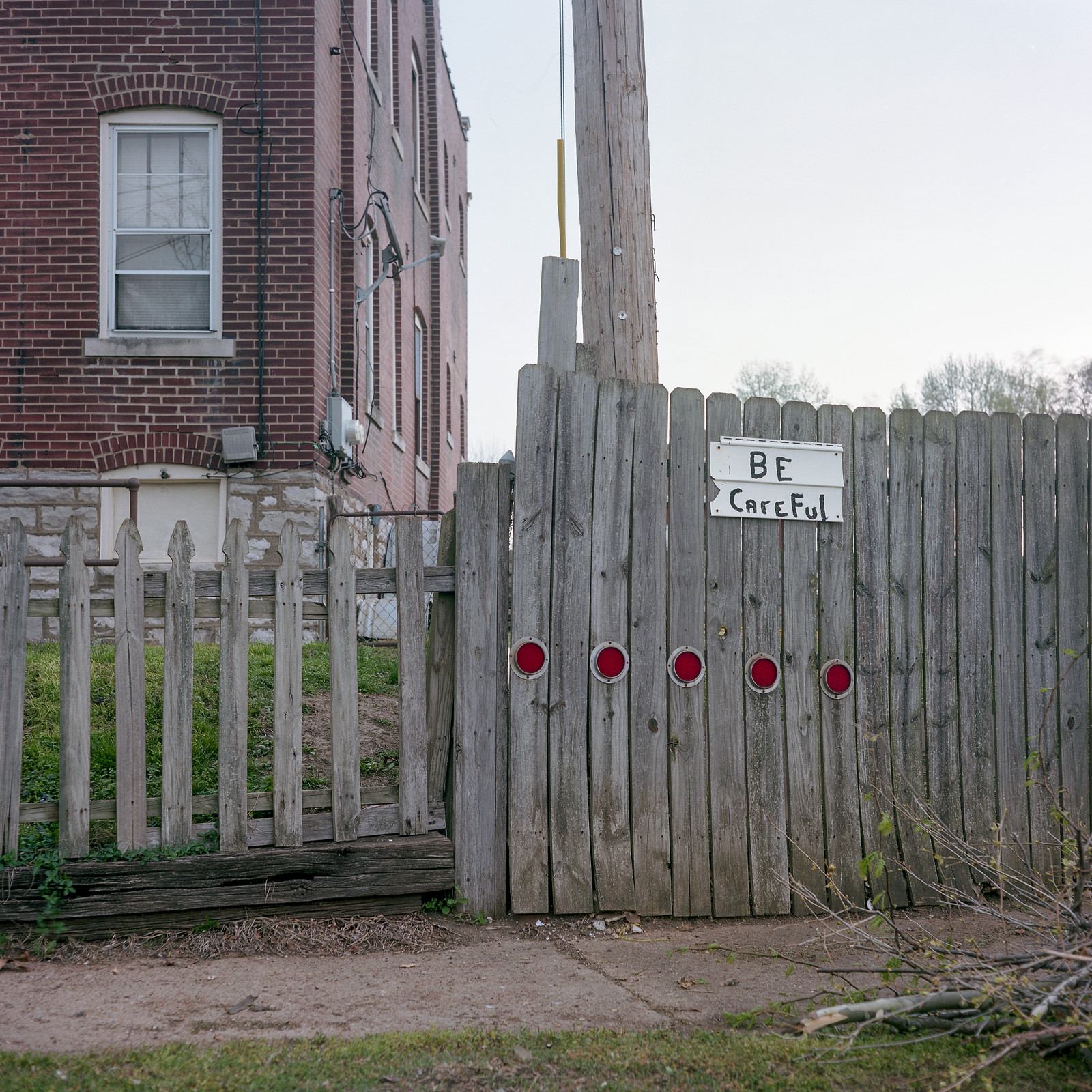
I’m fascinated by the idea of an American mythology, and I think, in a beautiful way, there are aspects of your work that examine this idea. A huge part of this American mythology, over the last century, has been a sort of crumbling edge between progress and decay. Can you talk a little about if this is something you think about or address in your photography?
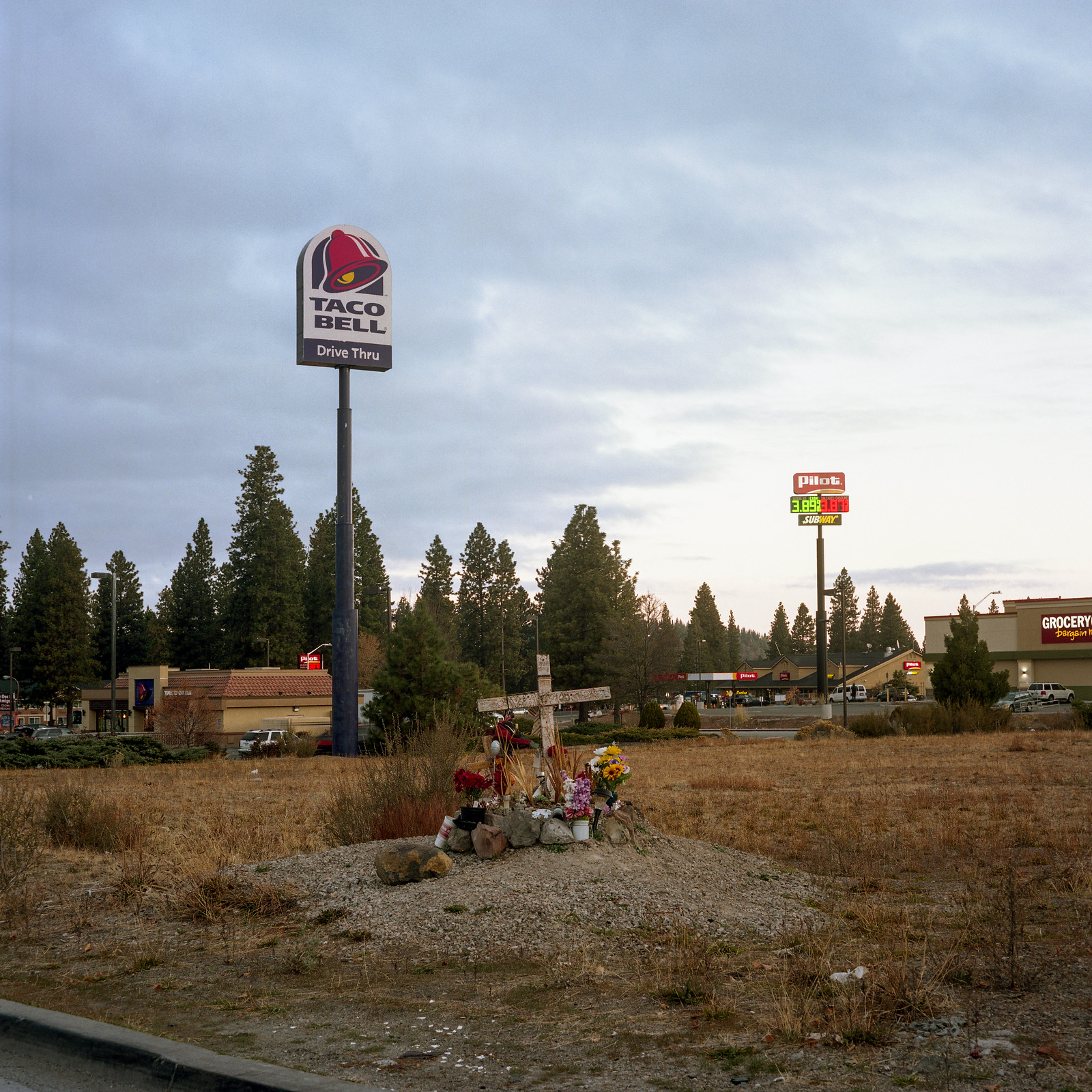
Wow, a really great question that gets at what I think I’m trying to achieve with my photographs. I definitely have an obsession with things that are old. I’m wary of nostalgia but I embrace a bit of romanticism, which might be contradictory. I don’t feel a longing for the past but I do find my imagination ignited by various forms I might find (an old house, church, power plant, rivers, mountains).
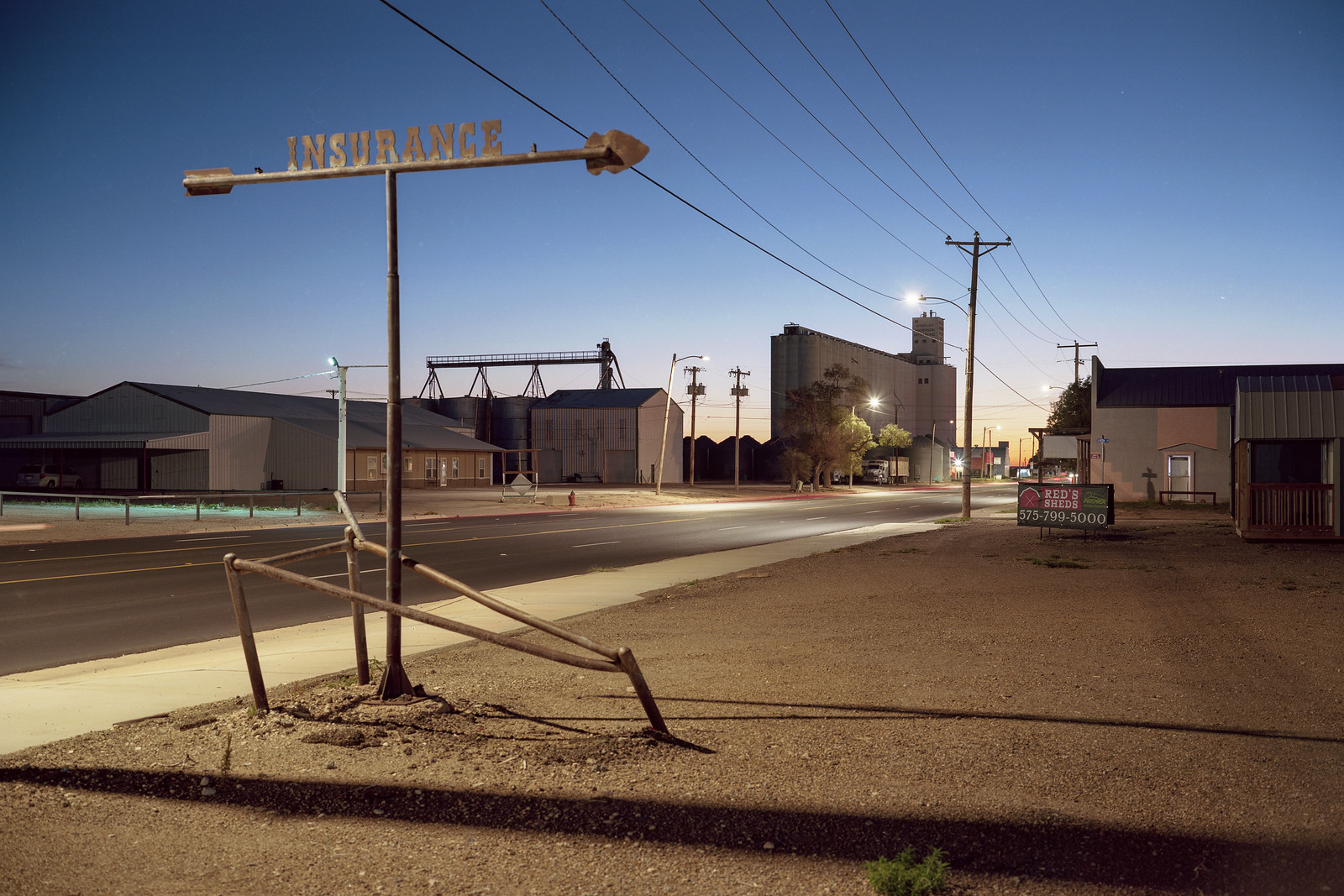
Last year I took two trips out to Texas to photograph. I don’t have any personal connections with Texas, I just wanted to go there. I had recently been reading Larry McMurtry and decided to visit Archer City, where he was from and where he had a sprawling bookstore as well. I’ve read quite a few of McMurtry’s novels and a couple memoirs too. This passage from Walter Benjamin at the Dairy Queen is one of my favorites. Certainly a book/movie like The Last Picture Show gets at so much of that American mythology, especially the darker sides. On my second trip I was in Houston for an evening and went by the former studio of the sculptor David Adickes who is famous for creating giant busts of the presidents that have been placed in different parts of the country, including ones I photographed, and wrote about, in 2016 in Virginia. McMurtry and Adickes couldn’t have a more different conception of American mythology. Both have influenced or have earnestly sought to influence the culture and how we literally see America.
In my own way I think I am trying to get at some of that mythology. Maybe poke at it a little, maybe make my own? There’s a quote from a Dashiell Hammett “Continental Op” story that might fit well here:
We poked around in the ashes for a few minutes—not that we expected to find anything, but because it’s the nature of man to poke around in ruins.
Times are about as dark as they can be in the U.S. right now (we think, until they get darker, and darker). You’ve traveled pretty extensively around the country in these last few troubled years. Is there anything giving you hope right now? In the world of photography or in the world at large?
I have an “essay” that I started writing with the idea that I would pair some words and photographs but, like several other things I’ve attempted to write, it stalled after a few paragraphs. The tentative title of the essay is “American Whiplash” with the idea of trying to get to this issue of being fascinated and excited about many things in my country while also being disgusted and horrified with many things in my country. To be an American is like being part of some sort of suicide death cult. Just taking into account USAID cuts, millions have died or will die because of the decisions made by many Americans to vote the people into office we have now. The decisions being made to destroy scientific institutions, to ignore expertise, to destroy the environment, to gleefully target those that are most vulnerable; all while spouting off jingoistic nationalist nonsense, is unforgivable. I could go on and on. We could all go on and on (or about half of us can). I hope that things will get better but I also think it’s important to recognize how truly awful this time is and the terrible consequences of the profound stupidity that has brought us to this point. Another author who I’ve been reading lately is the work of Joy Williams. I bring her up because I don’t know if I’ve read anyone else who seems to more perfectly describe the sense of decrepit slow decline in America the way she does, particularly in Harrow or The Visiting Privilege. She describes disaster not as a sudden apocalypse but a slow agonizing process and the worst part of it is it feels like the truth.
I was walking and talking with a friend about writing a few weeks ago and how I find it so difficult these days. Not that I did all that much before. I feel like it takes something out of me while taking pictures has never felt like that. I like the ambiguity that is an inherent part of photography (for better or worse). But writing is very important even for people who don’t think of themselves as writers. Because photographs can be so ambiguous it’s worthwhile, like right now, to explain yourself a bit. I think part of my problem is that writing feels so inadequate or, rather, I feel inadequate doing it. I think, ok, so this is my writing on how bad things are or about the beauty of this thing or that in bad times. I start to get cynical about it all. But I also don’t want to slight other people when I say that. I rely daily on other people’s good writing.
With all that being said, the sense of “whiplash” that I feel is this contrast between the awful things and this ever-growing sense of wonder about different parts of the country, whether it’s just a couple blocks from where I live or a small town in Texas or a mid-sized Midwest city. In some ways I look at the country as a collection of amazing books to be read and re-read and I know I won’t have enough time to read or understand them all but I just want to experience what I can. I mentioned earlier how when I was 30 years younger I wanted to travel to all the “great” places in the world. Basically places that were far away. Now I know that a lot of those great places are very close to me. It’s about really seeing them with your own eyes rather than relying only on preconception.
Much of what has the most meaning relates to small stories and moments. This isn’t all there is to it, but recognizing beauty is really a big part of that too, especially if it can be highlighted in places that are unexpected or overlooked.
Photography makes me more liberal. When I have a camera and I’m photographing with intention I feel open to a lot of things. It’s not about judgment. When I’m just left with what I see through various media it’s easy to get into some negative spirals but when I leave myself open to what is outside, I feel better. It is harder than it used to be though. I feel lucky to have a very strong desire to go out and photograph but, on a more personal level, I also feel, more strongly than ever, the desire to hide under a rock. I know I’m not the only one who is trying to balance these contradictory feelings. I’m also lucky to have an extremely supportive partner who is also curious about the world without being blind to its problems.
There’s this quote by Alfred Stieglitz that I really like:
I was promised an America, an America I believed in, and I insist on living and dying in that America, even if I have to create it myself.
I find myself thinking about that idea a lot. There are good reasons to despair right now and I’m doing plenty of that, but I also feel this need to keep making things and shape things the way I want them within my limited perspective. America is a huge place and there isn’t just one story to be told. Much of what has the most meaning relates to small stories and moments. This isn’t all there is to it, but recognizing beauty is really a big part of that too, especially if it can be highlighted in places that are unexpected or overlooked. I’ve talked a lot about reading and sometimes I think of the photography I do as a kind of reading and maybe the photographs are what I make note of or underline. For many years I’ve just been focusing on gathering material and getting myself out the door. I don’t always feel all that hopeful but getting into the world, interacting with people and places in different light, I don’t think it hurts and in some small way it might help.
Patrick Joust is a Baltimore-based photographer, librarian, and occasional pontificator. To see more photos, go to my flickr page, Tumblr, and facebook. You can also find a more manageable portfolio on my web page. If you like my Baltimore photographs, check out my wife’s tumblr, Glitter Beneath the Rot, to get her perspective on life in Baltimore City schools.
Categories: featured, featured photographer, interview, literature, photography


