

Three Stops

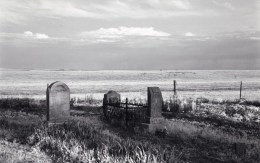
“The cemetery stood on an island. People said that one day the island would disappear beneath the water. My father wanted to record the place before that happened. So we began keeping notes and drawings of everything we noticed there.”
Snake Journey
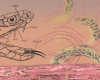
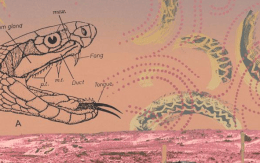
A beautiful meditation on personal and communal memory, art, and an unfathomable landscape from poet Michael Ladd.
Fiction: Moving Day
The sixth trip up the stairs I see them. Sometimes you can go the whole day without seeing anyone, and I thought it was going to be like that. Little did I know.
Raven Season: Karen Clarkson

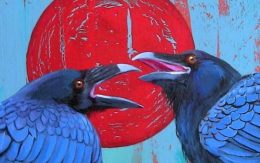
“The mischievous Raven existed at that time because he always had.”
The Apocalyptic Image

I use the term here deliberately to recover this older semantic association with disclosure, rather than using it in the narrower modern sense of apocalyptic cinema as a genre concerned primarily with catastrophe, end times, or eschatological judgment. At the same time, the term should not be detached from the longer history of apocalyptic discourse, in which revelation is often connected to transcendent, cosmological, or eschatological visions.
Repetition, Resistance, and Remembering in the Prints of Elizabeth Catlett
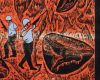
“Through appropriation, the vitality of Black history, literature, and poetry—and the importance of preserving and propagating this legacy—are interwoven into Catlett’s imagery, serving as both an expression of resilience and a force for resistance.”
October Issue, 2026
A collection of all the articles we’ve published over the past month, for those who like to savor their Magpies’ tidings as an issue.
The fire tells a cloud story: Letter from the editor, October, 2026

Trying the strength of the thin yet oddly strong threads that connect my thoughts like spider webs.
Artificial Intelligence: Ars Notoria and the Promise of Instant Knowledge
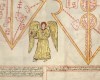
“Mastering the full range of subjects taught in medieval universities normally required many years of hard and expensive study. From the thirteenth century on, however, an anonymous work known as the Ars notoria promised, through diagrams, incantations, and arcane rituals, to rapidly transmit to scholars the total knowledge of anything they might need.”
Fiction: Every Dream Come True

“And though it’s always sweet sorrow to part, you know you’ll always remain in my heart, Good night, sleep tight and pleasant dreams to you, Here’s a wish and a prayer that every dream comes true.”


