

The photographer’s punctilio is his recognition of the now–to see it so clearly that he looks through it to the past and senses the future. This is a big order and demands wisdom as well as understanding of one’s time. Thus the photographer is the contemporary being par excellence; through his eyes the now becomes past.
Berenice Abbott
Berenice Abbott’s introduction to The World of Atget is a beautiful tribute to his work, but it’s also a philosophical study of time passing, of history, of personal history, and of the language of this new art, photography. As she discusses the merits of his work and his value as an artist, she is speaking of her own work as well. In passages in which she wonders what his life was like or why he made the decisions he did, we must think she’s talking about her own life, her own decisions.
Berenice Abbott moved from Ohio to New York City in 1918 at the age of twenty, where she met Marcel Duchamp and Man Ray. Jean Cocteau described her as “a chess game between light and shadow.” In 1921 she traveled to Paris to become assistant to Man Ray, who hired her because of, not despite, her complete ignorance of photography. How strange it must have been for a young woman from Ohio to live in Paris and meet–and photograph–Man Ray’s circle of stylish and creative friends.
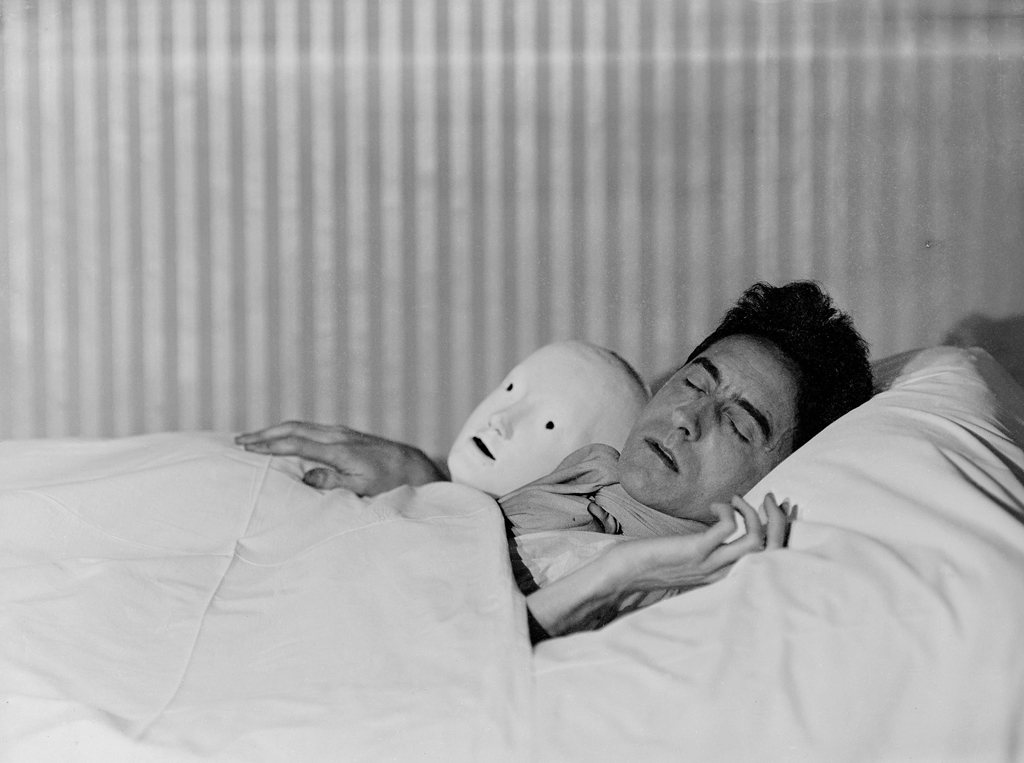
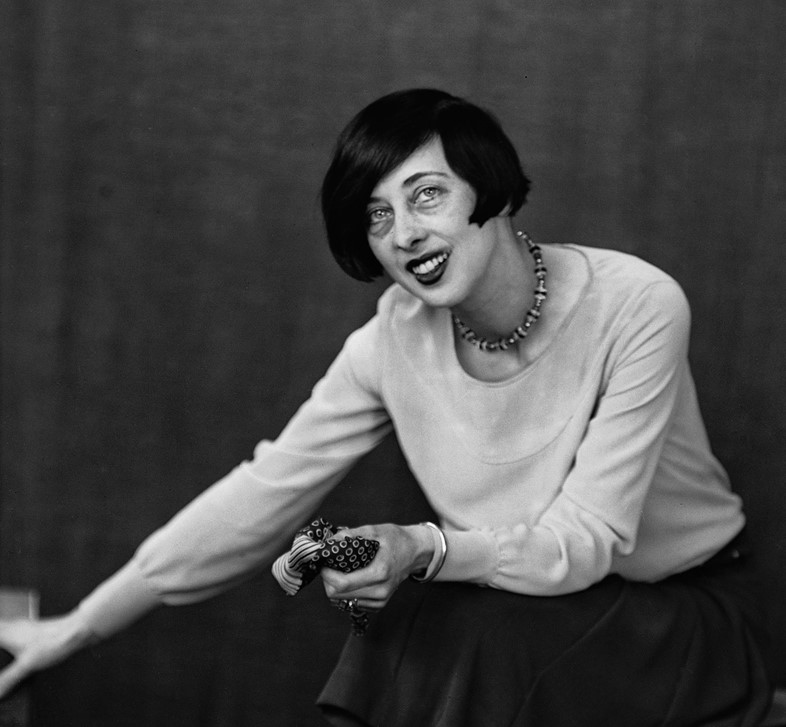
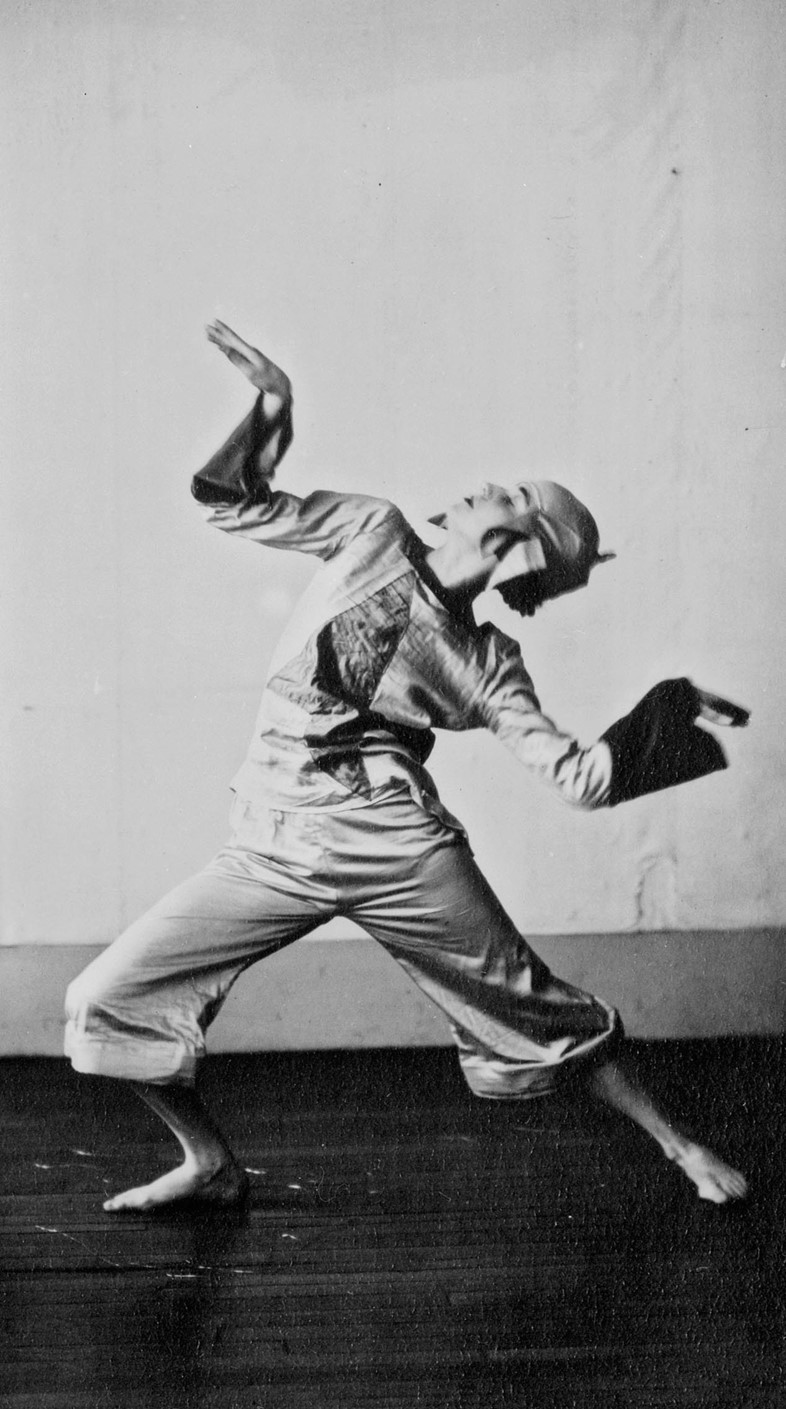
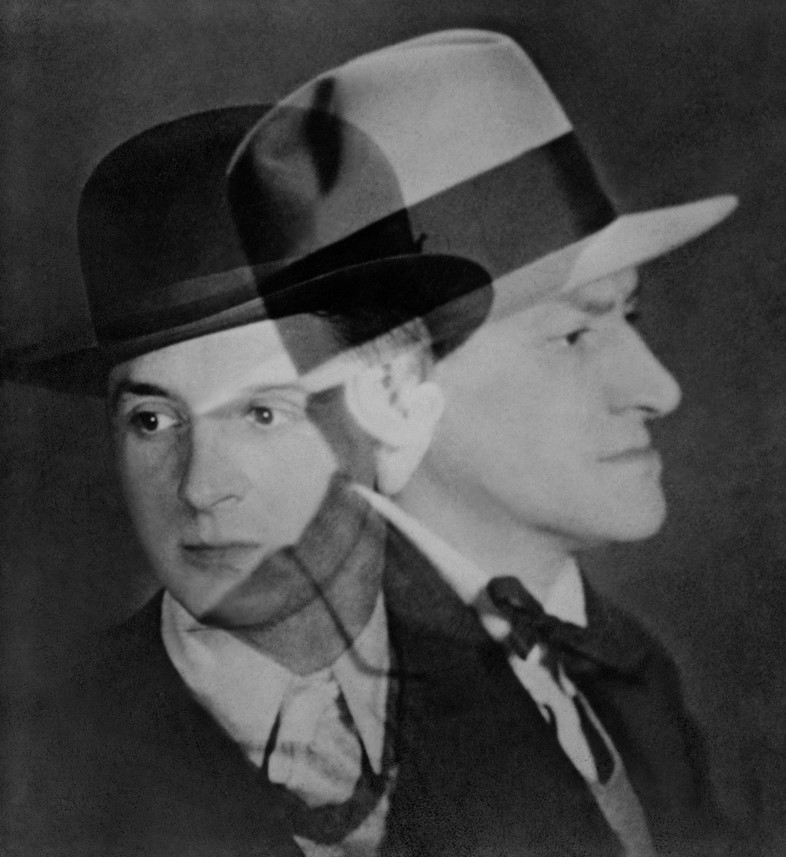
Atget’s work would have been known to Man Ray and his friends, but as Abbott says, he was alone. He wasn’t part of a clique or a cult of artists. Abbott describes the first time she saw Atget’s photographs. “Their impact was immediate and tremendous. There was a sudden flash of recognition–the shock of realism unadorned. The subjects were not sensational, but nevertheless shocking in their very familiarity. The real world, seen with wonderment and surprise, was mirrored in each print. Whatever means Atget used to project the image did not intrude between subject and observer My excitement at seeing these few photographs would not let me rest.” Imagine a young woman who has achieved success in the art scene in Paris (“To be ‘done’ by Man Ray or Berenice Abbott meant you rated as somebody”) turning from all that and obsessing instead over a strange, quiet, elderly eccentric who lived down the street in a fifth-floor apartment.
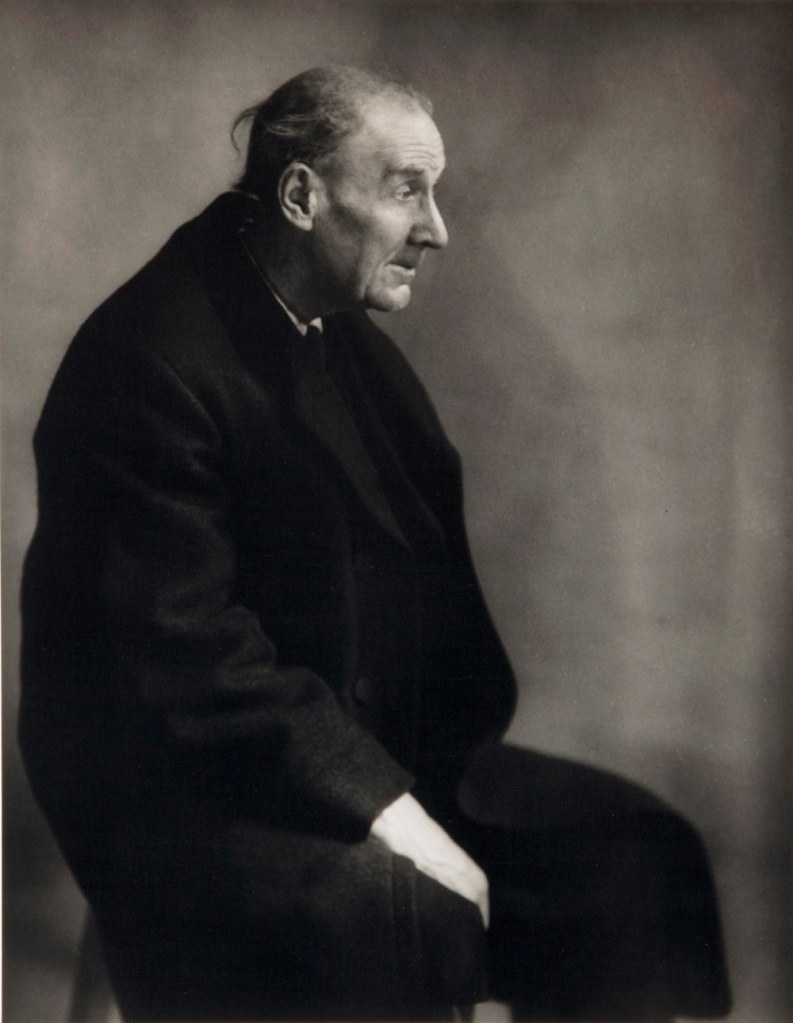
The impression Atget’s work made on Abbott was so great that she felt the need to meet him and buy some of his prints. She describes him as being “tired, sad, remote, appealing. He was not talkative. He did not try to ‘sell’ anything.” Perhaps as an excuse to visit him again, she asked him to set aside some prints until she could pay for them. She visited a few times, and asked him many questions. I imagine they formed the kind of friendship that transcends age and language and experience. A camaraderie of kindred spirits. He agreed to sit for a portrait. She found him “exquisitely” photogenic, in his tattered work clothes, and was disappointed that he turned up to the sitting in a handsome overcoat. When she brought the prints to show him how they turned out, she was deeply shocked to learn that he had died. “Youth is little equipped to accept or even anticipate the fact of death.”
“Atget’s photographs, the few I know, somehow spelled photography to me. The deep response they evoked drove me to track them down with an instinctive fear that they might be lost or even destroyed.” Motivated by this need to save what might be lost, she tracked down the photographs, and because the story of Atget’s life was also in danger of disappearing to time, she was determined to track that down as well. While most people saw Atget as old, taciturn, eccentric and lonely, and somehow born that way, Abbott saw him as a man with a lively life history, a man with humor and passion. He lost both parents early and went to sea as a cabin boy. As an adult he worked as an actor, where he met the woman, ten years his senior, whom he would live with and support until her death, not long before his own.
When he turned to photography it was for practical reasons–to make a living when the acting work had dried up. He thought he could take photographs that actors or painters could use as references. And for many, this motivation for taking up the practice resigns Agtet to history as a technician, not an artist. Abbott argues passionately to the contrary. Photography was a new art at the time, and Abbott was convinced that it was also a new language and one that Atget spoke fluently and poetically.
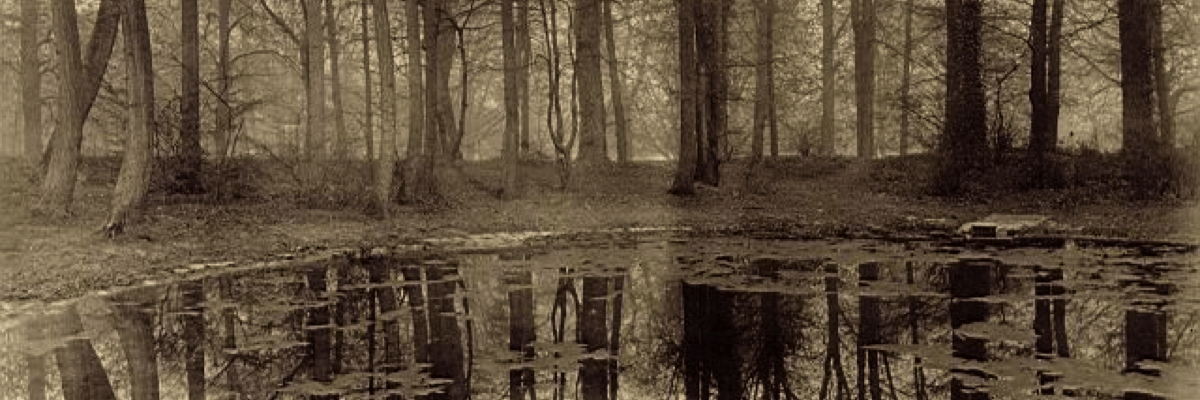
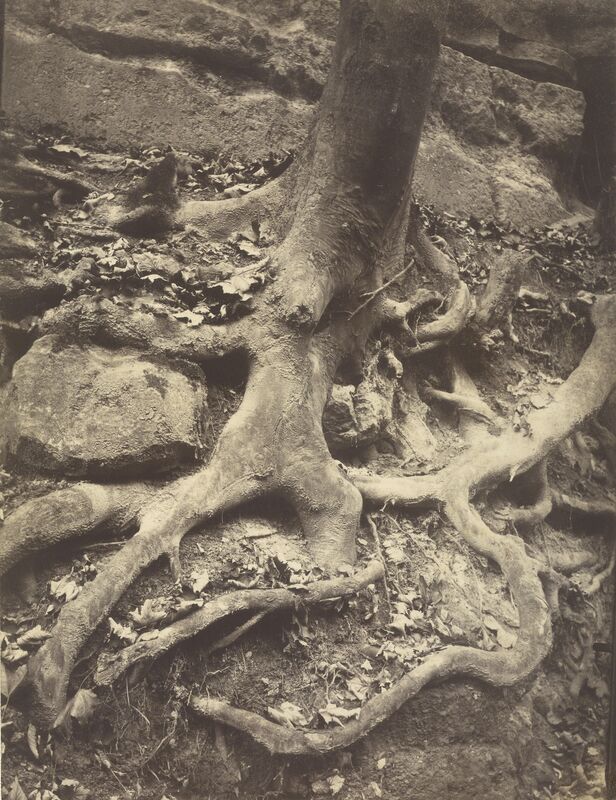
She writes, of course, about the peculiarities of his process that make his work so special, about the art and science and technology of photography, about the physical challenges of transporting the earliest photographic equipment. But it is her flights of fancy about how he thought about himself, his craft, and his city that I find so beautiful and moving. She learned that he tried for a brief while to be a painter, and that he painted mostly trees. And she discusses his beautiful photographs of trees and she muses that he must have felt them as kindred spirits. “Often Atget’s trees represented all the trees of time. He seemed to impart to them a life of their own, and a reality that I have not seen equalled … I make a guess that the tree was a symbol to him of himself, as it was for Holderlin: ‘I stand in the peaceful morning like a loving elm tree, while life sweetly plays and twines around me like vines and clusters of grapes…’ The trees he photographed also survived the blows of time and fate. They, too, were sturdy of physique and could withstand the pounding of the elements and the struggle of existence.”
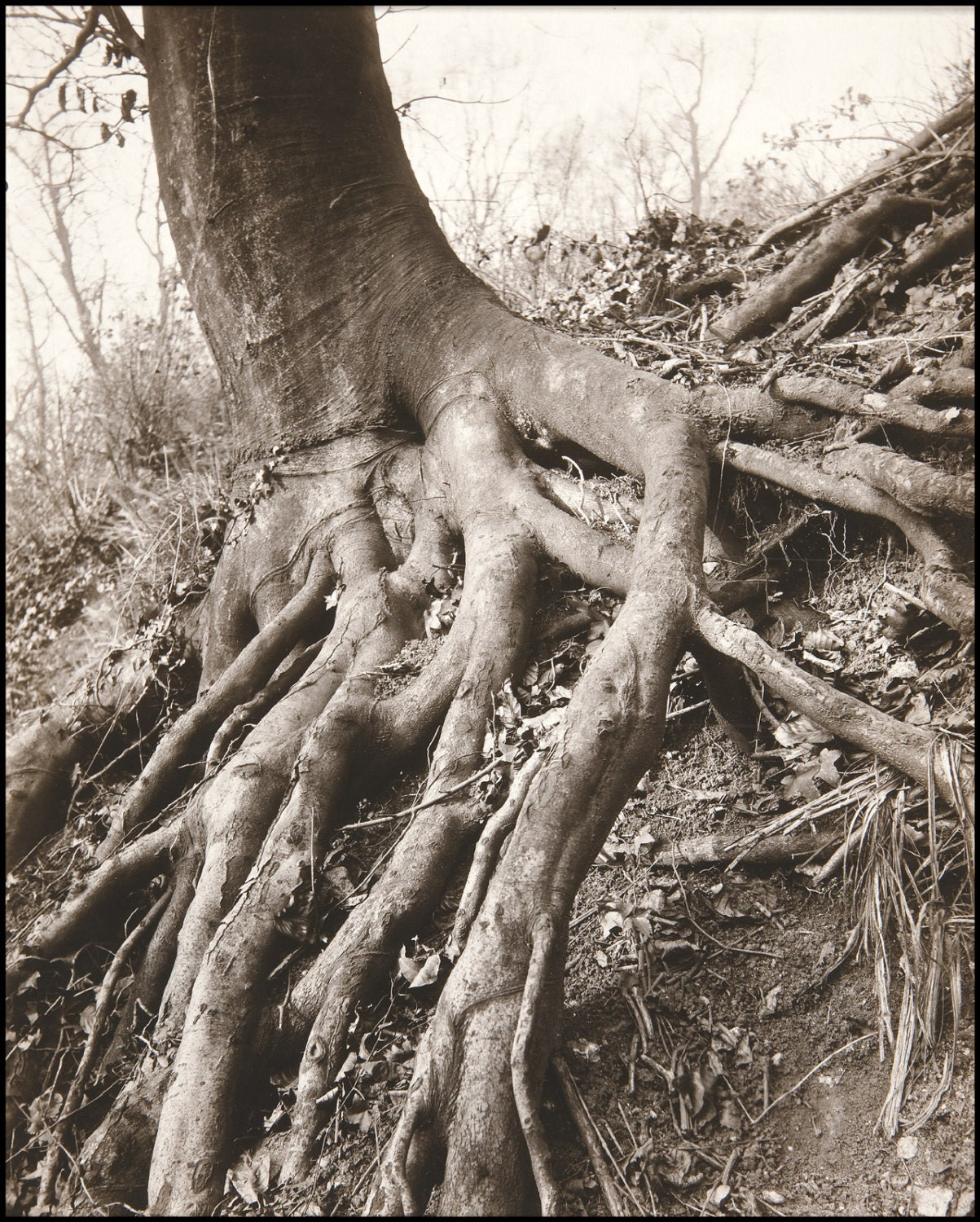
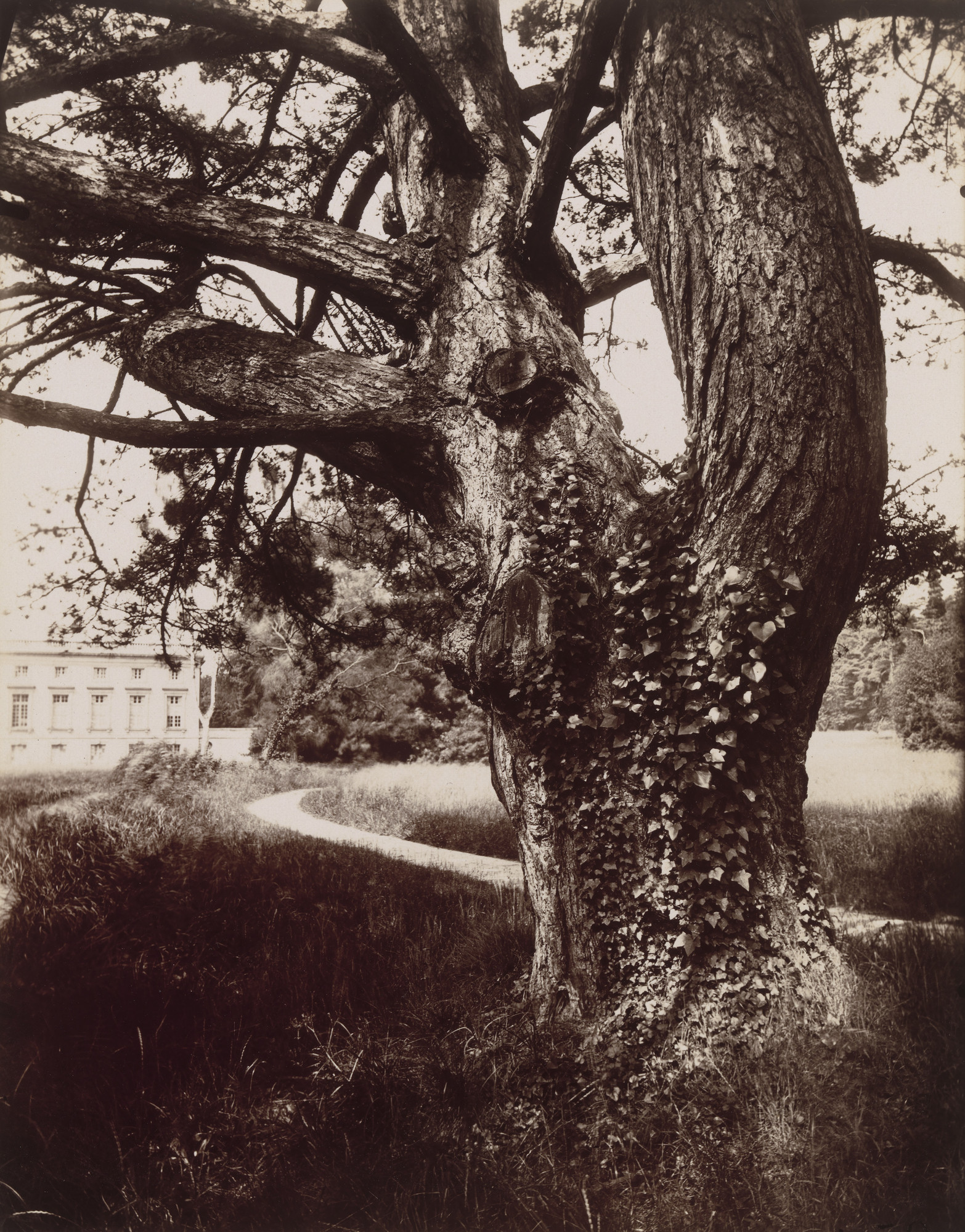
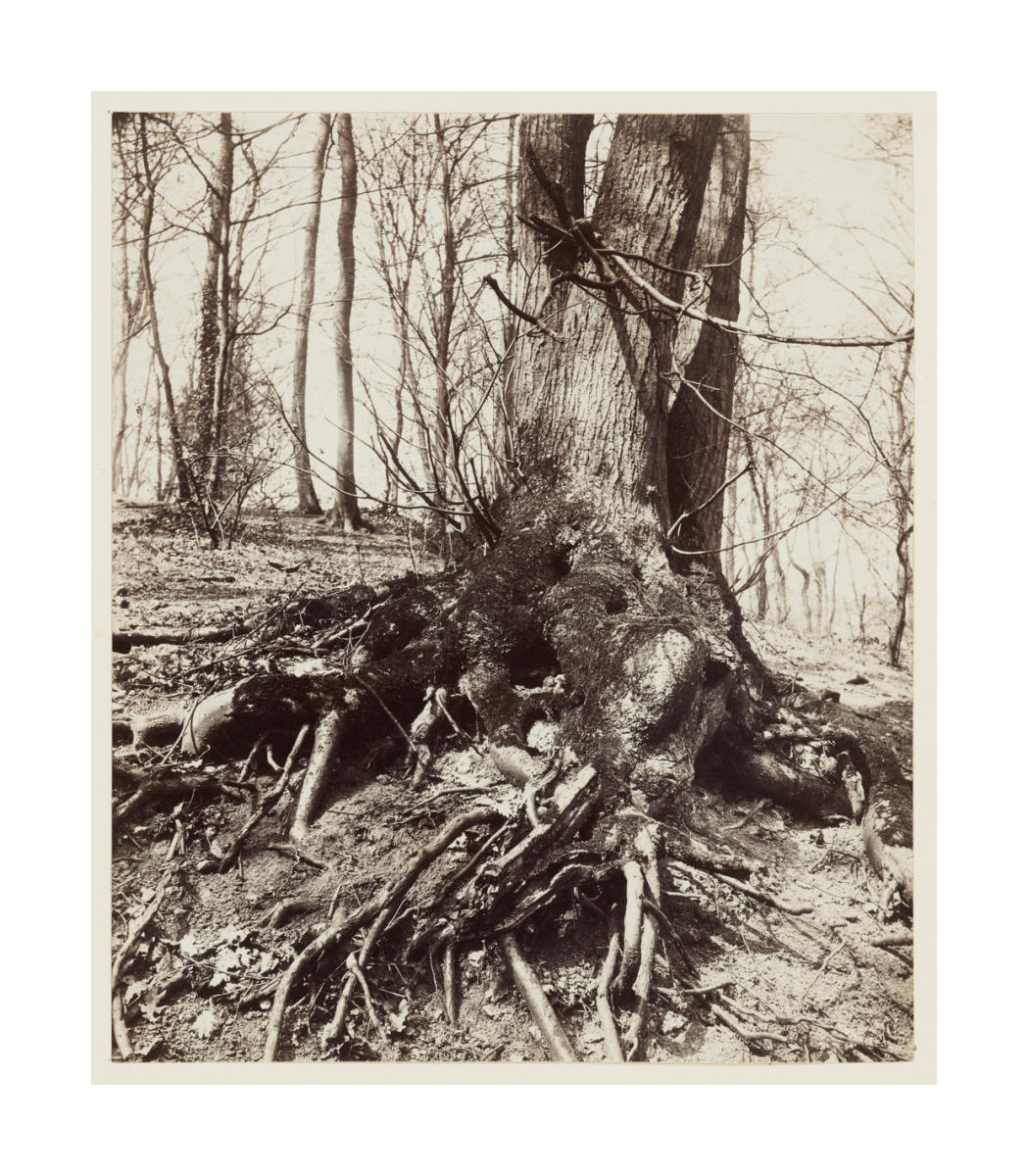
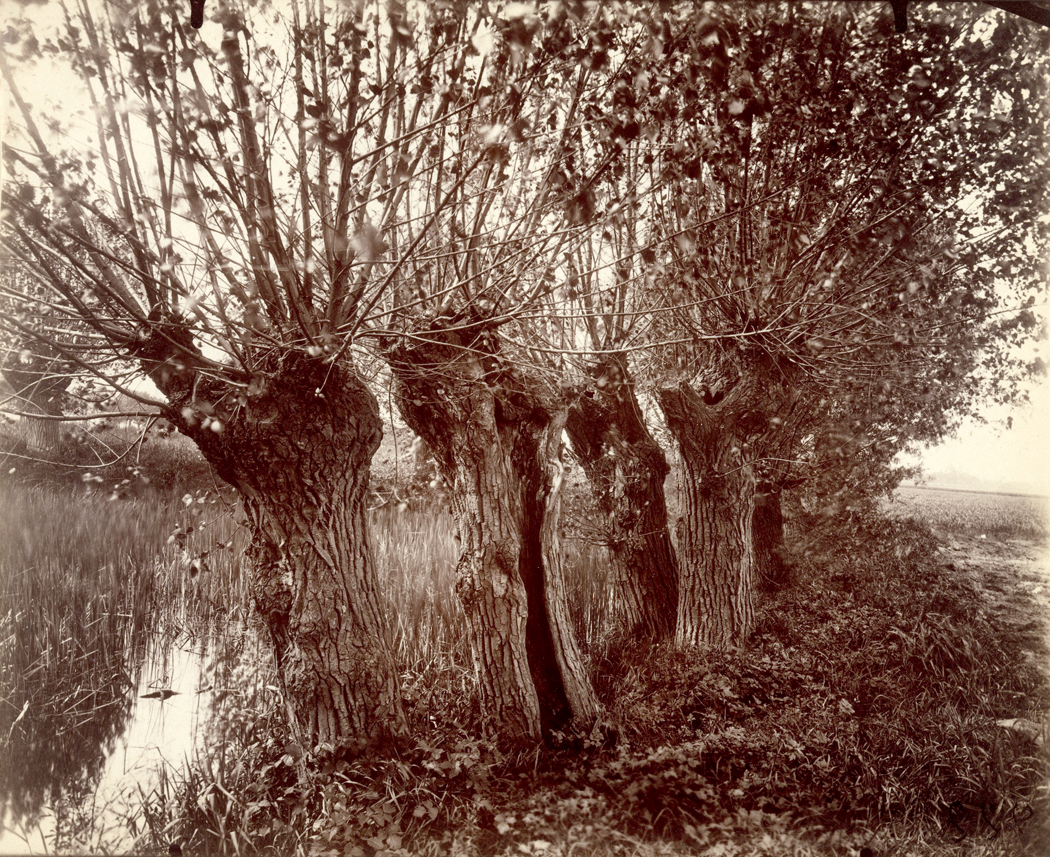
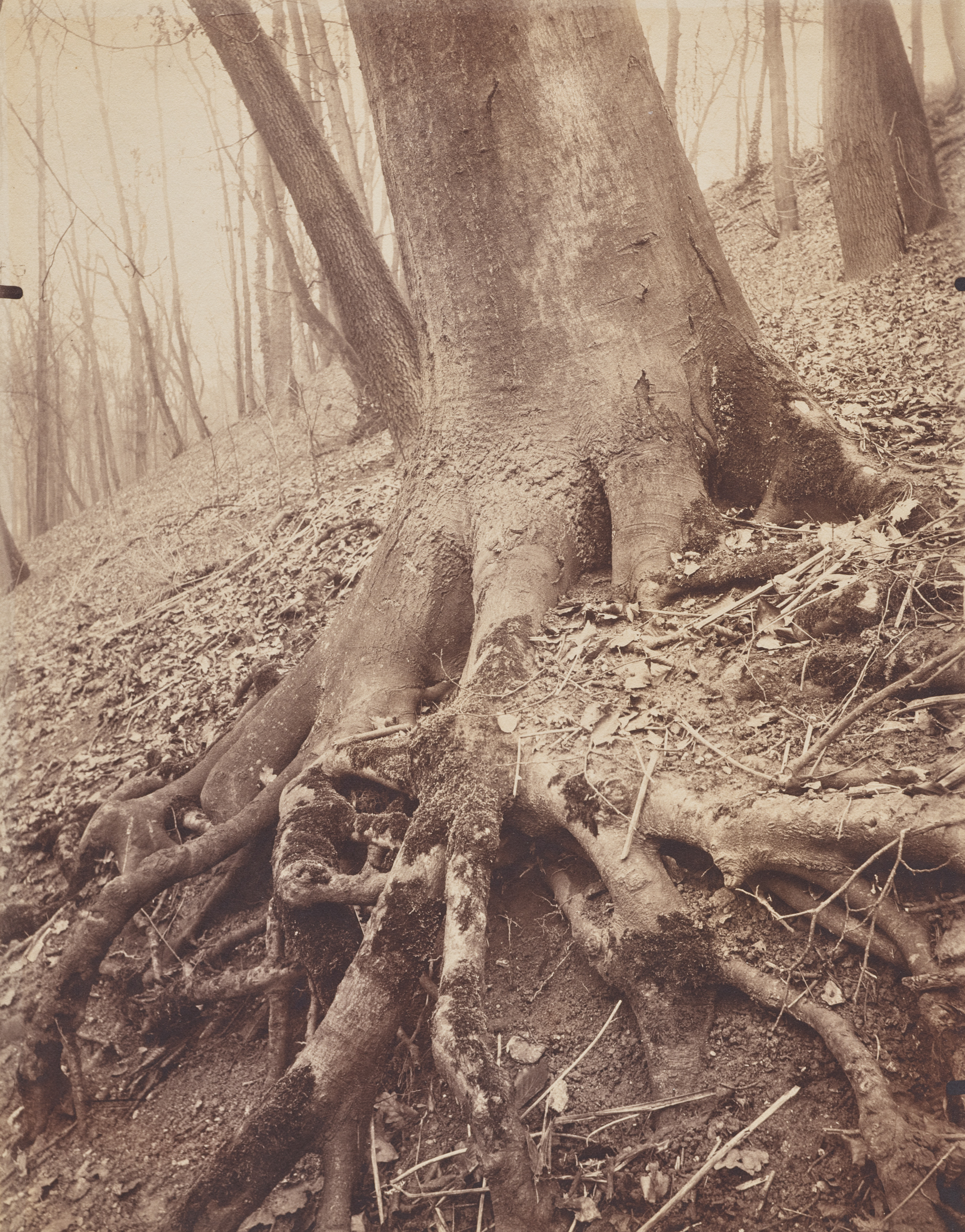
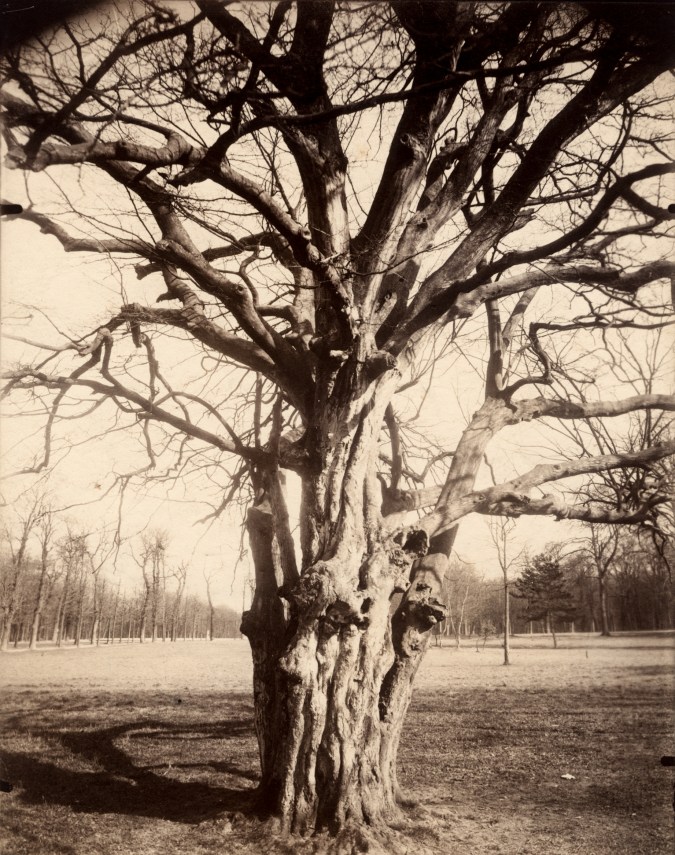
She talks about the extraordinary clarity with which Atget saw and photographed reality, and she discusses realism not only as it relates to art, but also as a philosopher, a human. “Was not reality more fantastic by far than fiction?… Is it not easier to accept fiction than reality?… [The photographer] must convince the beholder that here lies truth–without veils or obscurity, confusion or bias. The recognition of significant truth is forever startling.” And she discusses how this clarity of Atget’s vision, which so beautifully captures the history of Paris in a moment of great change, is based on the realism of the day-to-day. “The history he brought to life for us is not confined to parliaments and congresses. It recites the everyday activities of those men and women who are the stuff of which history is made … the worn stones and bricks of the city’s material fabric give us the sense of history which is evident as well in the furniture, clothes, lights, bridges, machines, and other elements of the age.”
Abbott speaks eloquently about Atget’s silence. A young person, in a foreign country, surrounded every day by clever, witty, “important” people, was drawn to the loneliness and silence of this elderly man. “This lack of understanding of his work drew Atget more into himself; he did not try to make a case for it; he did his work and was silent. That he did not try to sell himself as a ‘great artist’ may be another reason for the curious notion that he did not know what he was doing … Acclaim is, after all, not the essential reward. The act of creating has its own reward, and it is primary. When one embarks on an uncertain venture, silence is often an ally … Youth has more time, to say nothing of energy, to create its own legend. Atget was too busy, too preoccupied, too tired, to promote his reputation. It is interesting that Marcel Proust, a contemporary, had noted, ‘True art has no use for so many proclamations and is produced in silence.'”
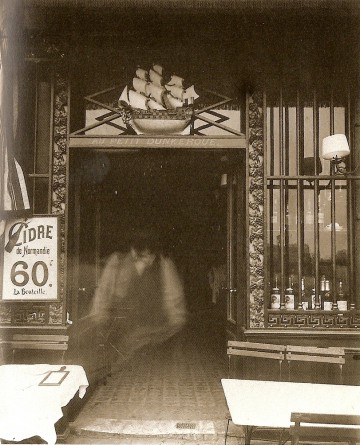
(I love to look for the ghosts in Atget’s work, which Abbott would assure us are not accidents.)
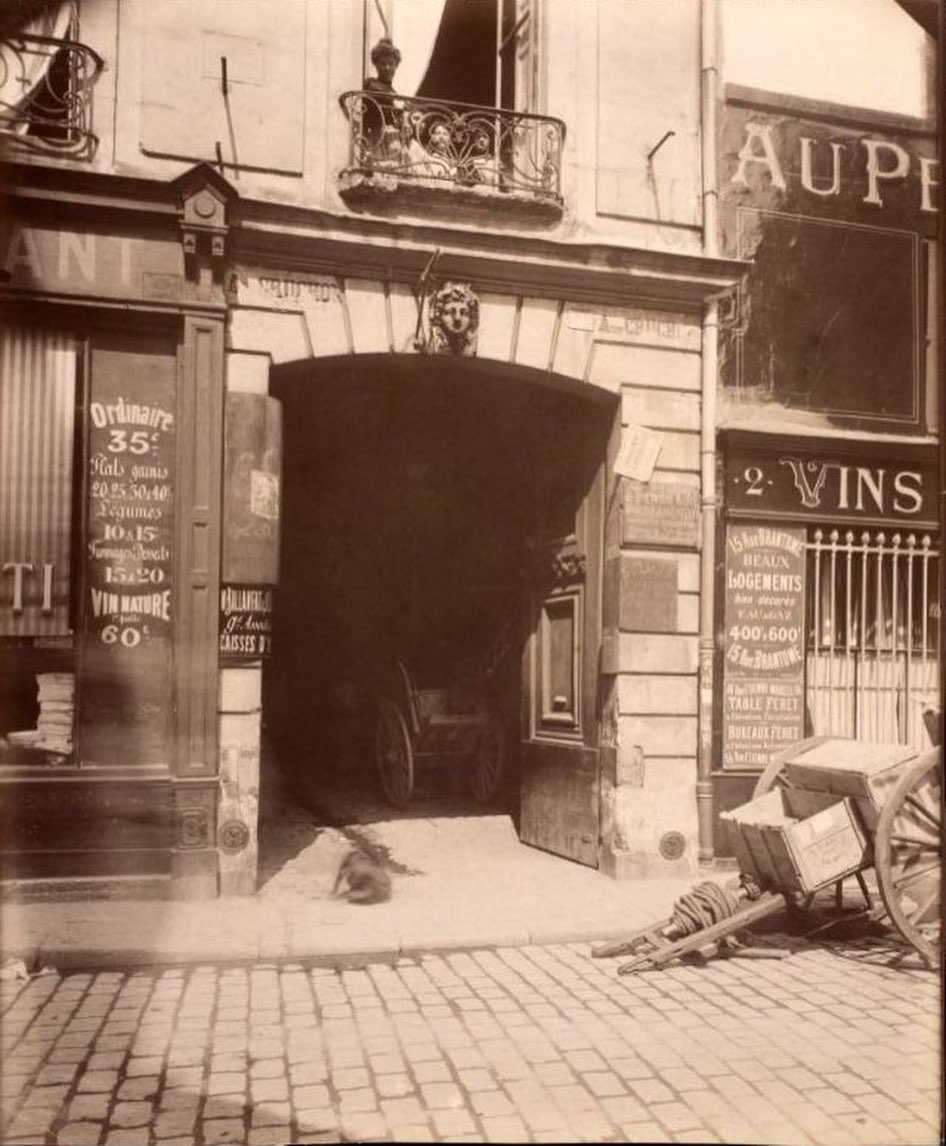
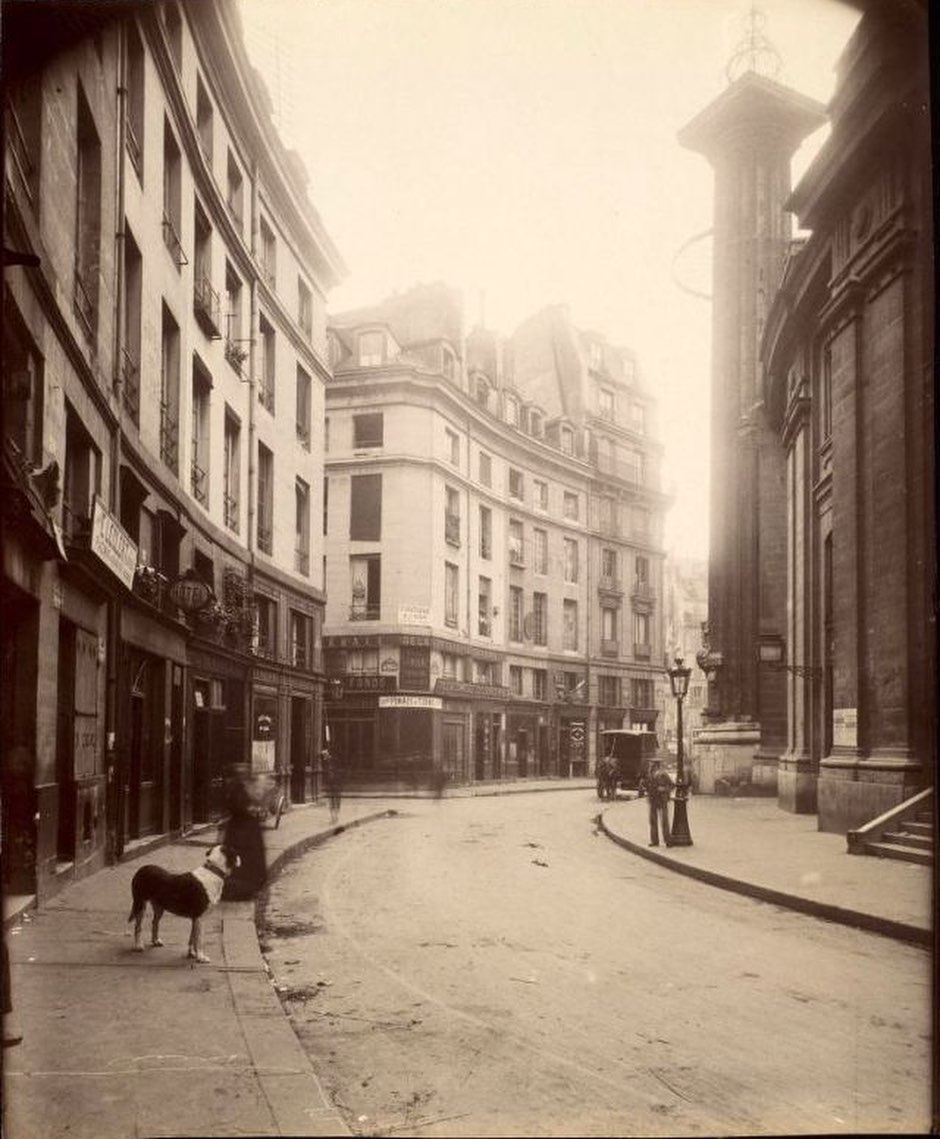
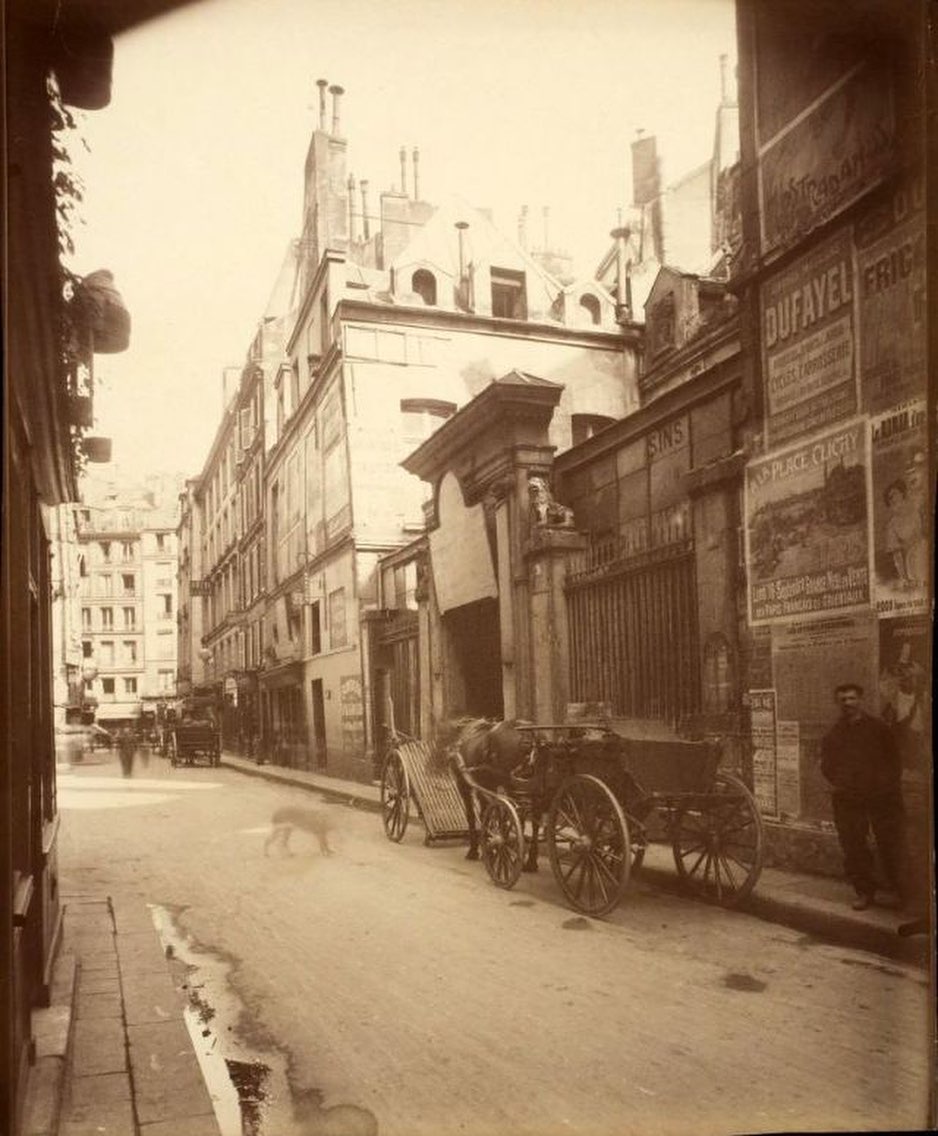
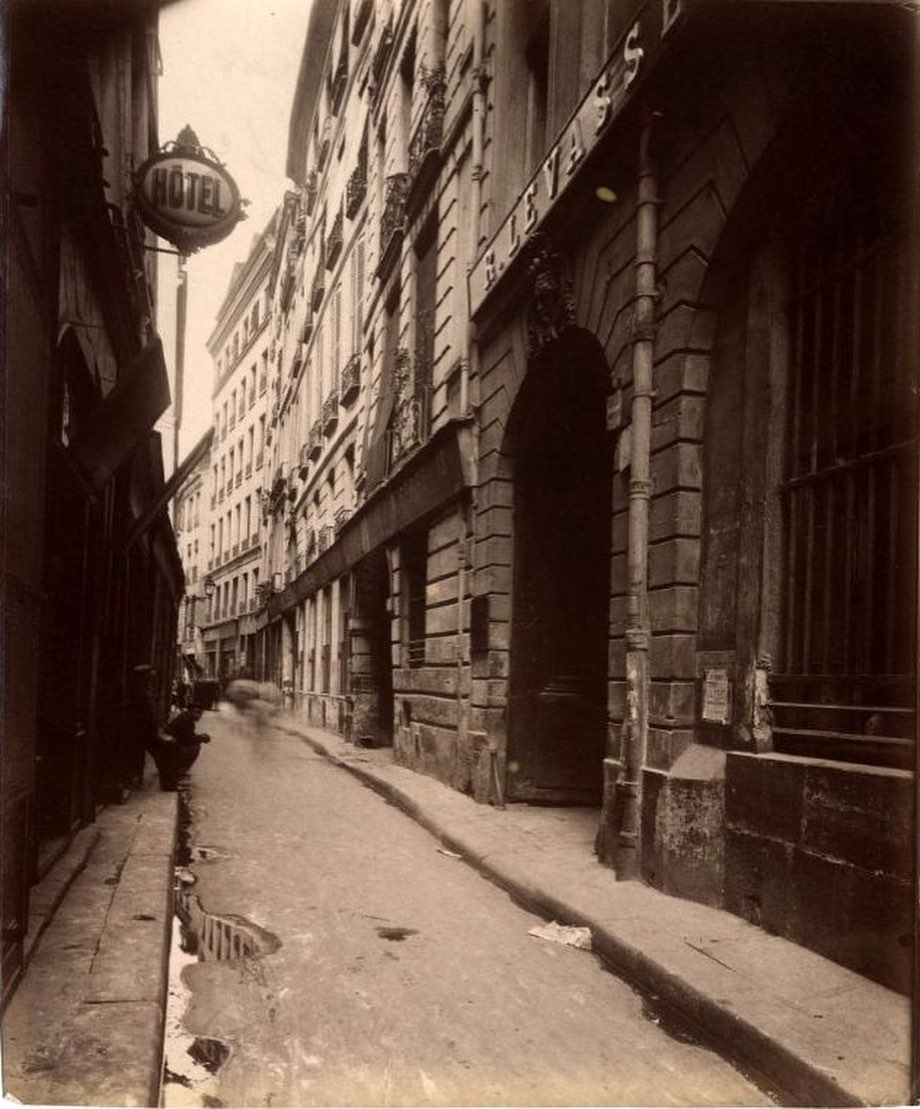
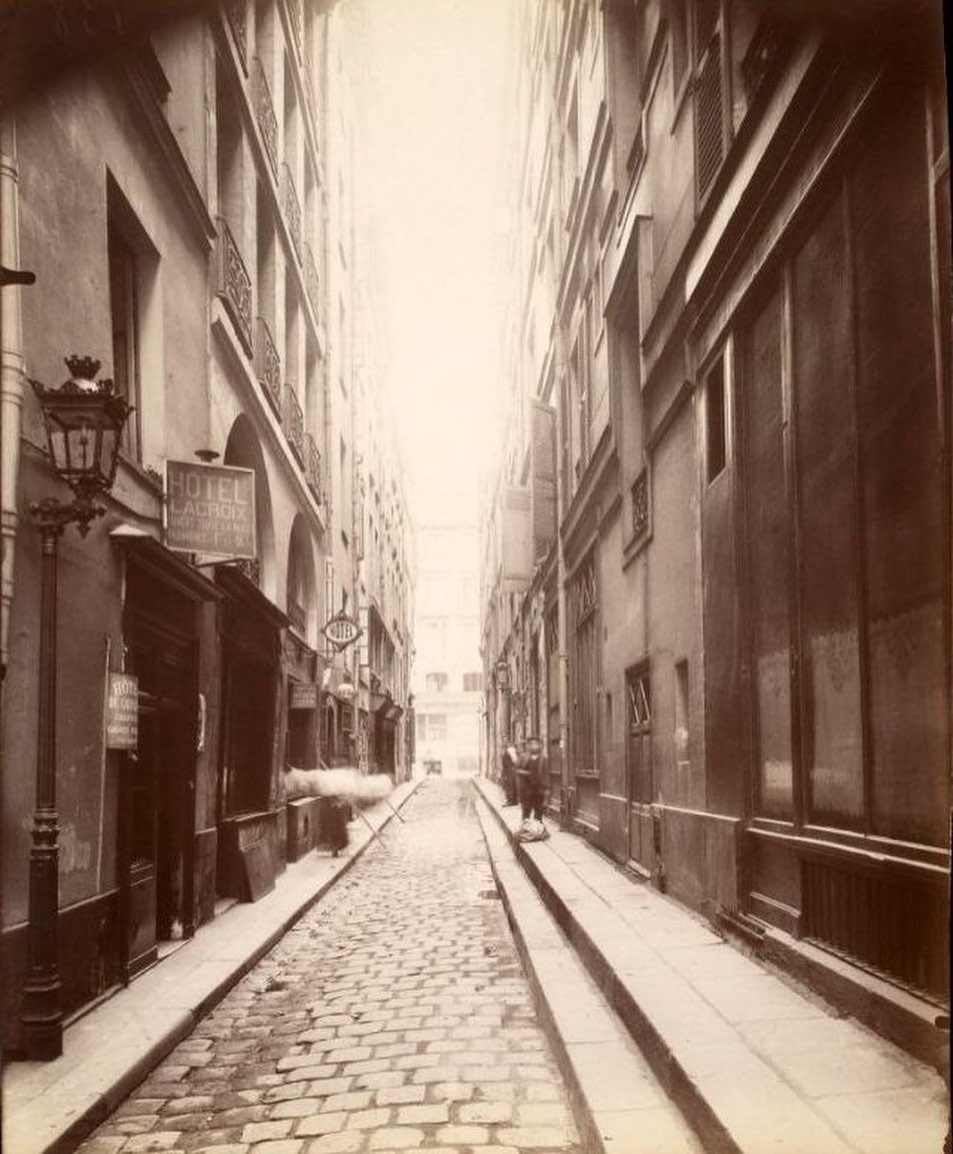
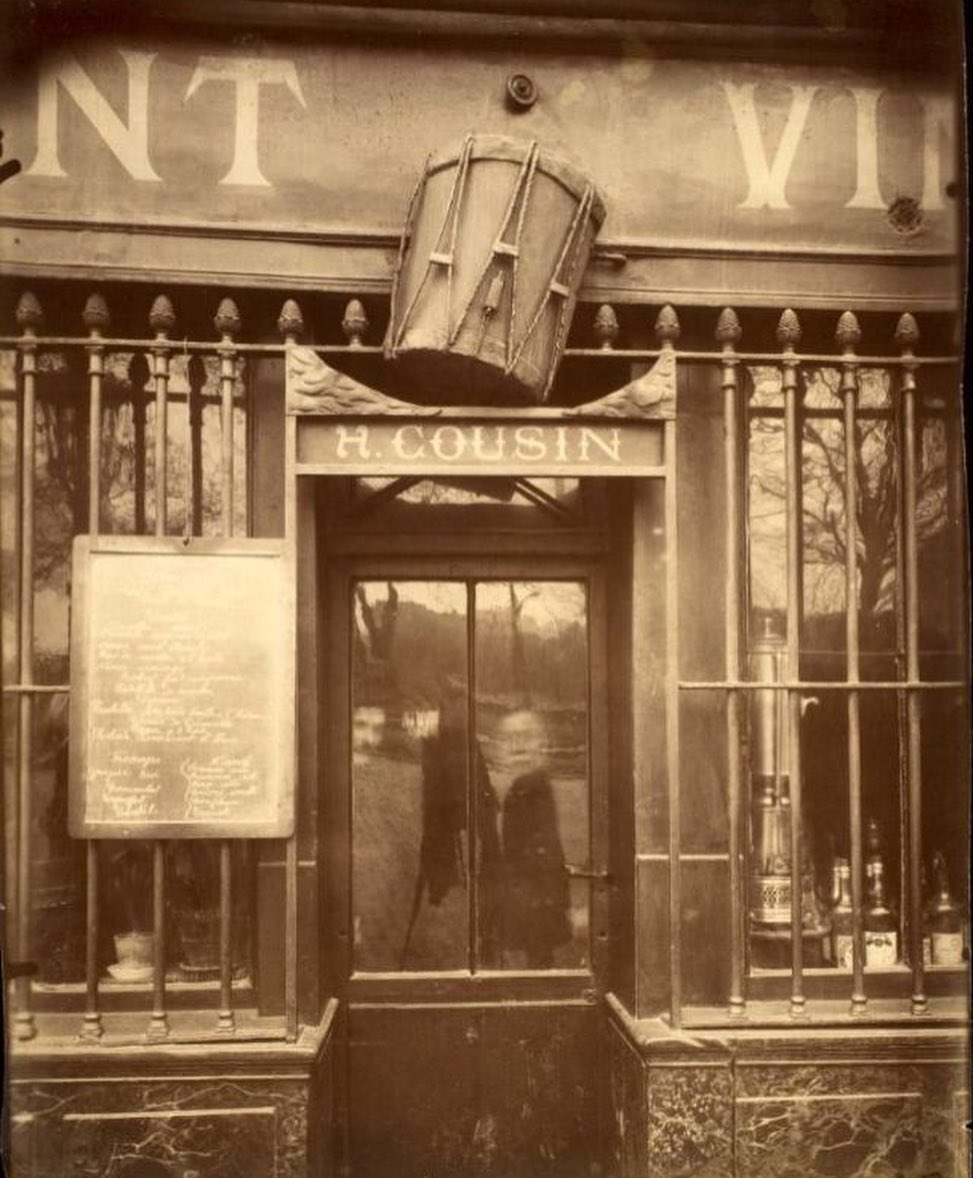
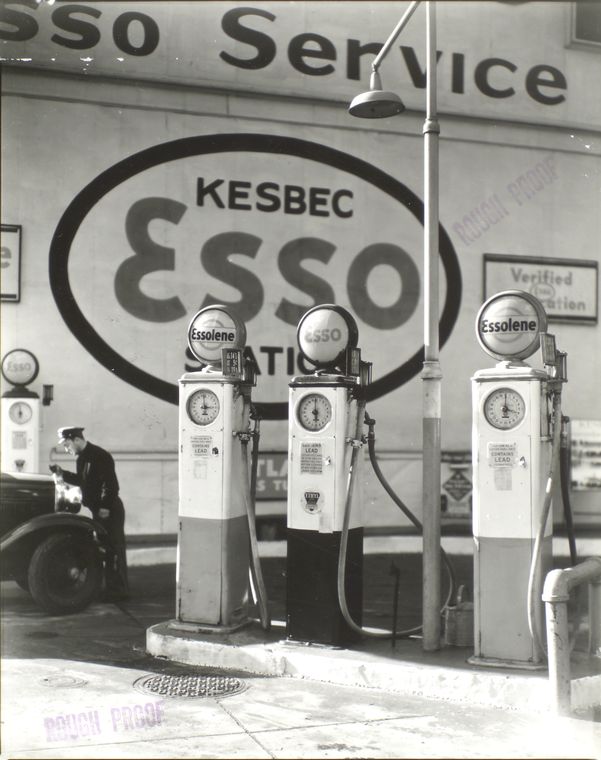
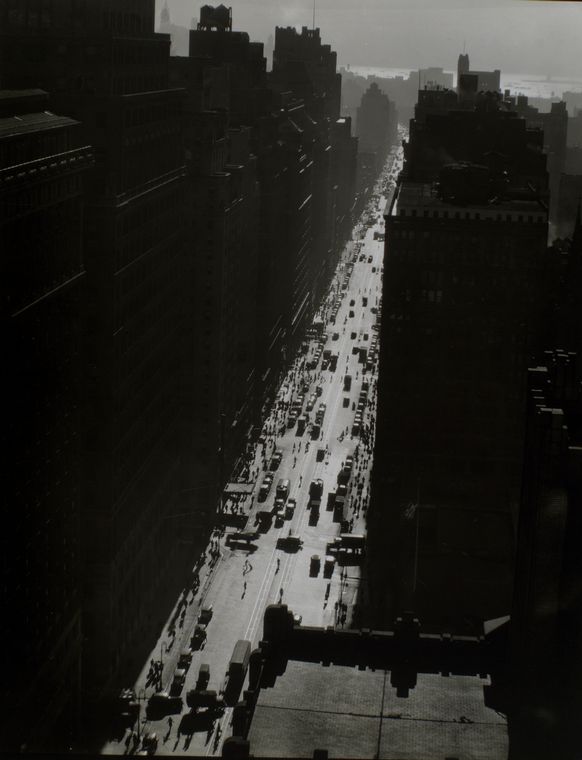
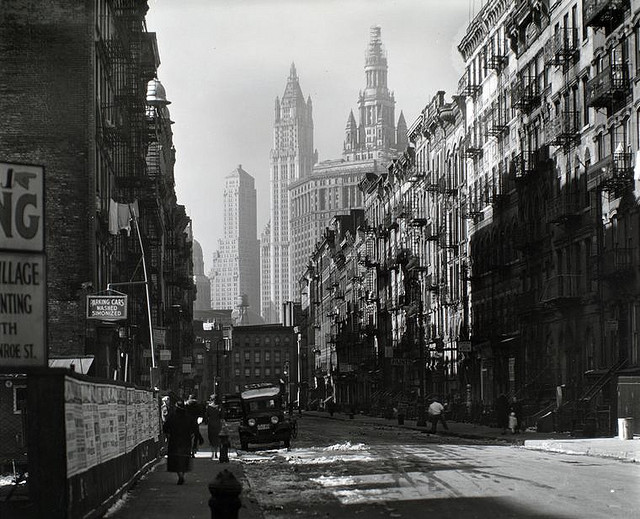
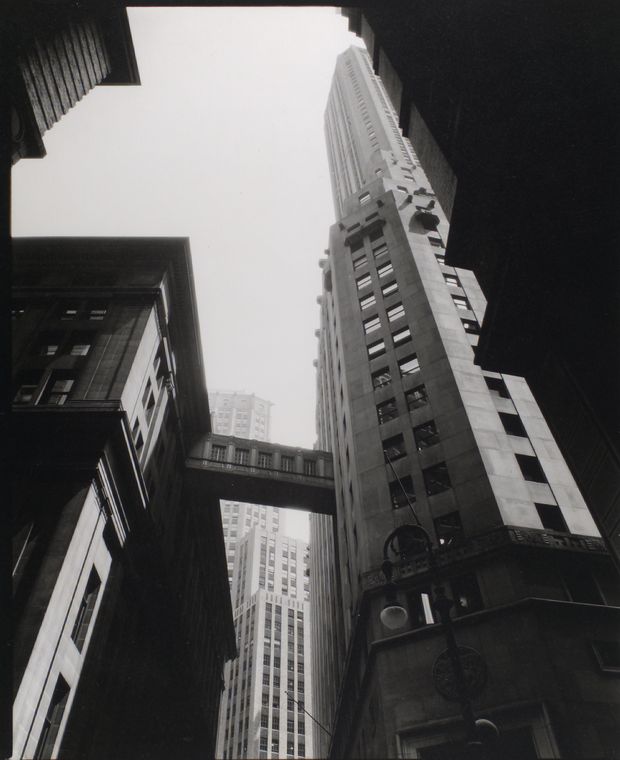
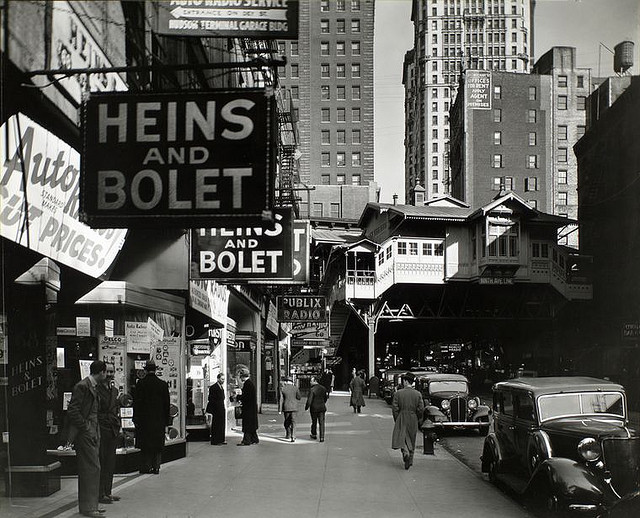
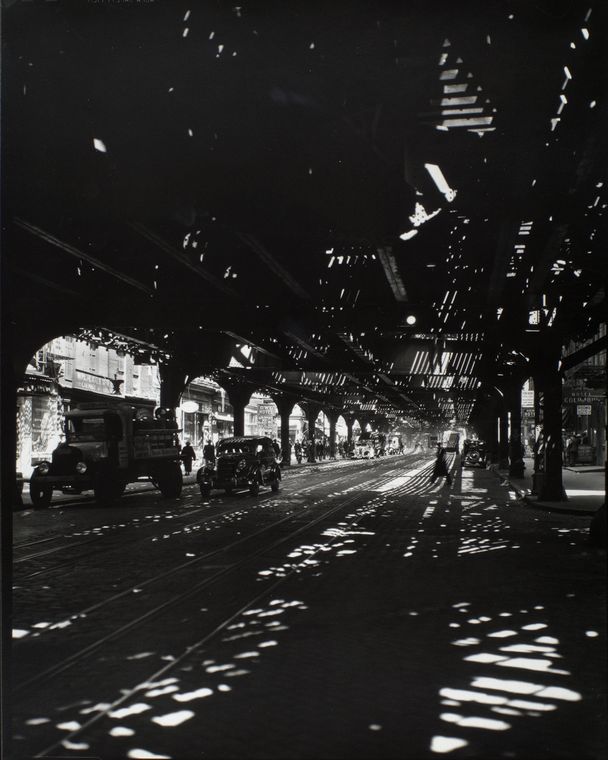
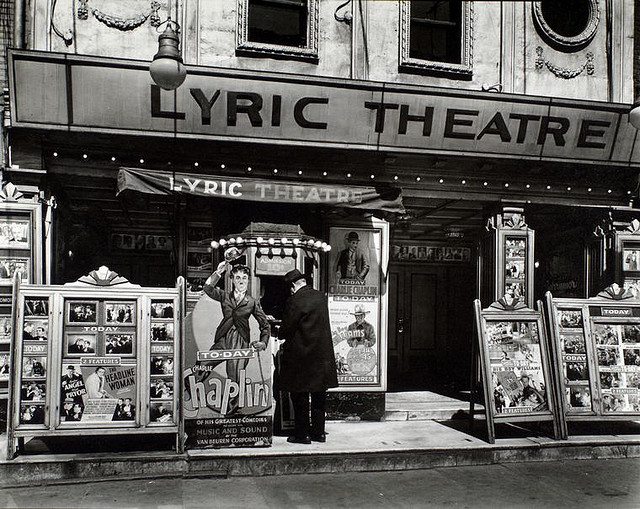
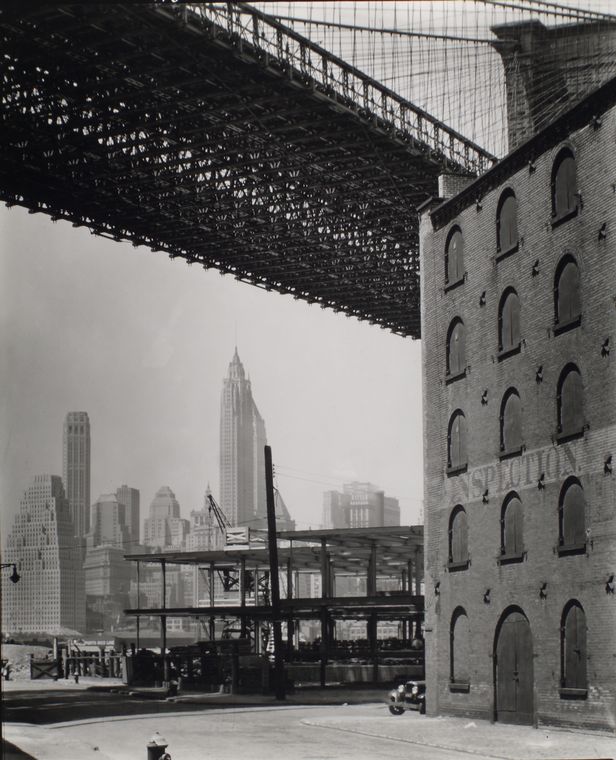
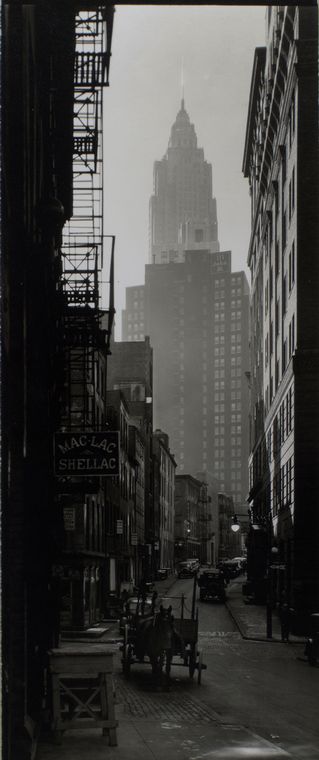
Abbott bought all of Atget’s photography and spent her life sharing his life’s work, trying to get people to really see it, to recognize its worth. She brought it to New York City, where she meant to share his photography and return to Paris. When she returned she saw the city through Atget’s eyes, or at least through the eyes of someone who had absorbed the lessons of his art. When she saw how New York was changing all around her, at such a remarkable pace, she was compelled to record and preserve it, she made it her life’s work. One imagines that the same excitement that gripped her when she first saw Atget’s photography did so again now, at the thought of the new direction she could take with her own work. She abandoned her successful photography studio in Paris and started over, to make a collection of photographs she would call “Changing New York.” She understood Atget’s motivation to capture reality as it was for only a moment, to freeze the never-ceasing passage of time. To hold onto something that was changing, as everything is constantly changing: Paris, New York, Atget, Abbott, all of us.
Changing New York
Categories: featured, photography



I love the line ‘’when one embarks on an uncertain adventure, silence is often an ally… I don’t know if I quoted it as it was written, but this is the way it resonated in me.
LikeLike