

Heptagon is an audio project exploring social, cultural, and artistic avenues within the limitless genre of electronic music.

Heptagon is an audio project exploring social, cultural, and artistic avenues within the limitless genre of electronic music.

“We are alone facing our historical consciousness — that makes us fully responsible, and so the reason for alienation has disappeared. Our work is creative, we live to create — to create something that will exist beyond time, beyond any possible existential anguish, like art. Is that clear?” Thoughts on the work of Cuban filmmaker Sara Gómez.
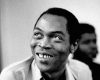
Fela was no gentleman; he used music as a weapon. He believed in a free Africa and had problems with authoritarian and military regimes.

A mix tape of the music of Manu Chao and friends

Agnieszka is battling a country that refuses to accept its past, and thus cannot learn from its repeated mistakes.

“To see the dignity, strength and enthusiasm of the students, their refusal to be drawn into violence, and their commitment to spreading compassion and unity is remarkable.”
Although mass media and scholars regularly document, analyze, and interpret important events, such documentations and interpretations are seldom from the perspective of the common folk, el pueblo.

“Refusing to sacrifice her socialist principles for commercial success, folk-blues-jazz singer Barbara Dane dedicated her life to bringing music from around the world back to where it belonged: in the hands of the people struggling to change it.”

“Álvarez’s work … was a shining example of a poverty row aesthetic forged from necessity. His films were … an example of “urgent cinema”, keyed to raising public consciousness about current issues such as racism, housing conditions and police brutality in various parts of the world.”

Two Algerian rai tunes made the top ten of the Village Voice music critics’s poll in 1989. Why were post-liberation Algerian pop singers winning a wide Western audience while an earlier generation of popular Arab singers like Umm Kulthoum, Muhammad ‘Abd al-Wahhab and Fairouz never did?


