
“Photographing places particularly hard hit by the transition from an industrial and agrarian economy to an economy of unfettered consumption on the margins of mainstream society is a story I feel compelled to tell.”

“Photographing places particularly hard hit by the transition from an industrial and agrarian economy to an economy of unfettered consumption on the margins of mainstream society is a story I feel compelled to tell.”
The night has its own visual rules, its own color wheel, and its own ethereal presence. Here, in the small hours, the world we see as mundane, cascades into dream.
We’re all gleaners, finding beauty and meaning and sustenance in the unlikely, the odd, the overlooked. We’re all magpies, lining our nests with beauty where we find it.
This exhibition highlights “third spaces”: components of an area’s social infrastructure, communal spaces outside of home and work such as taverns, church picnics, diners, restaurants, and movie theaters—sites where we might gather, if we could agree.

These observations and the pictures taken from them don’t speak in specifics, but when you are in a place where people, over time, have been able to imprint parts of themselves on the built environment, you can feel the city speaking to you in some way, though the language is only partly translatable or transferable.
A collection of all the articles we’ve published over the past month, for those who like to savor their Magpies’ tidings as an issue. We’re really honored this month to share photography from Paris, art from Ottawa, a brilliant article written in Tokyo about a Ugandan record label, along with beautiful poetry, memoir, and more.
This craftsman, as he likes to define himself, photographer and shooter, freezes a free and wild nature with the sandstone of his wanderings across the continents. Then he returned it on paper with coffee toning, complex emulsions and rare treatments.
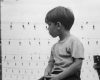
Francois Truffaut: “Our New Wave would never have come into being if it hadn’t been for the young American Morris Engel, who showed us the way to independent production with his fine movie The Little Fugitive.”

The rediscovery of an old film by Paul Strand and Charles Sheeler inspired me to watch the view every morning with anticipation. Sometimes the old, dirty windows in the office further embellished the buildings with new and ethereal qualities of light. Each day, the weather and changing seasons brought a new discovery to what I was witnessing.

Patrick Joust’s urban photography seems to capture a moment between night and day and a place between spaces humans have made.

 magpiesmagazine.com