

From the station we walk past panel beaters, La Rosa tile factory, then up the hill by the river — and there it is, El Greco’s view of Toledo, on first glance hardly changed in over four hundred years.

From the station we walk past panel beaters, La Rosa tile factory, then up the hill by the river — and there it is, El Greco’s view of Toledo, on first glance hardly changed in over four hundred years.
A collection of all the articles we’ve published over the past month, for those who like to savor their Magpies’ tidings as an issue.

“… juxtaposing members of a family from different generations touches something vulnerable and mnemonic about the relationship between humanity and Time.”

“Although Aurora was a leading figure in the fascinating artistic and political environment of her time, over the years her work, like that of many of her female artist colleagues, began to be made invisible and forgotten.”
“In person, there was a beauty to the impossibility of fitting all of its warm earthy columns and ornate weathered teal domes into your frame of vision at once.”
History doesn’t disappear when you shut down a website, threaten a museum’s funding, or remove museum exhibits. We carry the past within us.
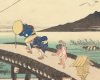
“Artist Cathy Brooks and I are on our way to Japan together, to walk into Hiroshige’s print.”
A collection of all the articles we’ve published over the past month, for those who like to savor their Magpies’ tidings as an issue.
“Colour is the way that I seek to convey the total experience of a place — an experience that is only partly visual, but physical, emotional and built from memory as well.”
A collection of all the articles we’ve published over the past month, for those who like to savor their Magpies’ tidings as an issue.


