

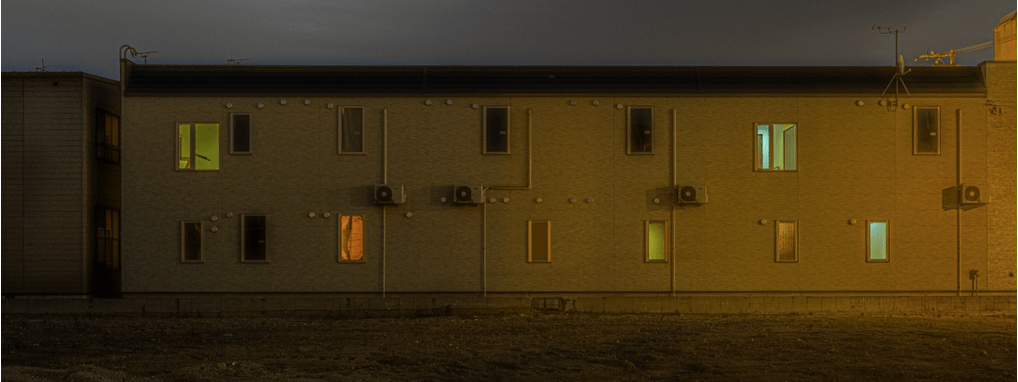
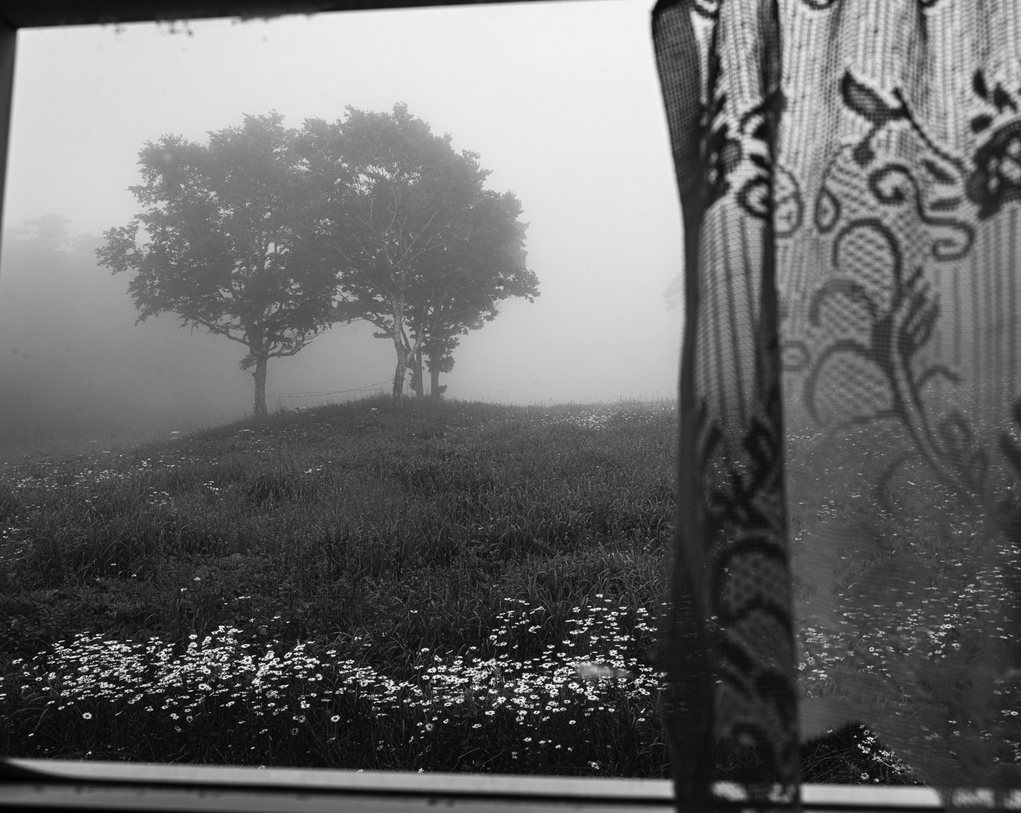
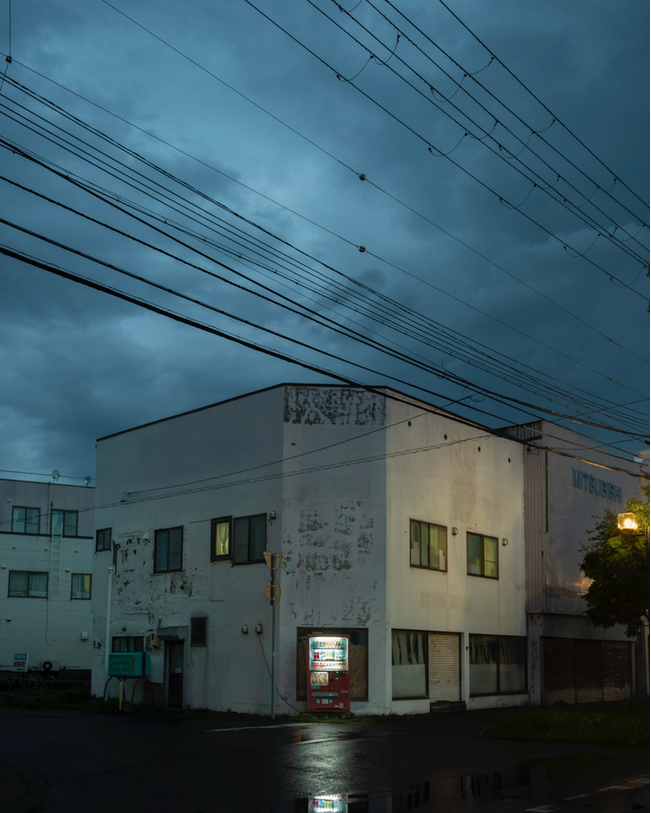
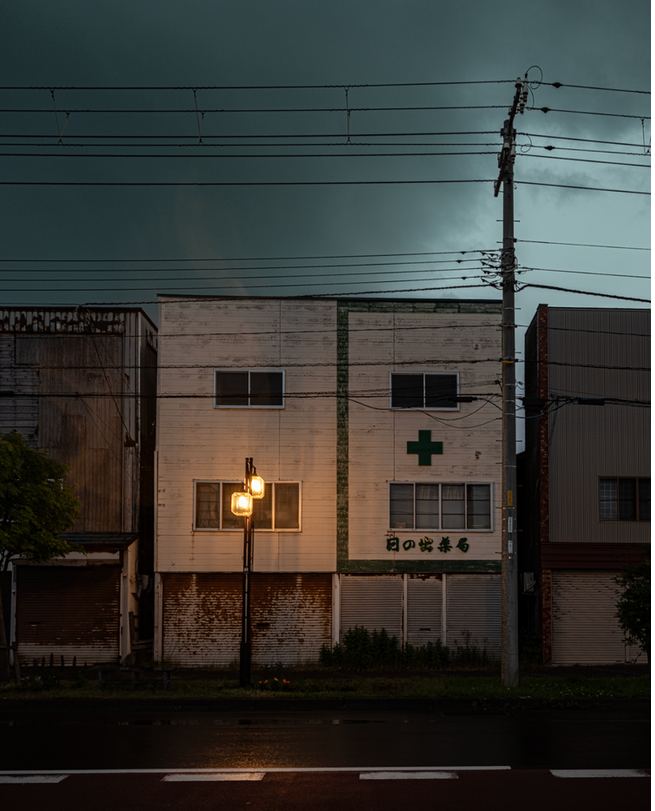
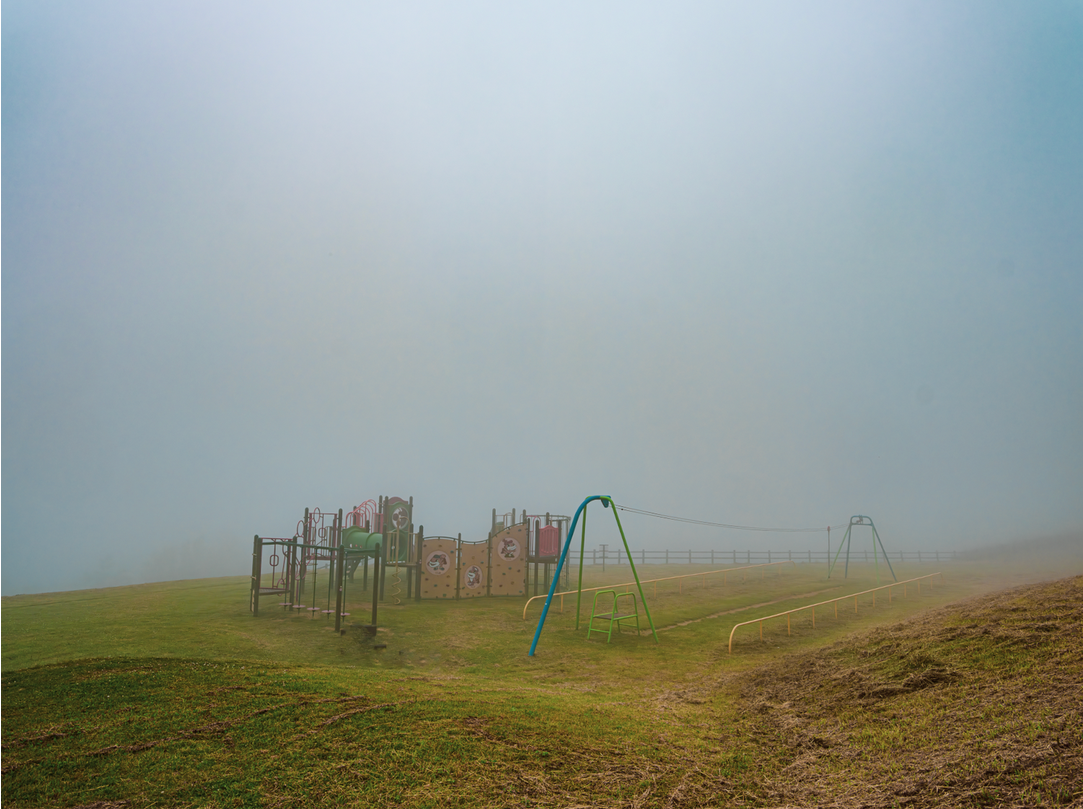
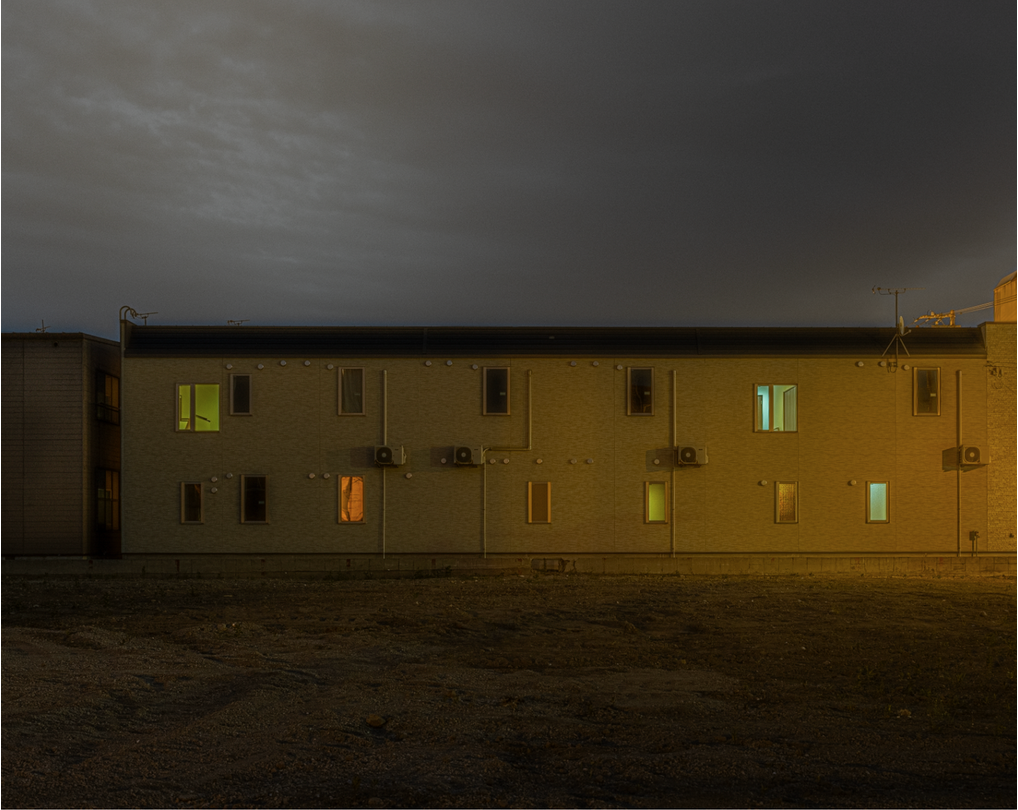
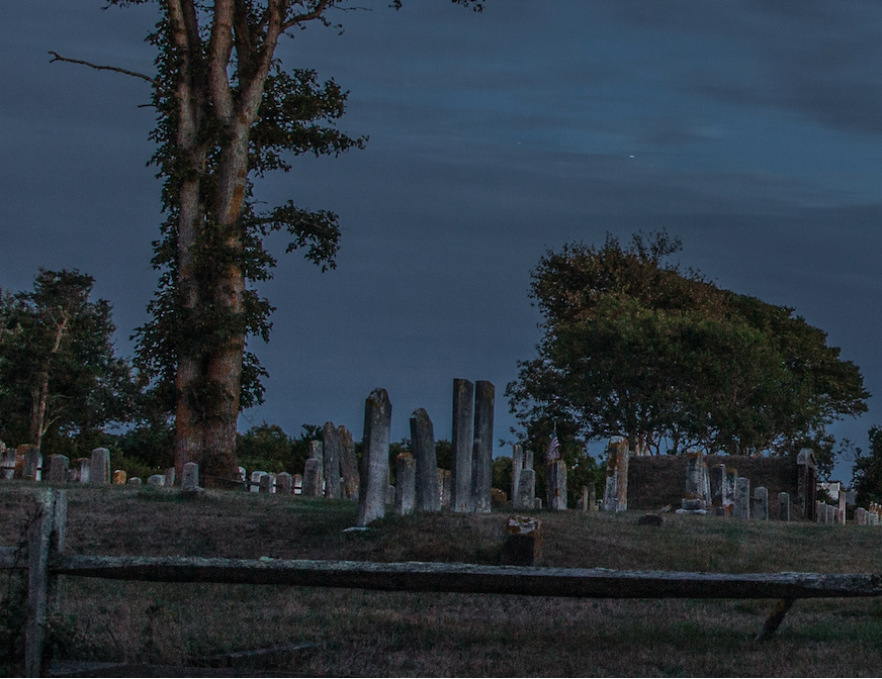
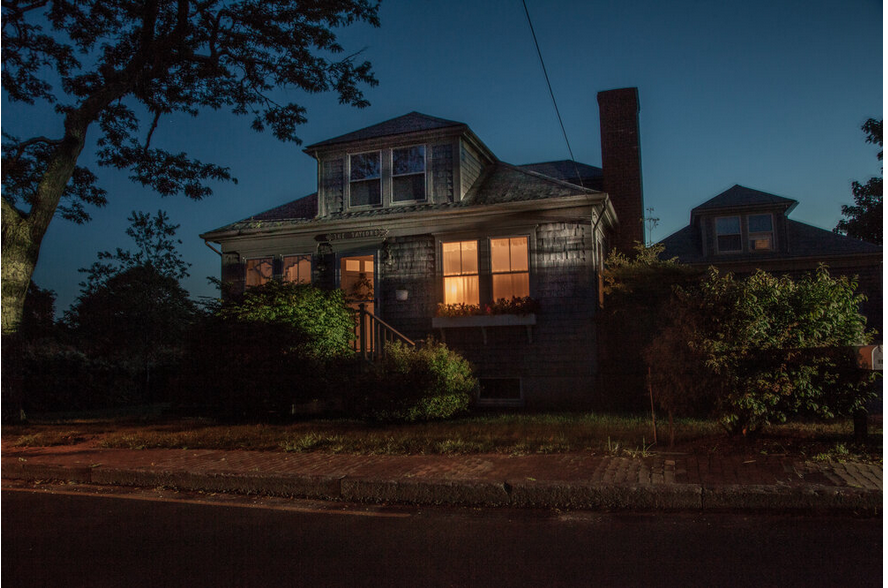
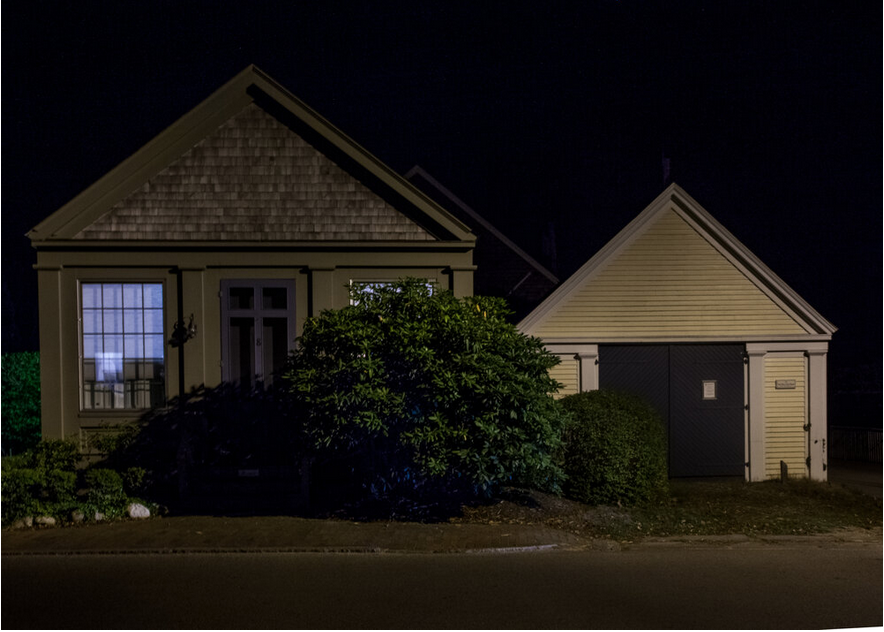
In the photography of Don Julien empty spaces speak with a resonating silence. Abandoned objects have voices of their own, and even the decay seems to tell a story. He describes his photographs as having the dreamlike quality of memories that haven’t happened yet, but the lines blur. Who is doing the dreaming? The photographer? The humans who collect in the space between the silence, in their endearing and foolish way? The things that people collect and hold dear? The memories themselves? There’s a raw rusty grace in these quiet dreams and memories and a cool warmth in the silence.
We were grateful for the opportunity to ask Don Julien a few questions about his photography.
I was interested to read that you work in film – moving pictures. I get the sense in some of your still shots (perhaps because I know this) of a frame before and a frame after – one space leading to another, maybe through a doorway or a broken window. Maybe a light from another room. It feels like there’s more to the story. This is particularly true in the interiors. Do you think your work in cinema changes the way you compose a still photograph?
Working in film has definitely influenced the way I think about composing photographs. Early on with commercials, I learned about filling a frame. Often there are large art departments moving props around and set dressers rearranging furniture to fill frames – every inch of the frame is well-considered and there are a lot of people working to make that happen. I also learned depth can make a composition; drama and mystery exist in the elements on the edges of a frame, or in the deep background. I try not to stage anything, not that I’m against that, but things as they are in the world seem more interesting to me. I like to find a frame rather than create one if that makes any sense. It’s the opposite of film work where rooms or stages are gutted, painted, dressed, and lit.
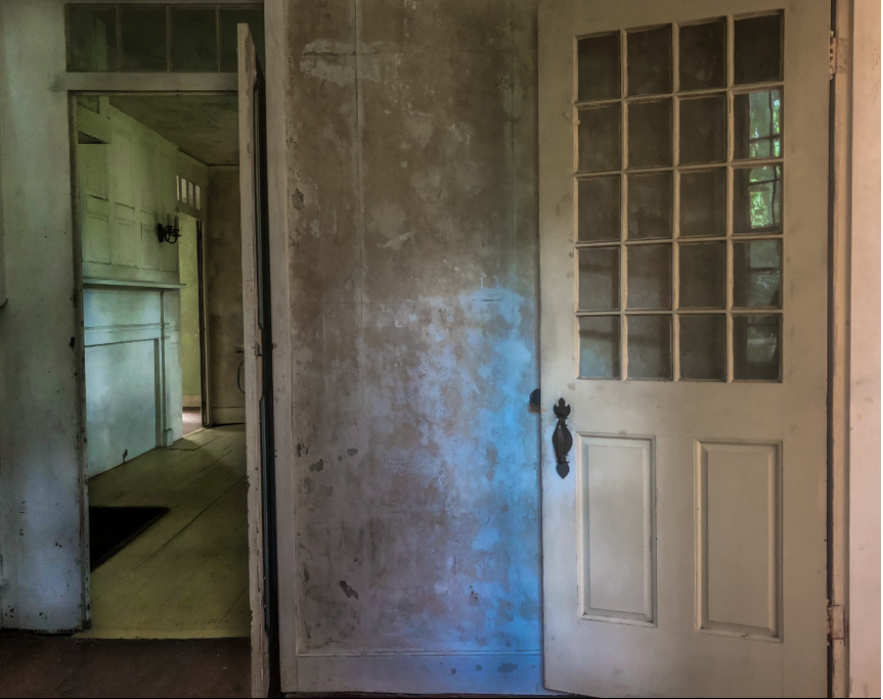
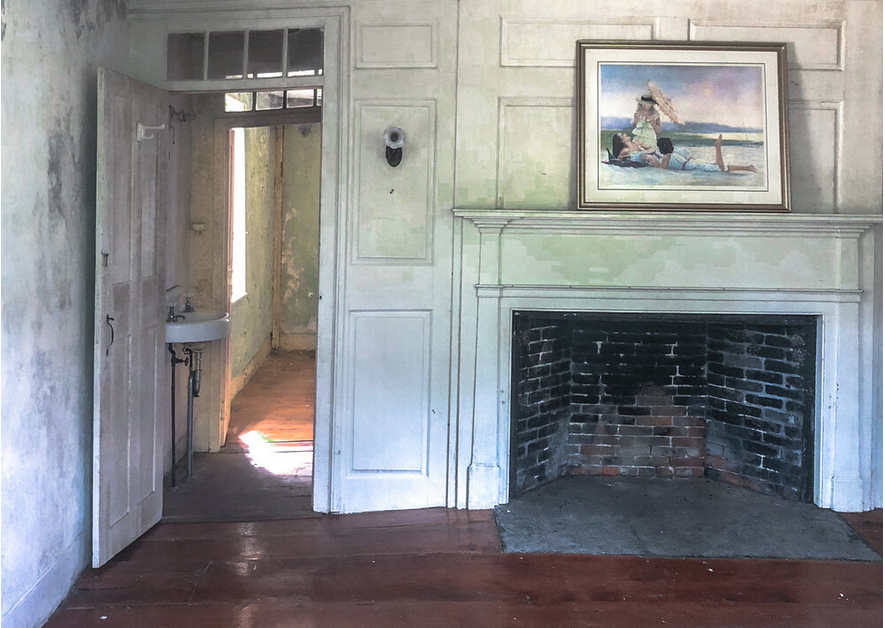
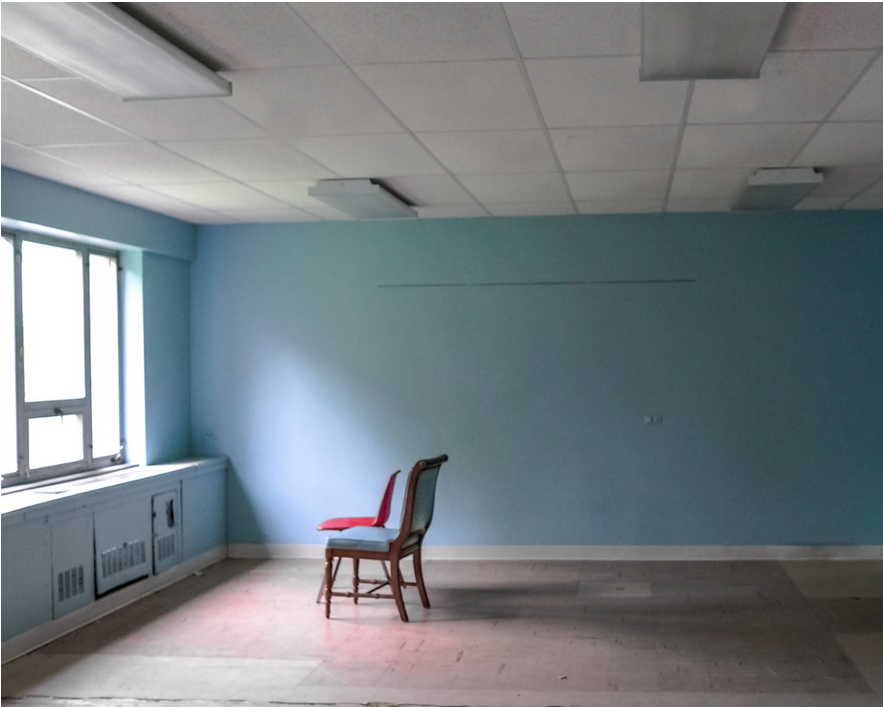
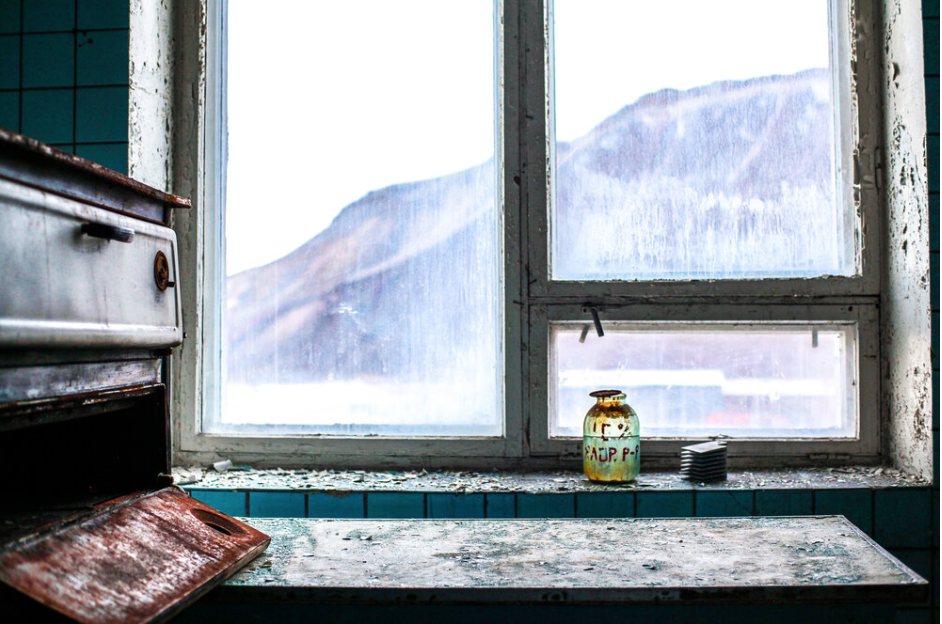
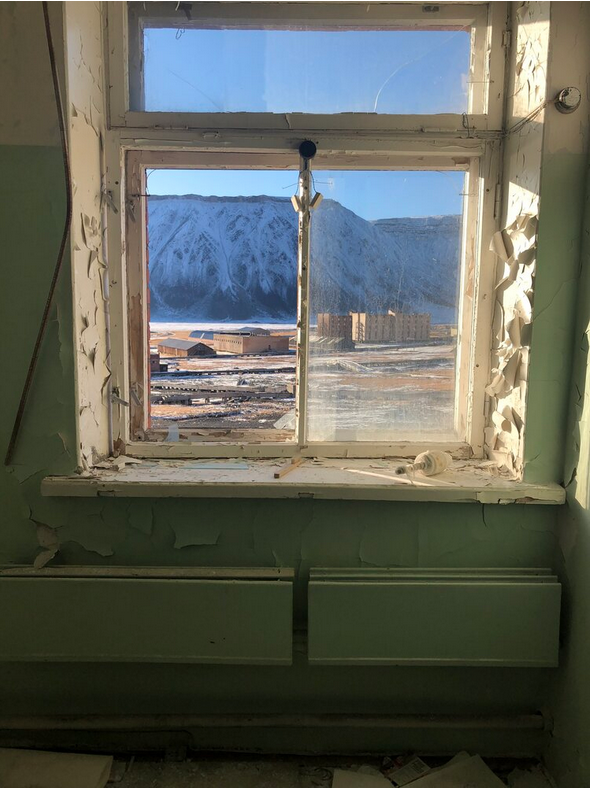
Having said that, and perhaps this is part of the same question, there’s a real sense of stillness and space in your photos. Almost a sense of loneliness in the subject and a sense of aloneness in the photographer. Is there a different kind of freedom in still photography? Working alone, not having to consider actors, story, post-production, etc?
For me taking photographs has always been a solitary practice. For better or worse the photographs sometimes reflect that. Maybe there is a certain kind of sadness that comes through. A friend, WM Hunt, wrote about my photographs a few years ago saying “These pictures are full of empty, coats hang limply, chairs go unsat in, pools aren’t swum in … Here is a chance to think about your unresolved abandonment issues,” which I thought was kind of funny at the time. Of course, we can’t help but bring our subconscious into our work — I’m not sure what it all means, but I think it’s still worth exploring.
What kind of camera(s) do you use?
I switched over to a medium format digital camera a few years ago. It’s clunky and a little unwieldy. It slows everything down and gives one time to think with intent. In low light I often use a tripod which further slows down the process. I’m never in a hurry. Spontinanity becomes really difficult and that’s by design.
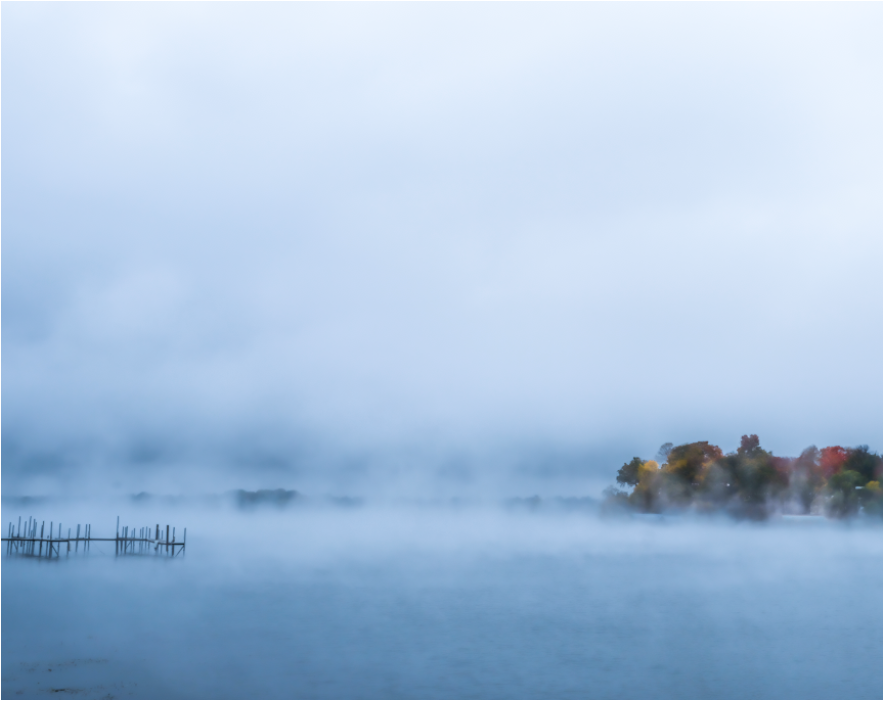
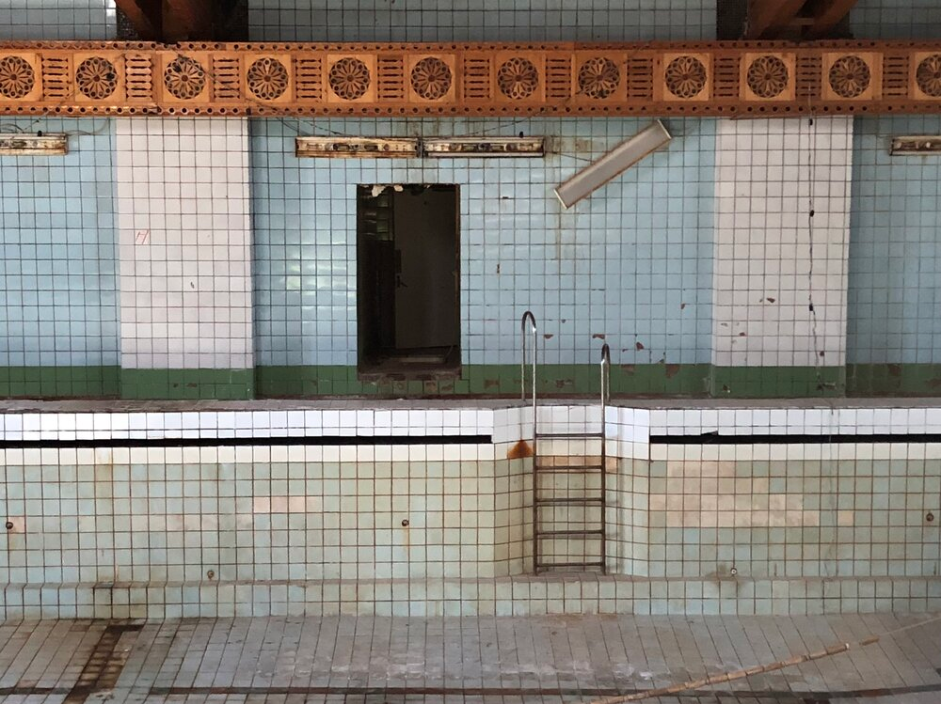
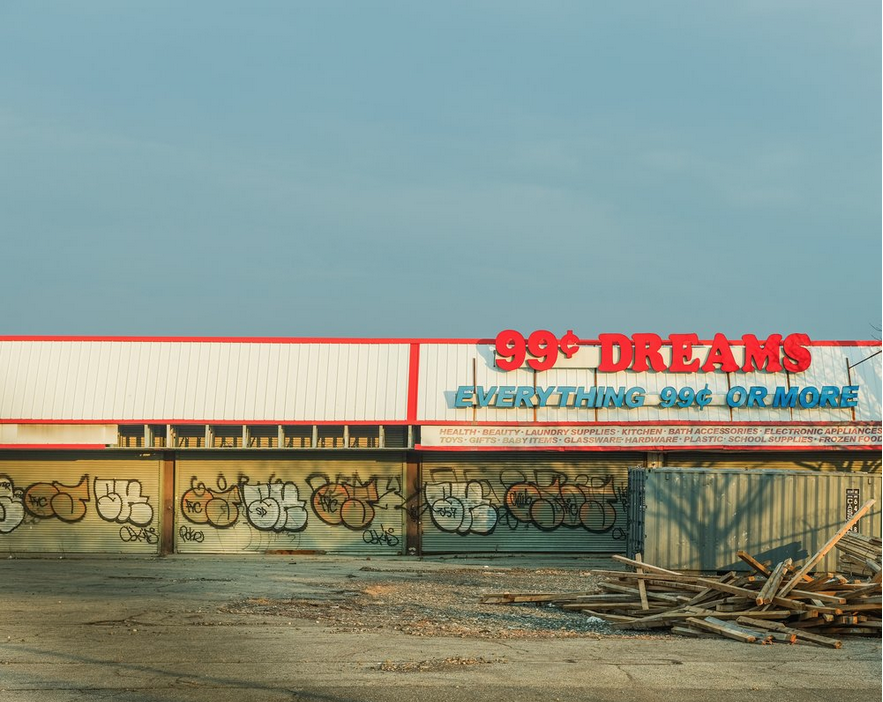
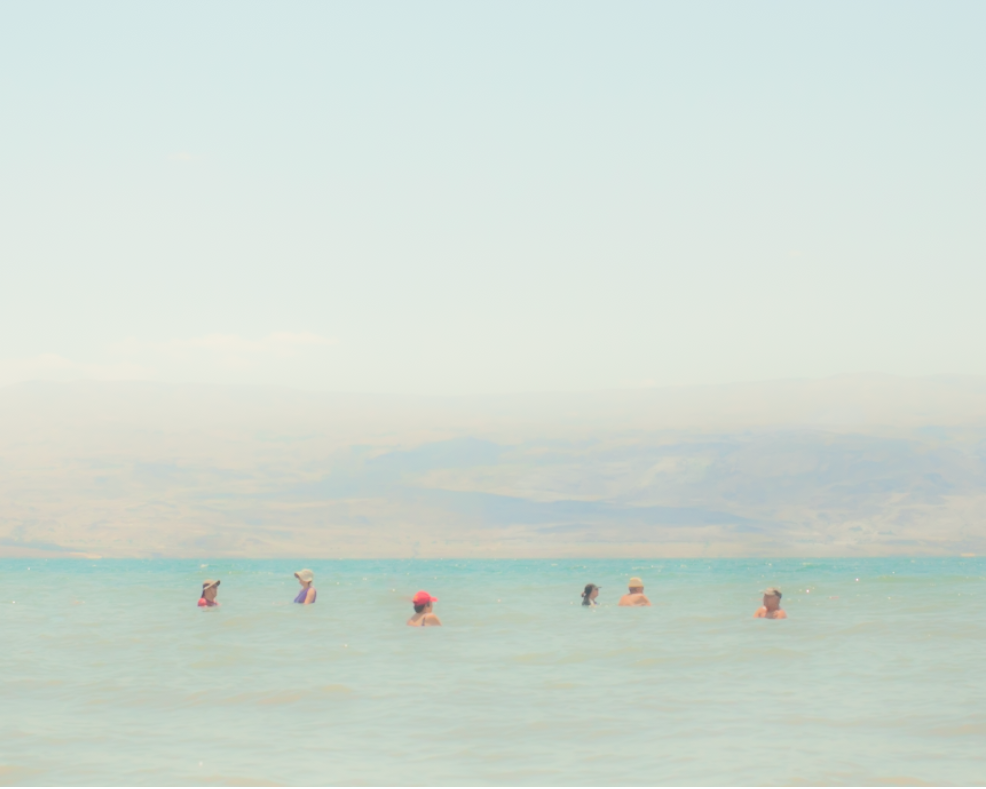
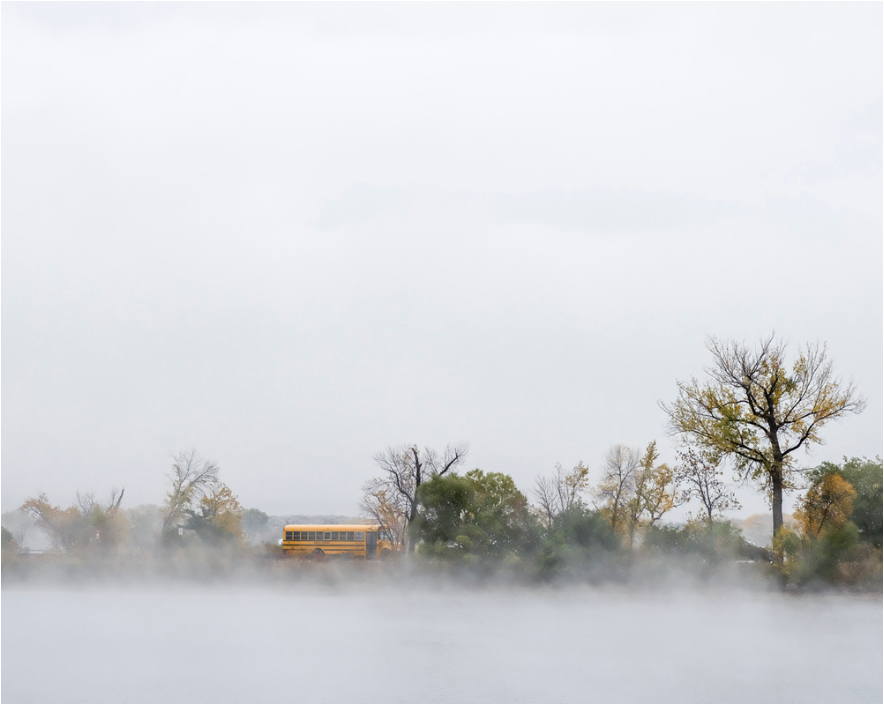
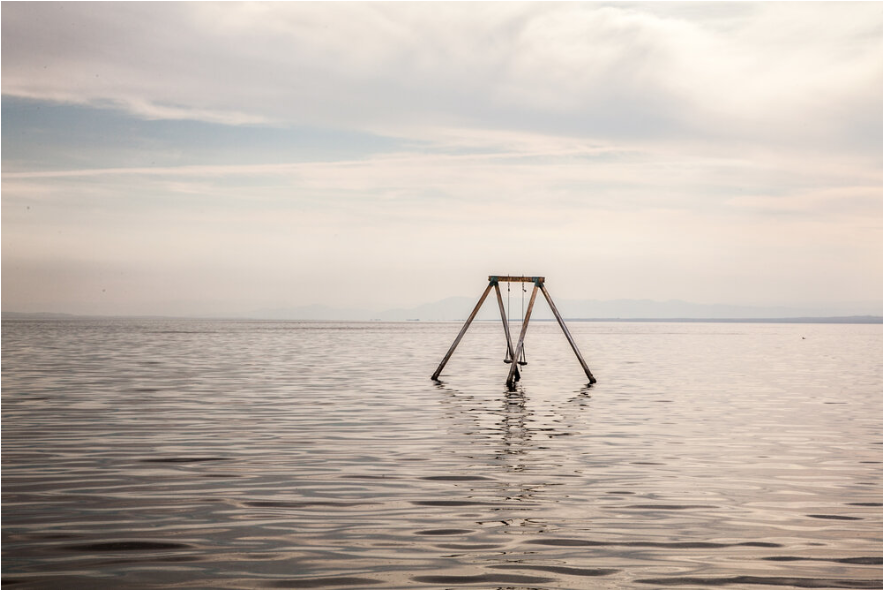
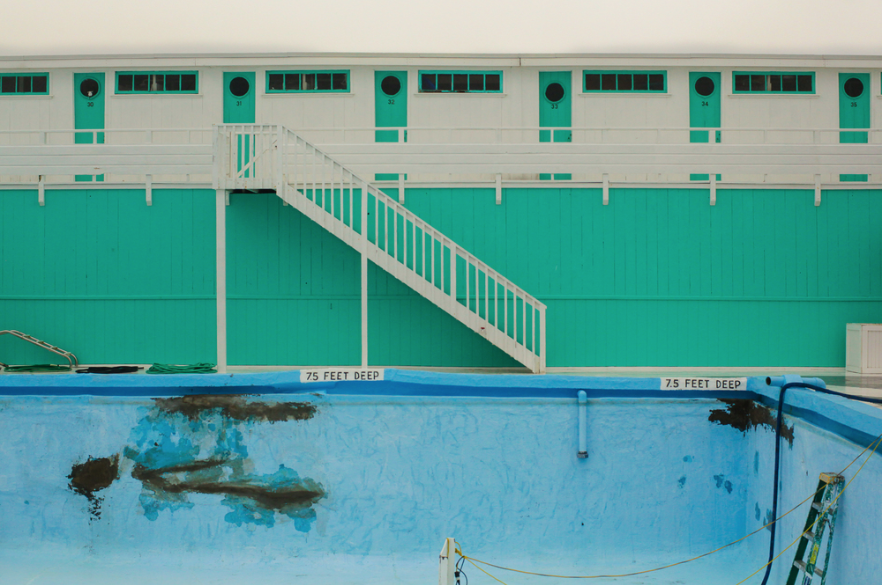
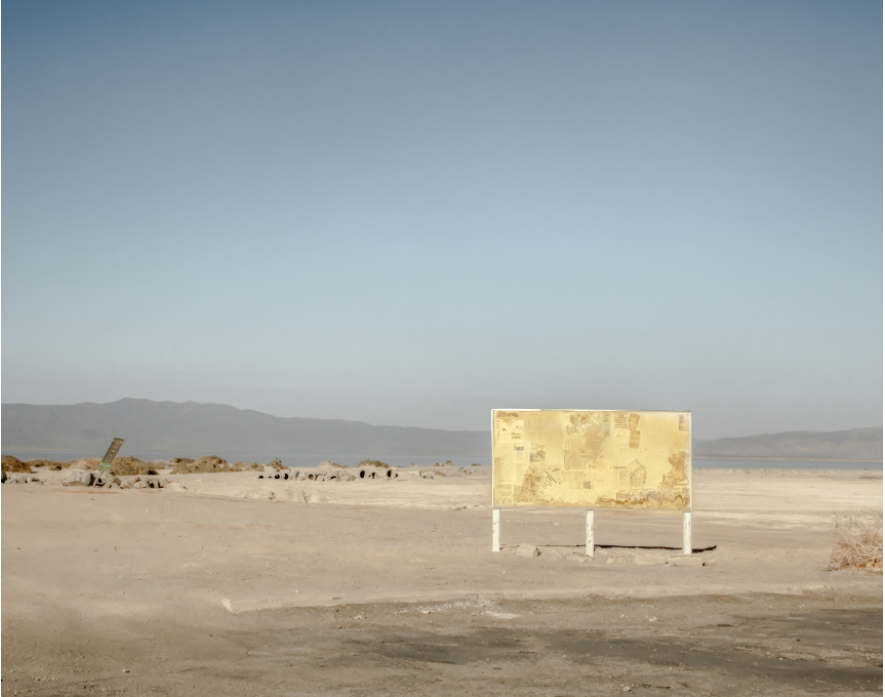
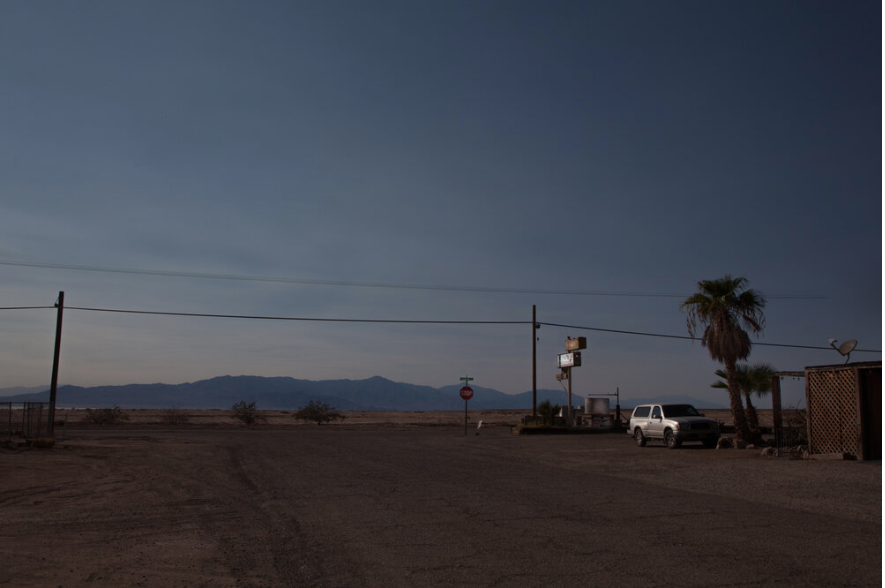
I find the framing of your photographs very beautiful and moving. Often we have horizontal swaths of color or space – and not the space we might expect to be given so much weight – with a thin band of human activity (or a reminder of human activity) in between. We seem a little foolish or endearing, the busy-ness of our lives with time passing all around us. What’s your idea about the place of humans in your work and in the world?
Not that I’m misanthropic, but for me photography has always been a kind of escape from people — a short respite from the world while still being rooted in the world.
Maybe more than working in the film industry or looking at other photographers, I think I’ve been influenced by certain painters. Like the Danish painter Vilhelm Hammershoi for his serene interiors, some of the Dutch Masters for the way they use light, and Americans like Andrew Wyeth and Edward Hopper for their desolate landscapes, and there is Richard Diebenkorn for his color fields. Human figures aren’t the focus of most of these works, they seem almost incidental to the worlds they are inhabiting. Not that I’m misanthropic, but for me photography has always been a kind of escape from people — a short respite from the world while still being rooted in the world.
Speaking of time passing – there’s such a strong sense of it in your work, I think, again, mostly in the things that people make and use. Decay. Is the passing of time something you consider in the subject/composition of your work?
I guess I’m drawn to certain kinds of nostalgia. The ruins of time. Things that were, but aren’t anymore, and can’t ever be again. Maybe it’s a yearning of sorts. Possibly that’s part of the human condition that’s wired into our brains, constantly reminding us of mortality. I don’t think any other species has that. There is nothing much more poignant than the passage of time.
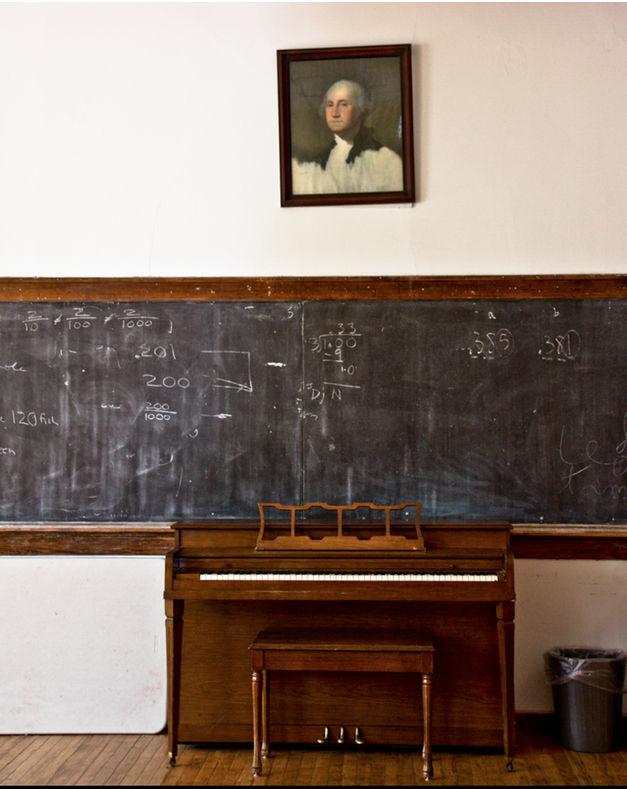
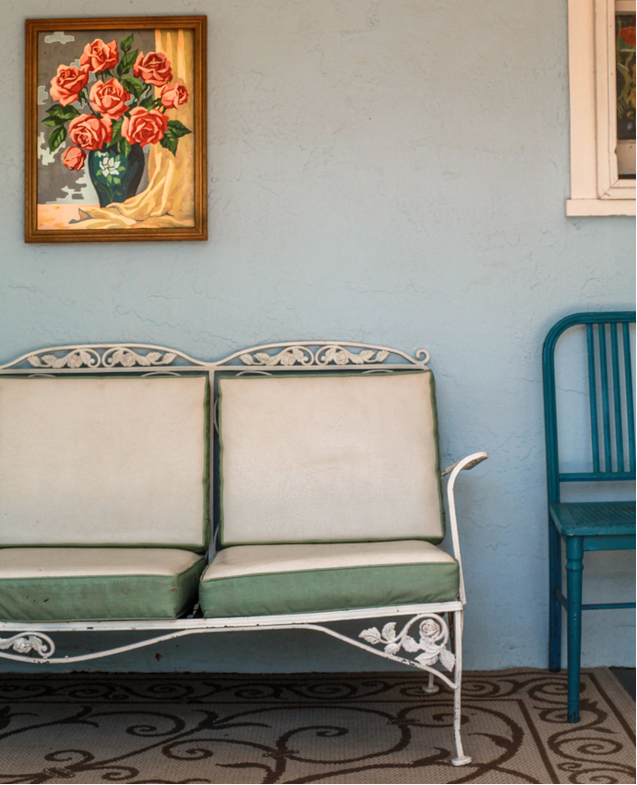
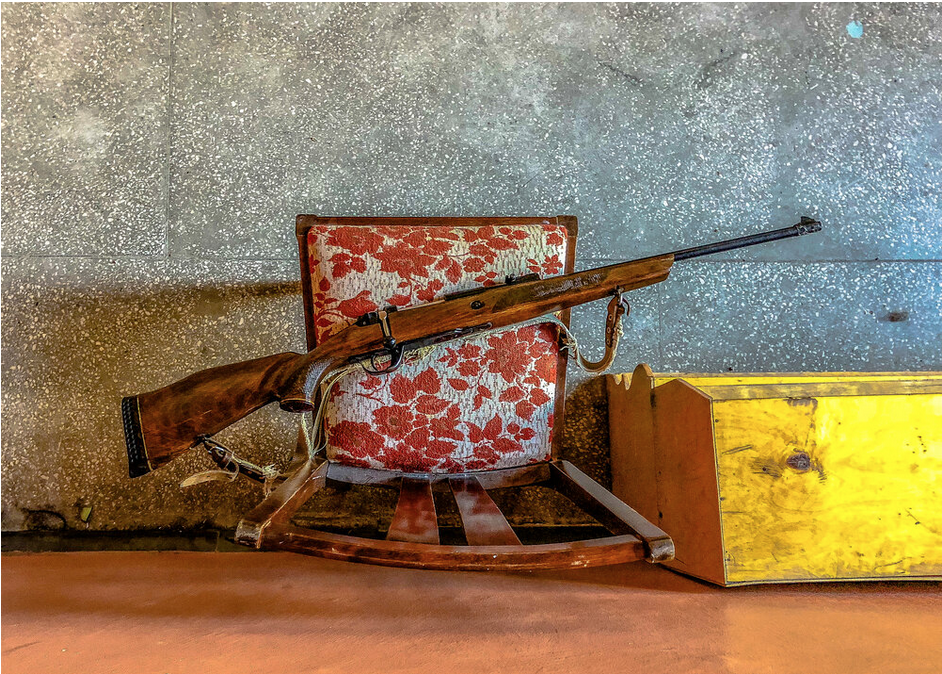
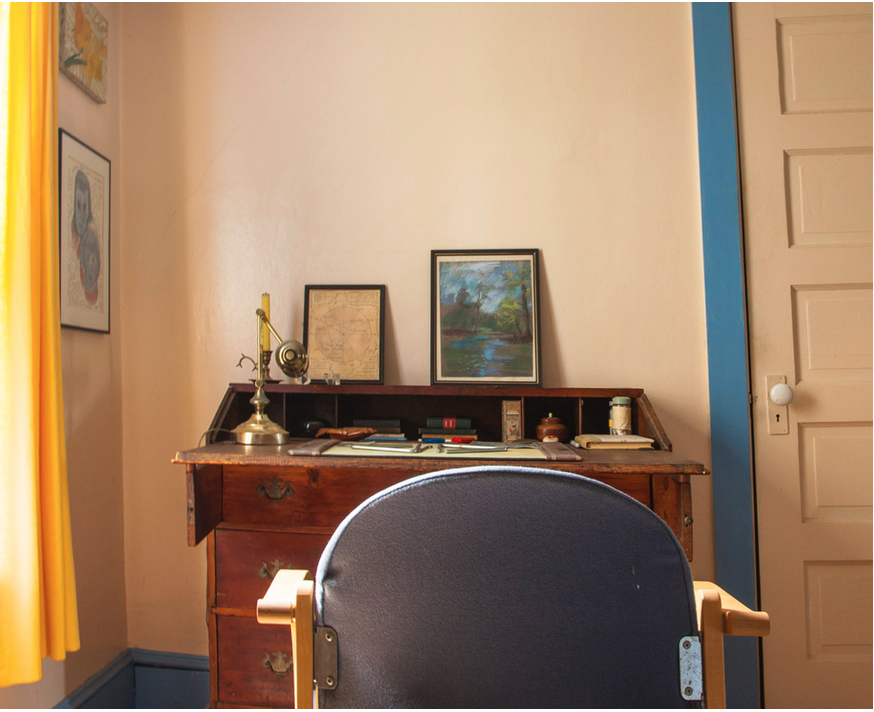
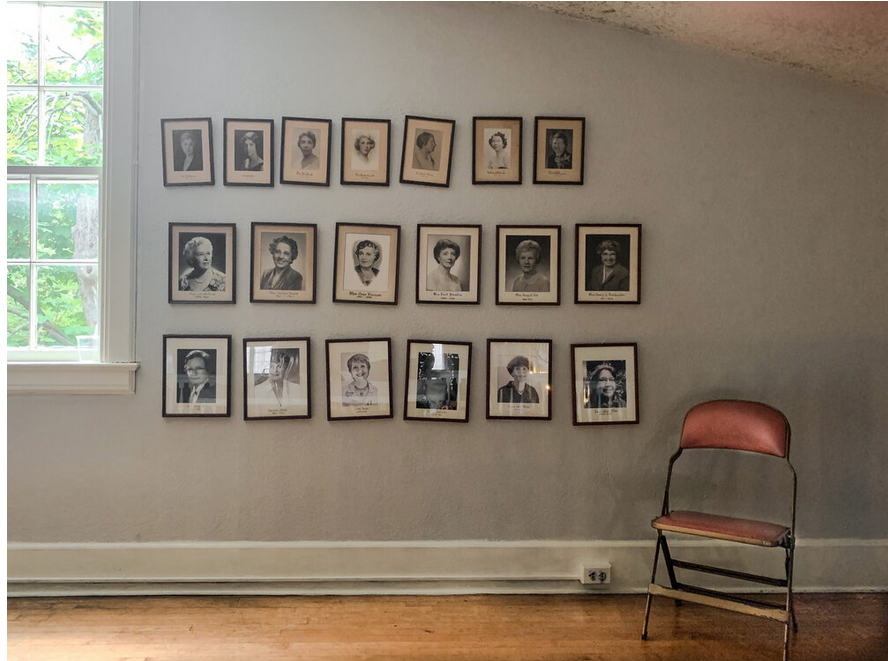
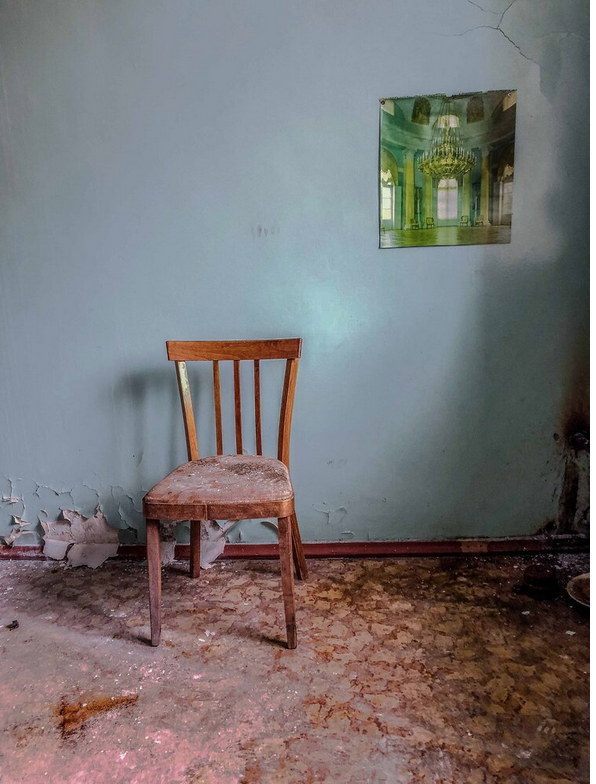
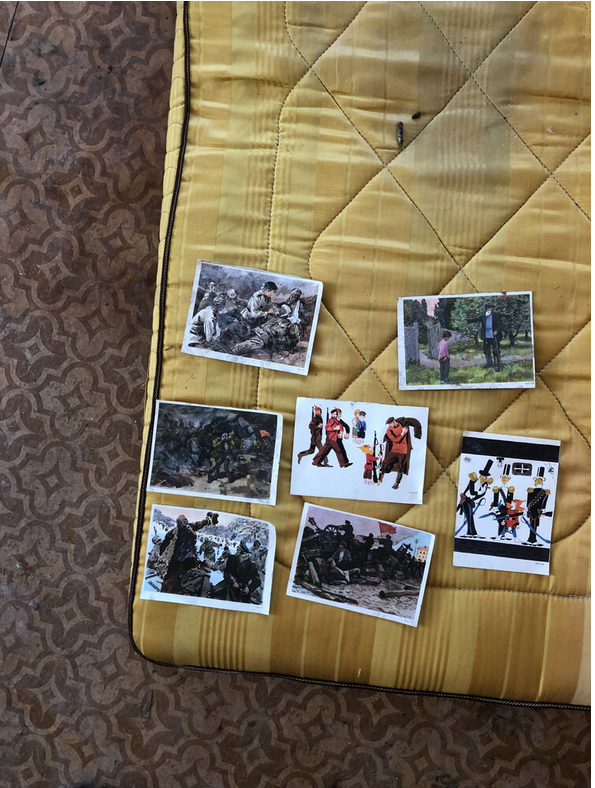
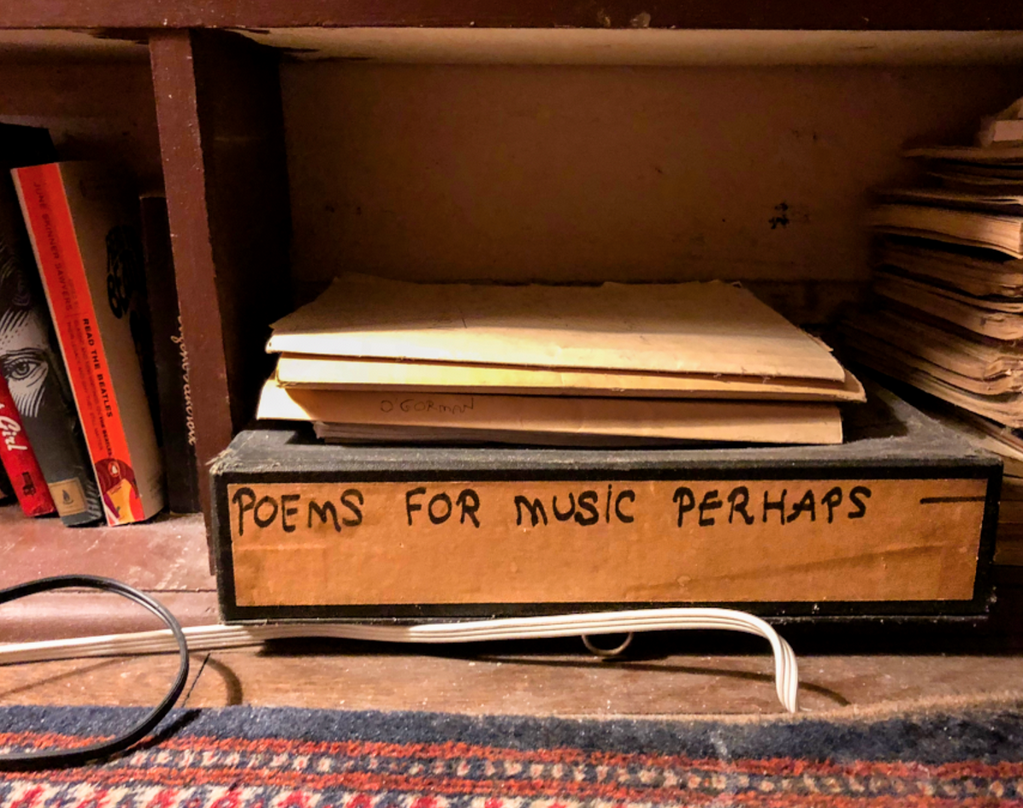
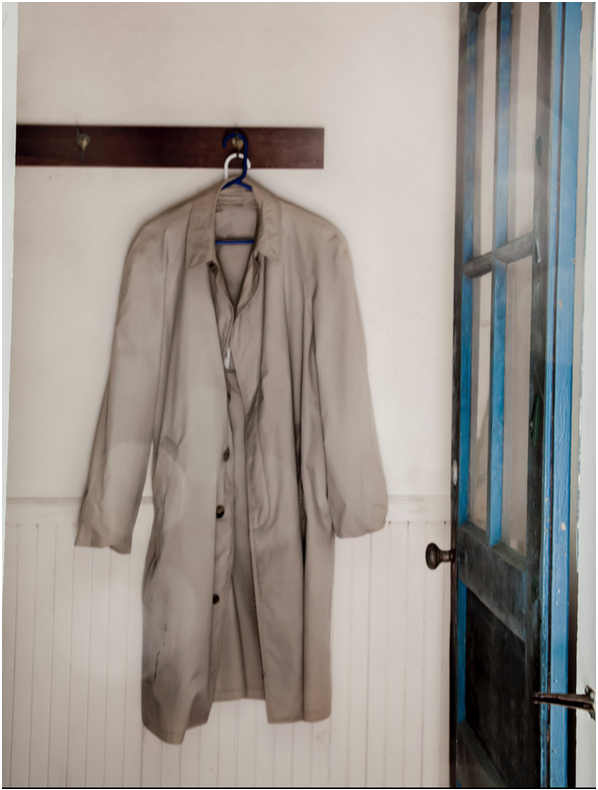
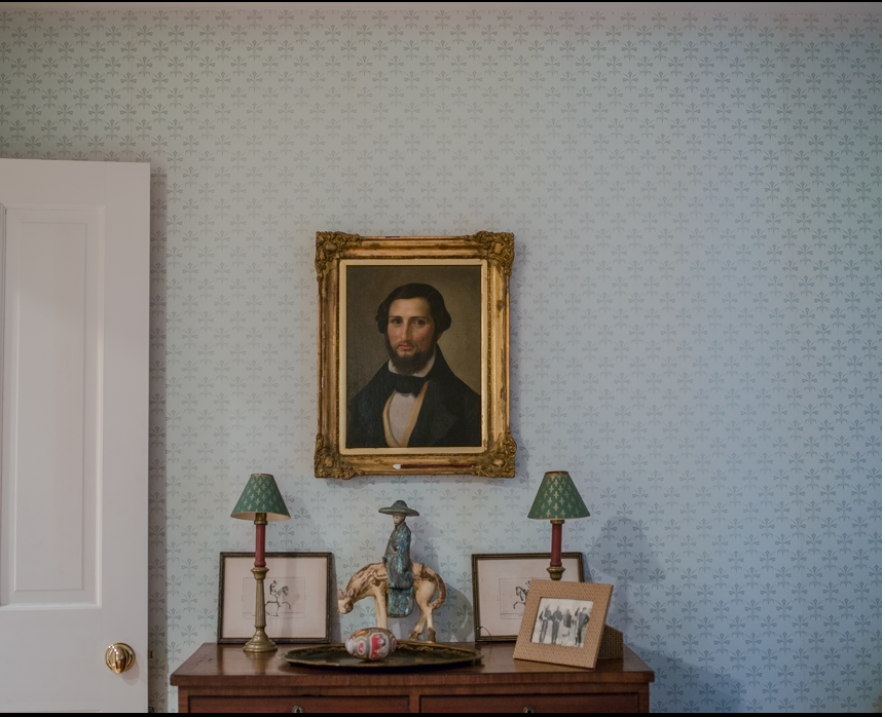
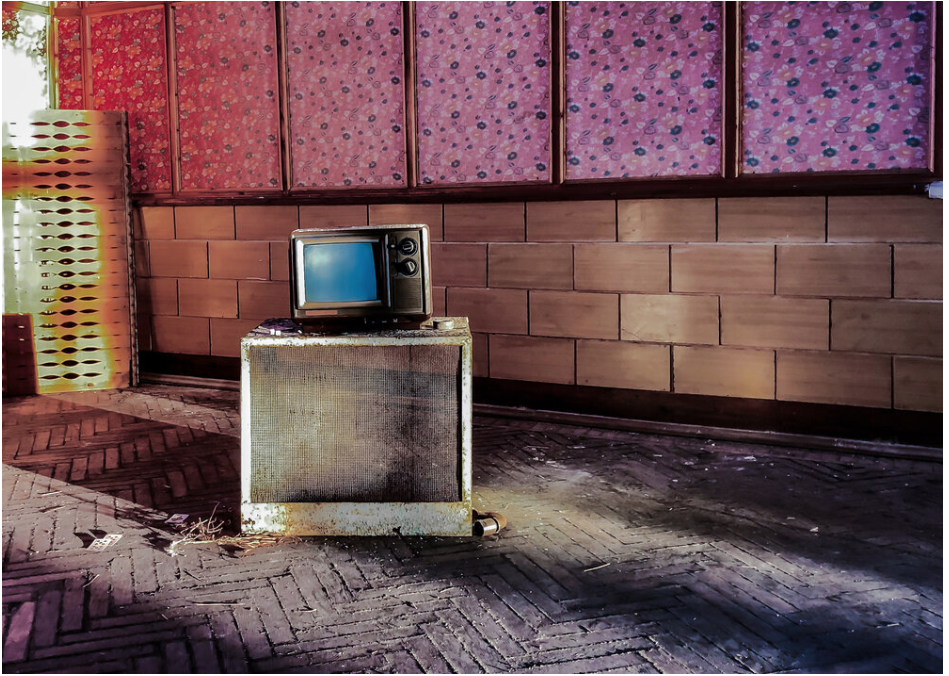
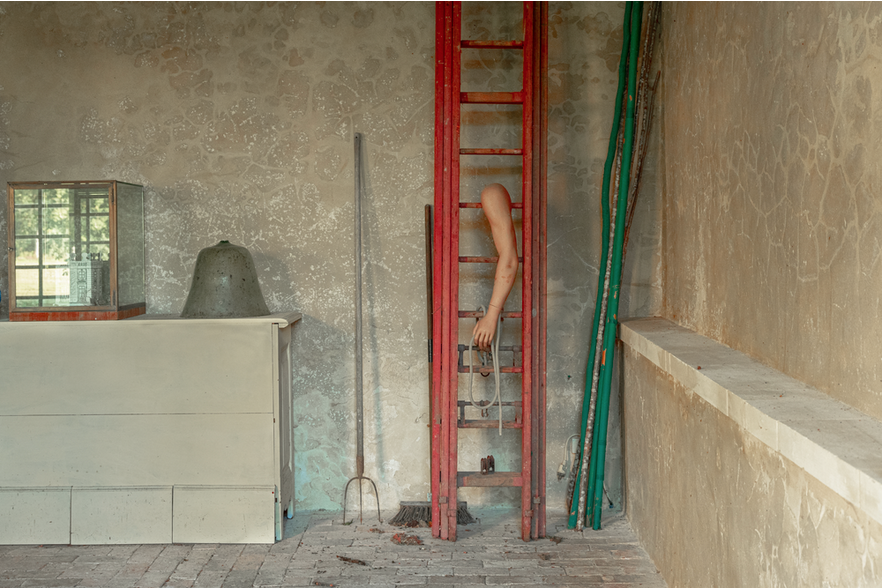
One beautiful and fascinating use of that is the artwork in the images – the paintings and photographs hanging on walls or propped on desks. Often it’s an image of an ideal time or place, and it’s strangely well-preserved in a crumbling, seemingly vacated space. It raises questions about why people love the things they do, what they dream about, why we make art, and about art history, our history, the history that was lived in these spaces. Can you talk a little about artwork and other objects in your interior shots?
I became very aware of the objects people collect and hold dear — even a bedside table can tell the story of a life.
What a huge, great question. For a while, I was fascinated by the things people surround themselves with. How individuals want to be perceived by others versus what is actually meaningful for them. Most of us are collectors of some sort of decorative art, whether it’s objects, books, paintings, photographs, or whatever, for different reasons. That pursuit gives our lives meaning. It’s purely subjective and ends up defining us in a way. I’ve had the good fortune of doing a lot of location scouting for film projects which means having access to the inner sanctums of homes, apartments, offices and surroundings of complete strangers. I became very aware of the objects people collect and hold dear — even a bedside table can tell the story of a life. What we choose to collect can be so intensely personal and telling. Sometimes even heartbreaking. There is a poem by Theodore Roethke I come back to sometimes on the subject of objects and place that starts out “I have known the inexorable sadness of pencils, neat in their boxes, dolor of pad and paperweight, all the misery of manilla folders and mucilage, desolation in immaculate public places, lonely reception room, lavatory, switchboard, the unalterable pathos of basin and pitcher”…. it goes on and on — but like decay discussed earlier, there can be an inherent sadness in the objects and art we collect. There can also be a tendency to over-sentimentalize objects which cheapens them and makes them weepy. It’s a fine line to walk. One of my favorite photography books ever is by Justin Kimball called Little Pieces of String where he has gone into the homes of recently deceased people and photographed the objects and rooms left behind. It’s devastating. For me, those images strike in a way that words, illustrations, or paintings never could. It’s kind of the perfect way of using photography as a medium.
What’s your favorite time of day to experience and photograph when you’re traveling? What is a memorable encounter with a stranger that you have had?
My favorite time to photograph is when the world is quiet, usually twilight or true night. I try not to tangle with strangers — that has never been my focus. A few years ago during Covid, I was caught outside of a stranger’s house at 2am taking long exposures – Understandably they were upset, horrified, and not at all pleased. The whole thing was creepy. After a brief interrogation, I went on my way. A few days later I visited them again in the light of day and showed them some of the work – they have since become supportive friends and even purchased some prints. So maybe I will try to encounter strangers more often.
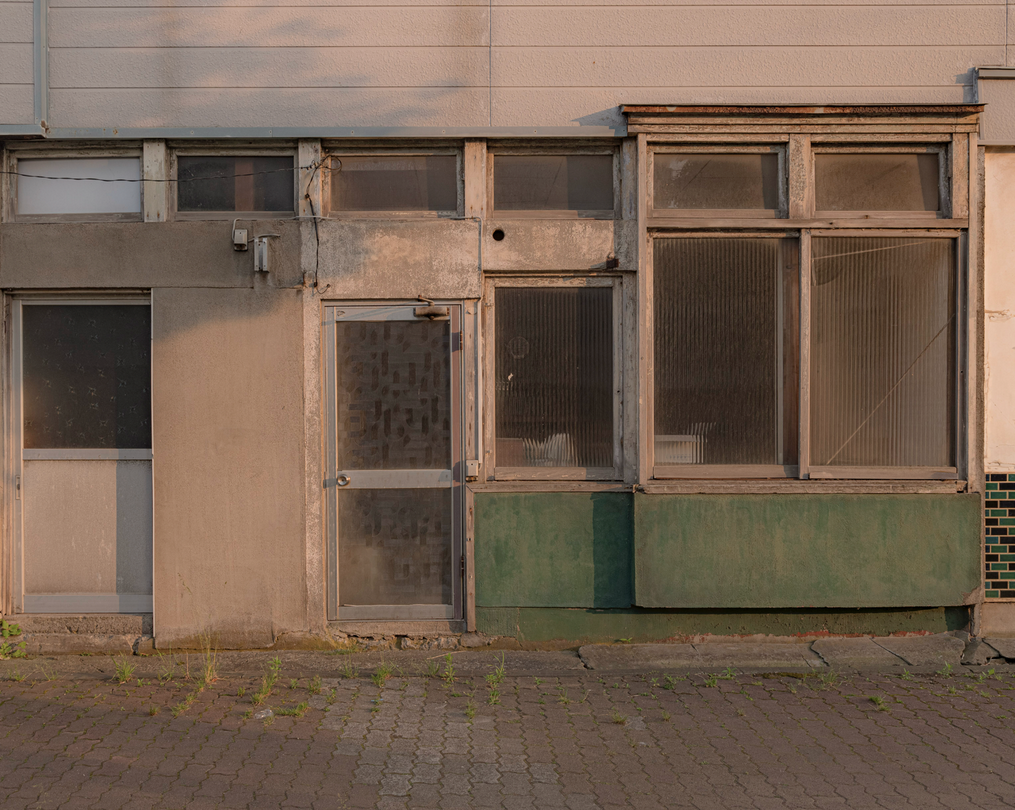
Don Julien lives and works in New York City. A member of the Directors Guild of America since 1998, Don has worked as an Assistant Director and Producer on studio and independent feature films, episodic television, music videos, and commercials.
Most of the photographs in this collection were made on distant locations while working on film projects. A lot of time is spent in foreign places seeing worlds that are unfamiliar. Sometimes they are quiet and peaceful, other times they are unsettling. For me, they have a dreamlike quality – memories that haven’t happened yet. See more of his work at donjulien.com and on Instagram @dhjulien.
Categories: featured, featured photographer, photography, Travel



I love this collection of work. Very poetic and haunting. Thanks for sharing.
LikeLike
thanks for this thoughtful interview and for showcasing Don’s talent
LikeLike
Beautiful, haunting work and a wonderful interview!
LikeLike