
“Each moment is transient, gone as quickly as it appears, the journey playing out like an unedited film.”

“Each moment is transient, gone as quickly as it appears, the journey playing out like an unedited film.”
Brassaï declares that the “bastard art of the streets of ill repute that does not even arouse our curiosity, so ephemeral that it is easily obliterated by bad weather or a coat of paint, nevertheless offers a criterion of worth. Its authority is absolute, overturning all the laboriously established canons of aesthetics”

Entertainment-wise, a motherfucker: critical race politics and the transnational movement of Melvin van Peebles
Whether I’m commenting on politics or the hypocrisy of organized religion or societal ills in general, my art is like a bullhorn used to get attention about things that concern me.
Yūrei, in their varied forms, are potent symbols of the simple and enduring universal human need for right over wrong.
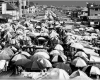
“Photography is enough in itself for existing, and so are the many advocacies of Bliss’ photography.”
A collection of all the articles we’ve published over the past month, for those who like to savor their Magpies’ tidings as an issue.

We were grateful for the opportunity to ask Don Julien a few questions about his photography.
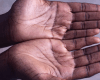
Photographer Ololade Koleosho believes that the lives of single mothers dwells somewhere on the “delicate balance between struggle and celebration.”
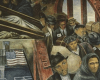
Historians of American art are engaged in a search for ways in which to speak meaningfully and broadly about contested traditions and about both the promises and limits of the country’s national iconography and history, to a nation fragmented along racial, ethnic, class, and religious lines.

 magpiesmagazine.com