

By John Wreford
Sitting on the comfy sofa of the Damascus Four Seasons, just behind the shiny grand piano, the lobby busy with the usual mix of spy novel clichés, white robes and cheap leather jackets, I had arrived much too early.
A typical twinge of anxiety tickling my tummy, I had been here dozens of times, and almost always an exercise in the surreal. Looking back, I struggle to remember many of those meetings: There was that weird interview with a woman selling luxury watches encrusted with moon dust, the General’s wife, of course that was before he defected. The Halabi Chef and his often told culinary kidnapping story as he splashed oil on the flame to dramatize the portrait I was photographing. I ate both in the kitchen and the dining room.
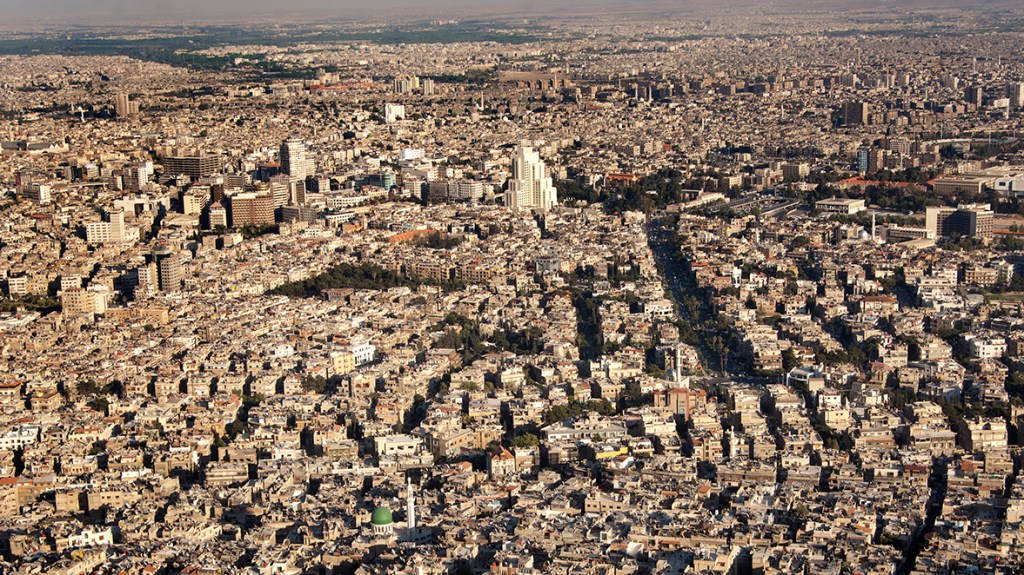
The hotel dominates the Damascus skyline; its brutal concrete profile casts a shadow across the city. Once owned by a wanted warlord and then, during the war, the UN moved in and an array of visiting journalists. It was, needless to say, bugged.
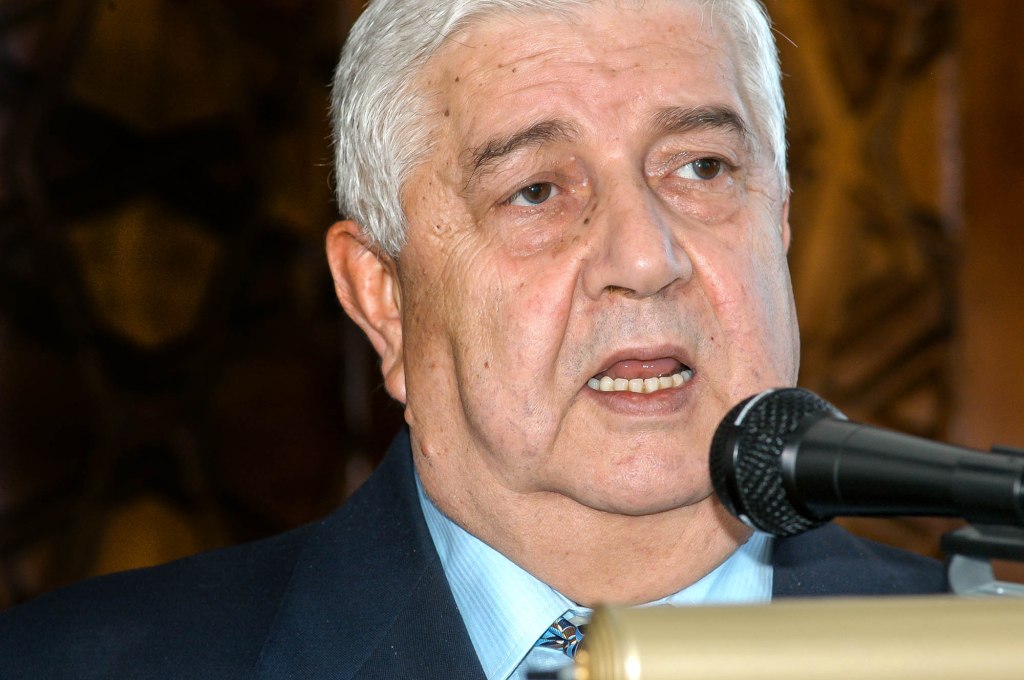
The hotel opened in 2005, a time when Syria was undergoing rapid change. Assad had just ordered the assassination of the Lebanese President and the Lebanese people flooded Beirut streets in anti-Syrian anger. The Syrian army had been occupying Lebanon since 1976, and this in turn led the Syrians to fill the Damascus streets in a show of national unity. President Assad basked in probably the peak of his popularity, his army withdrew from Lebanon, and the thaw began; Nancy Pelosi dropped by and Condoleezza Rice smooched with FM Walid Muallem and the next five years in Syria were generally positive, or so it was often portrayed.
A policy of liberalization and a shift from its archaic socialist economy saw the opening of private banks, radio stations and new media outlets, the western press lapped it up, but, eventually the flawed trickle-down economics would only help promote a revolution.
On several occasions at that time I joined the Syrian crowds as they marched with banners and drums and placards of the President, who was then only five years into his tenure. This was his chance, and by now, of course, we know, he blew it.

On this particular march there was a rumor the man himself would make an appearance. The excitement grew and moved steadily through Abu Roumanah and the posher neighborhoods of the capital. And then, there he was, Bashar al-Assad, on his balcony, waving as the crowd was being funneled past, the security keeping things moving, I would only have a moment, I stood my ground, not easy, just like those days in the mosh pit, each time just as I wanted to press the trigger the crowd would jostle me, I tried moving back a few steps but the security guards were not impressed. Suddenly the crowd concertinaed and I leant backwards into the bodies around me and rattled off a few shots before succumbing to the throng. It wouldn’t be the last time his mug filled my frame.

The ladies that lunch were parking their Hermès and I was fidgeting on the sofa waiting for my colleagues from Forward Magazine to arrive.
FM opened during the flurry of deregulation, the first private English language magazine to open since Nasser nationalized the media in the 50s. Founded by the extremely accomplished Abdulsalam Haykal, the magazine was attracting global credit lines such as Hala Gorani and David Ignatius and had interviewed world leaders such as Turkish Prime Minister Tayip Erdogan as well as French and German Foreign Ministers. Today though, was going to be something of a treat.
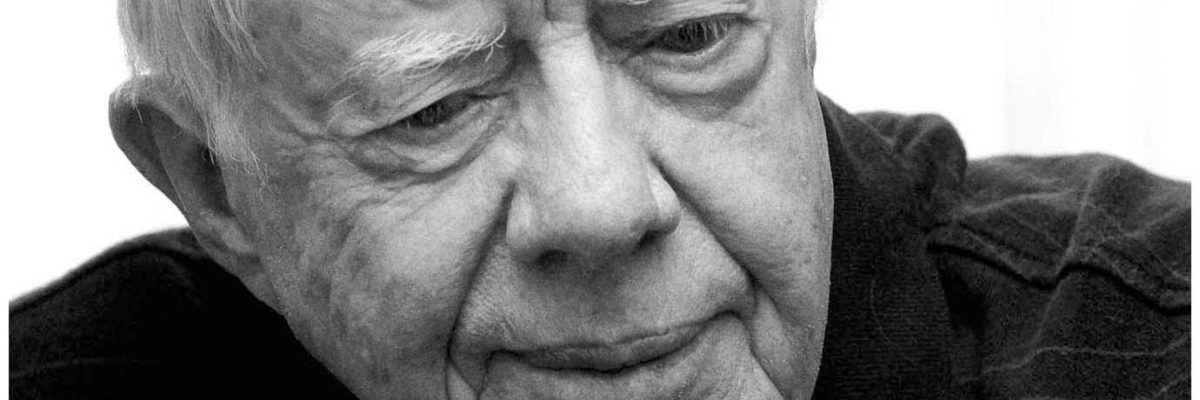
Former President Jimmy Carter was no stranger to Damascus, he firmly believed in talking to people, no matter which side of the privet they stood and had often met with the dictators deceased’s Dad, Hafez al-Assad, now he was meeting Bashar in the hope of improving relations with the US, still cool since the Hariri affair and the problem of Syria’s lawless border with Iraq and he would also meet with Palestinian Khaled Meshaal, leader of Hamas, all of which ruffled feathers from Washington to Tel Abib.
The be-suited trio Abdulsalam, his brother Ammar, and Editor in chief Sami Moubayed arrived, and with a soundtrack of Little Green Bag playing in my head we strolled through the lobby to take the elevator.
The room was small, dim and a desiccated yellow colour but the handshake and welcome were warm and clearly genuine. The man who once held the most powerful job in the world was dressed in casual shades of black and grey.
Making a striking image was always going to be difficult in such surroundings, I had to kneel on the floor to get the angle and light, I didn’t make too many frames, and there I stayed or at least as I remember, sitting at the feet of the president as he re-told his part in the making of history, the Camp David Accords and an arrangement with Hafez Assad for Syrian Jewish girls to marry American Jewish men and so emigrate to the US, all tales that are well documented in the history books and the media with its varying skewed renditions. But this was a privilege, the former President of the United States and the four of us together in a small hotel room chatting.

The time passed quickly, we all stood up to say goodbye, I made a final group shot and then Jimmy suggested his minder come in and take one with me in the group, and with that we departed, Jimmy had to meet the Syrian President and the leader of Hamas and we had stories to file.

In December 2024, Jimmy Carter passed away, and Bashar al-Assad was ousted. Both leaving very different legacies: indelible marks that go beyond blood and ink.
John Wreford is a freelance professional photographer based in Istanbul, specializing in images of the Middle East & Balkans. “For ten years I lived in Damascus, Syria where I watched a beautiful country slip into a vile war. I find art, in one form or another to be the answer to everything. My life now is about telling stories of the human condition, the good the bad and the beautiful. More recently I have returned to analogue and historical photographic processes as a medium to help share those stories.“
See/read more at John Wreford Photographer and on Instagram at johnwreford.
Categories: featured, featured photographer, memoir, photography

 magpiesmagazine.com