

By Robert Beck
There is a photograph in my studio that shows Paul Matthews and me at his summer home near Lake Placid, in the late nineties. He is writing at an old desk next to the baronial fireplace, and I’m reading a newspaper. I have paused and looked at that photo once or twice a week for the last twenty-some years.
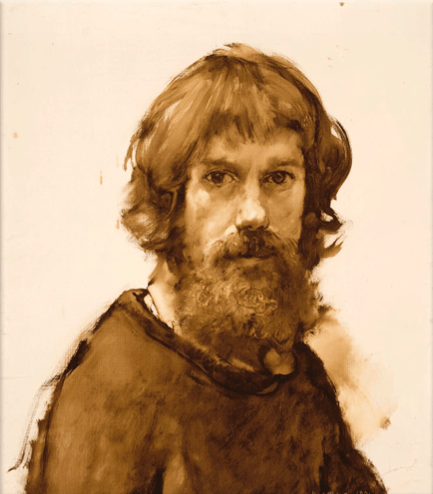
Revered and loved, Paul was one of the most significant artists in this area, and perhaps one of the least conspicuous. He painted figures, landscapes, portraits, and more, in various degrees of realism and abstraction. He was at times self-focused and driven, often in pursuit or escape, but always in motion, creating a lot of art.
Paul and Lelia Matthews generously welcomed me into the Lambertville-New Hope community, and it meant a great deal to me. Paul was a polite, gentle, and private artist. He quoted his friend, Marty Washburn, saying “Painting is my way of being with people,” but I think he meant that it was, in part, a substitute for it. His artistic path was his alone, and he closed doors to the outside in order to allow things to emerge from within. You could run into him on the street and have a chat and a chuckle, but he would have to go.
Matthews was a cerebral writer and poet as well as an excellent painter. He could reach effortlessly for a quote by Falkner or Keats. Paul challenged himself in his work, confronting fears and taking chances, addressing the struggles of his upbringing, painting numerous images of his ancestors, and probing his innermost intimate thoughts. One canvas could hold an image with beautifully painted observations, and another would have you wondering just what was going on inside of him.
Paul ignored boundaries. Not to be naughty, or different, or attract attention, but because boundaries serve no purpose in art. He was a thoughtful and philosophical man who painted what resonated with him, and he understood that art is at its best when words are not necessary, or not possible. His strengths lived in those silences.
Paul ignored boundaries. Not to be naughty, or different, or attract attention, but because boundaries serve no purpose in art. He was a thoughtful and philosophical man who painted what resonated with him, and he understood that art is at its best when words are not necessary, or not possible. His strengths lived in those silences.
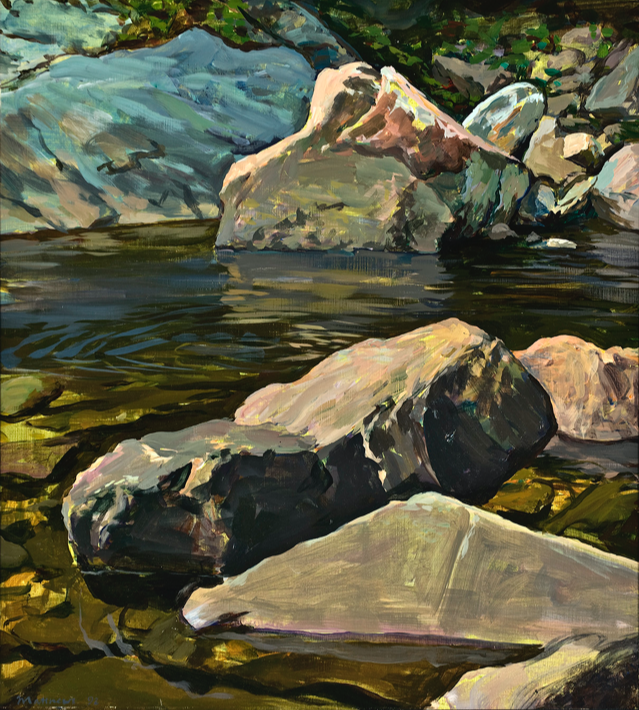
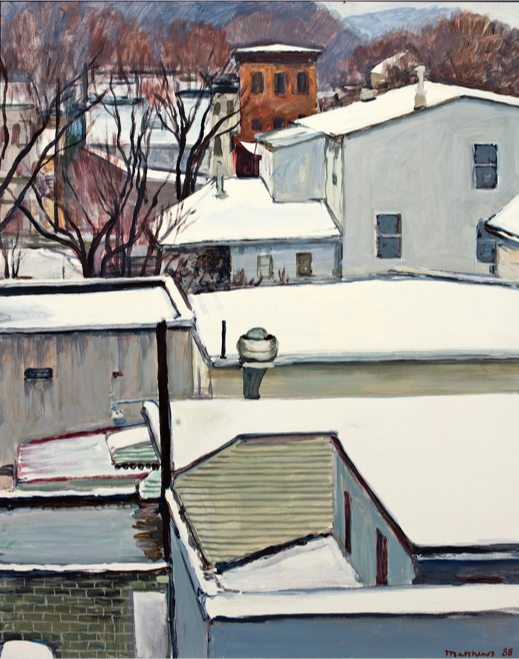
There are many facets to Paul’s work but you might separate it into the abstract figurative paintings, and everything else. Everything else includes well-rendered traditional academic subjects taken from his life. Adirondack streams, people around town or on a subway, friends, interiors, pretty-much anything. A masterly, life’s body of work that found more in his subjects than appeared on their surface. What Picasso meant when he said, “Not the thing; the other thing.”
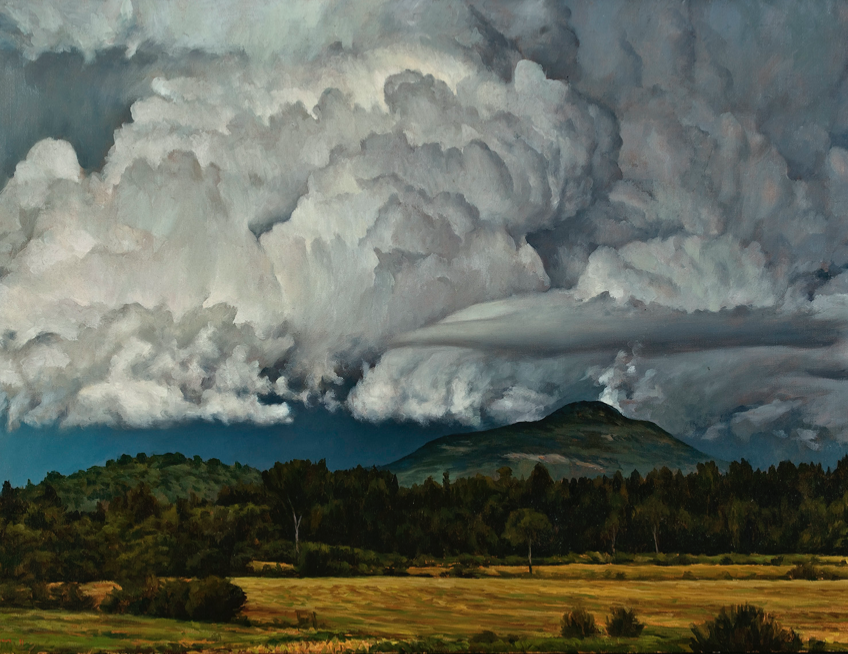
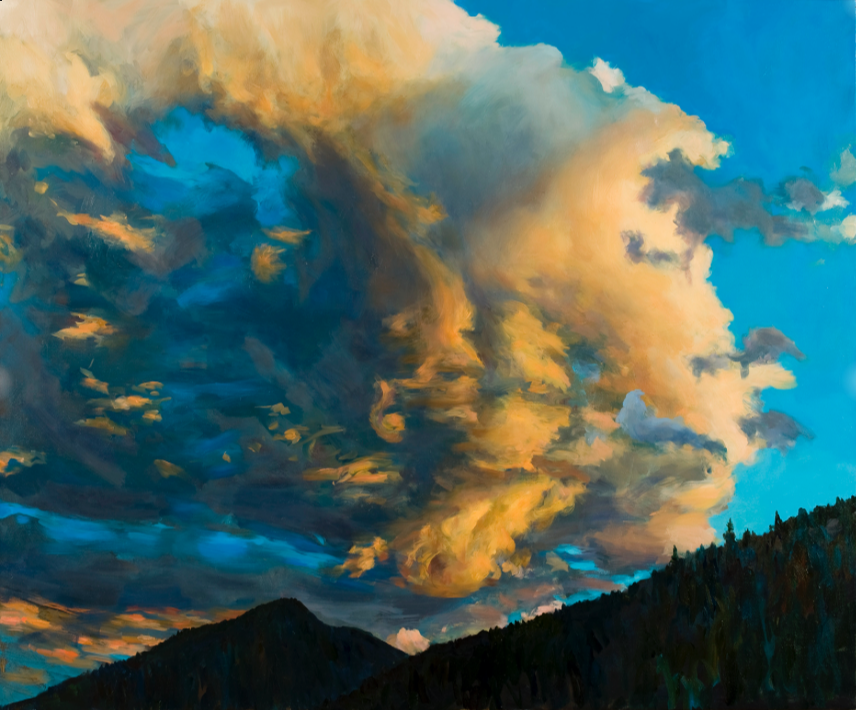
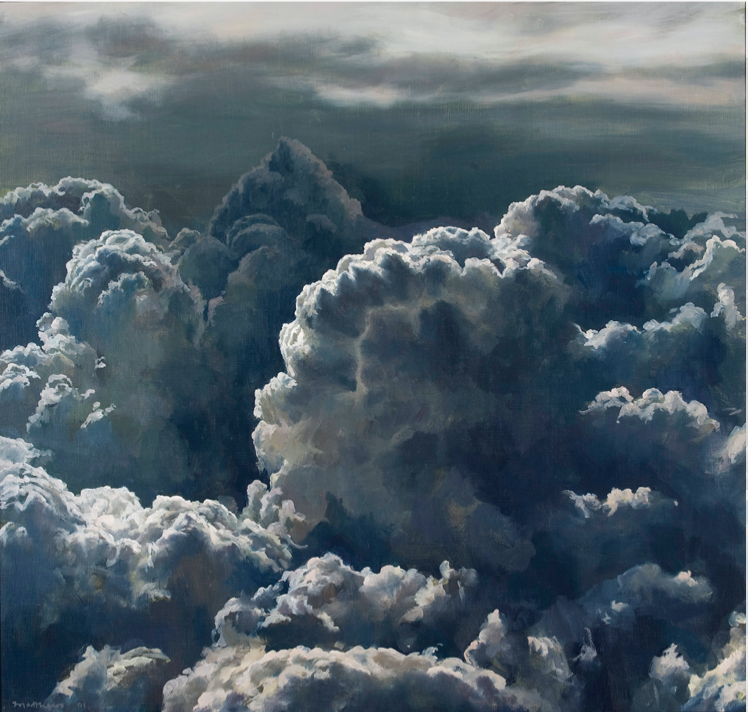
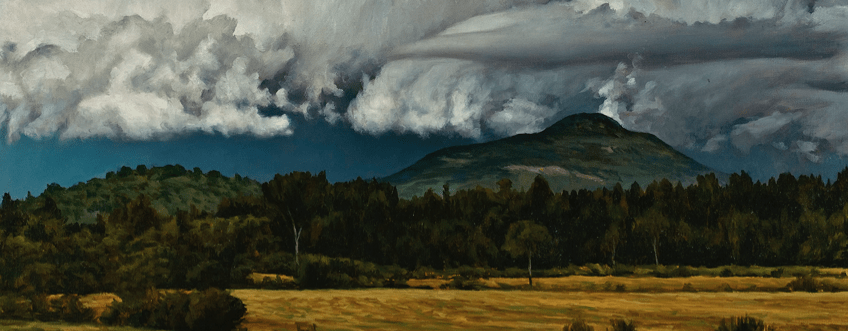
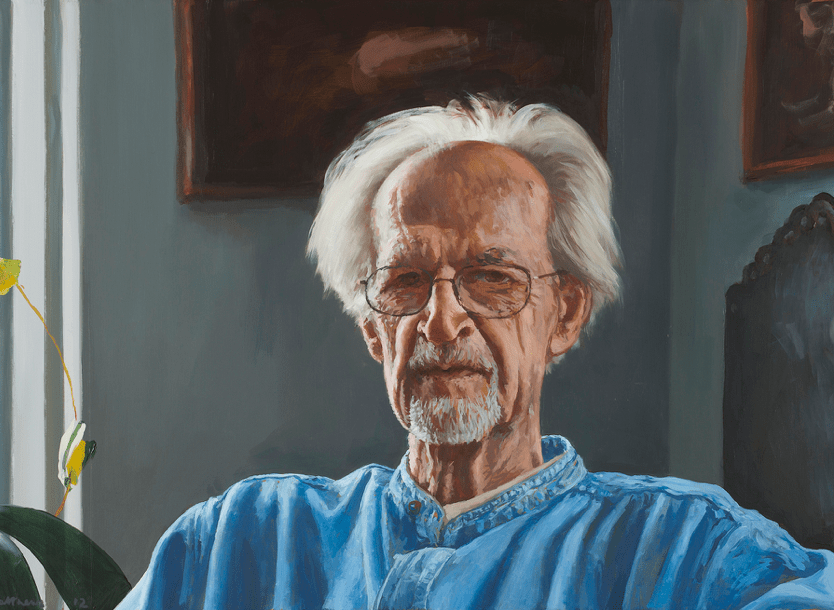
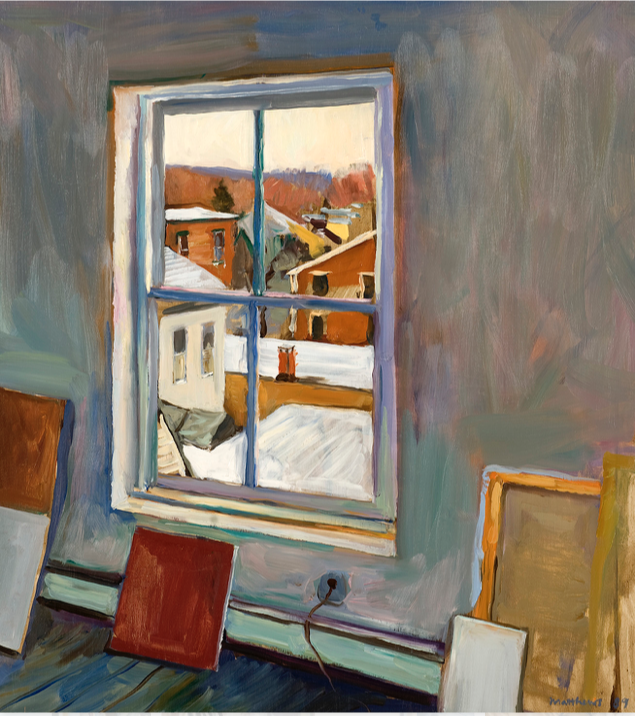
Paul Matthew’s cloud paintings are astounding. It’s hard to believe the sky can hold them. His portrait of Karl Sterner (Karl In His Own Space, on the website paulmatthews.net) is as fine as any I’ve seen. The series of paintings done in the eighties of his studio and the winter view from its windows are rich in atmosphere—skillful solutions to situations the eye can’t perceive. And I Iove that the one painting of snowy roofs on a gray winter’s day is entitled “An Argument With My Wife.”
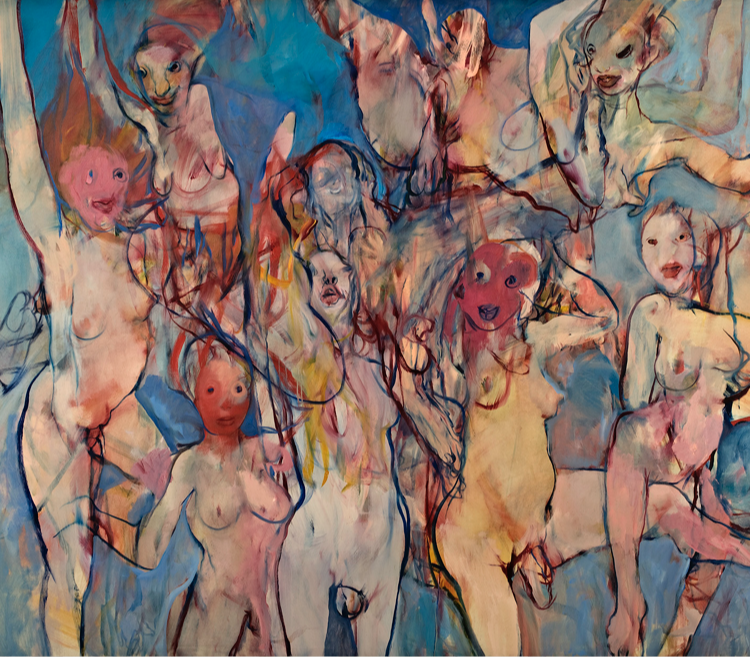
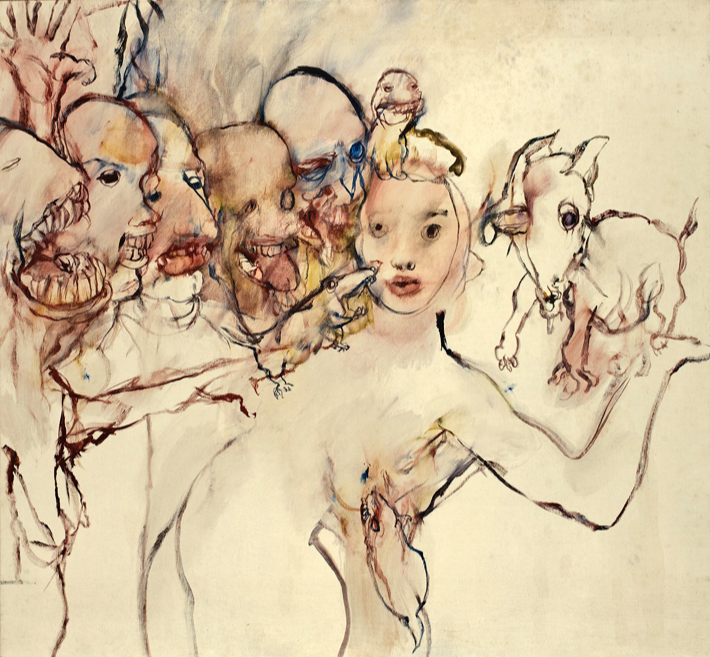
And then there are the abstract figure paintings. They are very personal, often chaotic and unresolved, sometimes ghoulish, and definitely audacious. I don’t know where Paul went in these paintings. I can see in them a prime driver of every artist: to isolate the moment of connection, but still, some of these images can put you back on your heels.
Either of these sides of his work (unfairly disconnected by me) would mark Paul Mathews as an important regional painter of a generation or two. Together, they are worthy of an art school semester.
In addition to the loss of a friend and the deprivation of future work, there is also a great loss for young artists. Having Paul accept me as a painter helped propel me forward in my career. That opportunity is gone for others, but the work will live for a long time. It will teach us about content and language, fearlessness and vigor. And the awesome things that are possible if you put your shoulder and mind to them.
Robert Beck is a painter, teacher, curator, lecturer and writer who divides his time between Bucks County, PA and New York City. See more of his work at Robertbeck.net, on Instagram @illhavecoffeethanks, and on Facebook .



I worked for Paul as an artist assistant for about a year in the early 2000s and I lived in Easton and knew his friend, Karl Sterner (pictured here). Karl, who was an amazing man and sculptor, actually introduced me to Paul. 💕 Both men were so incredibly talented!!
LikeLike