

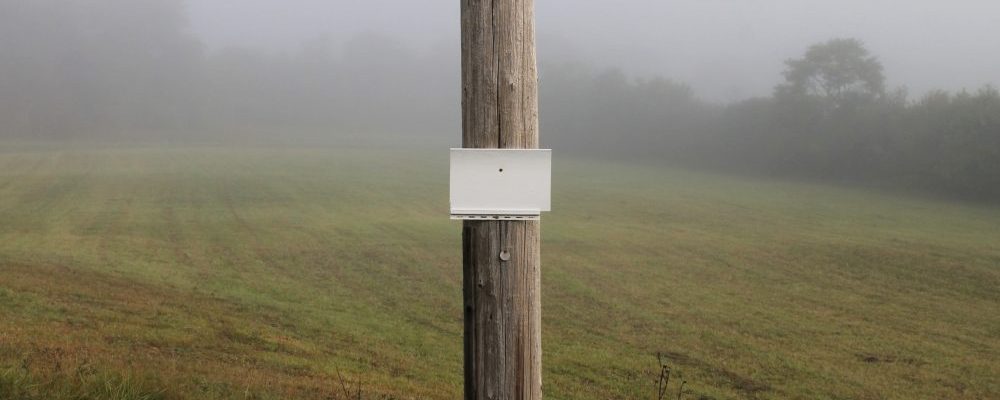
I think this is true of most good photography, or even most art that I’m drawn to: It stops you in your tracks when you first see it, even in this world of constant scrolling images. And then you want to spend some time with it, noticing what the photographer noticed, and you want to take that with you when you go, so that you look at the world and your place in it a little differently. The photography of Avard Woolaver involves us in the same way.
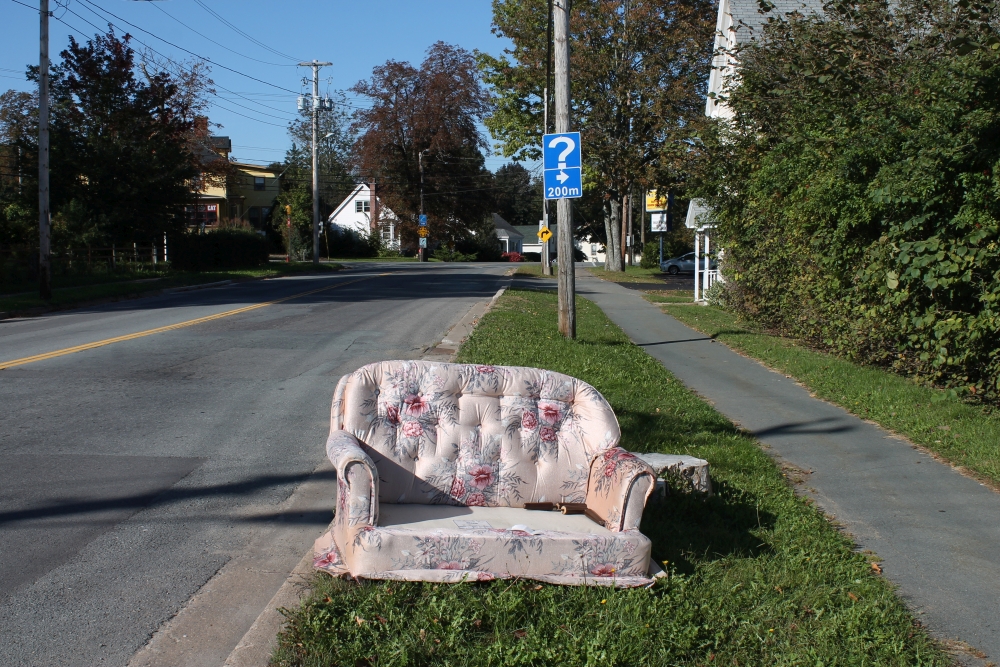
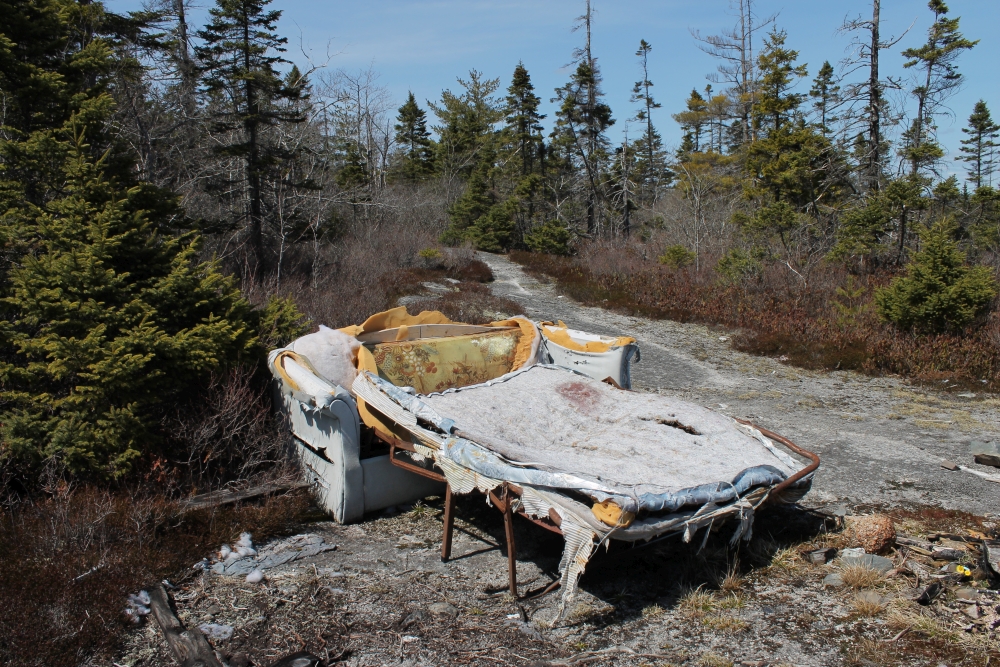
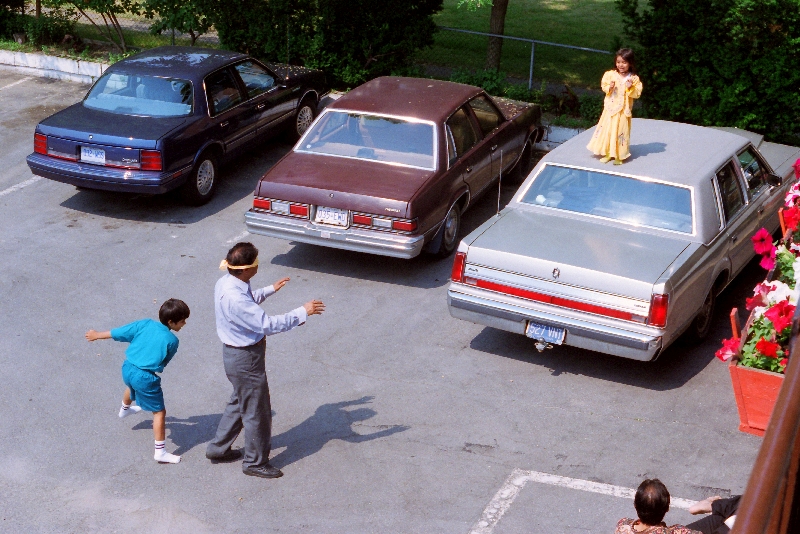
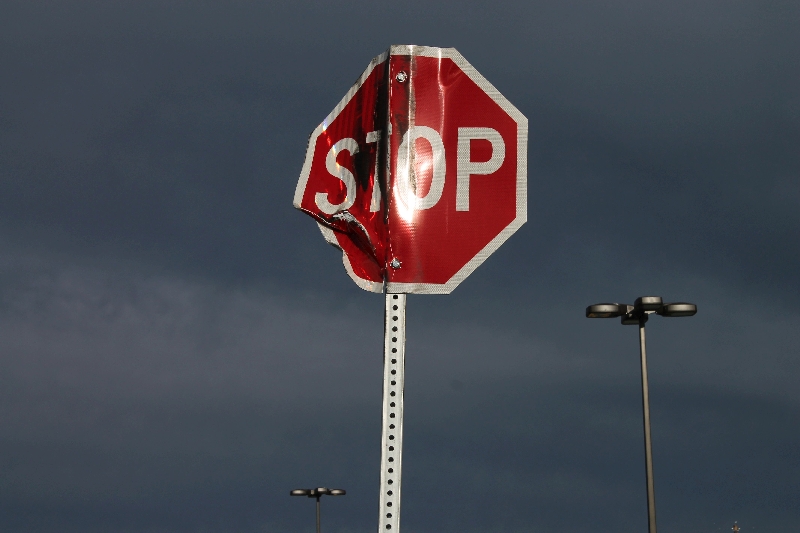
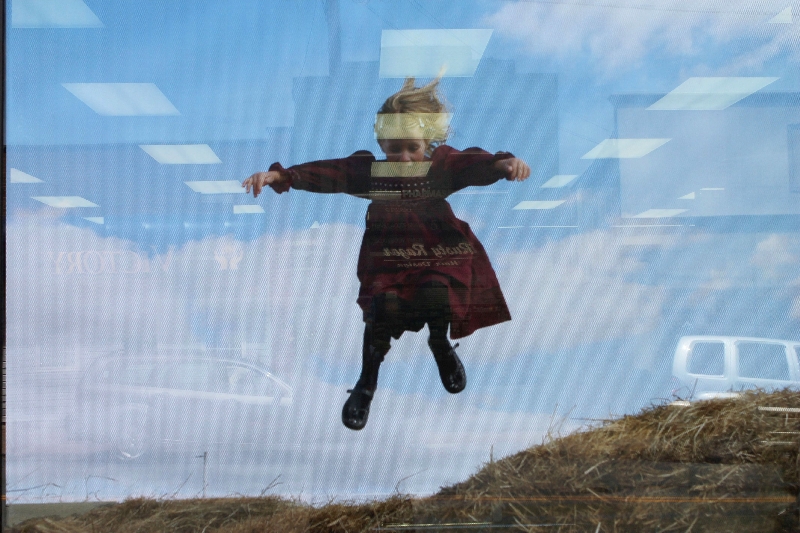
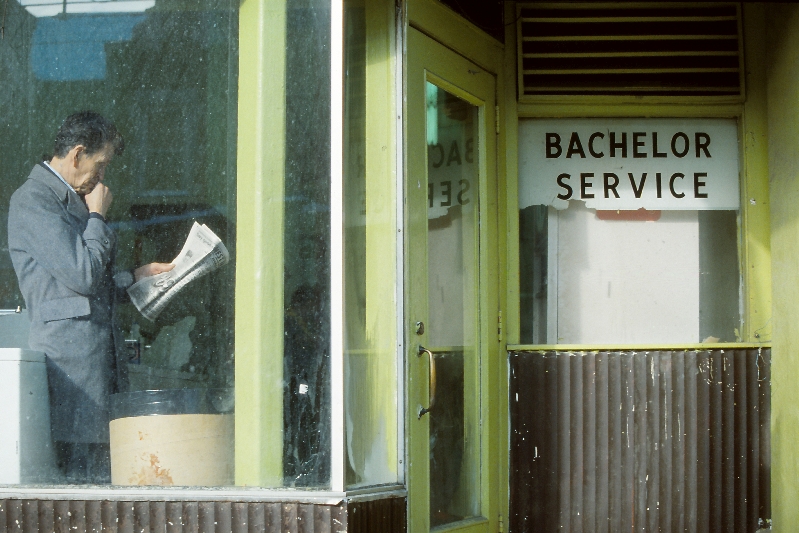
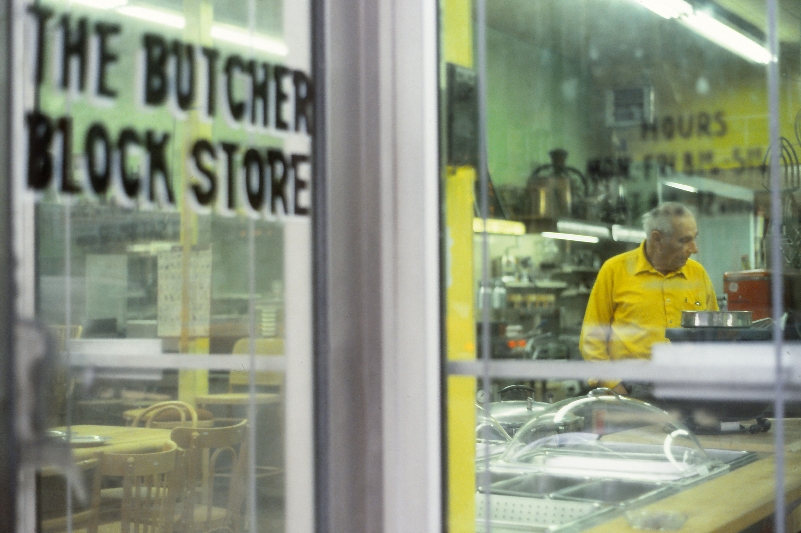
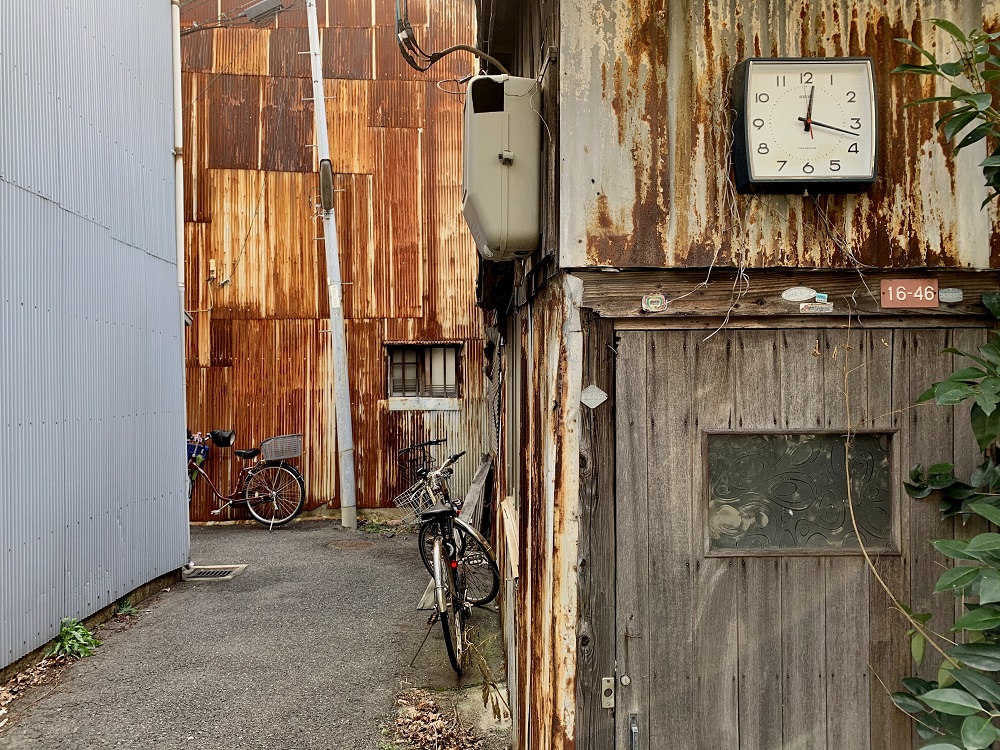
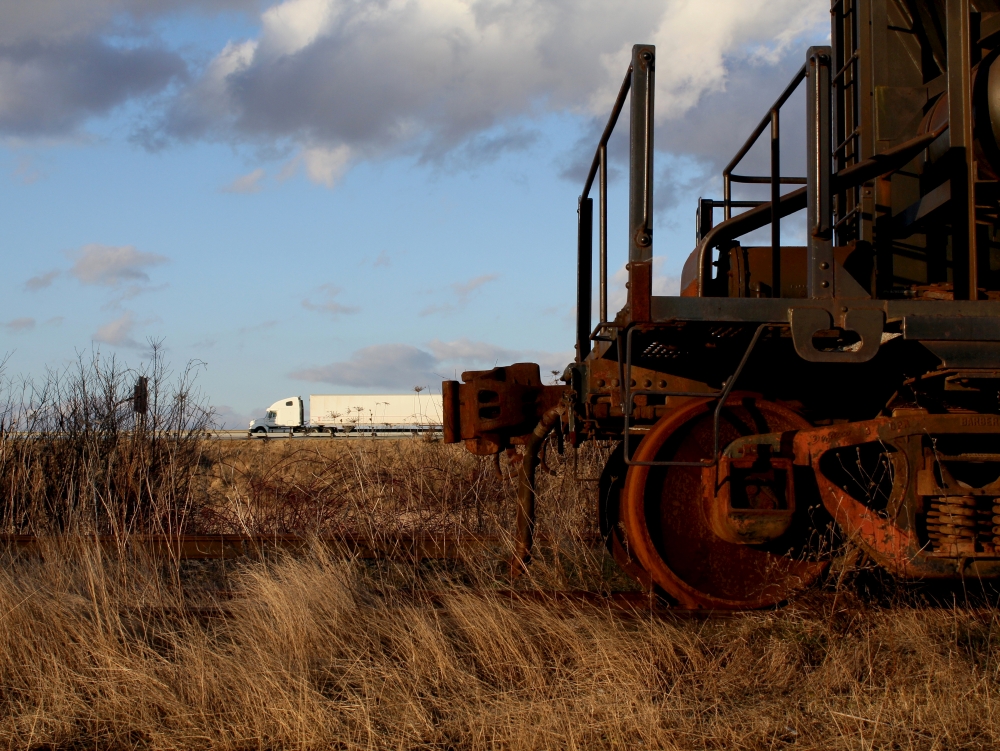
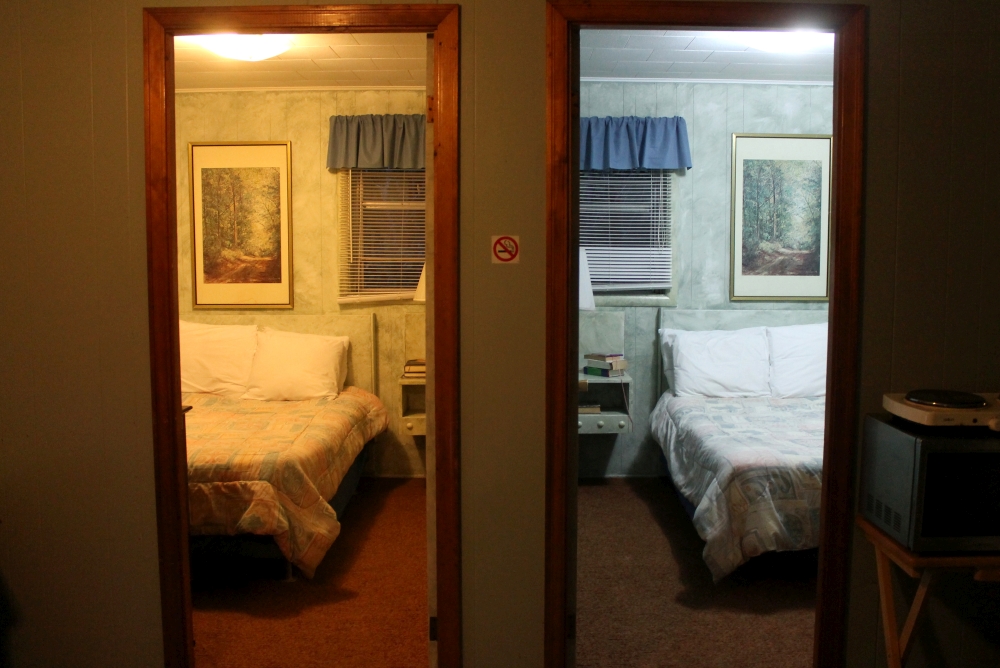
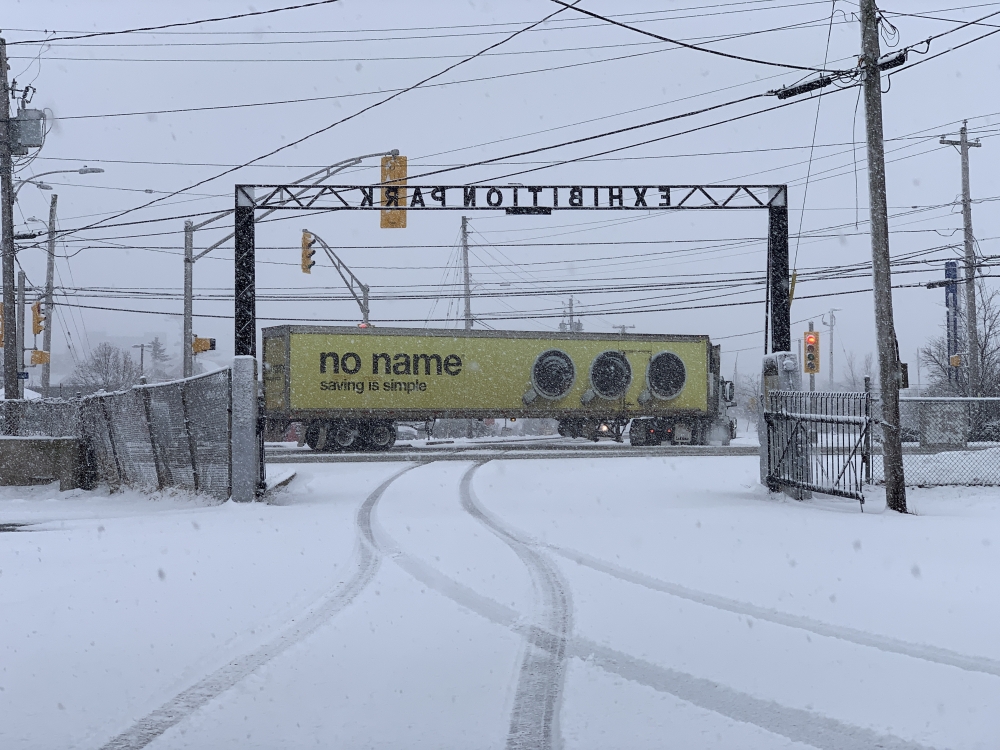
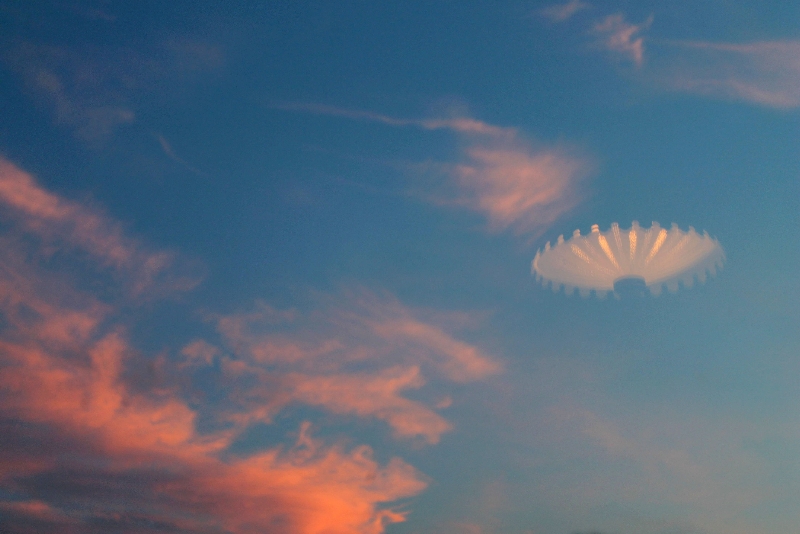
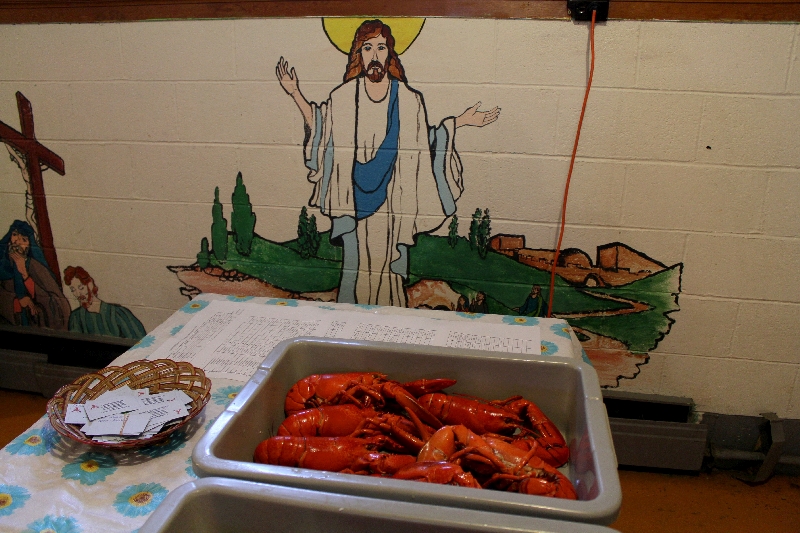
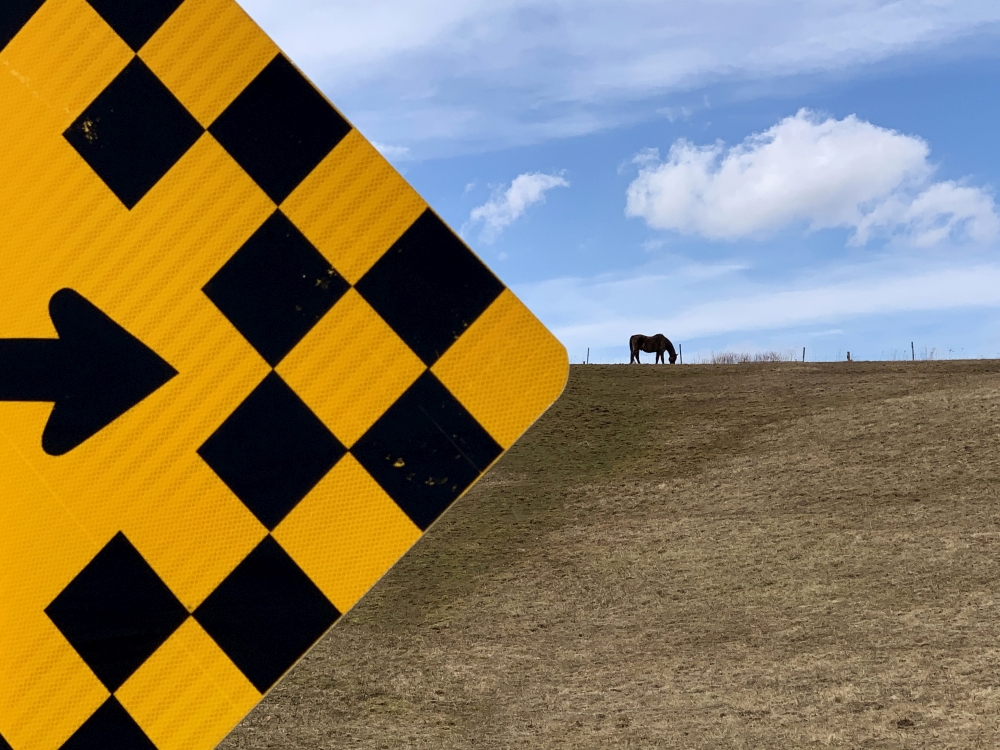
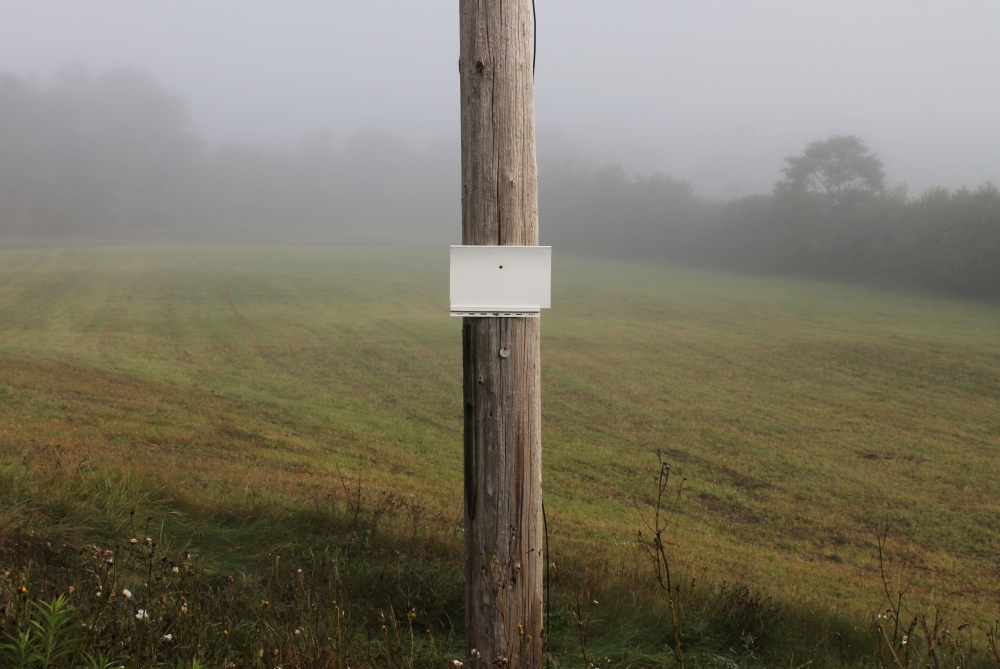
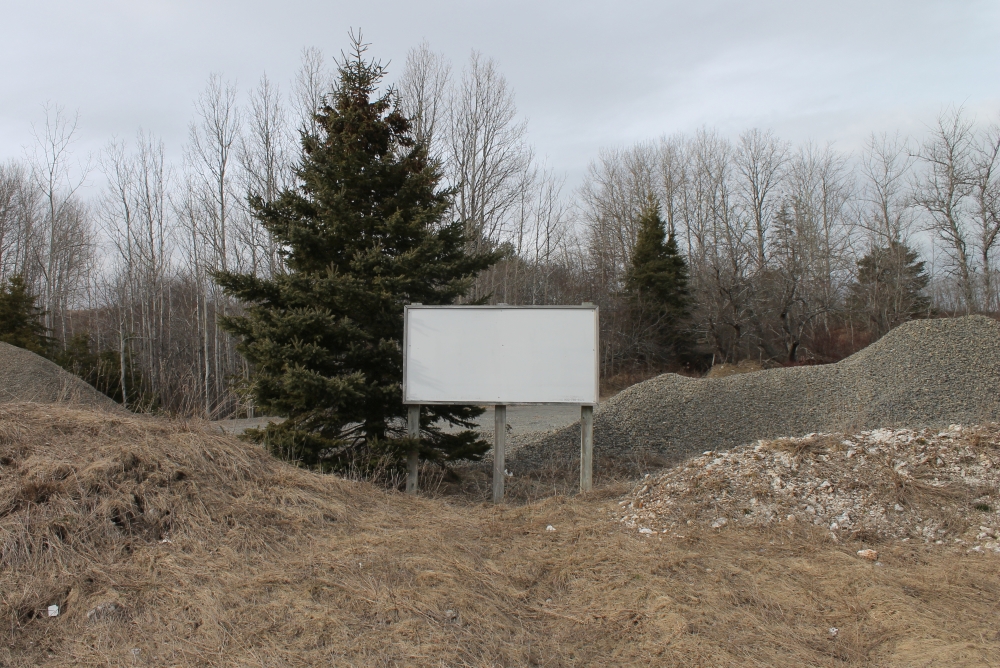
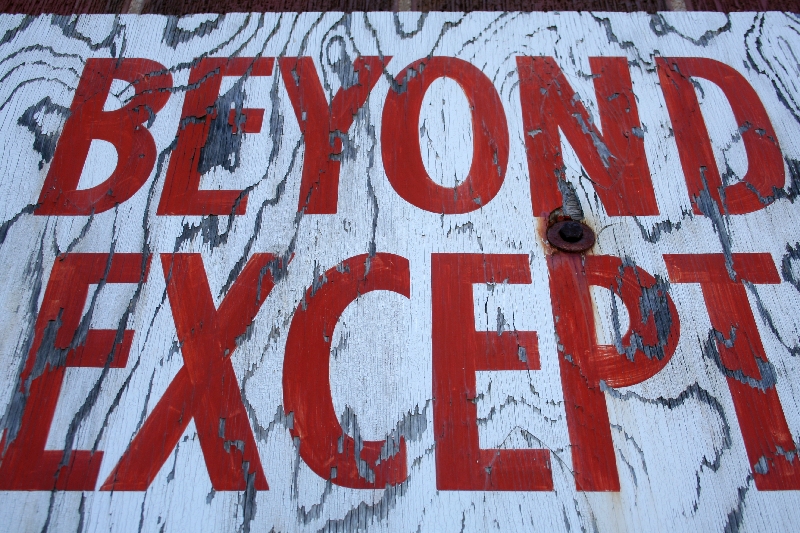
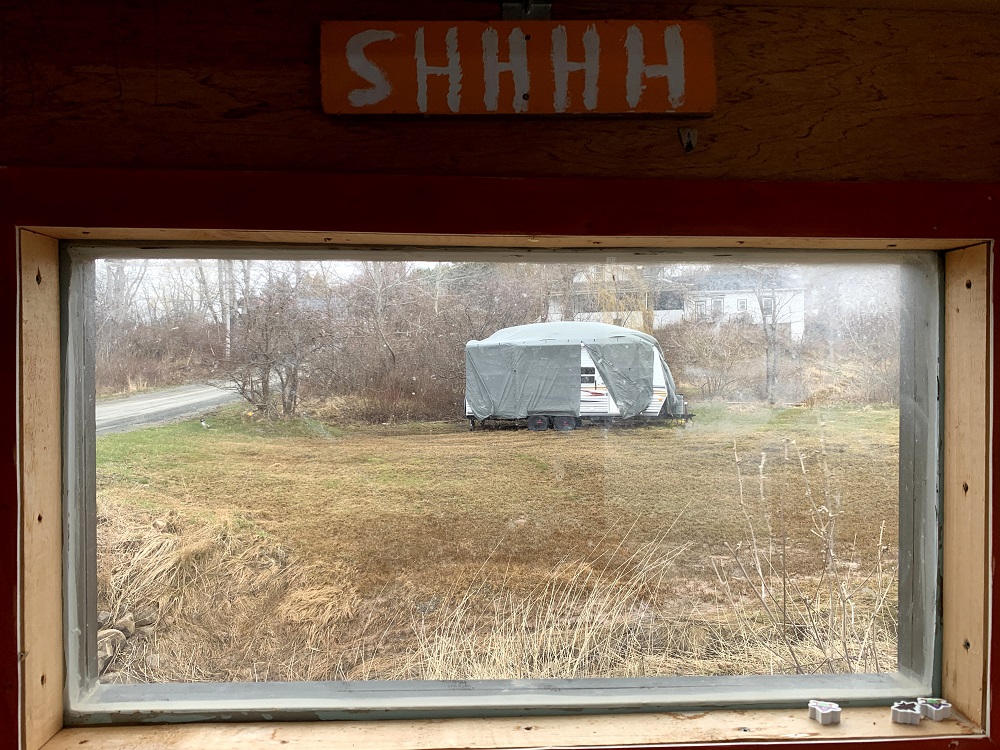
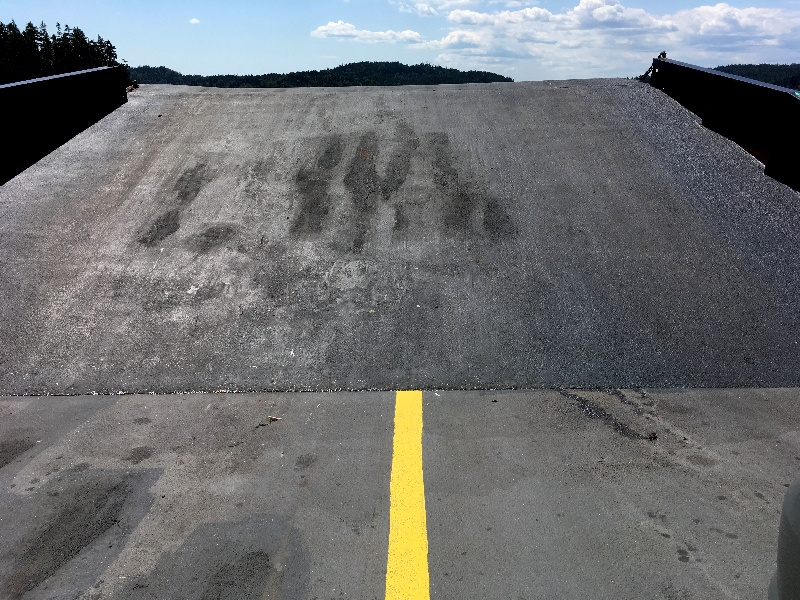
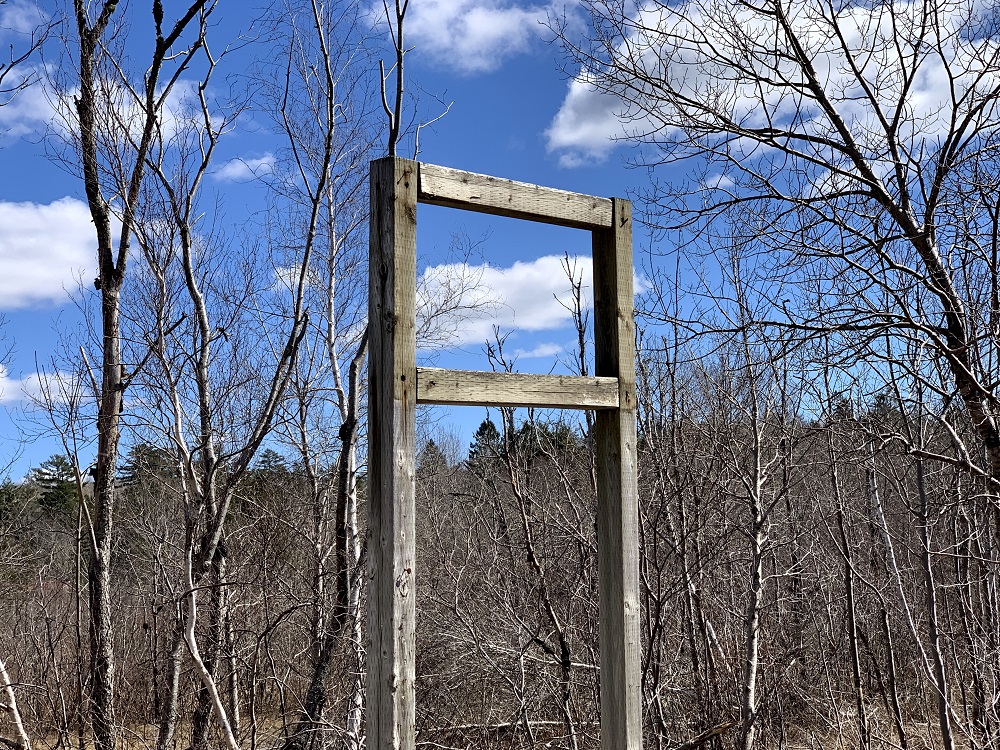
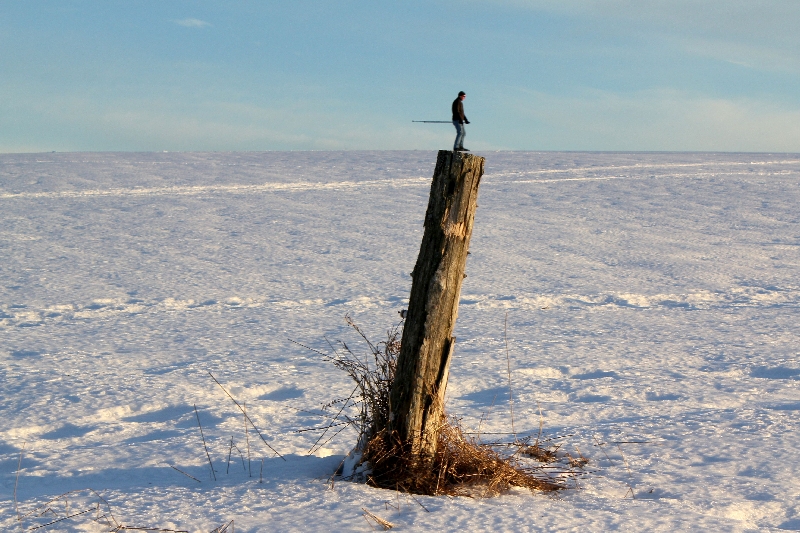
Woolaver’s ability to notice becomes a sort of magical transformative power. By taking the time to really look (and to beautifully capture) what he sees, he finds the unusual in the everyday. We begin to notice the beauty and humor in moments of connection, strange coincidences, near-misses, even in the endearing futility of most human activity. Even when humans aren’t present in his work, we very much mark the space by what we leave behind, telling a story we didn’t know we were telling. In this strange world — our world — derelict signs look like empty speech bubbles that seem to speak more eloquently than the words they were replacing. The lines and arrows lead us nowhere and everywhere, but we feel compelled to follow.
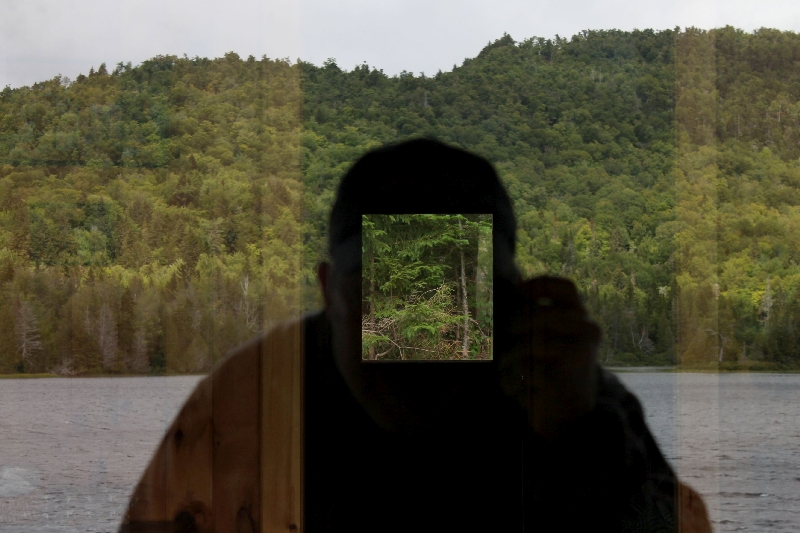
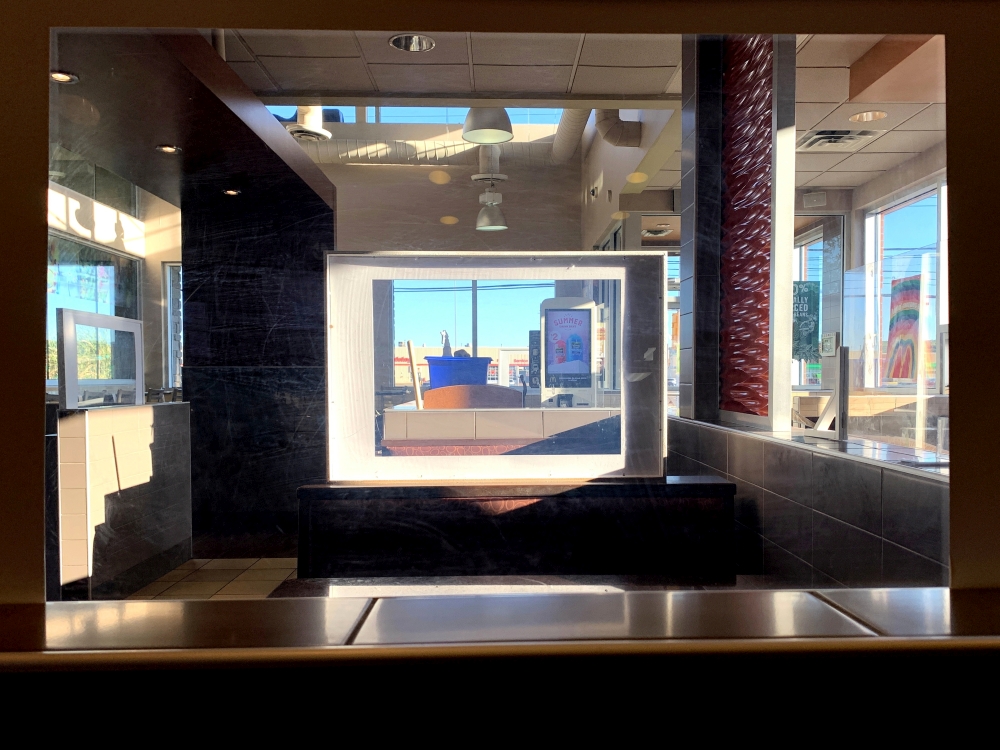
Though we see people and our creations from a distance — askew and askance, through layers of windows and doors, glass and reflections — there is a real sense of empathy in Woolaver’s photos, a shared humanity. By looking at ourselves from a different angle we realize that we are all connected by our shared absurdity. There is a tenderness to even our foolishness and our foibles, even to the decay of the things that we make or sell or live in. There is that soft painful sense of time passing, but for all of us, together.
Woolaver talks of the passing of time, and about how seeing the world as a photographer allows him to pay attention to the changing of times of the day or of the year. Photography is a way of capturing a time, so that we can revisit it and revise it. He recalls the era when film was precious and expensive and you had to think carefully about what you spent it on. And his photography reminds us that the very act of photographing a time or a place allows us to recognize and elevate the value of it. “Looking back now at the photos I spent my precious film on back then, so much comes back to me about being dropped into a new environment. We use our creative tools as extensions of ourselves; they help us understand and define our place in the world. For me, having a camera in my hand at all times helped me remember. You only get to do this once. We have to take time and see it, as clearly as we can.”
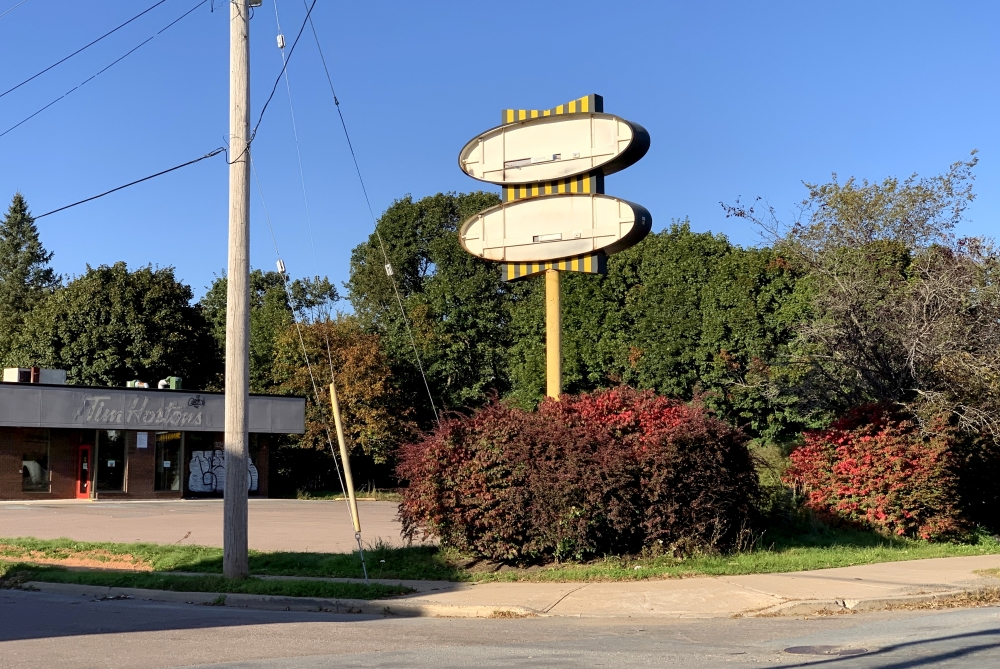
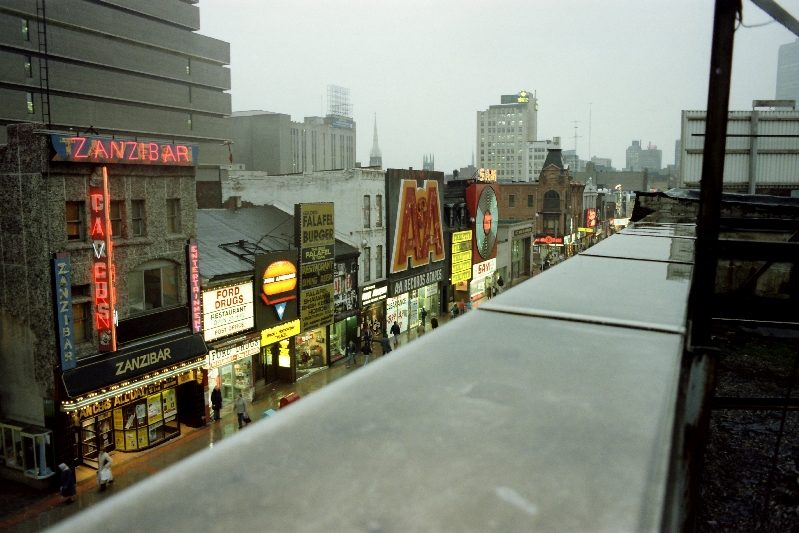
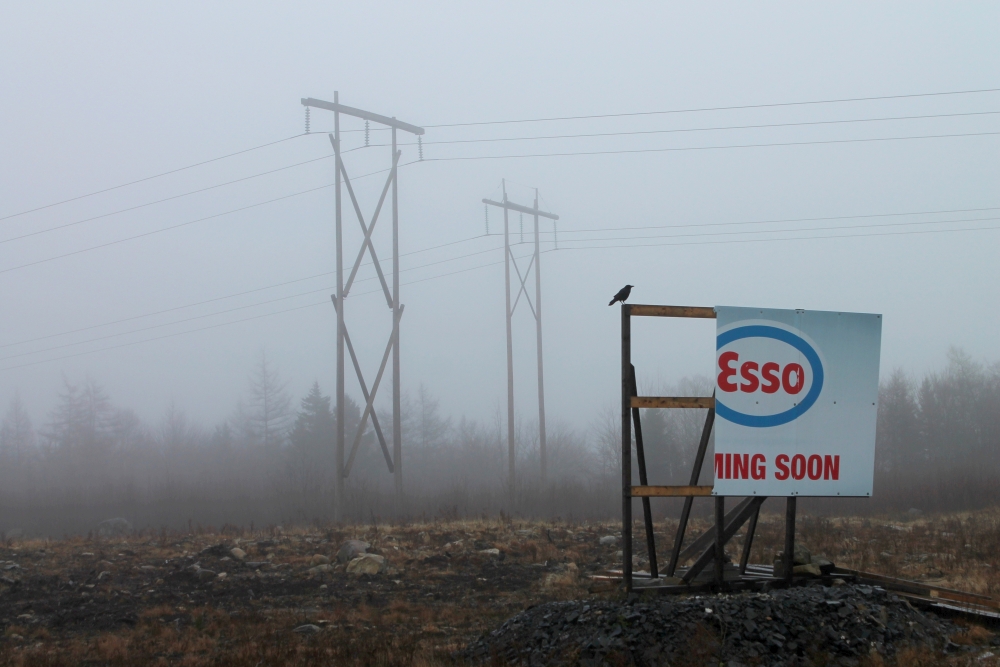
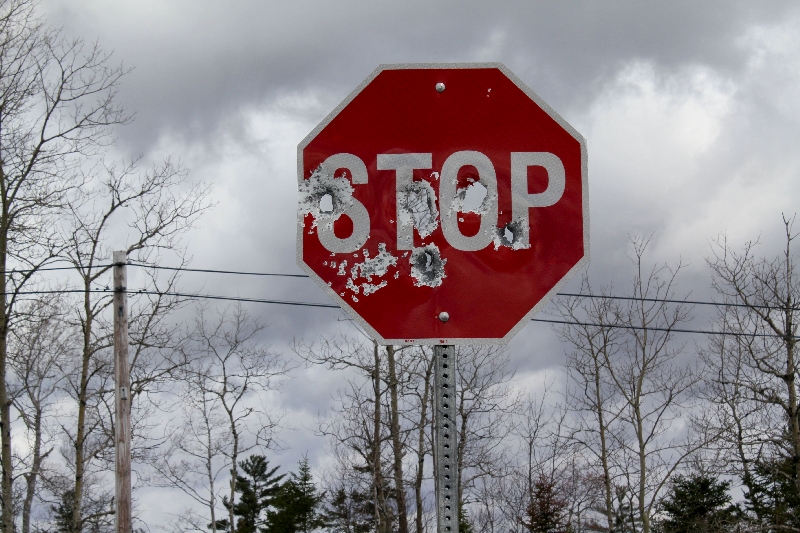
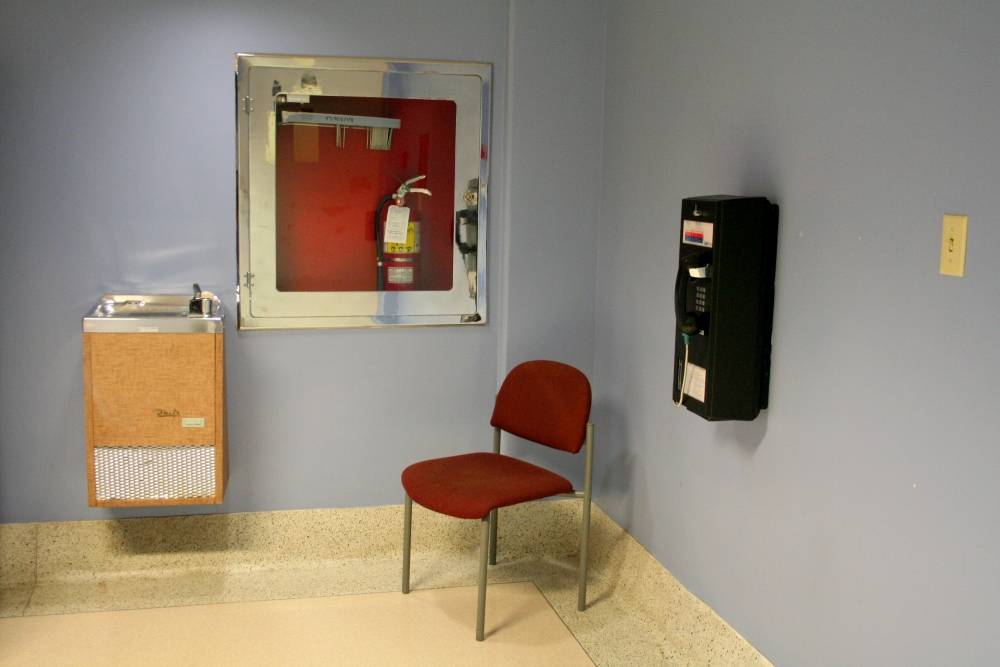
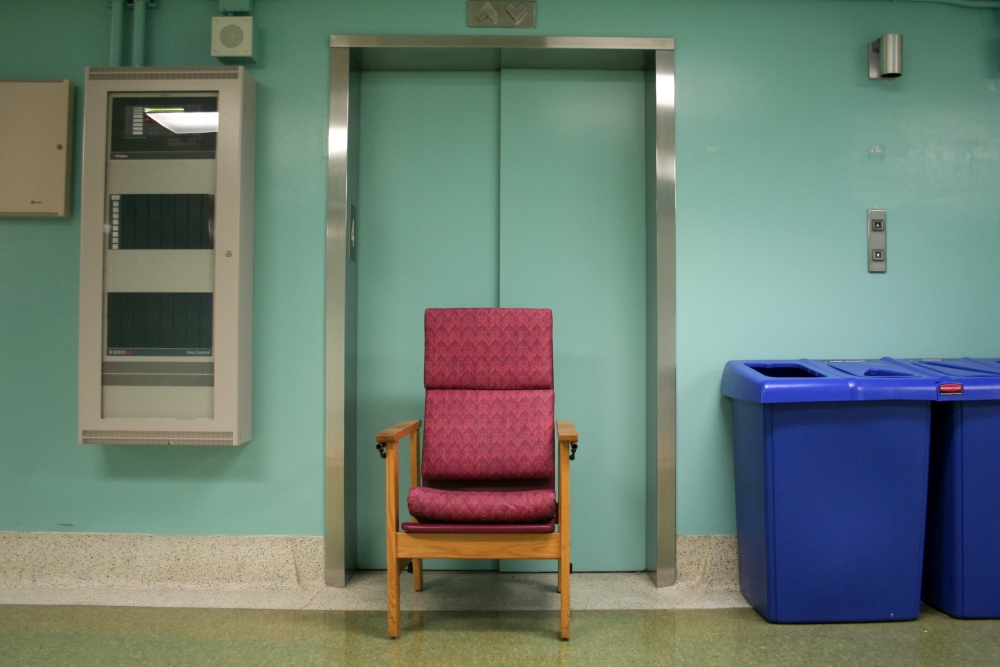
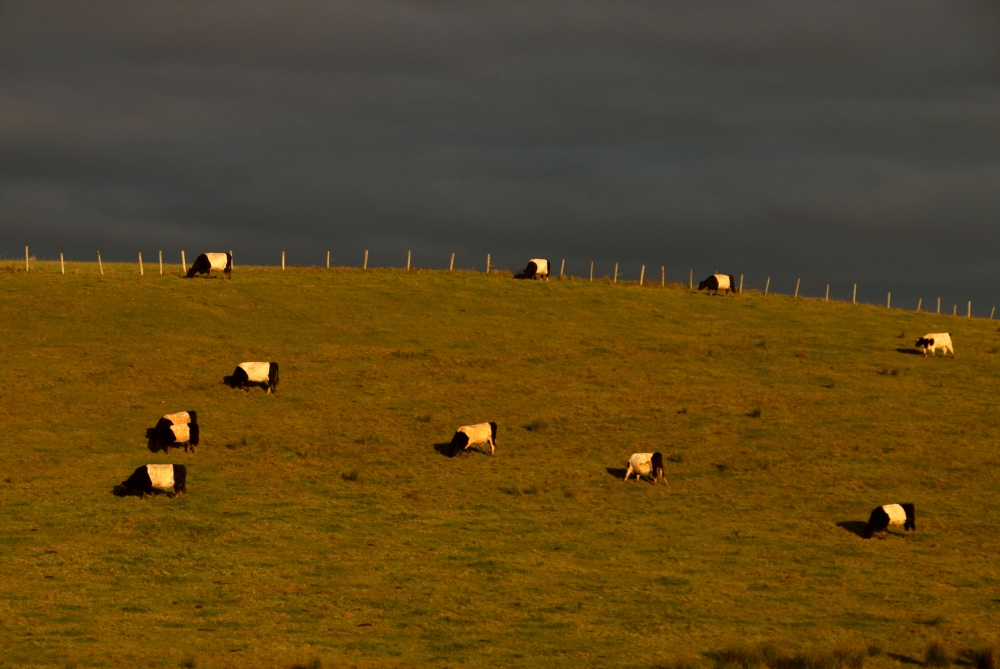
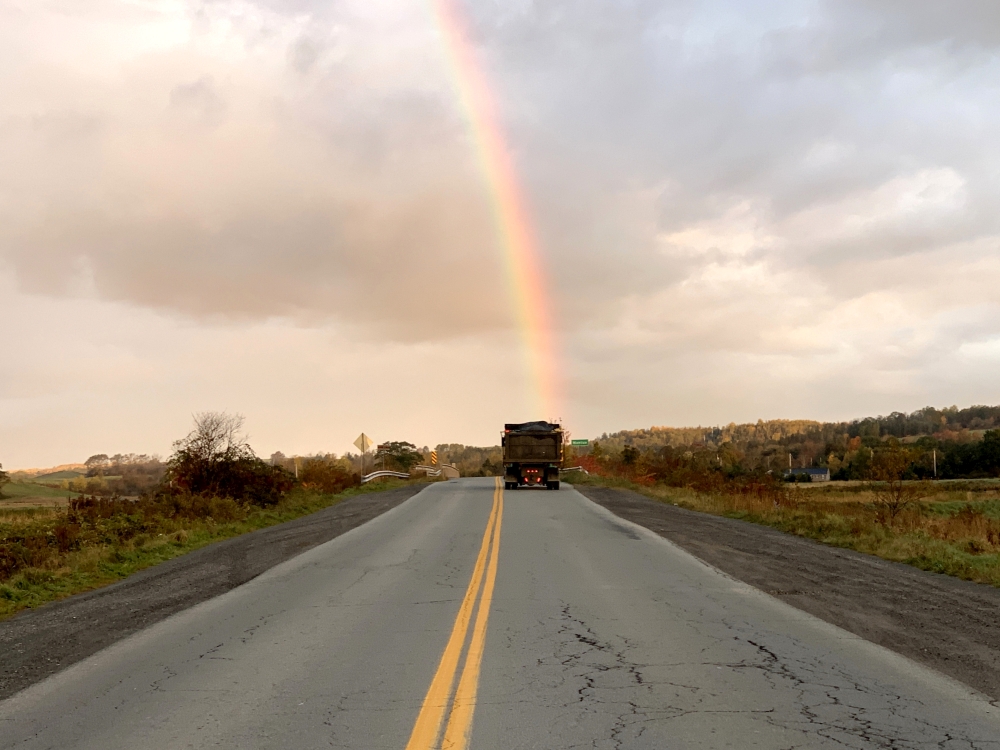
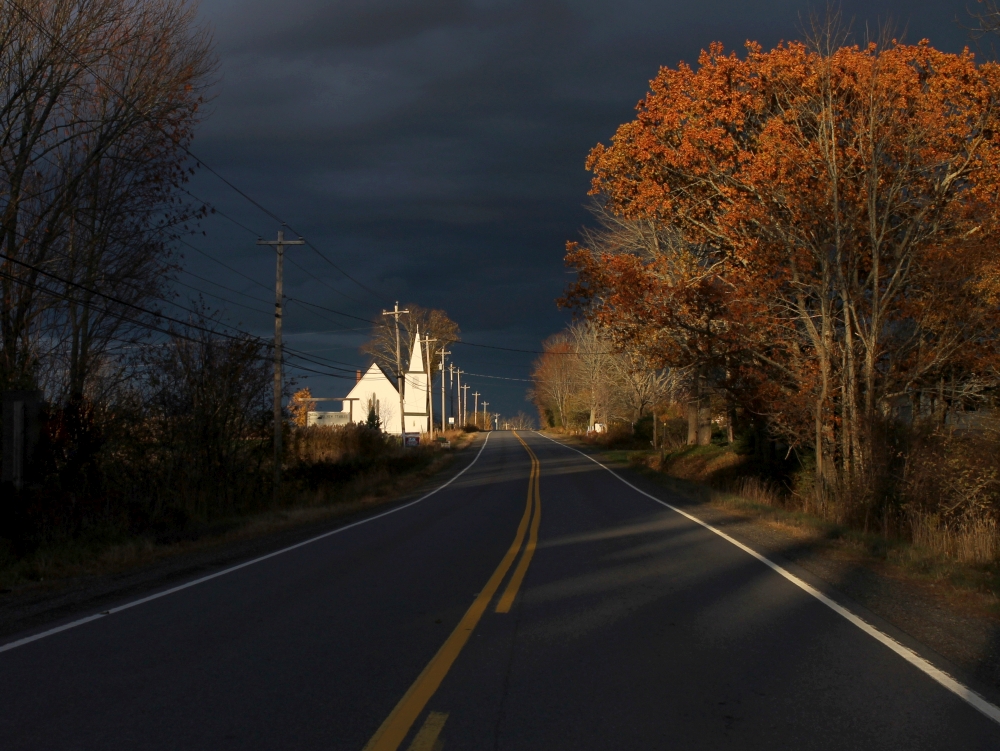
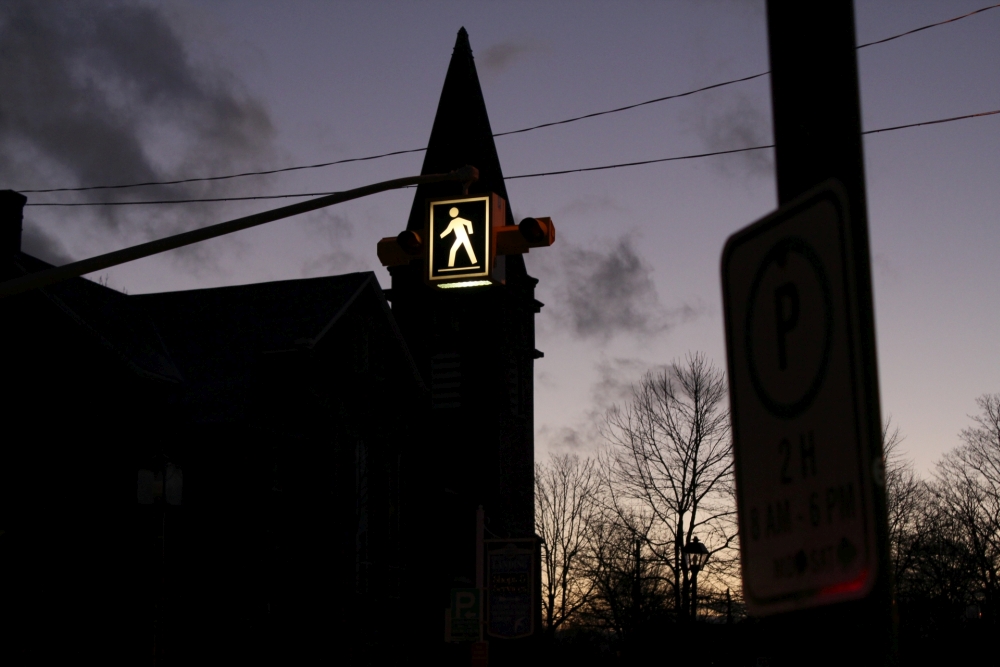
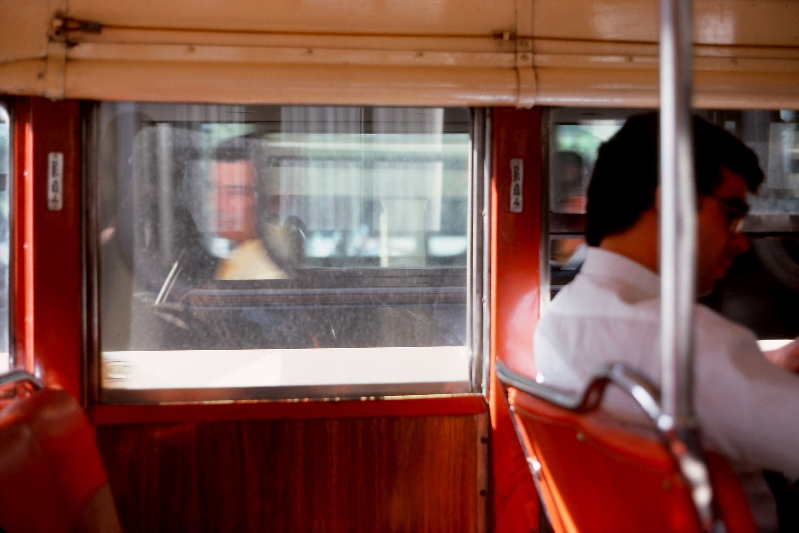

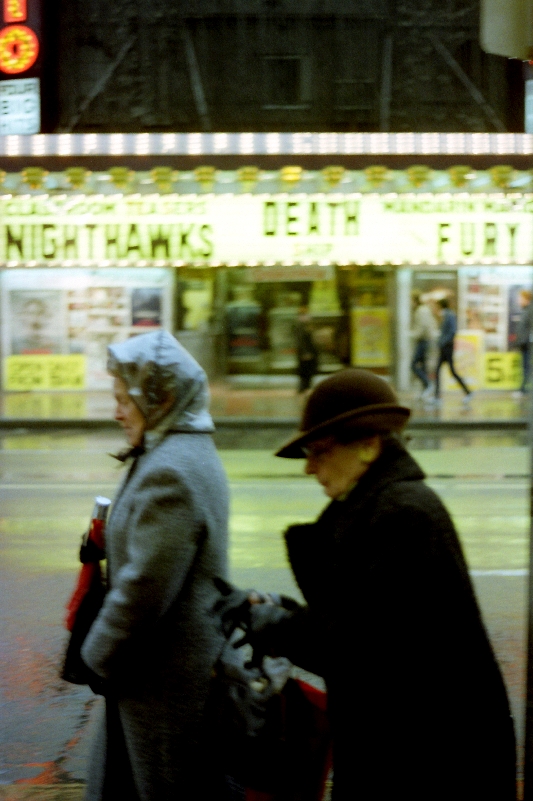
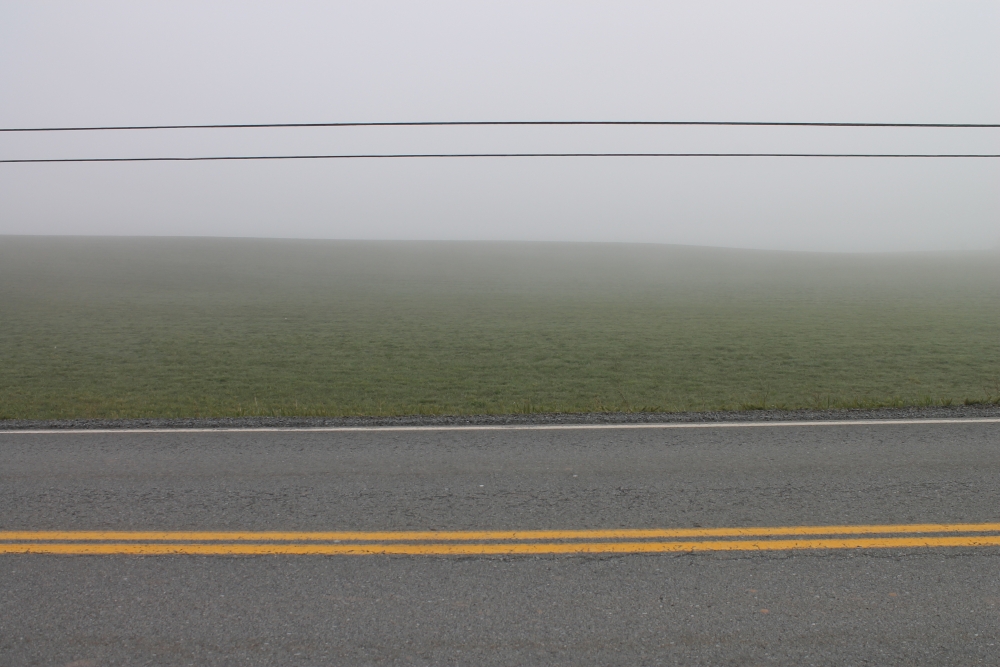
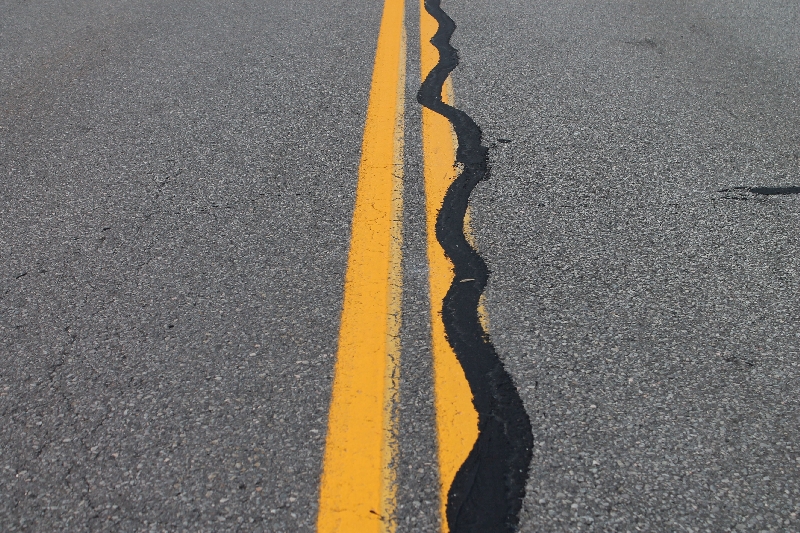
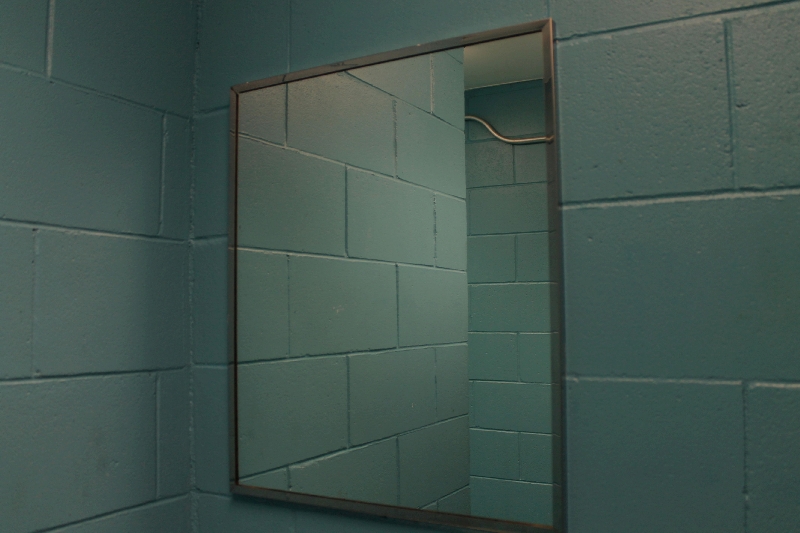
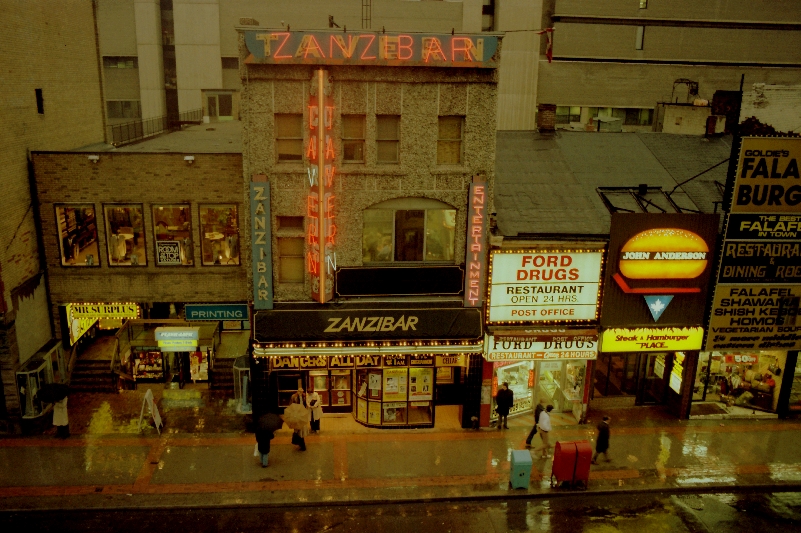
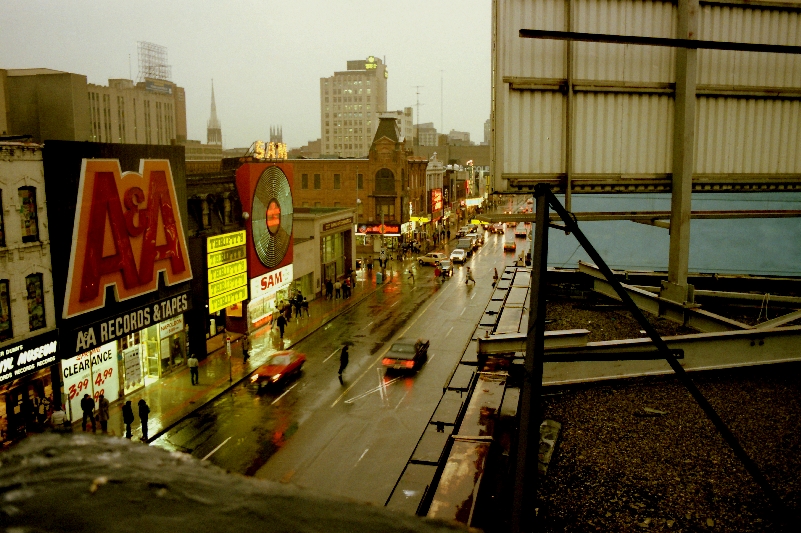
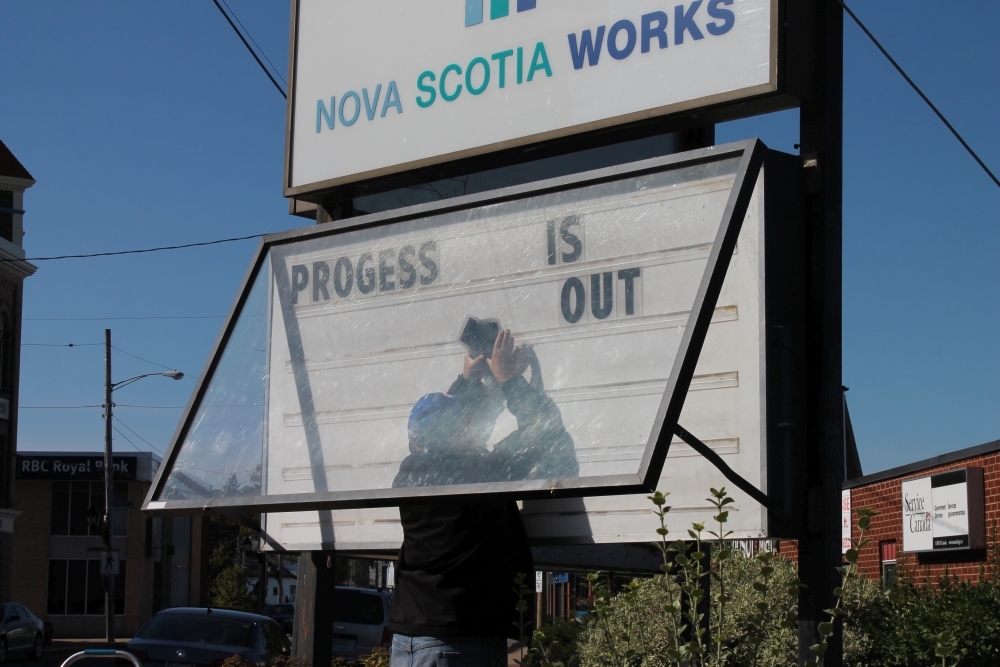
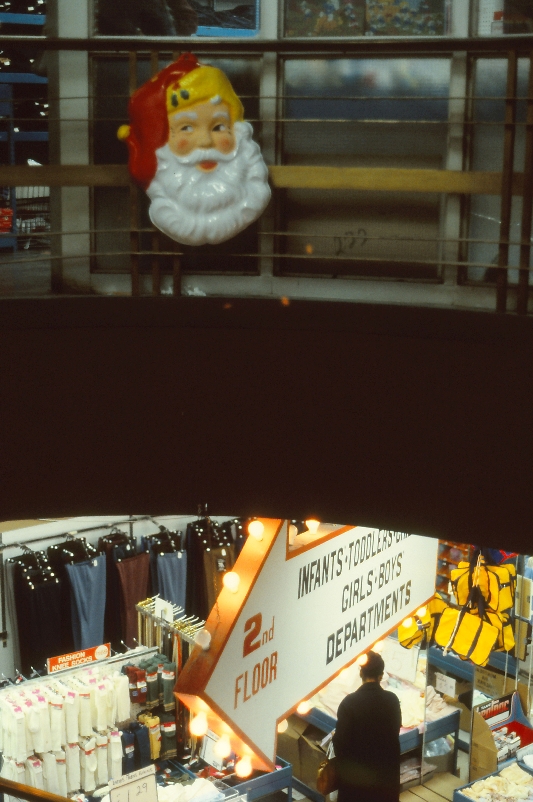

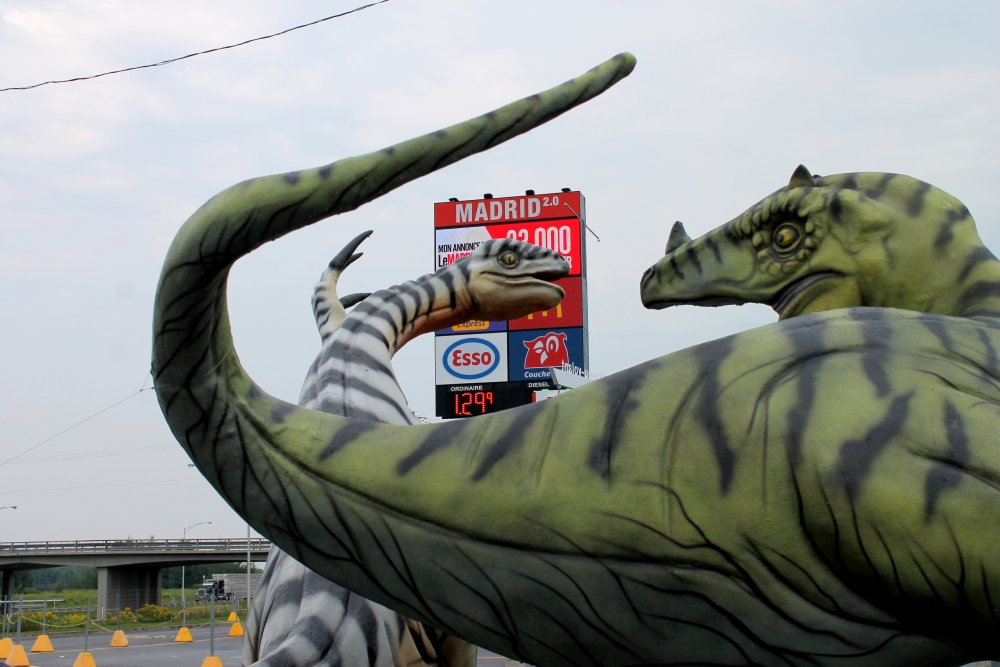
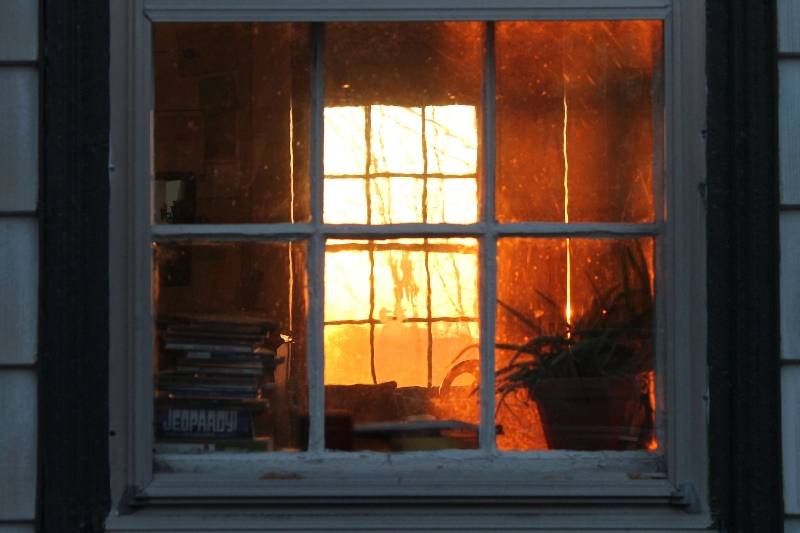
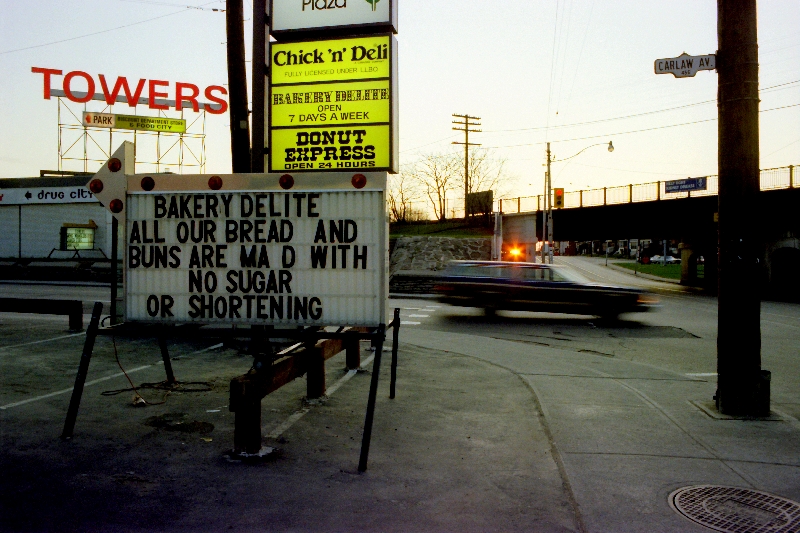
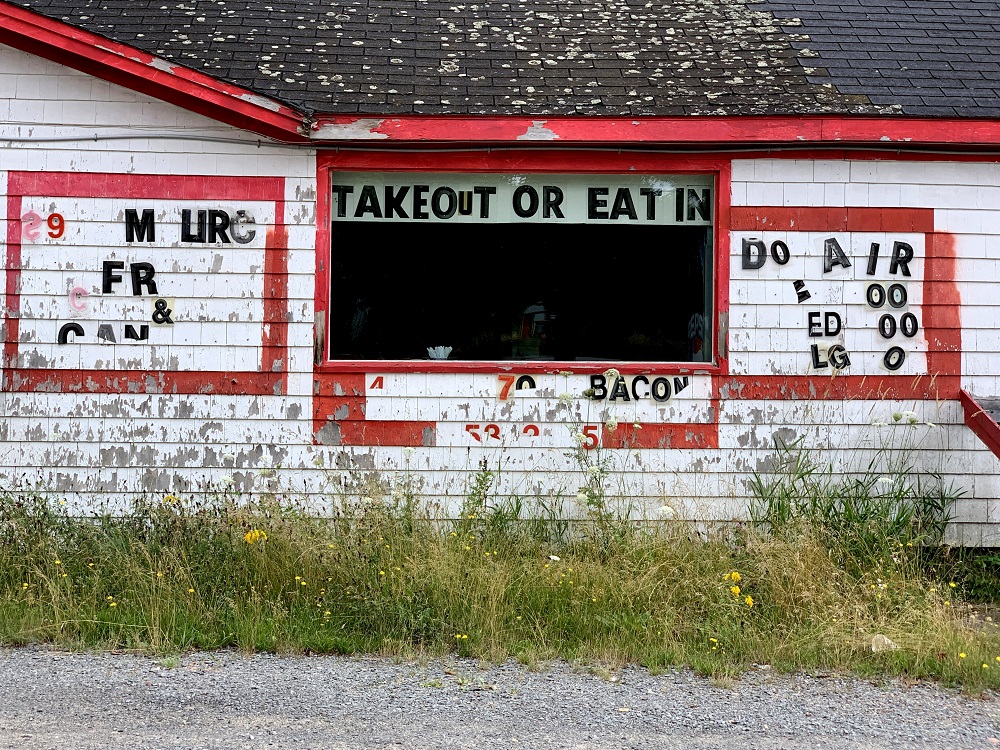
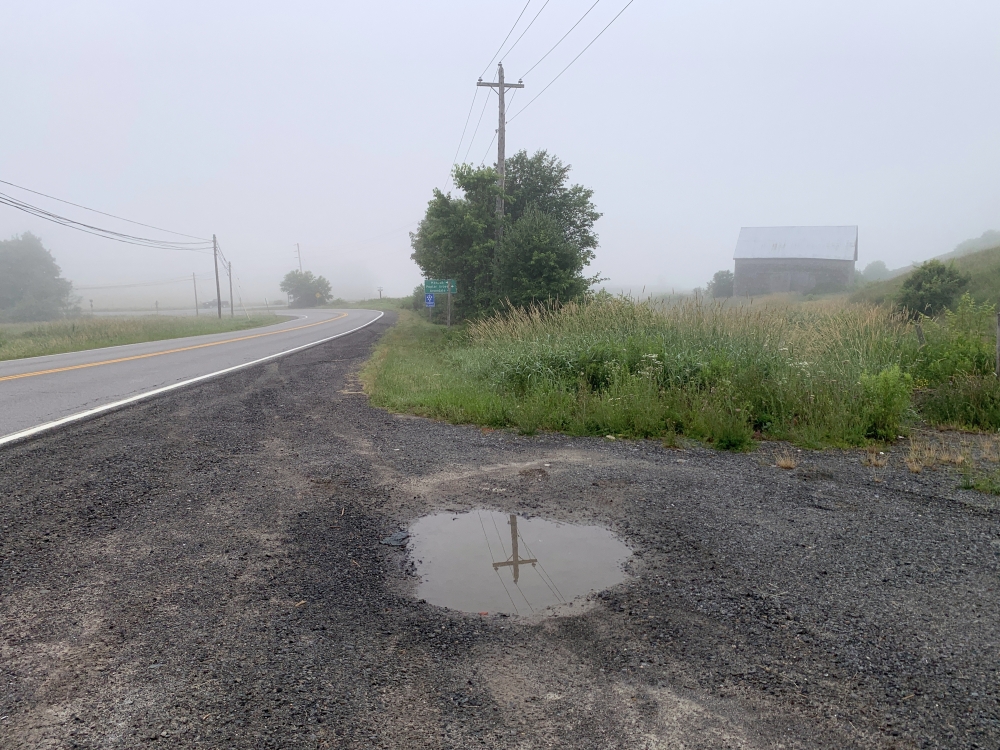
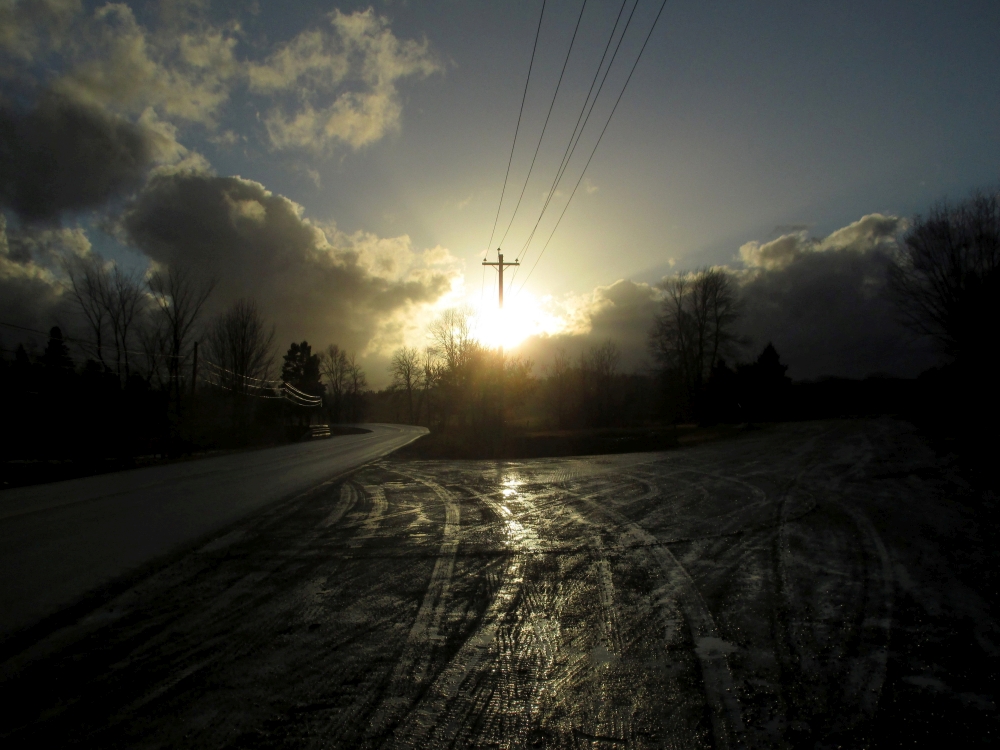
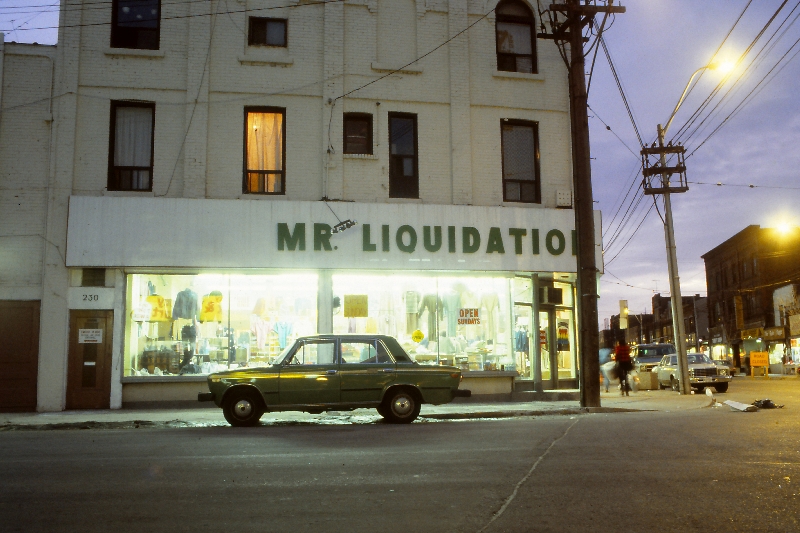
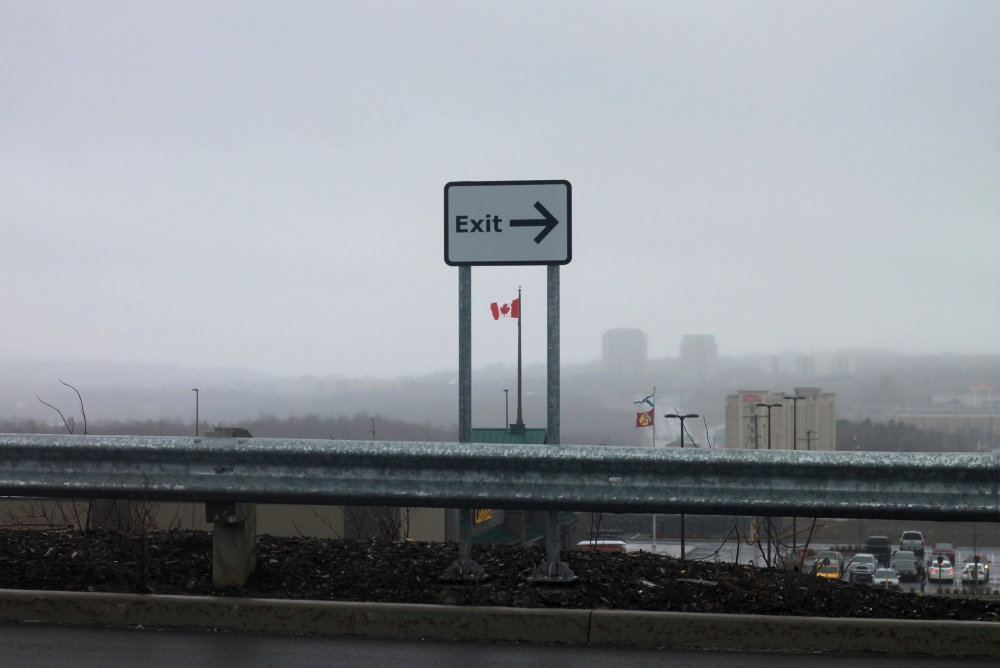

Avard Woolaver has an upcoming photography exhibit at the Viewpoint Gallery in Bedford, Nova Scotia, July 4-28, 2024.
I’ve been taking photos for over four decades, and after stints in Toronto and Nagoya, Japan, now live in Nova Scotia. I do social landscape photography and am interested in New Topographics — the human altered landscape — recording how human behavior and activity has affected the world. I also look for whimsical scenes and elements of surrealism found in everyday life. My work is firmly planted in the documentary tradition, getting photos through observation rather than through set-up and image manipulation. Photography keeps me in touch with the changing seasons, and the passage of time. My images are intertwined with childhood memories and locations around Hants County, Nova Scotia.
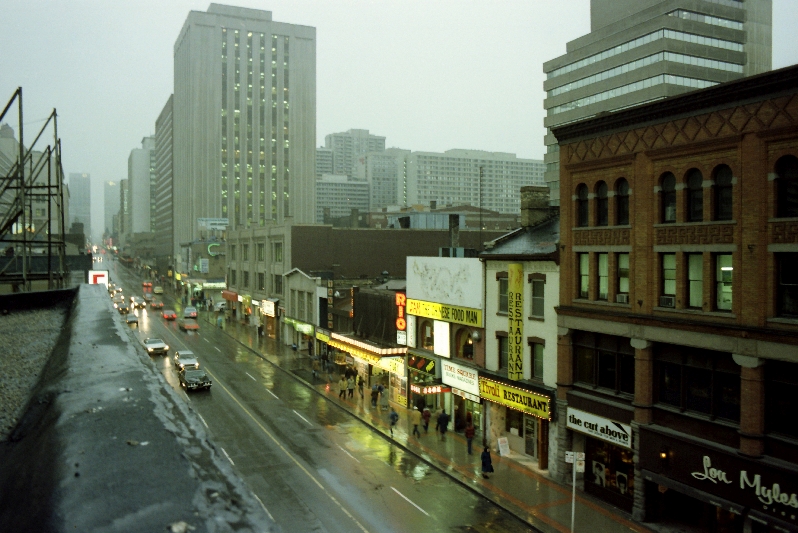
In my younger days, besides studying photography at Toronto Metropolitan University, I worked for a time doing freelance jobs. And, inspired by photographers such as Robert Frank and Lee Friedlander, I walked the streets looking for interesting scenes, viewing the city with country eyes. Around then my friend Bill Knetsch and I established New Image Studio and Gallery in Toronto West Junction, frequently exhibiting the work of TMU teachers and students.
I’ve been scanning an archive covering thirty years, which has led to five Toronto books: Toronto Flashback (1980-1986) ; No Money Down – Toronto (1980-1986); Toronto Days; Toronto in Colour: the 1980s; and now, Toronto Hi-Fi. Other books: Wish You Were Here, and Found Fields. All are for sale at Blurb Books.
In March, 2018 I had an exhibition at Gallery 310, Toronto Metropolitan University IMA. Curated by Don Snyder and Pierre Tremblay, “Toronto Days” included photos from the first three Toronto books. Shawn Micallef writes, “What we forget is the slow overlap of time. Woolaver’s photos have a lot of 1970s in them: the clothes people wore; the cars on the street; and the general sensibility of the place. Looking at them had me thinking about our 2018 city and what remnants from the 2000s, the 1990s, or earlier are still around today. It’s hard to see the overlap of time when you’re under and in them, but looking back, as the Toronto Days exhibition lets us do, those layers become apparent.”
Looking at photos I took long ago, it seems clear to me now that I was working with very little idea of what would seem significant later on and what would lose its importance over time. This holds true not just for the elements of the shots that have objectively gained or lost meaning over time — like landmarks, famous people, and so forth — but I also think that when I was younger, there was superficiality in some of my work. I was often wowed by graphic elements but somehow didn’t consider a photo’s richer meaning. These days I have a more mindful approach.
In November 2021, I had two photographs in a group exhibition in Paris, France. (The show, “Another Look at Man-Altered Landscape,” held at Galerie Andre et Catherine Hug, also featured photographs by Edward Burtynsky, Eric Tabuchi, Elizabeth Bourne, Markus Lehr, and others.) In March 2023, 700 of my photos (digital images) were added to the City of Toronto Archives. In November 2023 my work was featured in an exhibition at City of Toronto Archives titled, “Hickox, Pahwa, Woolaver – Scenes from Toronto.” This exhibit was also featured in the Contact Photography Festival in May 2024.
See more at avardwoolaver.com and on Instagram @avardwoolaver.
Categories: featured, featured photographer, photography

 magpiesmagazine.com