

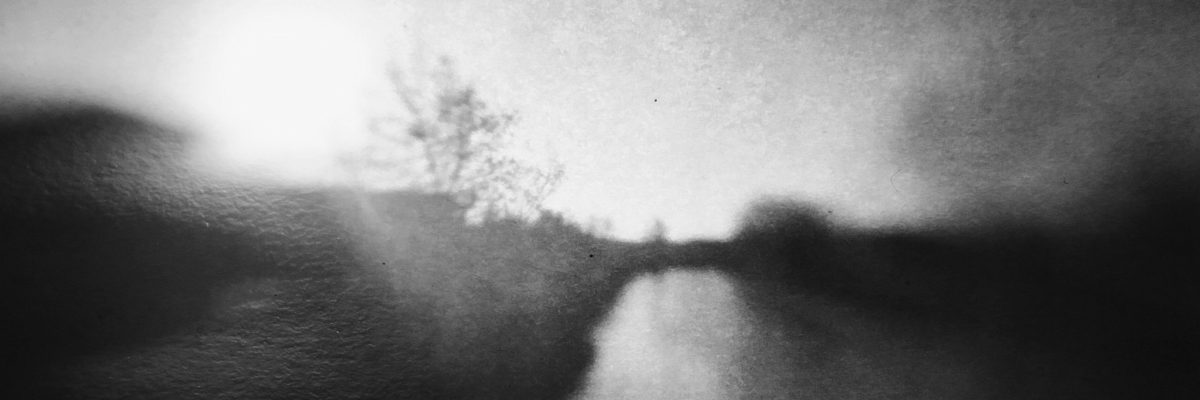
In conversation, you sense that Michele FariNelly is a bright and exuberant soul, teeming with creativity. But the art that he creates communicates that vibrance with a sort of glowing silence. His work is full of questions but it is never noisy or impatient, it is grounded in earth and shadows. We were grateful for the chance to speak with him about his photography, poetry, films, and artist books.
Magpies: What is your idea of freedom in art and in life?
MF: It seems that the etymology of Freedom (Libertà in Italian) means “someone who owns his neck”, and therefore can dispose of oneself. When thinking about an animal in freedom, it’s imagined without a collar (free-necked) and outside of a cage. Breaking the chains (unleashing) implies expressive autonomy that follows one’s personal nature and inclination. Common social interactions often limit individuals’ freedom. The artist, like the poet, has the license to break conventions, producing works into which he can pour his own identity and personal vision of the world and things.
Qual è la tua idea di libertà nell’arte e nella vita?
Sembra che l’etimologia di Freedom (Libertà in italiano) significhi “qualcuno che possiede il suo collo”, che può quindi disporre di se stesso. Quando si pensa ad un animale in libertà, lo si pensa senza collare (a collo libero) e fuori da una gabbia. Rompere le catene (scatenarsi) implica autonomia espressiva che assecondi la personale natura ed inclinazione. Le comuni interazioni sociali, molto spesso limitano la libertà dei singoli. L’artista, come il poeta, ha licenza di rompere le convenzioni, producendo opere nelle quali riversare il proprio Sé e la personale visione del mondo e delle cose.
You speak of a false sense of well-being imposed by the deafening noise of humanity. Can you describe what a true sense of well-being would be?
To have or to be? The false sense of well-being … purchasing advice, once only on TV and now on the devices we always carry with us … “advice” that sneaks into the music we listen to or the movies we watch … all of this is “deafening!”. There’s a wonderful phrase that says “If the product is free, you are the product”. The true sense of psychophysical well-being is freedom from imposed superstructures, discarding the superfluous, and seeking the useful and the essential, not only in things but particularly in interpersonal relationships that transcend pro forma conventions … According to these principles, well-being thus becomes ‘being well’.
Parli di un falso senso di benessere imposto dal rumore assordante dell’umanità. Puoi descrivere cosa sarebbe un vero senso di benessere?
Avere o Essere? Il falso senso di benessere… dei consigli per gli acquisti, prima solo in TV ed ora nei dispositivi che portiamo sempre con noi… “consigli” che si insinuano nelle canzoni che ascoltiamo o nei film che guardiamo… tutto questo è “assordante!” C’è una frase stupenda che dice “se è gratis il prodotto sei tu”. Il vero senso di benessere psicofisico è libertà dalle sovrastrutture imposte, scartando il superfluo, ricercando l’utile e l’essenziale, non solo per le cose ma in modo particolare nei rapporti interpersonali che esulano dalle convenzioni pro forma… secondo questi presupposti, il benessere diventa quindi “essere bene”.
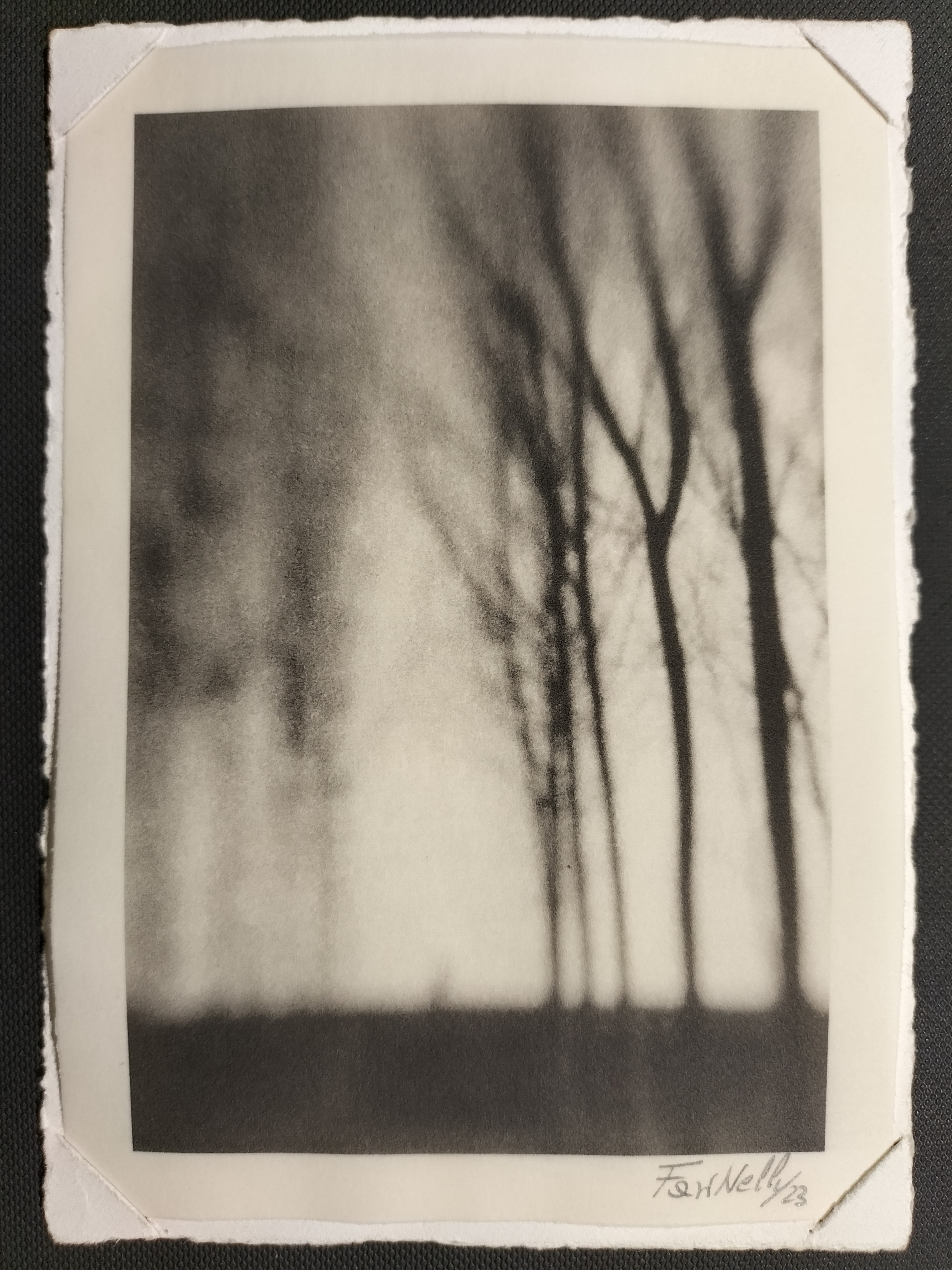
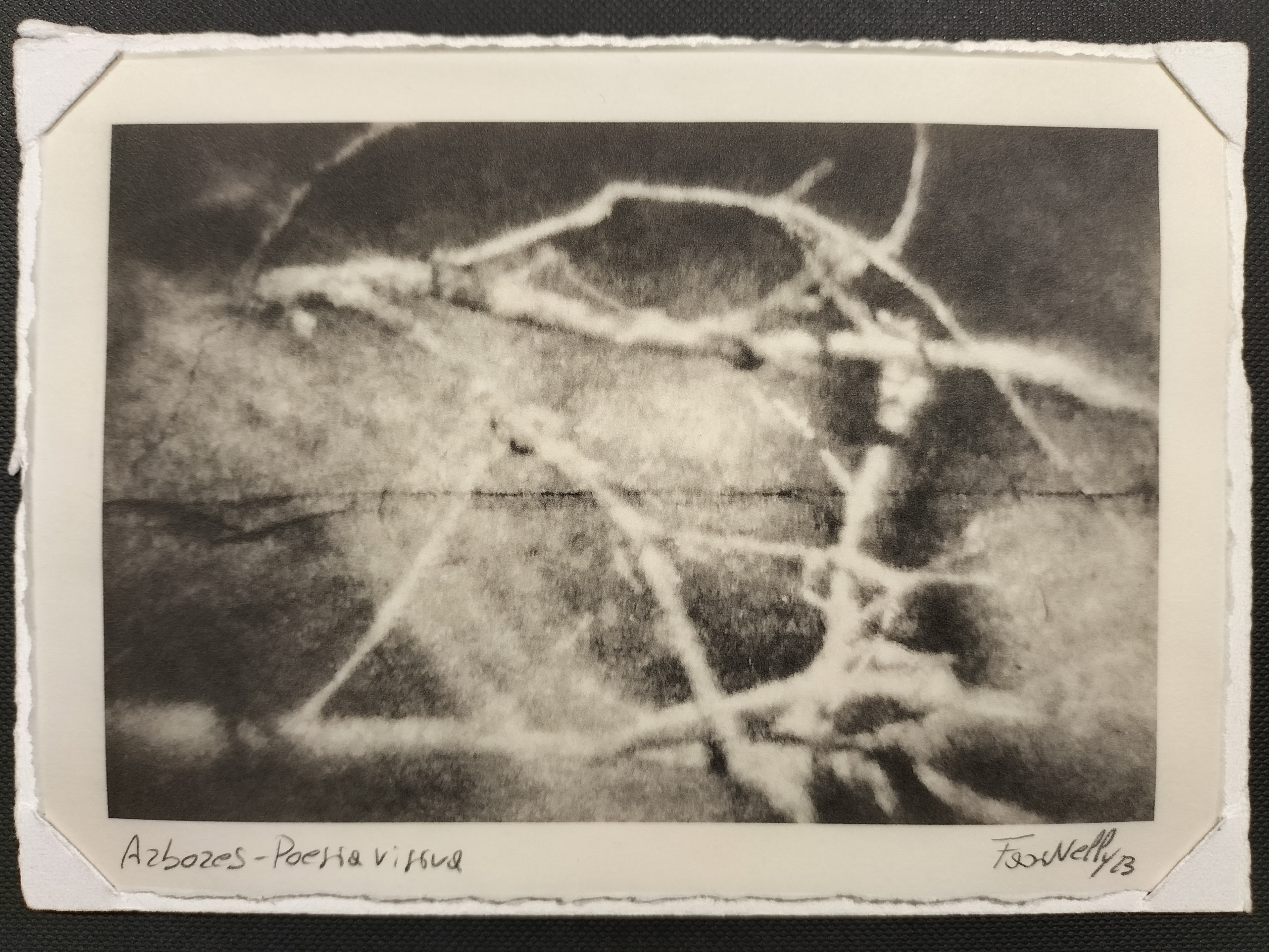
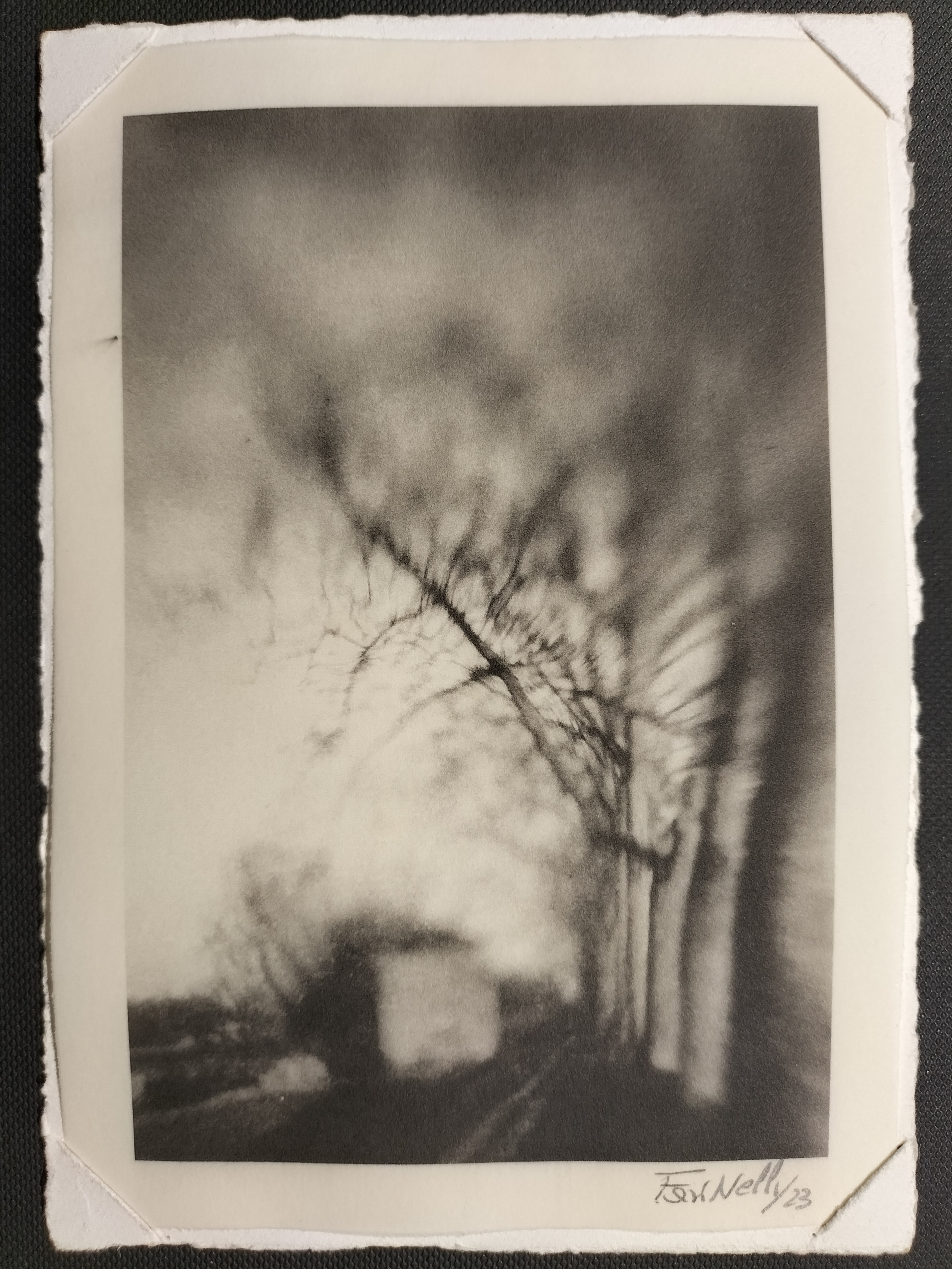
What is the connection between photography, poetry, and music?
The bond is very strong, poetry can be set to music, music can become a soundtrack for cinema, and cinema relies on photography to tell stories. Words, sounds, and images are the foundations of communication. Music, too, has a strong connection with freedom, as seen in Blues through to Jazz.
Qual è il legame tra fotografia, poesia e musica?
Il legame è molto forte, la poesia può essere musicata, la musica può divenire colonna sonora per il cinema e il cinema si avvale della fotografia per raccontare storie. Parole, suoni ed immagini sono le fondamenta della comunicazione. Anche la musica ha un forte legame con la libertà e lo si può vedere nel Blues fino al Jazz.
Can you describe the cameras that you use and your photographic process?
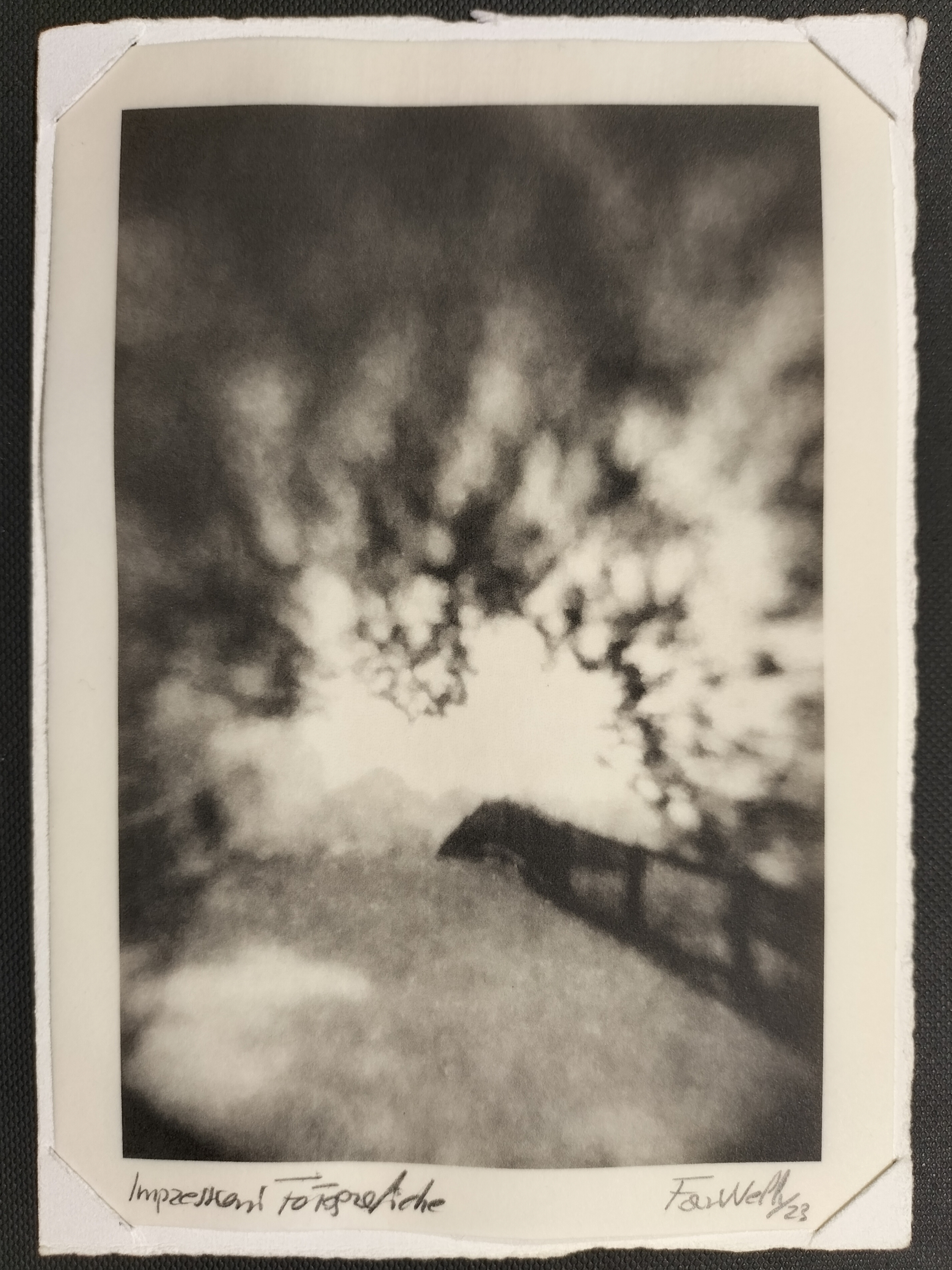
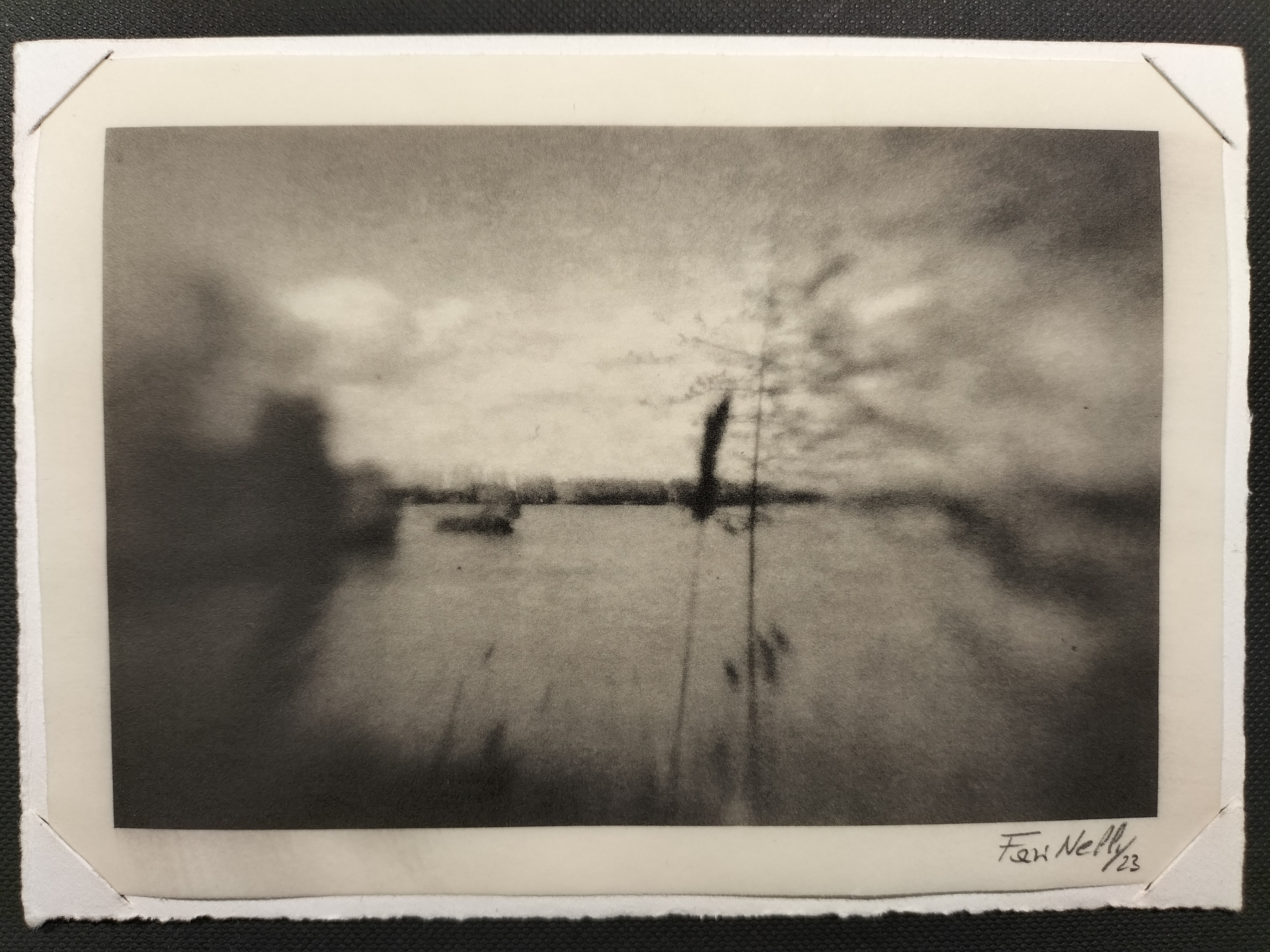
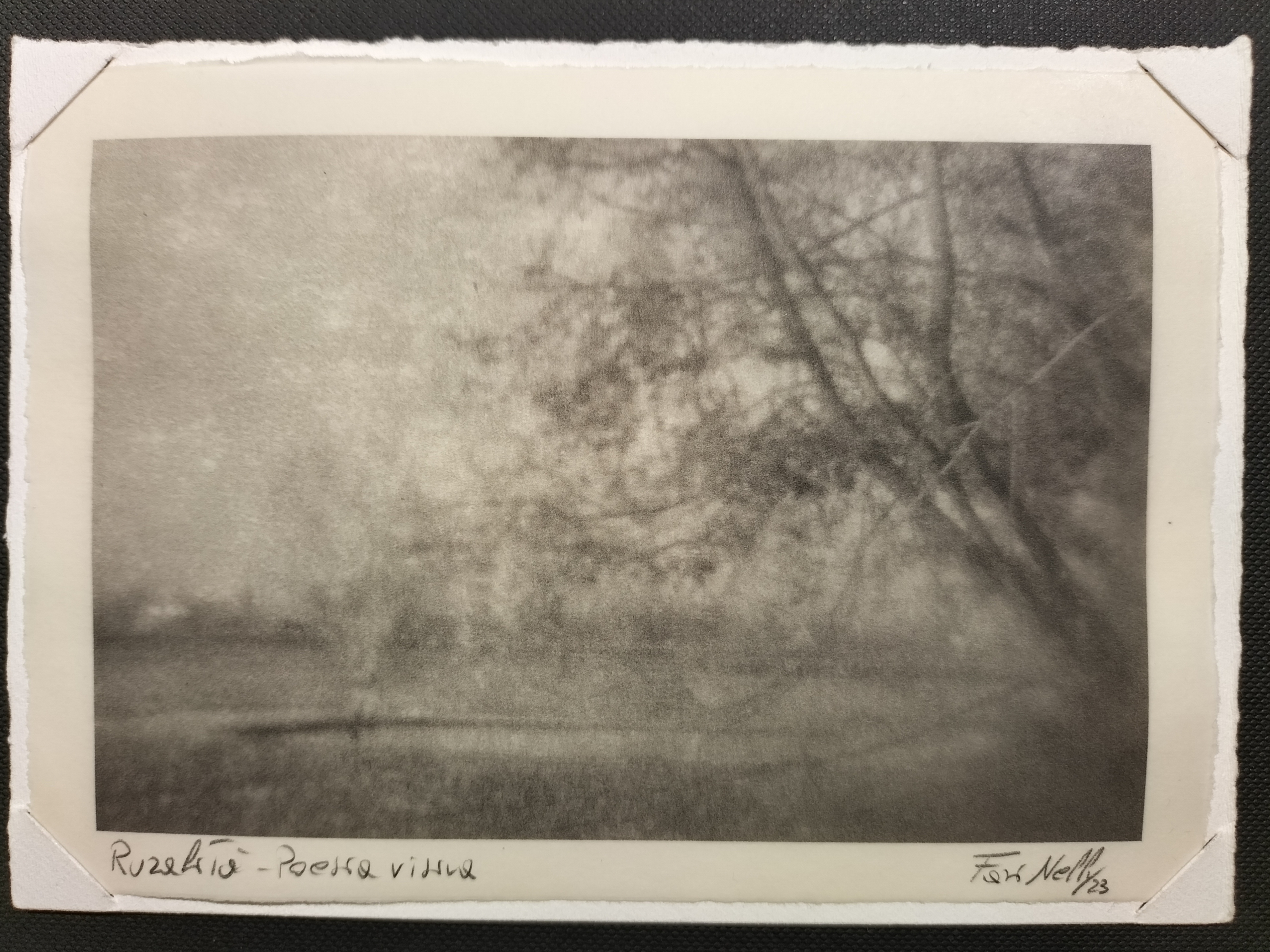
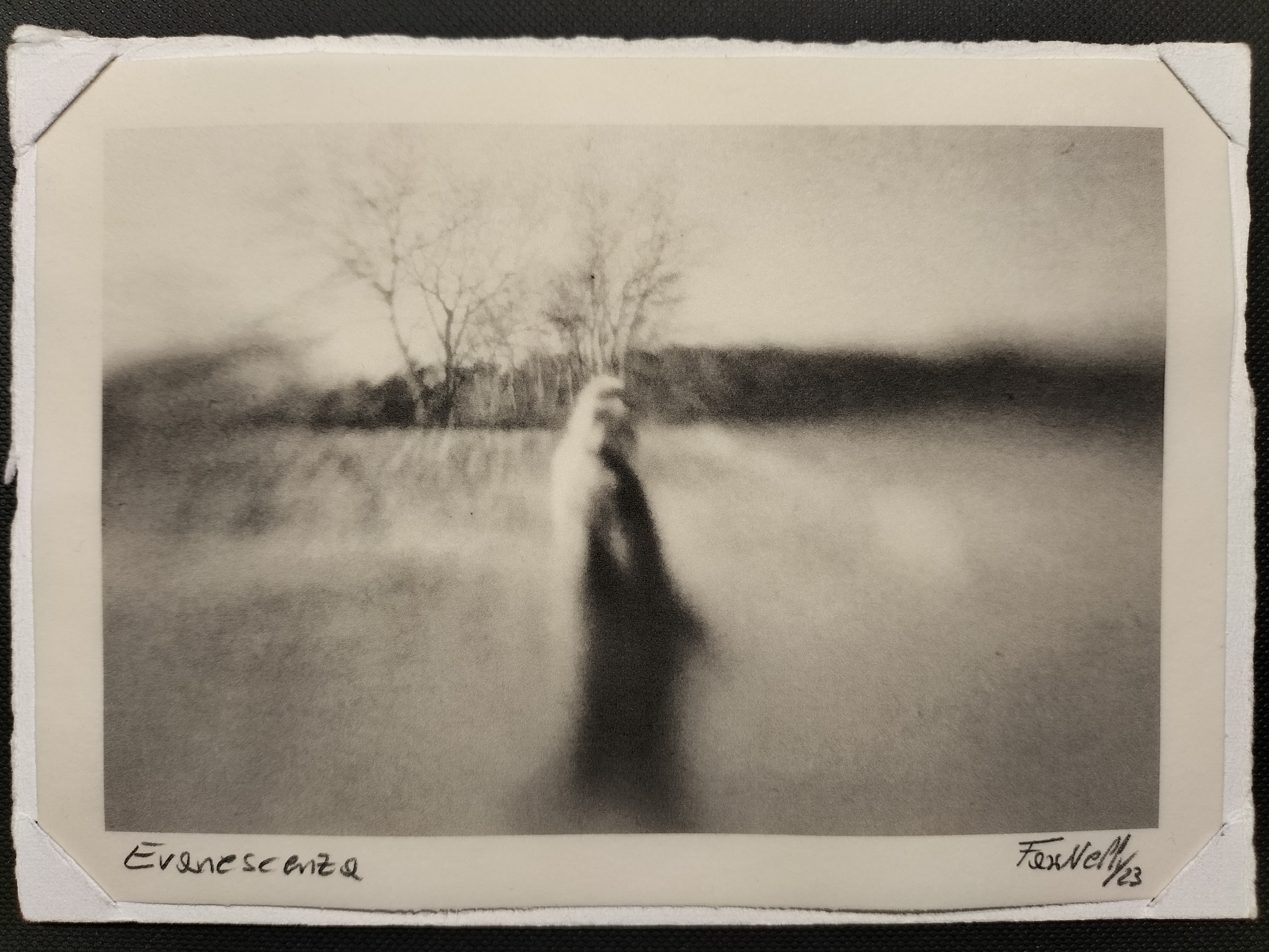
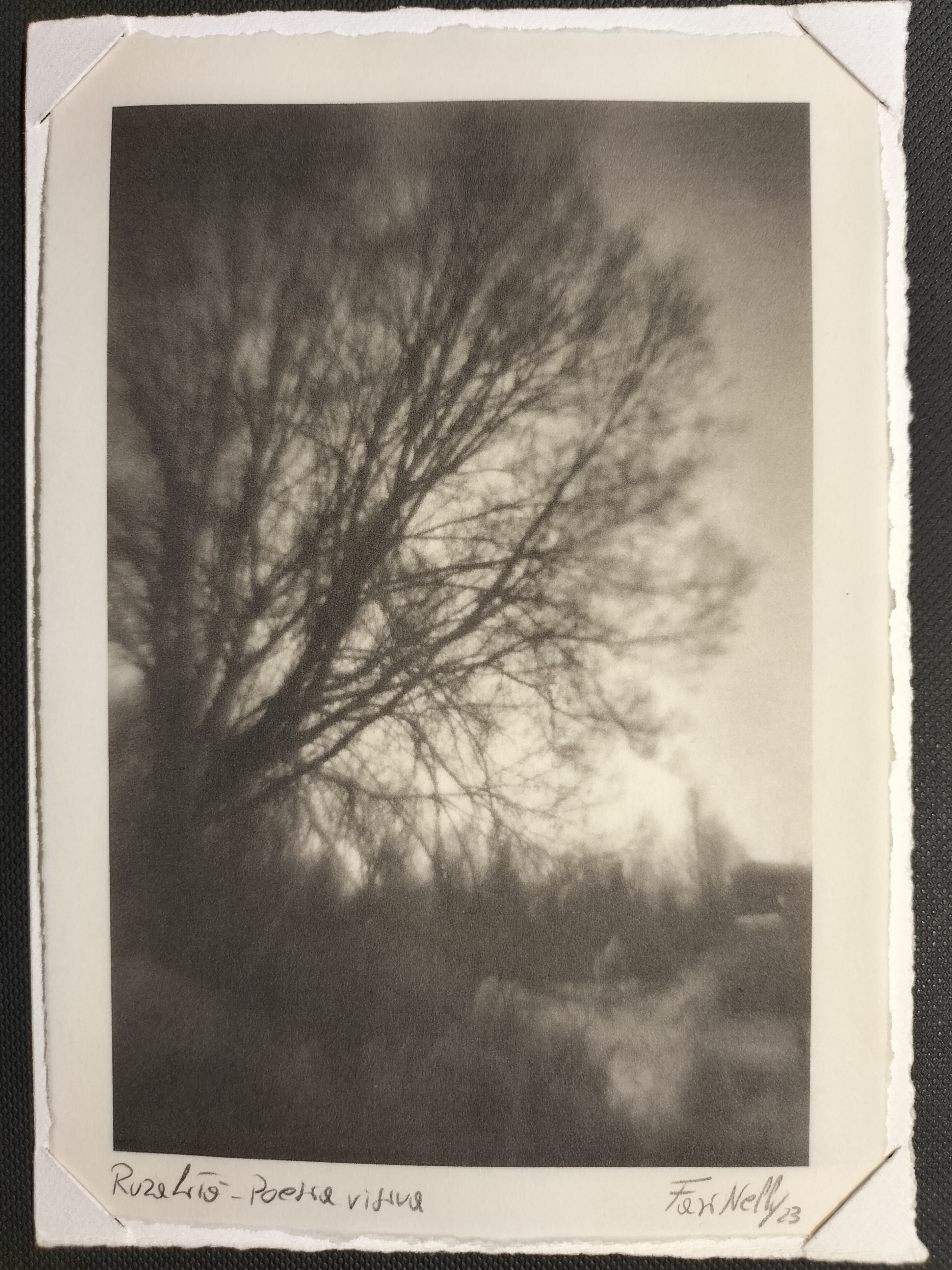
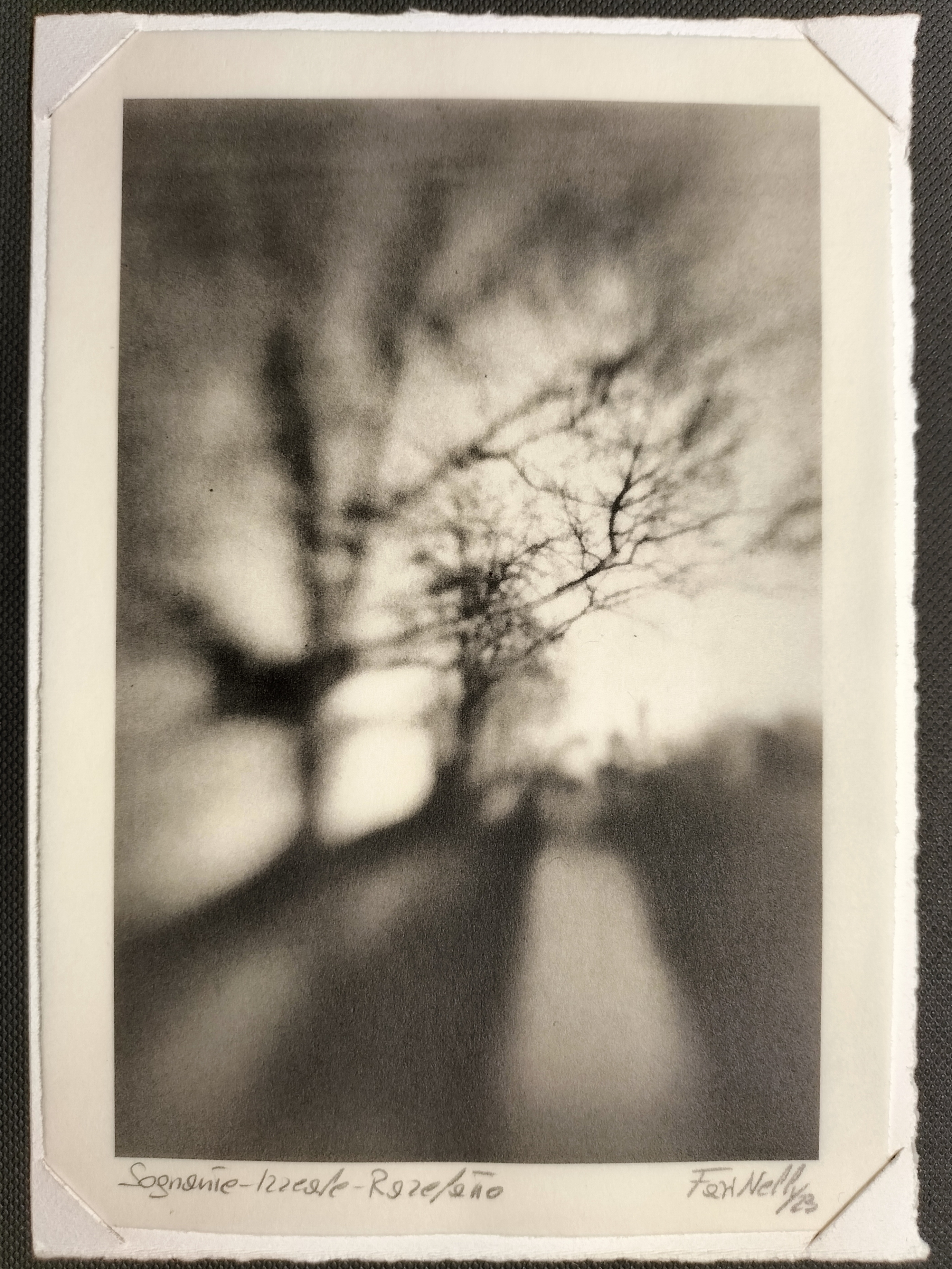
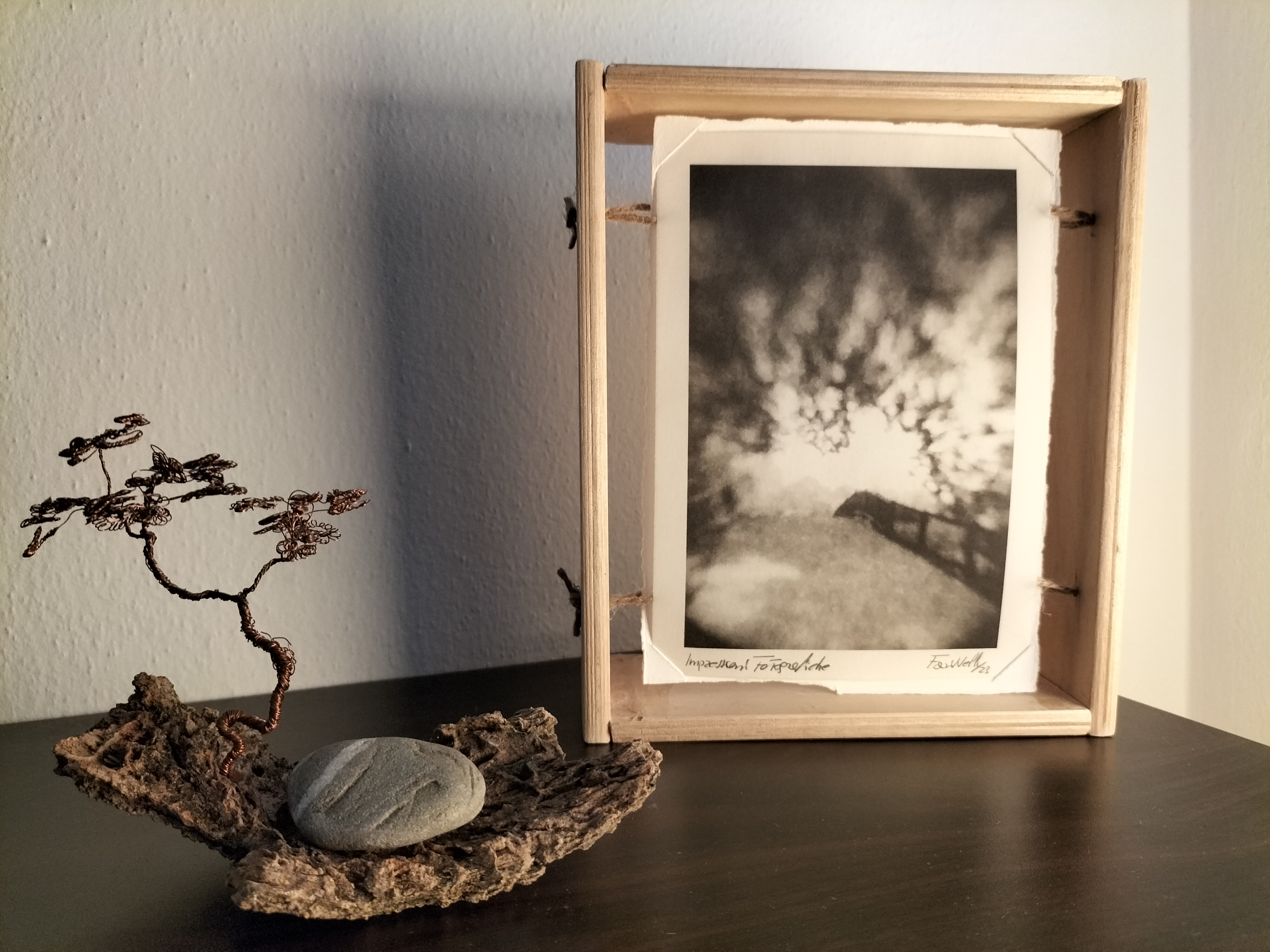
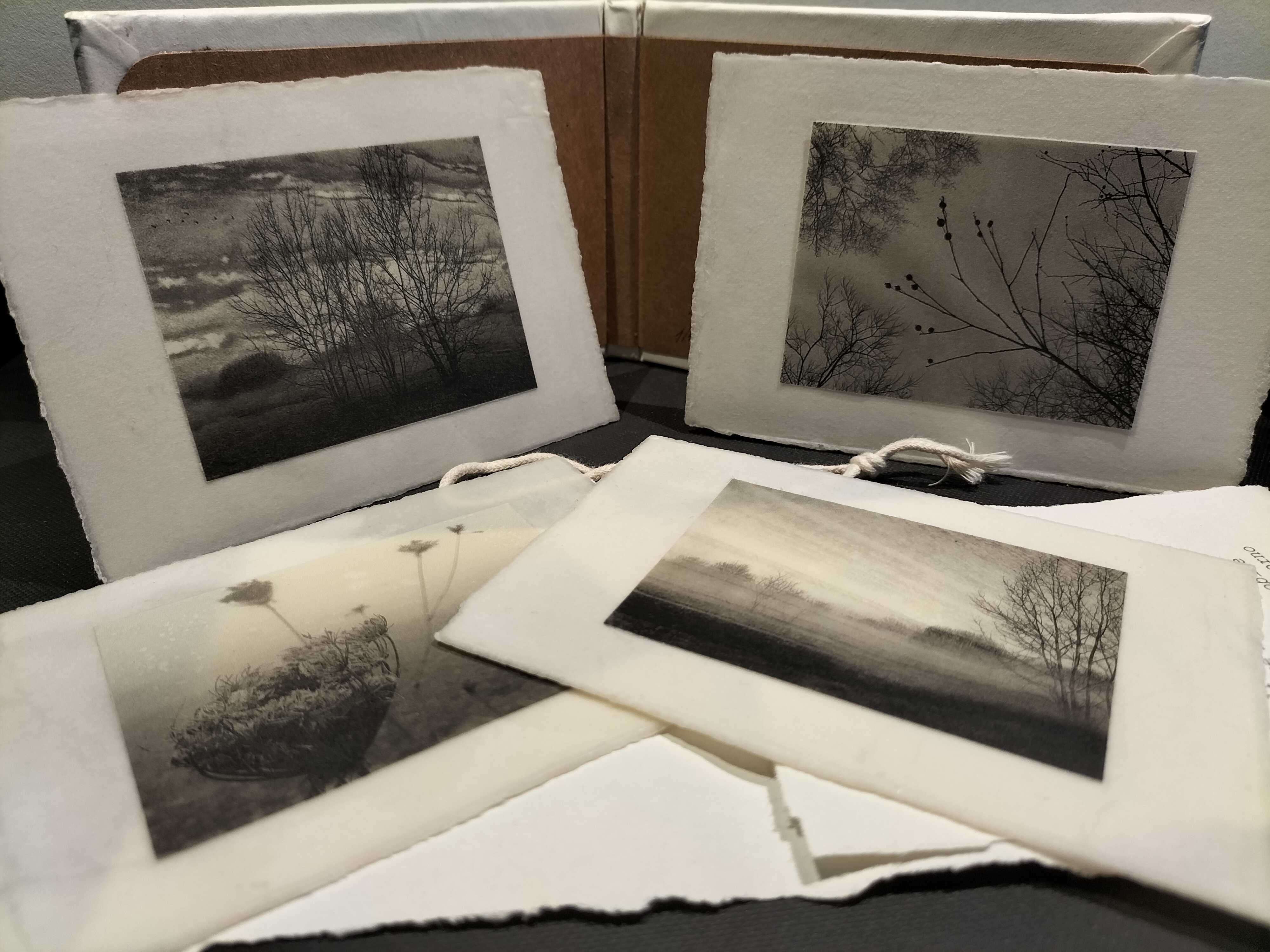
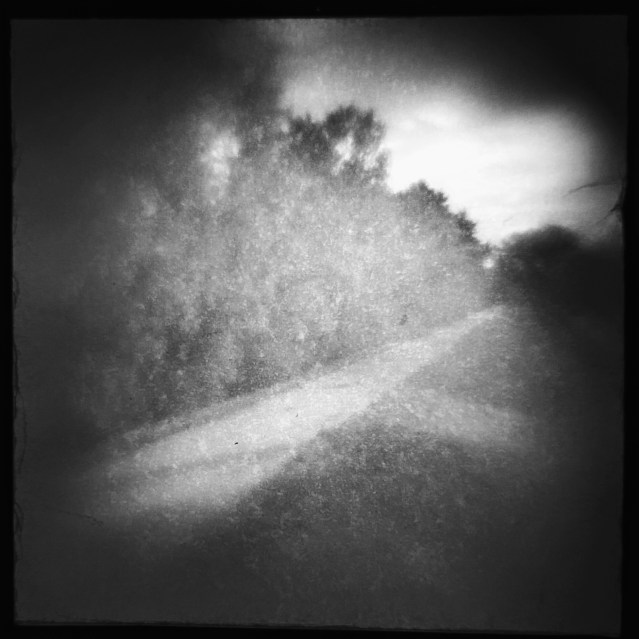
I personally build my own ‘camere obscure’ using wood, paper, cardboard, reading magnifying lenses (or lenses taken from old photocopier machines), and pinhole apertures. I draw inspiration from the models constructed by the pioneers of photography, thinking about Talbot’s ‘traps’ in 1834, but even earlier, Leonardo Da Vinci’s ‘camere obscure’ , who in his ‘Codex Atlanticus’ from 1515, he described a process for drawing buildings and landscapes from life, using these very chambers. In practice, they are wooden boxes (camere a term later used to describe every camera or movie camera, up to the present day), with a lens or a pinhole through which the sunlight illuminating an object is projected onto the rear plane, inverted in relation to the observed object.
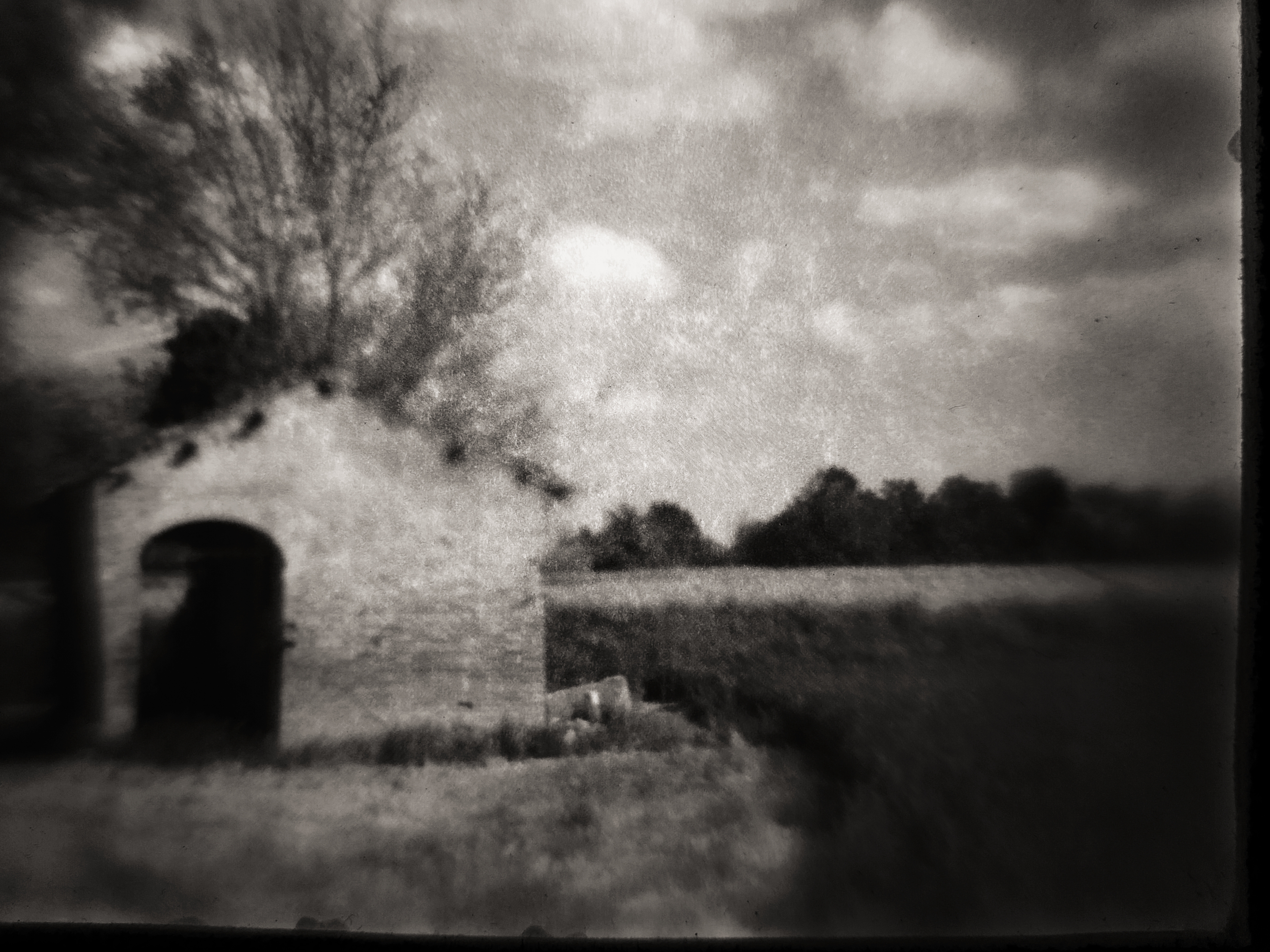
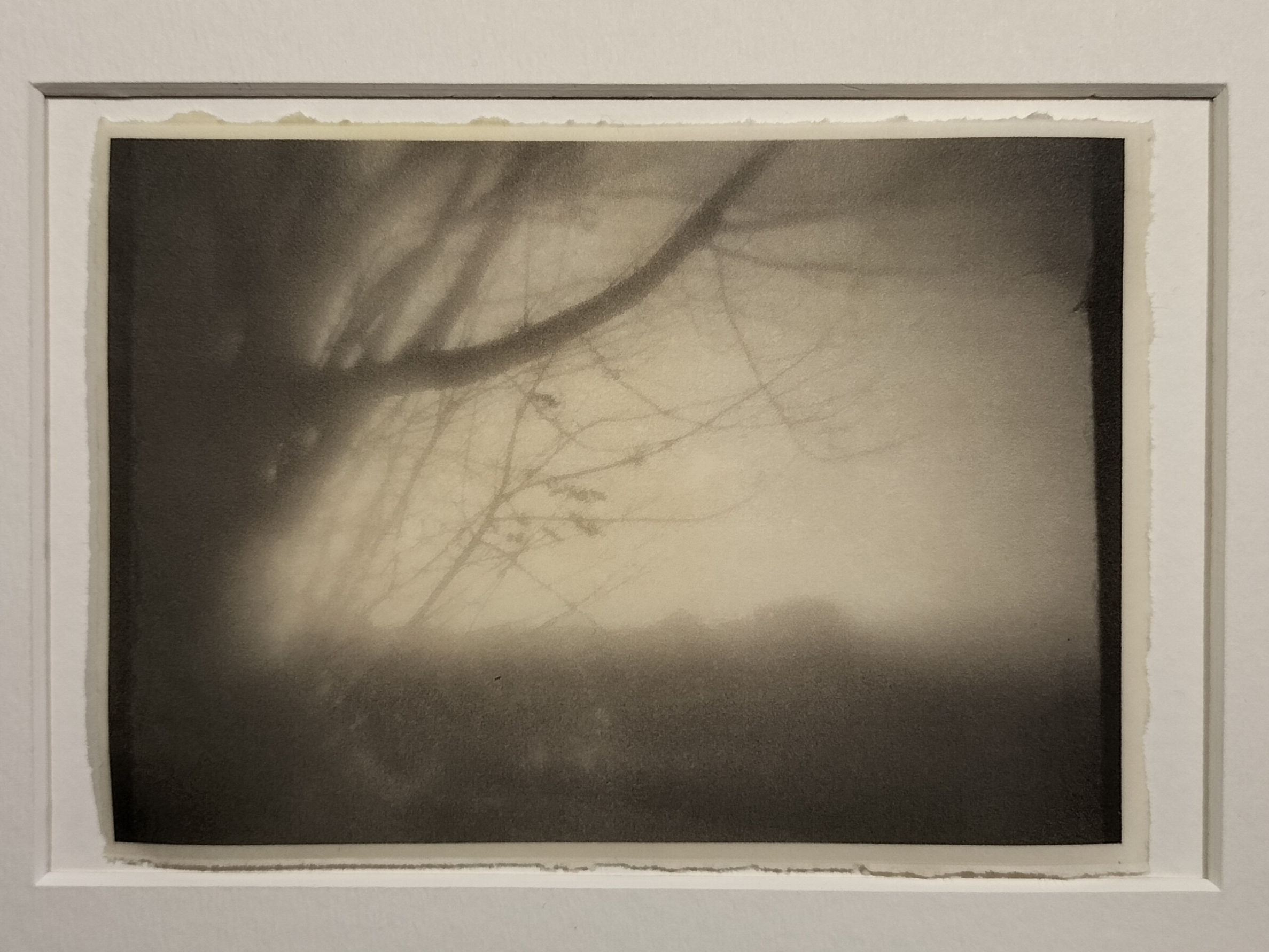
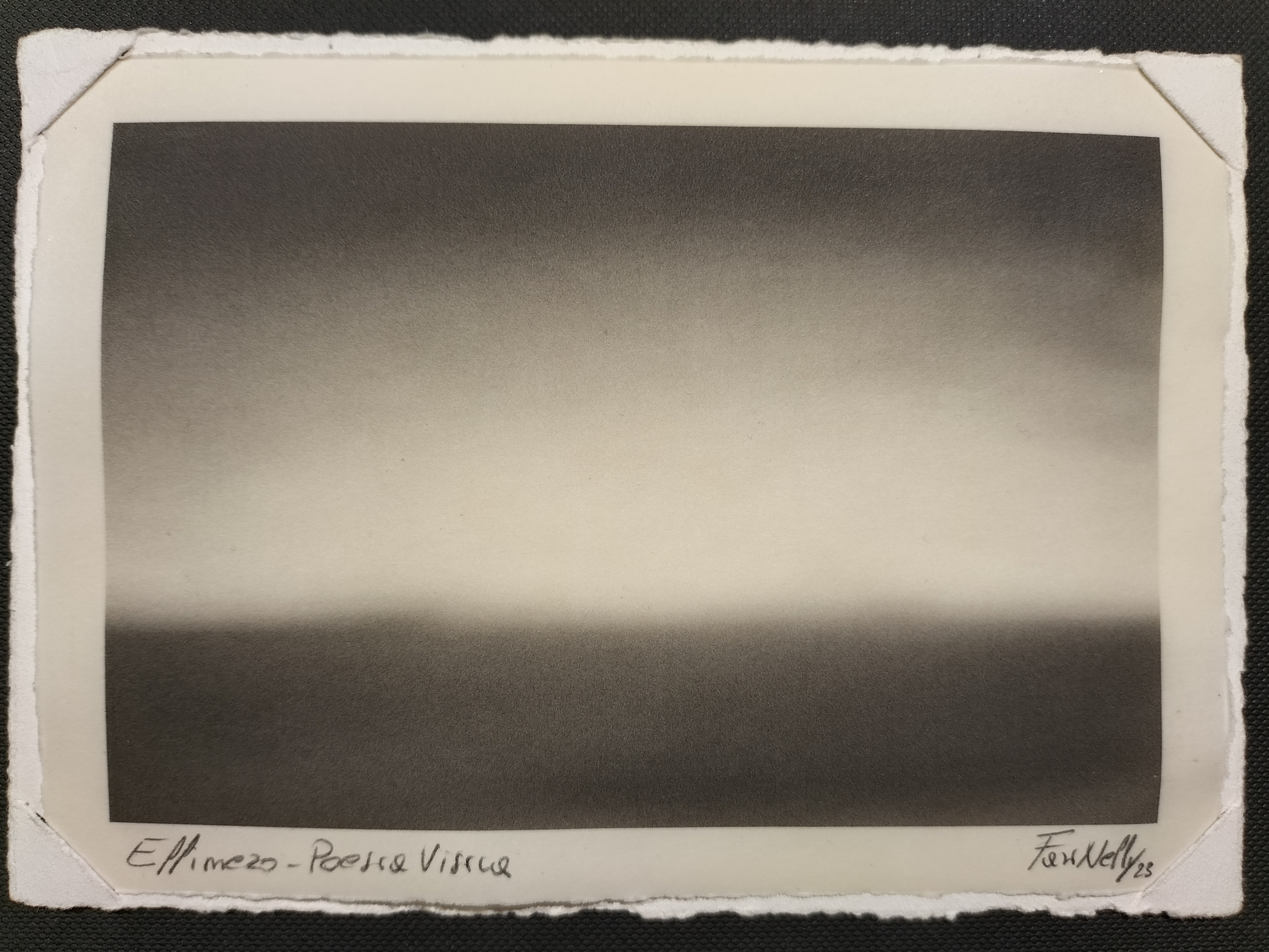
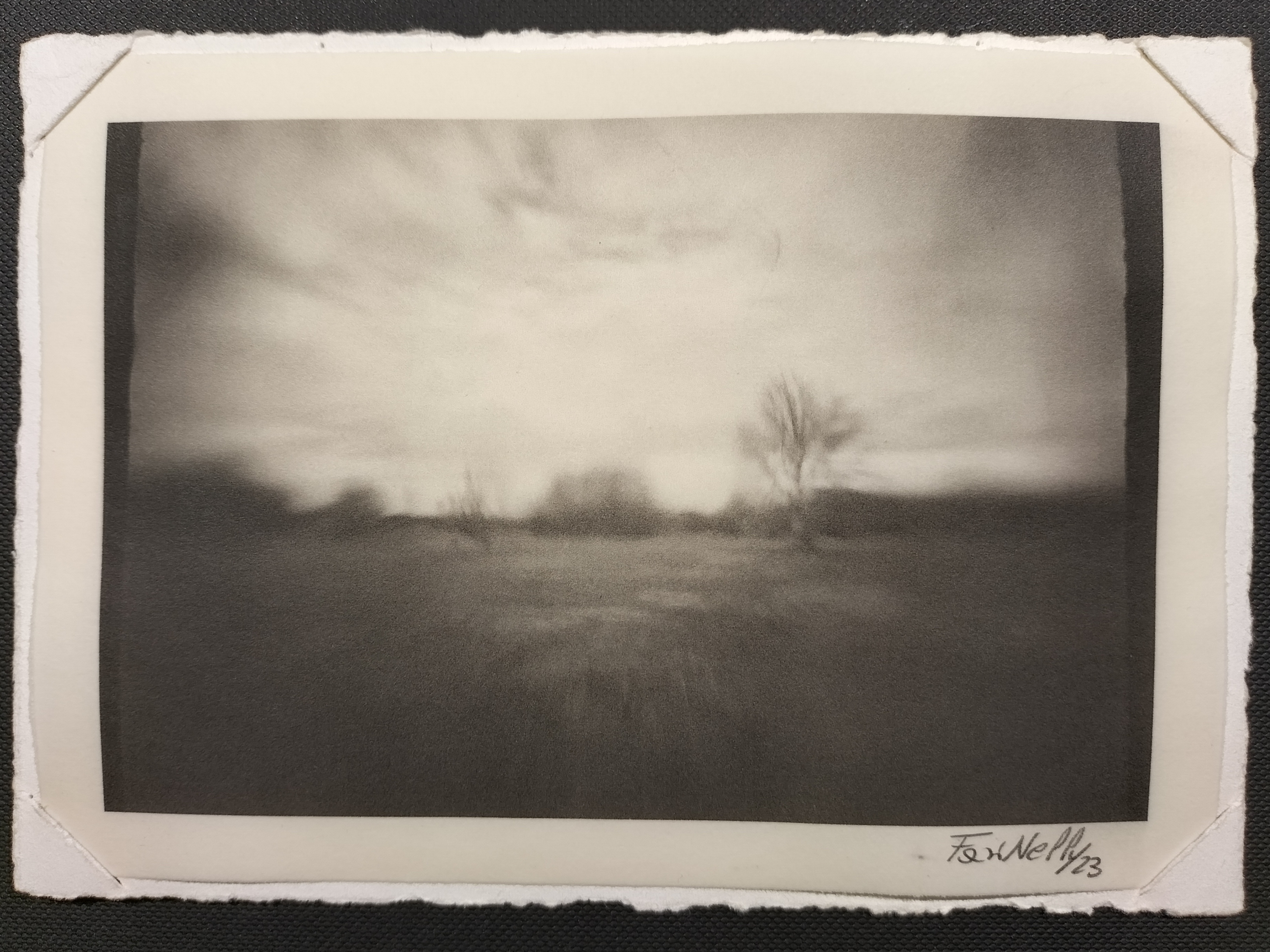
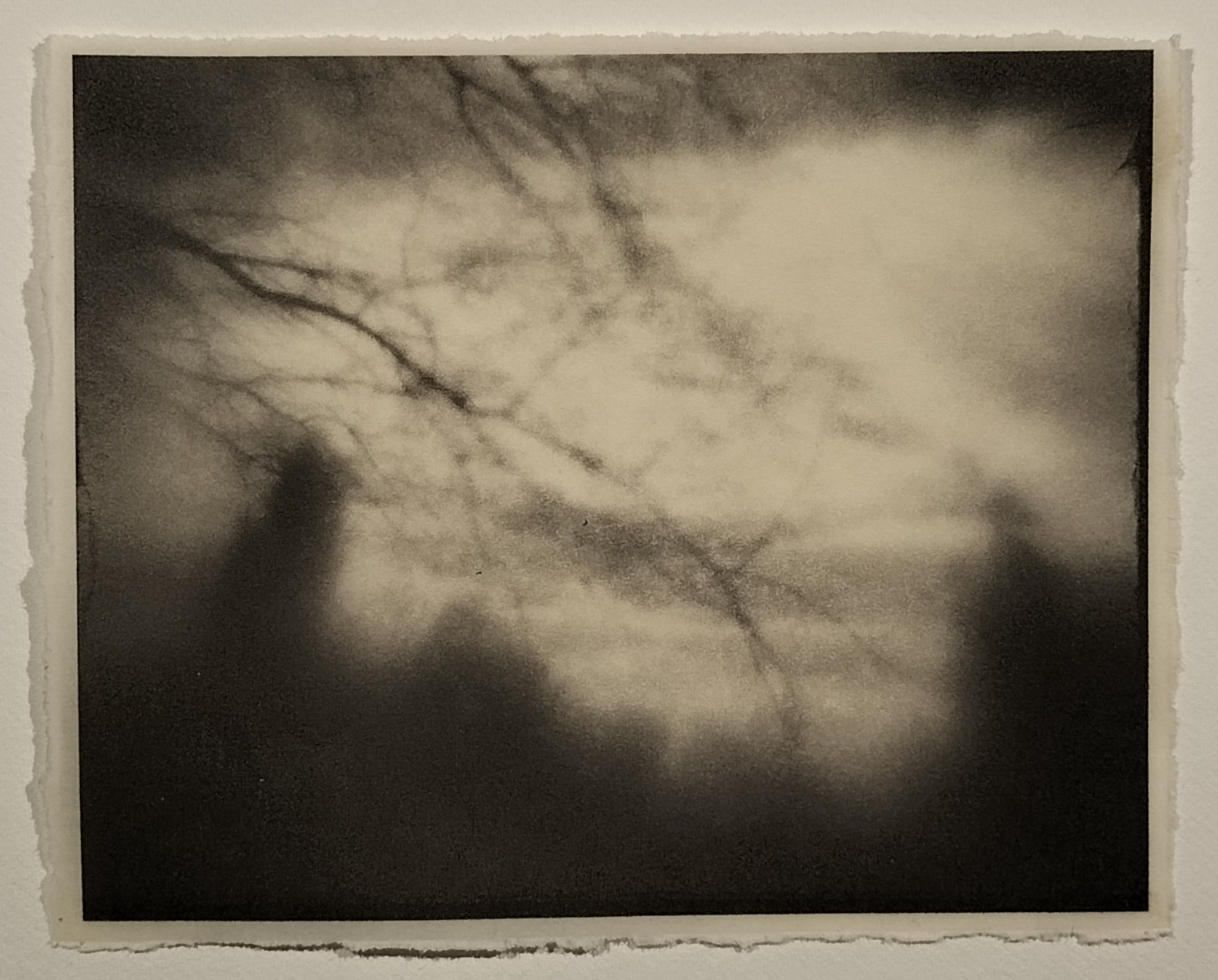
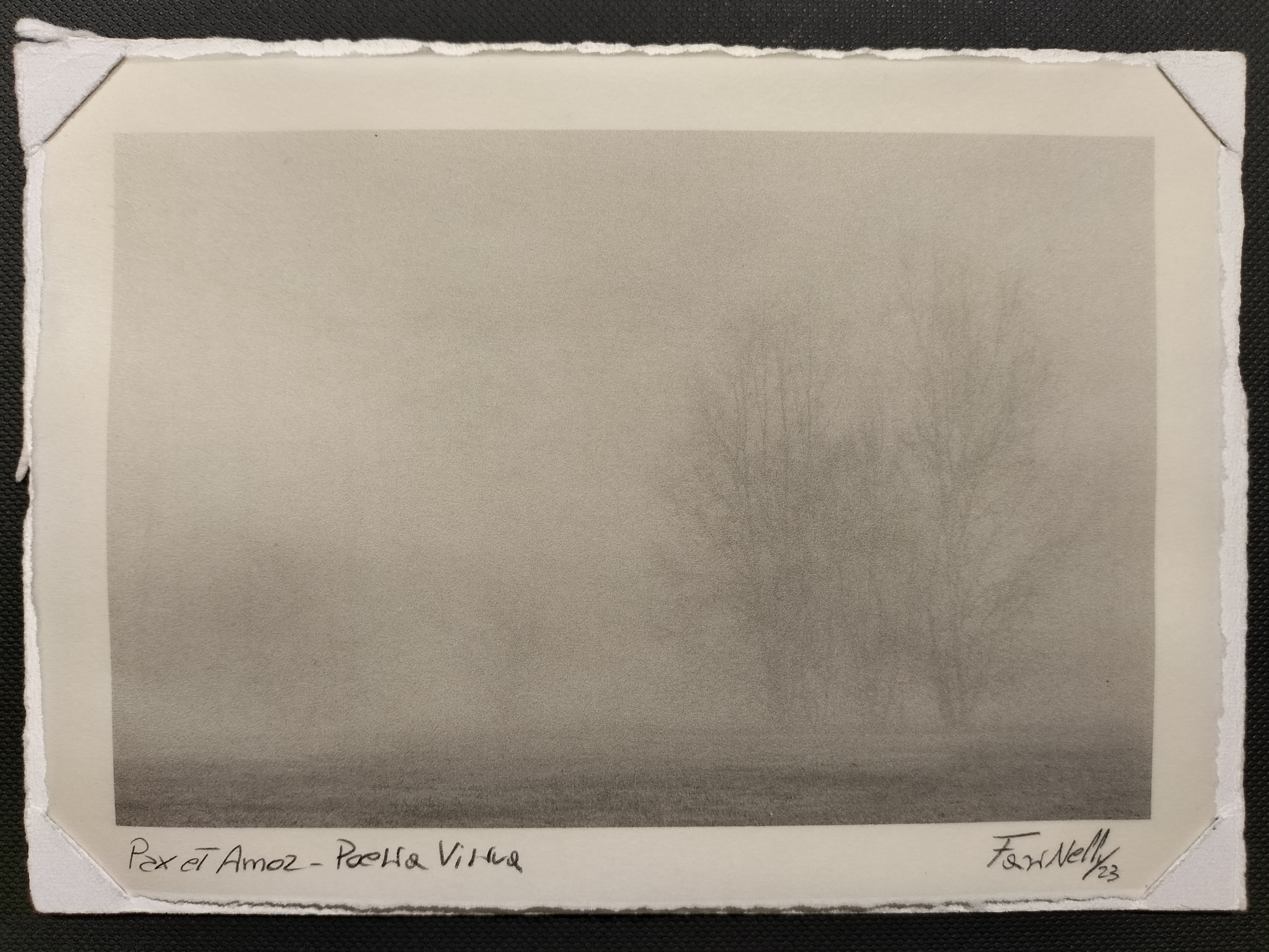
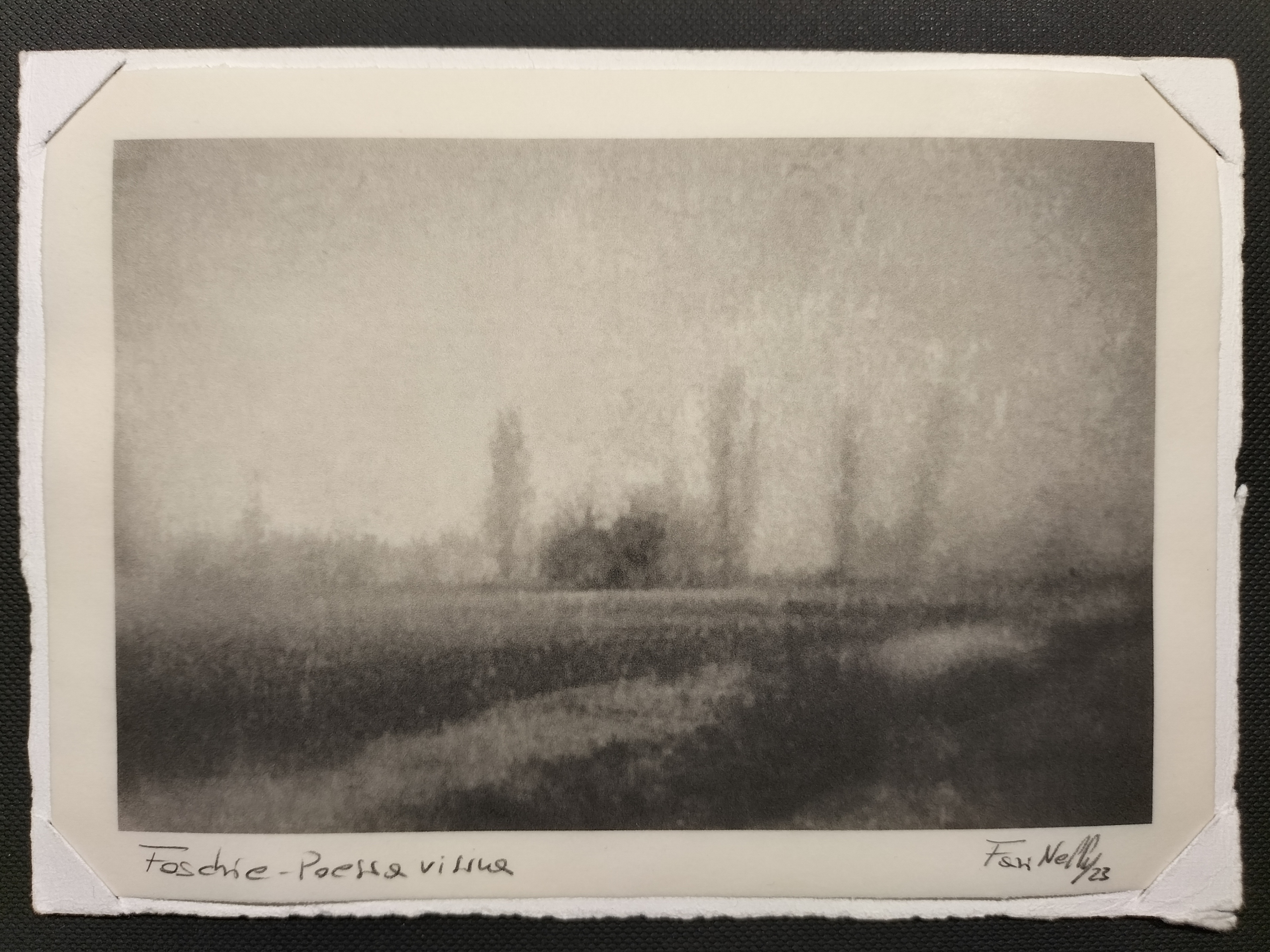
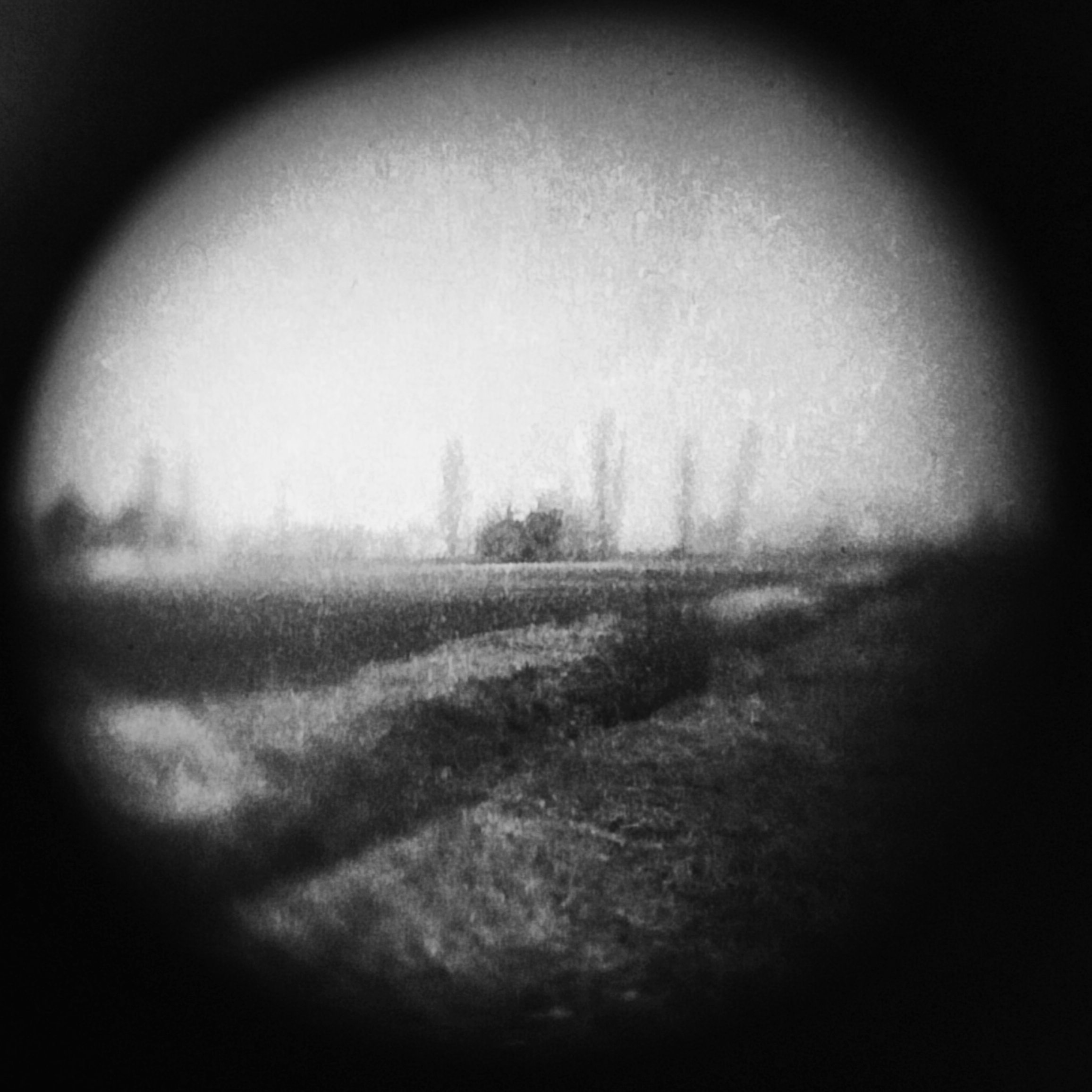
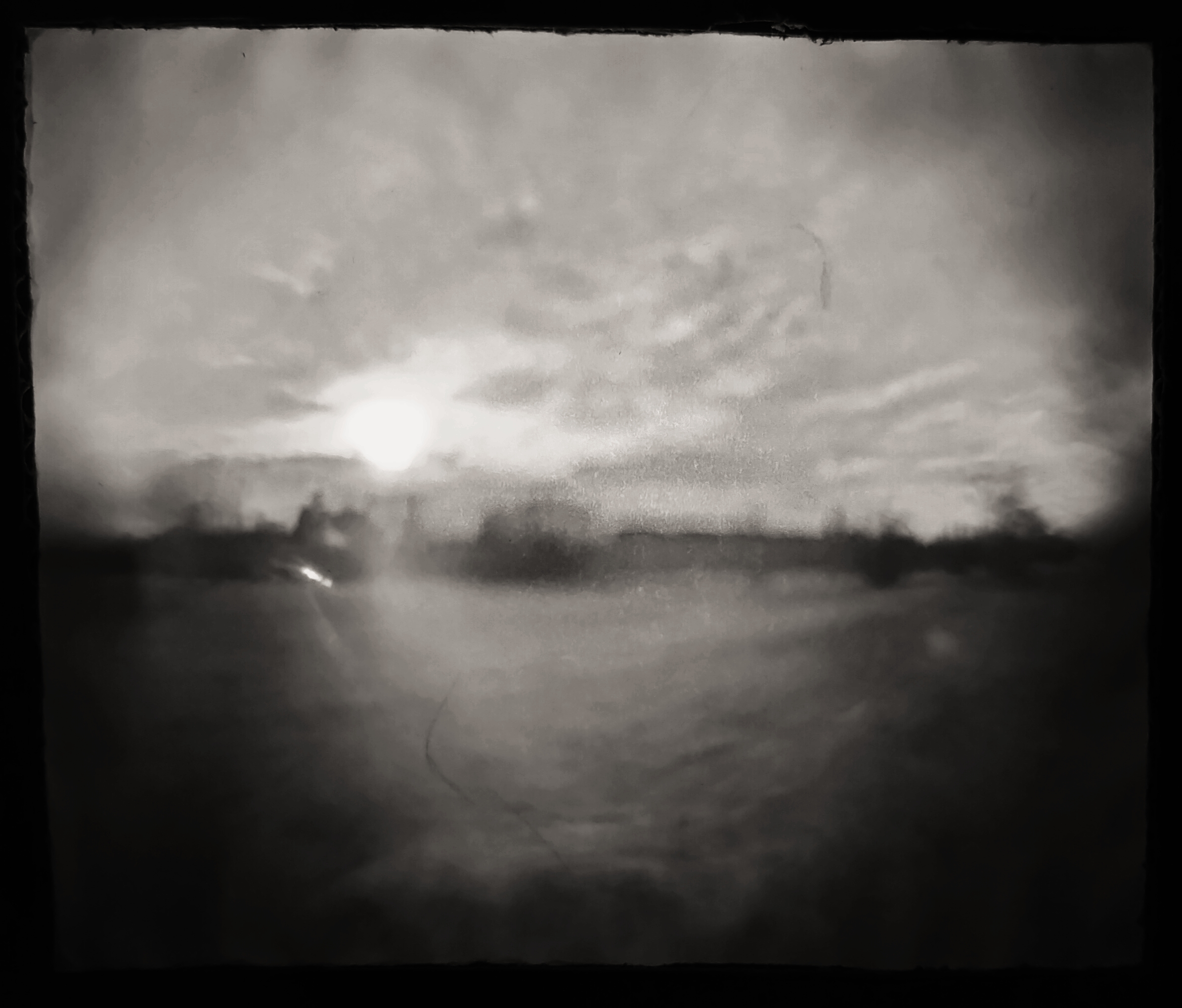
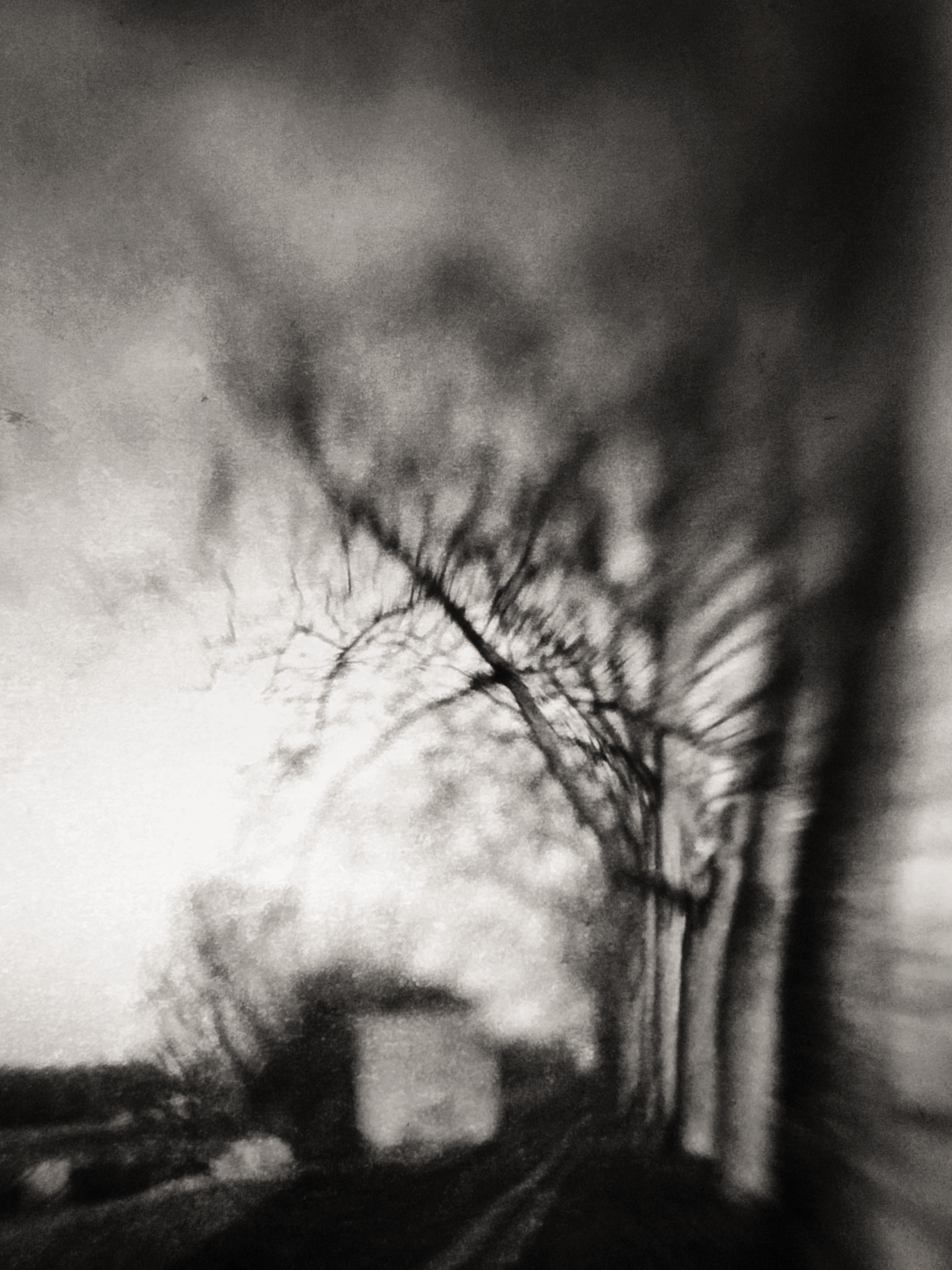
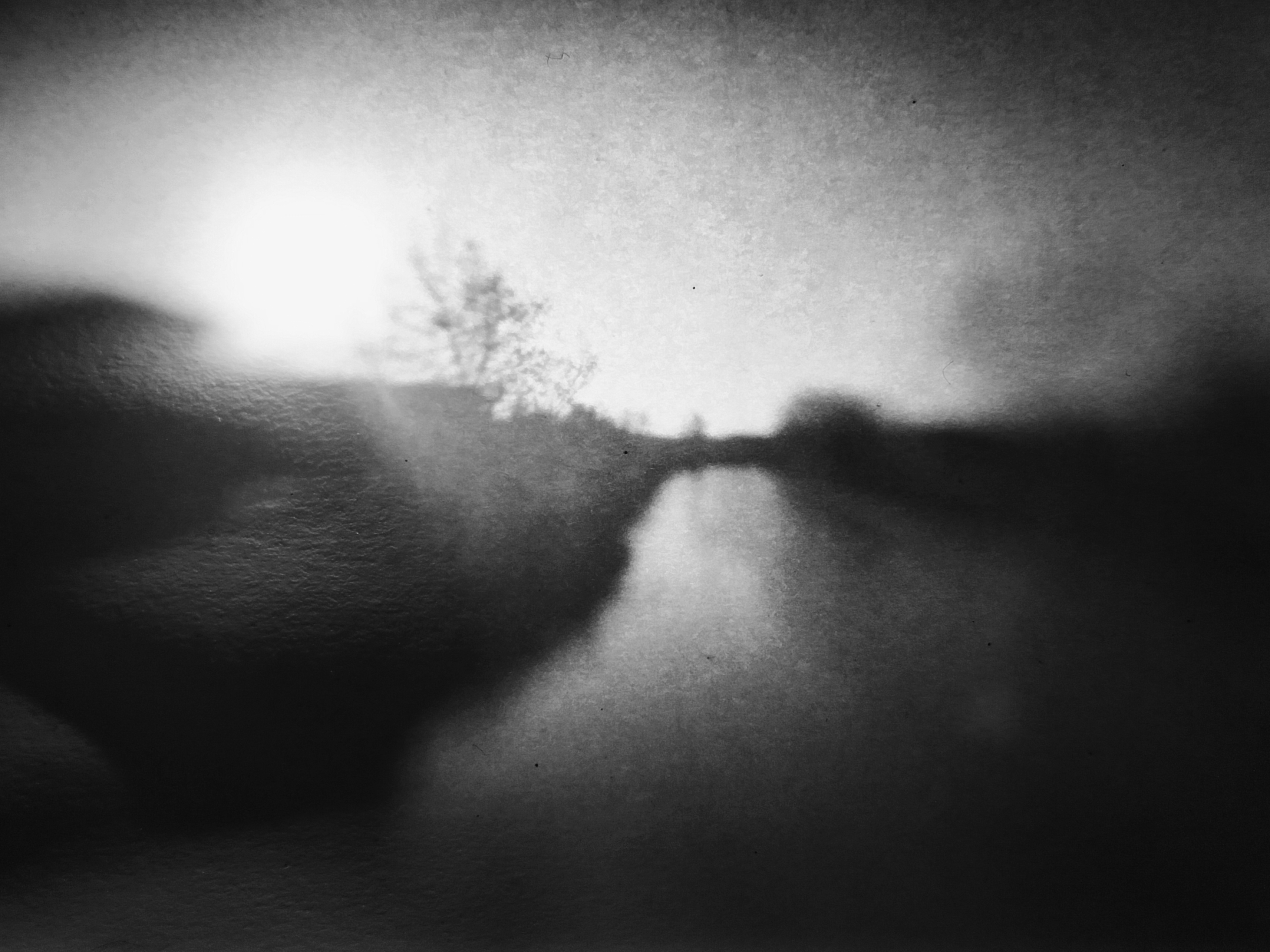
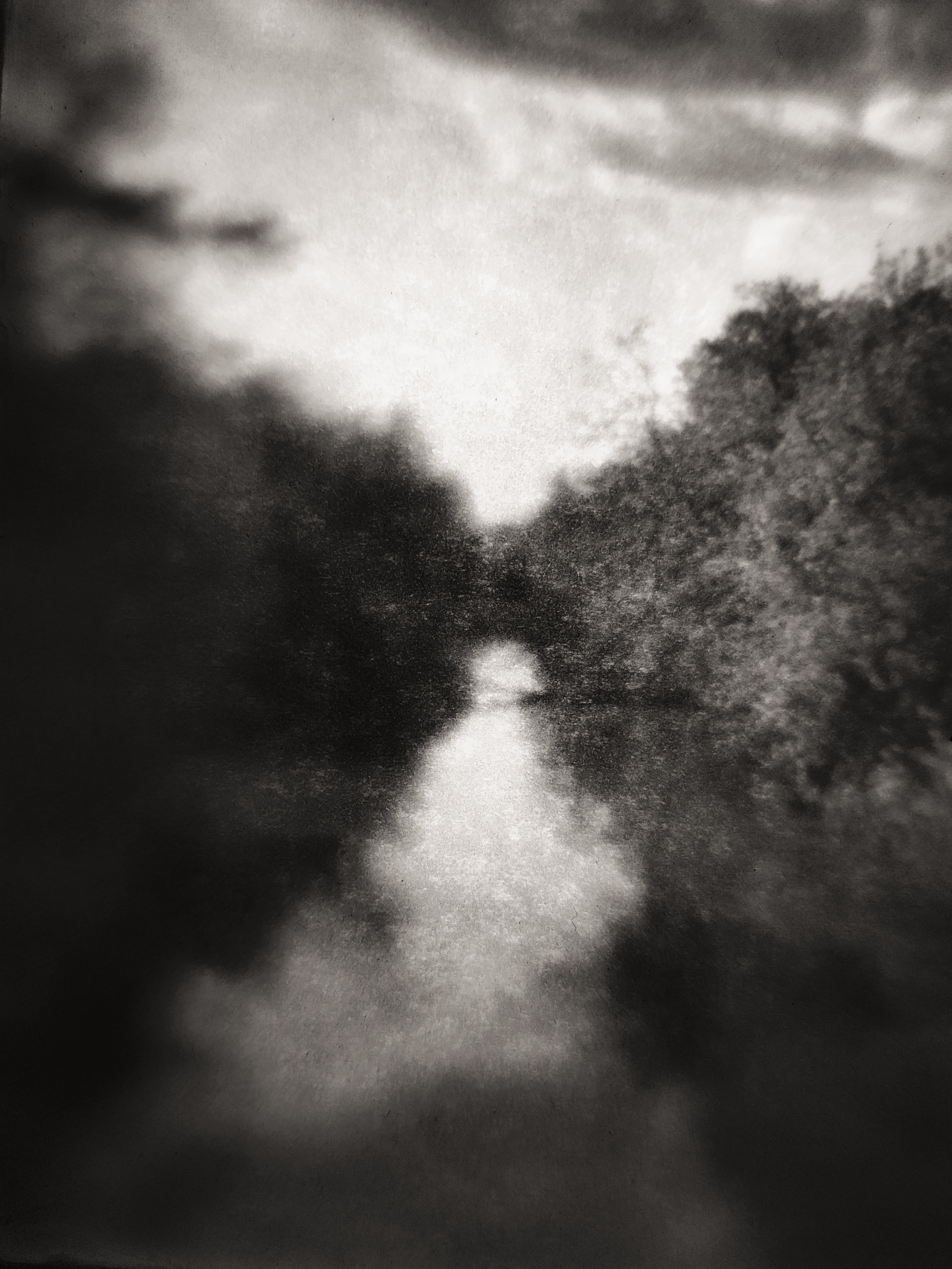
Starting from this optical-physical principle, I’ve thought about the projection of films onto the screen in movie theaters. I inserted a paper screen, made translucent through a hot waxing process, onto which the image inside the wooden camera could be reflected. This allowed observation, from a hole on the opposite side of the screen, of the image reflected onto it. Returning to the movie theater, it would be like being able to watch the film from behind the canvas screen. The effect is always surprising! The scene appears inverted (as in the optical bench) and the planar imperfection of the screen creates areas that are out of focus or distorted, much like projecting a film onto a slightly wrinkled sheet. The texture of the paper screen, which filters the light, also creates unique images (hence the importance of experimenting with screens made of different types of paper). My technique with these cameras involves digitally photographing the rear surface of the paper screen, then inkjet printing them onto fine art drawing papers that subsequently undergo a hot waxing process. Afterward, they are mounted on cotton paper for intaglio printing (I generally use the famous Italian paper Fabriano). All this process I personally developed creates monochromatic prints with very warm tones. When I look inside my optical chambers and see the scene in subtle colors, slightly out of focus, with a strong painterly effect, I think that even the early photographers could have observed similar colorful images, even though they could only produce black and white photographs at the time. In the post-production of my photographs, I only adjust brightness, darkness, and contrast. I prefer monochrome and often shoot directly in black and white to immediately see the atmosphere I want to recreate. Some scenes, however, look better in color, giving the image a purely painterly sensation.
Puoi descrivere le fotocamere che usi e il tuo processo fotografico?
Costruisco personalmente le mie camere oscure utilizzando legno, carta, cartone, lenti d’ingrandimento da lettura (o lenti smontate da vecchie macchine fotocopiatrici) e fori stenopeici. Mi ispiro ai modelli costruiti dai pionieri della fotografia, penso alle “trappole” di Talbot nel 1834, ma ancora prima, alle camere oscure di Leonardo Da Vinci che nel suo “Codice Atlantico” del 1515, descriveva un procedimento per disegnare edifici e paesaggi dal vero, attraverso l’utilizzo proprio di queste camere. In pratica sono delle scatole di legno (camere, termine poi utilizzato per descrive ogni macchina fotografica o cinepresa, fino ai giorni nostri), con una lente o un foro stenopeico, attraverso i quali la luce del sole che illumina un oggetto, viene proiettata sul piano posteriore, ribaltata rispetto l’oggetto osservato.
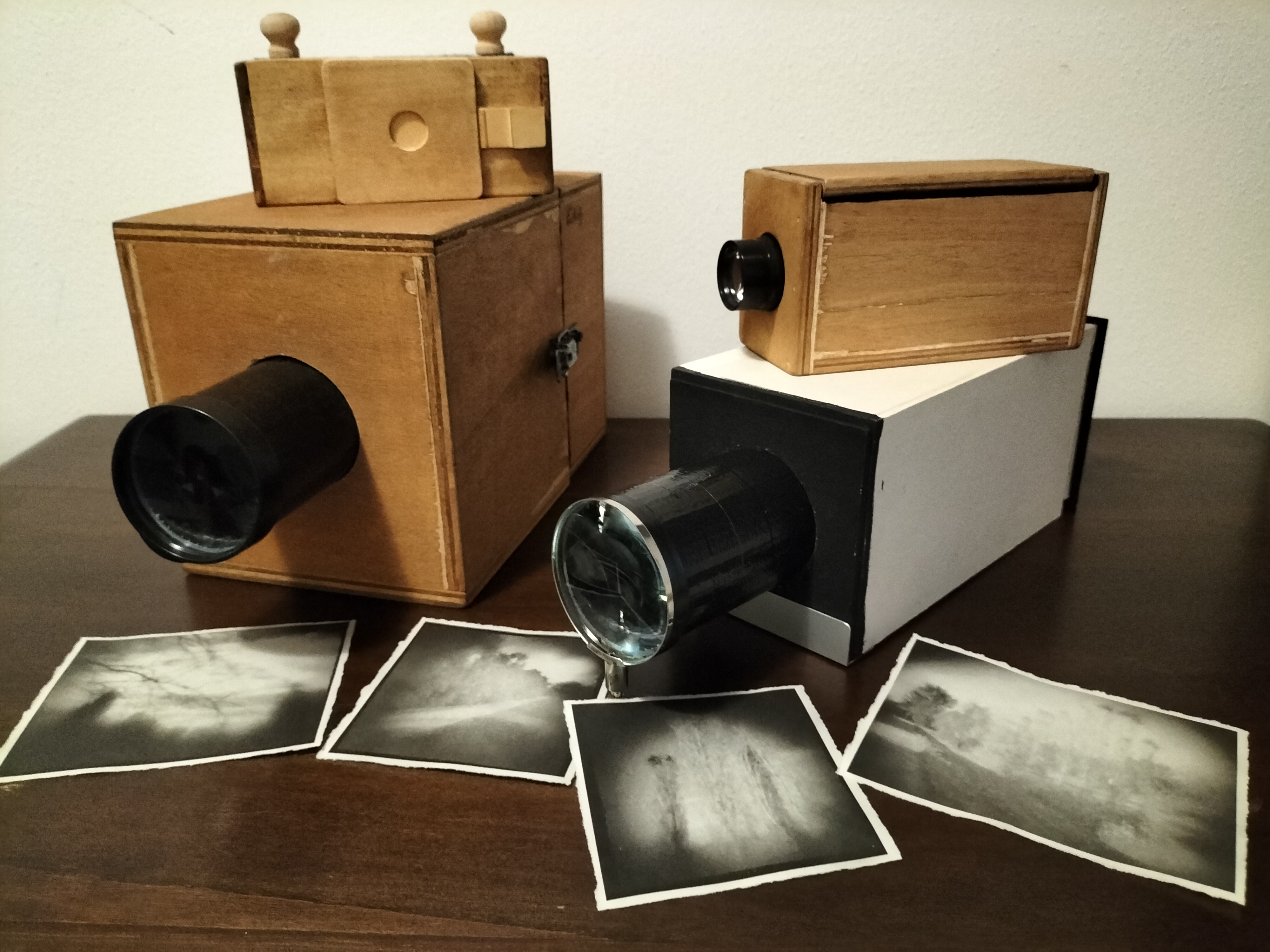
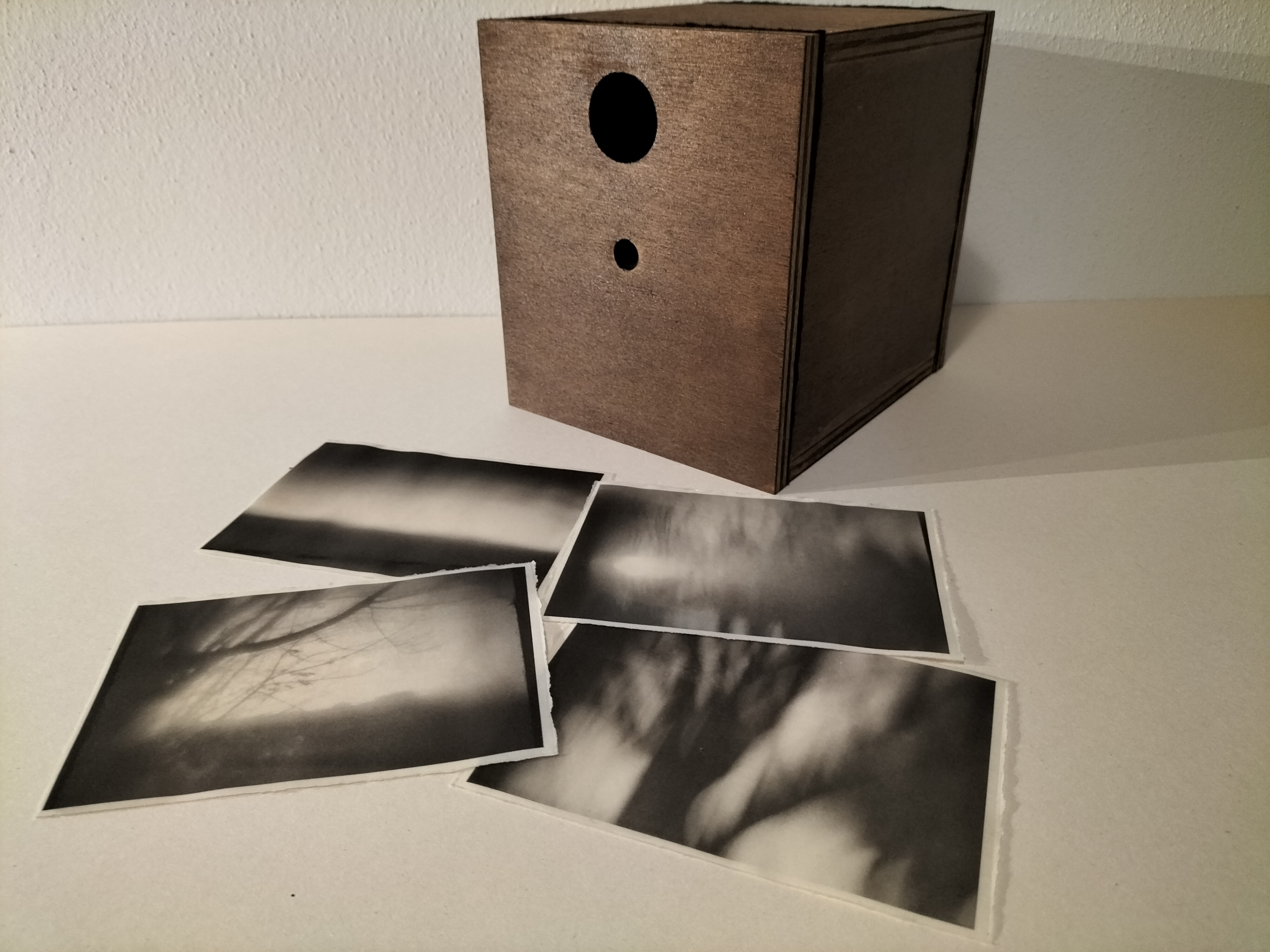
Partendo da questo principio ottico-fisico, ho pensato alla proiezione dei film sullo schermo nelle sale cinematografiche ed ho inserito uno schermo di carta, resa traslucida attraverso un procedimento di ceratura a caldo, sul quale potesse riflettersi l’immagine dentro la camera di legno per poter osservare, da un foro sul lato opposto lo schermo, l’immagine riflessa su di esso. Tornando alla sala cinematografica, sarebbe come poter guardare il film da dietro lo schermo di tela. L’effetto è sempre sorprendente! La scena appare ribaltata (come nel banco ottico) e l’imperfezione planare dello schermo crea zone fuori fuoco o deformate, come proiettare un film su un lenzuolo leggermente ondulato. Anche la texture della carta dello schermo, che filtra la luce, crea immagini uniche (da qui l’importanza di sperimentare schermi con carte differenti). La mia tecnica con queste camere, consiste nel fotografare digitalmente la superfice posteriore dello schermo di carta per poi stamparle a getto d’inchiostro, su carte da disegno artistico che in seguito subiscono un processo di ceratura a caldo e poi montate su carte di cotone per calcografia (in genere uso la famosa carta italiana Fabriano. Tutto questo procedimento che ho messo a punto personalmente, crea stampe monocromatiche dai toni molto caldi. Quando guardo dentro le mie camere ottiche e vedo la scena dai colori tenui, leggermente fuori fuoco e con un forte effetto pittorico, penso che anche i primi fotografi potevano osservare le stesse immagini a colori, potendo poi realizzare solo fotografie in bianco e nero. Nel post produzione delle mie fotografie, c’è solo la regolazione di chiaro-scuro e contrasto. Prediligo il monocromatico e spesso scatto direttamente in bianco e nero, per vedere direttamente l’atmosfera che voglio ricreare. Alcune scene rendono meglio a colori, dando all’immagine una sensazione puramente pittorica.
Vivo la fotografia come un dialogo interiore tra me e il soggetto o l’ambiente in cui mi trovo in quel preciso momento. Cambia il modo, l’angolazione e il piano con il quale normalmente si osservano le cose. Nel dialogo c’è quasi sempre una risposta … si viene a sovrapporre, da fuori, l’immagine che manca dentro e che stavo in qualche modo cercando … è così che avviene questo “incontro” tra il fuori e il dentro. La pianura con i suoi campi che si fondono con l’orizzonte, la nebbia che avvolge nel mistero anche le forme conosciute, gli alberi, gli arbusti, la macchia riparo sicuro per uccelli e piccoli mammiferi della piana e poi terra e acqua nel loro perpetuo dialogo, storia di un popolo, fatica e sudore per l’uomo. La pianura monotona e rassicurante, malinconica per il suo invernale bianco e nero naturale, posa immobile in attesa di uno sguardo mirato. È qui, in questo ambiente, che nasce e si sviluppa la mia ricerca con la fotografia, il silenzio e qualche parola.
I experience photography as an internal dialogue between me and the subject or the environment I am in at that precise moment. It changes the way, the angle and the plane with which things are normally observed. In the dialogue there is almost always an answer … we superimpose, from the outside, the image that is missing inside and that I was somehow looking for … this is how this “meeting” between the outside and the inside happens. The plain with its fields that merge with the horizon, the fog that shrouds in mystery even the known shapes, the trees, the shrubs, the scrub, a safe shelter for birds and small mammals of the plain and then earth and water in their perpetual dialogue, history of a people, toil and sweat for man. The monotonous and reassuring plain, melancholic for its natural winter black and white, poses motionless waiting for a focused gaze. It is here, in this environment, that my research is born and develops with photography, silence and a few words.
How can we use words to describe silence and presence to define absence?
I thank you for this question. The pursuit of Silence is a fundamental part of my artistic expression, and I have endeavored to convey it in my poetry as well:
I filter the Silence
in the din of the day
that’s disorienting
settles
within the space
of subtle listening
I live in thoughts
of light words
who graze
the cords of the Soul
Silence fosters listening, especially to oneself, and amplifies the vision of what is observed, as it activates the poetic part that suddenly emerges, reveals itself, and offers itself to the photographic shot, becoming silent as it crystallizes into a perpetual still image:
Silence
whispered
what silence remains
Ink handwriting
for silent words […]
By photographing, my presence becomes absence, diluted within the image that will form the photograph. Photography has the ability to showcase something that isn’t there… something that, without the camera, would remain a luminous impression, passing through the eye into my cerebral or conscious/spiritual matter.
Come possiamo usare le parole per descrivere il silenzio e la presenza
per definire l’assenza?
Ti ringrazio per questa domanda. La ricerca del Silenzio è una parte fondamentale della mia espressione artistica e ho cercato di esprimerlo anche nelle mie poesie:
Filtro il Silenzio
nel frastuono del giorno
che disorienta
decanta
dentro lo spazio
dell’ascolto sottile
Abito pensieri
di parole leggere
che sfiorano
le corde dell’Anima
Il silenzio favorisce l’ascolto, in modo particolare di se stessi e amplifica la visione di ciò che si osserva, in quanto fa attivare la parte poetica che improvvisamente appare, si mostra e si dona allo scatto fotografico, divenendo silenziosa in quanto cristallizzata in un fermo immagine perpetuo:
Silenzio
sussurrato
che silenzio resta
Grafie d’inchiostro
per mute parole […]
Fotografando, la mia presenza diviene assenza, diluita nell’immagine che andrà a formare la fotografia. La fotografia ha la possibilità di mostrare qualcosa che non c’è… che senza la macchina fotografica resterebbe una impressione luminosa, attraverso l’occhio, nella mia materia cerebrale o di coscienza/spirituale.
You seem to have an enviable amount of creative energy and curiosity, what do you think is the source of that energy? How do you feel compelled to use it?
Discontentment … Yes, I believe this aspect generates this creative energy… the dissatisfaction of not being able to make my artistic expression a full-time profession… dissatisfaction compels improvement and the search for new solutions and enhancements.
“Each of us can and must turn the living material of our personality — whether it’s clay, marble, or gold — into an object of beauty through which our transpersonal Self can manifest.”
(Roberto Assagioli)
Sembra che tu abbia una quantità invidiabile di energia creativa e curiosità, quale pensi sia la fonte di quell’energia? Come ti senti obbligato a usarlo?
L’insoddisfazione … si credo sia questo aspetto a generare questa energia creativa… l’insoddisfazione di non poter fare della mia espressione artistica una professione a tempo pieno … l’insoddisfazione obbliga al miglioramento e alla ricerca di nuove soluzioni e migliorie.
“Ognuno di noi può e deve fare del materiale vivente della sua personalità — non importa se argilla, marmo o oro — un oggetto di bellezza attraverso cui possa manifestarsi il suo Sé transpersonale”
(Roberto Assagioli)
What is the process of making your books? Is each one unique?
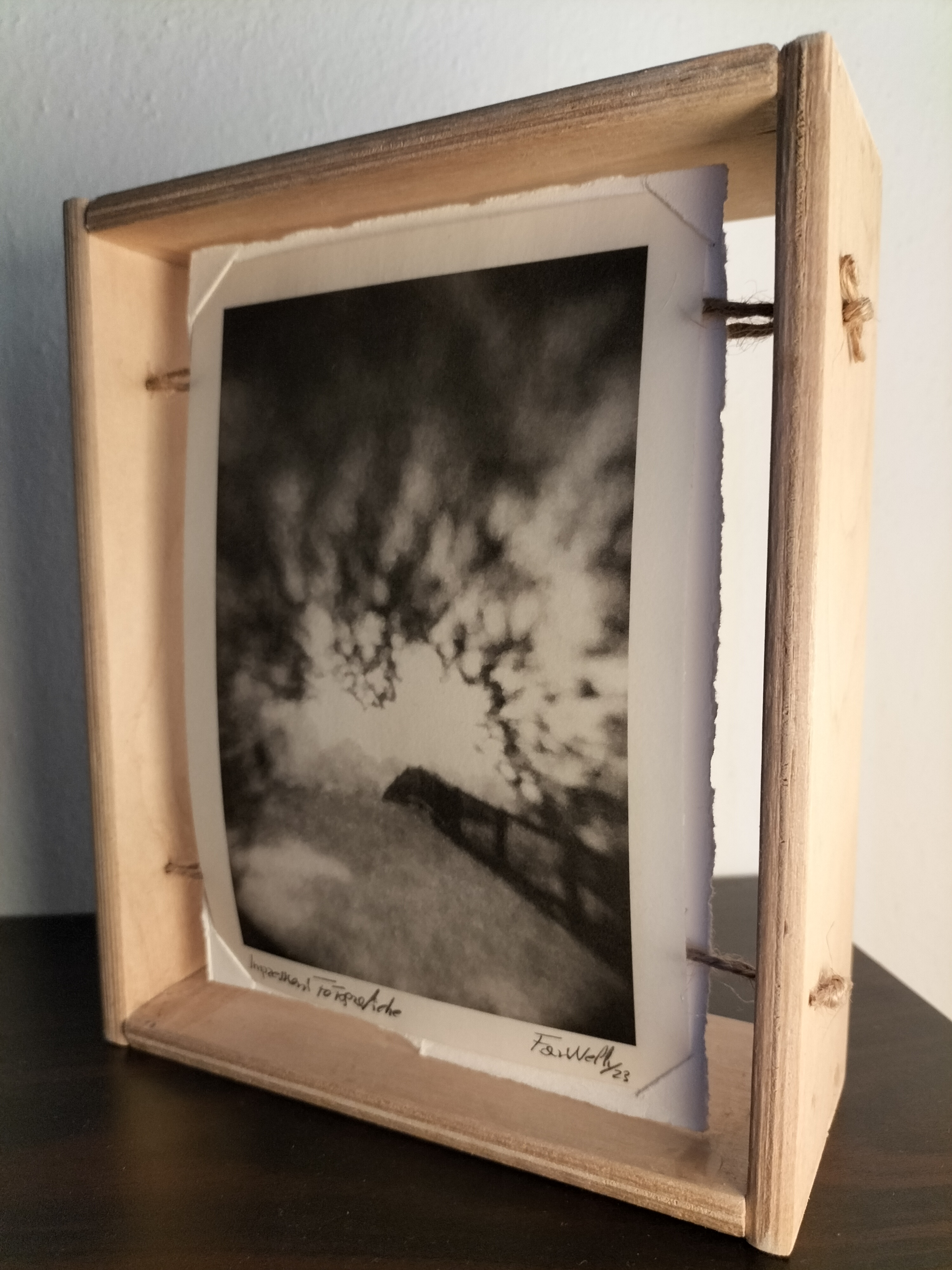
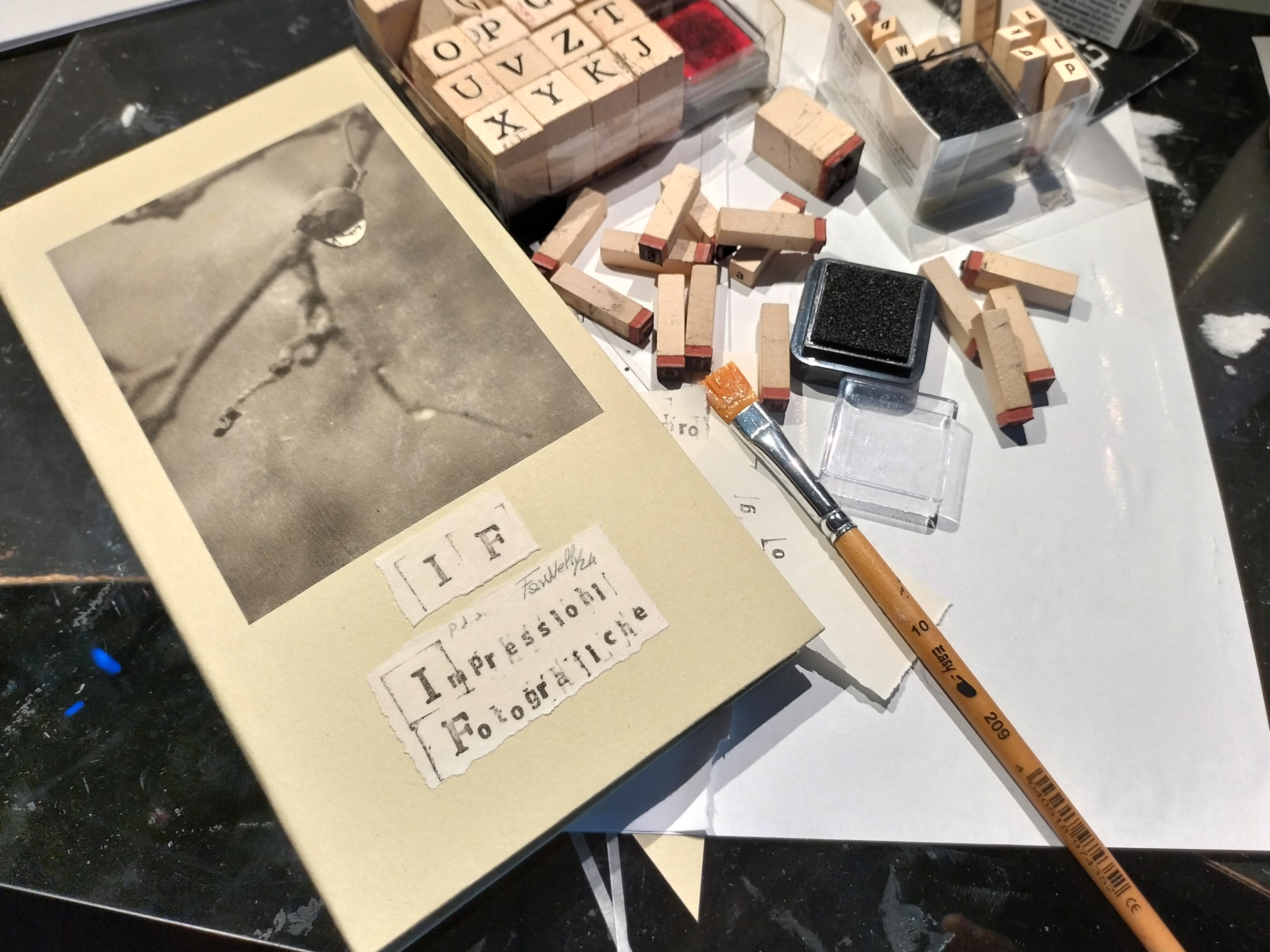
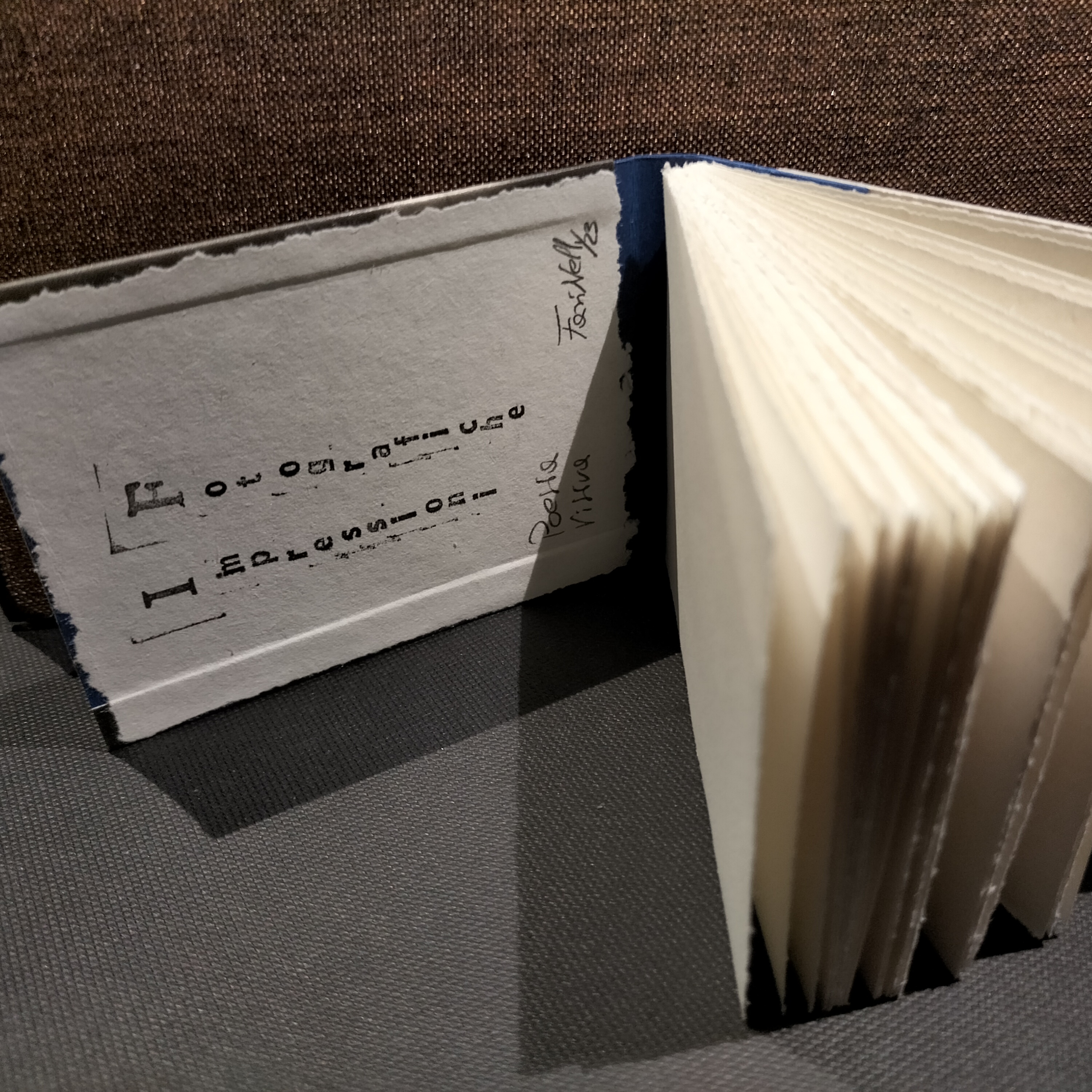
The press has always had a strong impact on me … the ink, the papers, the fonts … the printed page, bound, sewn, glued… these artisanal actions that have crossed centuries and altered our history. Often, I think of the scribes, secluded in monasteries, who had the privilege to read and hand-transcribe entire books, sometimes translating them (occasionally “betraying” them through inaccurate translations). All my work is made of humble things, reclaimed materials, and limited equipment… and it’s almost fortunate that with what little I have, I manage to do what I do. I am self-taught in everything and I don’t have a specific education in the artistic field… I’ve been greatly helped by the craftsmanship of my mother, a seamstress, and my father, a carpenter, both of whom had incredible manual skills.
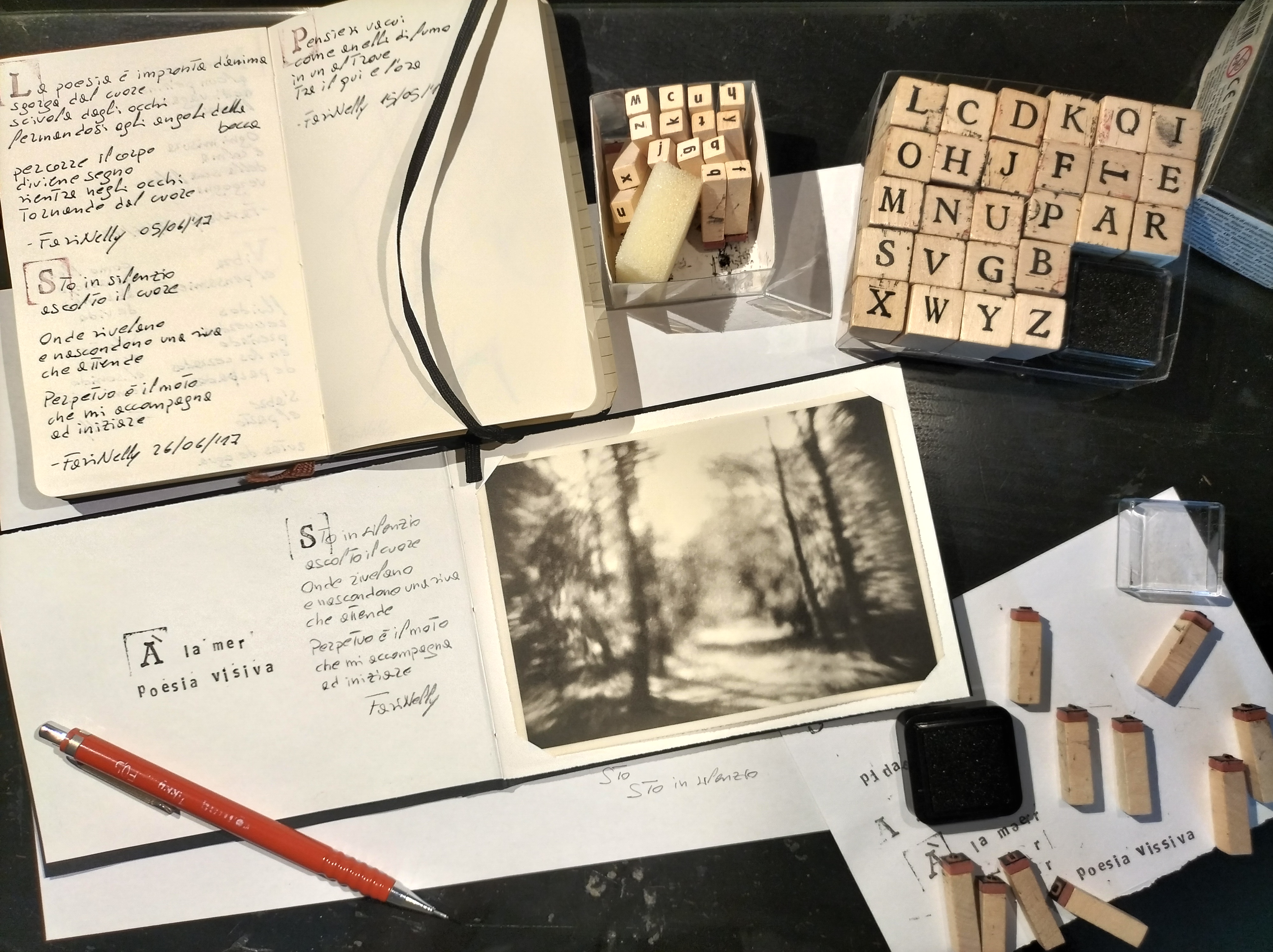
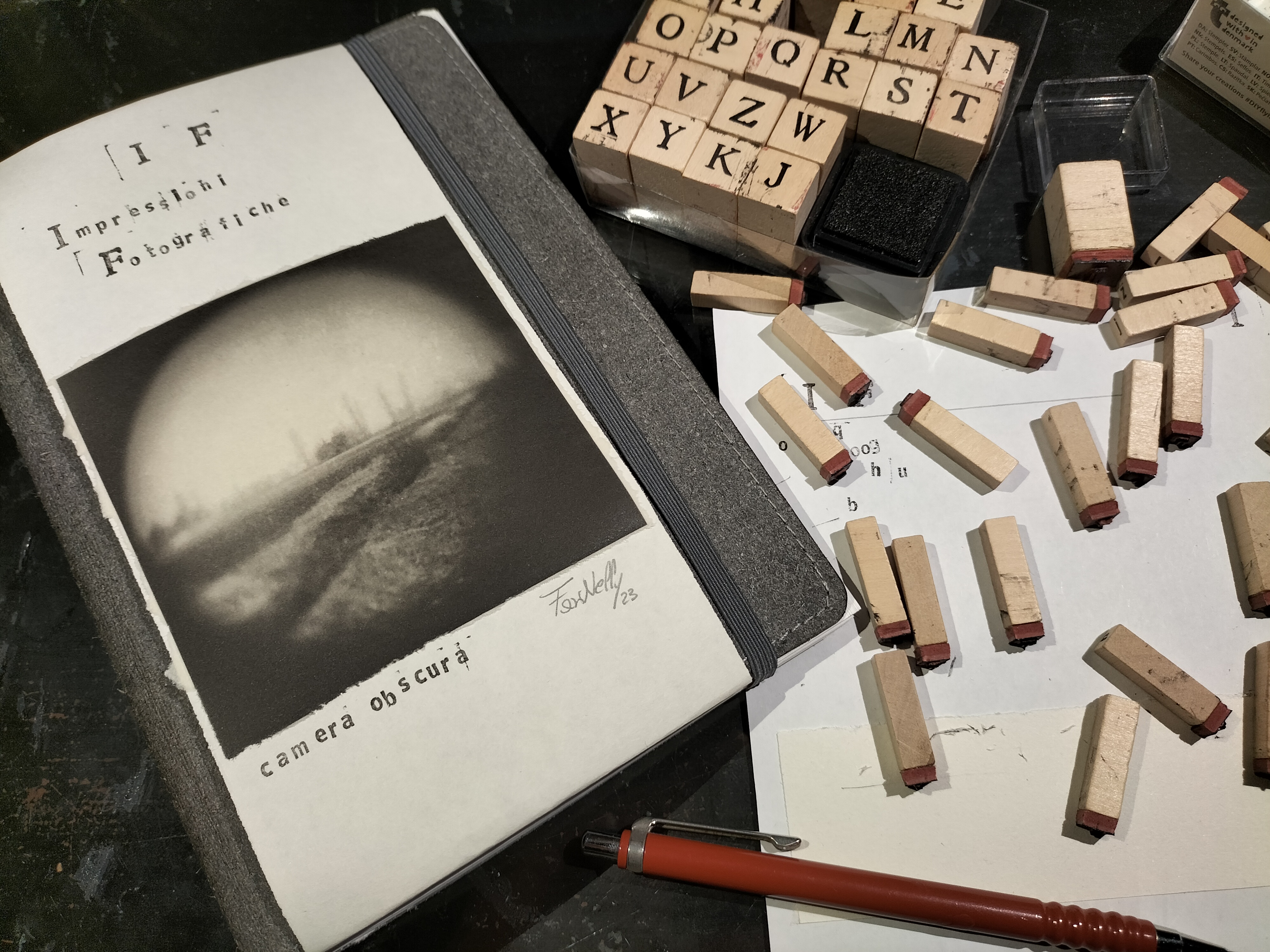
In an era where images exist as streams of digital information stored within memory units, printing and manually handling my photographs, printing texts by using simple rubber stamps, resulting in “low-fidelity” products, I find it to be an act of disobedience.
I am self-taught in everything and I don’t have a specific education in the artistic field … I’ve been greatly helped by the craftsmanship of my mother, a seamstress, and my father, a carpenter, both of whom had incredible manual skills.
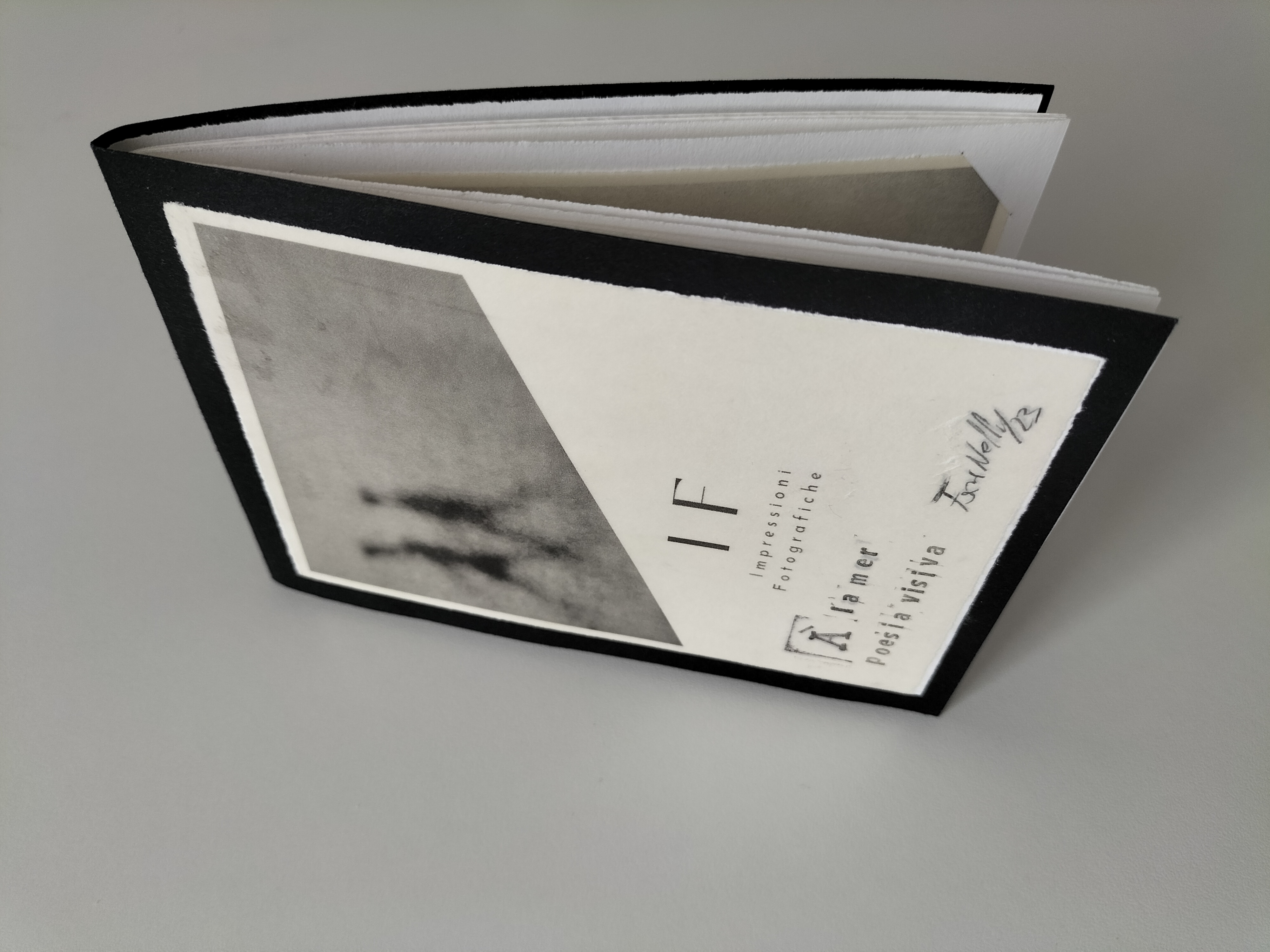
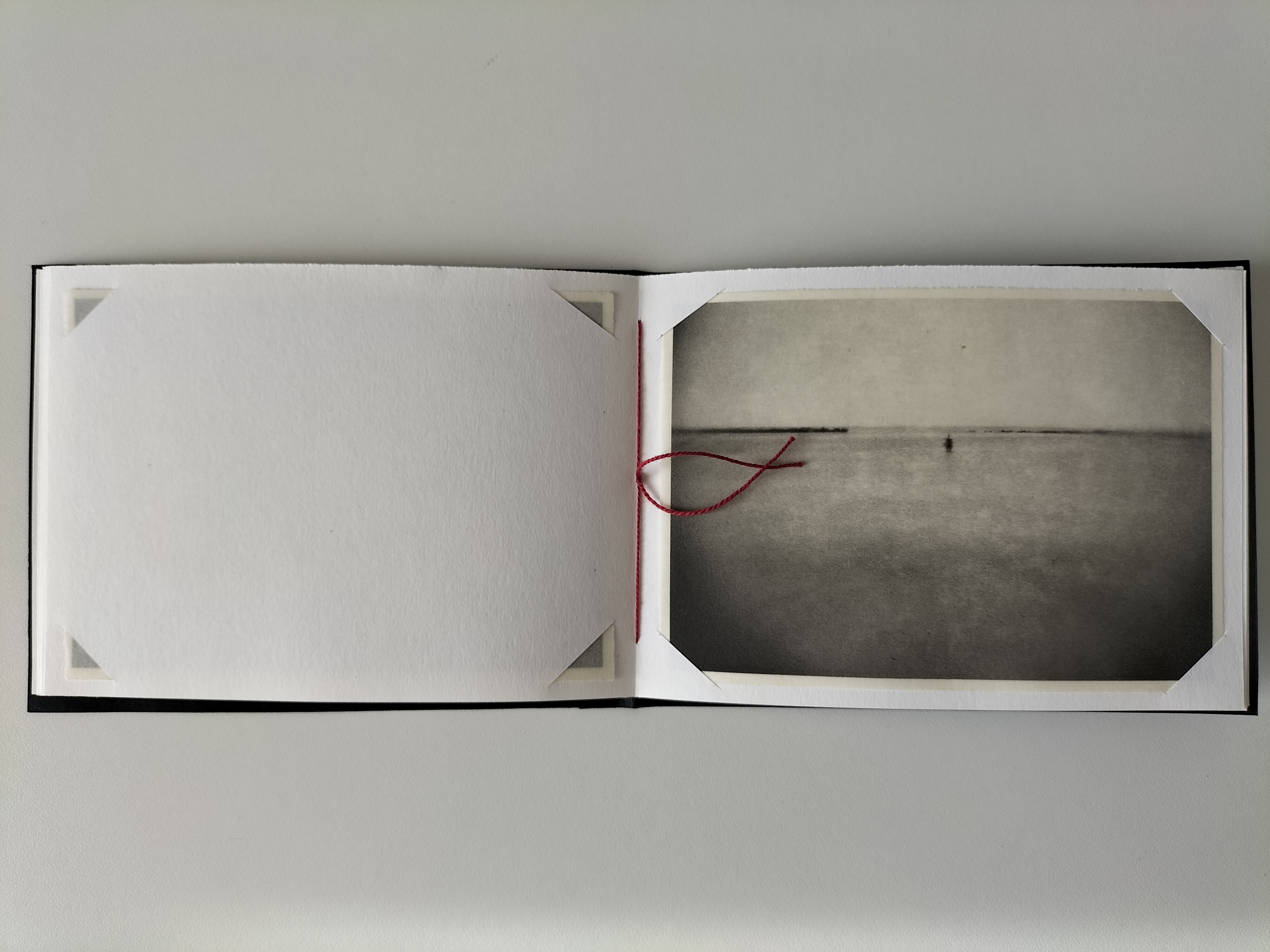
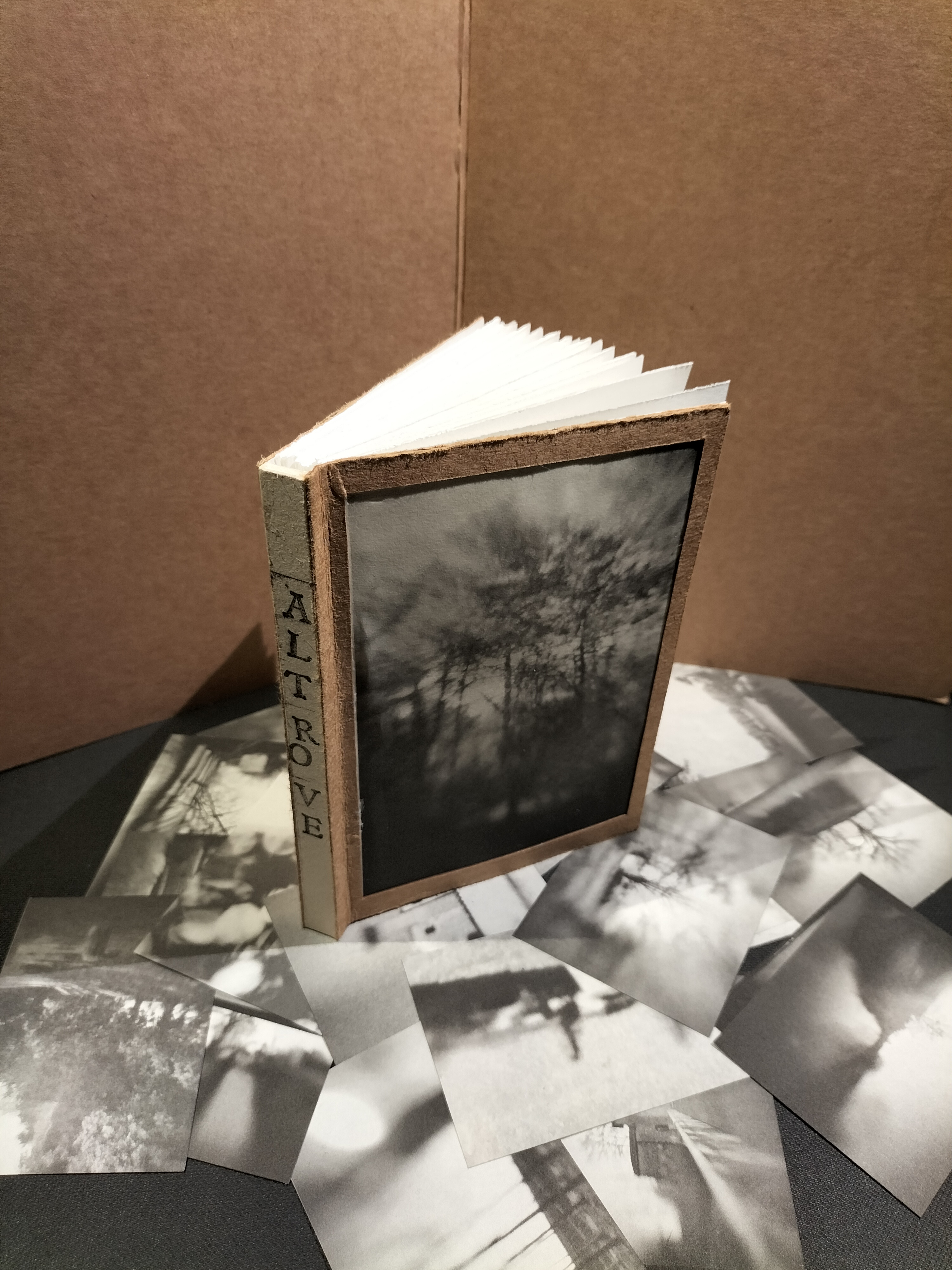
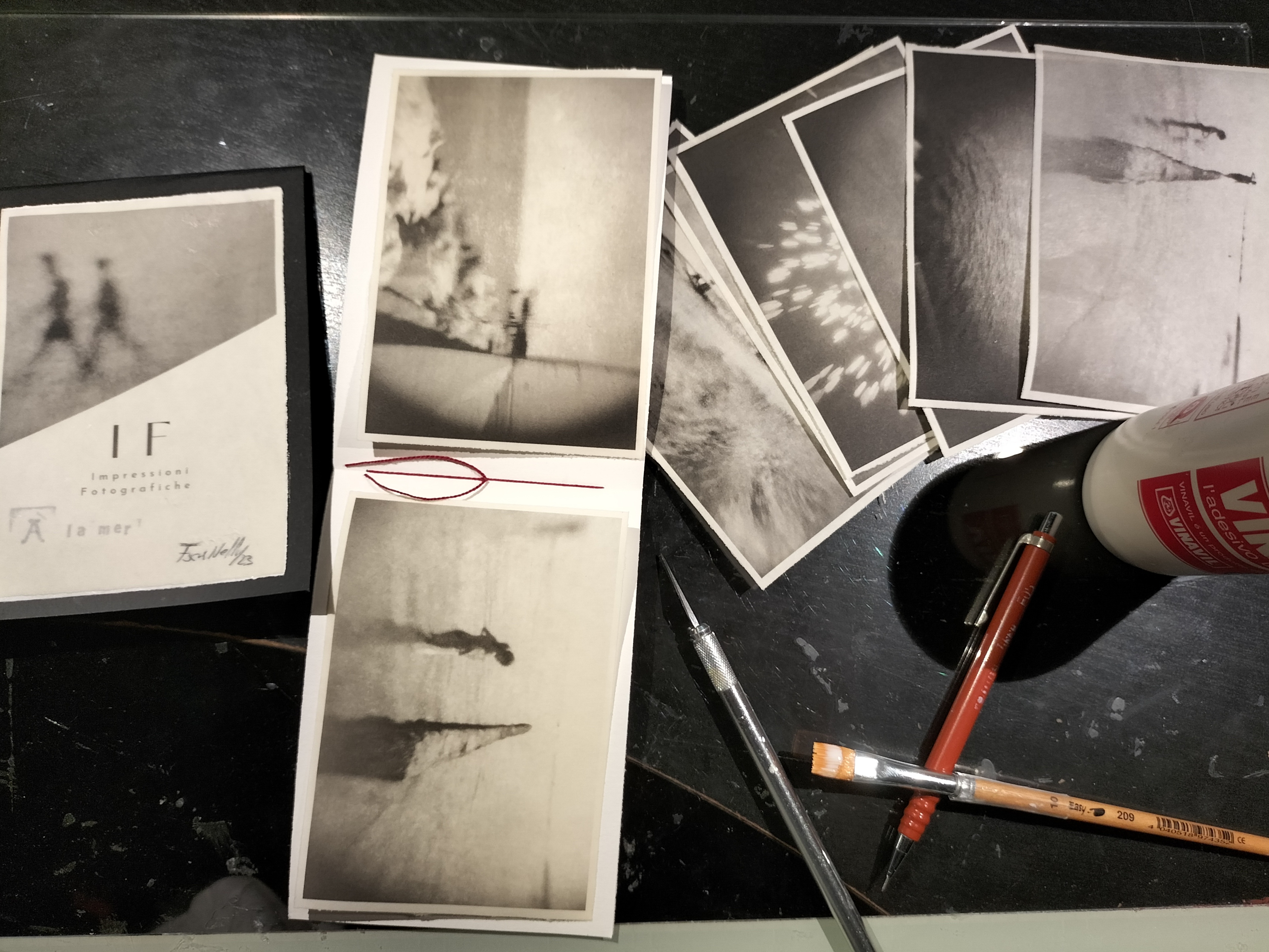
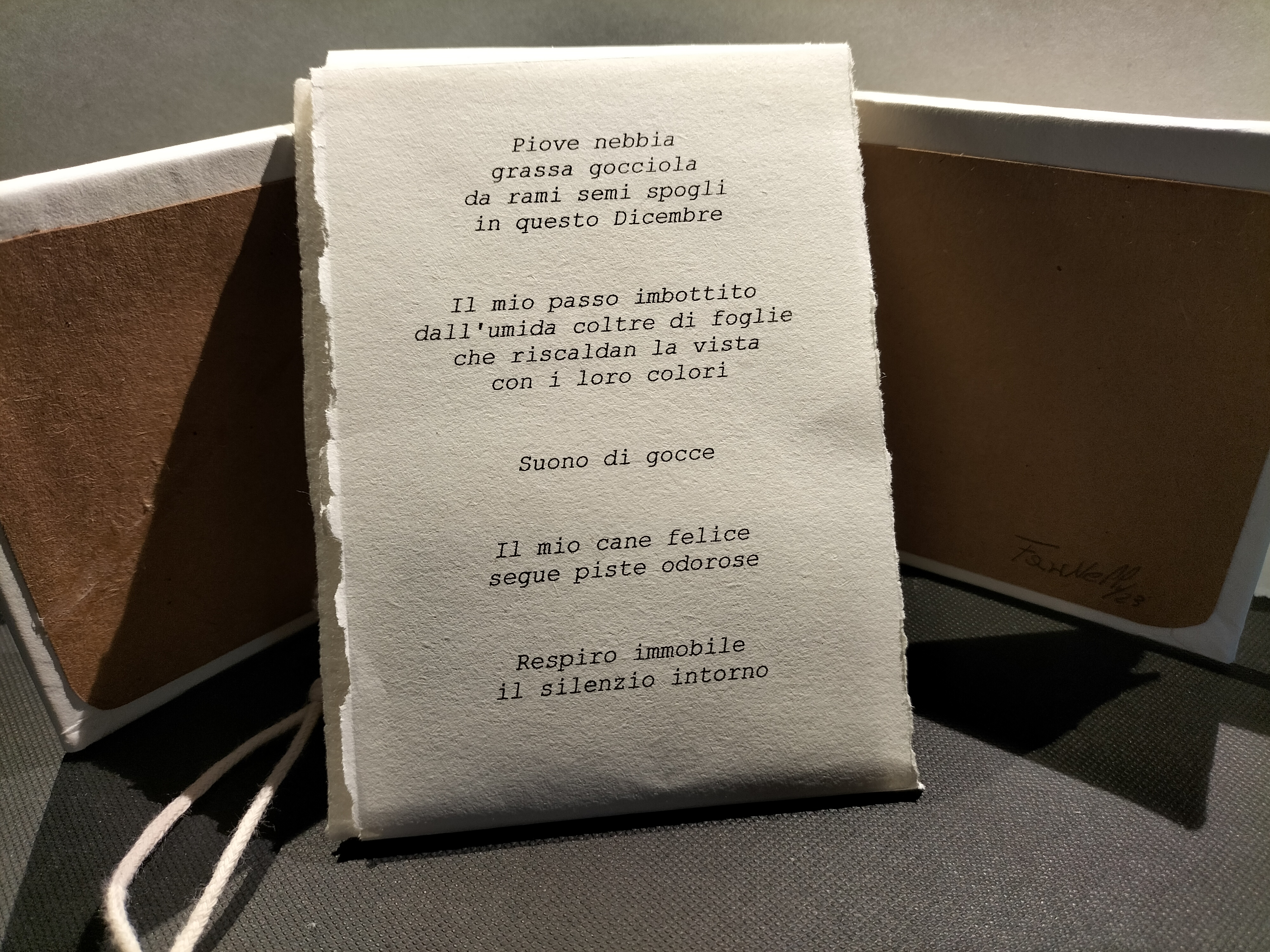
My books are the point where photography and poetry intersect, giving rise to a physical object, the artist’s book, which in my case is always a unique piece. Generally, the idea of creating an artist’s book arises from a creative expressive urge… one that challenges my skills in crafts associated with the past, where the “handmade” always carries the character of uniqueness. In an era where images exist as streams of digital information stored within memory units, printing and manually handling my photographs, printing texts by using simple rubber stamps, resulting in “low-fidelity” products, I find it to be an act of disobedience.
Qual è il processo di realizzazione dei tuoi libri? Ognuno è unico?
La stampa ha sempre avuto un forte impatto su di me… l’inchiostro, le carte i caratteri… la pagina stampata, rilegata, cucita, incollata… questi gesti artigianali che hanno attraversato i secoli e modificato la nostra storia. Molto spesso penso agli amanuensi, chiusi nei monasteri, che avevano il privilegio di leggere e trascrivere a mano interi libri, tradurli (a volte “tradirli” attraverso traduzioni sbagliate). Tutto il mio lavoro è fatto di cose povere, di materiali di recupero e di poca attrezzatura… ed è quasi una fortuna che con quel poco che ho, io riesca a fare quello che faccio.
Sono autodidatta in tutto e non ho una formazione specifica in campo artistico… mi ha aiutato molto l’arte artigiana di mia madre sarta e di mio padre falegname, con abilità manuali incredibili.
I miei libri sono il punto in cui fotografia e poesia si incontrano, dando origine ad un oggetto fisico, il libro d’artista, che nel mio caso è sempre un pezzo unico. Generalmente l’idea di creare un libro d’artista, nasce da una urgenza espressivo creativa… che mette alla prova la mia abilità in attività artigianali legate al passato, dove il “fatto a mano” ha sempre carattere di unicità. Nel tempo in cui le immagini sono flussi di informazioni digitali dentro unità di memoria, stampare e trattare manualmente le mie fotografie, stampare testi unendo semplici timbri di gomma, ottenendo prodotti a “bassa fedeltà”, lo trovo un atto di disobbedienza.
How can we use art to describe our place in the world of nature or of other people?
Art is diverse, and everyone has the opportunity to choose what resonates harmoniously with their feelings. It’s art to cook, garden, dance, sing, play an instrument, and compose music. It’s art to create clothes from a piece of fabric or to “see” a piece of furniture within a pile of wood. If we have the chance to imprint our stylistic signature in what we do, we are present in the works produced, despite our absence.
It’s art to cook, garden, dance, sing, play an instrument, and compose music. It’s art to create clothes from a piece of fabric or to “see” a piece of furniture within a pile of wood. If we have the chance to imprint our stylistic signature in what we do, we are present in the works produced, despite our absence.
Come possiamo usare l’arte per descrivere il nostro posto nel mondo
della natura o degli altri?
L’arte è varia e ognuno ha la possibilità di scegliere ciò che vibra all’unisono con il proprio sentire… è arte cucinare, fare giardinaggio, danzare, cantare, suonare uno strumento e comporre musica… è arte creare vestiti da un taglio di stoffa o “vedere” un mobile in una catasta di legno. Se si ha la possibilità di imprimere la propria cifra stilistica in ciò che facciamo, siamo presenti nelle opere eseguite, nonostante la nostra assenza.
What is your favorite subject to photograph?
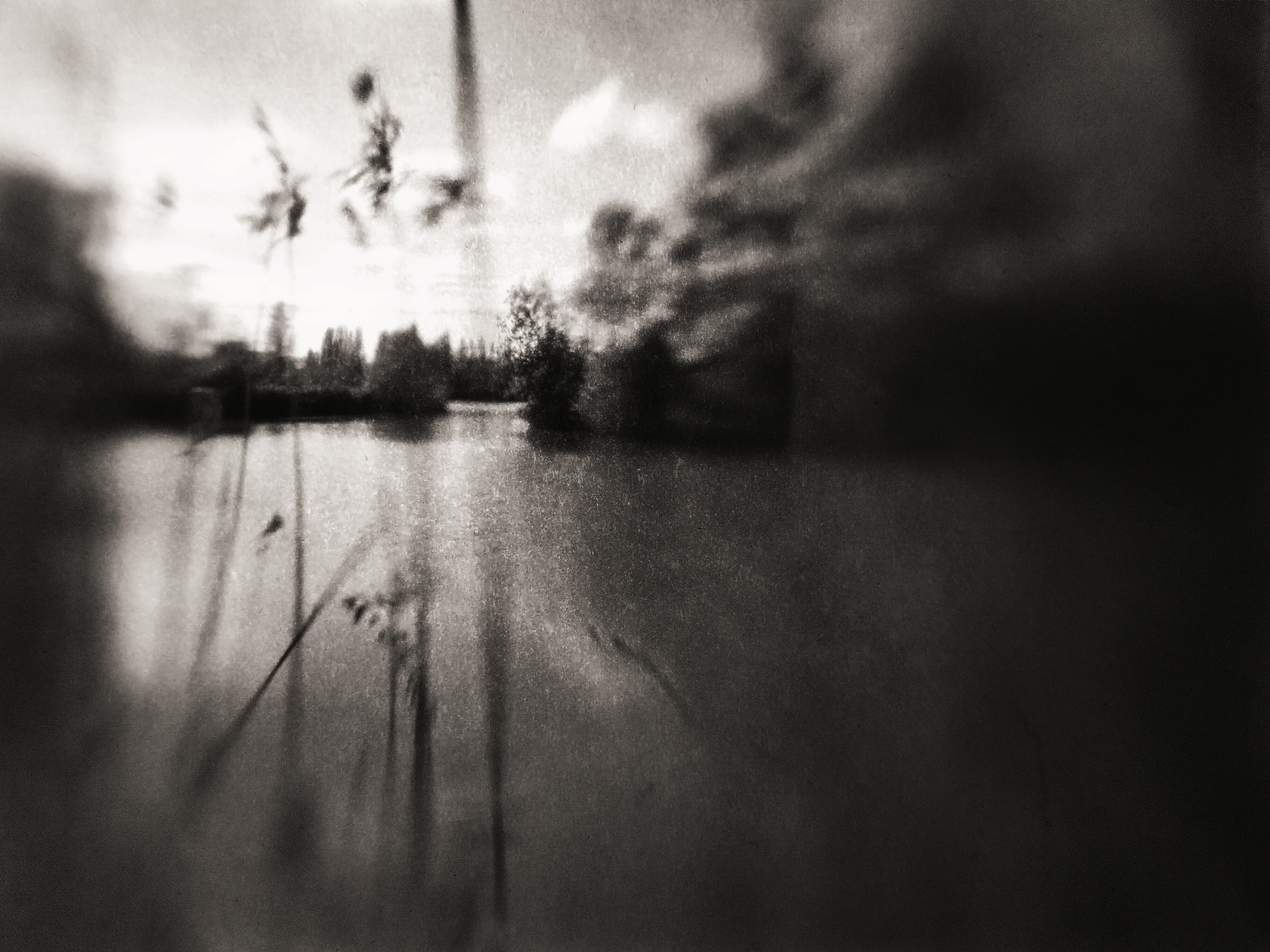
Having been born and raised in a small village surrounded by cultivated countryside, where Earth and Water were fundamental elements, the landscapes of vast plains have influenced my perspective. The almost natural black and white of the fog, queen of cold and humid winters, and the hoarfrost that embellished even simple grass and adorned trees and shrubs in a sumptuous manner.
My photography is meant to pay homage to rurality. The human figure almost never appears in my scenes, and when it does, it appears as an ethereal figure of mere “passage,” representing the true nature of man…in transit. I try to remove modern objects from the shots, with the goal of “suspending” places in time, in an Elsewhere that can only be reached through deep listening.
Qual è il tuo soggetto preferito da fotografare?
Essendo nato e cresciuto in un piccolo paese circondato da campagna coltivata, dove Terra e Acqua erano i fondamentali, i paesaggi di pianura sterminata, hanno influenzato il mio sguardo… il bianco e nero quasi naturale della nebbia, regina di freddi e umidi inverni e la galaverna (soft rime) che impreziosiva anche la semplice erba e adornava in modo sontuoso alberi e arbusti. La mia fotografia vuole essere un omaggio alla ruralità… la figura umana non compare quasi mai nelle mie scene e quando compare lo fa come una figura eterea di “passaggio”, a rappresentare la reale natura umana… in transito. Cerco di eliminare dalle inquadrature oggetti moderni, in modo da “sospendere” nel tempo i luoghi in un Altrove che si può raggiungere solo attraverso un ascolto profondo.
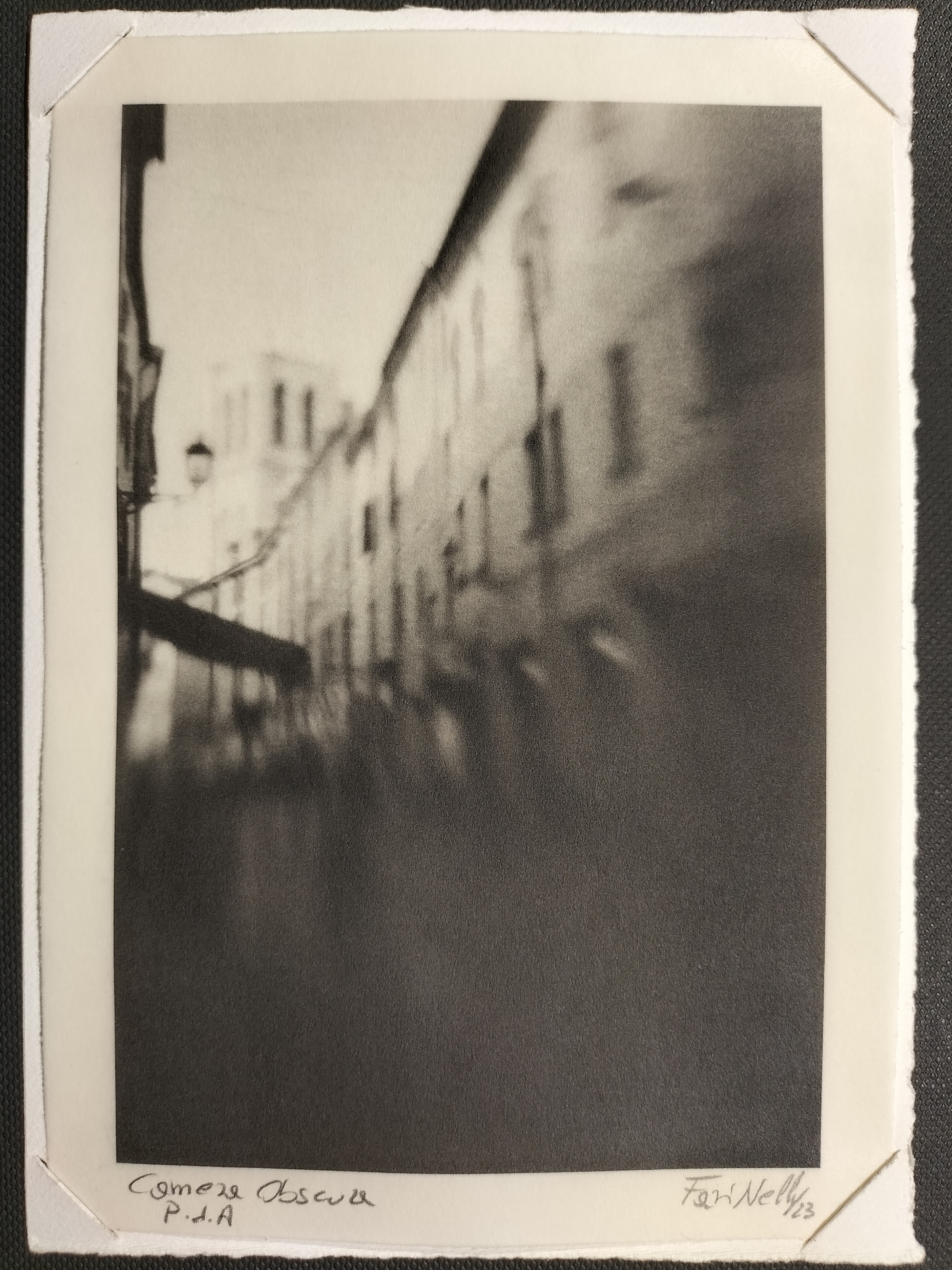
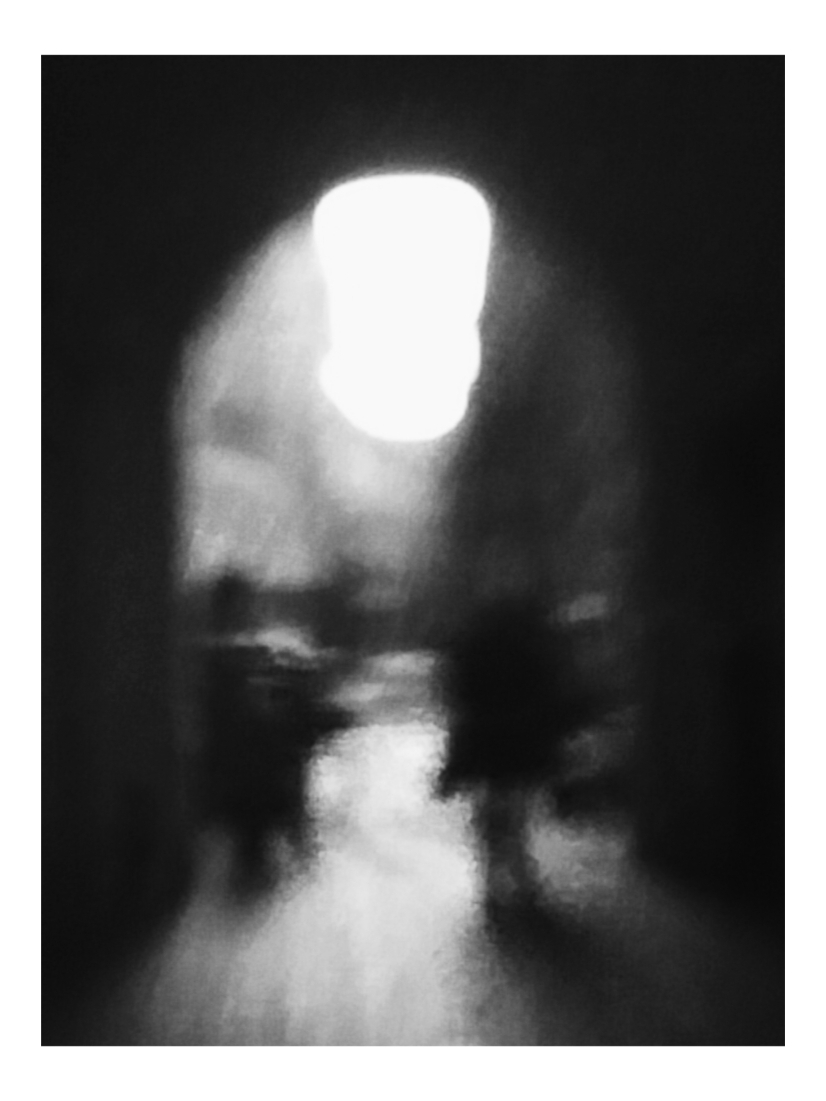
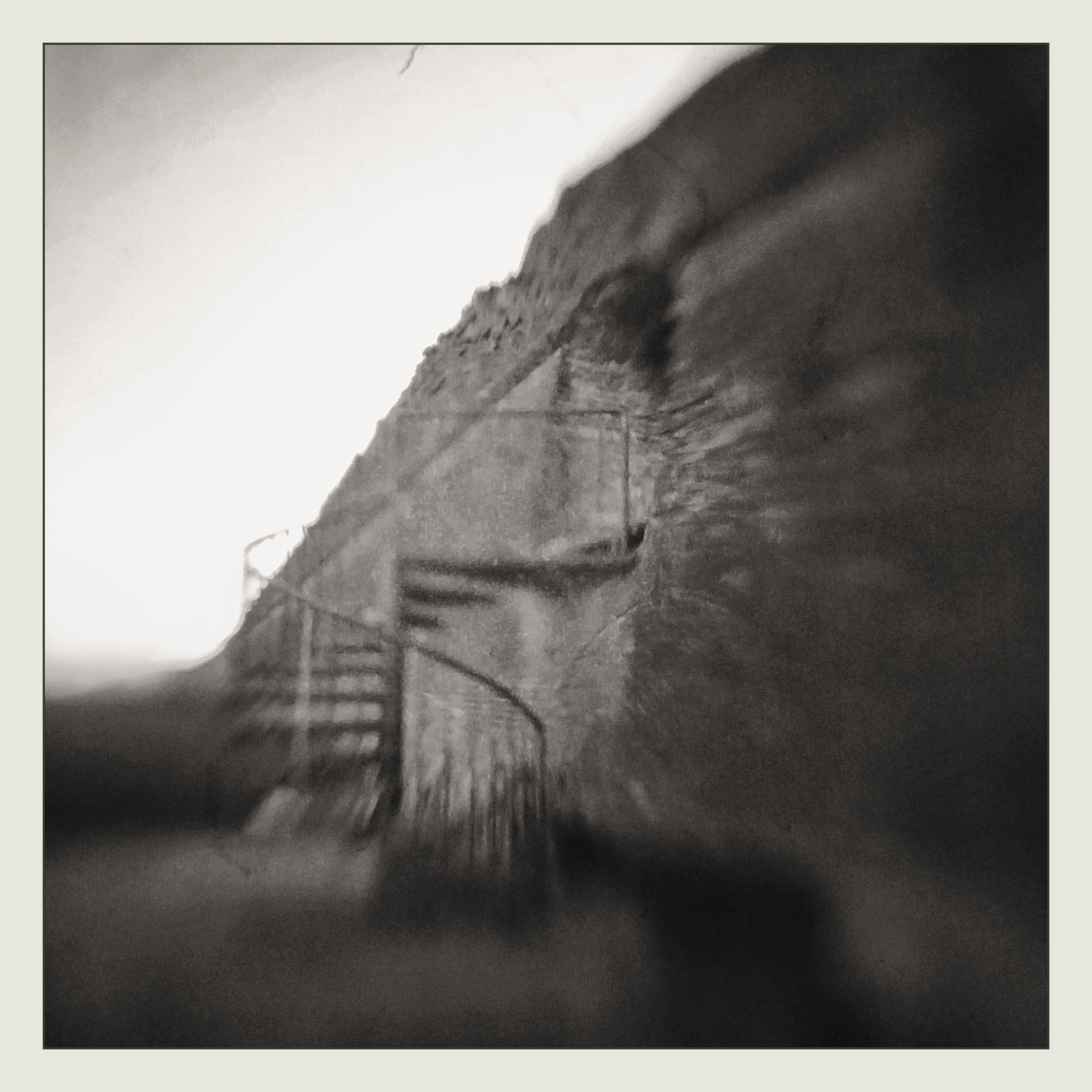
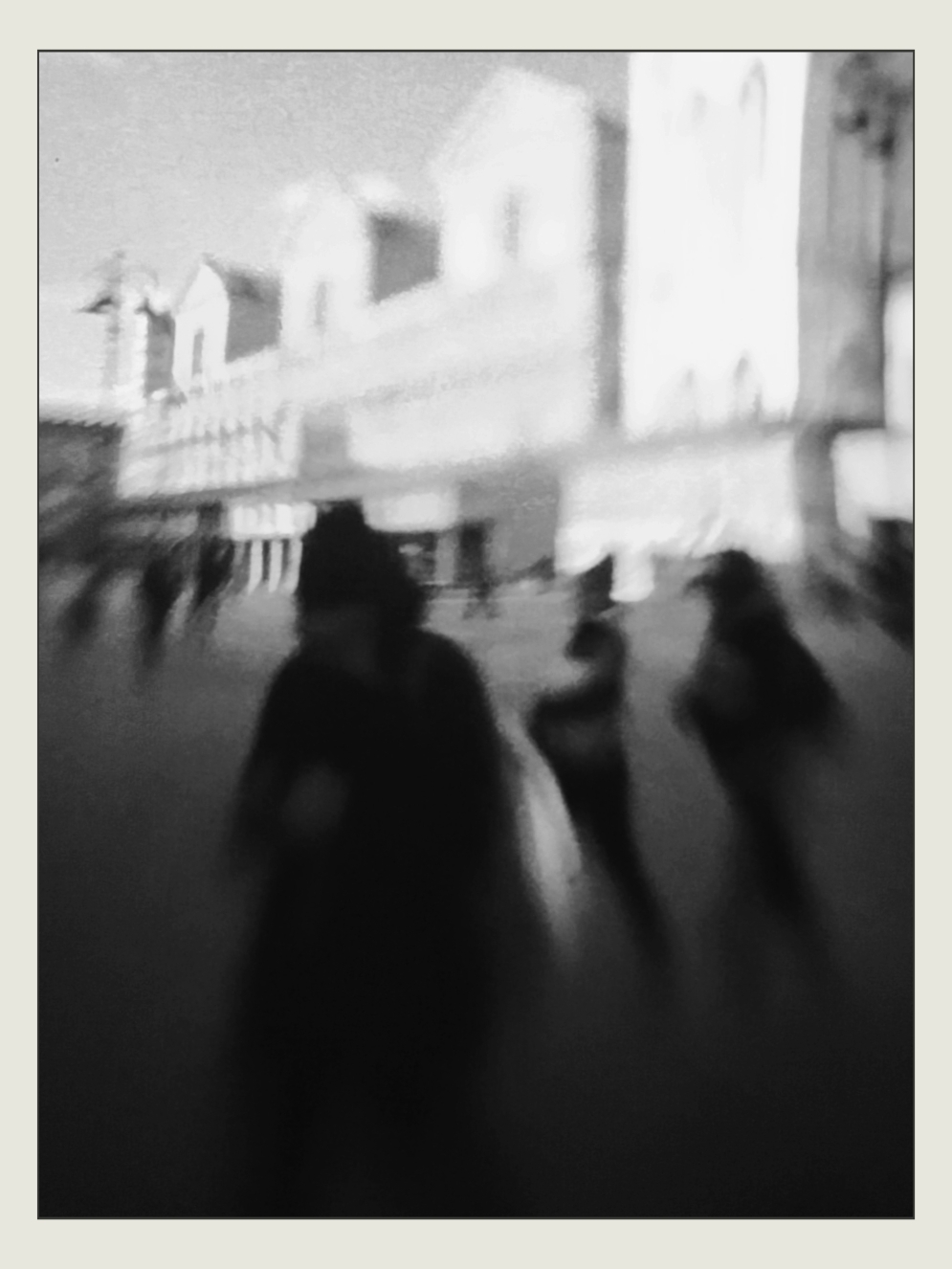
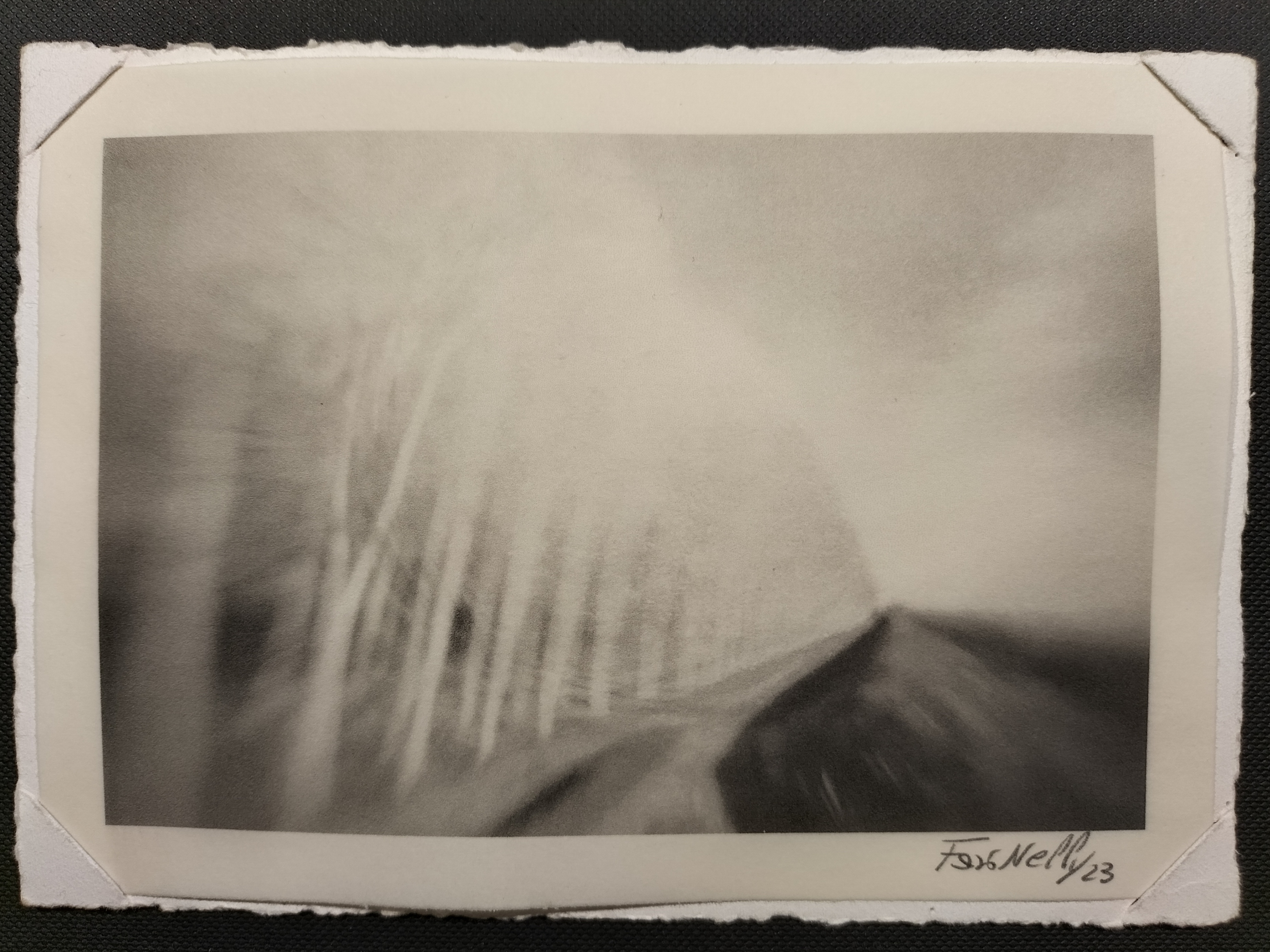
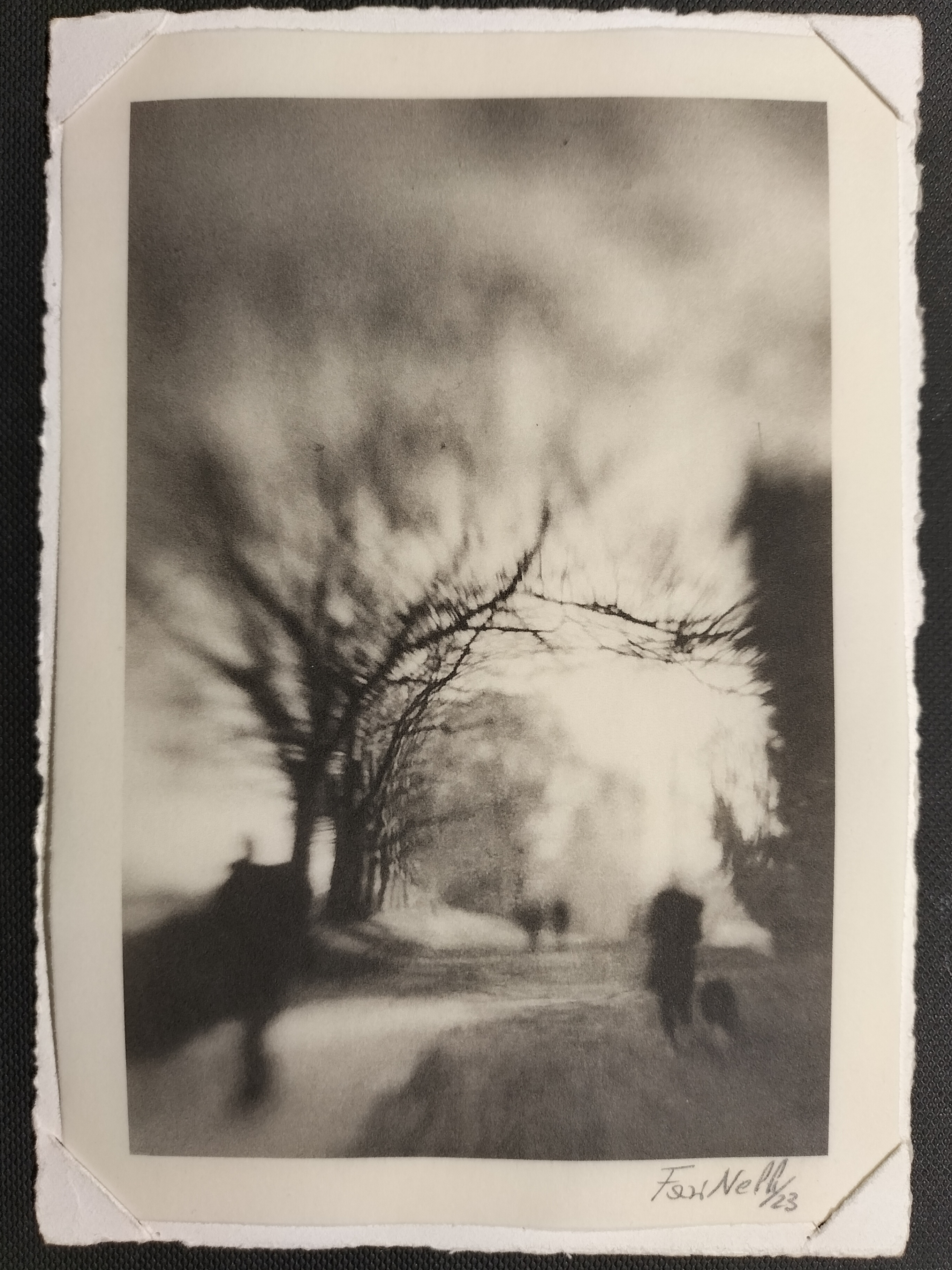
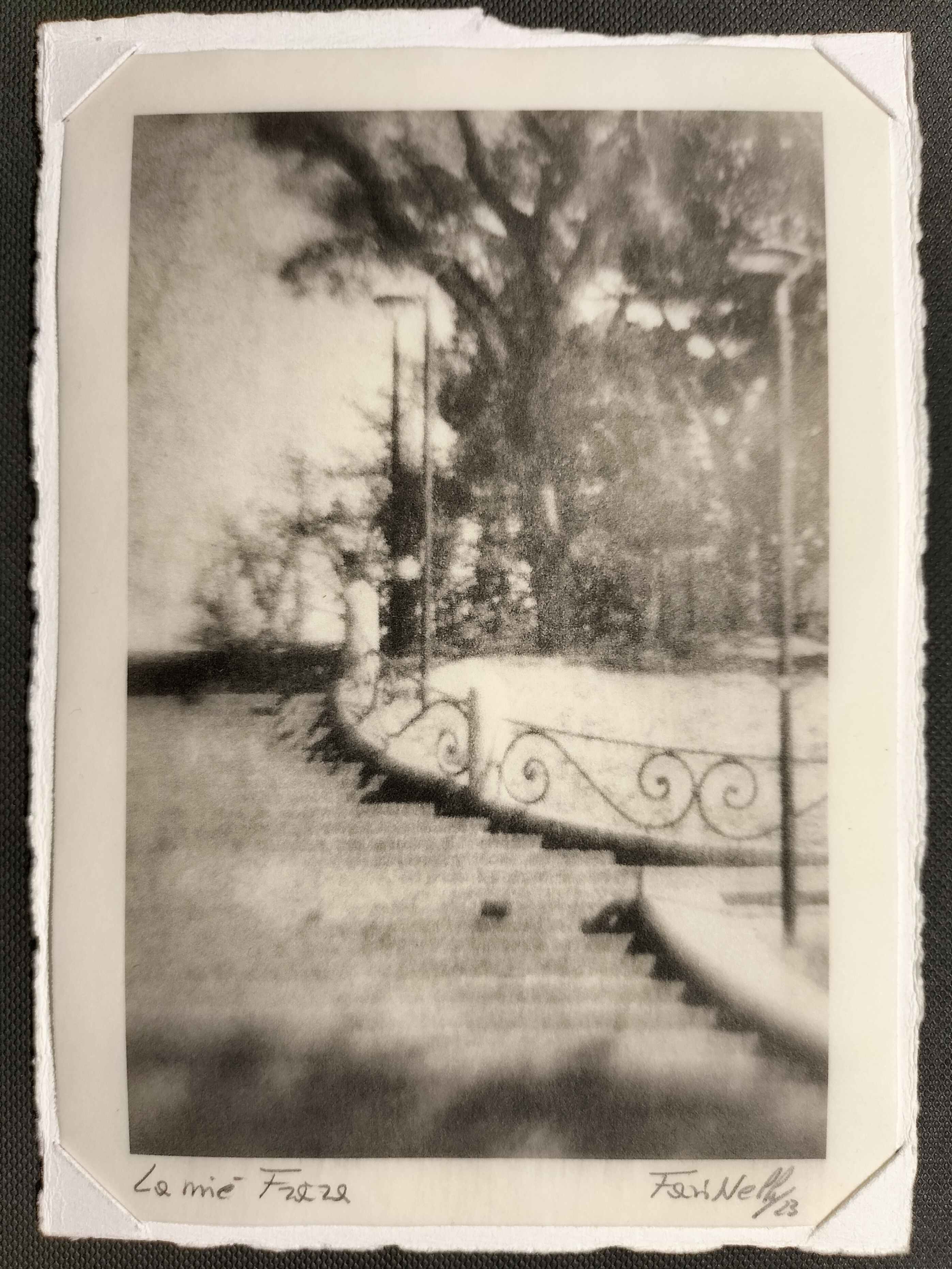
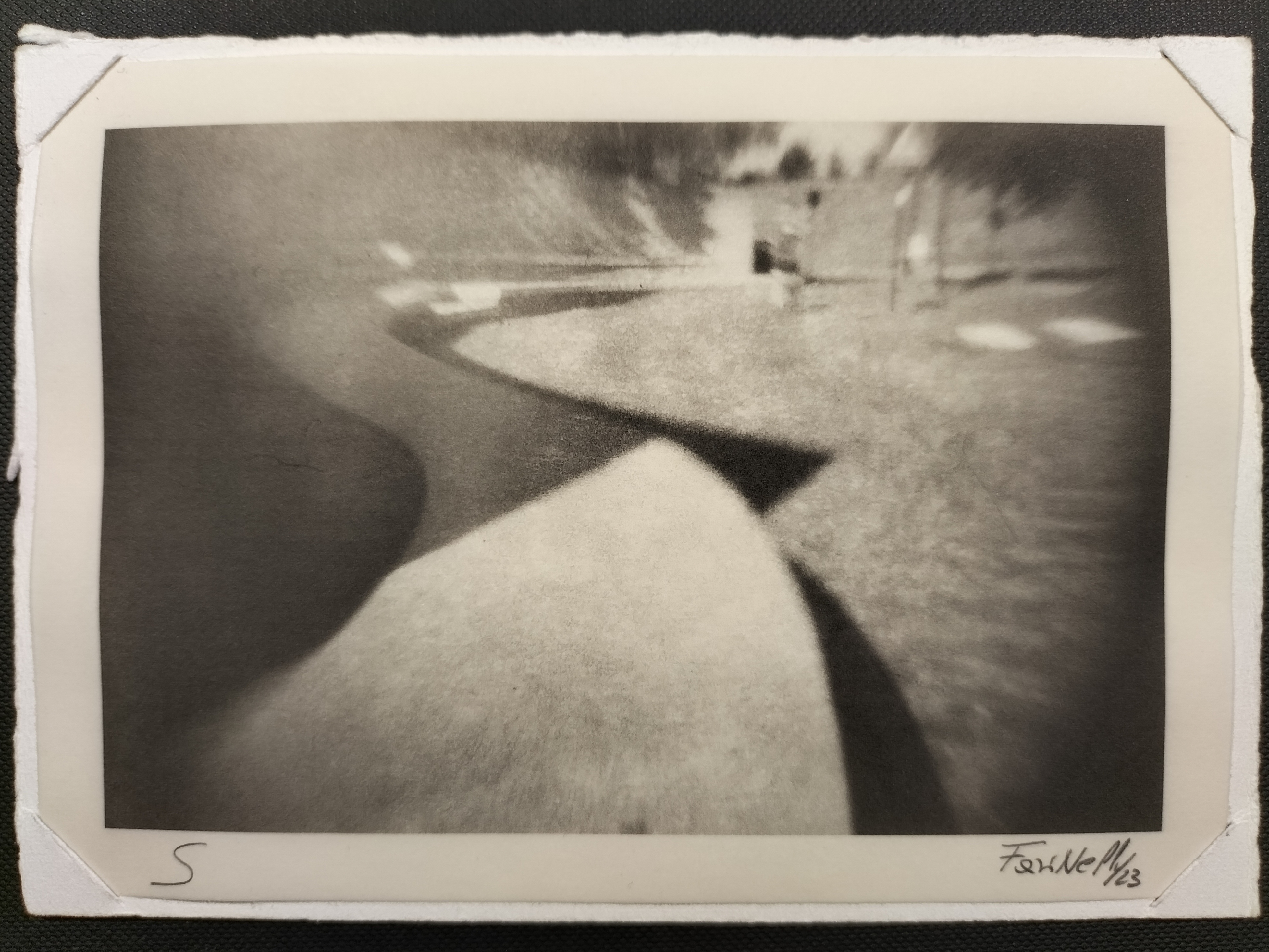
In your urban photography there’s often a sense that the image is an invitation to the viewer, almost dreamlike, leading us through doors and down alleys and up staircases. How do you imagine people interacting with your images?
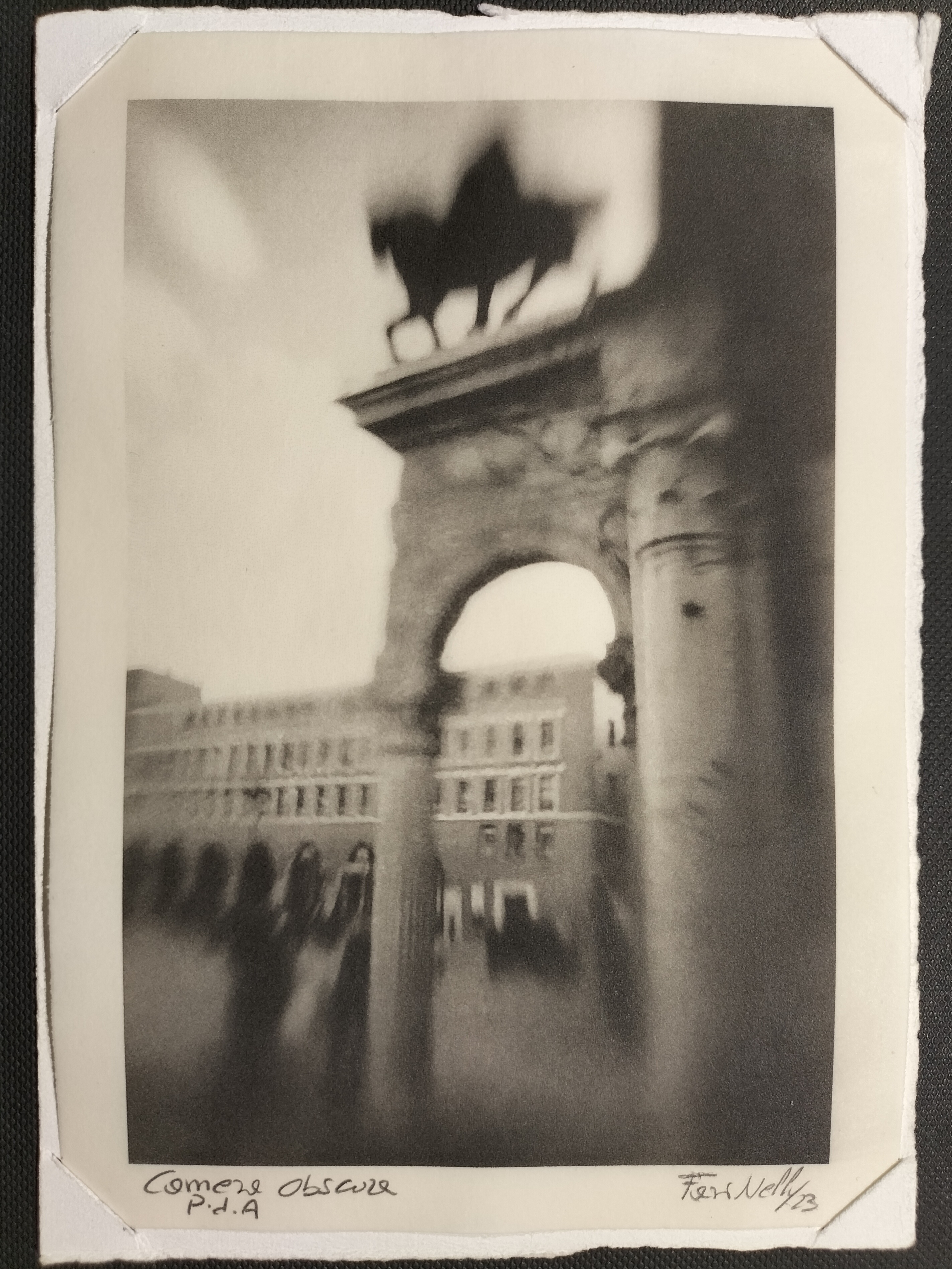
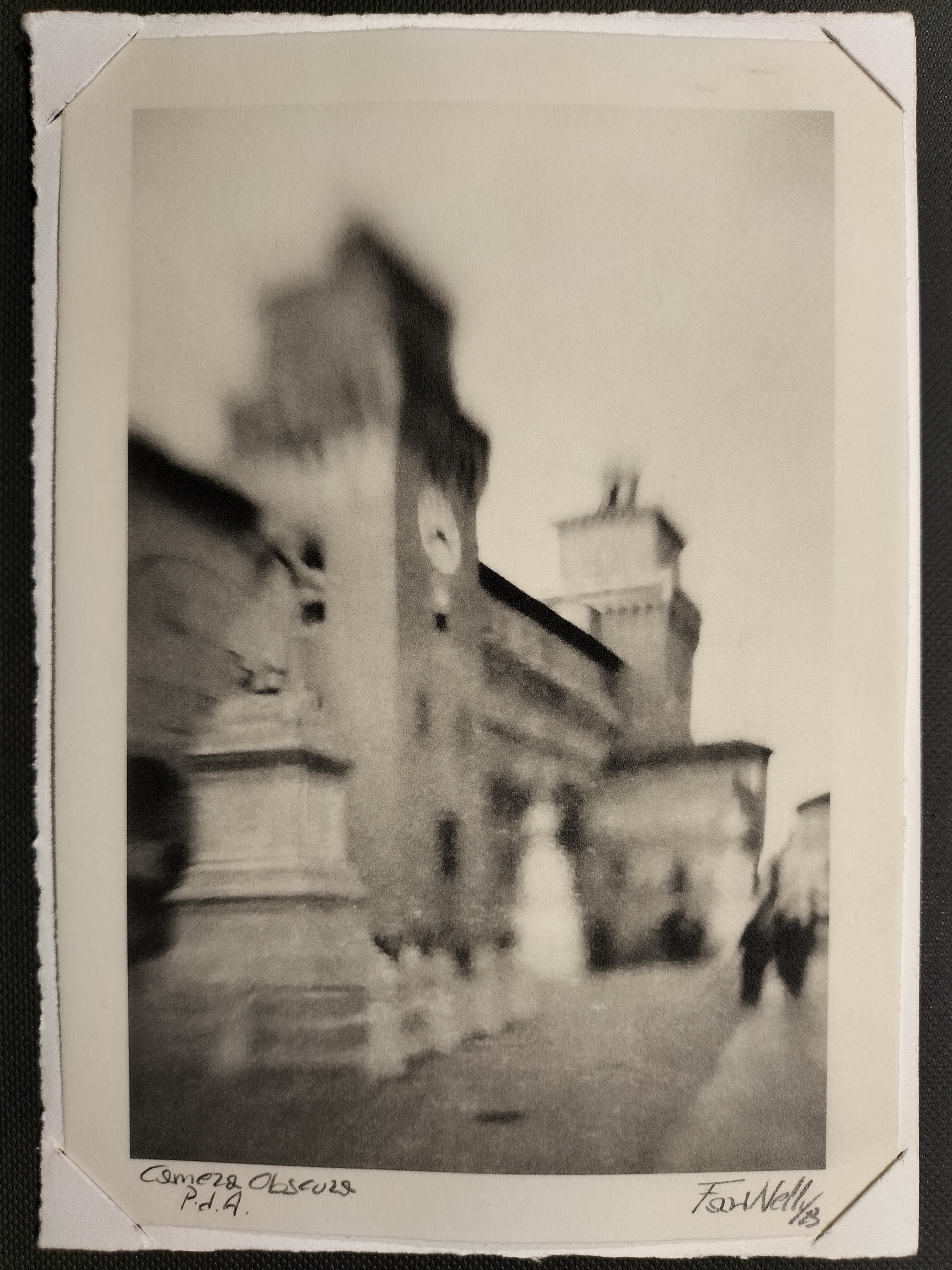
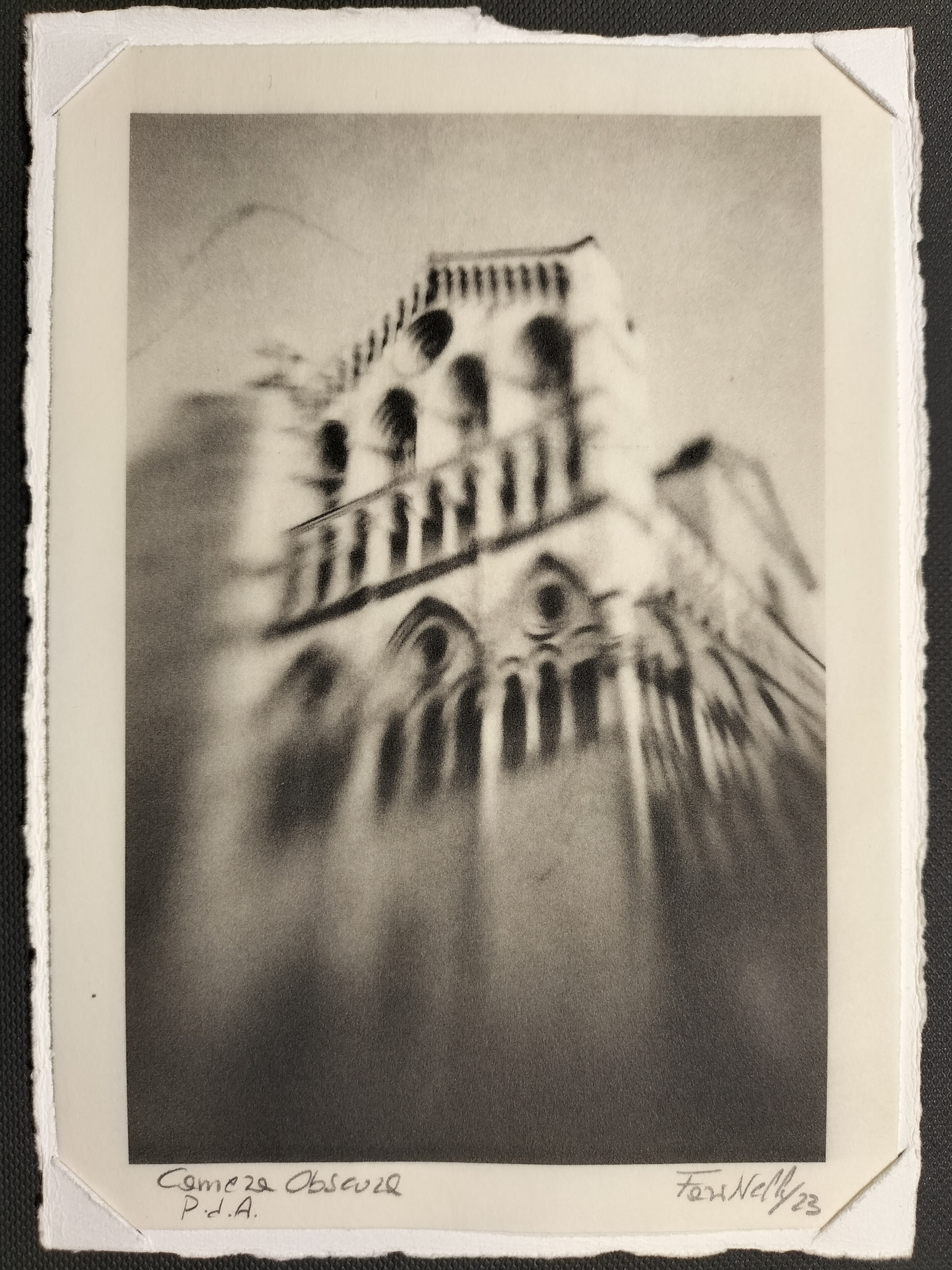
The dreamlike aspect is tied to my quest for that Elsewhere I mentioned, the places to which, often due to haste, we don’t give the proper attention. Doors, alleys, stairs, and pathways are all elements that lead toward/through and, in photography, guide the emotional gaze of those interacting with the images. Directing the gaze to the right or to the left elicits different reactions in the observer… the same applies to a gaze that ascends or descends… each direction leads to something else. When I frame the image, these directions and oblique cuts converge with my state of comfort or discomfort. In composing a shot, I always strive to feel at ease in relation to the scene. In this encounter between the “outside” and the “inside,” I capture the photograph. I can’t explain it better… it’s like a muscular tension of the eye that loosens until it becomes relaxed and coincides/overlaps with what I want to see in relation to what reality presents. It’s in this state that I take the photograph. I believe and like to imagine that the attentive and “tuned-in” viewer may have a similar experience related to his or her own life, as each of us is a unique “database” and each interaction or multisensory experience brings forth these memories of consciousness, awakening … emotions, tastes, colors, sounds, temperatures, tactile experiences, and much more that cannot be defined.
Nella tua fotografia urbana c’è spesso la sensazione che l’immagine sia un invito allo spettatore, quasi onirico, che ci conduce attraverso porte, giù per vicoli e su per le scale. Come immagini le persone che interagiscono con le tue immagini?
L’aspetto onirico è quello legato alla mia ricerca di quell’Altrove di cui ho parlato, dei luoghi ai quali molto spesso, per fretta, non diamo la giusta attenzione. Porte, vicoli, scale e sentieri sono tutti elementi che conducono verso/attraverso e nella fotografia conducono lo sguardo emotivo di chi interagisce con le immagini. Condurre lo sguardo verso destra o verso sinistra, crea reazioni differenti nell’osservatore… la stessa cosa vale per lo sguardo che sale o scende… ogni direzione conduce a qualcos’altro. Quando inquadro l’immagine, queste direzioni e tagli obliqui, vanno a collimare con un mio stato di agio o disagio e nel comporre una inquadratura e io cerco sempre di sentirmi a mio agio, in rapporto alla scena… in questo incontro tra il “fuori” e il “dentro” scatto la fotografia… non riesco a spiegare meglio… è come una tensione muscolare dell’occhio che si allenta fino ad essere rilassata e va a coincidere/sovrapporre con ciò che voglio vedere in relazione a ciò che la realtà mi propone ed è in questo stato che scatto la fotografia. Credo e mi piace immaginare che lo spettatore attento e “sintonizzato” possa avere la stessa esperienza relativamente al suo vissuto, in quanto ognuno di noi è una “banca dati” unica ed ogni interazione/esperienza multisensoriale fa emergere queste memorie di coscienza, risvegliando… emozioni, sapori, colori, suoni, temperature, esperienze tattili e molto altro non definibile.“
Michele Farinelli (*FariNelly) Artista e poeta (Ferrara, 1968), risiede in Italia.
Esprime il suo profondo sentire attingendo dal quotidiano, ricercando quella semplicità essenziale che sta scomparendo, soffocata dall’assordante rumore che la modernità impone come imperativo di falso benessere.
Poesia, fotografia e stampa d’arte sono gli strumenti che utilizza per comunicare il suo Silenzio.
*FariNelly è l’unione del cognome paterno col nome della madre, Nelly.
Michele Farinelli (* FariNelly)
Artist and poet (Ferrara, 1968), resides in Italy.
It expresses its profound feeling by drawing from everyday life, seeking that essential simplicity that is disappearing, suffocated by the deafening noise that modernity imposes as an imperative of false well-being.
Poetry, photography and art print are the tools you use to communicate your Silence.
*FariNelly is the union of the paternal surname with the name of the mother, Nelly.
See/read more of his work on his website and on Instagram at farinellimichele.
Categories: art, featured, featured photographer, featured poet, film, interview

 magpiesmagazine.com