
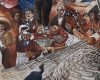
“Although Aurora was a leading figure in the fascinating artistic and political environment of her time, over the years her work, like that of many of her female artist colleagues, began to be made invisible and forgotten.”

“Although Aurora was a leading figure in the fascinating artistic and political environment of her time, over the years her work, like that of many of her female artist colleagues, began to be made invisible and forgotten.”
“In person, there was a beauty to the impossibility of fitting all of its warm earthy columns and ornate weathered teal domes into your frame of vision at once.”
History doesn’t disappear when you shut down a website, threaten a museum’s funding, or remove museum exhibits. We carry the past within us.
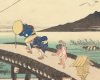
“Artist Cathy Brooks and I are on our way to Japan together, to walk into Hiroshige’s print.”
Springtime ramblings.
Two powerful poems by Gershwin Wanneburg. Difficult subjects, innovative forms.
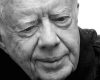
“The room was small, dim and a desiccated yellow colour but the handshake and welcome were warm and clearly genuine. The man who once held the most powerful job in the world was dressed in casual shades of black and grey.”
“It’s easy for your art career to get derailed. The important thing is to get it back on track.”
“And unfortunately, in our strange and uncertain times, maybe a brutal “it can happen here” wake-up call is what we need.”
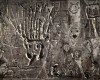
Brassaï declares that the “bastard art of the streets of ill repute that does not even arouse our curiosity, so ephemeral that it is easily obliterated by bad weather or a coat of paint, nevertheless offers a criterion of worth. Its authority is absolute, overturning all the laboriously established canons of aesthetics”

 magpiesmagazine.com