
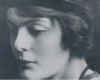
The extraordinary life and work of Hilda Doolittle, who wrote under the pen name H.D. mirrors the turbulent events of the 20th century.

The extraordinary life and work of Hilda Doolittle, who wrote under the pen name H.D. mirrors the turbulent events of the 20th century.
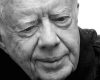
“The room was small, dim and a desiccated yellow colour but the handshake and welcome were warm and clearly genuine. The man who once held the most powerful job in the world was dressed in casual shades of black and grey.”

Entertainment-wise, a motherfucker: critical race politics and the transnational movement of Melvin van Peebles
Although mass media and scholars regularly document, analyze, and interpret important events, such documentations and interpretations are seldom from the perspective of the common folk, el pueblo.
“The lovely words ′human kindness′ have become so trivial […] and yet this should be the goal of our striving.”
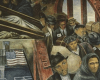
Historians of American art are engaged in a search for ways in which to speak meaningfully and broadly about contested traditions and about both the promises and limits of the country’s national iconography and history, to a nation fragmented along racial, ethnic, class, and religious lines.
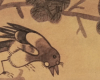
“The power of Minhwa lies ultimately in the fact that it participates in a universal code — a common denominator for all living human beings, a core of desires and beliefs that is tied to basic human activities … “

The military seized her photographs, quietly depositing them in the National Archives, where they remained mostly unseen and unpublished until 2006

“Refusing to sacrifice her socialist principles for commercial success, folk-blues-jazz singer Barbara Dane dedicated her life to bringing music from around the world back to where it belonged: in the hands of the people struggling to change it.”
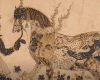
These paintings symbolise the interconnectedness of all things, and that we live in a unified universe.

 magpiesmagazine.com