

Working with soot, spit, and found objects, James Castle produced beautiful art.

Working with soot, spit, and found objects, James Castle produced beautiful art.

The story of the remarkable Big Bill Broonzy’s life, music, and influence.
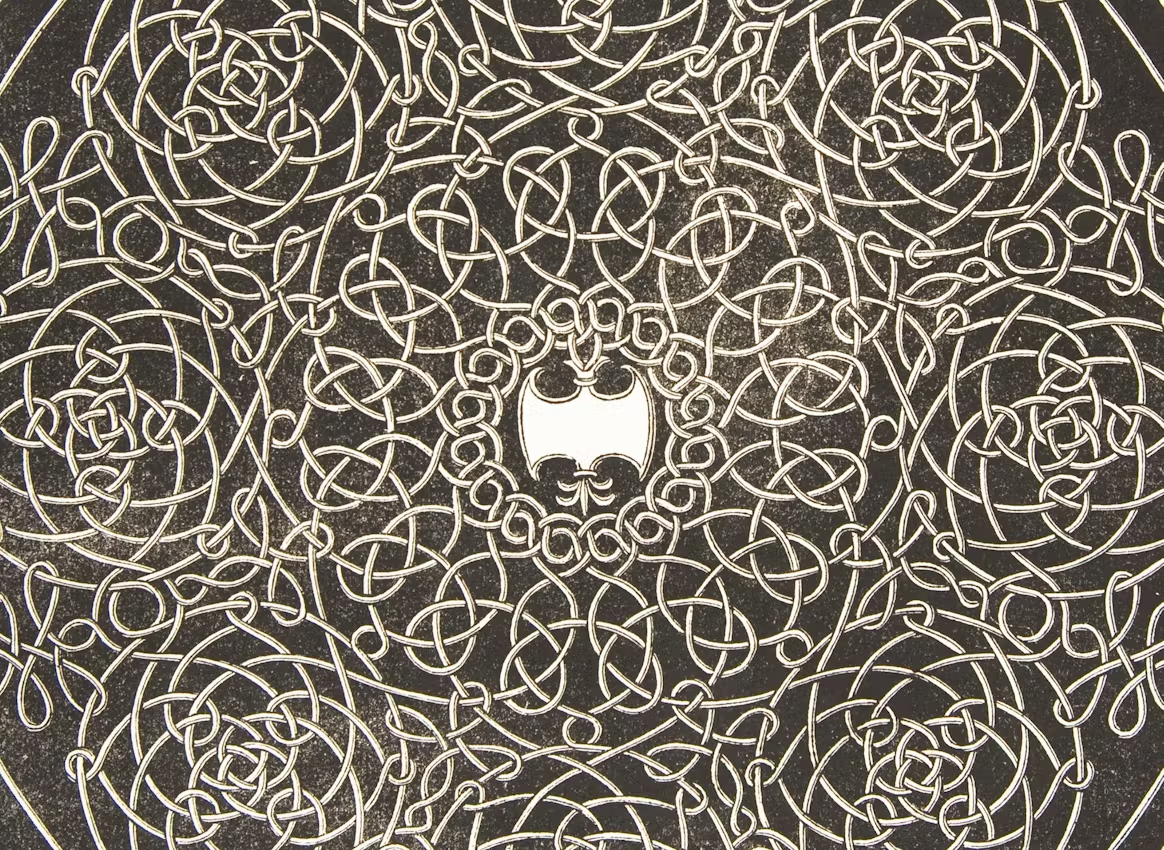
“The wires of Dürer’s knots do, in a sense, chart the paths of entwined networks — of knowledge, commodities, cultural and material translation, repeating idealistically within a flourishing system.”
Fela was no gentleman; he used music as a weapon. He believed in a free Africa and had problems with authoritarian and military regimes.

Art historian Soma Ghosh examines the many versions of illustrations for ‘The Conference of the birds’ or the ‘Mantiq al tair’ by Attar of Nishapur

Dr. Gavin Brown speaks about the way in which the role of music in black South African society translated into its becoming a powerful tool in its political culture.

“Although Aurora was a leading figure in the fascinating artistic and political environment of her time, over the years her work, like that of many of her female artist colleagues, began to be made invisible and forgotten.”

“In person, there was a beauty to the impossibility of fitting all of its warm earthy columns and ornate weathered teal domes into your frame of vision at once.”

History doesn’t disappear when you shut down a website, threaten a museum’s funding, or remove museum exhibits. We carry the past within us.

“To see the dignity, strength and enthusiasm of the students, their refusal to be drawn into violence, and their commitment to spreading compassion and unity is remarkable.”

 magpiesmagazine.com