

“For me, photographs are always about time, always about the past, as soon as they are made. So they are about preserving life, or an illusion thereof — people, places, parties, events, celebrations, and even death.”

“For me, photographs are always about time, always about the past, as soon as they are made. So they are about preserving life, or an illusion thereof — people, places, parties, events, celebrations, and even death.”
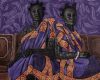
I have discovered profound significance in the small moments that occur within our daily lives. These seemingly ordinary instances, filled with unplanned joy, introspection, and nostalgia, hold the power to shape our life trajectories.
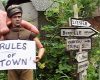
Hogancamp is a true American eccentric, just as the people who first came to America must have been, and the people who created our country, and forged a path out west, surely were. He’s a flawed, brilliant, pessimistically-hopeful, demon-haunted world-builder.
A collection of all the articles we’ve published over the past month, for those who like to savor their Magpies’ tidings as an issue.
“It can hardly be a coincidence that no language on earth has ever produced the expression, ‘As pretty as an airport.'” – Douglas Adams
In Appalachian folklore, there is a belief that through witchcraft one can shapeshift, changing one’s physical form … The photographs in this project, which also shapeshift, are evidence of my sorcery.
“My book would have him there simply because he should have been there all along.”
Everywhere the surface was changing, crumbling to dust, washing away … Gradients of color, broken edges quickly softened. Never straight lines, only gravity pulling water on paths of least resistance.
Wabi-sabi embraces the natural cycle of growth and decay. The life of an object and its impermanence are evidenced in patina and wear, including rips, any visible repairs (scotch tape or glue) or additions: pen, ink, stains, pencil marks.

My work is born out of my need and desire to simplify and/or reduce each moment to its absolute essential, by removing details from life that tend to obscure what is truly being experienced.

 magpiesmagazine.com