

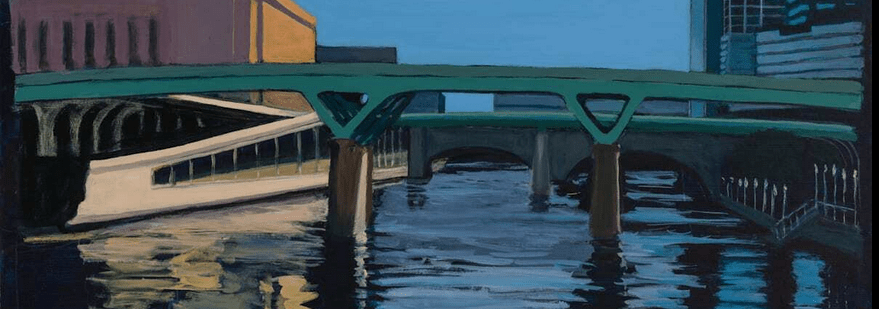
Urbs / Suburbs: The Four Seasons Paintings by Pia De Girolamo will be on view: March 11- April 5, 2026 at the Cerulean Arts Gallery in Philadelphia.
Pia De Girolamo’s paintings feel like some sort of pure expression of the play of form, color, and light. In her latest series of paintings, Urbs/Suburbs: The Four Seasons, she brings this painterly examination to a subject close to her home, and, in turn, studies what it means to really notice your home, in all of its moods and changes. In her paintings of Philly and its suburbs, she captures a certain light as it shifts, a certain time of year as it’s passing, a certain part of the world as it changes, and she captures our journey as we move through the familiar/unfamiliar time and light and place. We were grateful to have a chance to ask De Girolamo a few questions about her work.
Magpies: I’ve always loved the colors in your paintings, whether bright or muted, they seem to glow on their own and hum in combination with other colors in your work. How do you choose your colors? Do you think in terms of temperature, time of day, overall composition? Do you think of some colors as being urban and others as being suburban? When you choose colors, how much are you trying to recreate something you’ve seen in life, and how much are you reinterpreting or reinventing a memory of something based on mood or impressions?
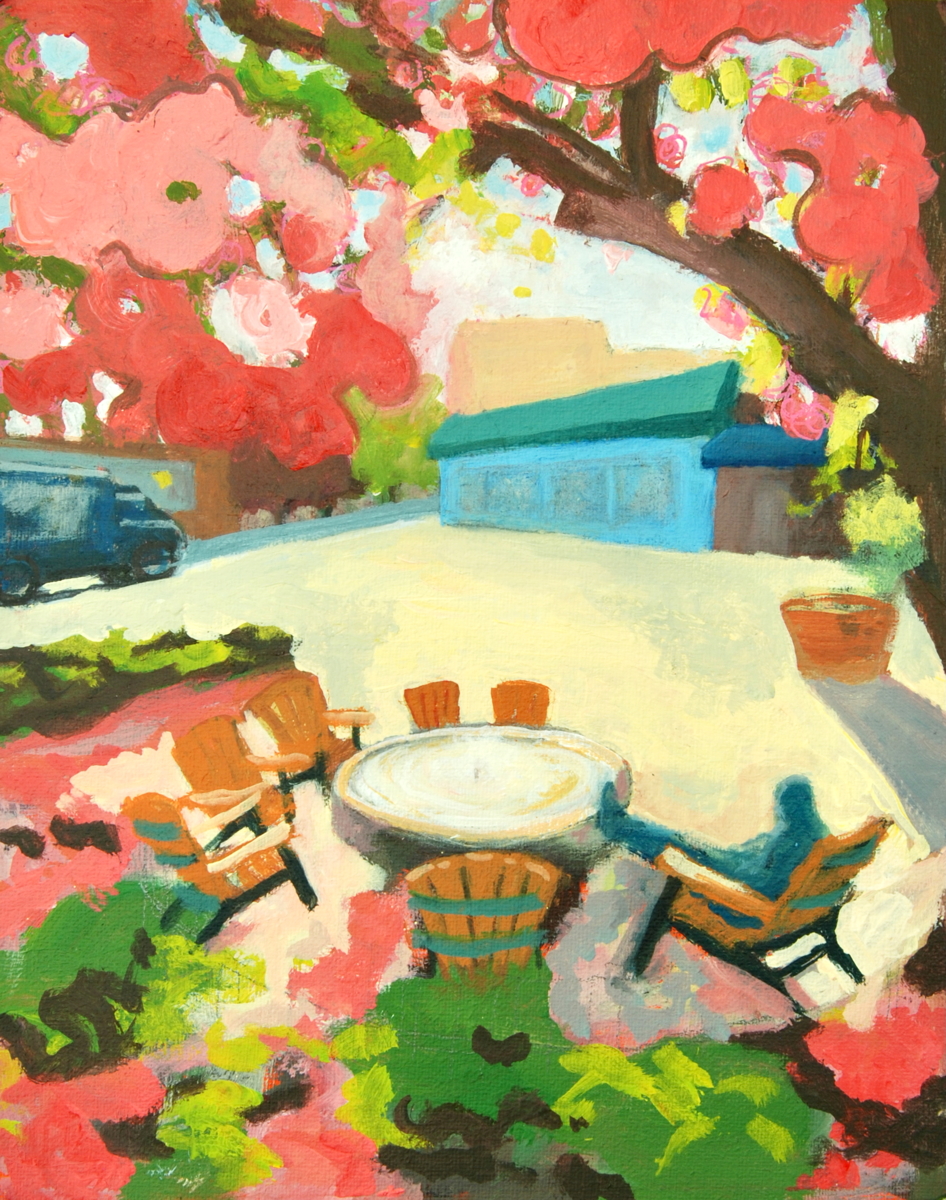
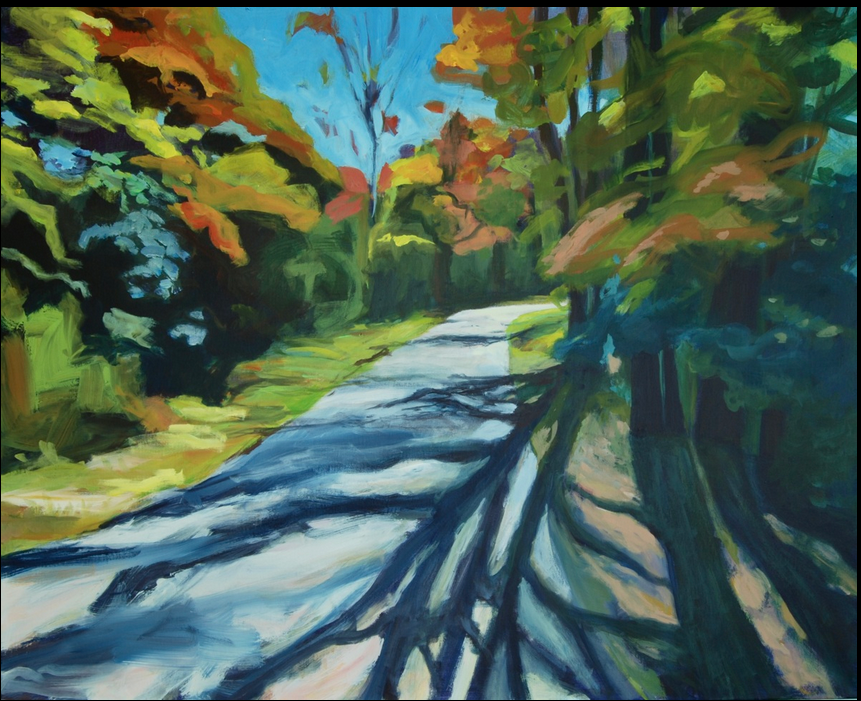
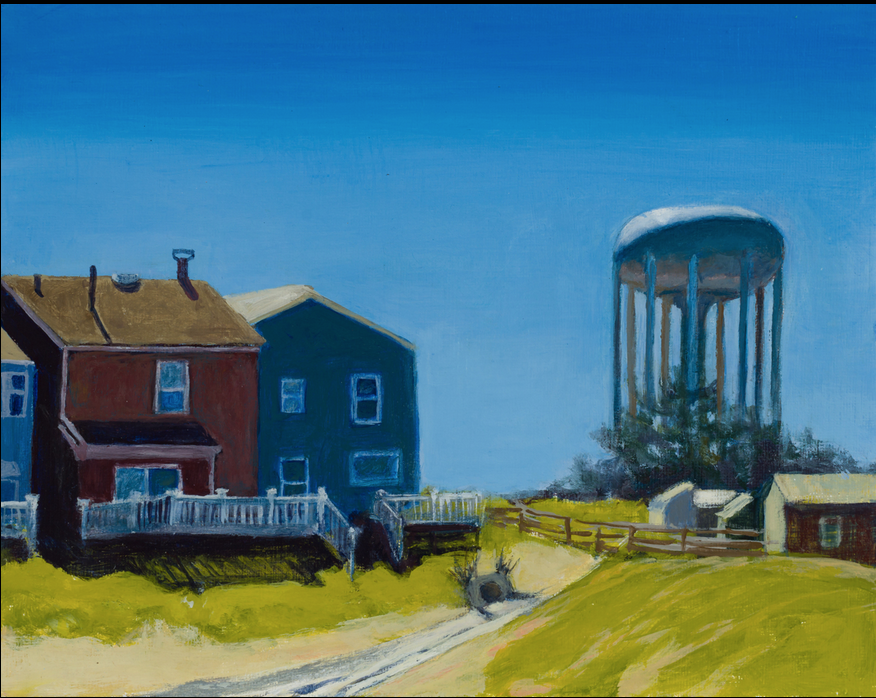
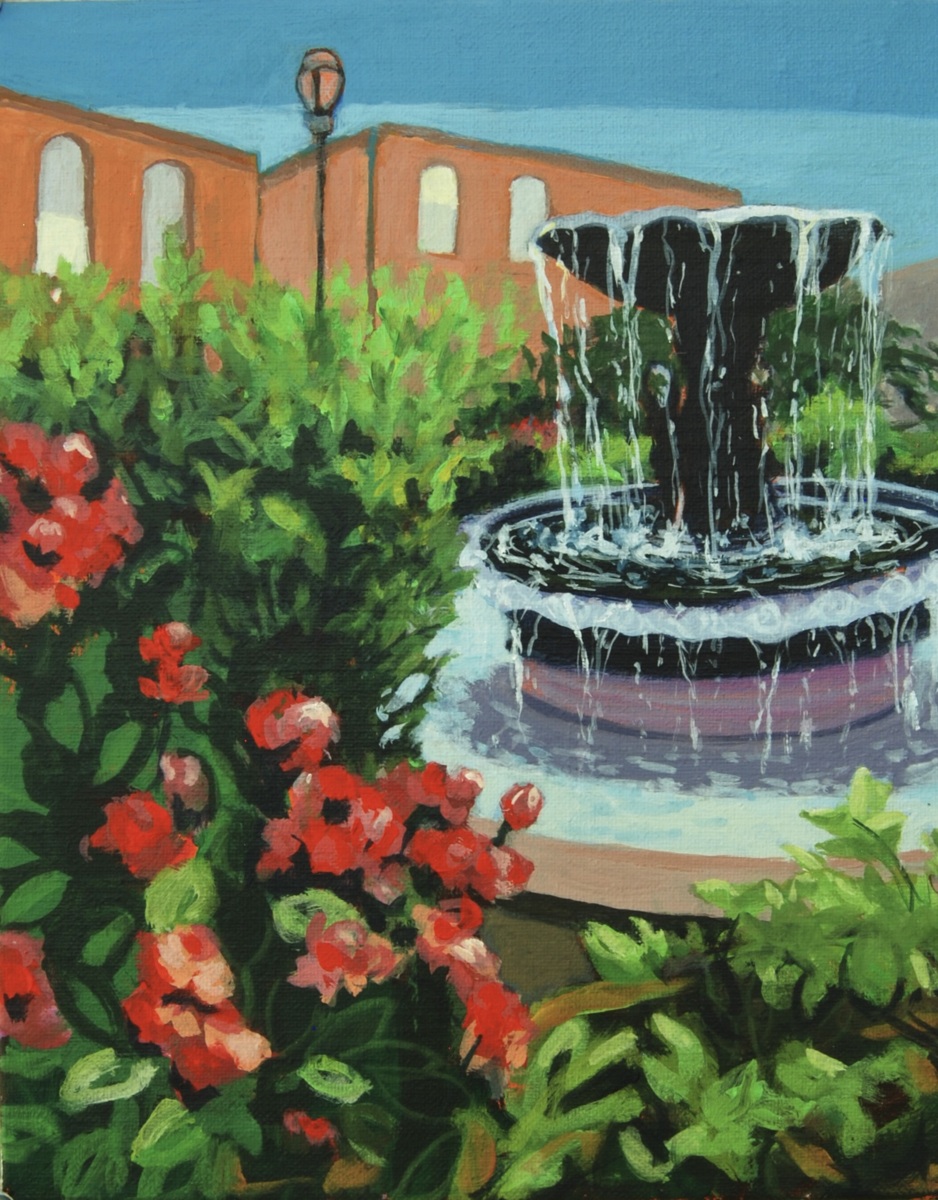
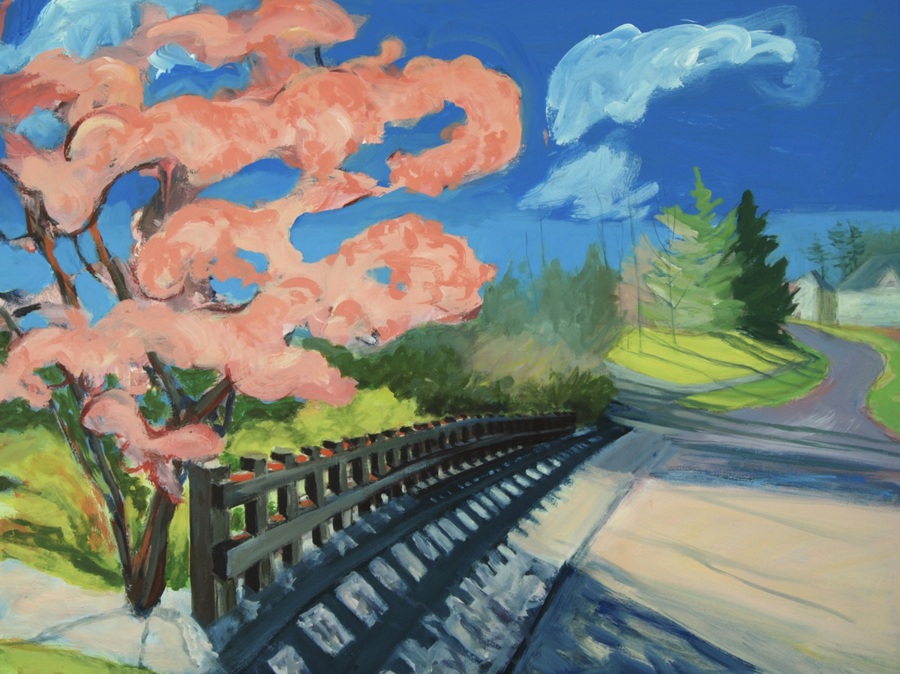
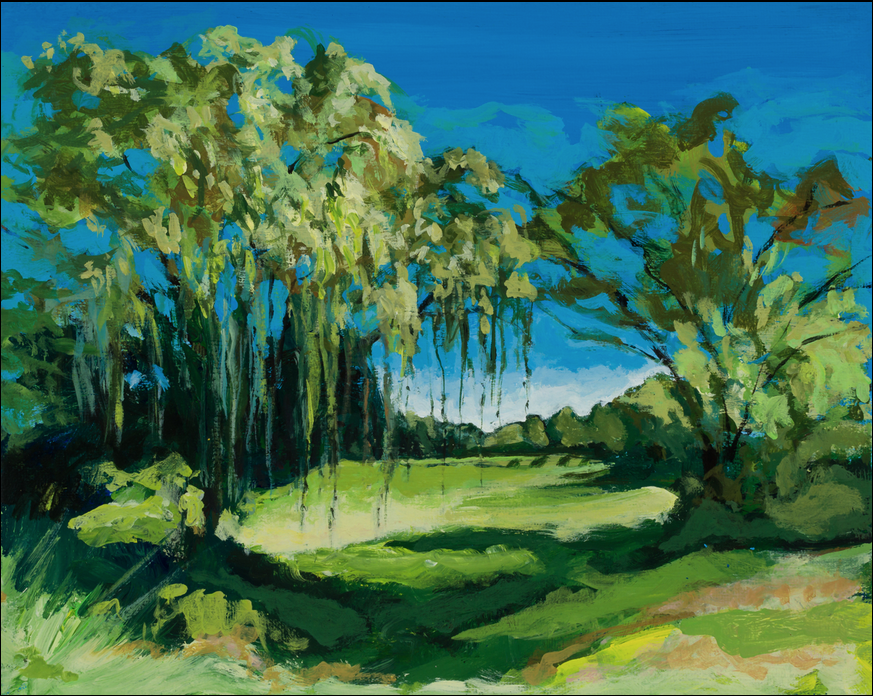
Pia De Girolamo: Choosing colors mostly depends on the scene, e.g., cherry trees blossoming in spring, fall colors, the color of a shed or house. Occasionally, I’ll use colors to recreate a feeling, e.g., rendering the city in hot reds and yellows in the painting, Fiery Philly, which I painted the summer of our really bad heat wave.
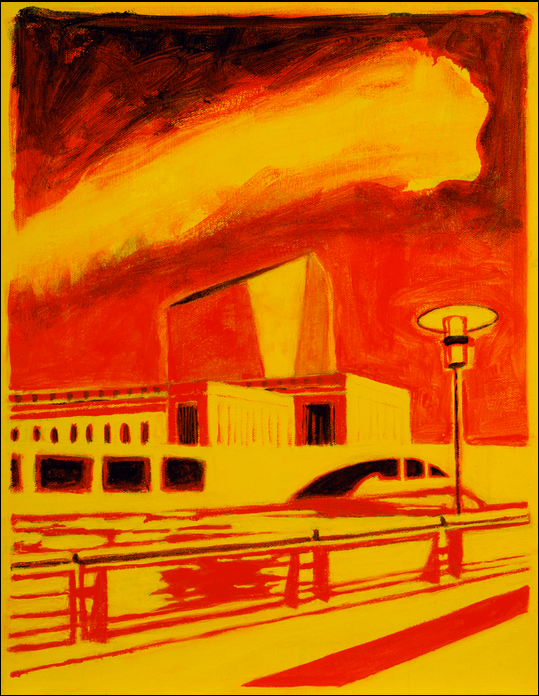
I don’t necessarily think of the colors as “urban” or “suburban.” I am painting buildings and roads and trees and flowers both in the city and in the suburbs and take my cue from their colors.
Choosing colors-recreating a scene vs reinventing or remembering: A bit of both. Note that I start with photographs, so I am already making a choice not only about a scene, but my mood, or an idea, and that choice already starts to influence the piece.
You’re quite a world traveller, but this newest series is based closer to home, in Philly and its suburbs. Does painting or thinking about painting a place make you feel like a traveller there, despite your familiarity? Do you feel like you notice or observe places differently when you’re thinking of them as potential subjects?
In going back and forth from suburbs to city, I am traveling! And when you travel, I think you become more observant, especially since the two environments are so different, this stimulates observation. No matter how familiar, there is always something new to discover.
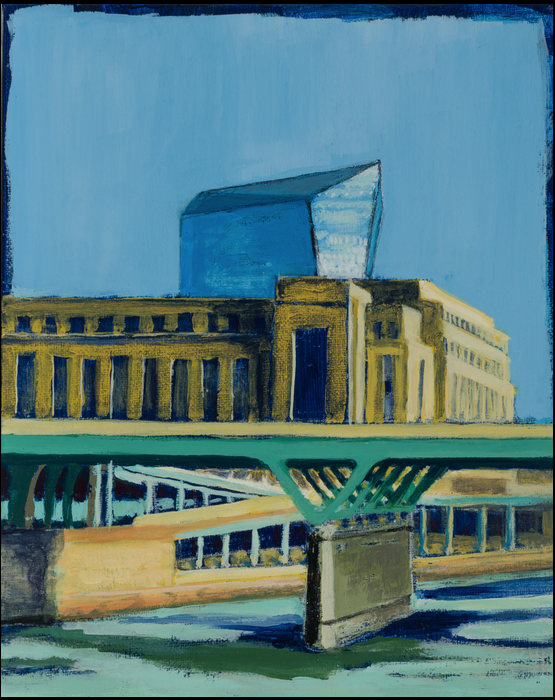
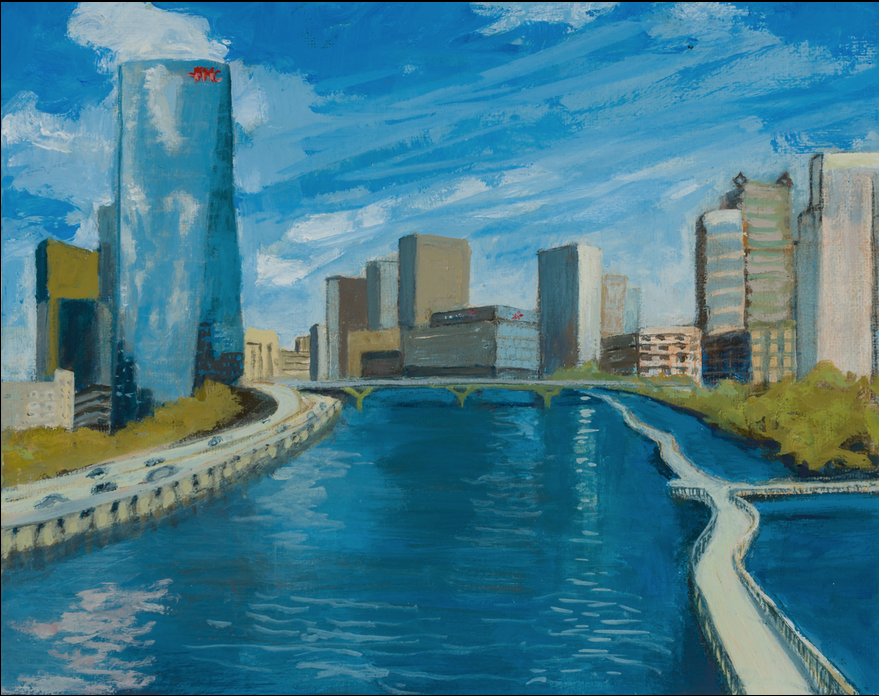
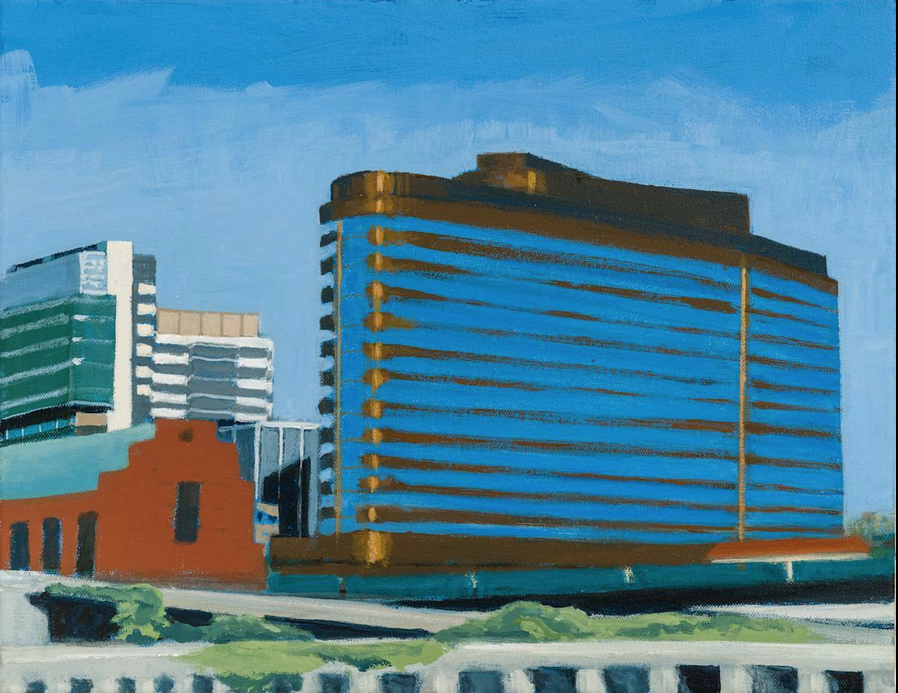
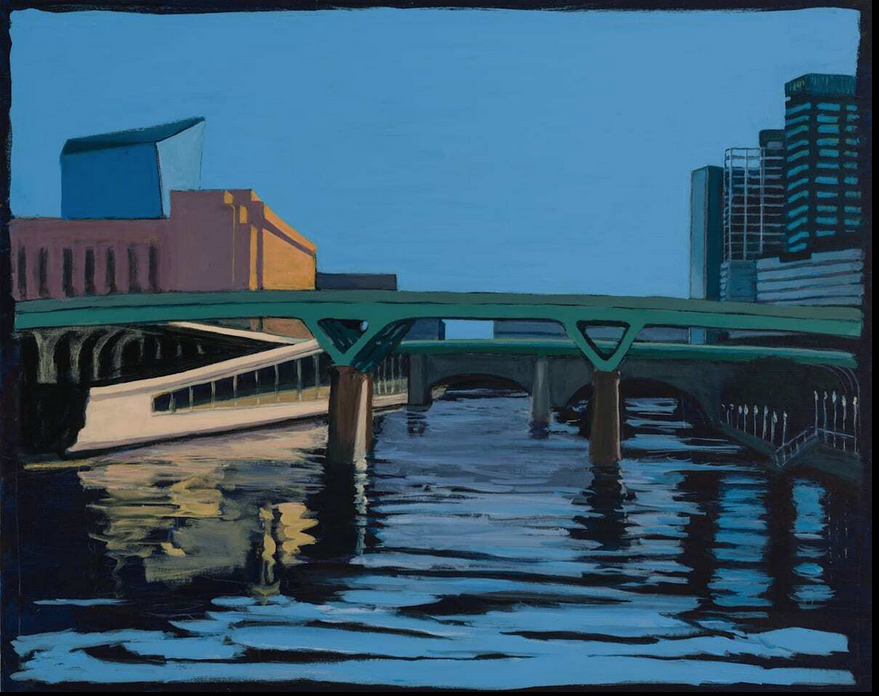
Speaking of Philly, it has a reputation for being a bit gritty, and radiates a sort of dark, self-deprecating humor, but it also has a rich and wonderful history. Do you think about the personality of the city as you create your art? Finding beauty in it, or recording what is special to you, or even just mundane to you but important in its own way? How does your background in architectural studies inform these thoughts? Do you think of this series as Philly-specific or is it a more general sense of an urban space that you’re trying to capture? Do you find yourself drawn to different scenes or subjects or times of day in the city vs. in the suburbs? Do different elements of the landscape suggest themselves to you?
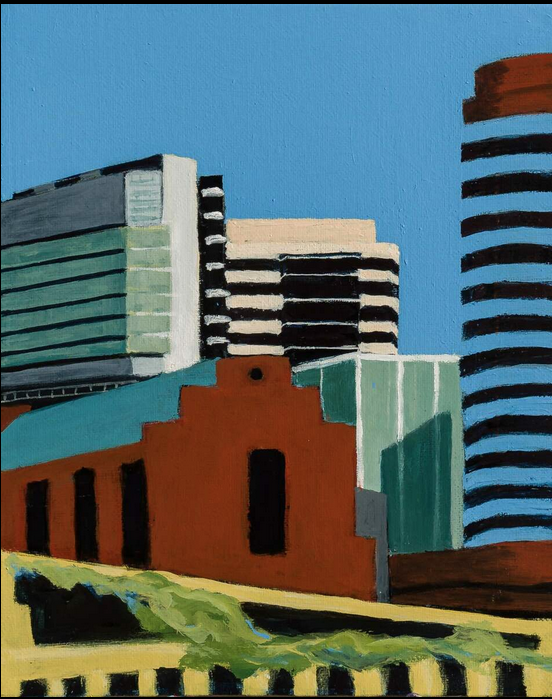
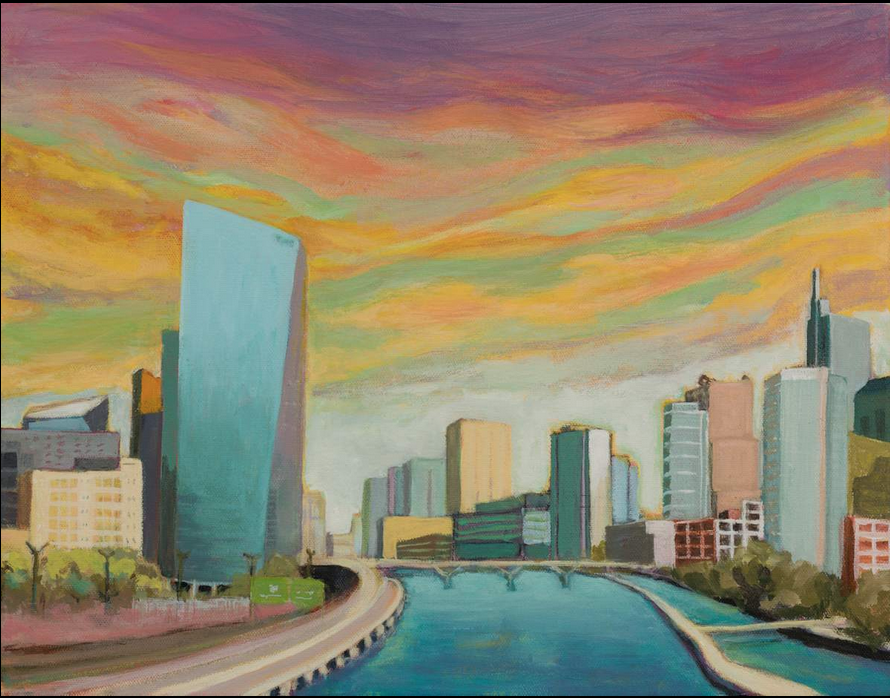
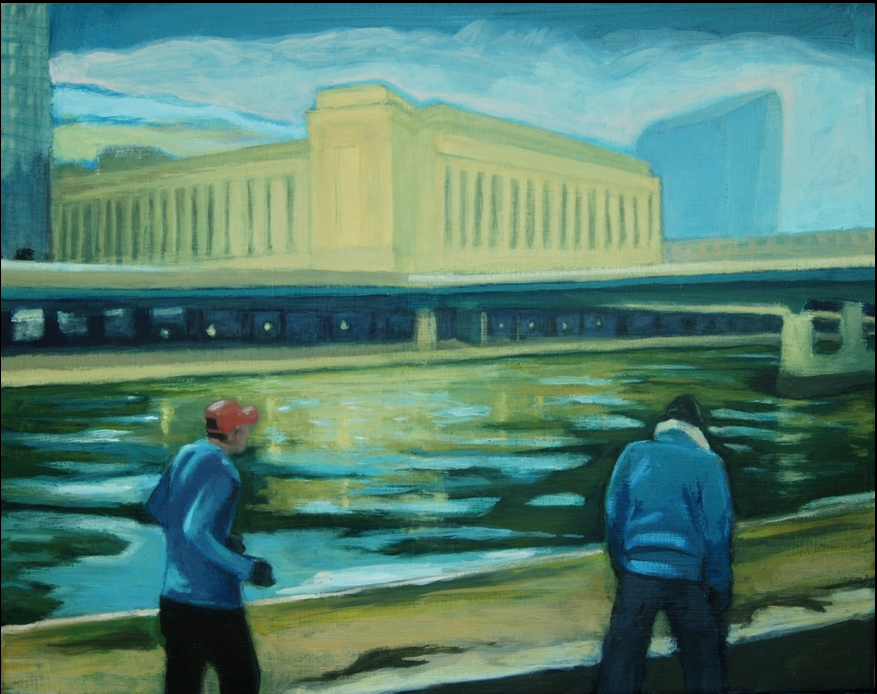
I choose the Philadelphia scenes that I paint because there is something interesting or beautiful about them. Sometimes there are recognizable buildings, and sometimes it’s just a scene in a neighborhood. I think the series is Philly-specific as opposed to a generic meditation on urban space. I think it’s a record of what Philly feels like to me, at least the parts I am familiar with. I grew up in New York City, and Philadelphia felt different. What attracted me about the city was its more human scale. Even though it is sprawling, the neighborhoods give it a smaller feeling. The history of the city is rich, and so is the architecture. My background in architectural studies certainly informs my thoughts, and you can see that when I painted an older classical building overlapping a newer glass rhomboid, like the 30th St. Station and the Cira Centre. I think some of the newer residential buildings around the city are uninspired and bland, unfortunately. Overall, however, Philadelphia seems to know what it’s about; sometimes I think New York City is trying too hard. Some of the newer buildings (e.g., JPMorgan headquarters on Park Ave) are overwhelming.
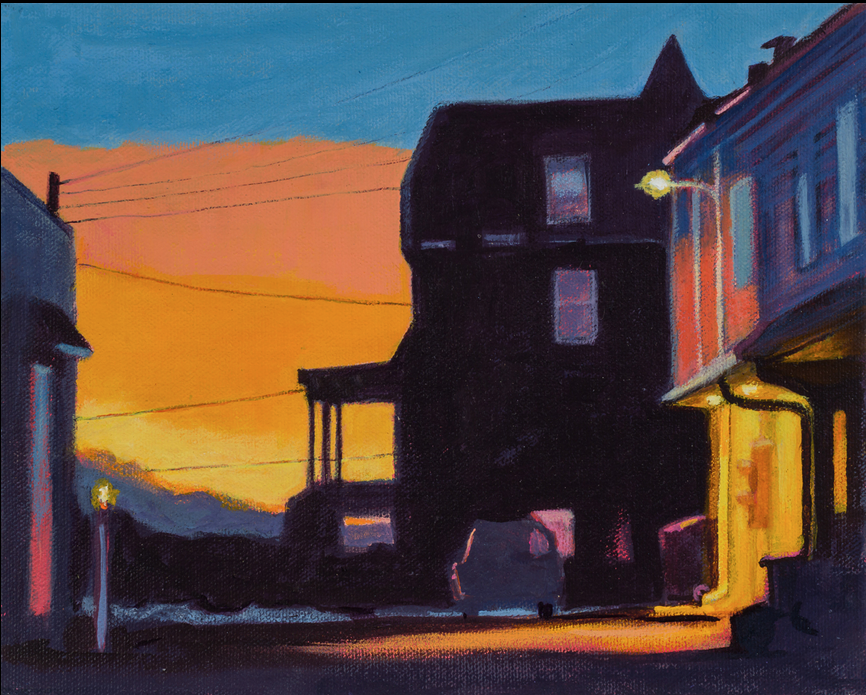
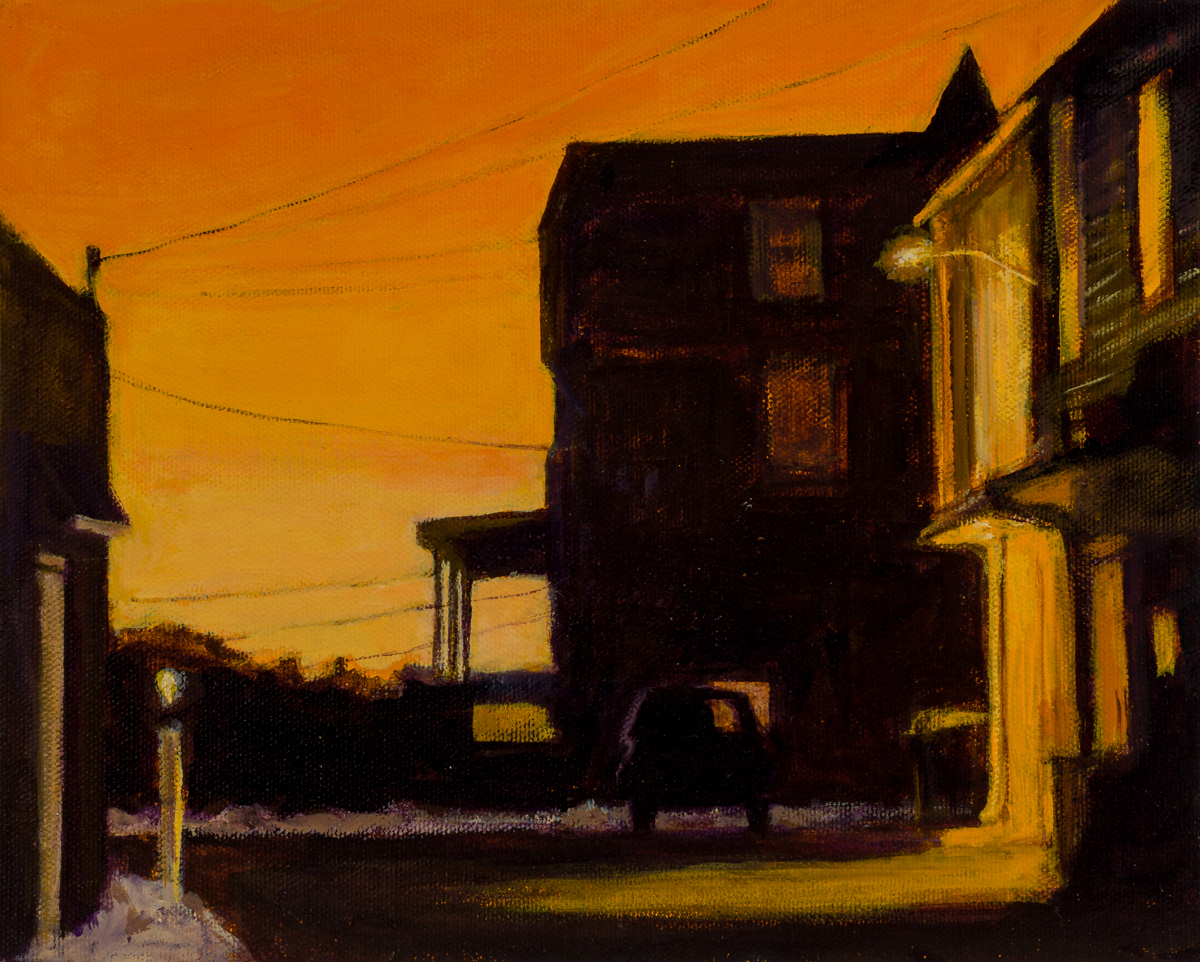
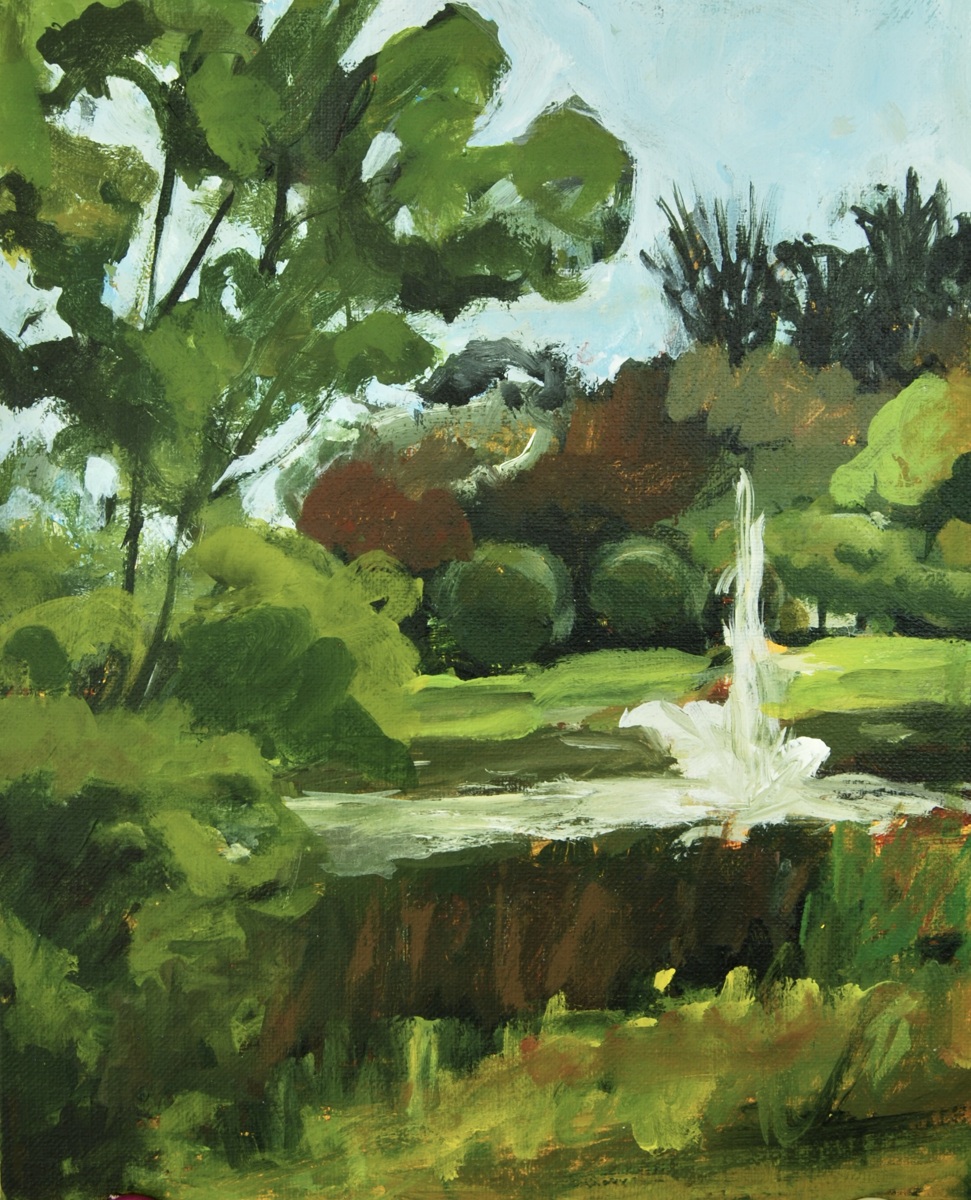
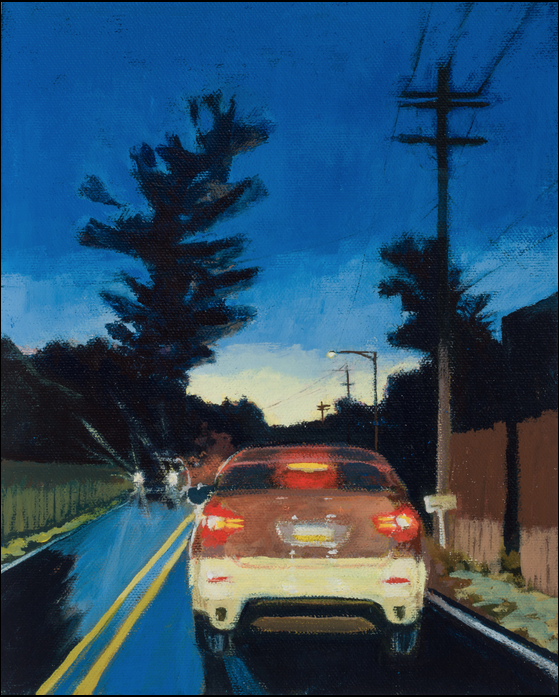
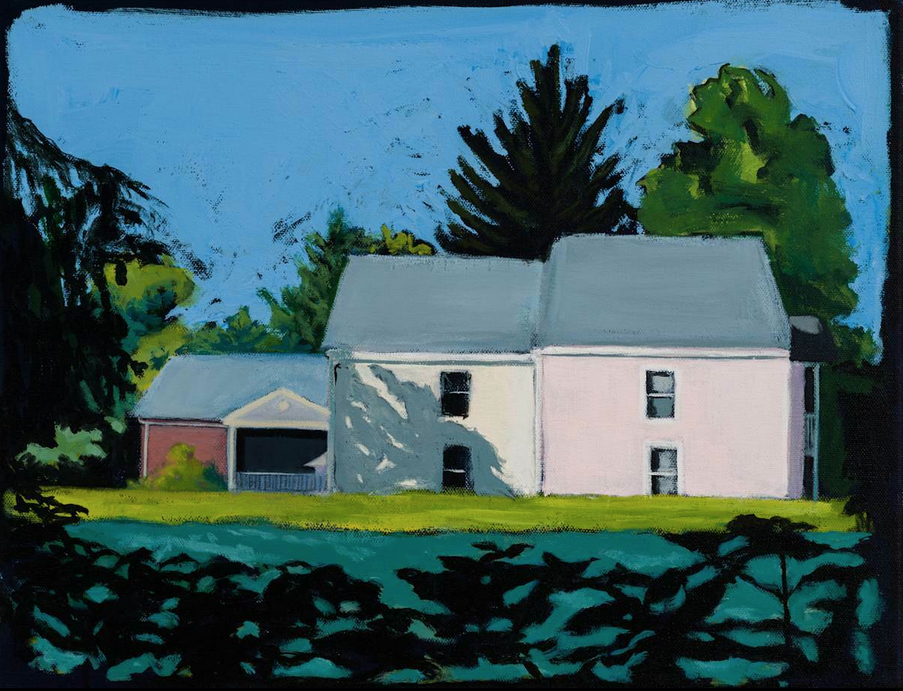
This series also spans the 4 seasons, and the way time passes through the year in the city and outside of the city. Do you notice that time and the seasons pass differently within or without the city? Is that something you think about capturing in your paintings?
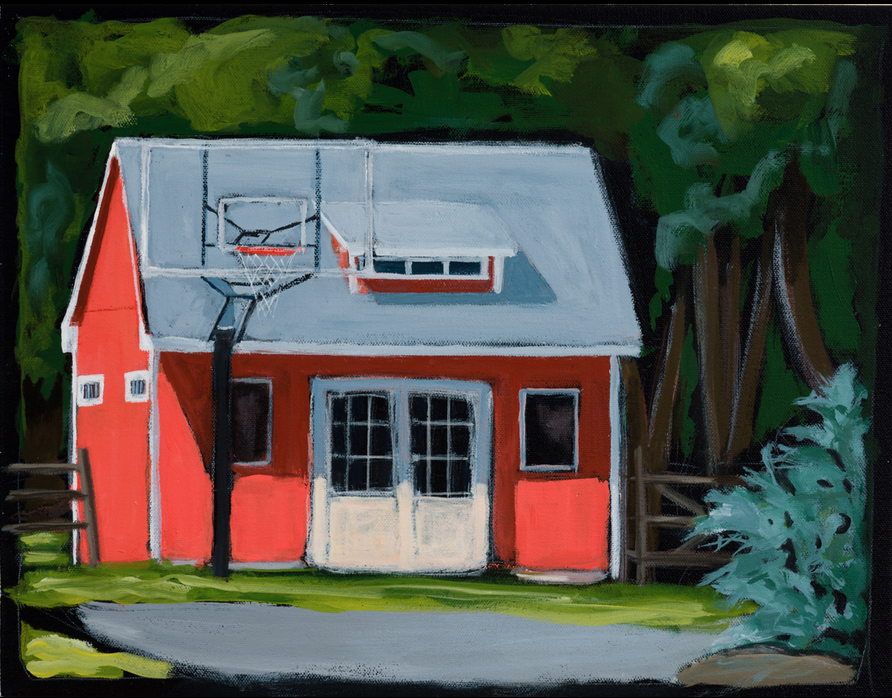
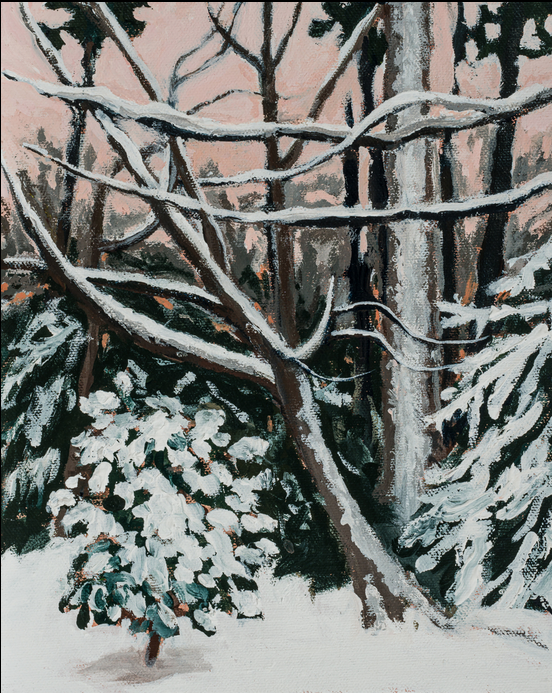
The part two of the Urbs/Suburbs series came about by chance, really. I kept working steadily from month to month, and at the end of twelve months, I noticed that the paintings fell into a seasonal pattern. I find it natural and comfortable to paint a spring scene in the spring, a summer scene in the summer, etc. The season informs my mood, my colors, my subject. I think time and seasons pass at the same pace inside and outside the city. There’s a lot of nature in Philadelphia — I’m thinking of the flowering street trees and the rivers and the green spaces. When things are in bloom in the suburbs, they are in the city as well. I think spring is my favorite time of year in Philadelphia; it’s gorgeous.
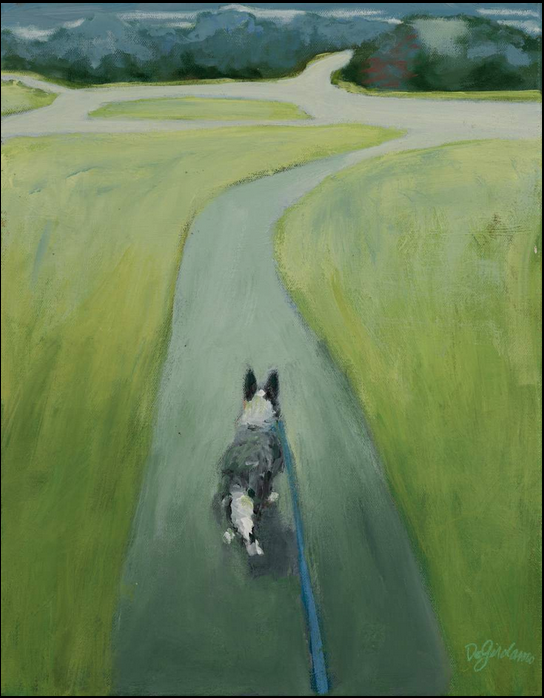
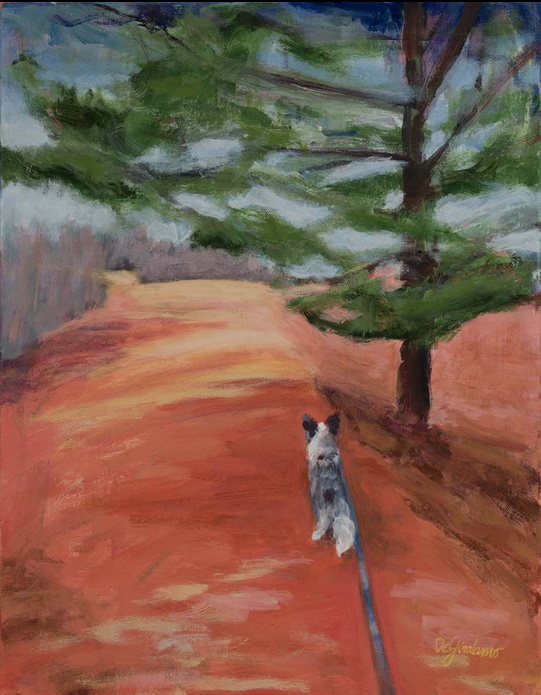
I’ve always liked the figures in your work – portraits or landscapes, human or animal. With the human figures, in particular, though they don’t contain a lot of detail, they convey a lot of information and emotion through gesture, pose, and attitude. Can you talk a little about your use of figures in your paintings?
I have studied and painted the figure but never thought of myself as a figure painter until a few years ago. The Covid Pandemic isolated everyone, and in craving human interaction, especially with family, I began painting portraits of my (adult) children and then a series of abstracted action paintings of them. I started frequenting open studios with the model and taking some abstract figure painting courses online. The next thing I knew, I had a series of paintings. Eventually, I migrated back to landscape, but I have been adding in human figures — runners along the Schuylkill or someone sitting in a park, for example, and animals — my dog, deer in the suburbs. You are right that the figures are not identifiable, but “convey a lot of information and emotion through gesture, pose and attitude.” And this is deliberate. The figure relaxing in the park in Spring in the Triangle is any of us basking in the sunshine, enjoying a beautiful day. The figures hunched and running along the river call to mind many emotions and feelings — persistence, perseverance, the bite of the cold in winter. They emphasize the coldness of those winter paintings.
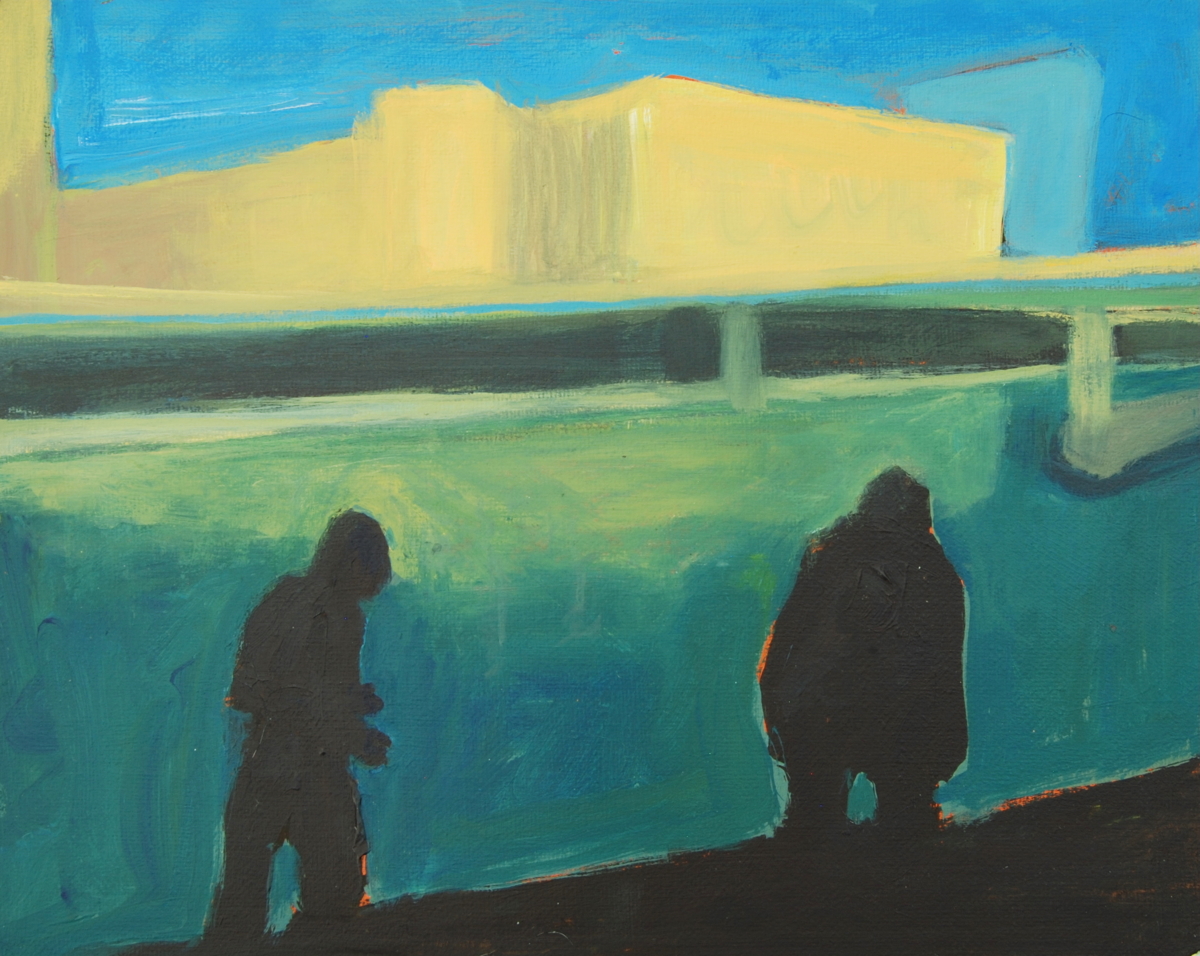
I feel like it’s impossible to ignore the state of the country right now. I’m always hopeful and thankful for art at difficult times like these, whether it’s used as protest, respite, or a way to connect with others. Do you consider the role of art/influence of art as a product of its time, whether that’s political, personal-as-political, social, societal, emotional, etc.
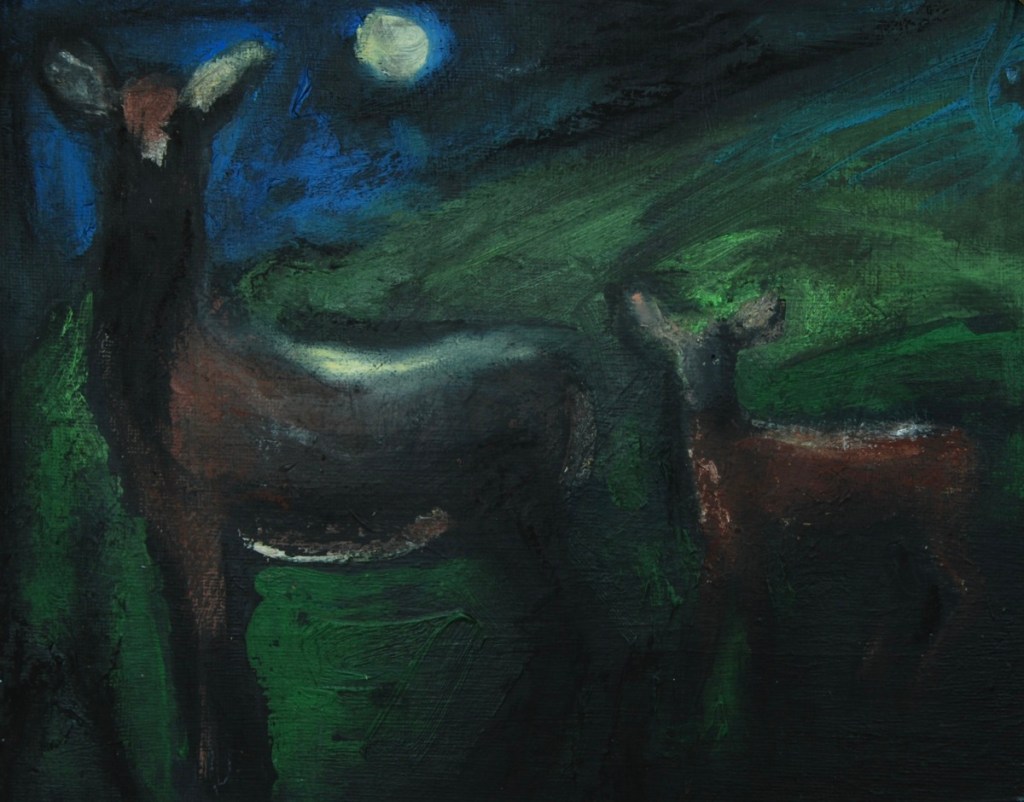
The Personal is Political: While my art is not overtly political, it is a product of its time and is influenced by my response to world events. The runners along the river hunched against the cold, or the dark silhouettes of runners in another painting were done during a period when it looked like my fears of detrimental political change were being realized. The most recent deer paintings started out with brighter colors and slowly transmuted into ever darker colors as tragic events transpired in the past months in Minnesota, on the world stage, and in the outbreaks of disease previously thought to be eradicated (as an Infectious diseases physician, I am beyond appalled). I also paint for respite and for beauty because we need those hits of dopamine and serotonin that beautiful art provides to sustain us so we can continue our fight to bring back the light, hopefulness, sanity, and humanity. As Gandalf says in the LOTR “…despair is only for those who see the end beyond all doubt. We do not.”
Urbs / Suburbs: The Four Seasons
Paintings by Pia De Girolamo
On view: March 11- April 5, 2026
Venue: Cerulean Arts Gallery, 1355 Ridge Avenue, Philadelphia, PA 19123
Opening Reception: Saturday March 14th from 2:00-5:00pm
Artist’s Statement: My recent acrylic paintings highlight aspects of the urban landscape of Philadelphia and its suburbs where I live. When I find a particularly compelling composition in either suburban or urban scenes, one that has some element that I find interesting-how a pine looks silhouetted against a bright sky or how the lines, bridges and ramps crisscross and create movement, I take photos. Back in the studio I interpret the scene in acrylic paint. Sometimes, I make several paintings of the same scene, asking what happens if I change up the palette or focus on a different part of the scene. As a former art history major with a concentration in architecture, I appreciate the contrasts between the historic buildings and the modern. Along the Schuylkill River in Philadelphia, there is a lively interplay of form and line between the old and new buildings and the bridges and roadways. In the suburbs, hard-edged structures like sheds, watertowers and houses coexist and stand in contrast with pockets of nature.
I am a painter whose primary medium is acrylic on canvas. I live in the Greater Philadelphia area. I produced work for 15 solo exhibitions, most recently at Cerulean Arts Gallery in Philadelphia in September 2023, and notably, at the Museo Mastroianni of the Musei di San Salvatore in Lauro, Rome in October 2018. I exhibit extensively in juried group shows regionally, including most recently in The Delaware Contemporary Art Museum’ summer show, Radius in Wilmington, Delaware. See more at piadegirolamo.com.
Categories: art, featured, featured artist, interview

 magpiesmagazine.com