

By Amir Zadnemat
Cinema begins with a lie. A beautiful lie that we eagerly buy into. That these flickering lights on a screen, these shadows dancing in the dark, are real. We sit together—strangers in a shared dream—and hold our breath as we are allowed to live, for a couple of hours, in someone else’s skin. Most of these lives fade when the house lights come up, like dreams lost to the morning. But a few of them, a very precious few, remain. They step down from the screen, take up residence in our minds, and become ghosts that haunt us for the rest of our days.
The greatest films, I have always believed, are empathy machines. They allow us to see the world through eyes that are not our own. But what is it that allows a film to become more than just a film? What alchemy transmutes celluloid into soul, and story into myth? This is not a question you can answer by looking at box office receipts or counting Oscar statuettes. This is a question about immortality.
The Soul in the Machine: The Universal Questions
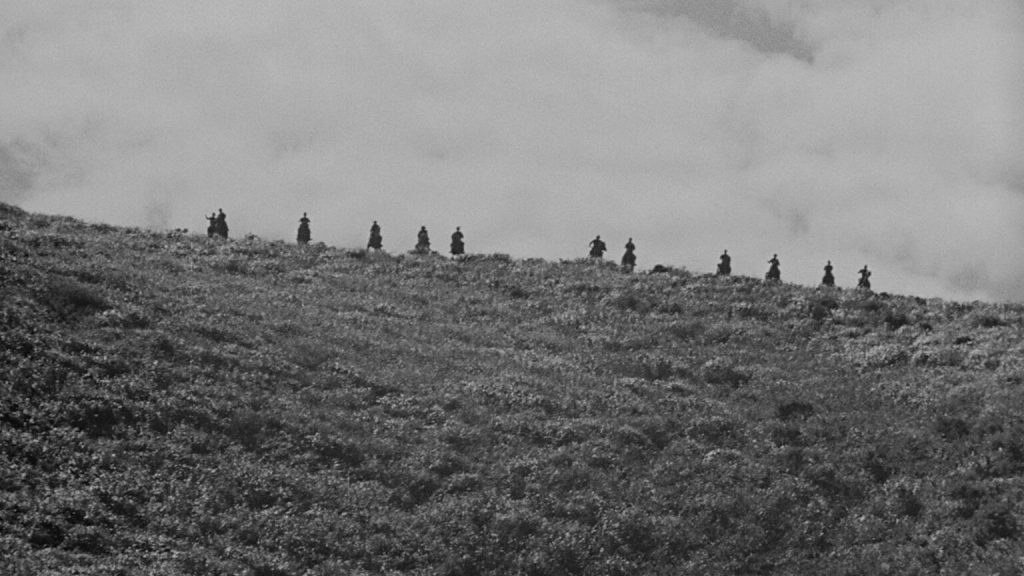
A film begins its journey toward immortality when it dares to touch the deepest, most timeless corners of the human condition—asking questions as old as we are. Consider Seven Samurai. On its surface, it is a story about warriors hired to protect a village. But beneath that surface, it is an elegy about honor, duty, and a man’s place in a world that no longer has a use for him. You do not need to be a sixteenth‑century samurai to understand the weariness of Kambei or the wild, aching pride of Kikuchiyo. These films do not speak to us; they resonate within us.
The Godfather is not a story about a crime family. It is the great American tragedy of a father who dreamed of his son becoming a senator and instead watched him turn into something colder—and more terrible—than himself. In
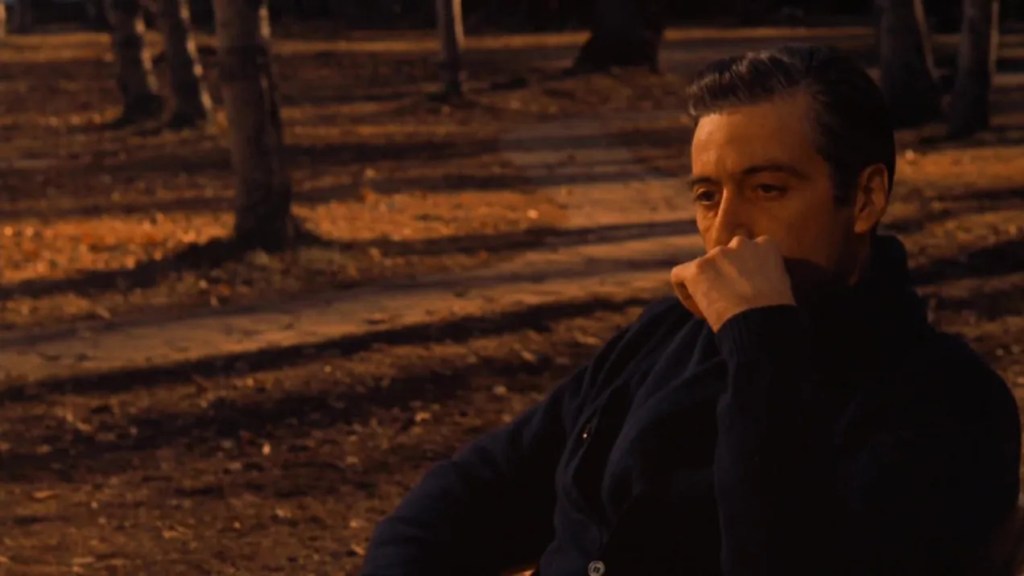
Michael Corleone’s eyes, in that final deadened silence, we witness the complete corrosion of a soul. And the image has haunted us for decades. Immortal films are not about events. They are about the toll those events take on the human heart.
Faces in the Light: The Unforgettable Human
You may forget the intricacies of a plot, but you will never forget a face. Cinema is the art of the close‑up—the art of peering into a person’s soul through their eyes, through the tremble of a lip, through a bead of sweat on a temple. We remember Travis Bickle in Taxi Driver not for everything he did, but for that feverish, haunted gaze into the mirror. “You talkin’ to me?” In that moment, he becomes the lonely god of his own neon‑lit hell, and in his eyes we recognize the profound alienation of the modern age.

The greatest characters are never perfect. They are wounded, fractured, and painfully real. In Dariush Mehrjui’s The Cow (Gaav), Mash Hassan is not merely a villager devoted to his animal; he is the embodiment of a terrifying truth about identity itself—how fragile it is, how easily it can shatter when its single emotional anchor is torn away. Ezzatollah Entezami’s performance is not acting so much as a transformation. We do not forget that face, that slow descent, because it awakens an ancient fear: the fear of our own dissolution.
The Grammar of Dreams: The Director’s Hand
A great story in the hands of a mediocre director becomes a television report. In the hands of a master, it becomes visual poetry. The films that endure invent their own language—a grammar for expressing the inexpressible.
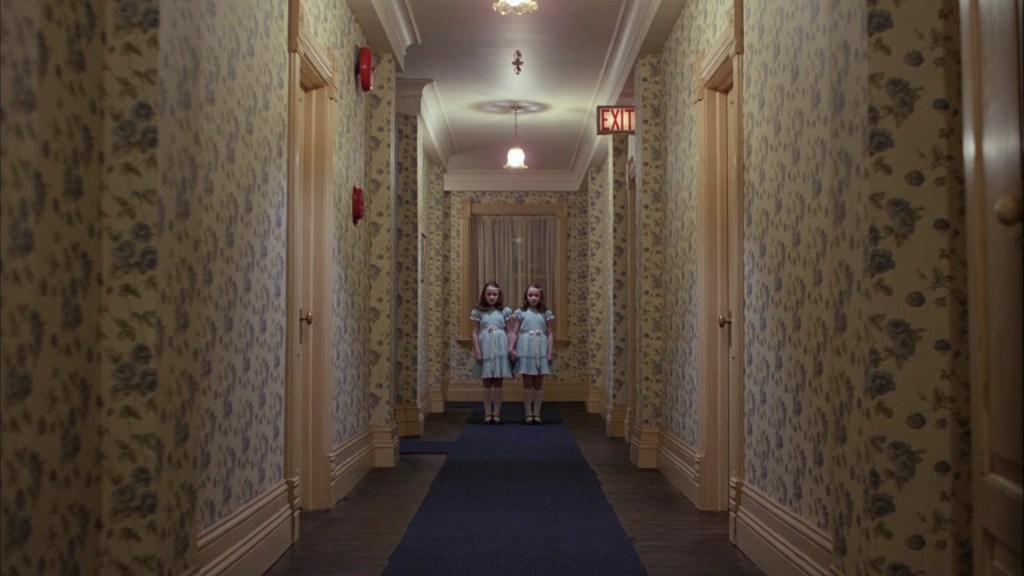
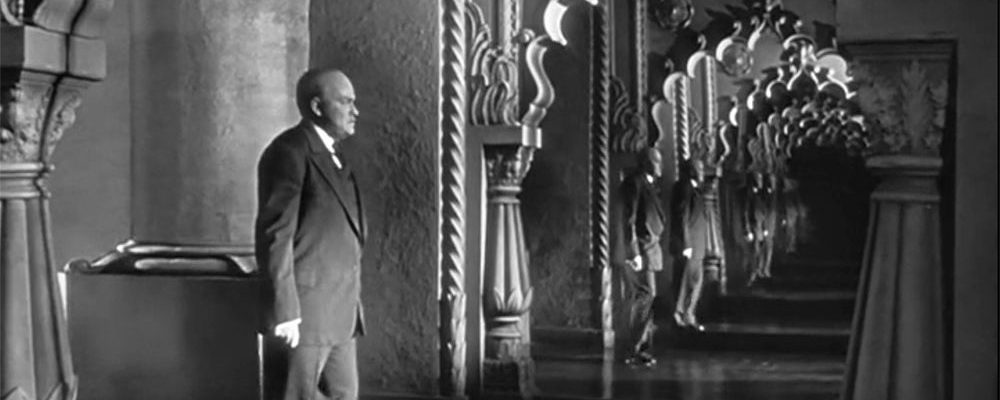
Think of the suffocating symmetry of the Overlook Hotel in Kubrick’s The Shining. Those corridors are not merely a setting; they are the architecture of a mind unraveling. Or hear the opening cry of Ennio Morricone’s score for The Good, the Bad and the Ugly. It is not just music; it is the sound of a myth being born. Great directors understand that the placement of a camera, the duration of a shot, or the choice of a single note matters as much as dialogue. They paint with light and shadow. They scream with silence. Citizen Kane is etched into history not only because of its story, but because Orson Welles revealed that the camera itself could dream—that it could look at the world from angles previously thought impossible.
The Echo in the Culture: A Film That Breathes Beyond the Theater
And then there is the final, ineffable magic: the moment a film escapes its own frame and enters the bloodstream of culture. When “Here’s looking at you, kid” from Casablanca is no longer a line of dialogue, but a quiet prayer for a love lost and eternally remembered. When the image of a lone duel at sunset immediately calls up the name Sergio Leone.
These films become touchstones. They expand our shared vocabulary. They inspire music, paintings, novels, and new generations of filmmakers. They form a bridge between eras. A film becomes immortal when you no longer need to see it in order to know it. Its spirit simply lingers in the air.
A Final Thought
In the end, there is no formula. If there were, studios would manufacture masterpieces every week. The greatest films arrive like lightning in a bottle—at the right moment, in the right place, with the right convergence of passion, obsession, talent, and sheer luck.
They remind us that in a chaotic world, stories still matter. They help us understand who we are and where we stand in the cosmos. A great film leaves you with more questions than you carried into the theater. And that, in itself, is a gift. At its best, cinema does not merely show us life. It gives us more of it.
And that, perhaps, is the truest form of immortality.

Amir Zadnemat is an Iranian writer with an MA in Literature from the University of Gilan, Iran. His writing engages with cinema as a poetic language shaped by light, shadow, and narrative.
Categories: featured, film, why I love

 magpiesmagazine.com