

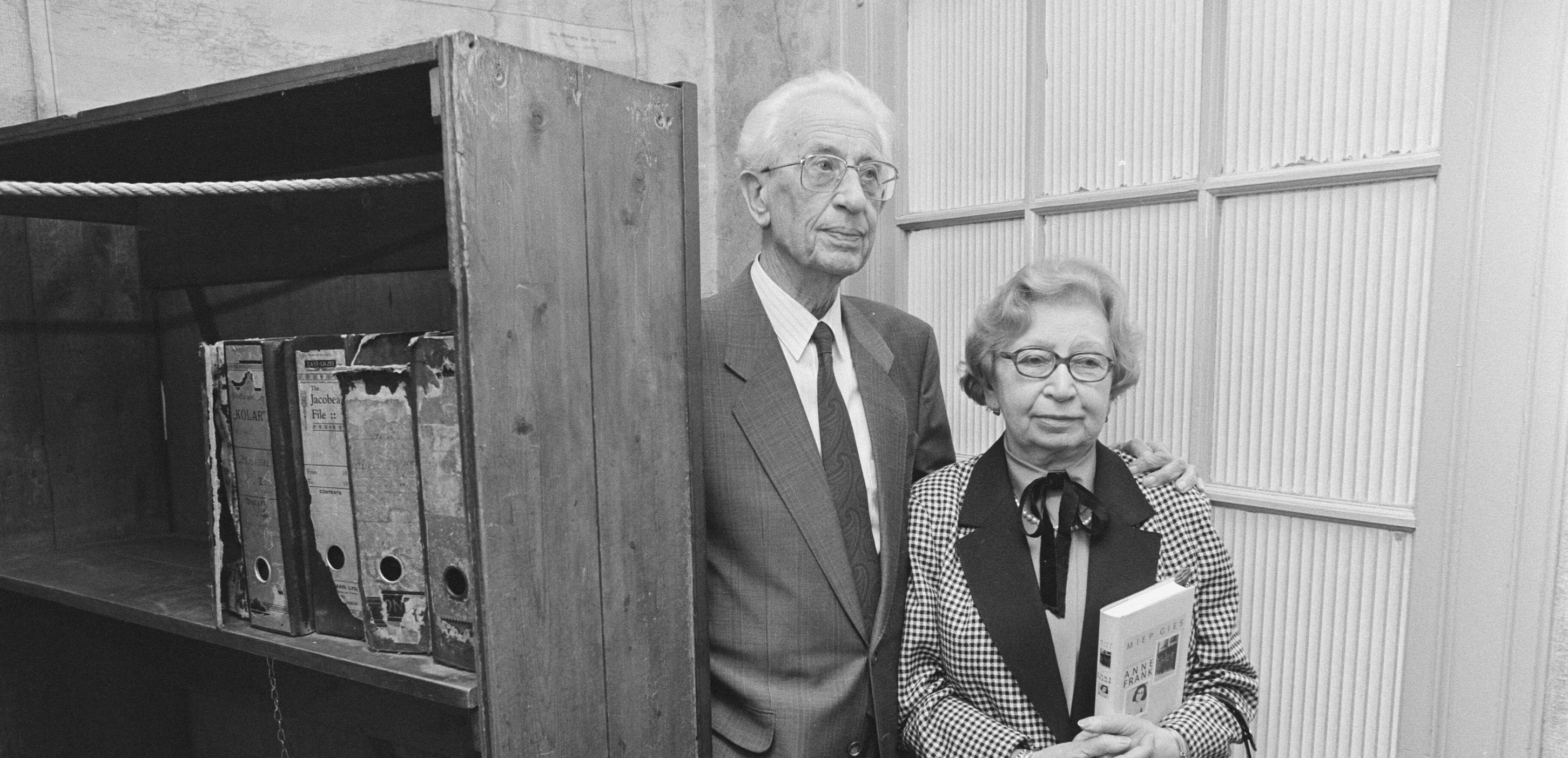
By Jane Adas
My teenage heroine was Hermine Santrouschitz. We know her better by the nickname her adopted family gave her and her husband’s family name: Miep Gies, the woman who saved Anne Frank’s diary. The diary was published in English in 1952, the play produced in 1955, and the movie came out in 1959. I was Anne’s age when I first read the diary, but it was Miep who fascinated me, even though, or maybe even because movie reviews at the time described her as “the drab Dutch heroine who helped hide Frank.”
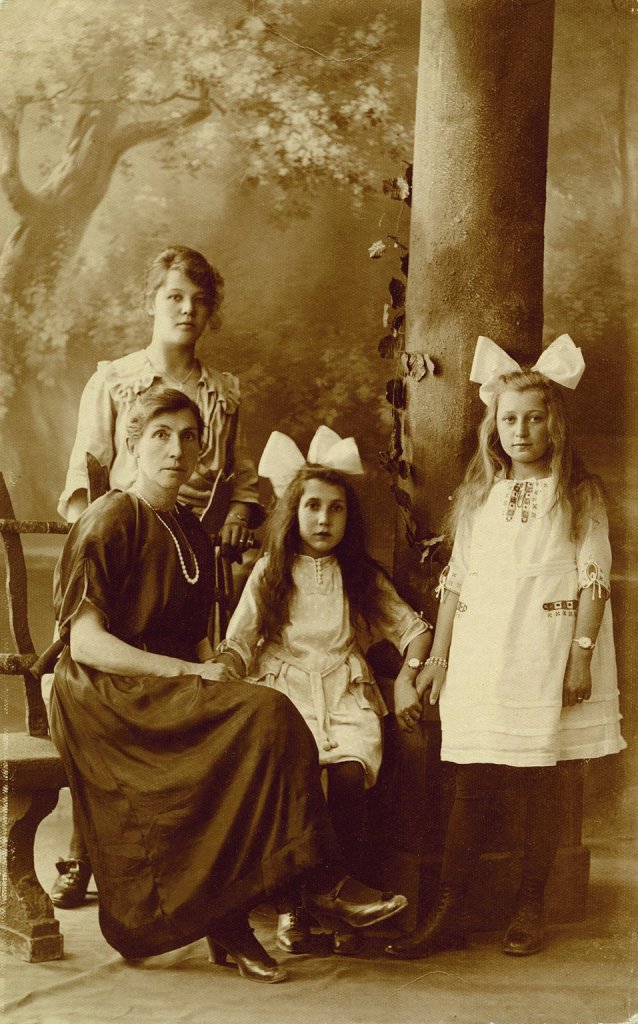
She was born in Vienna, Austria in 1909. When she was eleven her family gave her up as a foster child to a Dutch family in Leiden in order to escape post-World War I food shortages. She bonded with her new family, became bilingual in Dutch and German, and moved with the family to Amsterdam in 1922.
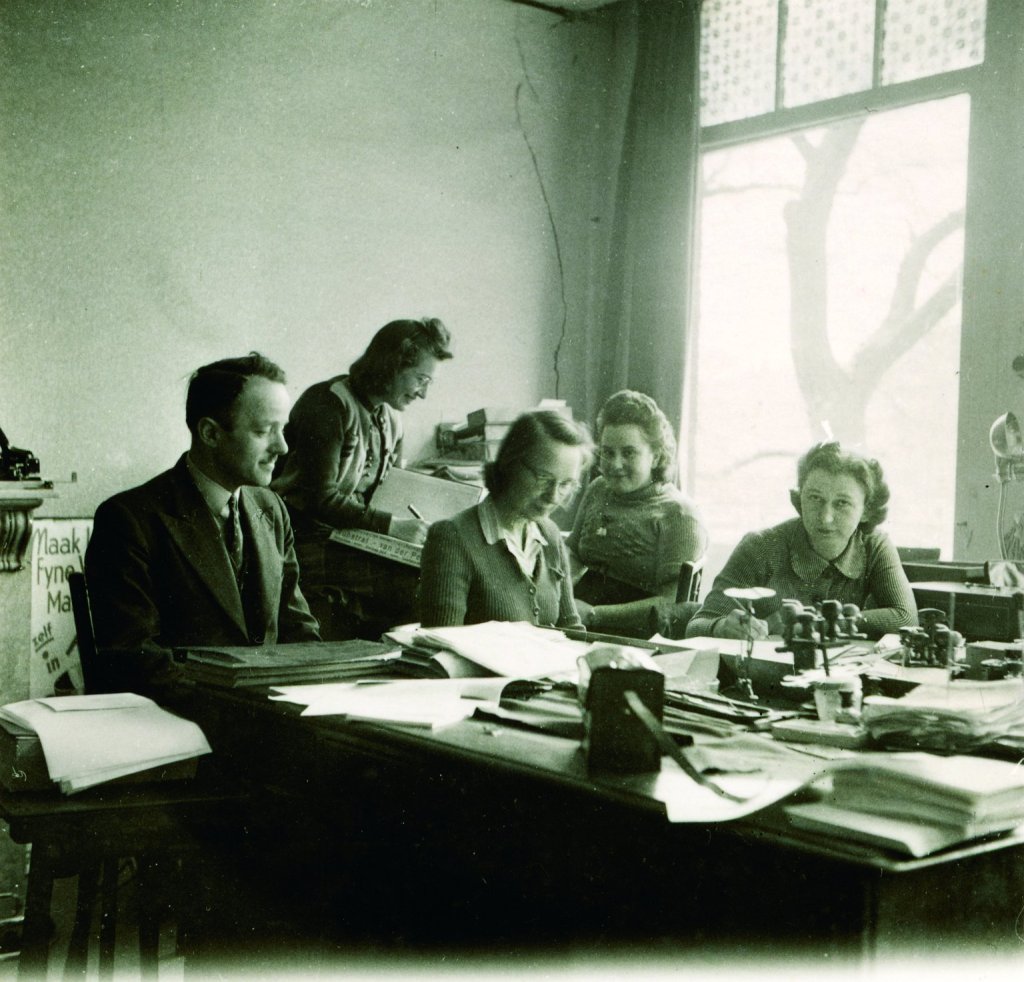
In 1933 she began working for Otto Frank, a German Jewish businessman who moved to Amsterdam to become managing director of the Dutch branch of Opekta, a German spice firm. Miep and her fiancee Jan Gies (“Henk” in Anne’s diary) grew close to the Frank family. In 1941, when Miep refused to join a Nazi Women’s association, she was ordered to be deported back to Austria. She and Jan married so she could have Dutch citizenship and remain in Amsterdam.
Otto Frank gave Anne a diary for her 13th birthday on June 12, 1942. Three weeks later her sixteen-year-old sister Margot was summoned to report to a Nazi work camp. The Frank family went into hiding in sealed off upper rooms of the annex behind Otto Frank’s company building. They were joined by Otto Frank’s partner, his wife, and their son Peter, and later by Miep’s dentist Fritz Pfeffer. Eight people were in hiding for two years and one month. Miep and her husband also hid an anti-Nazi student in their own apartment.

During those twenty-five months, Miep and her husband Jan, plus two other Opekta employees had to care for the hidden nine without drawing attention to them. Jan somehow obtained extra ration cards. Miep shopped frequently at various shops and never carried more than one shopping bag. The couple also used black-market suppliers. They had to see to laundry and the sanitary situation. Miep never told anyone about the hidden annex, not even her foster family.
On August 4, 1944, the secret annex was discovered. The Franks and the others hiding there were all sent to concentration camps. Armed “Green Police” arrested the two Opekta employees, but not Miep: she recognized the arresting officer’s Viennese accent. He cursed her, but did not arrest her. Before the hiding place was emptied by the police, Miep retrieved Anne’s diaries. After the war, she gave them to the only survivor: Otto Frank.
She never learned if or by whom the secret annex was betrayed. In 1947, Miep and her husband together with Otto Frank moved together to a new home.
Miep and her husband received many honors over the years, including Righteous Among the Nations at Yad Vashem, knighthood in the Order of Orange-Nassau by Queen Beatrix of the Netherlands, and the Grand Decoration of Honour for Services to the Republic of Austria. Her response was always:
“I am not a hero. I am not a special person, because no one should ever think you have to be special to help others. I did what any decent person would have done.”
And that is why, seventy-five years later, Hermine Santrouschitz is still my heroine.
Miep died on January 11th, 2010 at the age of 100.
Jane Adas is a retired adjunct professor of music who has devoted much of her life to justice for Palestinians.
Categories: featured, literature, memoir

 magpiesmagazine.com