


The Life and Photographs of Miss Alice Austen
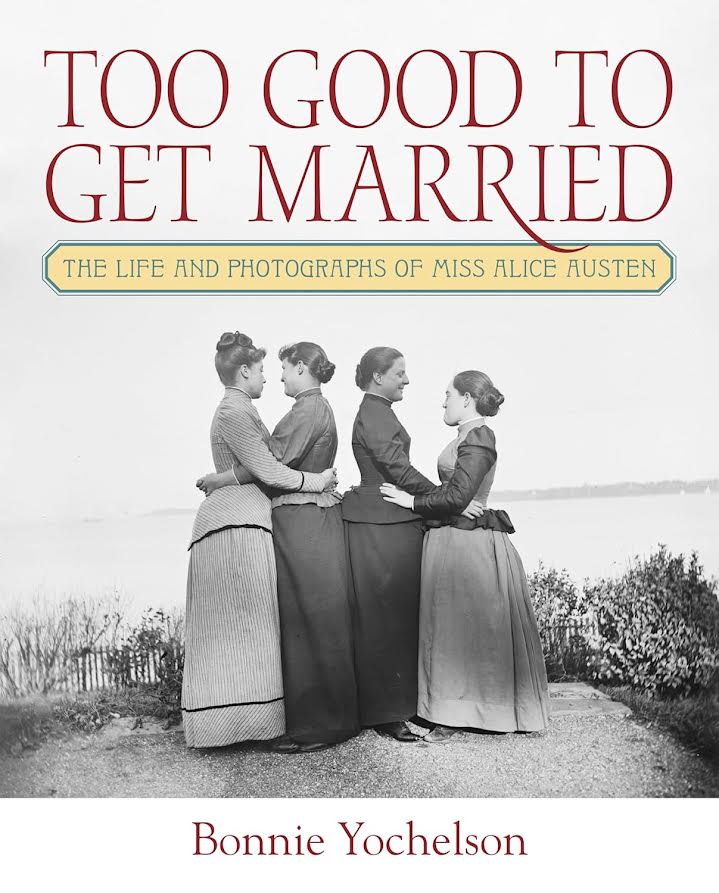
In Bonnie Yochelson’s engaging, moving, and beautifully researched book Too Good to Marry, which came out on June 3rd of this year, she shares the remarkable life and work of photographer Alice Austen. Austen lived in Staten Island from 1866 to 1952, and saw changes in the city, the nation, national prejudices, assumptions, and values, and in her own life. Though she was an exceptionally skilled photographer and lived in a romantic relationship with a woman for most of her life, during her lifetime and immediately after she wasn’t recognized — and might not have wanted to be — as a professional photographer or as a lesbian (however the definition and reception of that word may have shifted over the years she was alive).
Yochelson’s portrait of Austen presents her as at once complicated and very ordinary, very imbued with the values of her class and her times. But those things are ever-changing, and ultimately, the impression we get is of someone very human. Not someone who was recognized in her time as a fine artist or a LGBTQ icon, though she would later be seen in that light, but of someone who just wanted to live and record the events of her life and the world she lived in, at a time when recording those things involved much skill and much care. Yochelson combines all the stories that Austen’s photographs wordlessly tell to share a portrait of a woman who created what she needed to create, loved who she needed to love, asked the questions she needed to ask, and beautifully captured the passing of time in her life and in the world as it changed dramatically all around her.
We are exceedingly grateful to share the introduction to the printed book, as well as a few images from it, in Tidings of Magpies.
TOO GOOD TO GET MARRIED: The Life and Photographs of Miss Alice Austen by Bonnie Yochelson
Fordham University Press; Empire State Editions; Hardcover and e-book; June 3, 2025
Introduction to Too Good to Get Married: The Life and Photographs of Miss Alice Austen
By Bonnie Yochelson
In 1951, while researching an illustrated history of American women, Oliver Jensen stumbled upon Alice Austen’s photographs at the Staten Island Historical Society. Soon he met the eighty-five-year-old photographer and arranged for LIFE magazine, his former employer, to run a feature story about her. Interviewing Alice for the article, he asked her why she never married, and she replied, “I guess I was too good to get married.” 1 In his 1952 book, The Revolt of American Women, Jensen remarked on Alice’s skills at social activities like tennis and photography and reinterpreted her comment: “But she never married. ‘She was too good for the men,’ friends said; that is, she could do everything better.”2 In his research notes, Jensen speculated in yet another direction. Alice was distrustful of marriage because she and her mother had been abandoned by her father, Edward Munn: “[If] mother and daughter [had] kindlier memories of Edward Munn . . . perhaps the course of Alice’s life would have been different.”3 Jensen greatly respected Alice; he developed a warm relationship with Alice’s partner, Gertrude Tate; and he likely knew that they were a lesbian couple. The product of a Freudian era, however, he believed that heterosexual marriage was the norm (he married five times), and he understood lesbianism as an illness rooted in childhood trauma. In LIFE and in his book, he sought to protect Alice and Gertrude from censure by referring to Gertrude as Alice’s “life-long friend.”4 Alice may, though, have simply given Jensen a forthright answer: in her youth, she had engaged in the courtship rituals of her social set, but she then rejected marriage and its strictures and realized that she loved women. Alice’s response to Jensen was characteristically candid and covert, at once honest and discreet.
The 1951 article in LIFE presented Alice Austen—an amateur photographer who brilliantly captured the relaxed luxury of Gilded Age high society and depicted the working classes of Manhattan’s crowded streets—to the American public for the first time. Twenty-five years later in 1976, Ann Novotny wrote Alice’s World, The Life and Photography of an American Original, 1866–1952, the first and only prior monograph on Alice Austen. Writing a commercial book for a general audience, Novotny, like Jensen, described Alice and Gertrude as friends, not partners or lovers. Novotny adhered to Jensen’s explanation for Alice not marrying: “From her earliest childhood memories of her mother’s betrayal by Edward Munn, she undoubtedly retained some mistrust of men as husbands, even though she enjoyed their companionship.”5 At the time, Novotny was herself coming out as a lesbian, and she subsequently wrote articles for small feminist and lesbian magazines presenting Alice as a lesbian artist.

In 1983, the Alice Austen House became a public museum, and its staff and supporters, relying on the authority of Alice’s World, chose not to acknowledge Alice’s sexual identity. At the same time, women’s studies scholars and lesbian activists, relying on Novotny’s articles, celebrated Alice’s photographs as evidence of lesbian art before the gay rights movement. Thus, two separate stories took hold, ironically both initiated by the same author. In 1994, the Lesbian Avengers disrupted an annual festival at the Alice Austen House and distributed a “Guide to the Alice Austen and Gertrude Tate House, a National Historic Lesbian Landmark.”6 When a defensive museum volunteer accused the protesters of knowing nothing about Alice Austen, they retorted, “We know her from her pictures.” 7 Among those pictures was “Trude & I Masked, Short Skirts” (Figure i.1), in which the protesters recognized kindred spirits: two women in a bedroom posing in their undergarments with their hair down, “smoking” cigarettes, and wearing masks to hide their identities. The “was-she-or-wasn’t-she” dispute plagued the Alice Austen House until 2017, when it was designated a national site of LGBTQ history. The 1994 pronouncement of the Lesbian Avengers, seemingly quixotic at the time, became a reality.
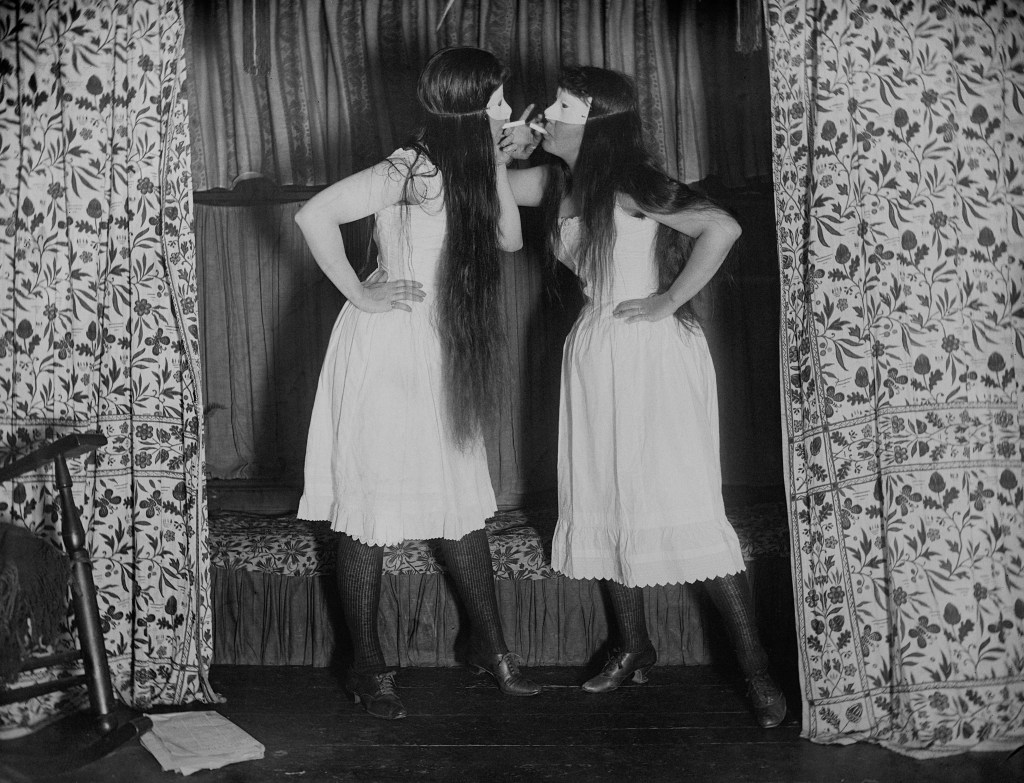
In 1891, a century before the Lesbian Avengers, when Alice took the photograph “Trude and I Masked,” the term “lesbian” might conjure in the American imagination foreign women of ill repute, perhaps an idea in Alice’s mind as well.8 But her photographs reveal that in the early 1890s, she was exploring what being a woman meant to her. She and her friends posed as prostitutes, drunkards, men, fashion plates, and femmes fatales. The photographs that resonate today offer glimpses of Alice coming to know herself. As art historian Richard Meyer has evocatively observed, “These images stand on the threshold of queer visibility.”9
A glaring weakness of Novotny’s 1976 book is the concealment of Alice’s sexual identity. Less glaring but also problematic is its lack of attention to chronology. Because Novotny surveyed the photographs thematically—friends and family, Staten Island, Manhattan, travel—she did not address how Alice and her photography evolved within a changing world, especially one of changing gender roles. Prioritizing chronology shows how Alice’s friendships, ambitions, and photographs were shaped by a shifting cultural landscape.
There is considerable evidence at hand to describe Alice’s life and the role photography played in it: over 7,800 negatives and vintage prints—recently digitized and cataloged—and a treasure trove of family memorabilia, including photo albums, scrapbooks, oil portraits, and ephemera such as dance cards filled in by her part- ners, the pencils still attached. There are three scrapbooks in which she carefully documented her social activities between 1882 and 1892, and 700 letters written to her from friends and family between 1883 and 1898. But Alice’s thoughts and motives remain elusive. There are no diaries; her side of the correspondence is missing; and the photographs, even those identified by subject and date, retain their secrets.
Despite the absence of her voice, a rich portrait of Alice’s temperament and values emerges. She was an independent and strong-willed woman who nonetheless remained steadfastly loyal to her family heritage. In each chapter of her life, her rebellious impulses were held in check by an insular world defined by affluence and whiteness. A descendant of English colonists who had amassed great wealth, she lived most of her life at Clear Comfort, the Staten Island home that her grandparents had built, which was filled with family furniture and memorabilia. In the post-Reconstruction era of her youth, theories of racial hierarchy were prevalent, and Americans of “Knickerbocker stock” assumed that their class status reflected their innate superiority. Alice’s society was filled with prejudice that she would not have recognized as such. As their letters attest, she accepted the casual racism of her friends. Arriving at an Adirondack resort, one friend wrote: “The people are all very nice, no Jews or invalids.”10 Alice loved popular culture, including minstrelsy, a form of “subversive” humor that offered white audiences a “playful” release by mocking the disempowered. John A. Morton Jr., a close friend and admirer, waxed lyrical about Alice’s noblesse oblige:
Alice Austen was a lady, an aristocrat in the best sense of that word. . . . She was charitable, kind, understanding and dignified, she was never a snob, never in any pose, never forgetful of her duties as a lady and never undemocratic. (Ask her garage man … hear it from her ex-servants!)11
Alice’s family presented her with an unorthodox model of Victorian domesticity. Taking over his father’s auction business, Alice’s grandfather suffered several financial reversals but maintained his family’s financial security until his death in 1894 at age 83. Alice’s grandmother, a devoted wife and mother, provided the family ballast. But neither Alice’s mother nor her aunt conformed to the conventional ideal of feminine devotion and sound household management. Her mother, also named Alice, returned home after a brief failed marriage, and her Aunt Min and Min’s second husband, Oswald Muller, traveled the world before retiring to Clear Comfort when Alice was in her teens. The family encouraged Alice’s passions for shopping, scrapbooking, and athletics, supported her desire to travel, and did not pressure her to marry.
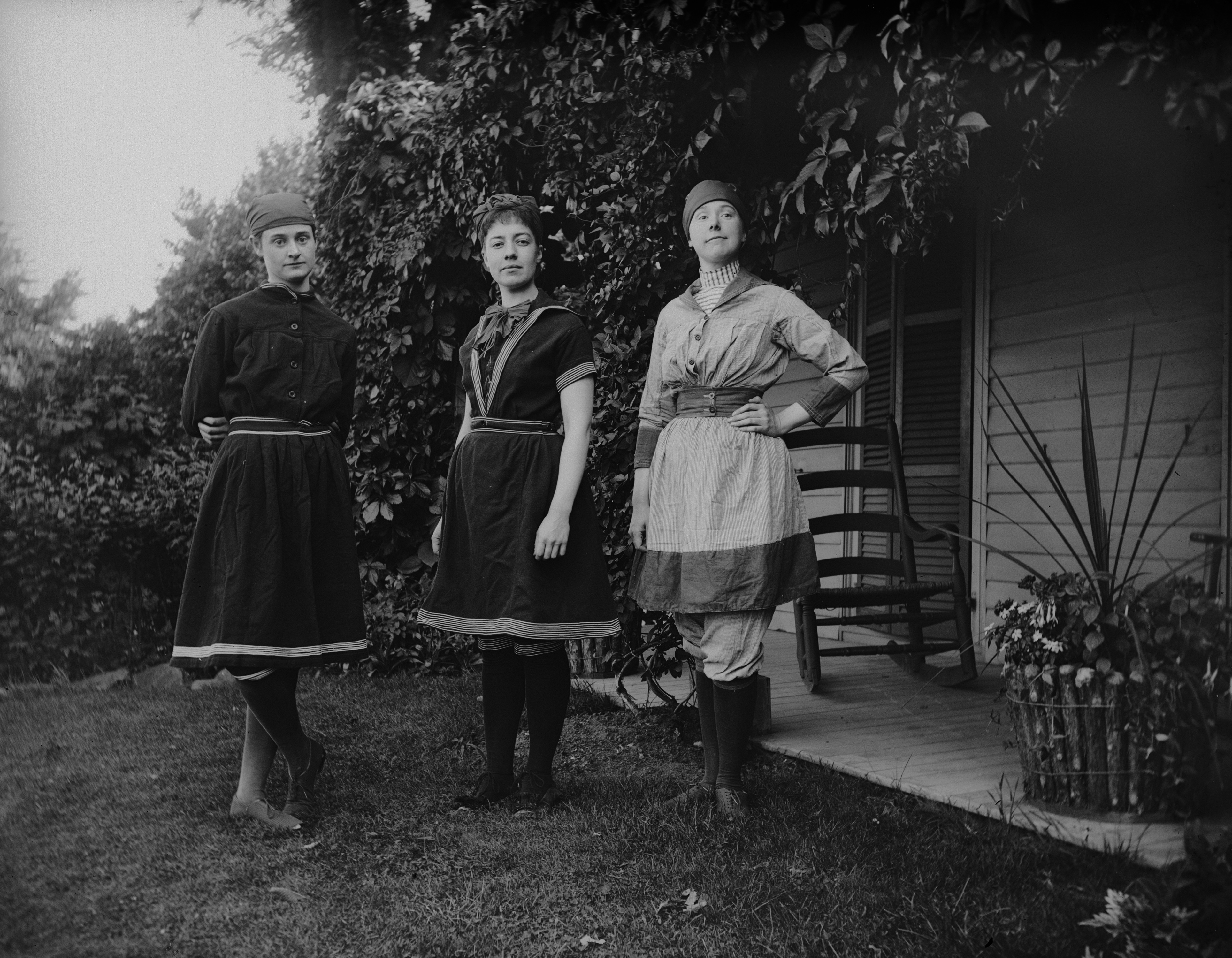
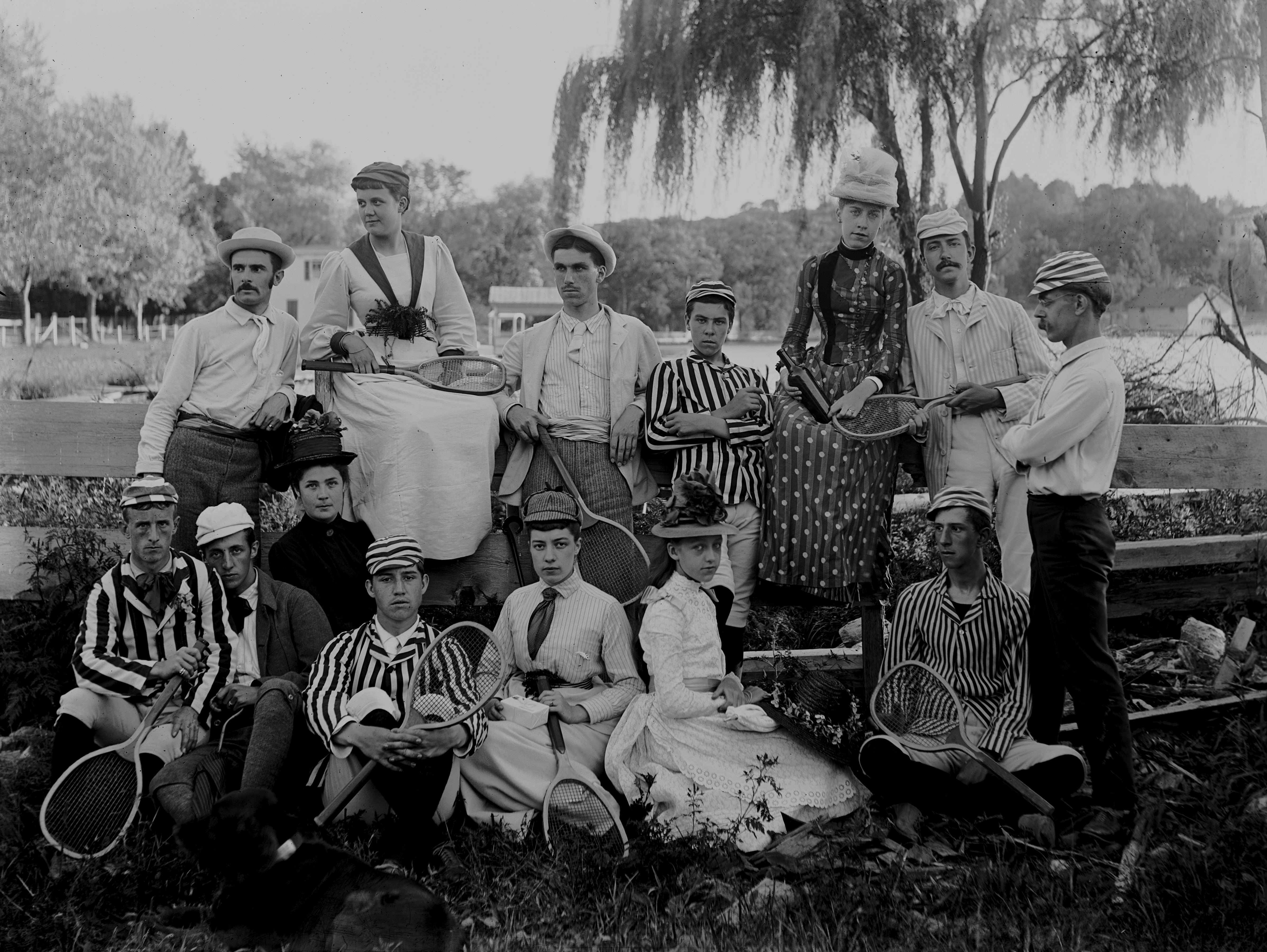
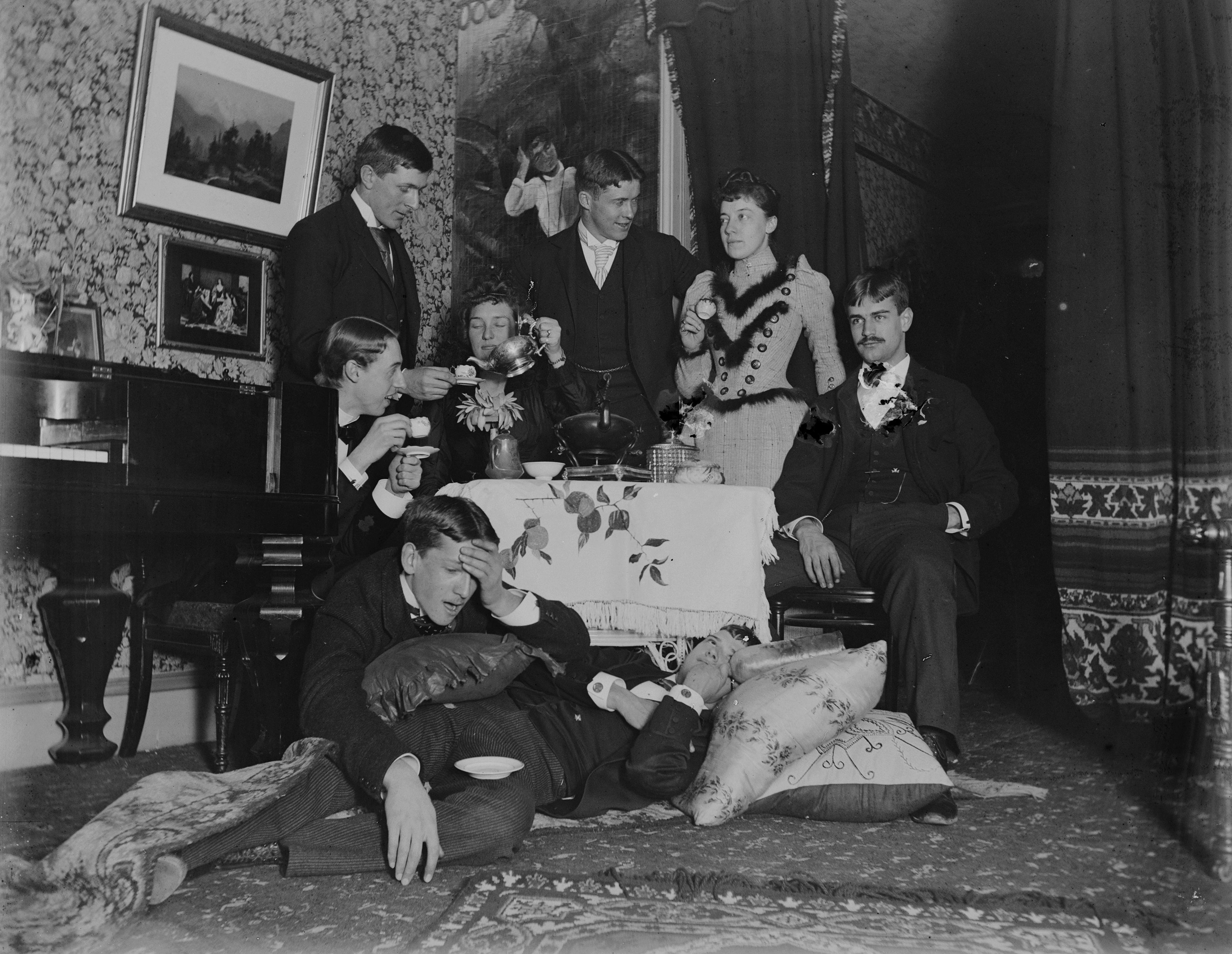
Alice entered society in 1883, engaging in a whirlwind of leisure activities, which she dubbed “the larky life.” 12 She was devoted to tennis, a new sport open to women as well as men, which offered myriad opportunities for intimacy and independence among young people. A competitor in all things, she was a local tennis champion and was popular with men as well as women. The numerous letters of the 1880s from her women friends express the excitement that these relatively unchaperoned events— tennis tournaments, boating competitions, amateur theatricals, and dances—inspired among them. The more formal, flirtatious letters from men and the many dance cards that she saved indicate Alice’s interest in courting men’s affection.
In the mid-1880s, Alice took up photography, a fashionable and expensive hobby, at which she excelled. Once introduced to the camera by her Uncle Oswald, she perfected her skill on her own, specializing in portraits and landscapes that documented her Staten Island circle and their pastimes and her visits to resorts and the lavish homes of family members and friends. In group portraits and tableaux orchestrated for the camera, Alice included herself within the frame, creating a kind of visual diary of her coming of age. Garnering great praise for her superior craftsmanship and giving photographs as gifts, she used photography to enhance her social persona. She had neither the need nor the time to participate in the activities of the burgeoning photography clubs of the day, nor was she interested in the artistic effects, idealized subjects, and debates about art that preoccupied her contemporaries who fell under the spell of pictorialism.
Although Alice’s equipment was up-to-date, her aesthetic belonged to an earlier era, and her visual imagination was stimulated by popular culture—trade cards, magazines, calendars, postcards, stereographs—rather than the fine arts.
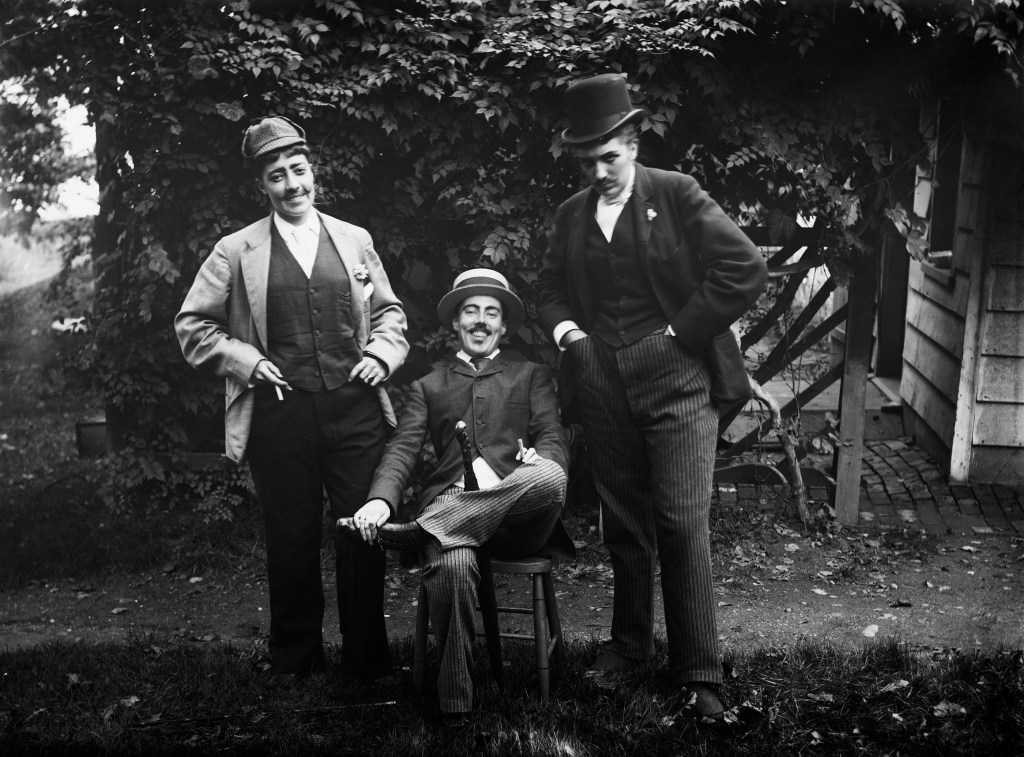
By 1891, when Alice and her friends faced the prospect of matrimony, the underlying risks of the larky life emerged. She came to realize the emotional costs of flirtatious behavior, including her own, and to understand that the social power of a popular girl crumbled in the face of marital obligation. Although she celebrated the marriages of several friends by photographing their new homes, she also used the camera to explore her feelings about women’s social roles. This moment of reckoning inspired Alice’s now-famous photographs of her and her friends clowning before the camera. Both transgressive and humorous, the photographs reveal her skeptical view of the mating rituals and gender roles that had preoccupied her for many years. When Jensen showed Alice a modern print of her 1891 photograph of Julia Martin, Julia Bredt, and herself dressed in men’s clothing, she remarked: “Maybe we looked better as men than women.” (Figure i.2).13
In the mid-1890s, the concept of the “New Woman” was coined to describe women of Alice’s generation who challenged Victorian norms and asserted their independence by attending college, pursuing careers, eschewing marriage, and exploring their sex- uality. Alice did not pursue a career, but she challenged Victorian norms in her own way. Her former tennis partner Violet Ward, who had not been among her “larky life” companions, played a major role in encouraging Alice to strike out in new directions. Alice collaborated with Violet on two photography projects, including Violet’s popular book, Bicycling for Ladies, and she produced a photographic portfolio of “New York Street Types,” for which she violated the norms of feminine behavior by traveling throughout Manhattan in search of working-class subjects. Violet also in- introduced Alice to Daisy Elliott, a somewhat older woman who became romantically involved with Violet and Alice for several years.
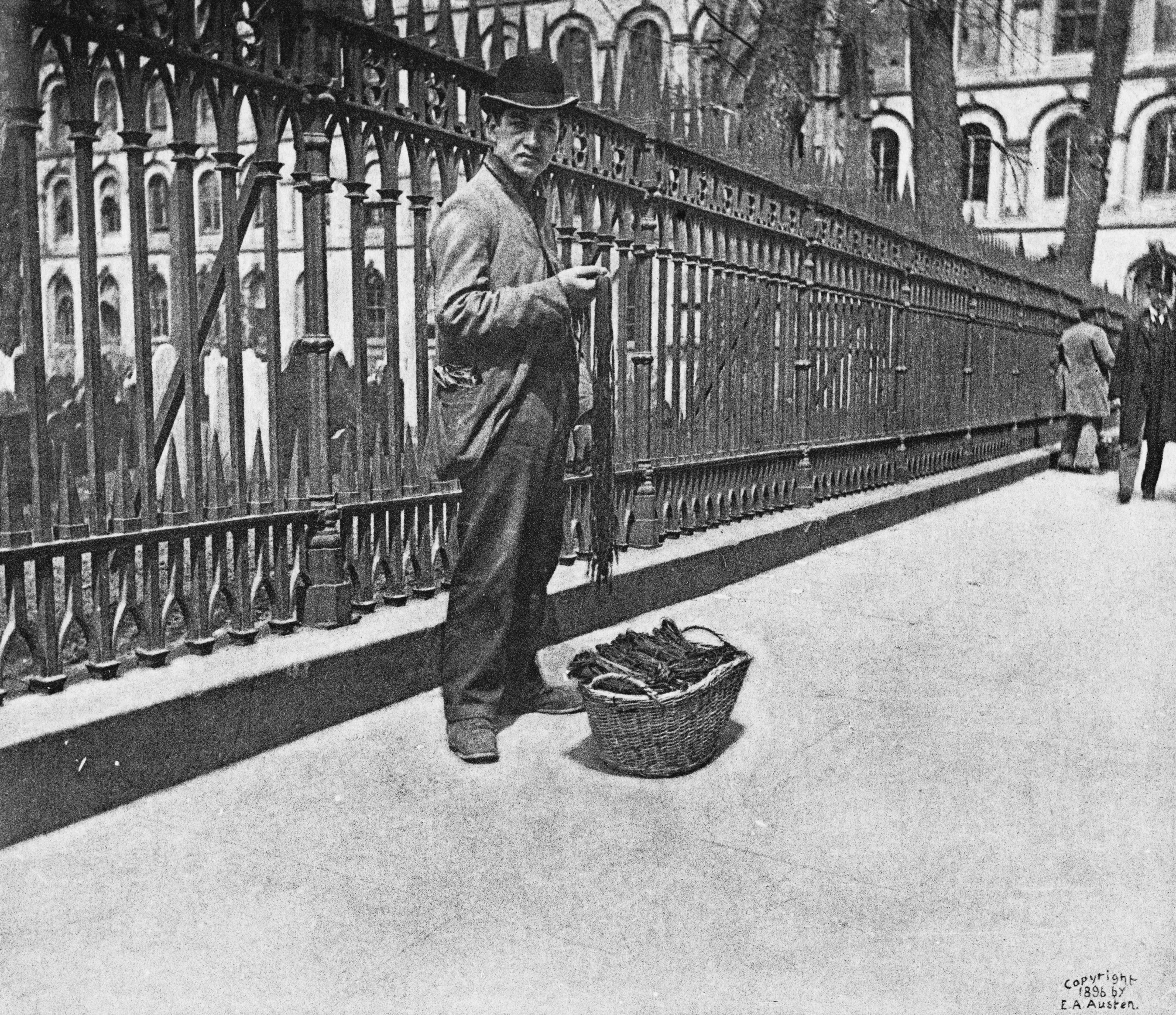
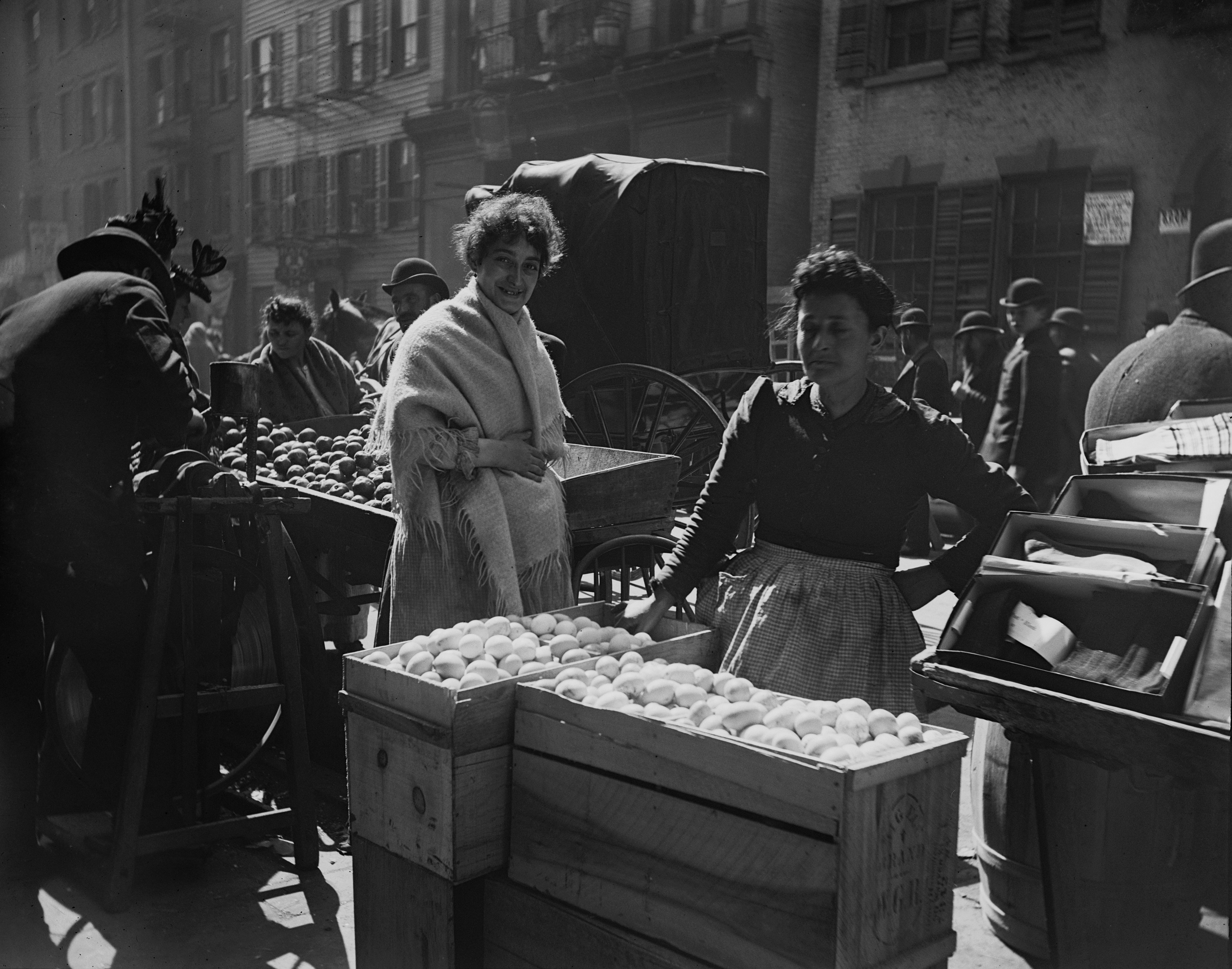
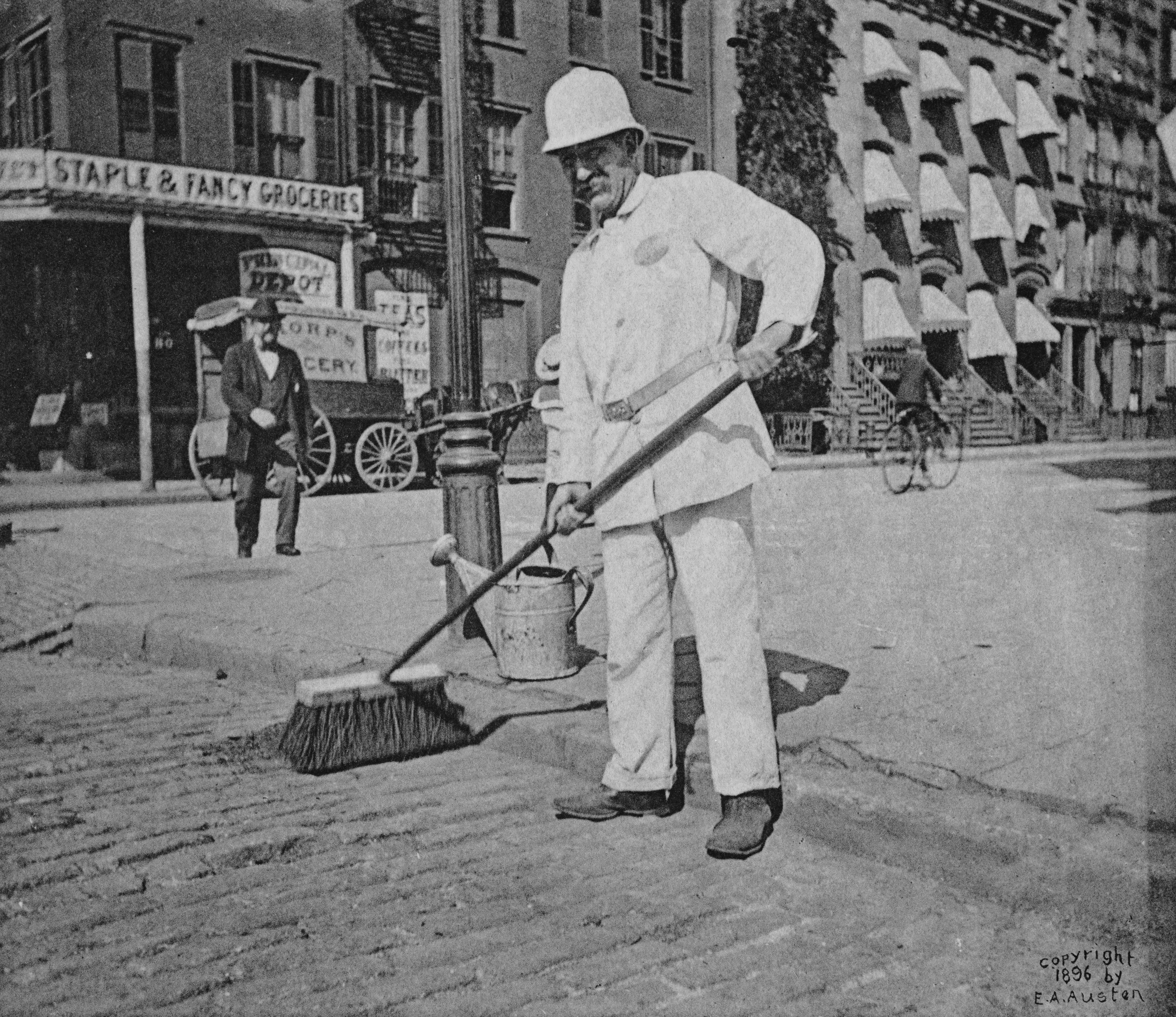
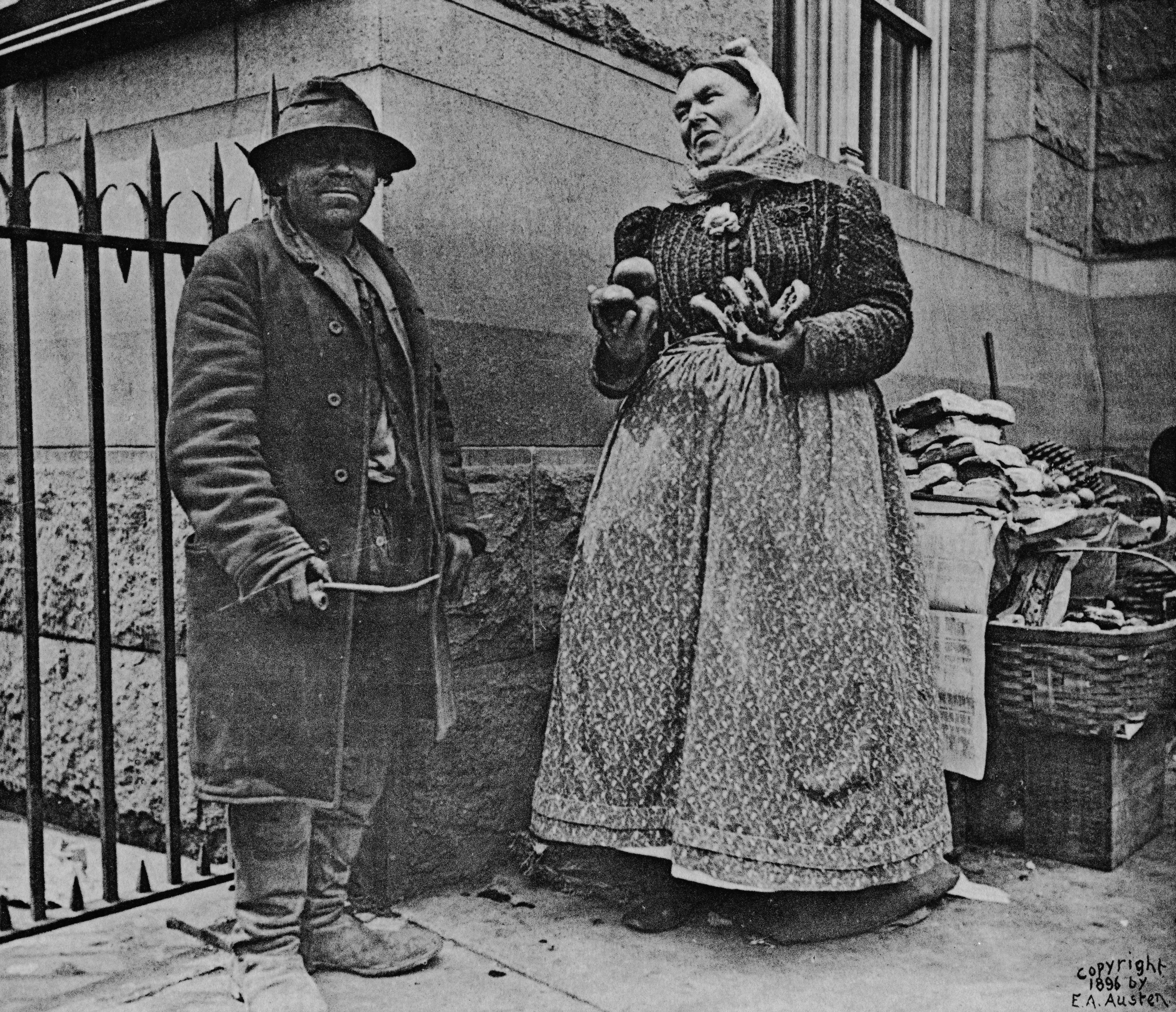
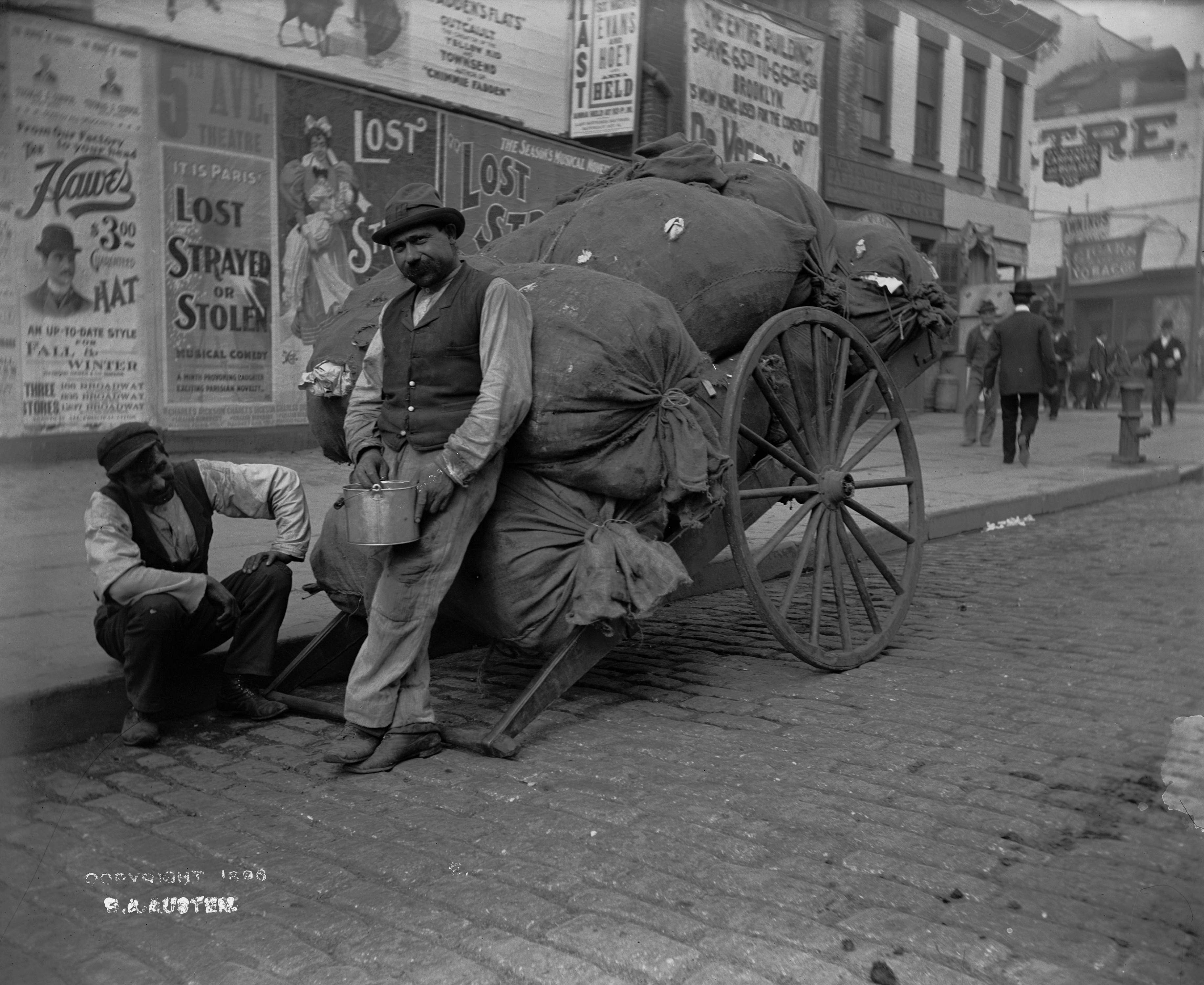
Alice’s allegiance to her class, however, limited her horizons. As a woman of means, she was wary of commercial exchange; when she sent prints to friends and family, she ignored their requests to compensate her. In the 1890s, when many women amateurs became professional photographers, she produced historically important and commercially viable photographs but failed to identify an audience for them and was left with dozens of unsold prints.
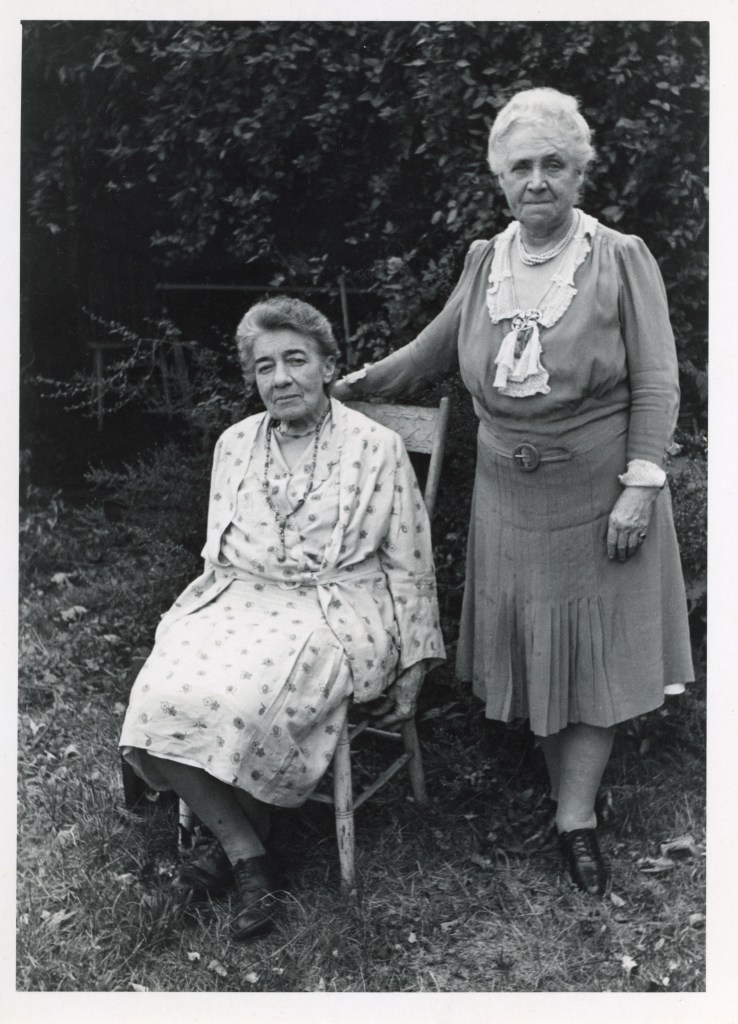
Alice met Gertrude Tate in 1897, and their partnership defined the rest of Alice’s life. Although Gertrude lived in Brooklyn with her family until 1917, when she moved to Clear Comfort, she spent much of her time on Staten Island with Alice’s family and friends. Prior to World War I, the two women traveled extensively, spending numerous summers in Europe.
In the course of their lives together, public attitudes toward women’s sexuality radically changed. The Victorian concept of “romantic friendship,” which presumed that women who loved women were chaste, gave way to the authority of “sexologists,” who described same-sex love as a mental illness and a threat to the social fabric. Women exhibiting so-called male behaviors, including “mannish” dress and sexual desire for other women, were labeled “sexual inverts” or, lesbians. Protected by class privilege, Alice and Gertrude successfully navigated a heterosexual culture in which the belief that lesbians were deviant was commonplace. Their activities and associations were exclusive: Alice maintained memberships in private clubs on Staten Island and in Manhattan and founded the Staten Island Garden Club, and Gertrude taught dance and deportment to the children of the wealthy and briefly ran a fashionable tearoom. They were staunch Republicans, which in New York signified anti-Tammany Hall and anti-immigrant sentiments. Neither of them showed any interest in the women’s suffrage movement, although when women’s suffrage was won, they registered to vote.
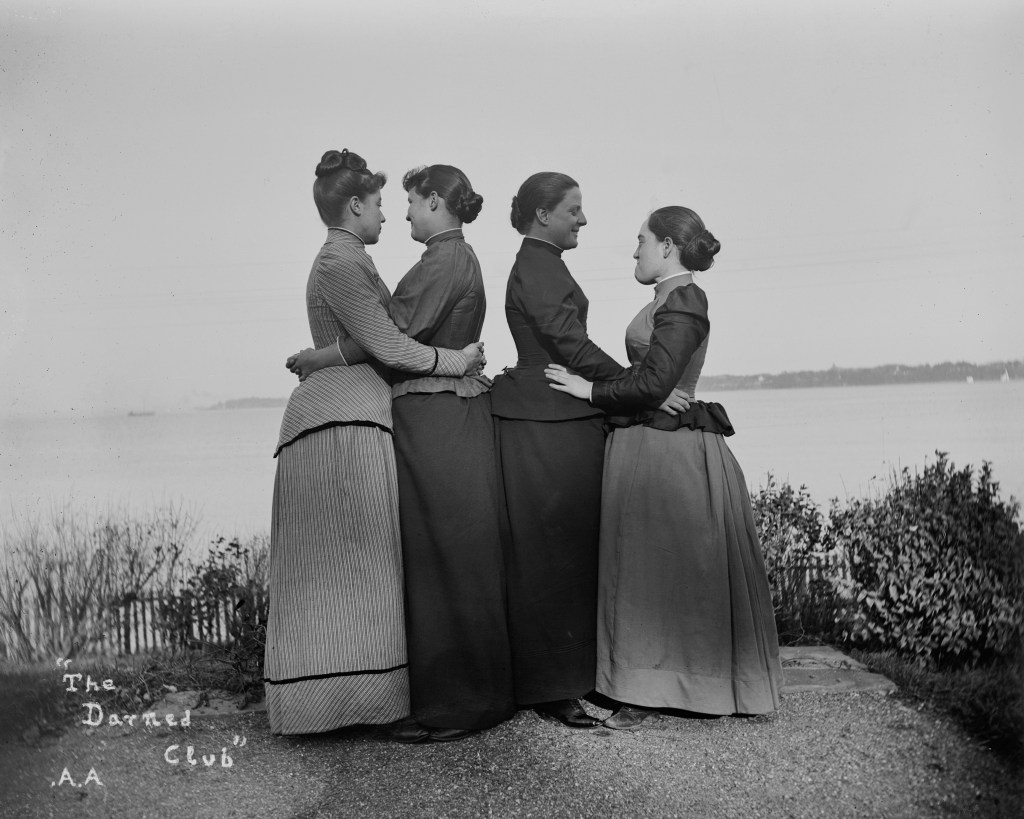
Once Alice met Gertrude, her photography languished. In the 1880s and 1890s, she had been an accomplished craftsman, and her beautiful or humorous photographs enhanced her reputation. After 1900, she used her darkroom only occasionally and sent out her negatives to be commercially developed and printed. She was content to record the incidents of daily life, and she experimented with various new gadgets, including a motion picture camera. She became an amateur photographer in the pejorative sense of the word.
When Alice lost all her money in the stock market crash of 1929, she hoped in vain that class status would protect her and Gertrude. Their last twenty years together were grim. They clung to Clear Comfort, which fell into disrepair as Alice succumbed to crippling arthritis. When Gertrude could no longer care for her ailing partner, Alice relinquished her remaining possessions to Gertrude and was admitted to the Staten Island Farm Colony as a pauper. In her final year, Oliver Jensen, the writer from Manhattan, introduced Alice and her photographs to the American public, thereby raising enough money to rescue her from penury and launch her on the path to fame.
Notes:
- Oliver Jensen, Research memo, July 12, 1951, Box 5, Jensen Papers (hereafter cited as Re-
search memo, July 12, 1951, Jensen Papers). - Oliver Jensen, The Revolt of American Women: A Pictorial History of the Century of
Change from Bloomers to Bikinis—from Feminism to Freud (New York: Harcourt, Brace and
Company, 1952), 15. - Vavelda von Steinberg, Research memo, September 10, 1951, Box 5, Jensen Papers (here-
after cited as Research memo, September 10, 1951, Jensen Papers). - Jensen, The Revolt of American Women, 15; “Members of [Alice’s] family died, and since
she never married, she was finally left alone at Clear Comfort with her old friend, Gertrude Tate,
who had come to live with her.” “The Newly Discovered Picture World of Alice Austen, Great
Woman Photographer Steps Out of the Past,” LIFE (September 24, 1951), 144. - Ann Novotny, Alice’s World: The Life and Photography of an American Original: Alice
Austen, 1866–1952 (Old Greenwich, CT: The Chatham Press, 1976), 60. - Anne Maguire, Alice Austen and Gertrude Tate House: A National Historic Lesbian
Landmark, Museum and Biographical Guide, Lesbian Avengers file, Lesbian Herstory Archives,
Brooklyn, NY. - Laura Peimer vividly describes the Lesbian Avengers’ protest in “Alice’s Identity Cri-
sis, A Critical Look at the Alice Austen Museum,” History of Photography 24, no. 2 (2000):
175–79. - See Lillian Faderman, “Lesbian Exoticism,” in Surpassing the Love of Men: Romantic
Friendship and Love Between Women from the Renaissance to the Present (New York: Quill,
William Morrow, 1981), 254–75. - Richard Meyer, “Inverted Histories: 1885–1979,” in Catherine Lord and Richard Meyer,
eds., Art and Queer Culture, 1885 to Present (London: Phaidon Press 2013), 20. - Letter of Gertrude Eccleston to Alice Austen, August 28, 1895, AAH Letters.
- Letter of John A. Morton Jr. to Ann Novotny, December 27, 1975, Novotny Papers.
- The term “larky life” first appeared in LIFE (September 24, 1951), 140. A three-page
spread was titled, “A ‘Larky’ Life, Alice Loved Every Bit of It.” The text begins, “For Alice
Austen life on Staten Island in the 1880s and 1890s was, as she put it, ‘larky.’” - Jensen, The Revolt of American Women, 25.
Chapter 1: Clear Comfort - This is the only letter written by Alice in the AAH letter collection. In the Novotny Papers,
there are four letters that Alice wrote to her cousin Henry Rogers Winthrop in the 1940s seeking
TOO GOOD TO GET MARRIED: The Life and Photographs of Miss Alice Austen by Bonnie Yochelson
Fordham University Press; Empire State Editions
On June 21, 2025, Historic Richmond Town returned to the Alice Austen House an over 7,000 piece photo collection after decades of having the collection in their possession.
Jessica Phillips, Historic Richmond House Executive Director said: “Historic Richmond Town has been honored to steward the Alice Austen photo collection for more than 80 years, ever since Austen entrusted it to our care. Over the decades, our team has dedicated thousands of hours to researching, preserving, and sharing this remarkable body of work with the public. As the Alice Austen House celebrates its 40th anniversary and continues to distinguish itself as a national leader in LGBTQ+ history, the time is right to return the collection to its home at Clear Comfort.”
Victoria Munro, Executive Director of the Alice Austen House, said: “The Alice Austen House is honored to partner with Historic Richmond Town in the deeply meaningful repatriation of Alice Austen’s glass plate negatives and printed photographs. This transfer marks a pivotal moment—not only for our institution, but for the broader cultural landscape—at a time when LGBTQ+ communities face renewed threats of erasure. Museums must lead in preserving and amplifying these vital legacies, and we are proud to do so.
As we celebrate our 40th year as a museum open to the public, welcoming Alice’s work back home is both historic and deeply moving. We extend our heartfelt thanks to Historic Richmond Town for their years of thoughtful stewardship, and we look forward to continuing our collaboration as we digitize the full collection and expand access to Alice Austen’s extraordinary body of work for audiences everywhere.”
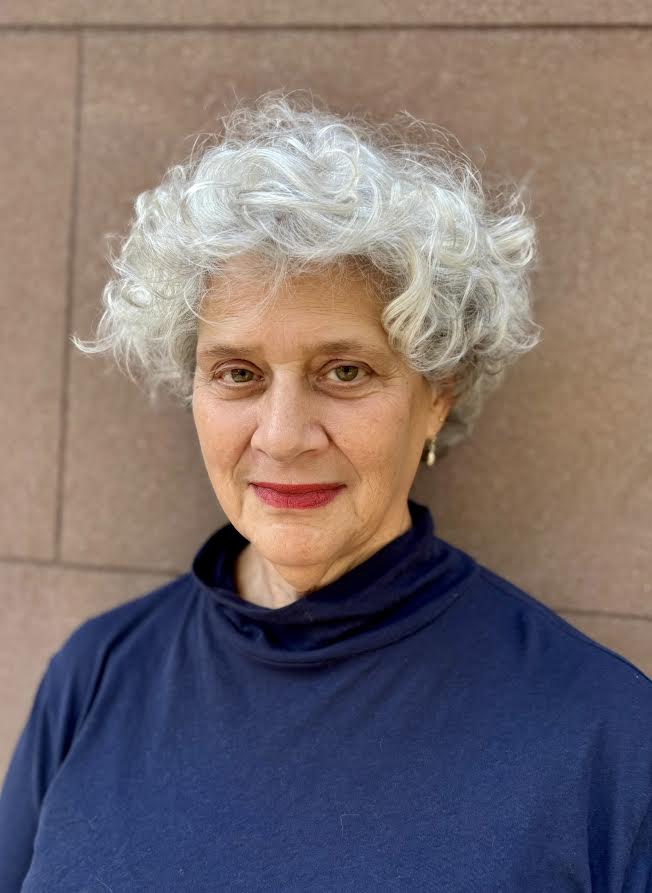
ABOUT THE AUTHOR:
Formerly Curator of Prints and Photographs at the Museum of the City of New York, Bonnie Yochelson is an independent art historian and curator. She has organized exhibitions and published books on Jacob Riis, Alfred Stieglitz, and Berenice Abbott, among others. She taught in the MFA Photography, Video, and Related Media Department at the School of Visual Arts, New York City, for 30 years.
Yochelson was awarded a Robert D.L. Gardiner Writing Fellowship by The Gotham Center, CUNY Graduate Center for TOO GOOD TO GET MARRIED. She received the full cooperation of Alice Austen House and Historic Richmond Town, which lent generous financial and staff support to the project. To learn more about Bonnie Yochelson, visit: bonnieyochelson.com.
Categories: featured, featured photographer, literature, photography

 magpiesmagazine.com