

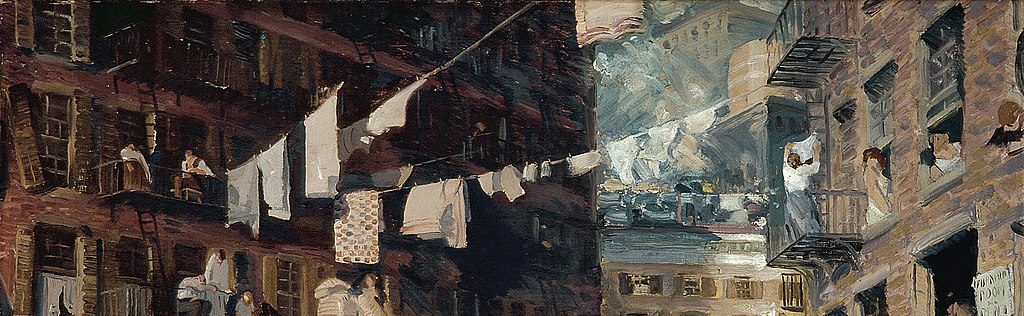
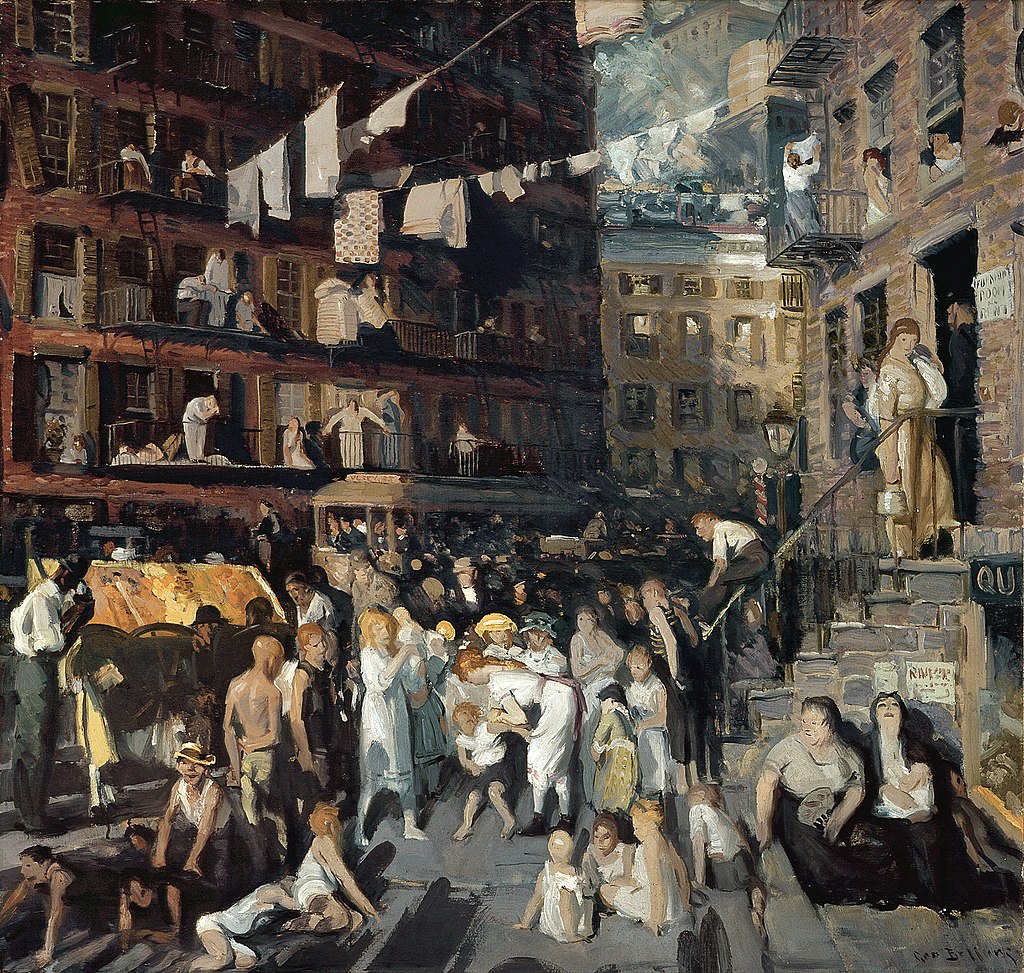
“Now, on a Sunday morning, most of the windows were occupied, men in their shirtsleeves leant out smoking, or carefully and gently held small children on the sills. Other windows were piled up with bedding, above which the dishevelled head of a woman would briefly appear. People called out to each other across the street, one of the calls provoked a loud laugh about K. himself.”
I read The Trial by Franz Kafka a million years ago. Now, decades later, for some reason, this image, of a man leaning out the window in his shirtsleeves on a Sunday morning glows in my memory and my imagination. I could feel the air, morning-cool, but warming every moment. I could smell the day heating up. I could even feel K.’s awkwardness, his sense that he wasn’t part of this busy world of people starting their day.
I’ve had some strange days and strange nights’ sleep for many nights, strange dreams. The world is such a mess of ignorance and cruelty and greed right now, and as an American, I feel responsible for so much of it and mortified by so much of it, but I also feel completely powerless to do anything about it. So I don’t know where to put my thoughts, and I don’t feel like I have much to say about anything.
I went for a walk with Clio at twilight when the sunset was pale pink against an indefinable grey in the trees and shadows. This time of year is like that — all that is green and warm and bright trying to assert itself against all that slumbers. The lights were just coming on in houses, and voices carried through windows and doors. It reminded me of an evening towards the beginning of the pandemic when the sky was deepening into its mystifying ringing blue, and the warm gold lights in houses hummed against it as they always do — cool and warm. I heard music and laughter coming from an open window. People together and making noise, despite the bleakness of the times. I was just walking through a small city in a big, troubled country, past houses shining with the warmth of lights just turning on at close of day. Houses full of people I don’t know, lives and worries and joys I’ll never know. All these people with their own thoughts and cares, thoughts and cares I would probably understand and share, as would most people everywhere around the world.
I like the in-between times in the in-between spaces. Liminal, crepuscular. Between night and morning, evening and darkness. In windows and doorways, the places between the worlds we make for ourselves and the world we share with others. The warmth of human companionship and the cool solace of solitude. And there’s something about these times of day when people are moving from dreams to the waking world, from light to darkness and warmth to coolness that leaves people unguarded, not yet closed off. And there’s a bruising poignance to these moments that leaves you awake and aware of the importance of this, that helps you to notice and to pay attention, however briefly, to something vital though not-at-all-important that is going on all around you.
I read Camus’ Essay Hope and the Absurd in the Work of Franz Kafka many years after I read The Trial, but I had a strange feeling of something snapping into place — a strange recognition of why this passage might have stayed with me all these years. As Camus says, though The Trial is a dark and bewildering story, and what Joseph K endures is disturbing, frustrating, and saddening, “Meanwhile, he does not neglect to love, to eat, or to read his paper.” And for Camus, it is Kafka’s (and Joseph K’s) focus on the everyday that makes the story moving, absurd, and somehow even hopeful (however Camus defines the word). “And it can do solely by means of a perpetual paradox which confers on colors the power to express the void and on daily gestures the strength to translate eternal ambitions. … It seems that we are witnessing here an interminable exploitation of Nietzsche’s remark: ‘Great problems are in the street.'”
When times are hard and people are evil, the everyday becomes precious and becomes an act of defiance, and the loss of it becomes tragic. “Merely to announce to us that uncommon fate is scarcely horrible, because it is improbable. But if its necessity is demonstrated to us in the framework of everyday life, society, state, familiar emotion, then the horror is hallowed.”
Despite all this, despite all this, there is, after all, (there must be) something of a melancholy hope in thinking about people going on with their lives, wherever in the world they are living. Not hope as Camus would understand it, probably. But a feeling that we’re all in this together, a feeling you get if you catch a glimpse of light and warmth within, or in someone showing their baby the world outside their window, or in people sharing a meal, or in laughter and a snatch of song spilling through an open window.
And there’s everything hopeful in people sharing their words, art, and music! Thank you to everyone who contributed to this beautiful issue of Tidings of Magpies.
Categories: featured

 magpiesmagazine.com
beautiful! thank you!
LikeLike
Aw, thank you thank you thank you. I swear, every time I feel foolish writing something you say something kind about it. It means more than you could know.
LikeLike