

By Mark Ludak
Ellis Island was a major immigration station from 1892 to 1954, where an estimated 12 million people came seeking refuge and a better life. Over time, it’s become a National Park, symbolizing the ‘American’ experience.
My family’s story is like that of many others who came to the United States during this time. They were escaping a hard life on the farm, military service, and religious persecution. They came from the Baltics and what was once part of the Austro-Hungarian Empire in Eastern Europe. They found work in the garment, steel, sugar, and meatpacking plants in Pennsylvania. The factory floor replaced the open fields and farms of their home, and they became the industrial workers of the modern world. Their names changed along with a large part of their identity.
For twenty years, I photographed the now-abandoned factories and mills to learn about their lives, at least what the spaces they worked in were like. I had never visited Ellis Island, even though my family’s names are on the American Immigrant Wall of Honor.
In 1924, the Immigration Act was passed, which was based on the then-popular idea of eugenics. This law restricted who could enter the United States based on their race and ethnicity.
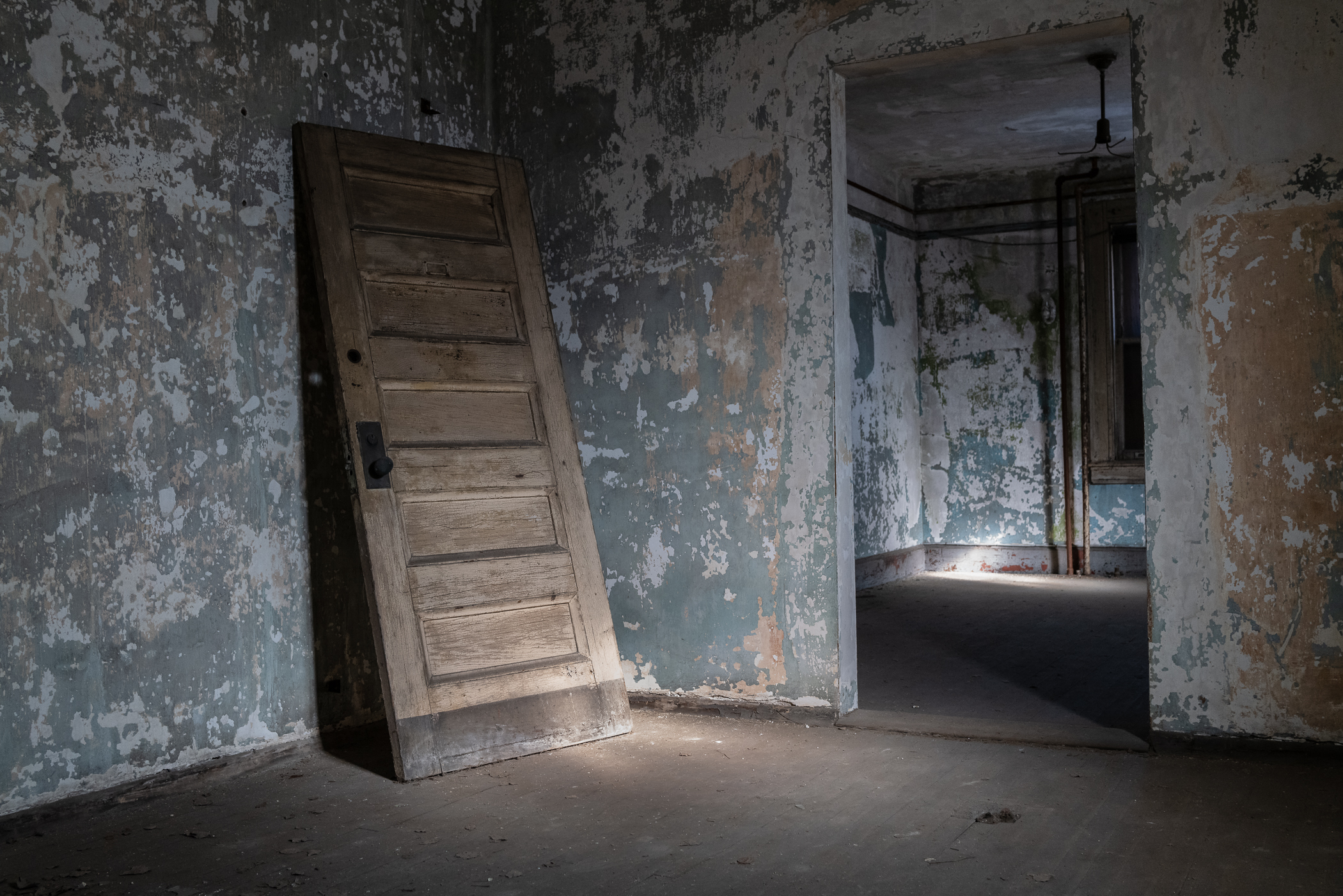
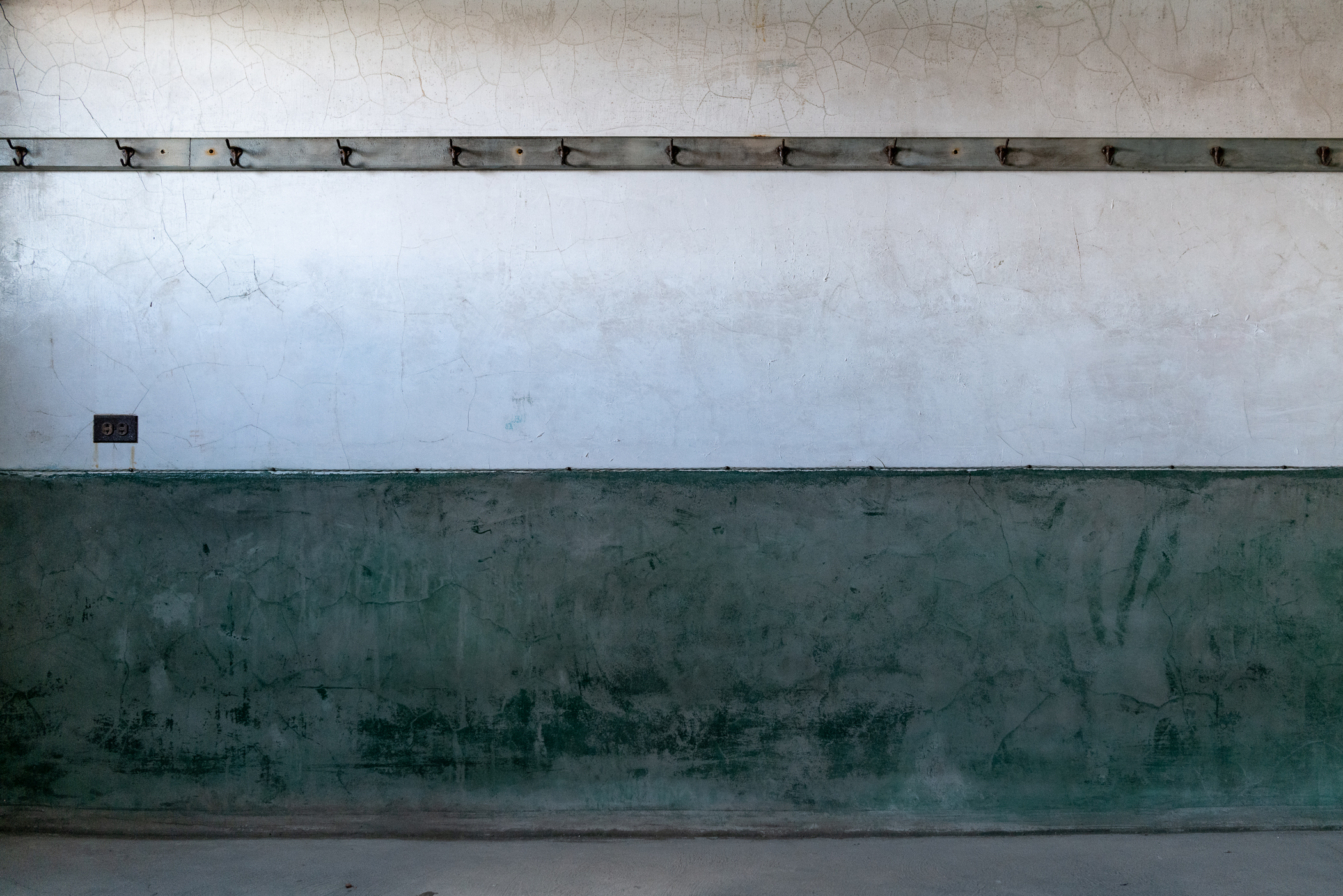
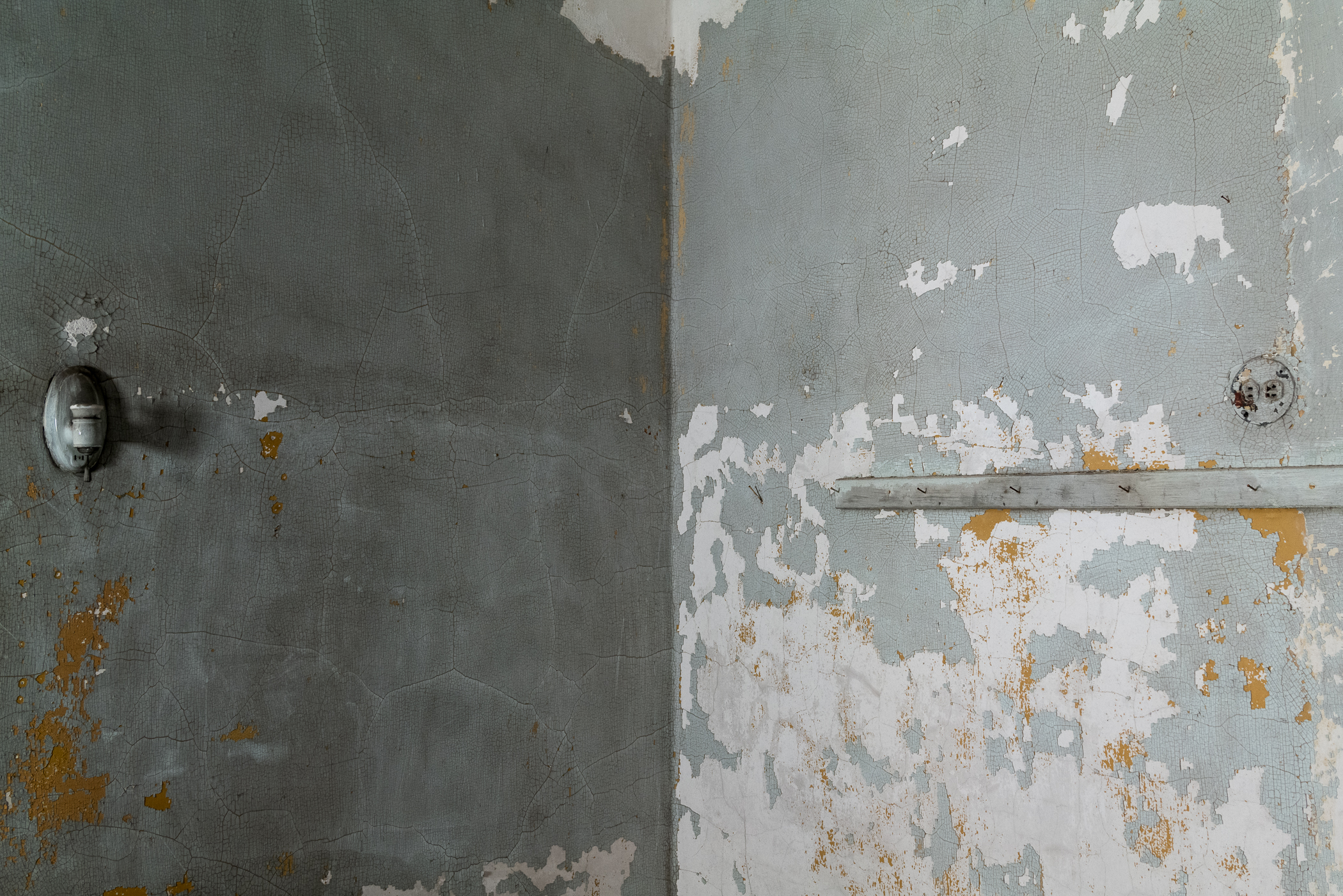
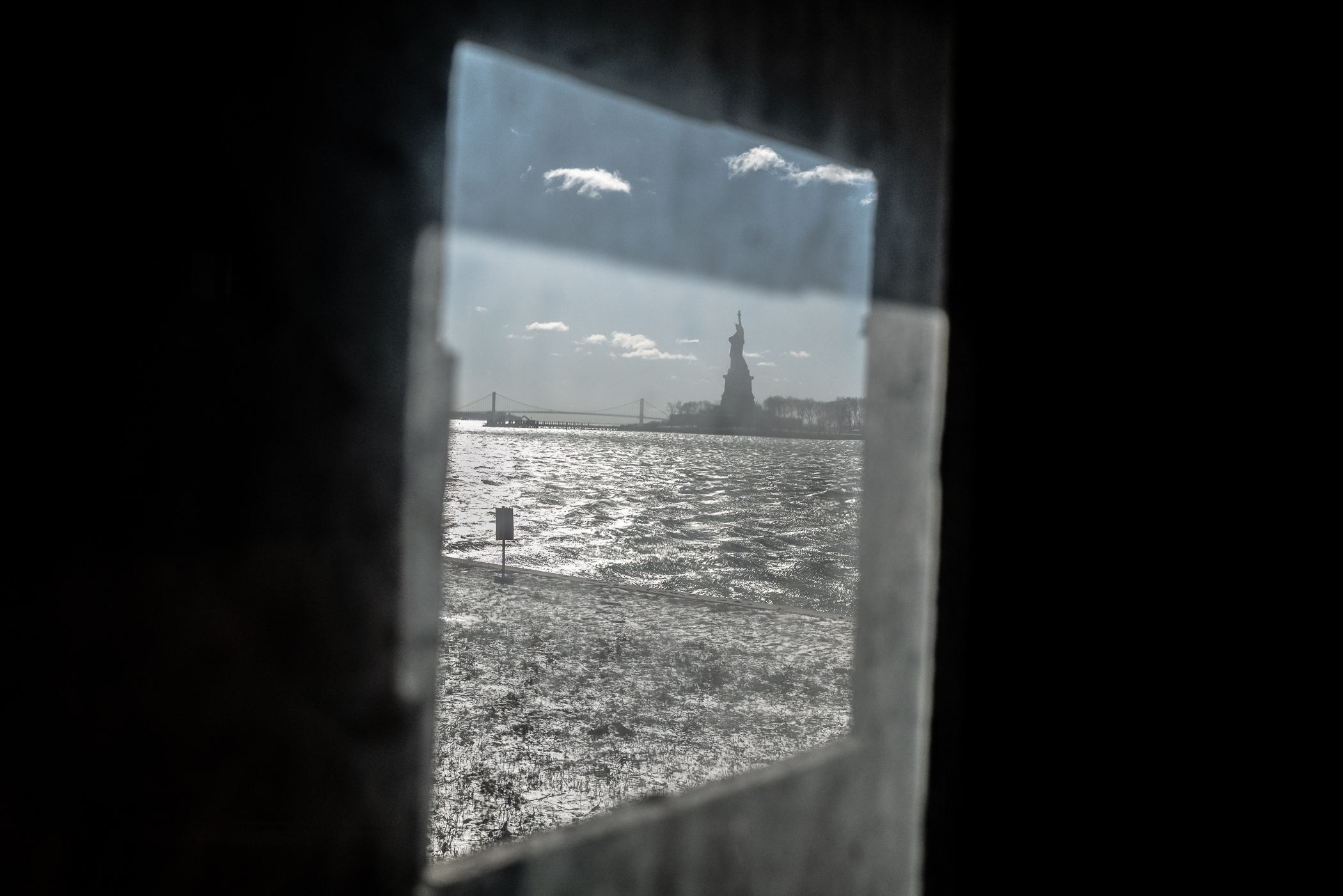
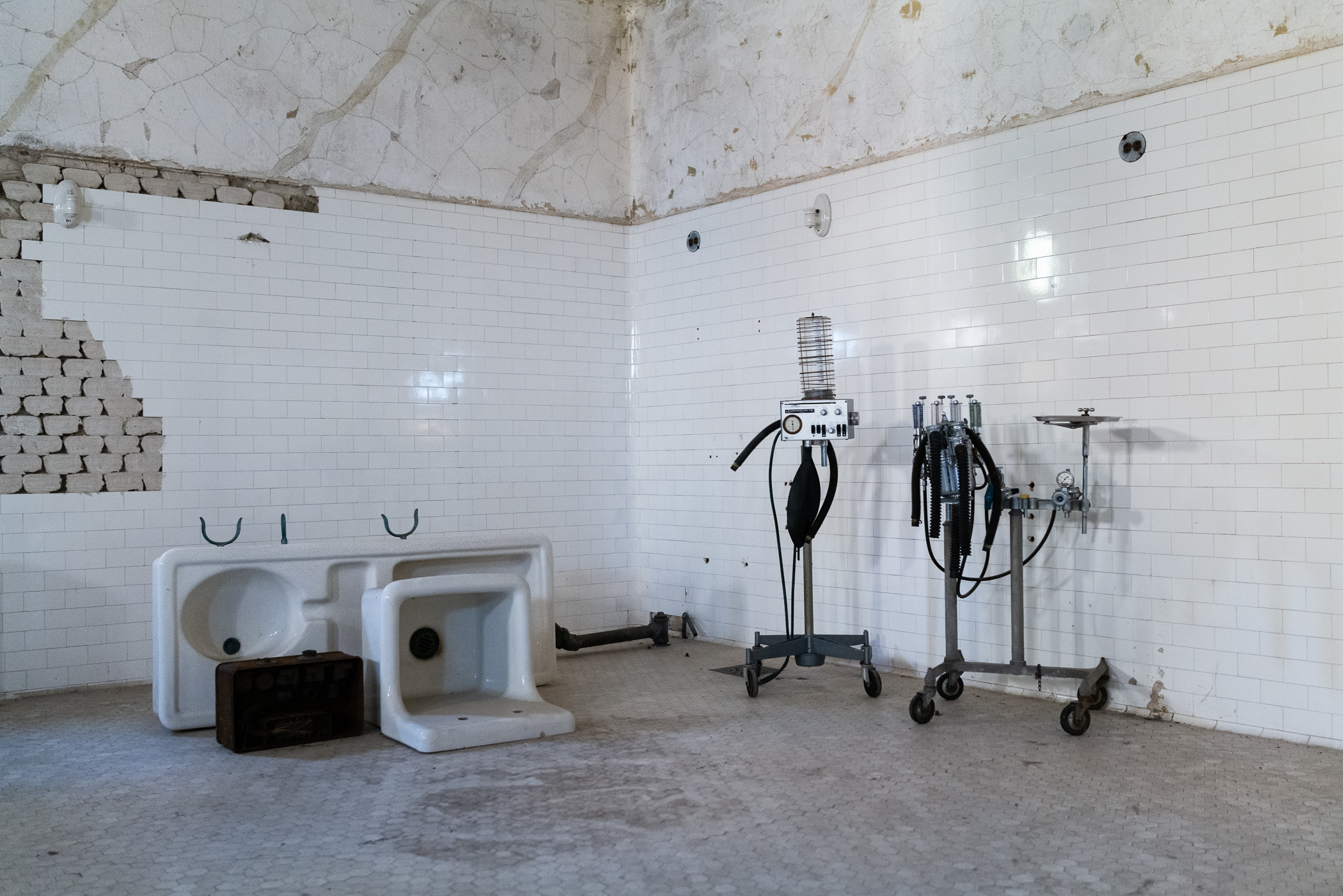
Ellis Island was also a detention center. It is estimated that 2% or 250,000 immigrants were detained and held for health, political, or financial reasons. Many were eventually let in, while others were deported. Over the years, there were waves of anti-immigrant feelings. In 1924, the Immigration Act was passed, which was based on the then-popular idea of eugenics. This law restricted who could enter the United States based on their race and ethnicity. Eastern Europeans and Southern Europeans were especially targeted. These restrictions stayed in place until 1965. During the Red Scare of 1919-1920, immigrants from these areas were also under suspicion. People who were suspected of being anarchists, communists, or socialists were often detained and sent back home. By the 1930s, Ellis Island was used almost exclusively for detention and deportation. During World War II, as many as 7,000 detainees and “internees” were held at the Island. The Detention and Hospital wing of Ellis Island is not the part that has been restored like the Main Immigration Building, which was rebuilt in 1900. It’s not as popular as the immigrant transit side.
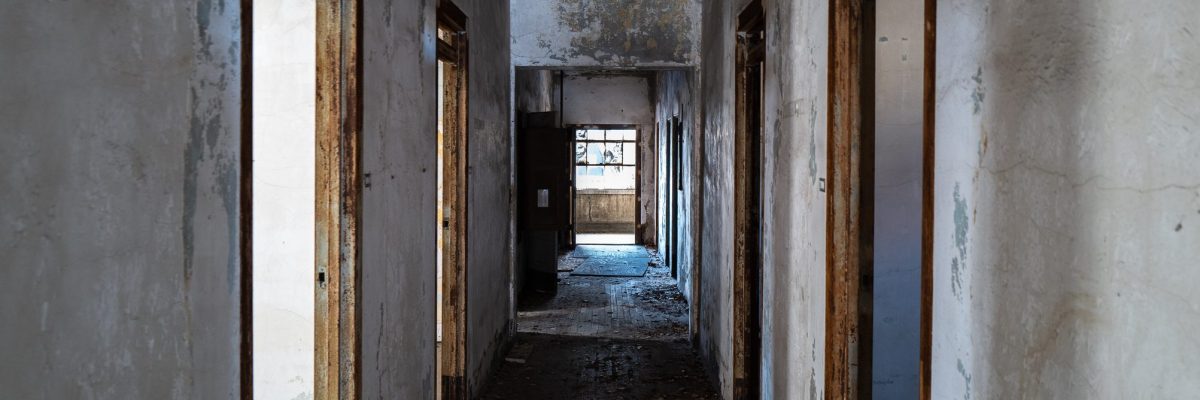
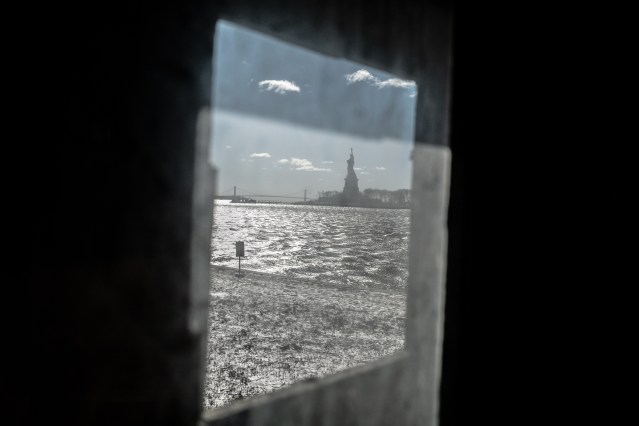
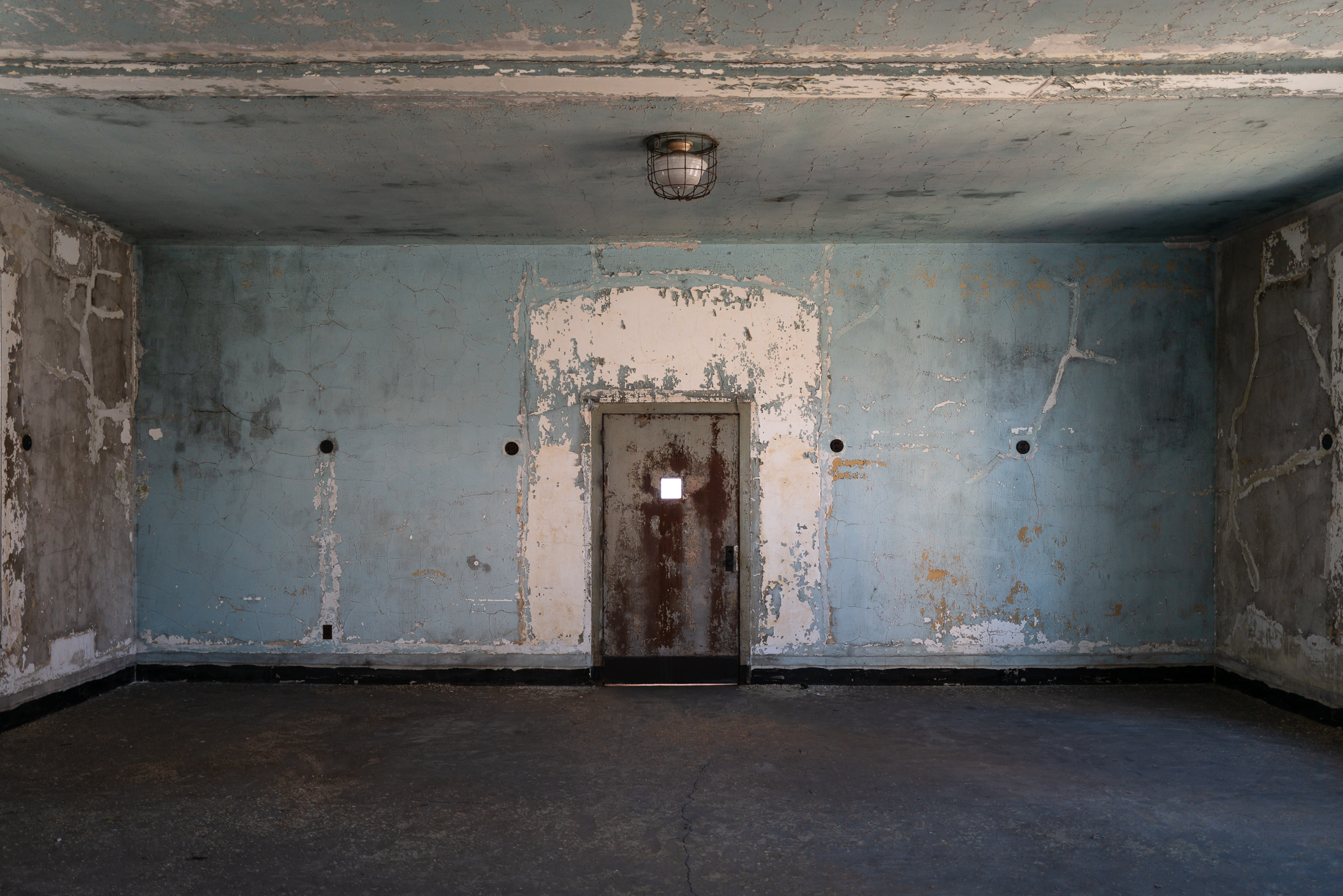
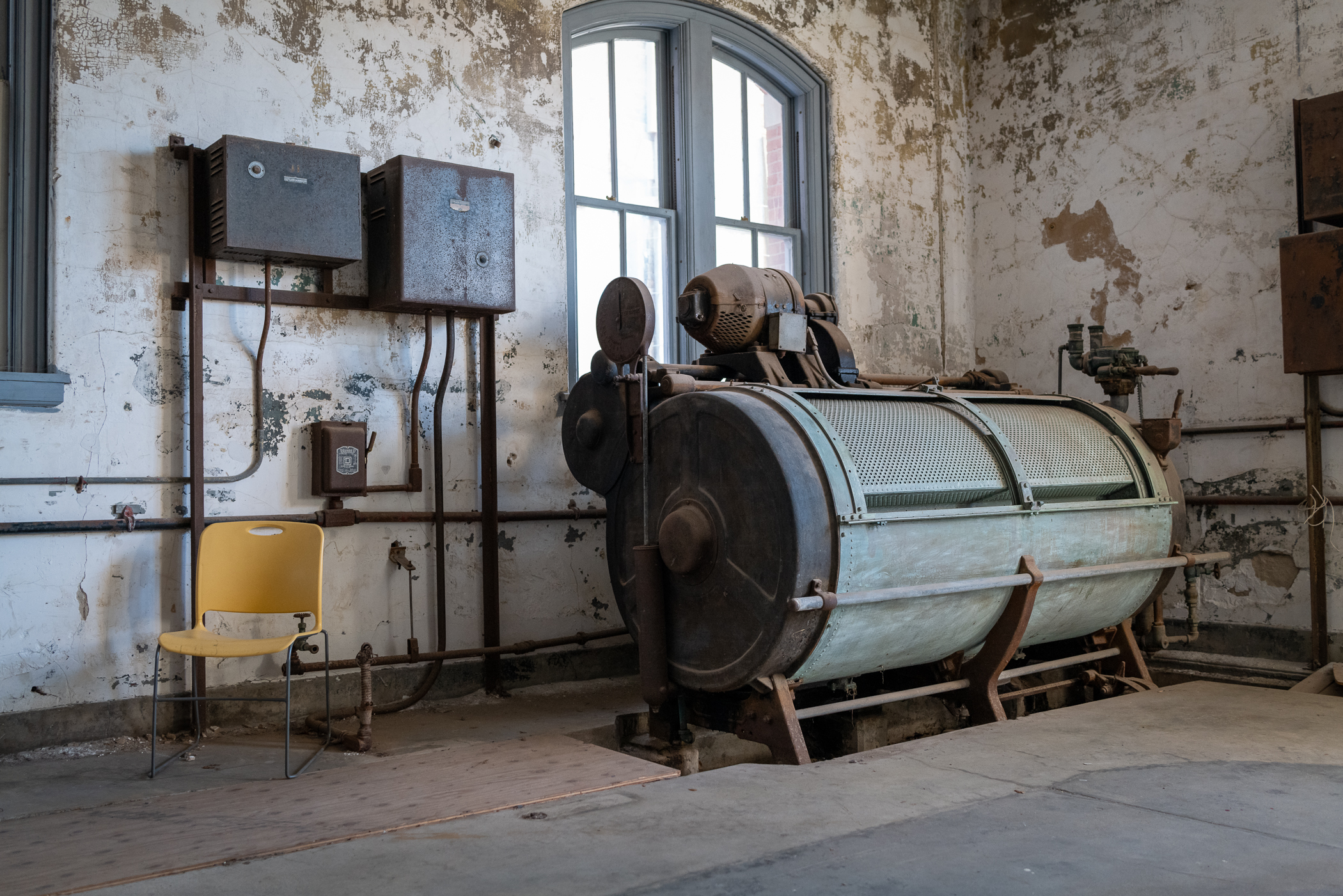
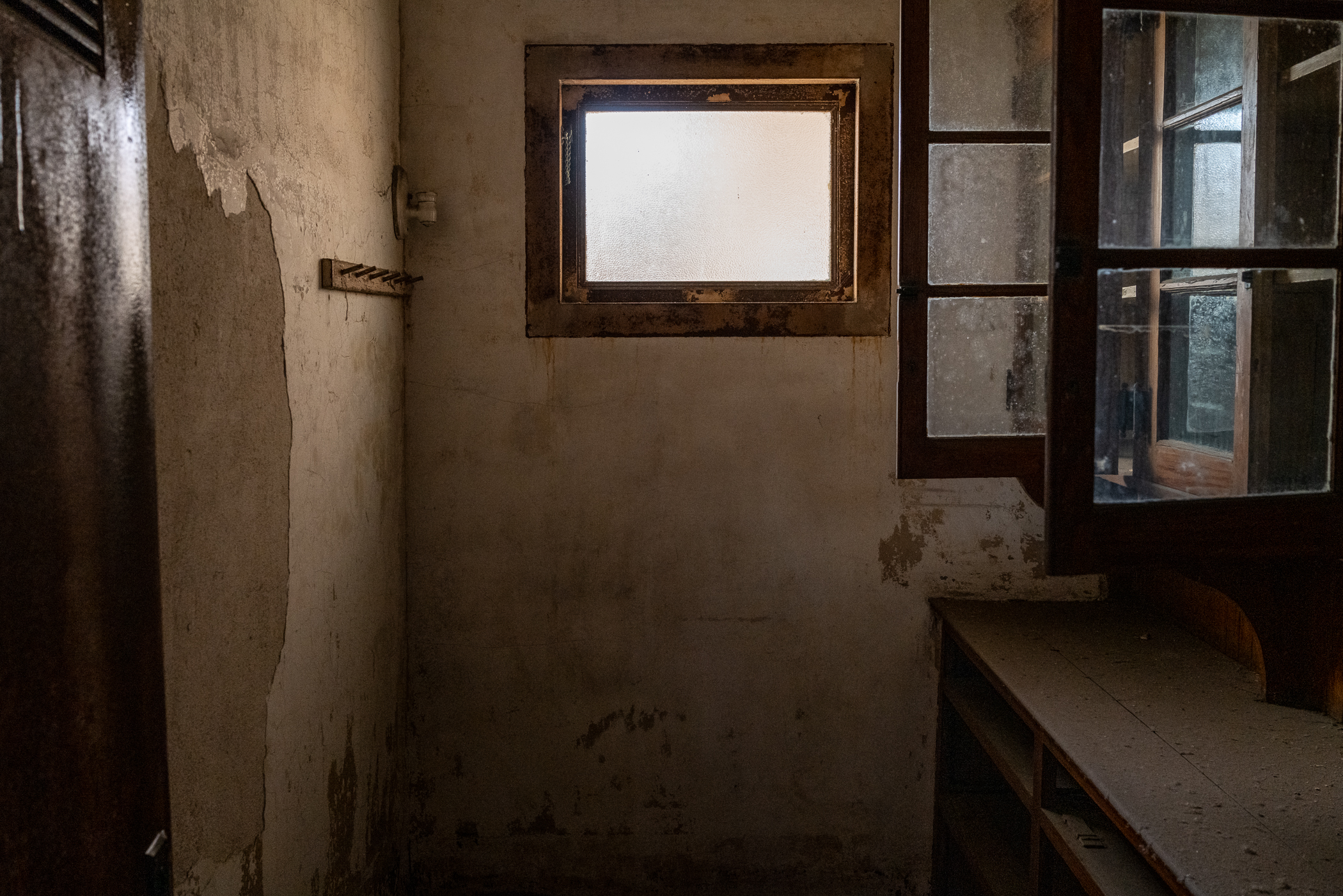
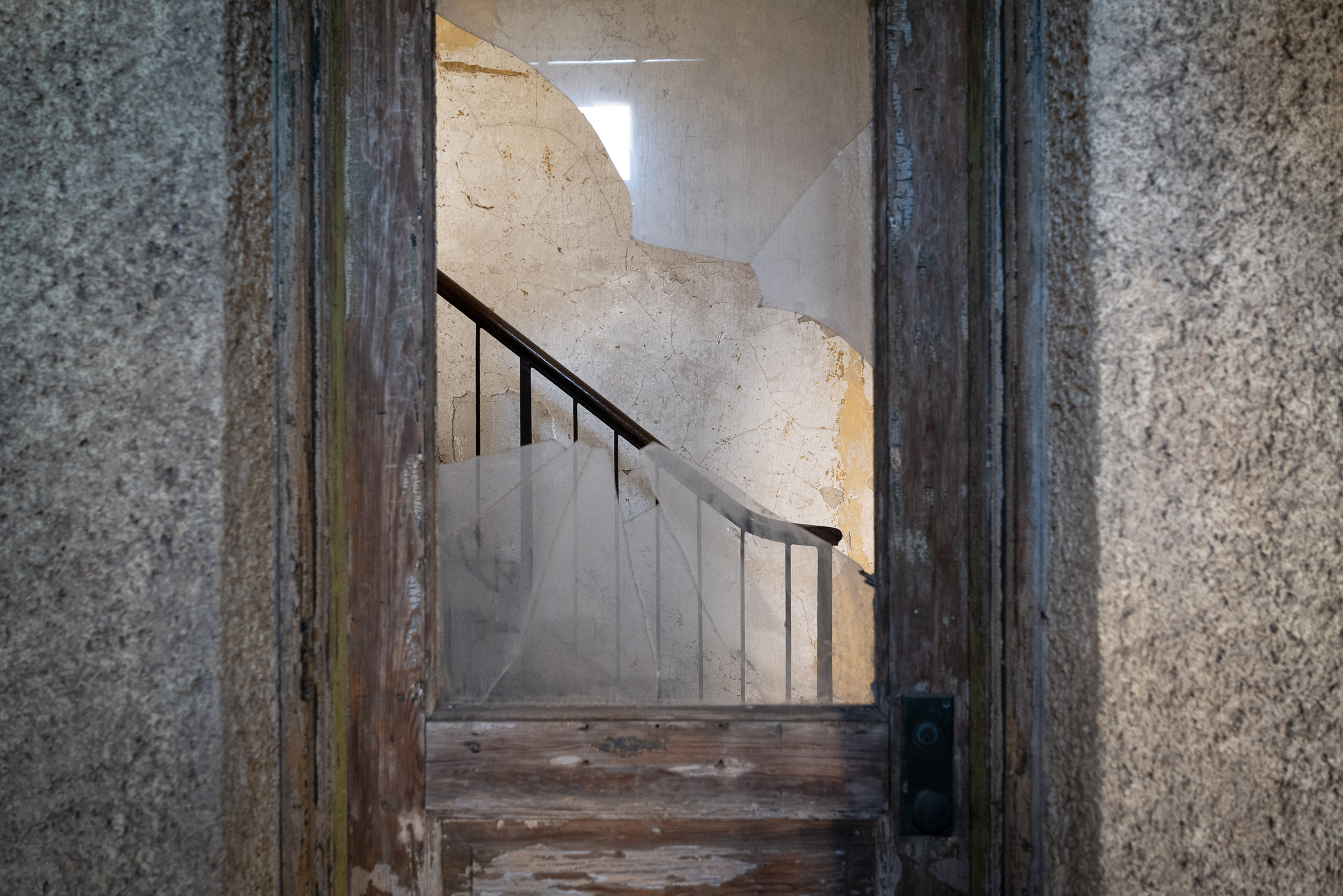
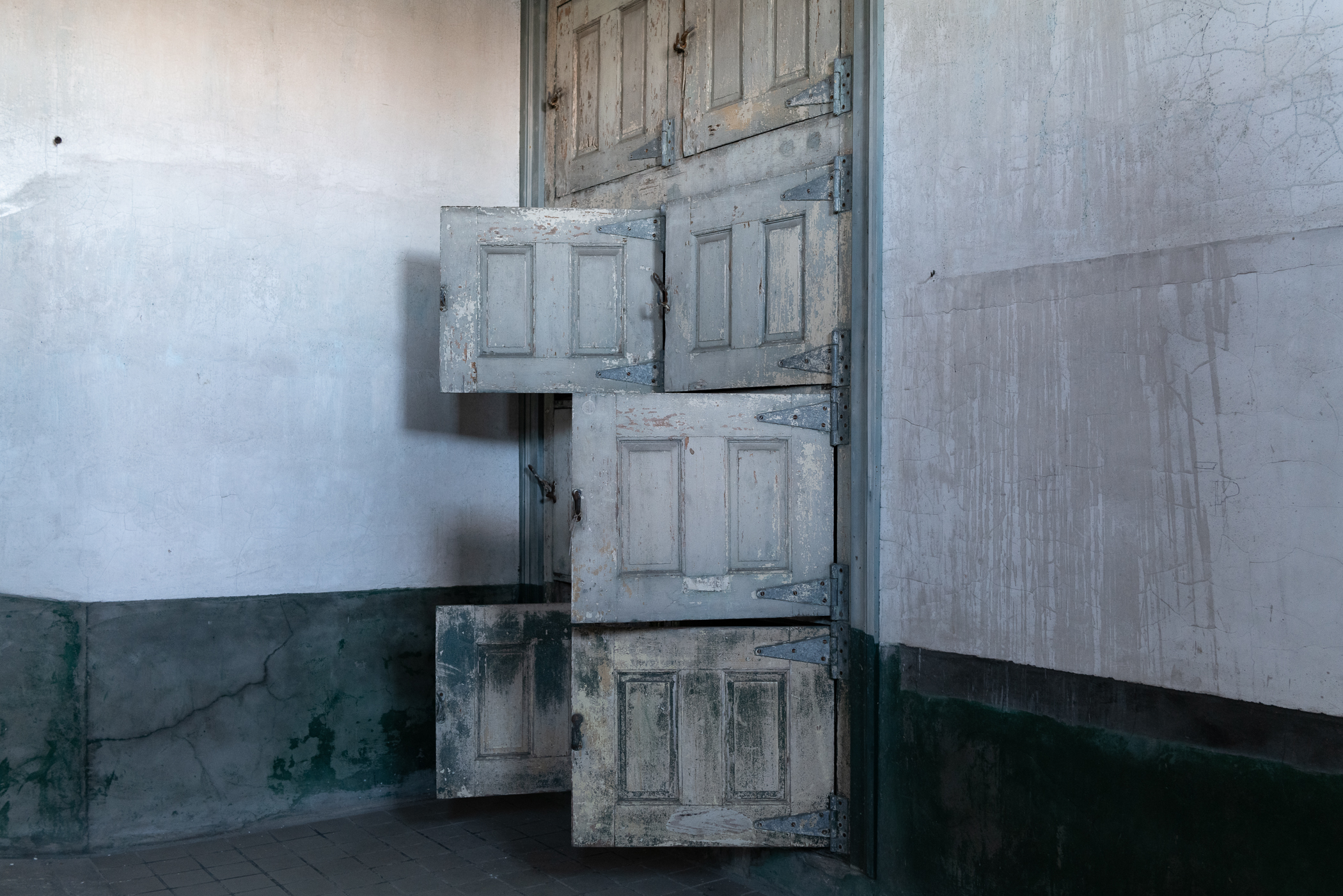
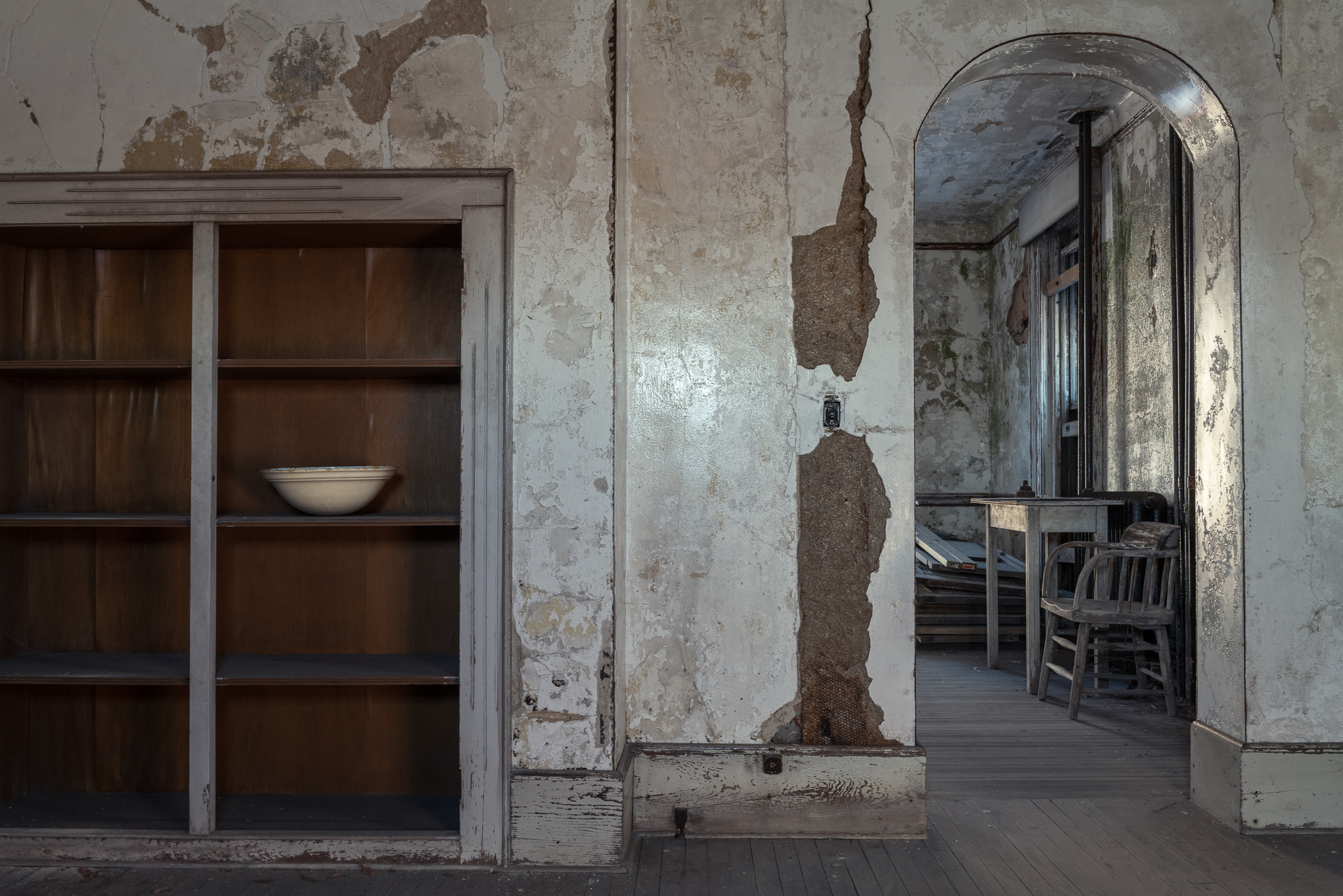
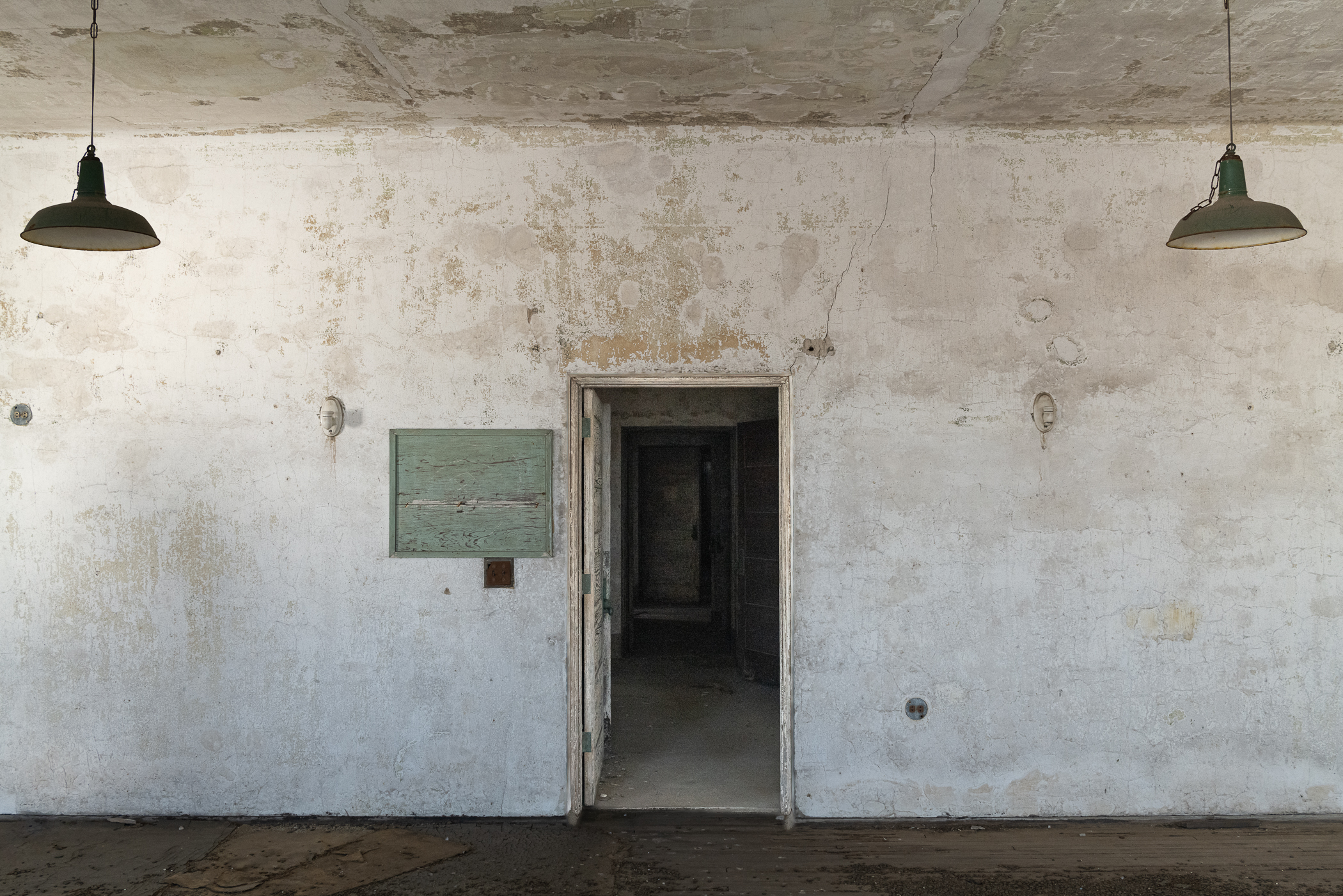
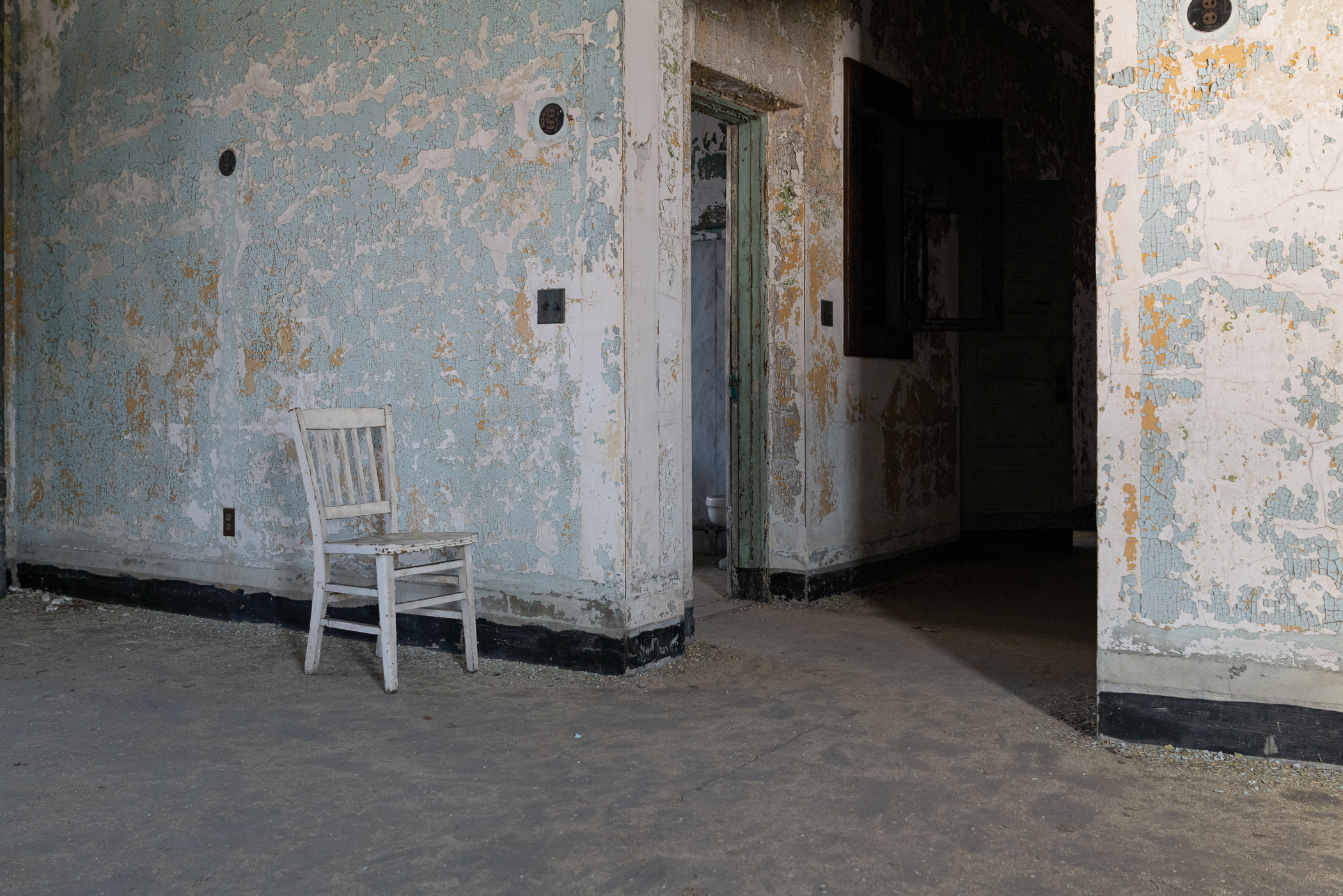
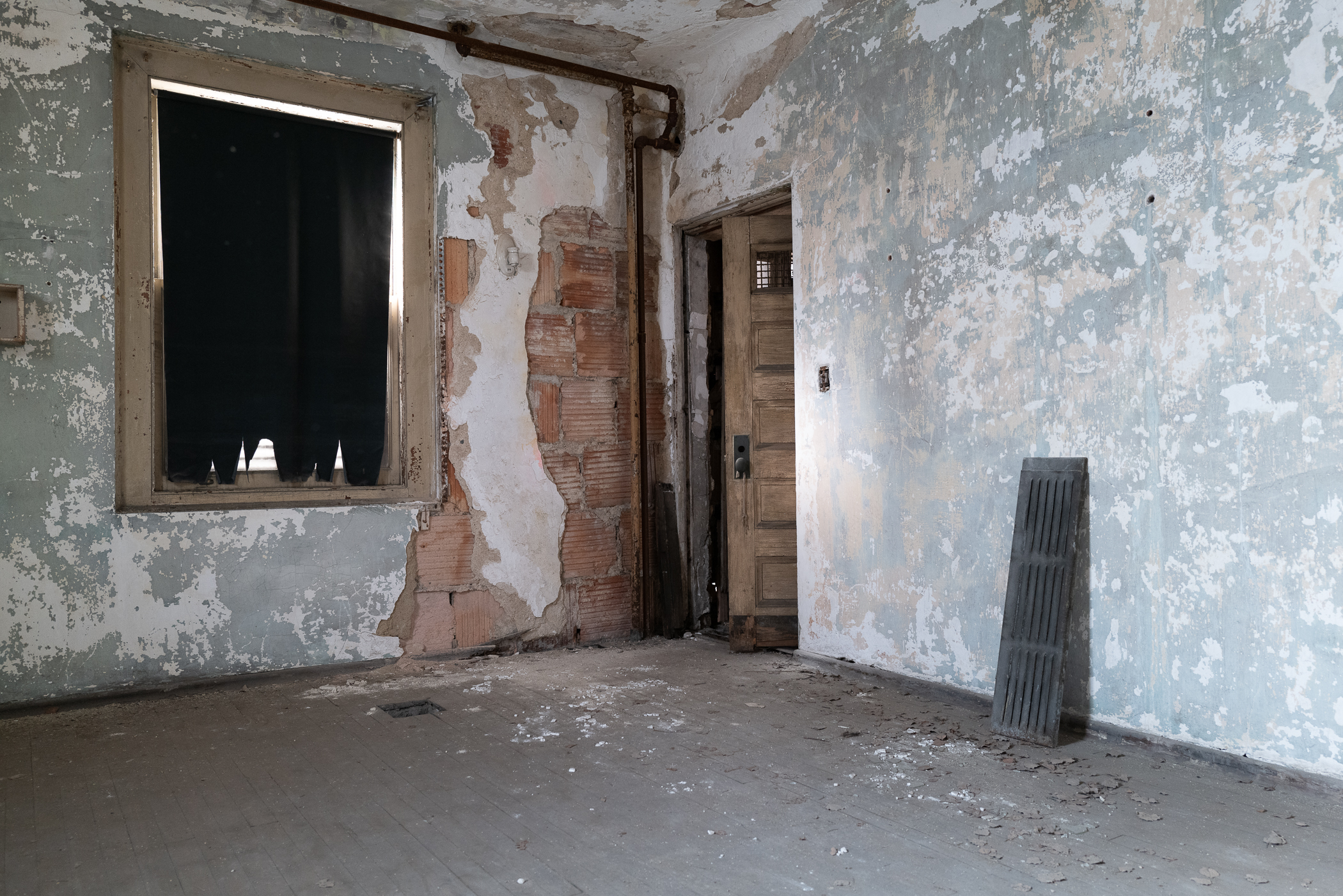
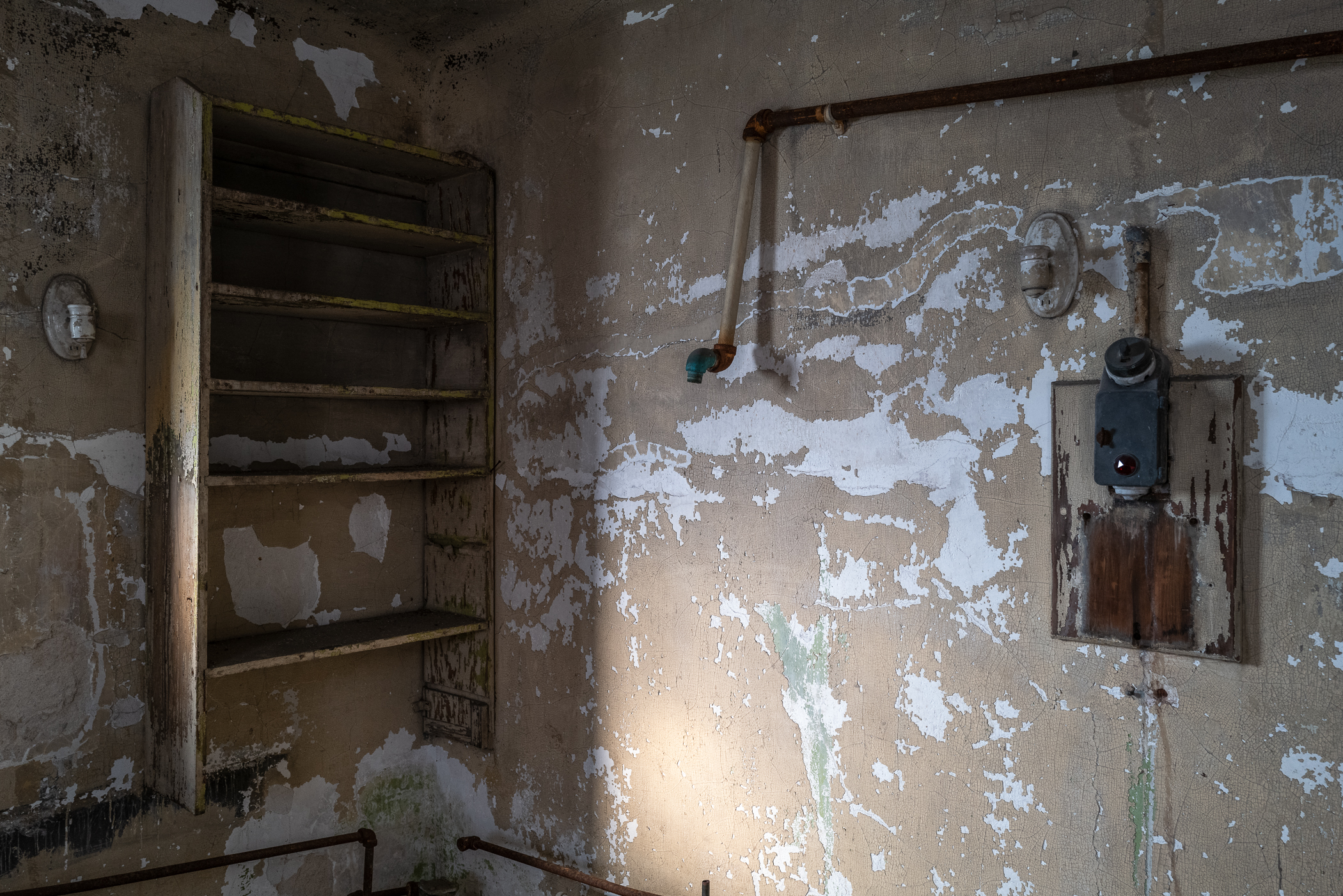
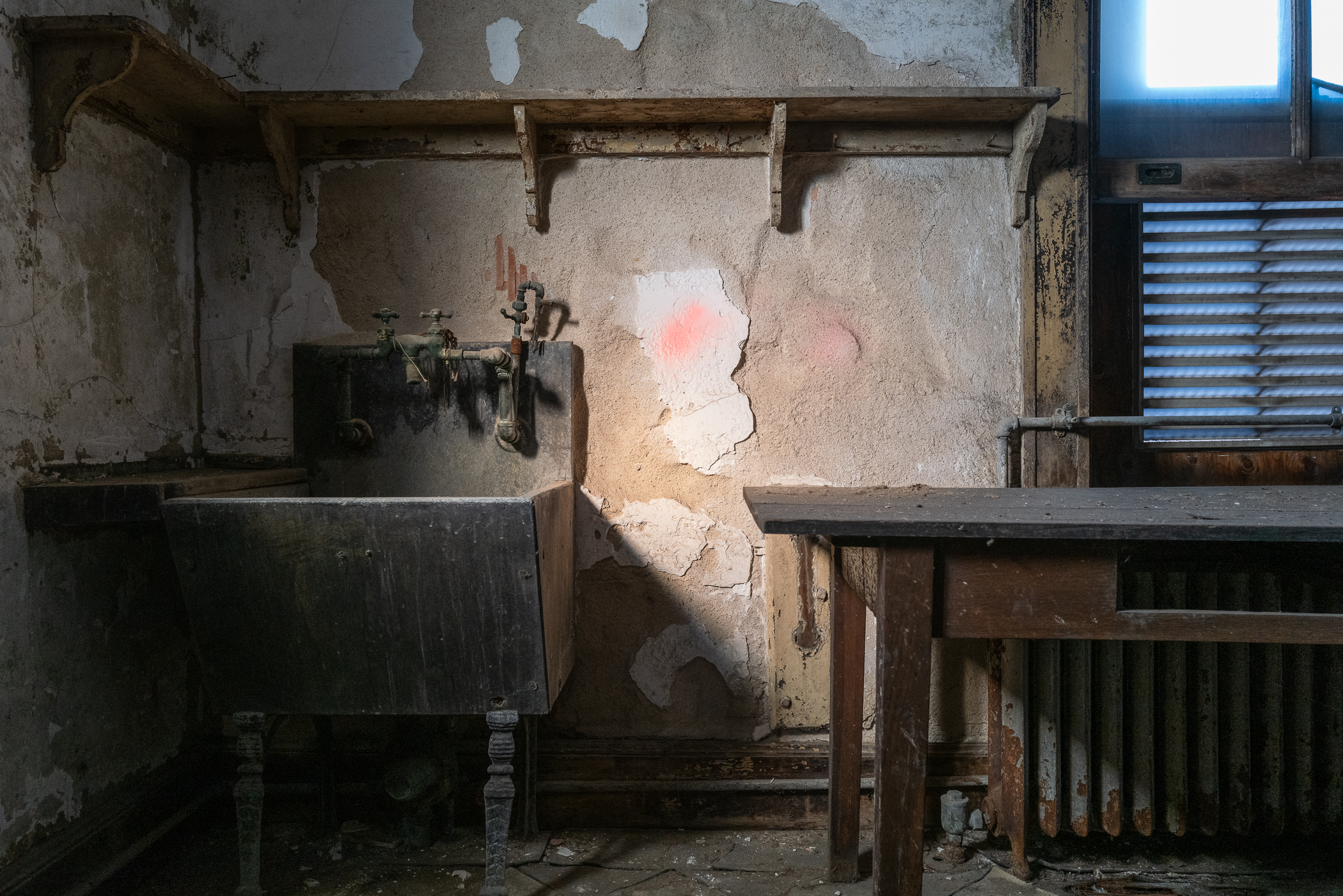
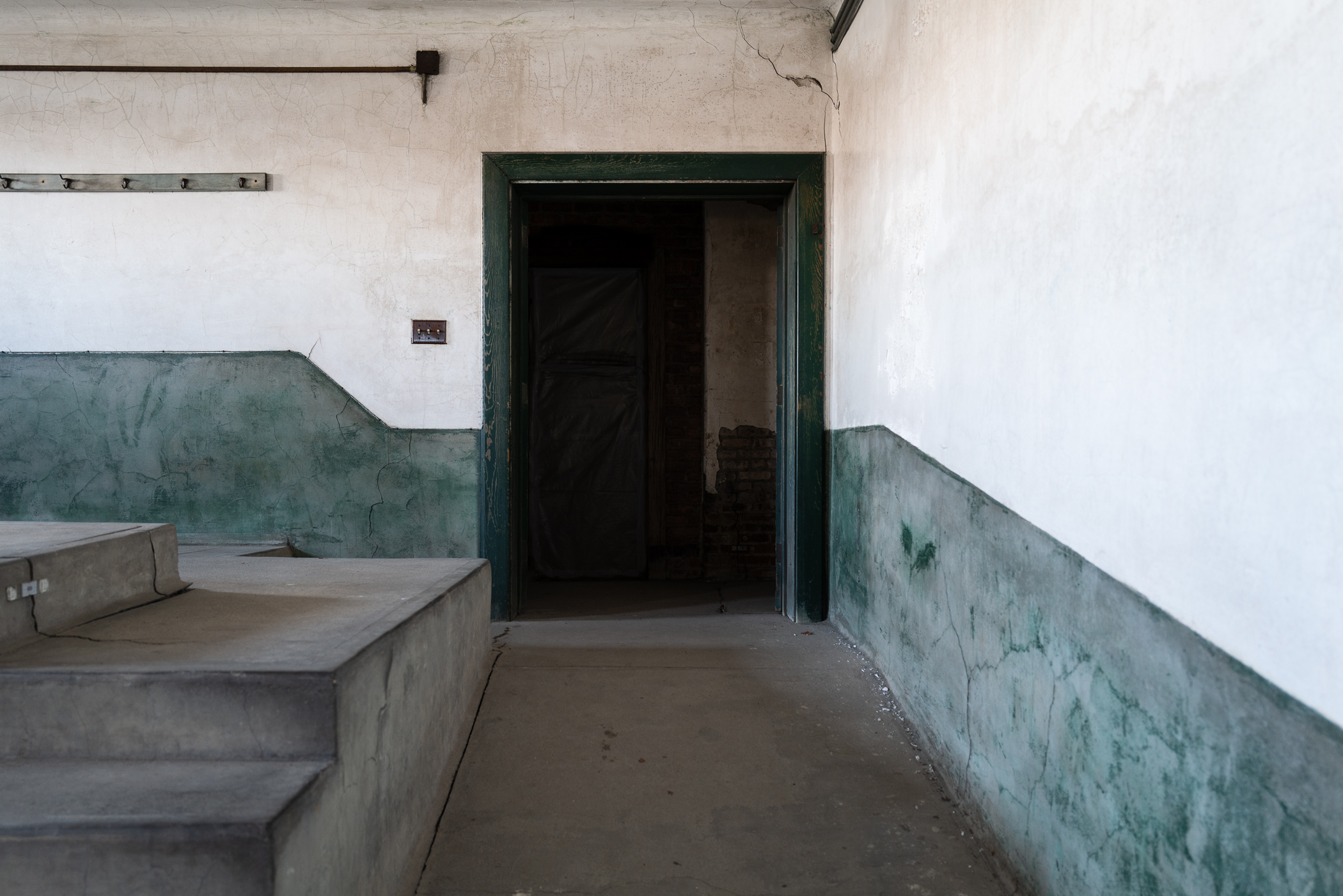
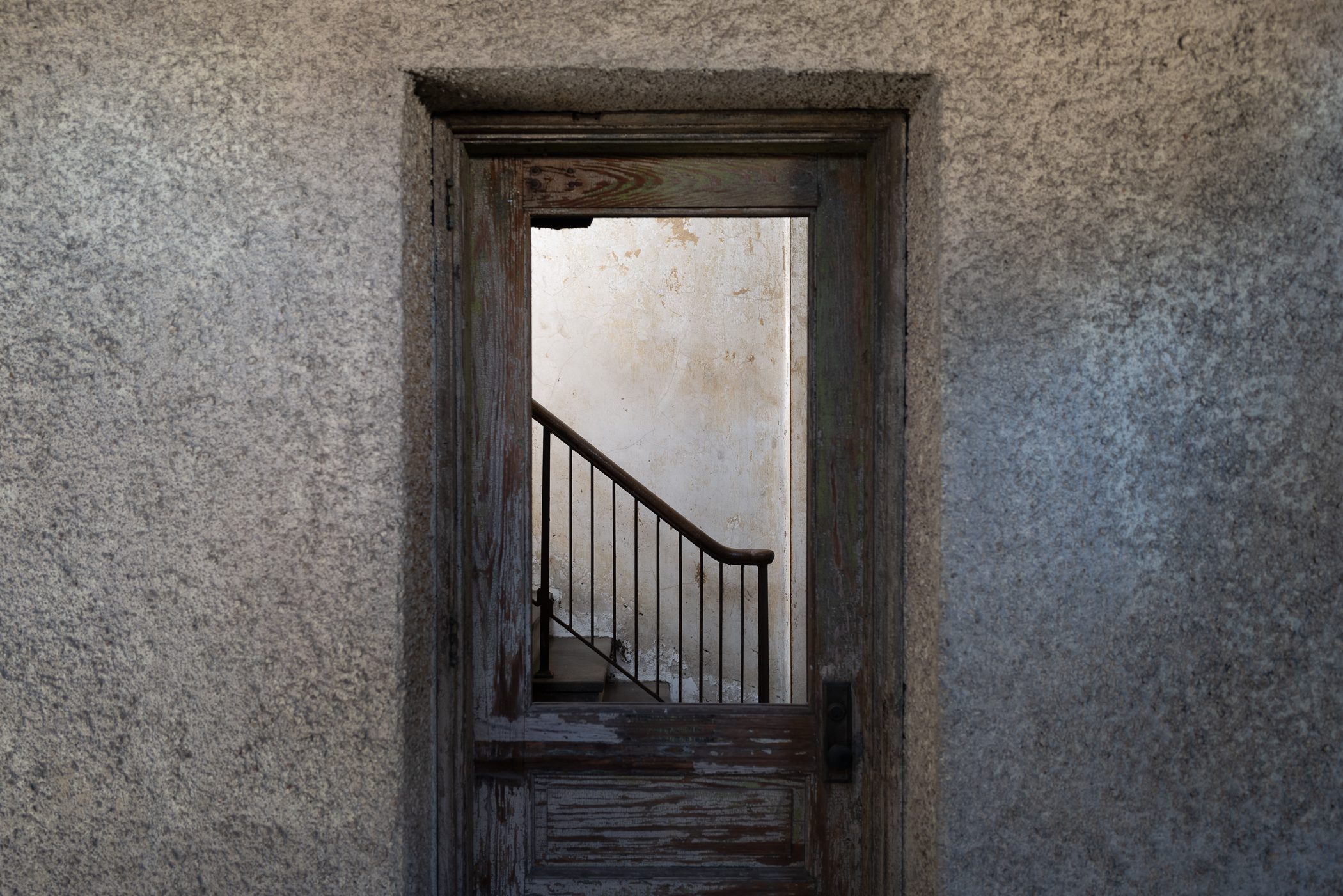
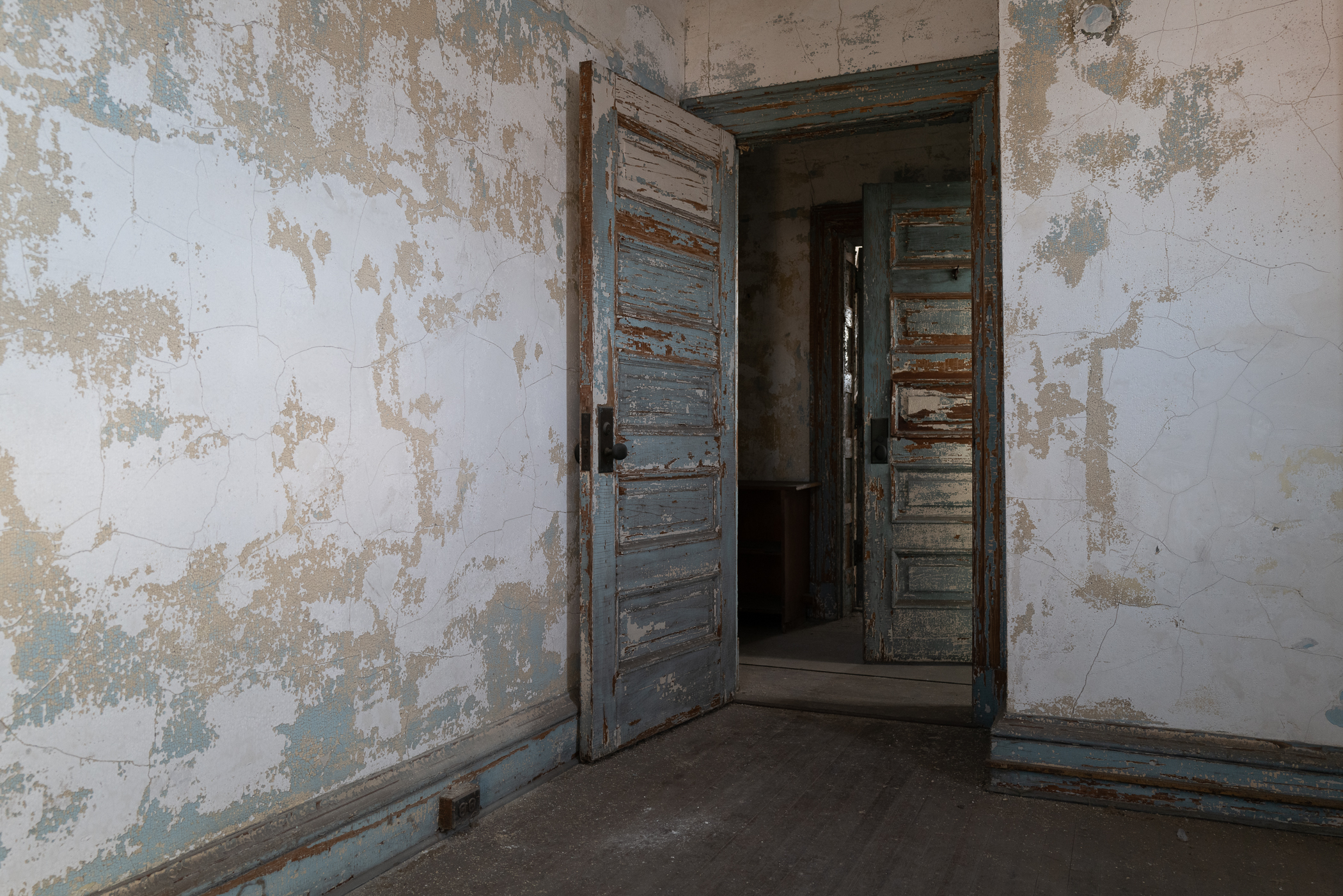
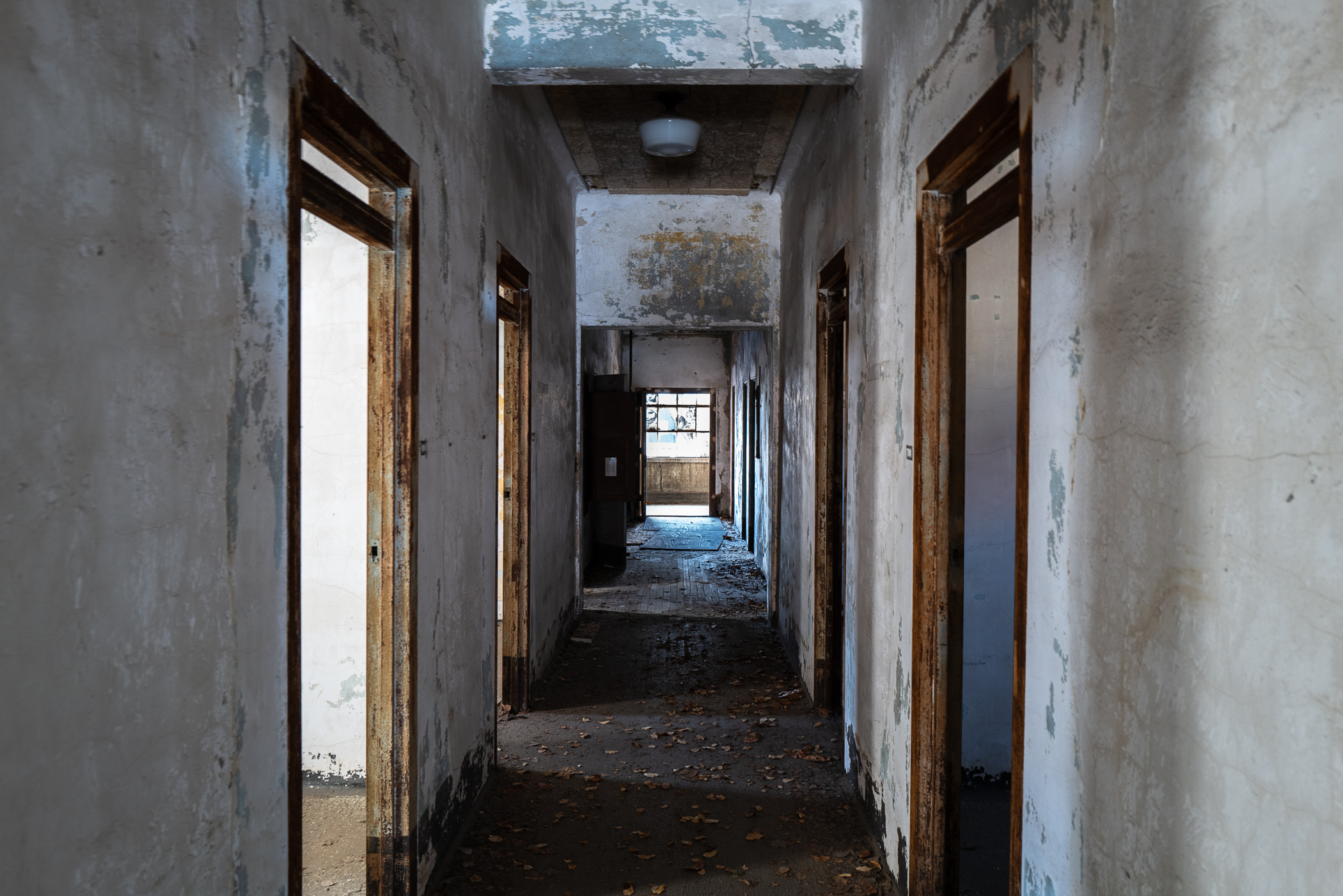
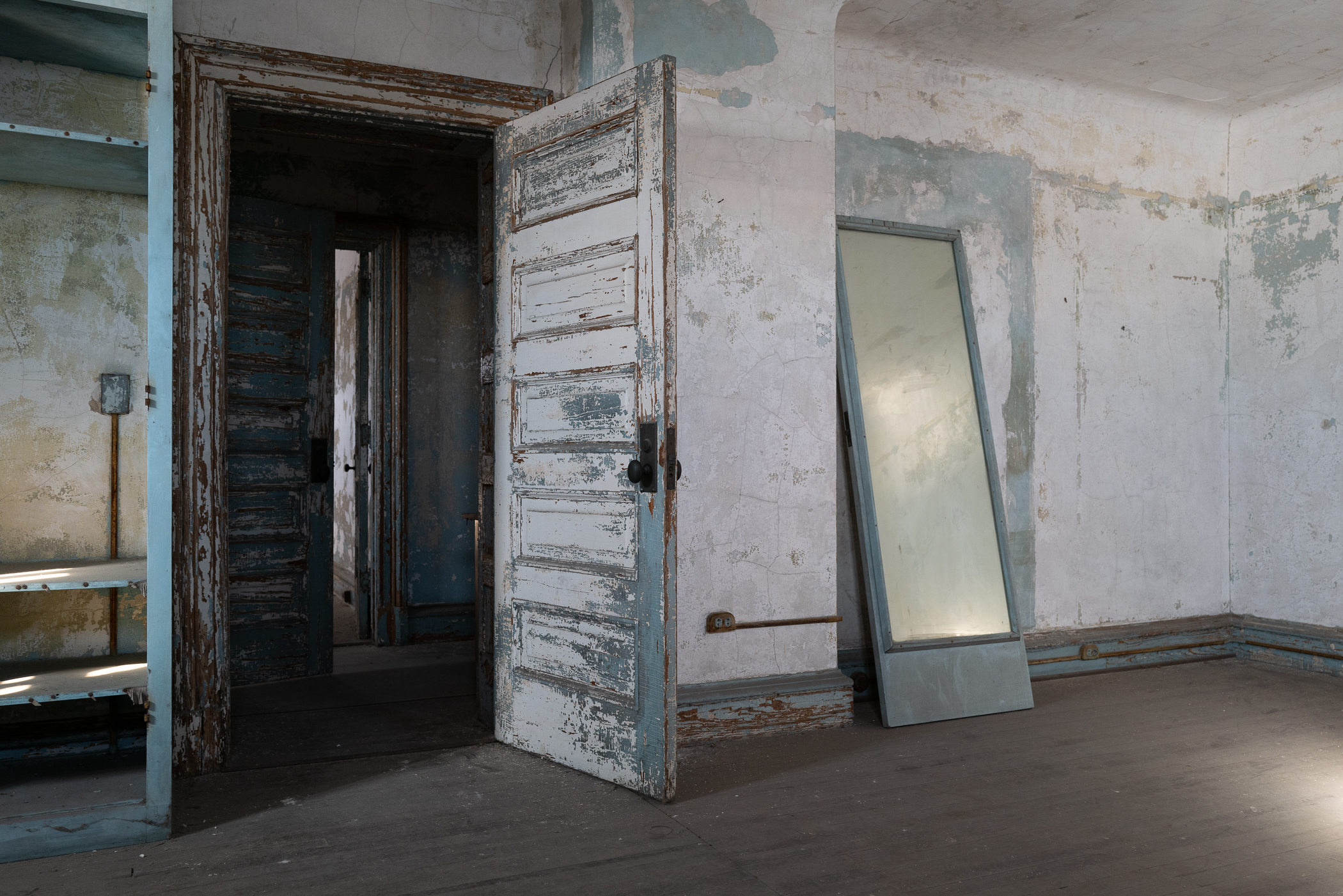
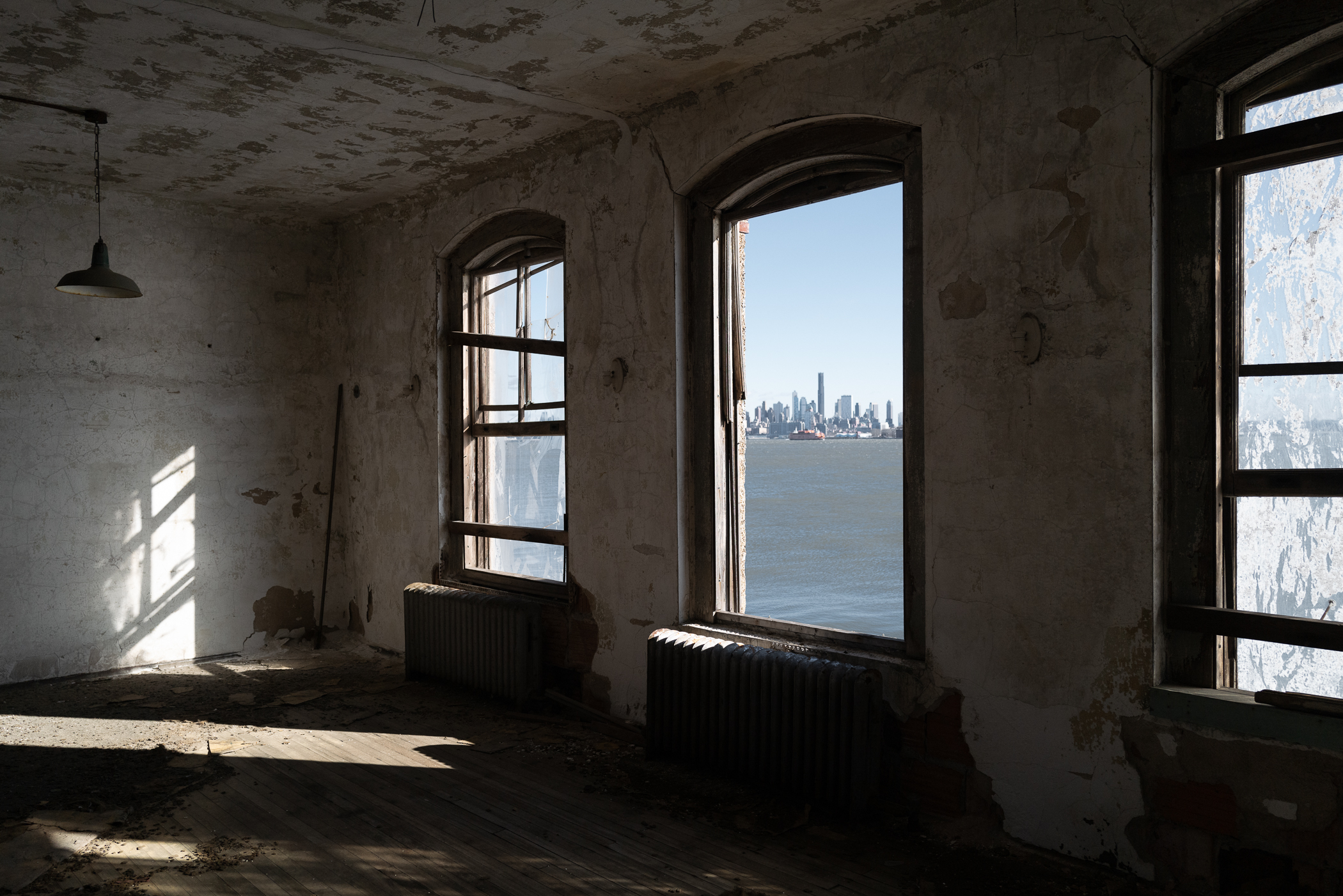
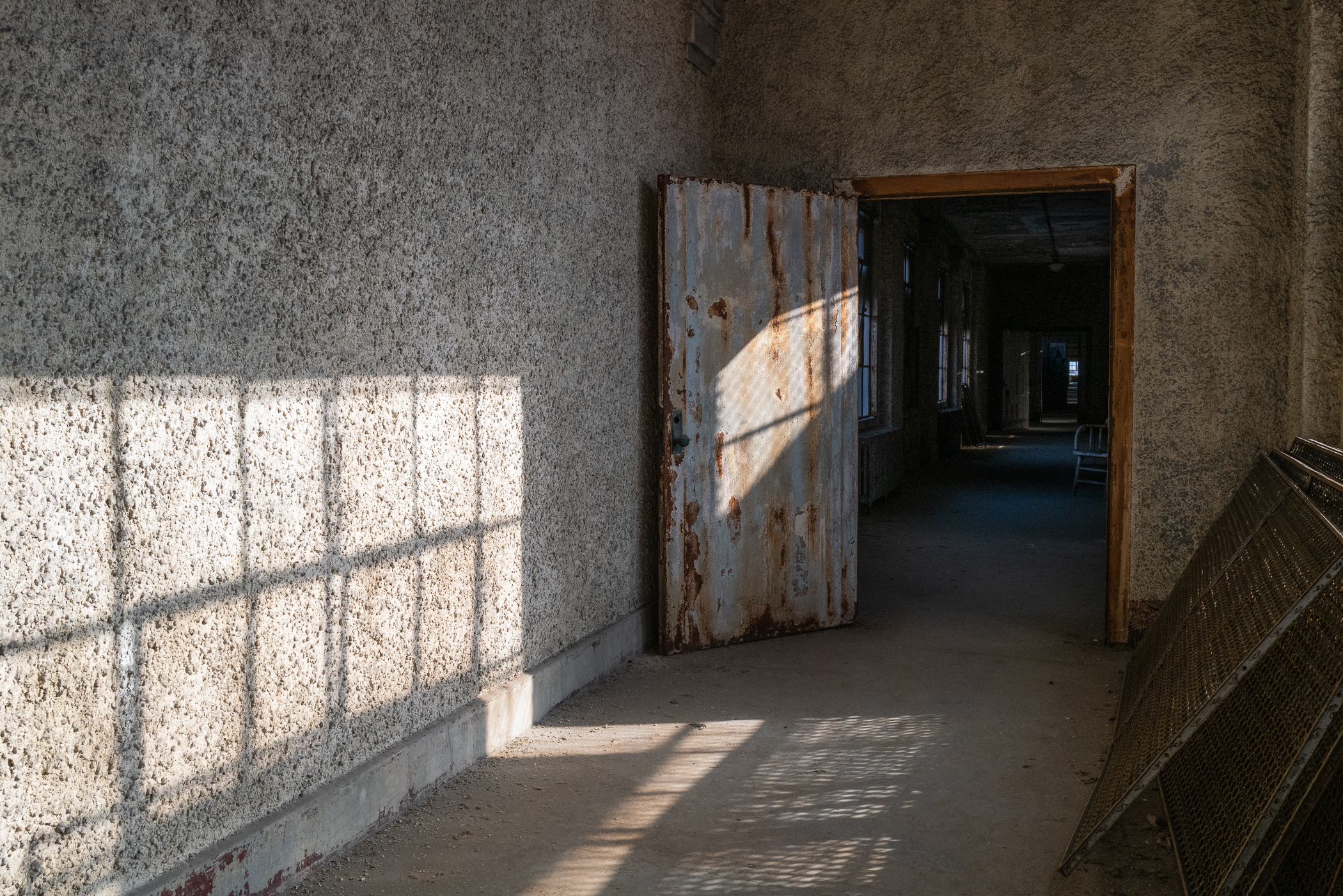
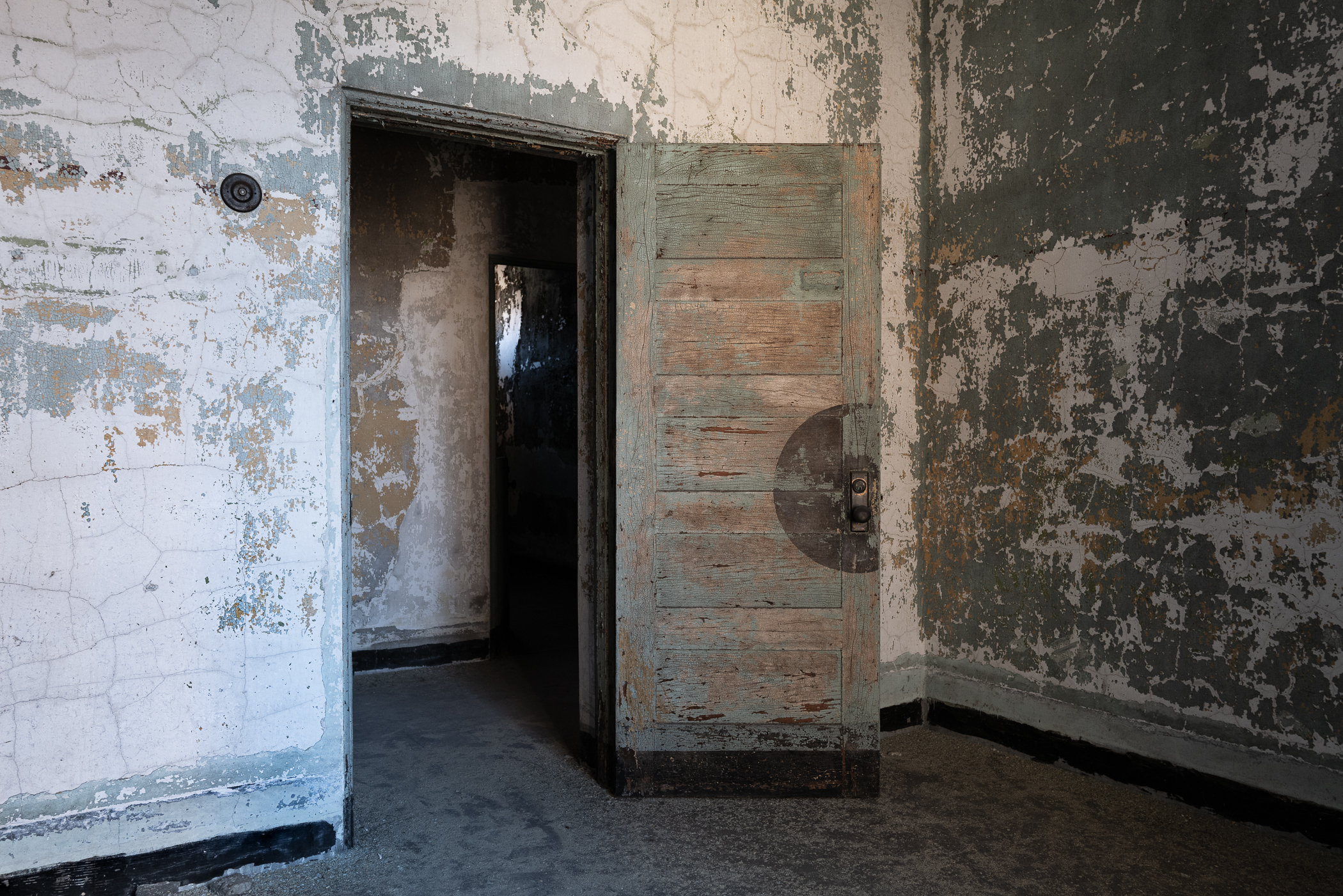
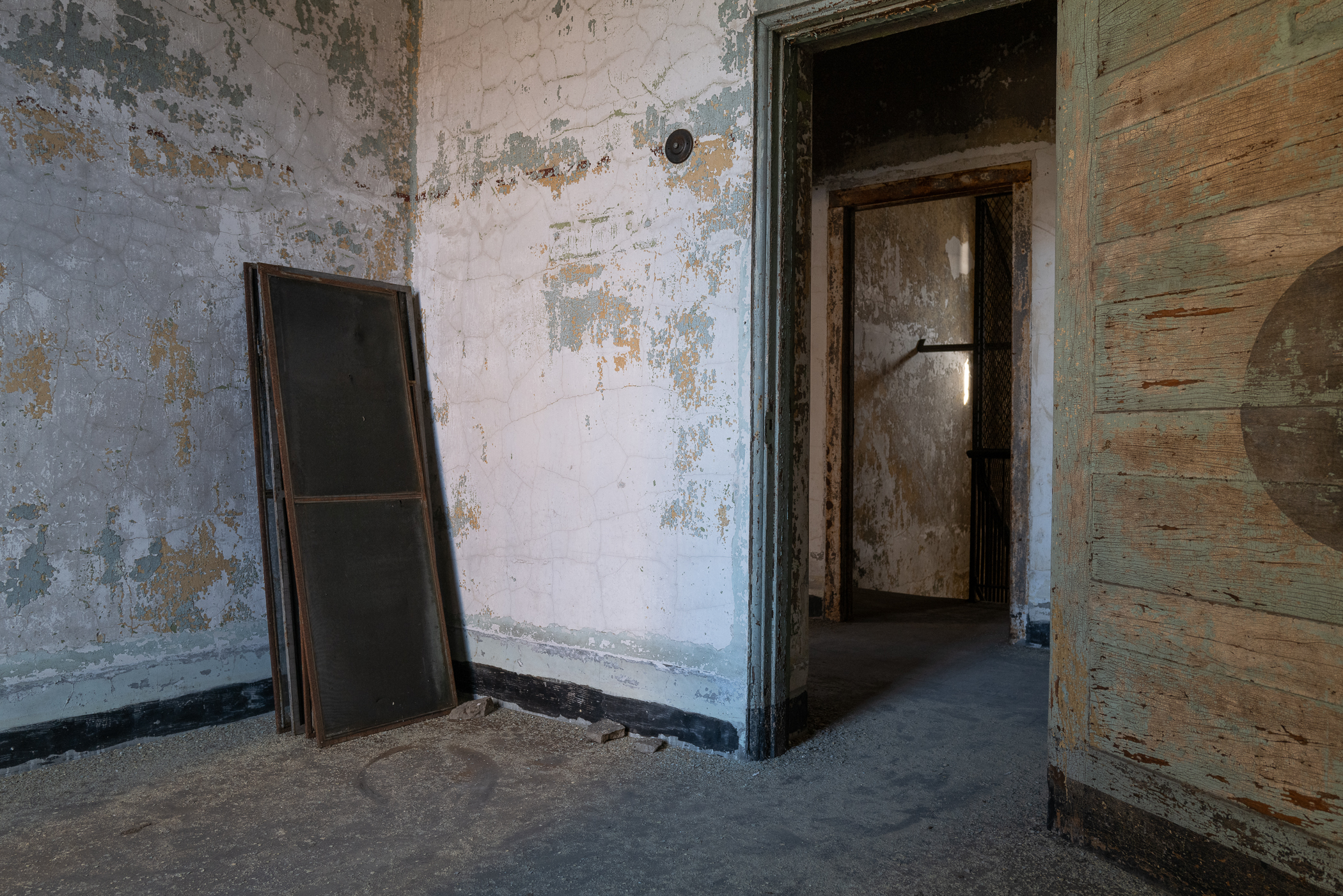
These photographs were made in the detention center and hospital wards of Ellis Island.
The echoed silence one experiences while photographing in these empty spaces is an embodied one. These are transitional spaces, in between what was and what is yet to be, between light and shadow, hope, and regret.
Since 1985, Mark Ludak has worked as a fine artist and documentary photographer with a focus on society and the environment. He has completed international and national assignments for clients including Apple, The New York Times, The Chronicle of Higher Education, Johnson & Johnson, The Philadelphia Daily News, The Philadelphia Inquirer, Environmental Defense Fund, The Solebury Land Conservancy, Amnesty International, and many others. He recently completed commissions concerning healthcare in Rwanda and Vietnam for non-governmental organizations.
Categories: featured, featured photographer, Photo Essay, photography

 magpiesmagazine.com