

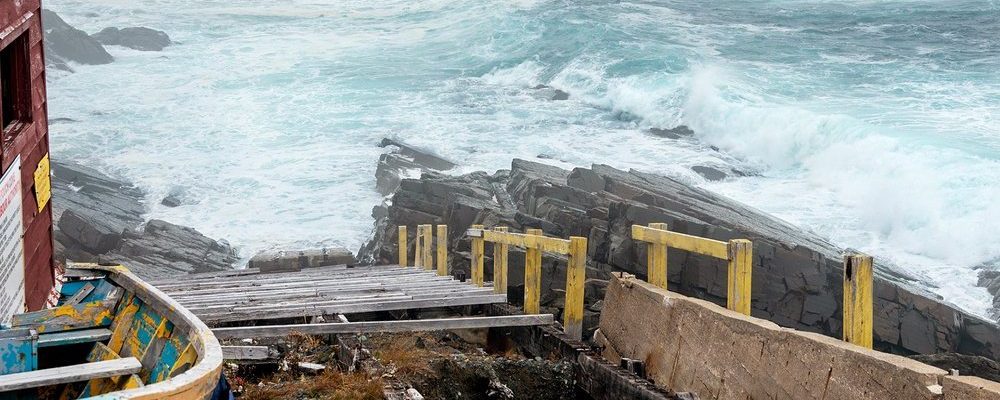
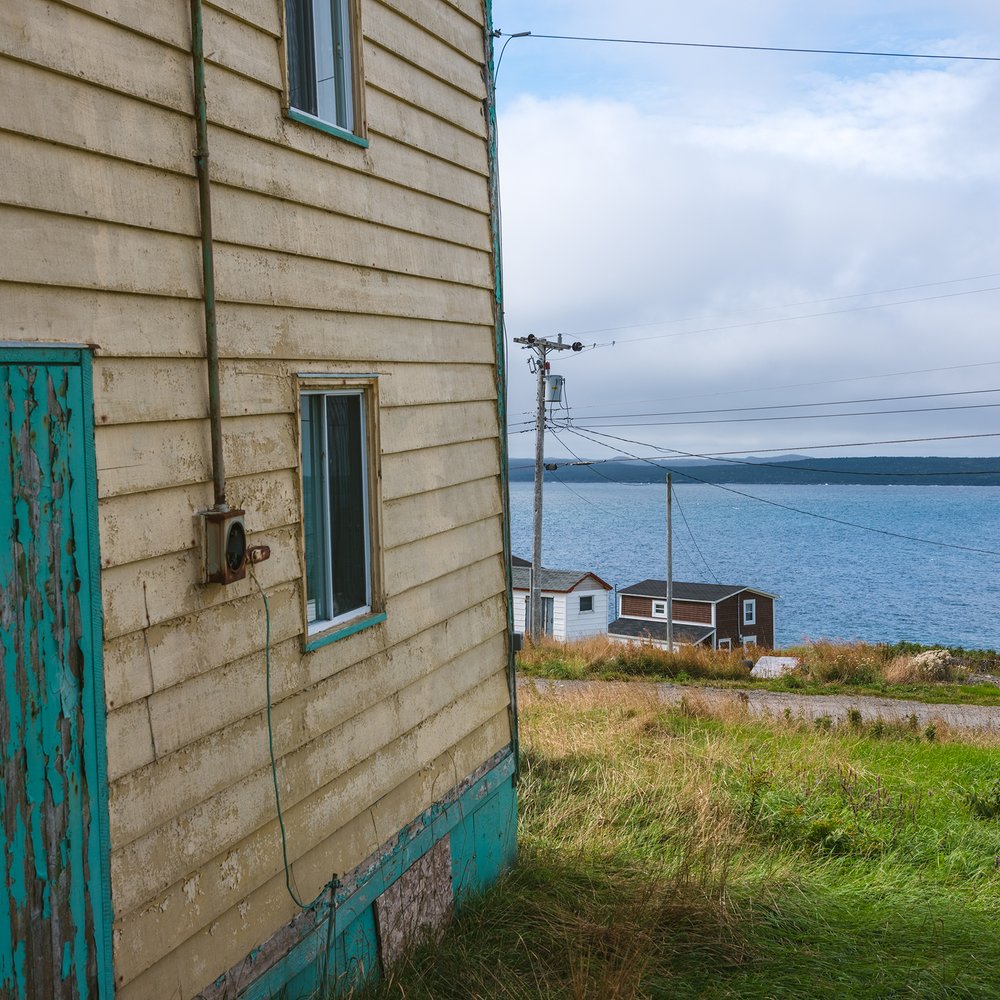
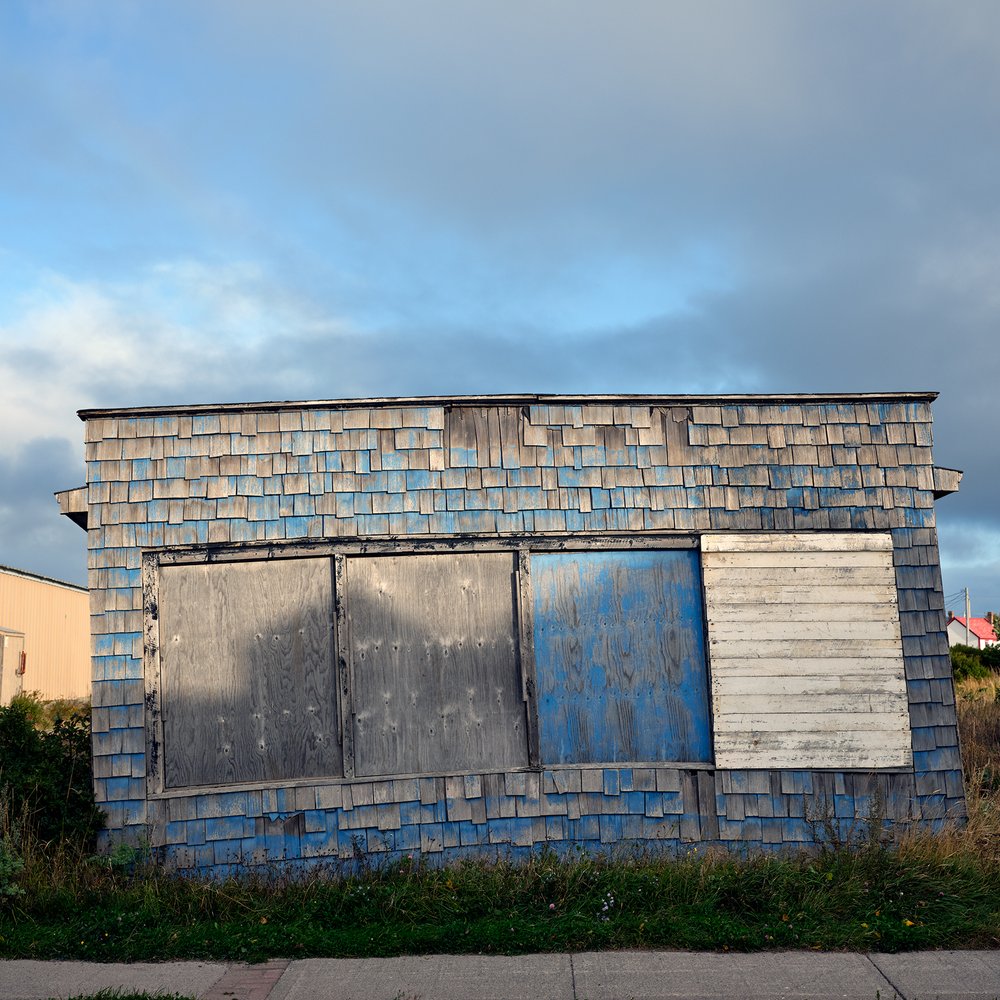
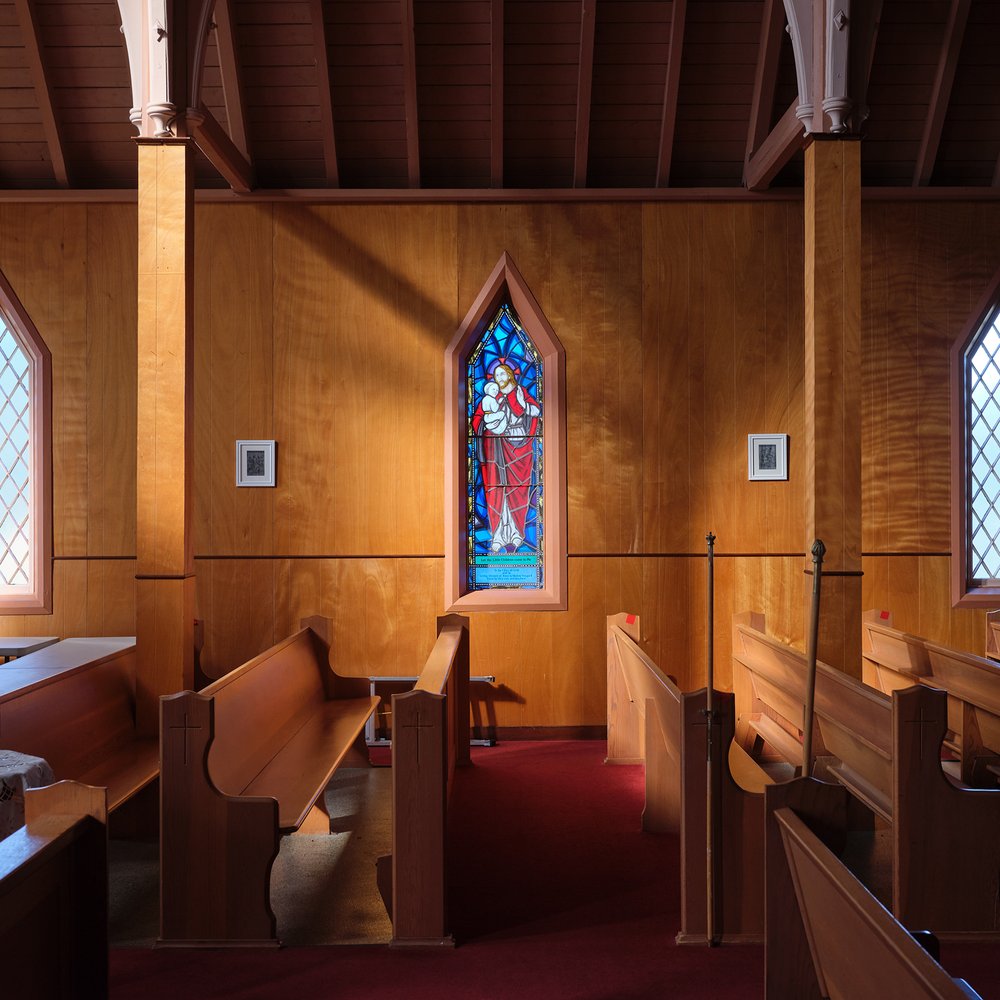
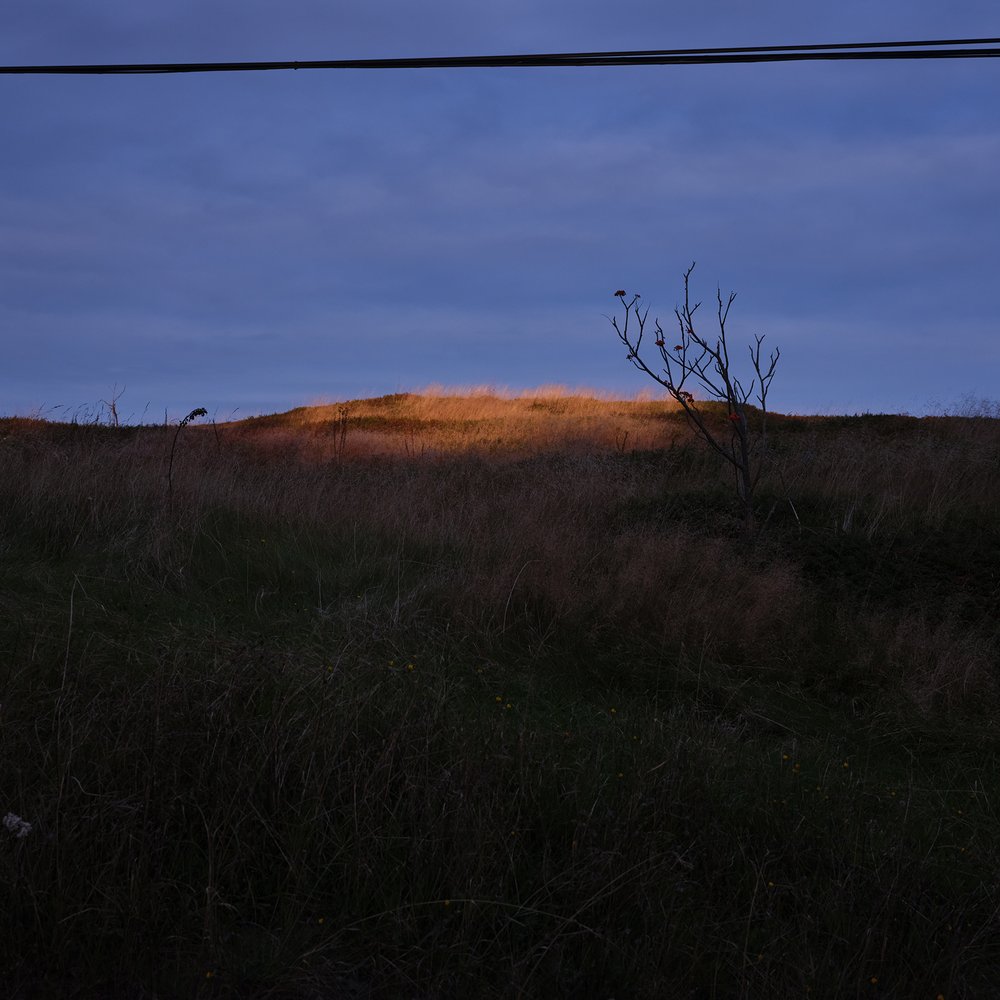
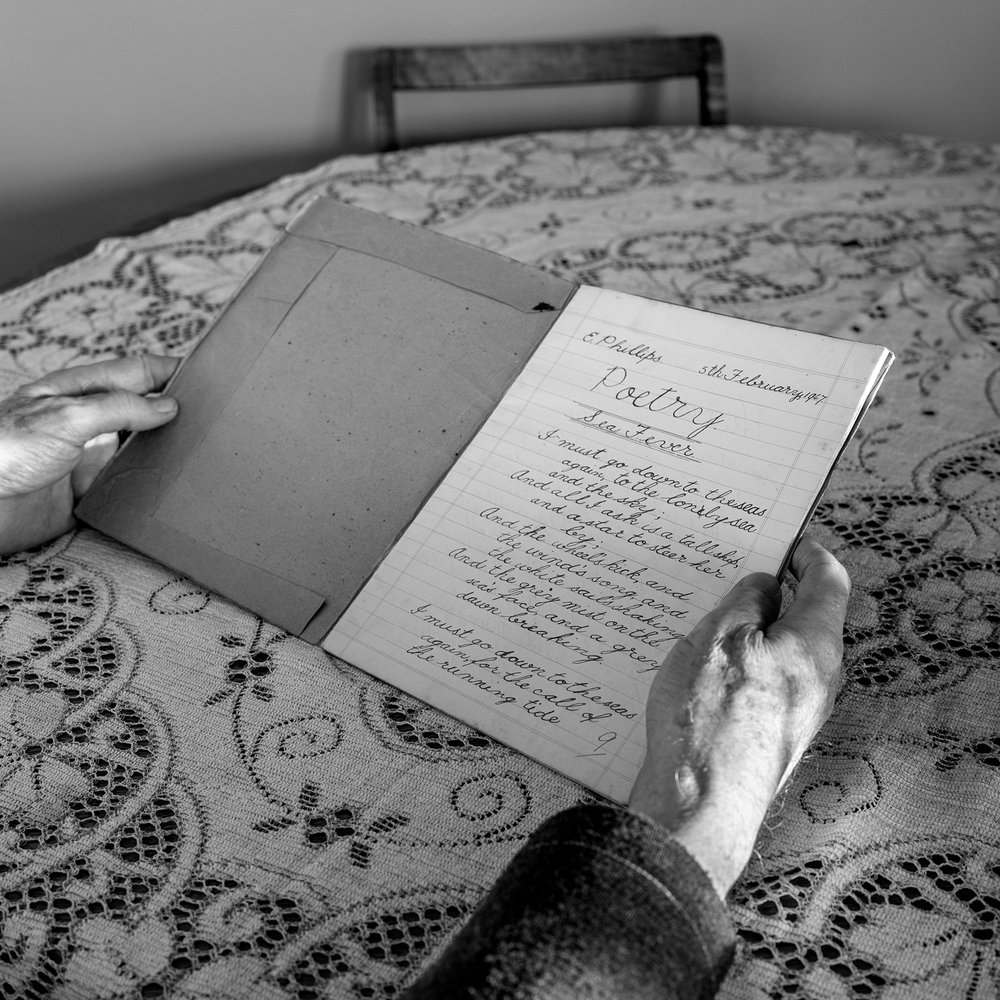
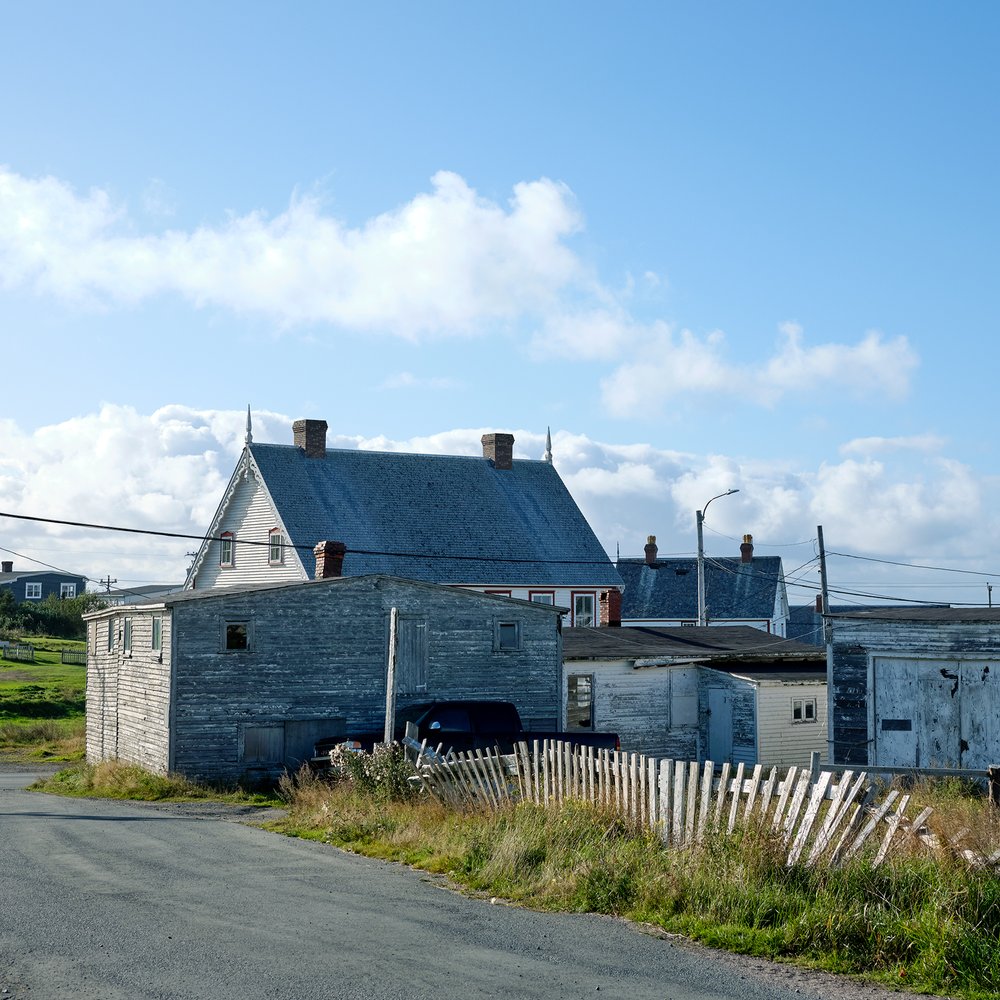
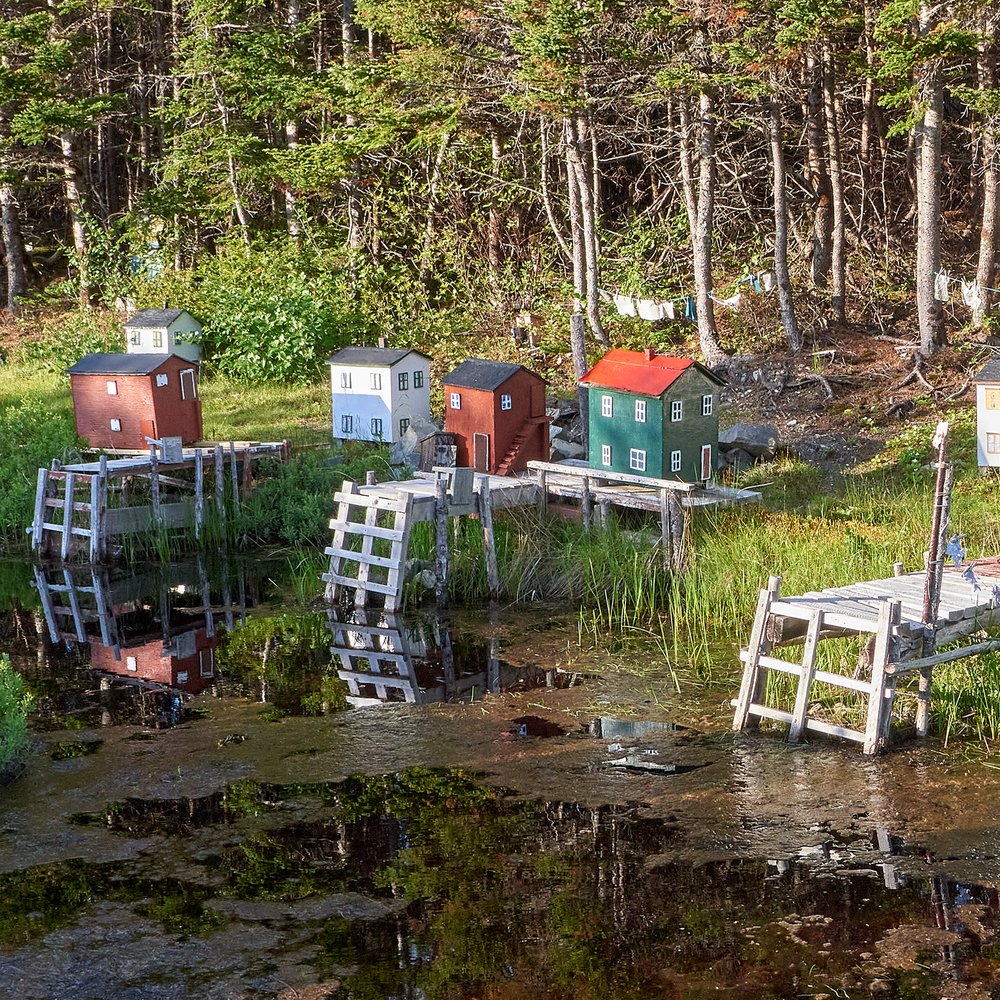
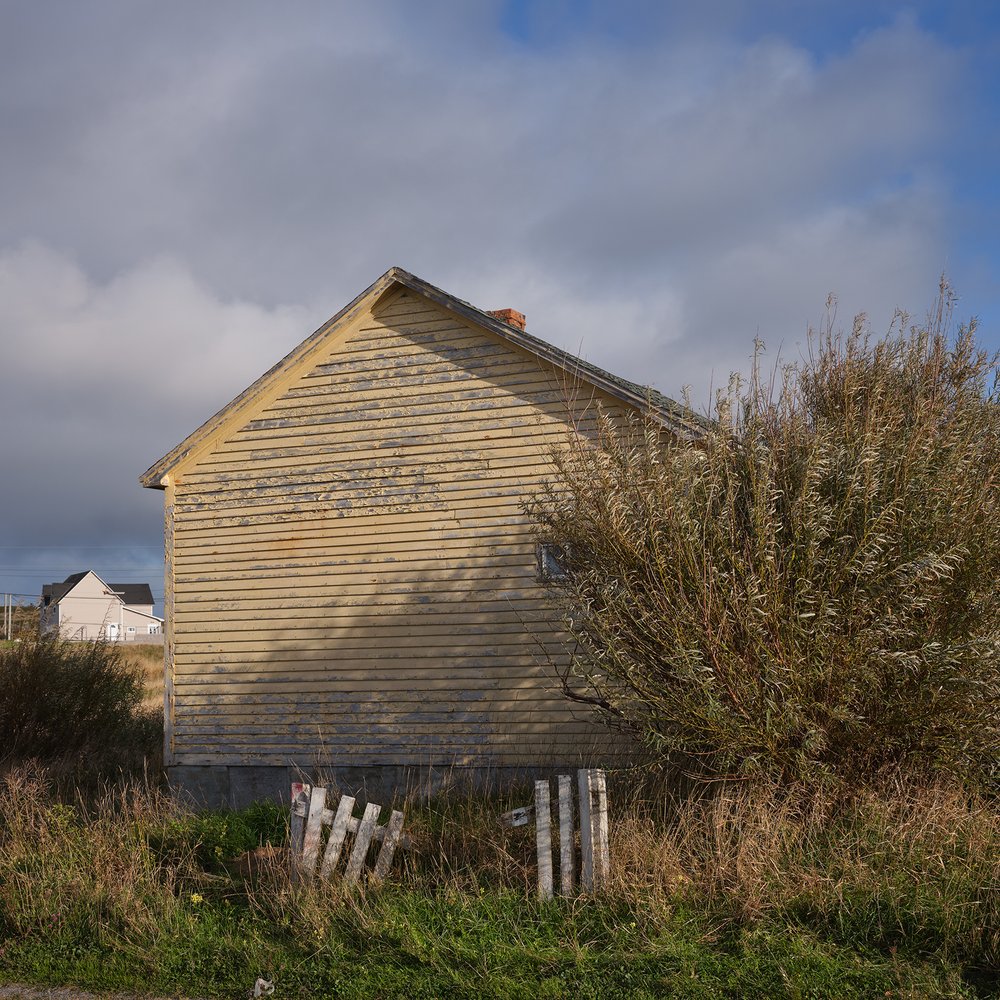
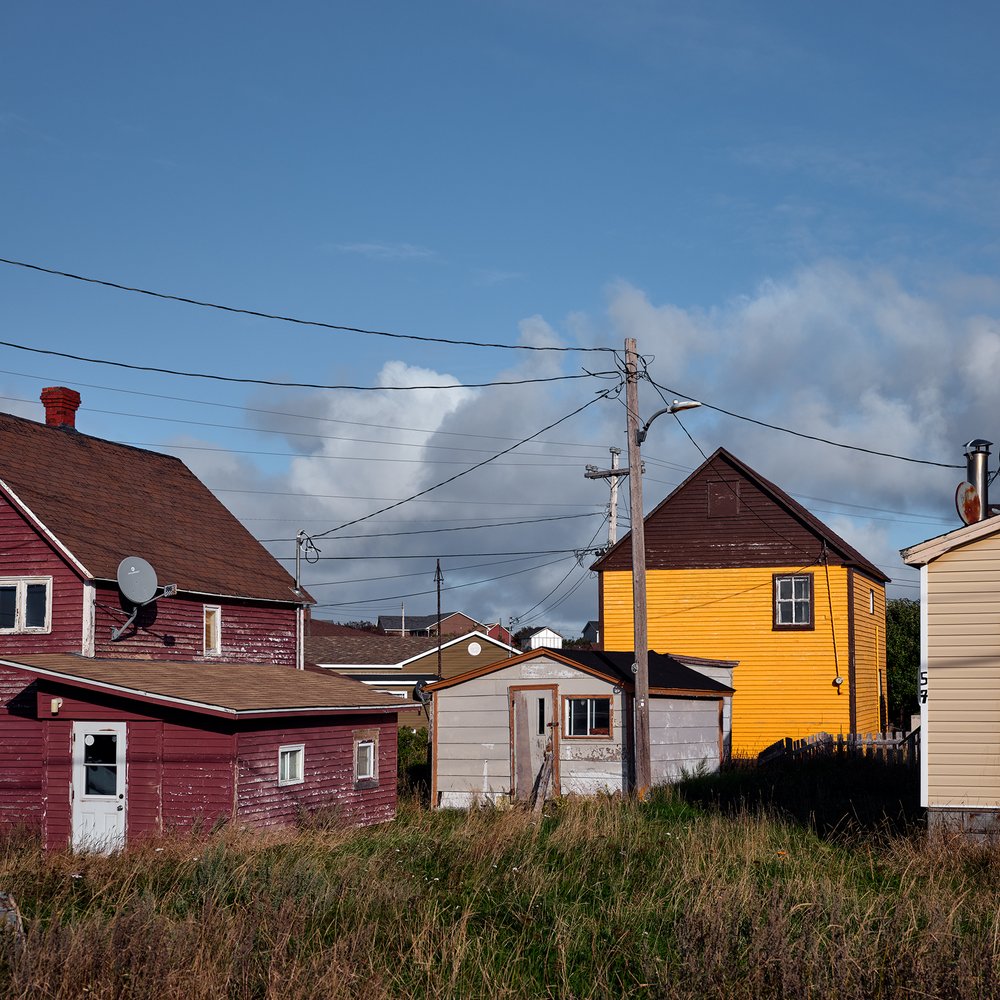
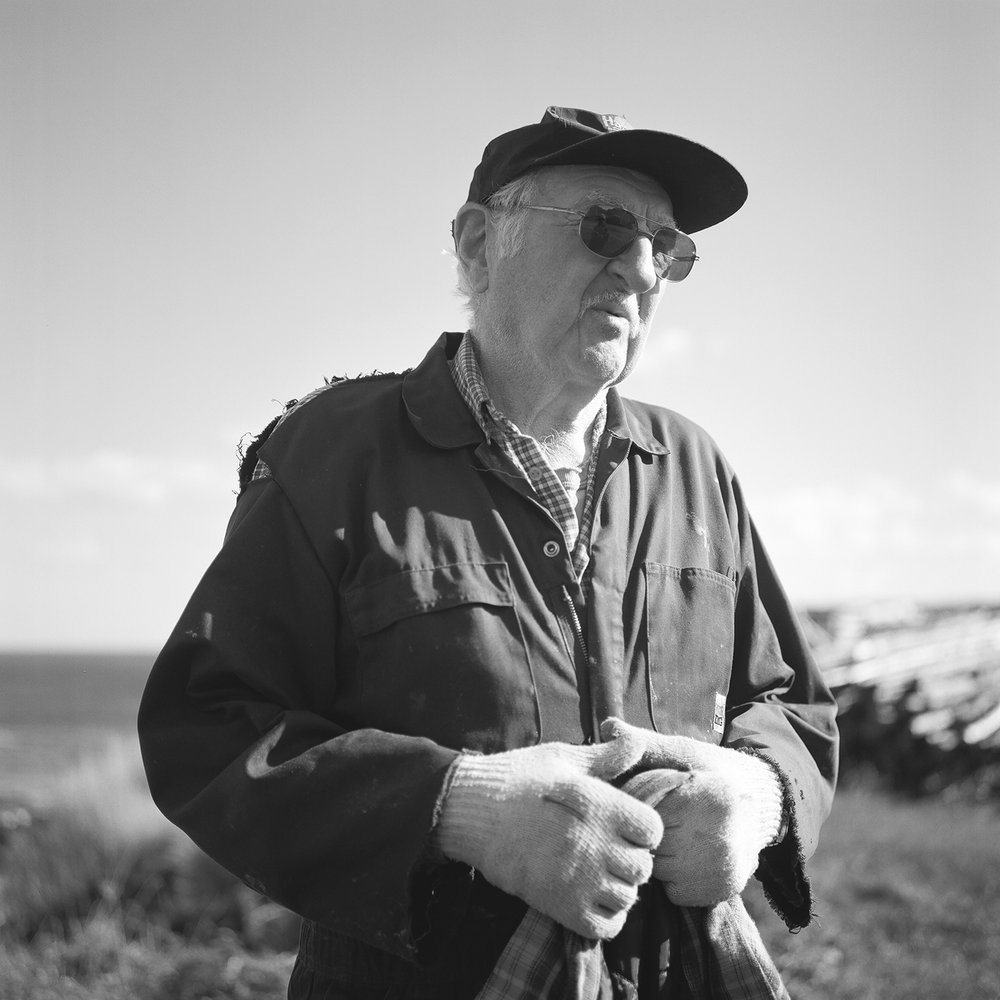
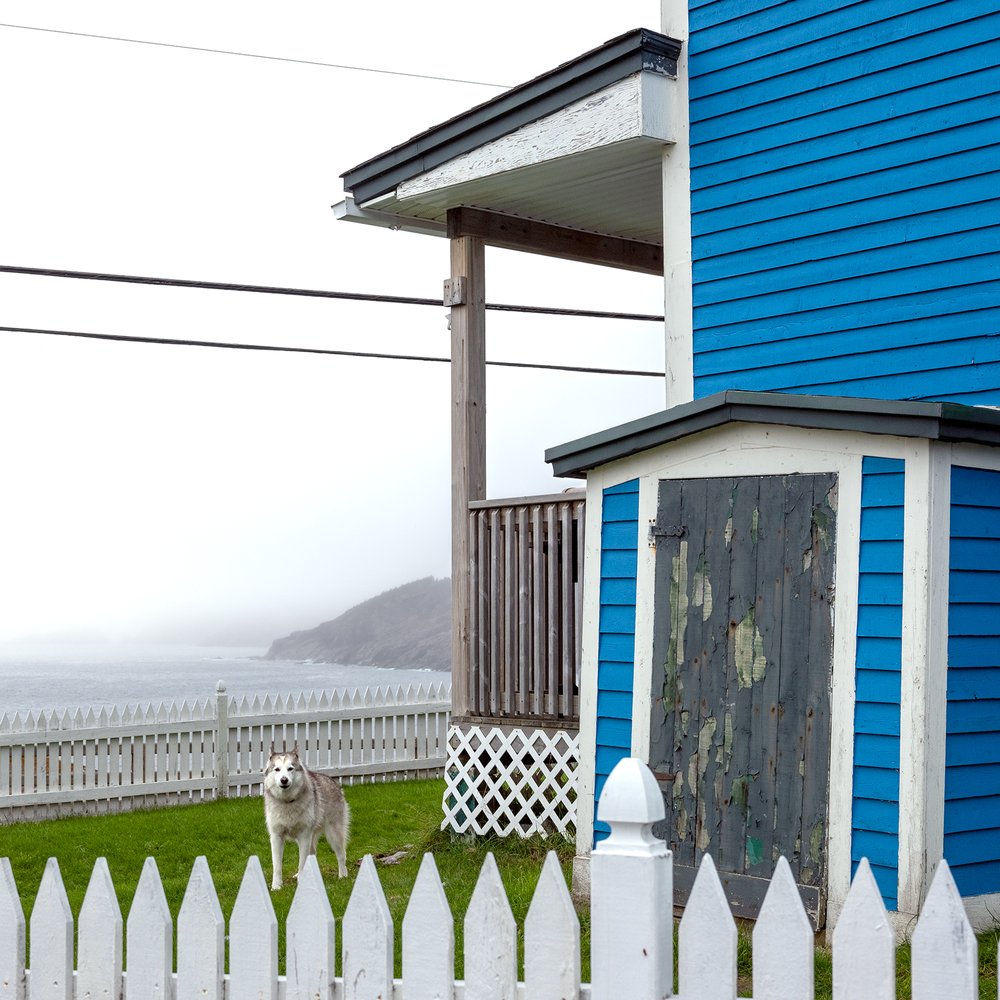
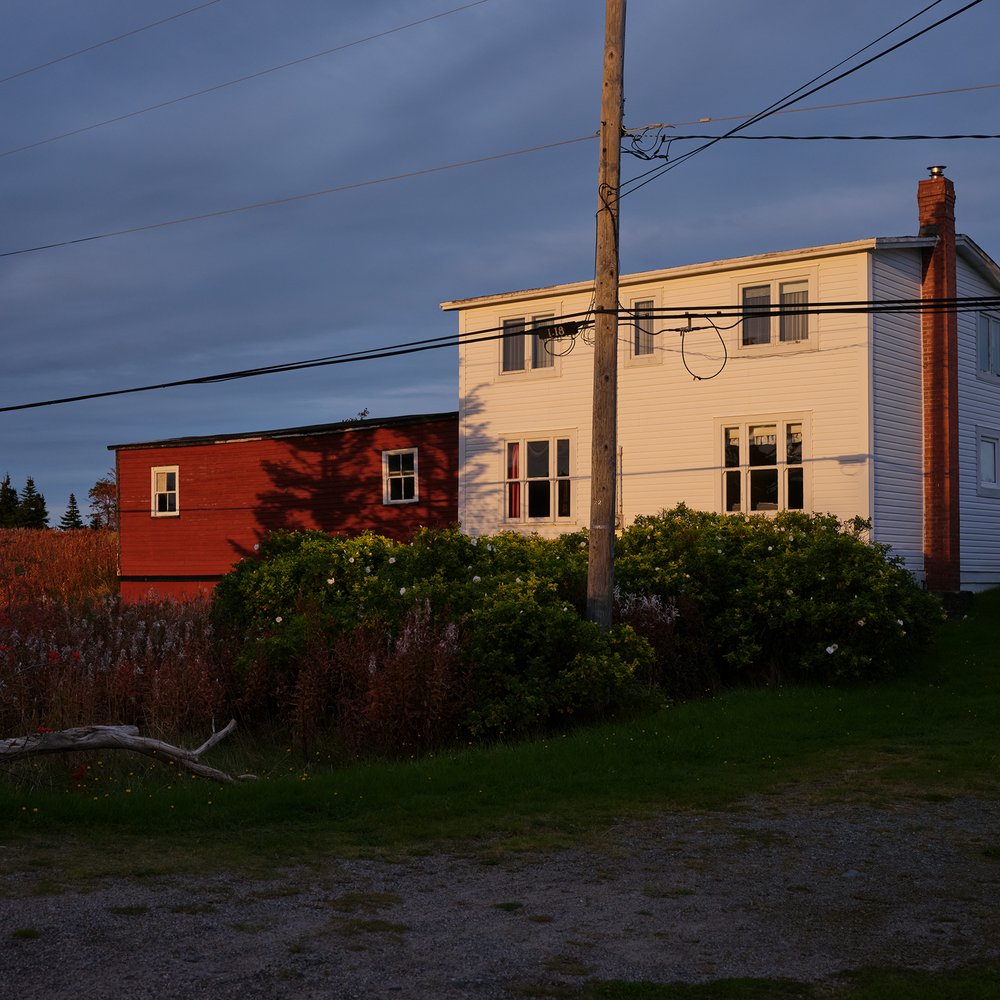
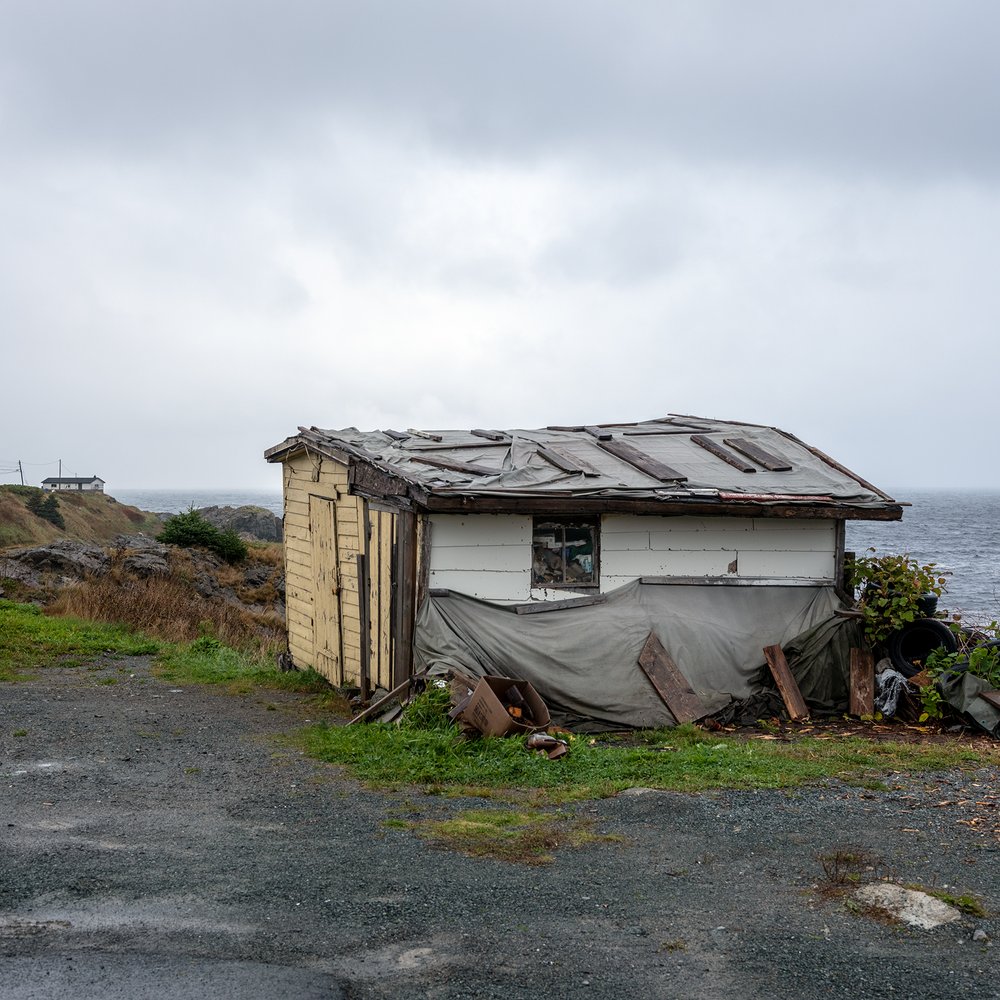
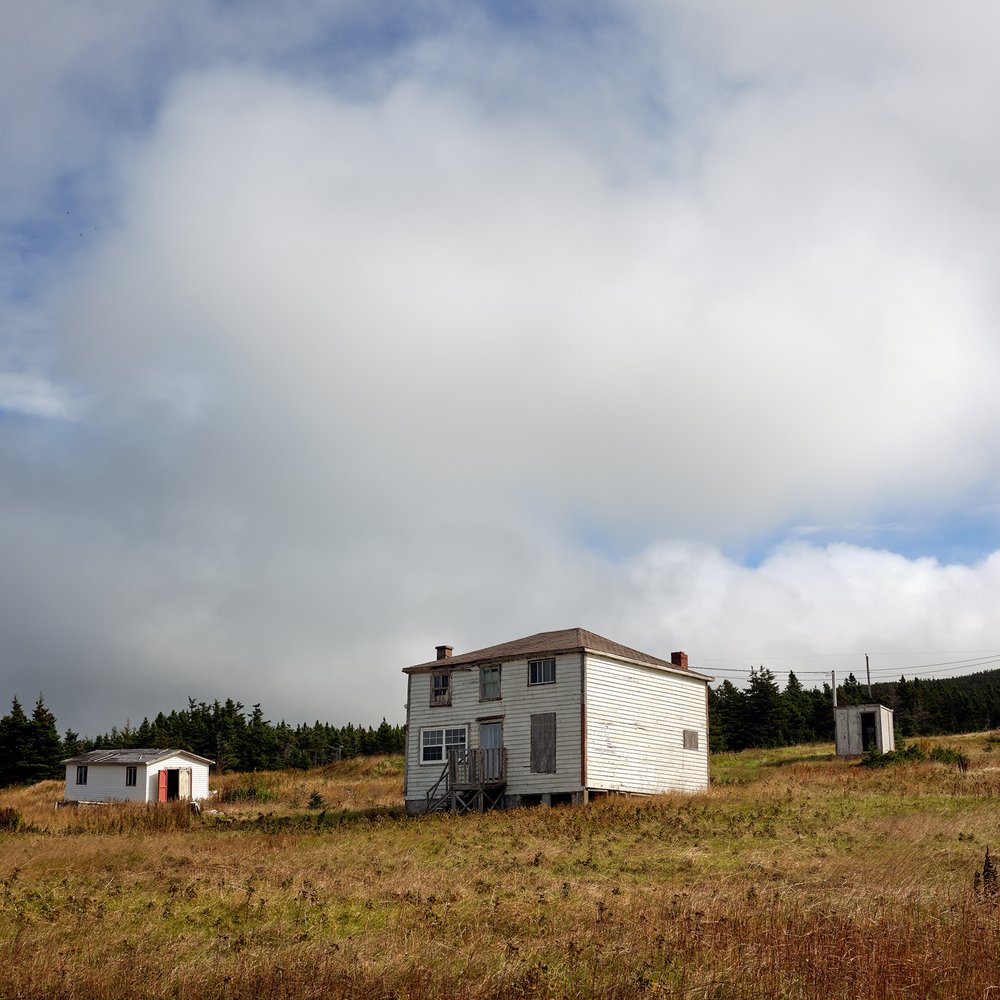
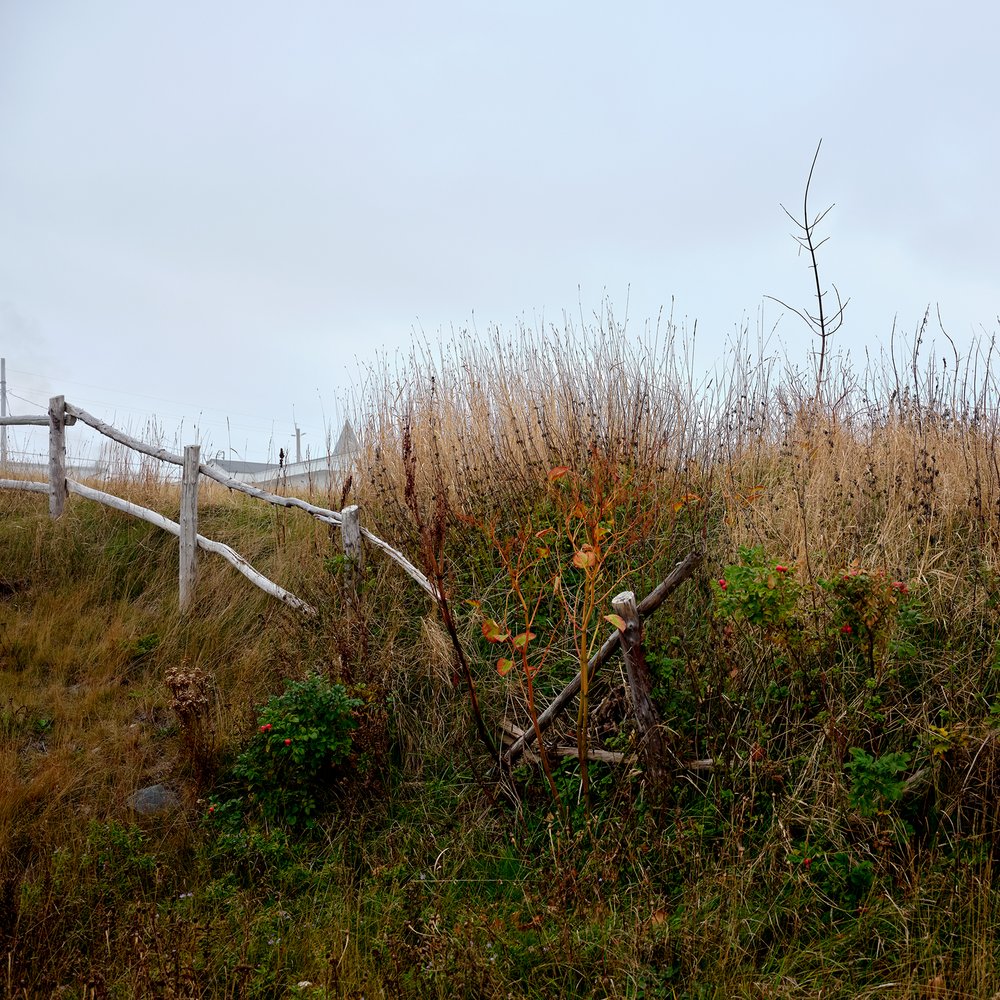
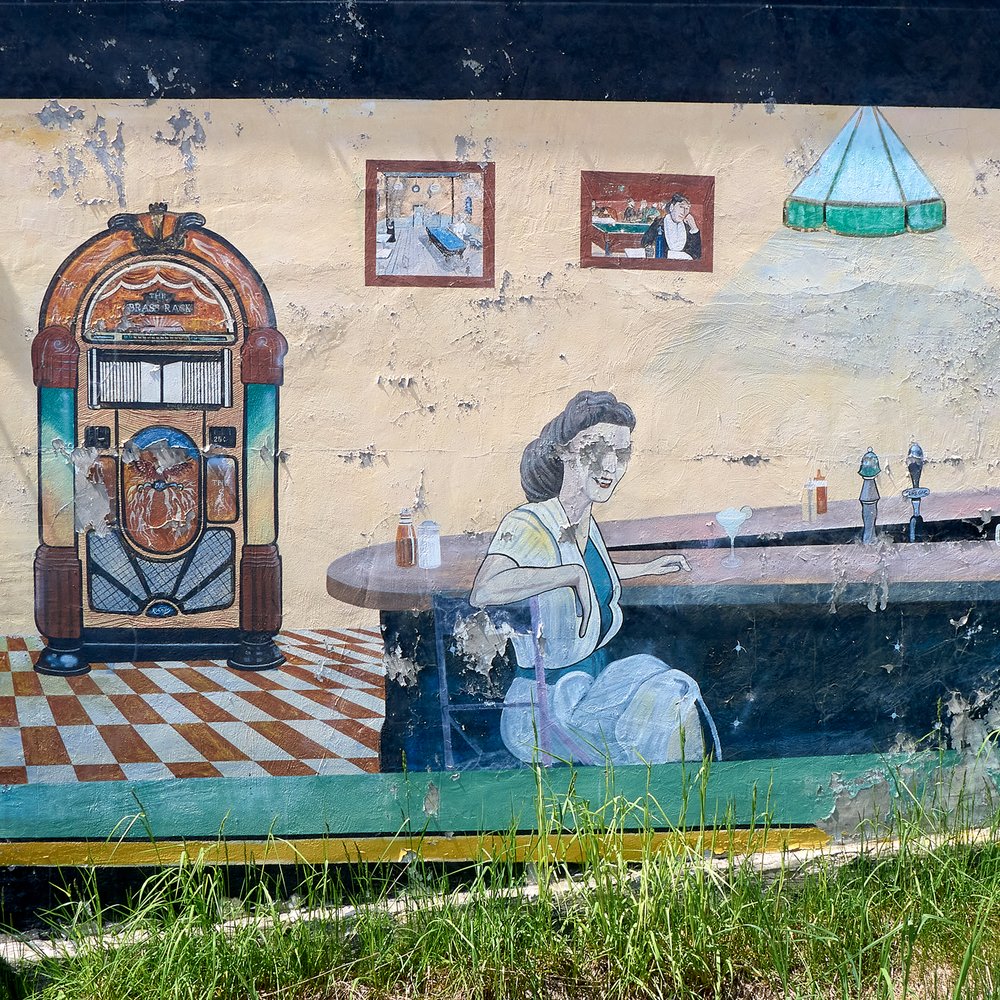
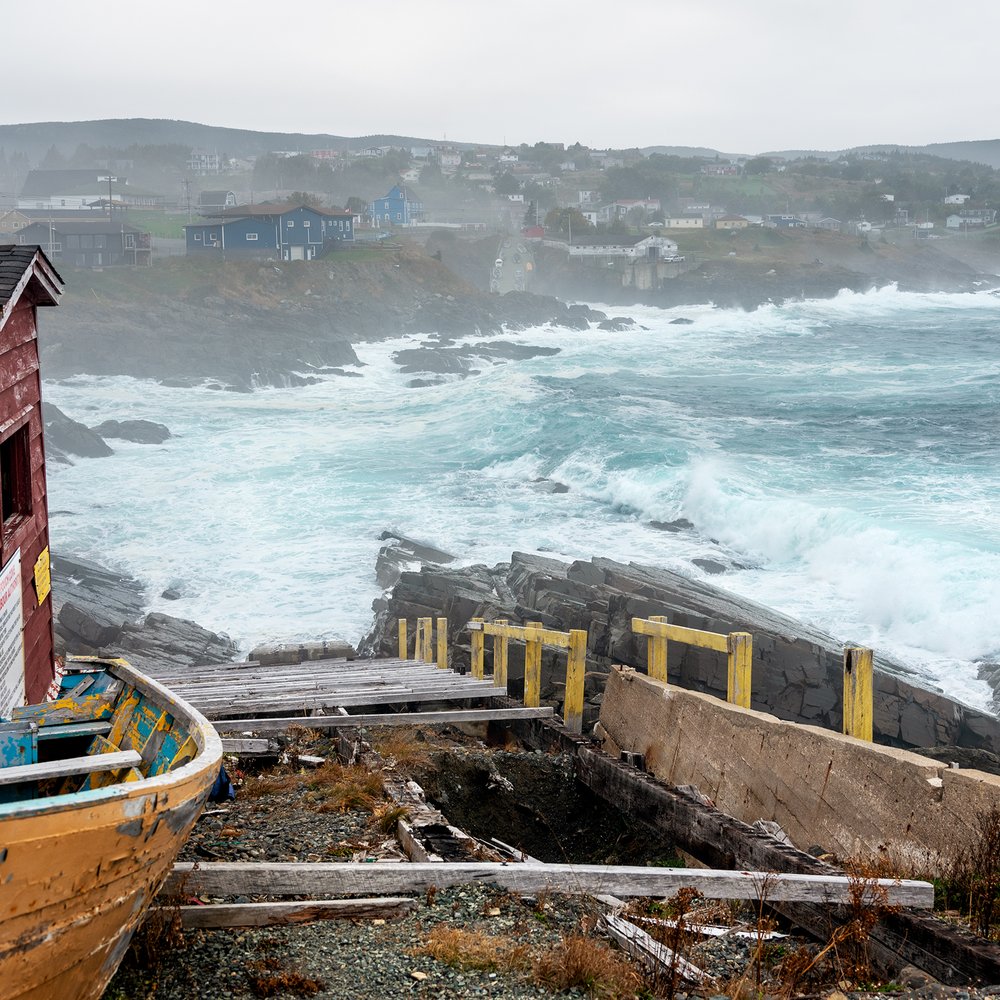
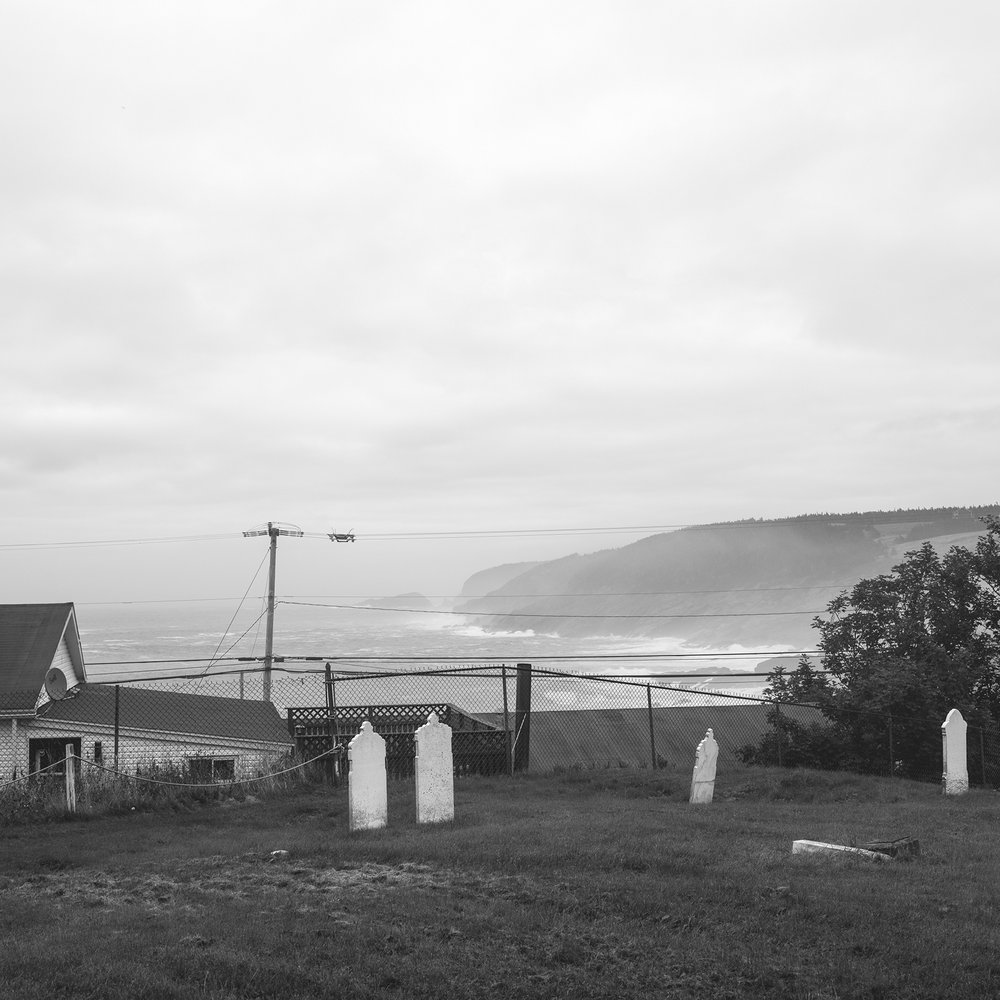
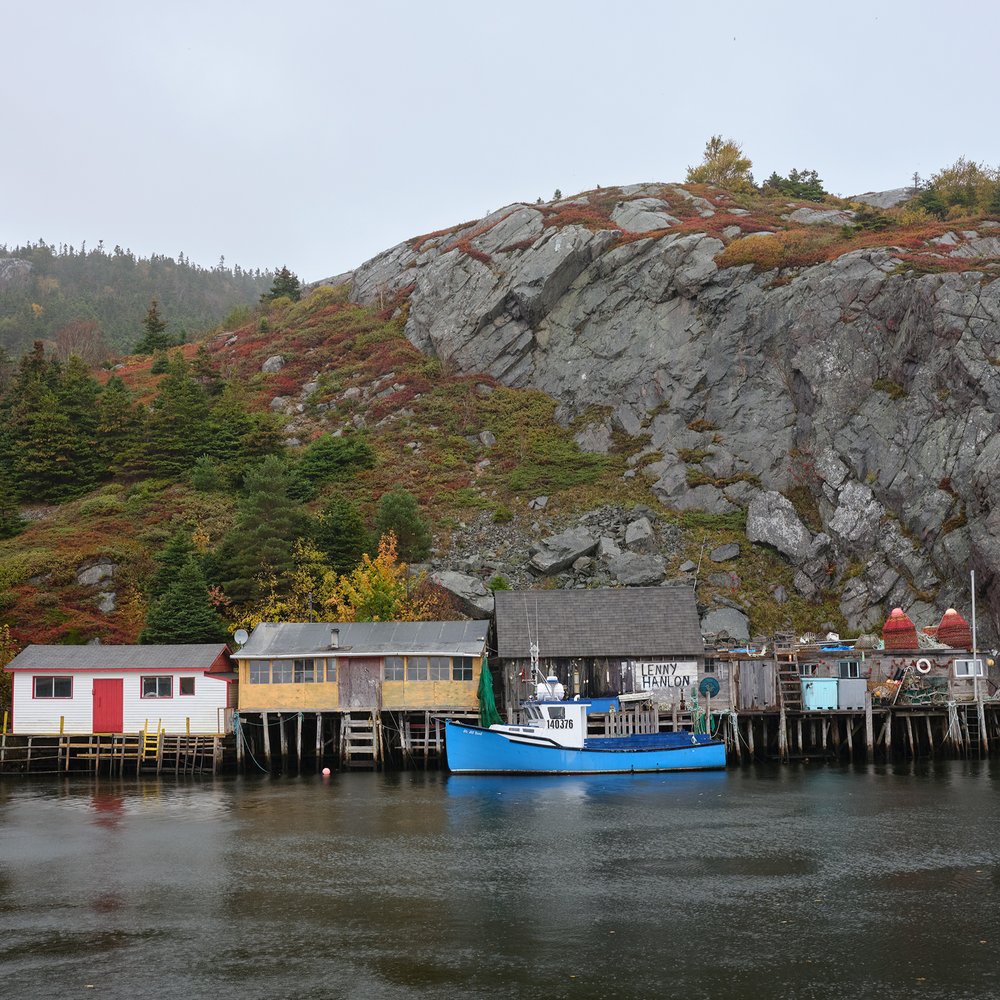
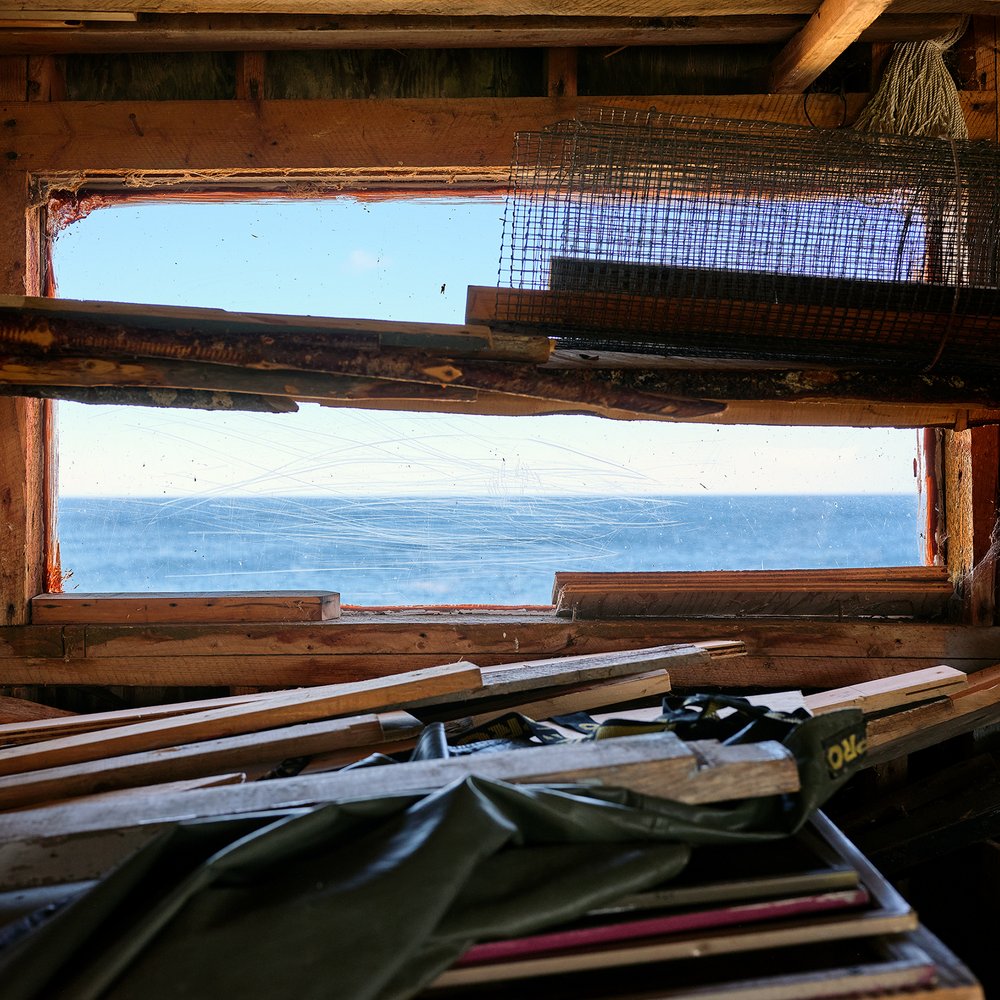
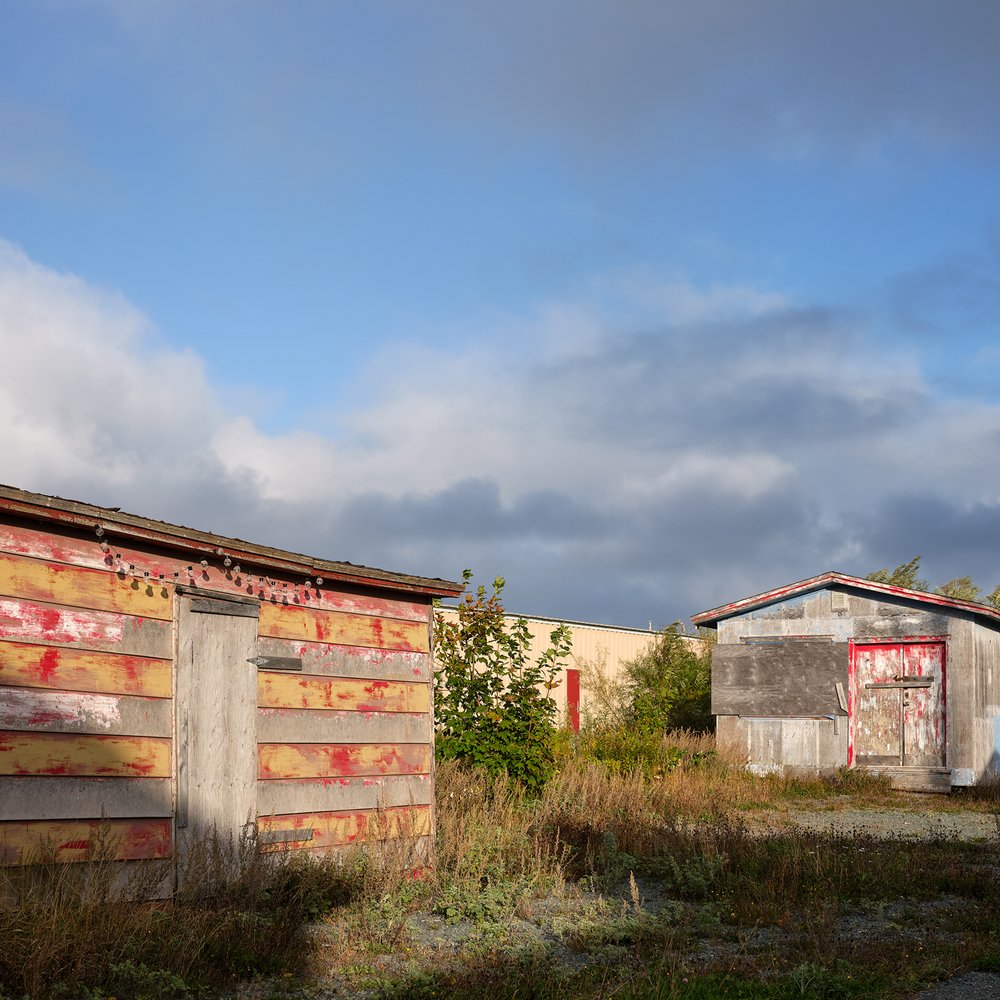
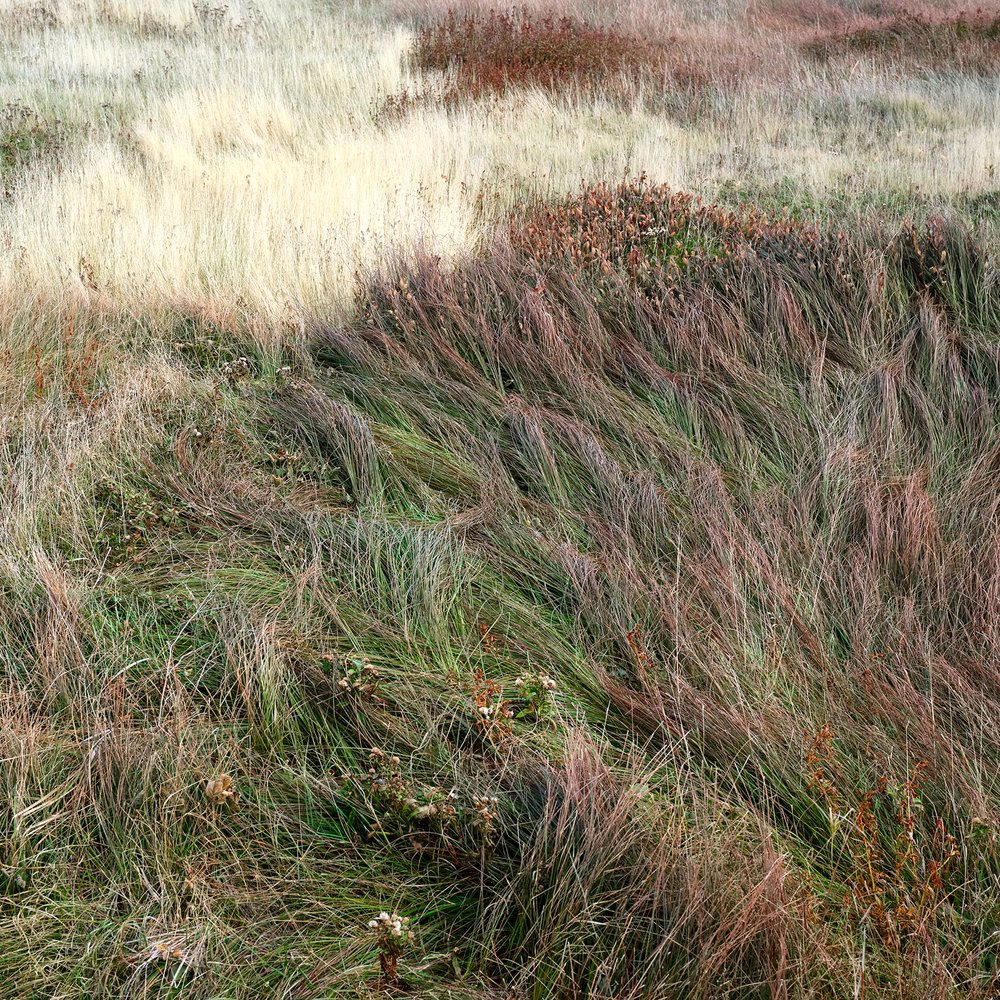
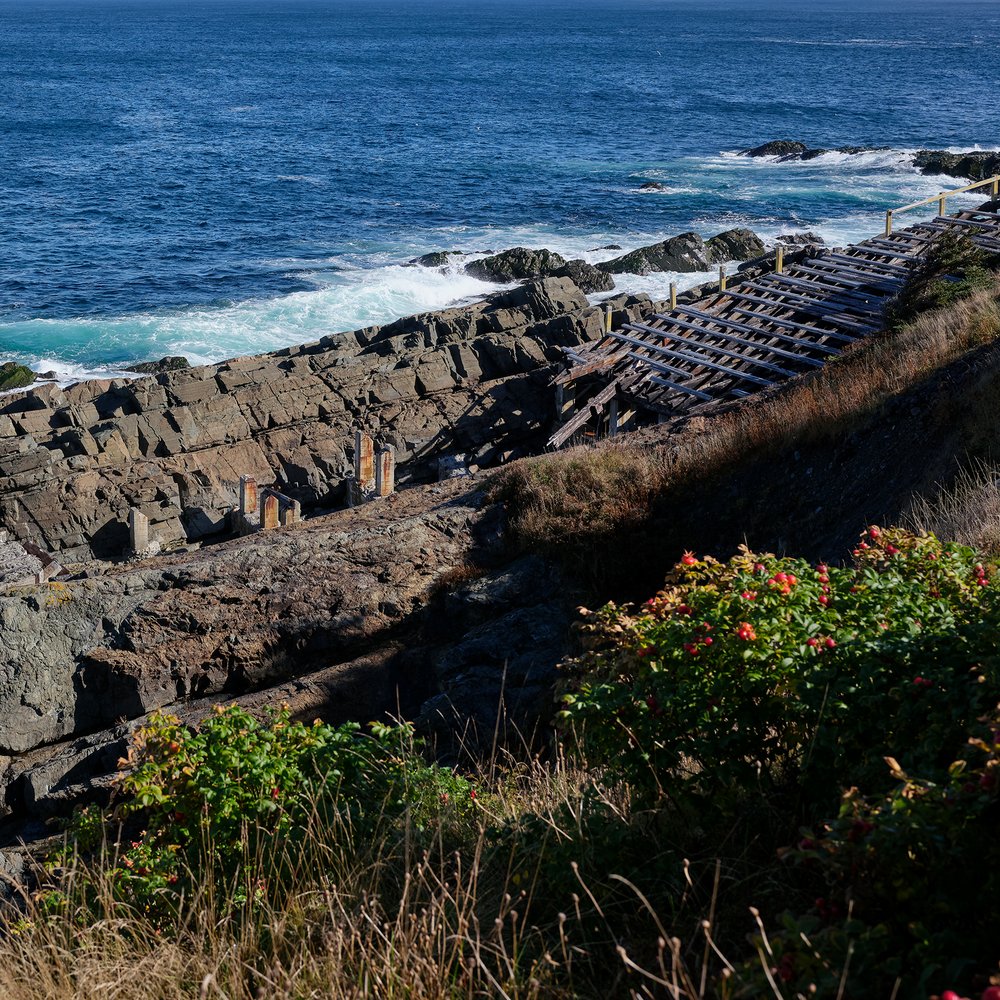
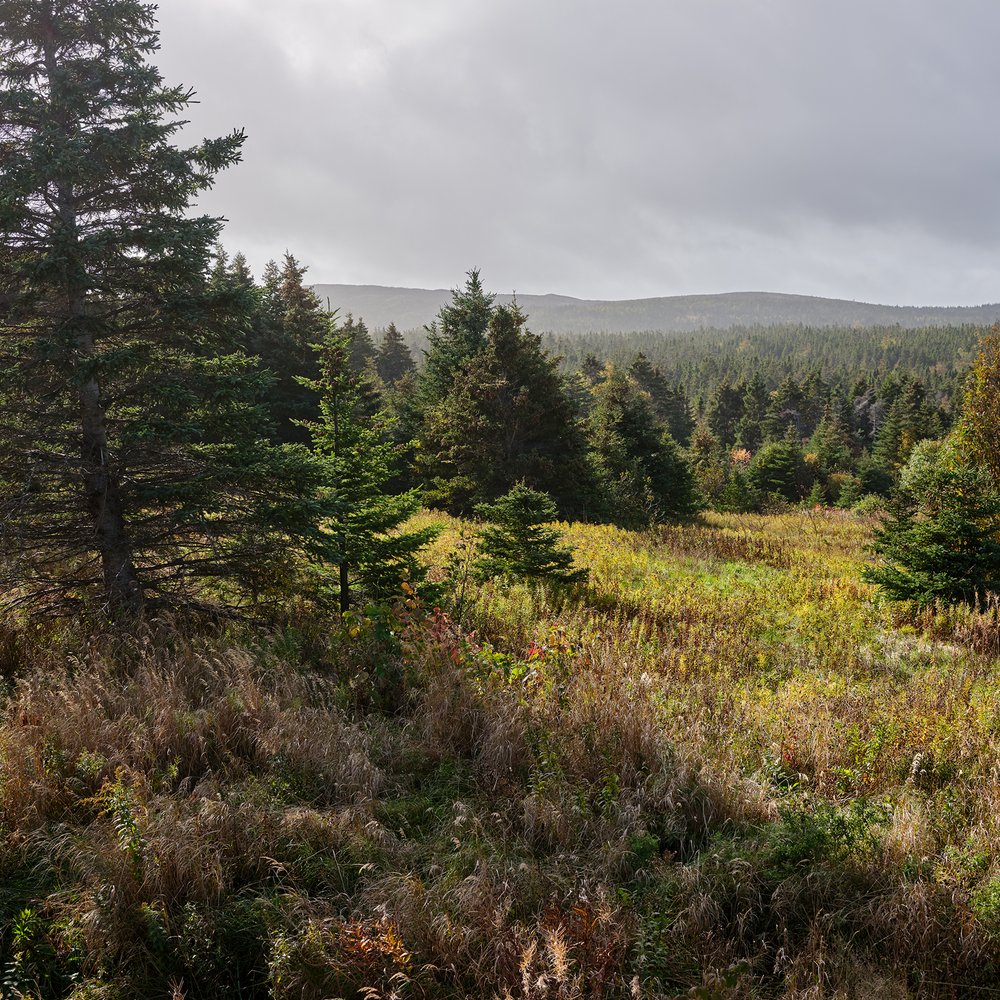
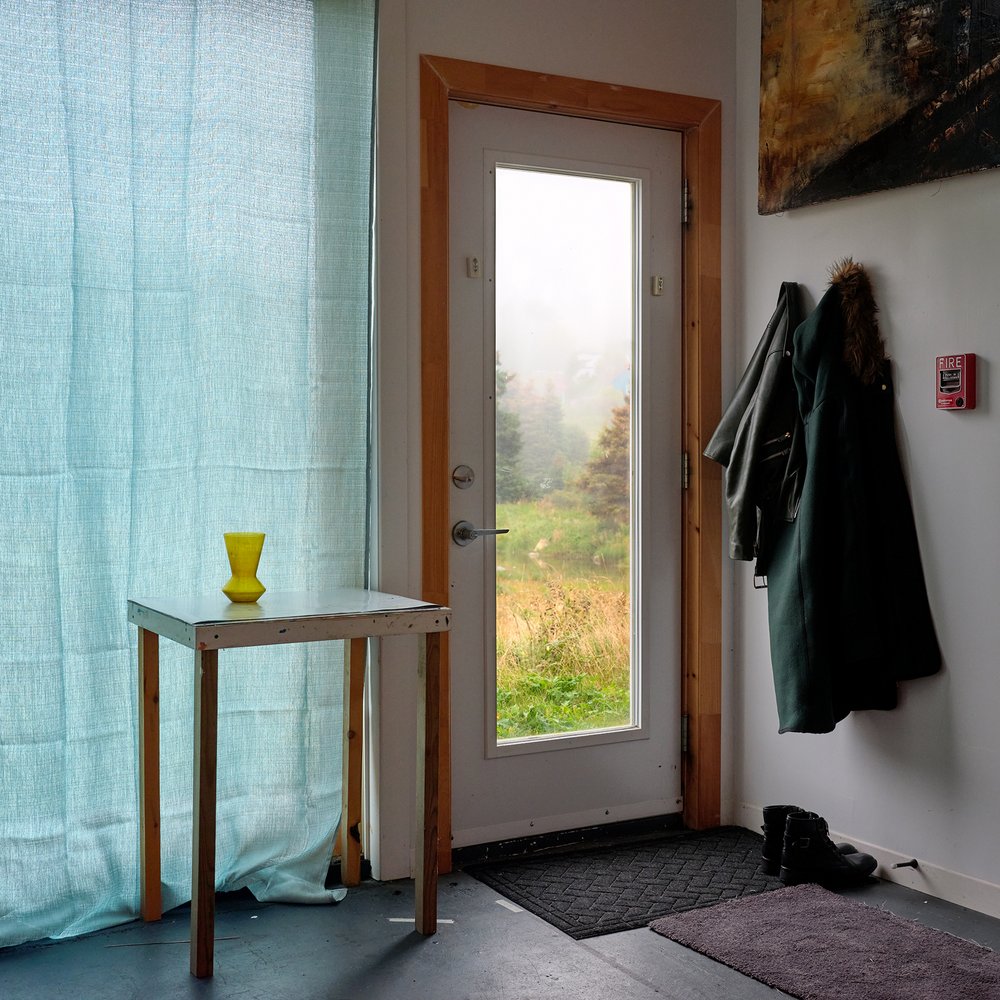
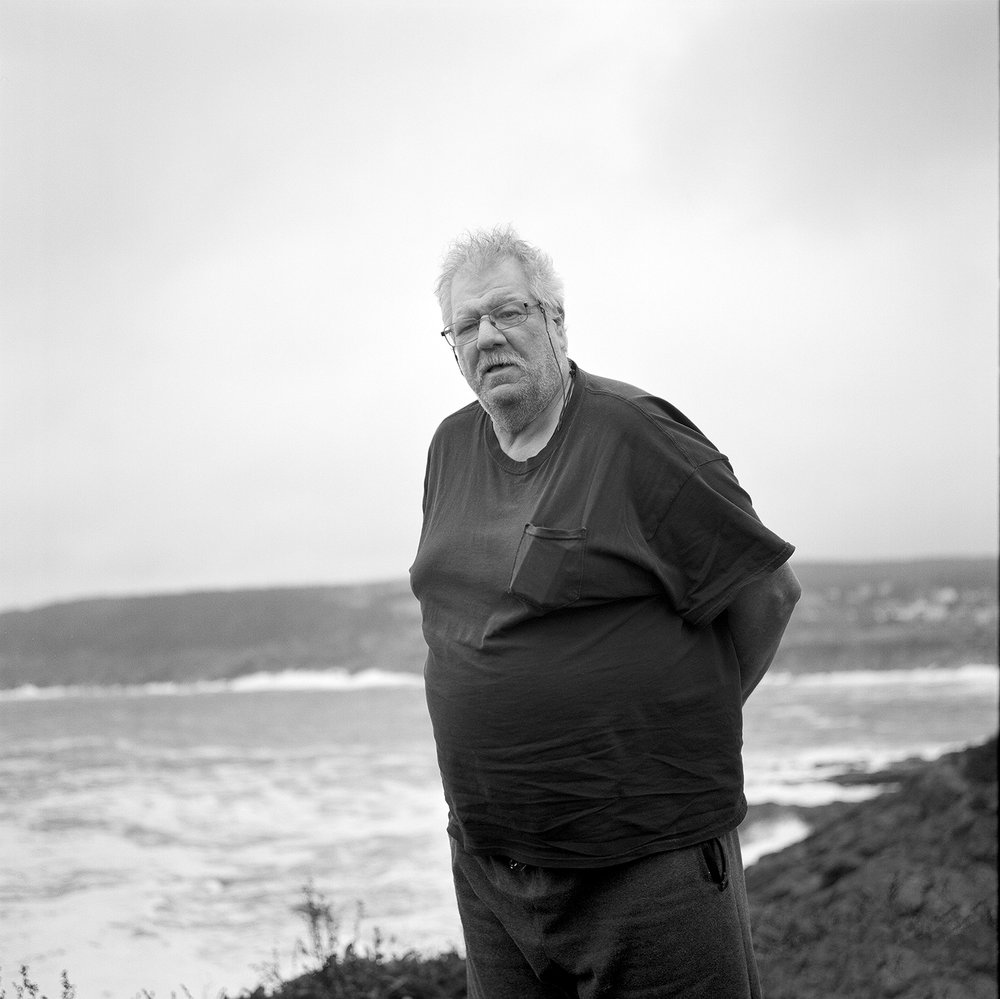
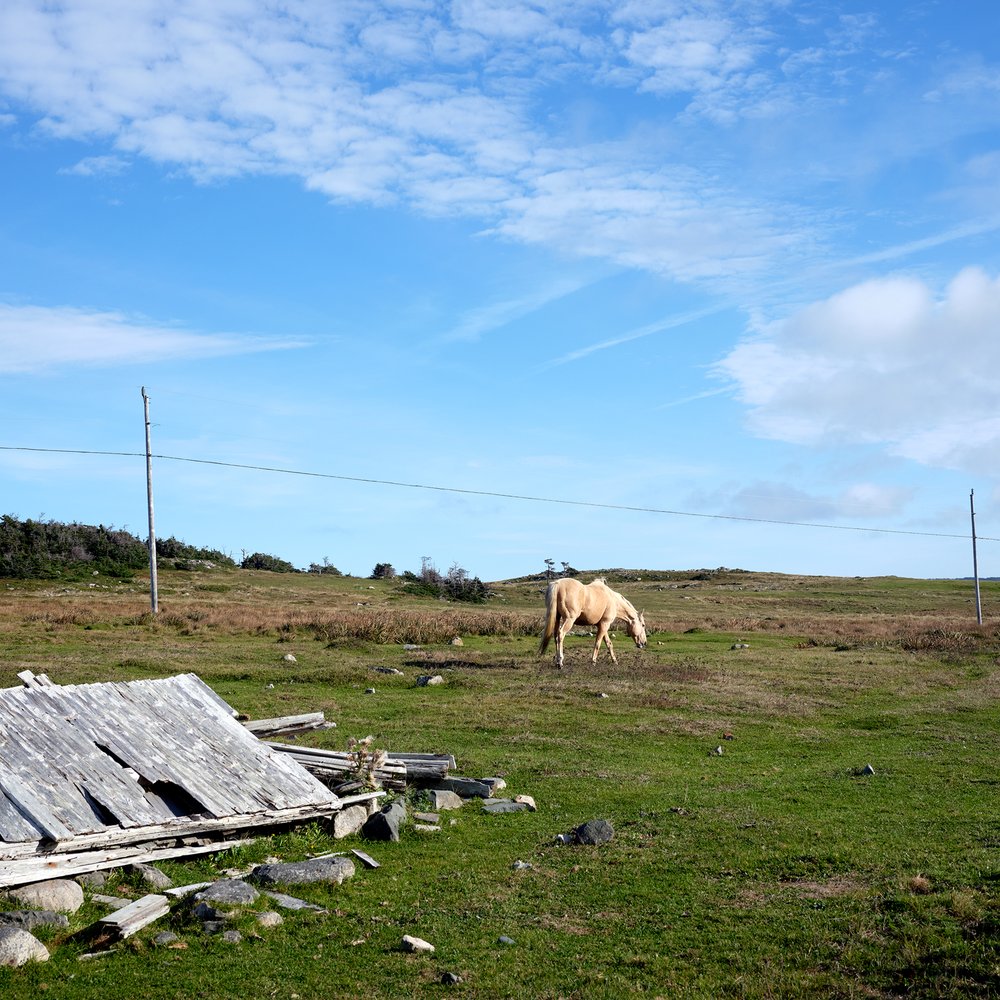
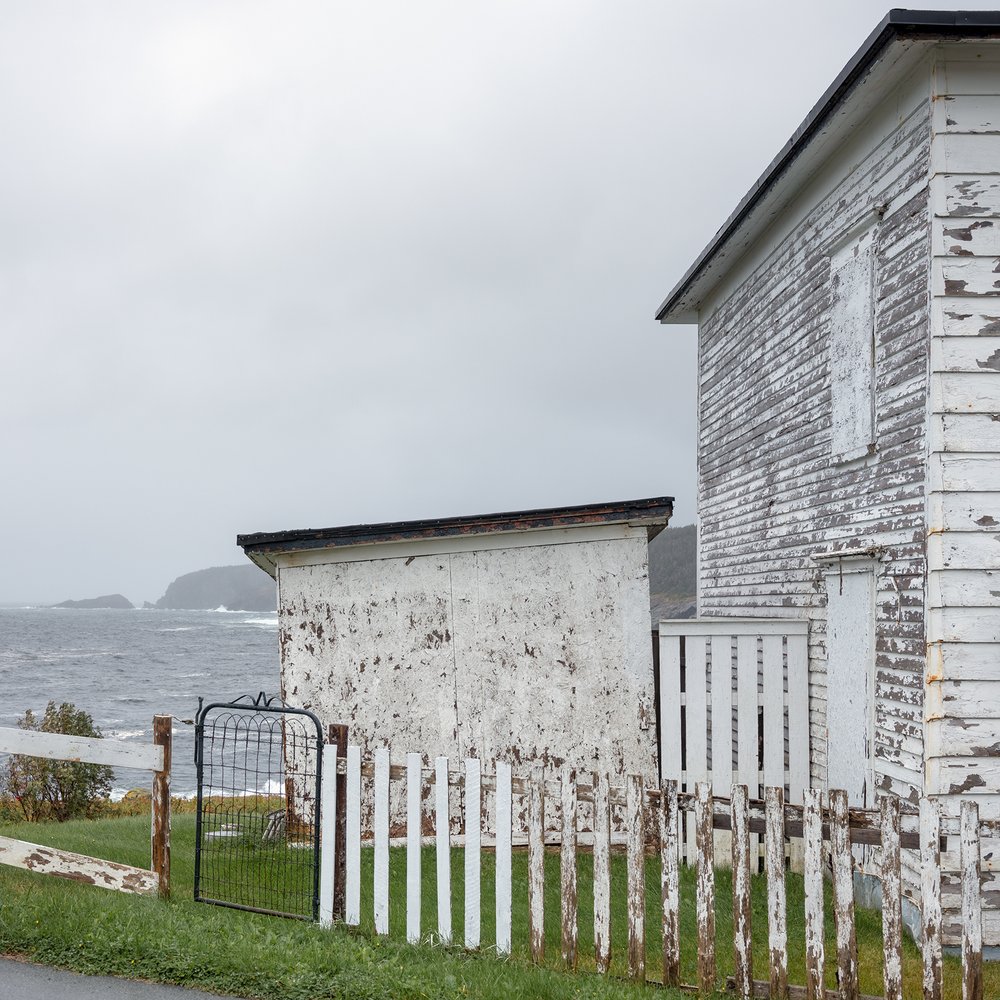
You can feel the wind-washed loneliness in photographer Leah Frances’ photographs of Pouch Cove Newfoundland. But there’s some strange strength and raw beauty mixed in the loneliness, something enduring even as it fades. There’s so much evidence of human life and care in the human spaces, and in Frances’ photographs themselves. And there’s a strong sense that the loneliness is shared with the rain and the wind and the weather and with the sea itself.
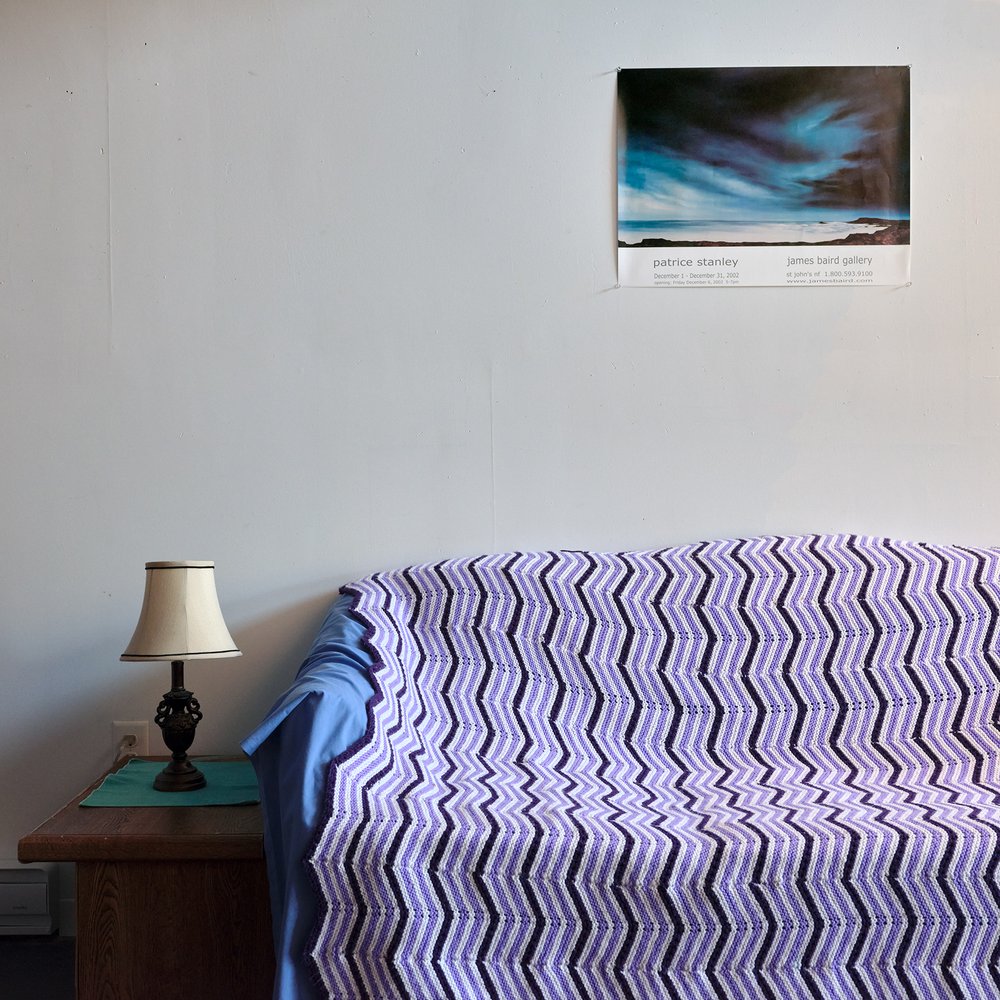
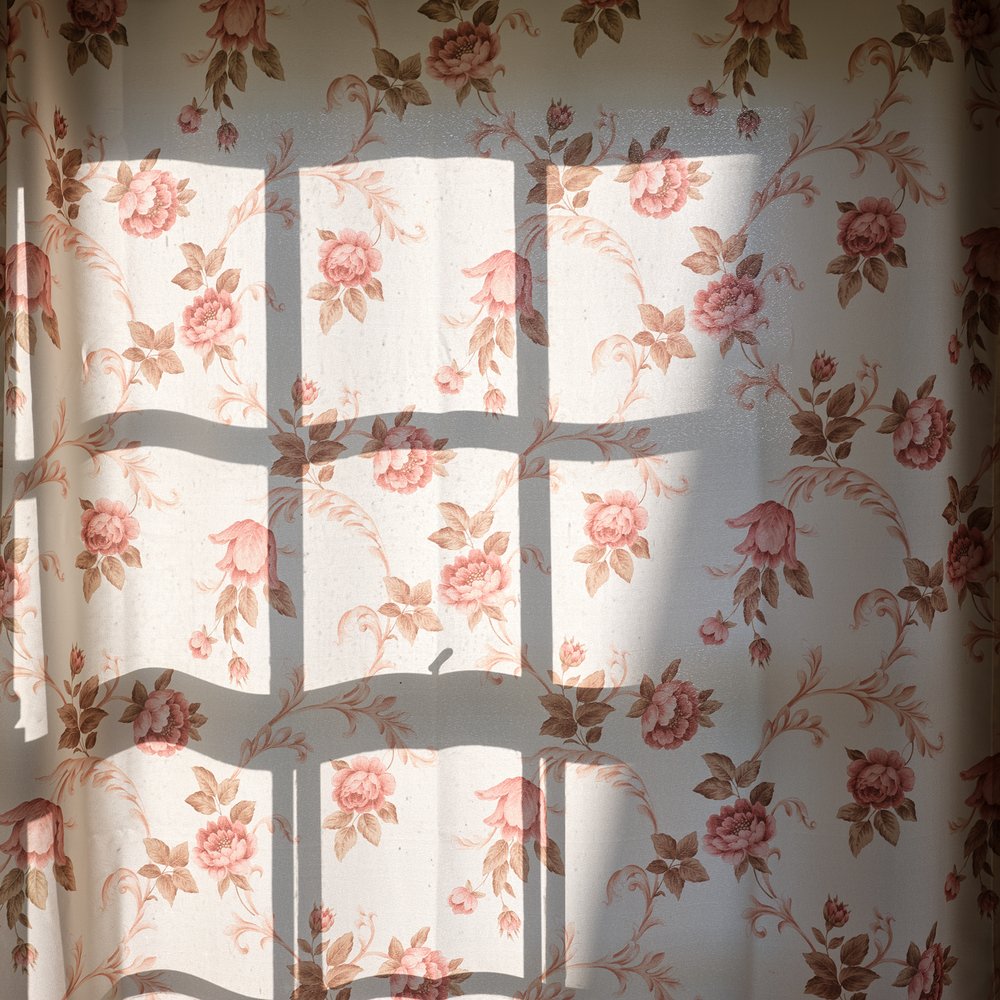
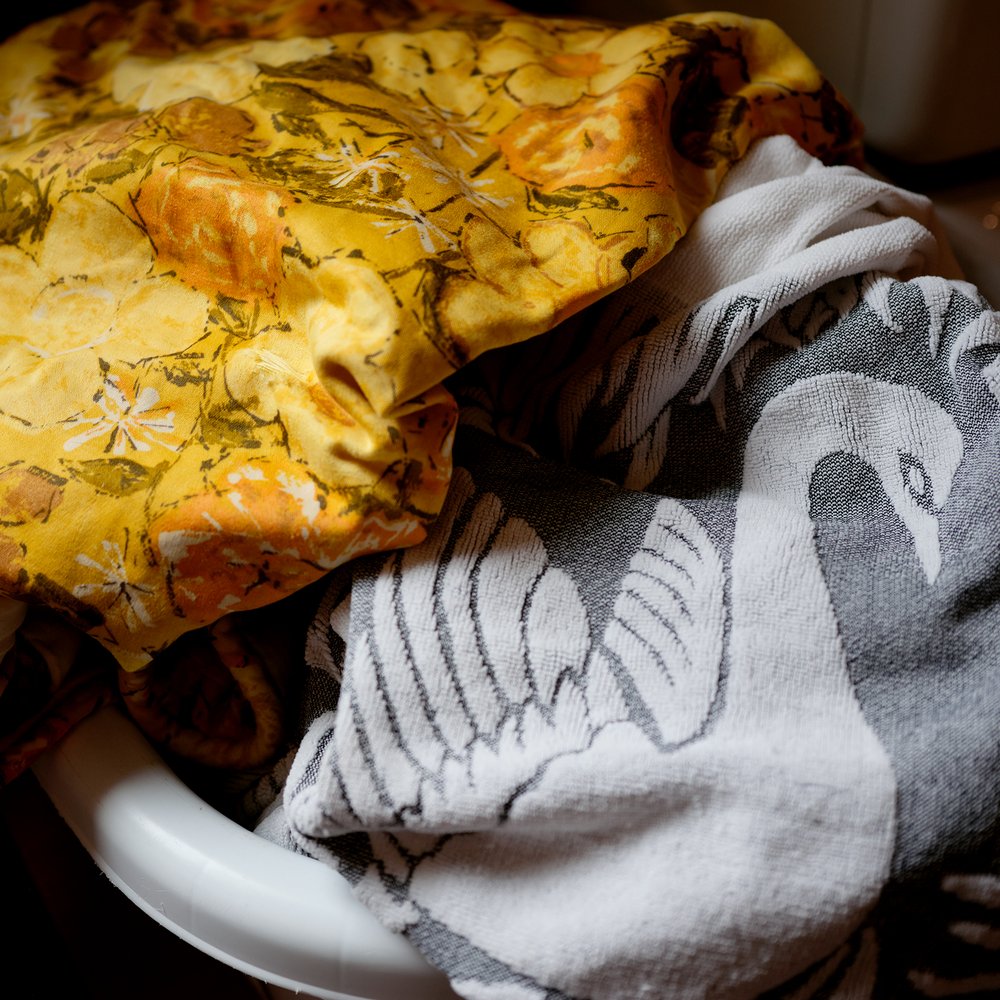
“Newfoundland is rough and damp, or at least that’s my impression of it. That scratchy blanket was draped over the couch that came with my room. Underneath it, I added a blue sheet that I found in a basket in the communal kitchen and washed with several perfumed dryer sheets. I met a guy at the convenience store who suggested I spread lumps of charcoal throughout my space, as he did his basement apartment. A resourceful person’s dehumidifier. Nonetheless, the couch smelled like a washing-up sponge that had overstayed its welcome. Do you have a sponge? That you do the dishes with? Go smell it. I’ll wait. Smell it, then look at the blanket. You are halfway to Newfoundland with me.
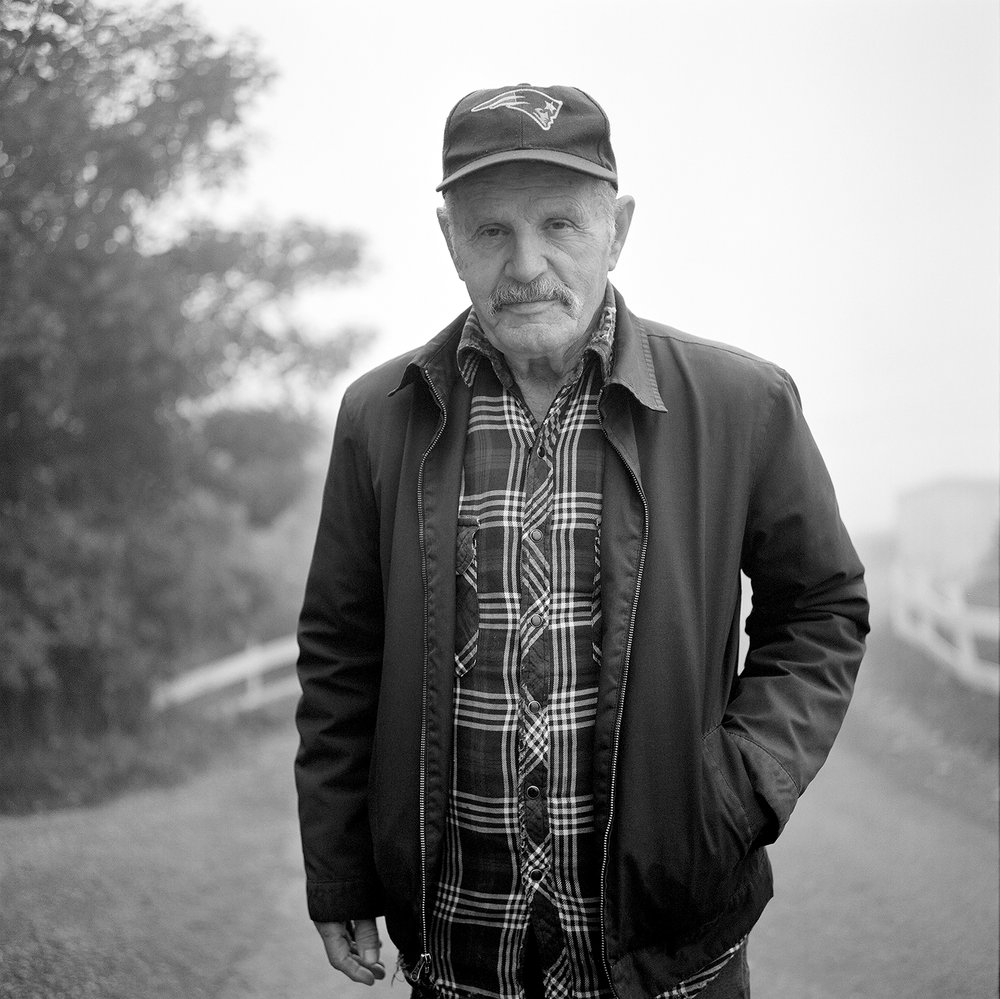
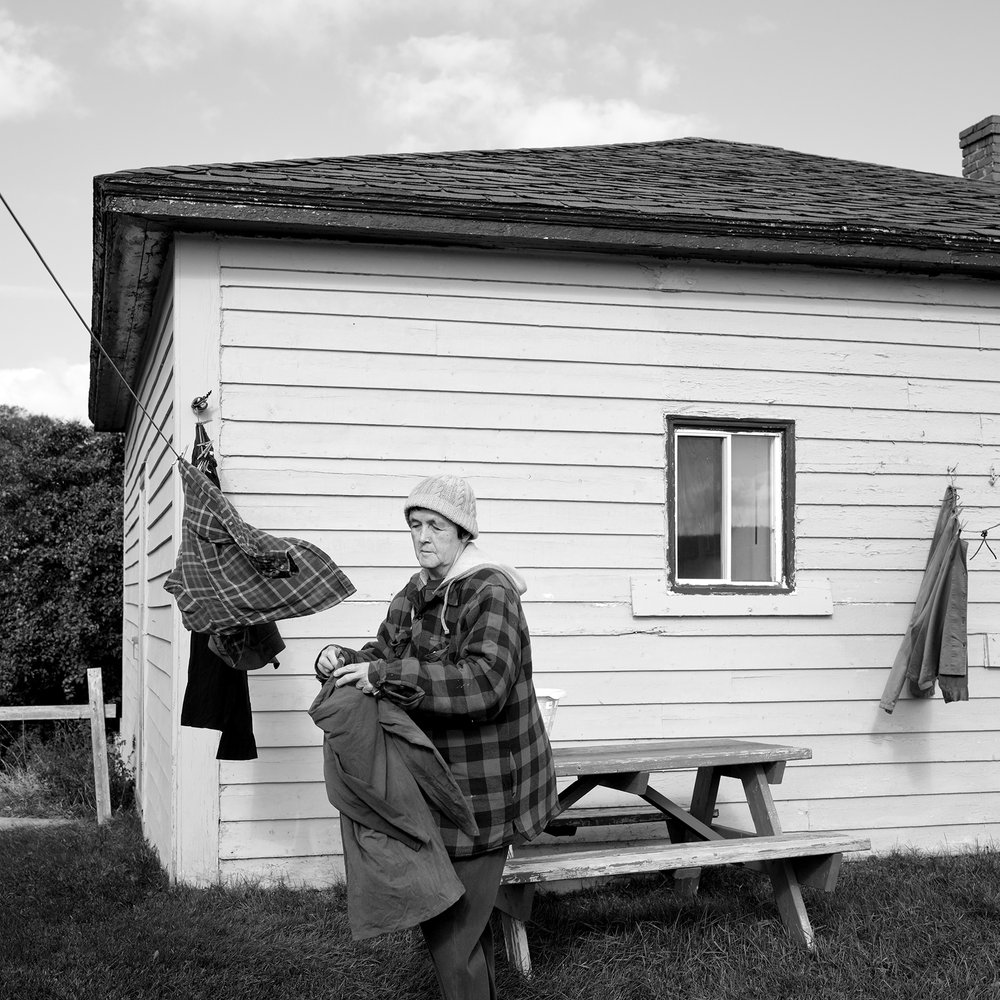
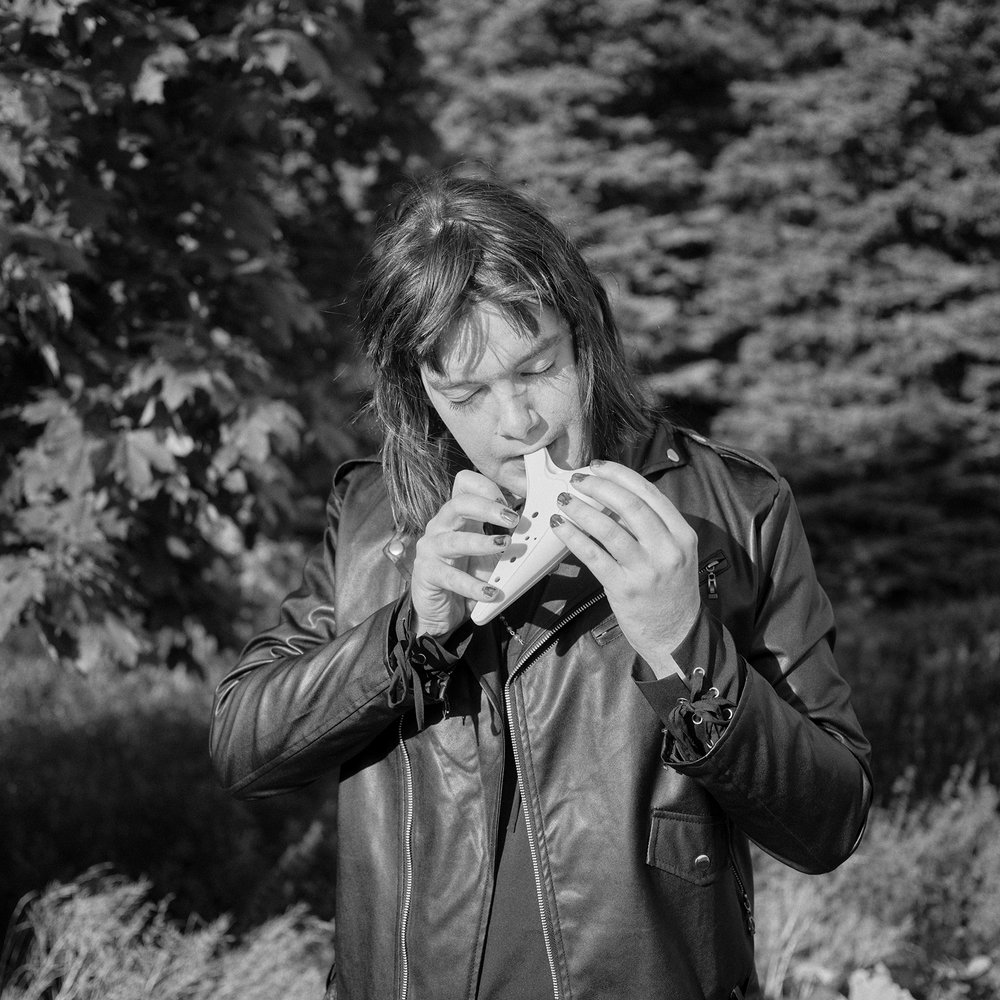
These photographs represent a collection of my personal experiences, chiefly in Pouch Cove, Newfoundland, during a residency at The Pouch Cove Foundation. In this place, there is one main road, called Main Road. There are no sidewalks and the drivers on Main Road are fast, having navigated its bends and dips for a lifetime. I walked this road for hours each day in search of photographic subjects. Hours that I put in my calendar ahead of time and clung to with determination, gripping onto my plan to avoid falling into the gulf of loneliness that traveled beside me. At a rare moment I might spy someone walking, like me, alone, long in the distance, after not having seen anyone for days. Growing nervous, “I have to photograph this person!” I would think. They’d loom toward me, slowly growing bigger and bigger in my field of vision. My nerves tingling… I’d finally ask them.
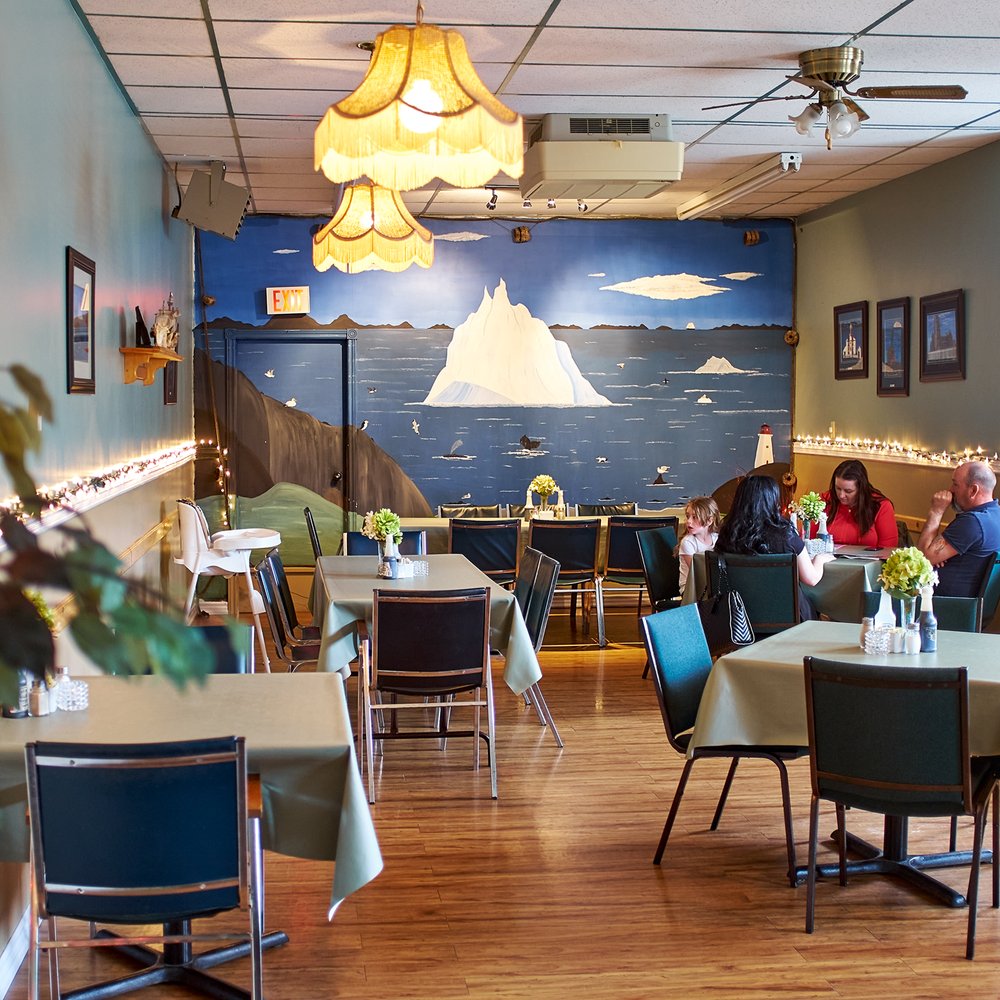
There are no gathering spaces in this town, aside from a haphazard wooden crate turned on its side in front of the one convenience store. The same fearful loneliness that penetrated my psyche, did it also disturb my fellow walkers? Can you see it in my pictures? It’s obvious, I suppose, but any photographer’s pictures of place are usually nothing more than a reflection of that one photographer’s sense of that place. A singular impression. Not a fact. So this is mine; I wouldn’t trust it. It wouldn’t be yours, probably. Or anyone else’s.
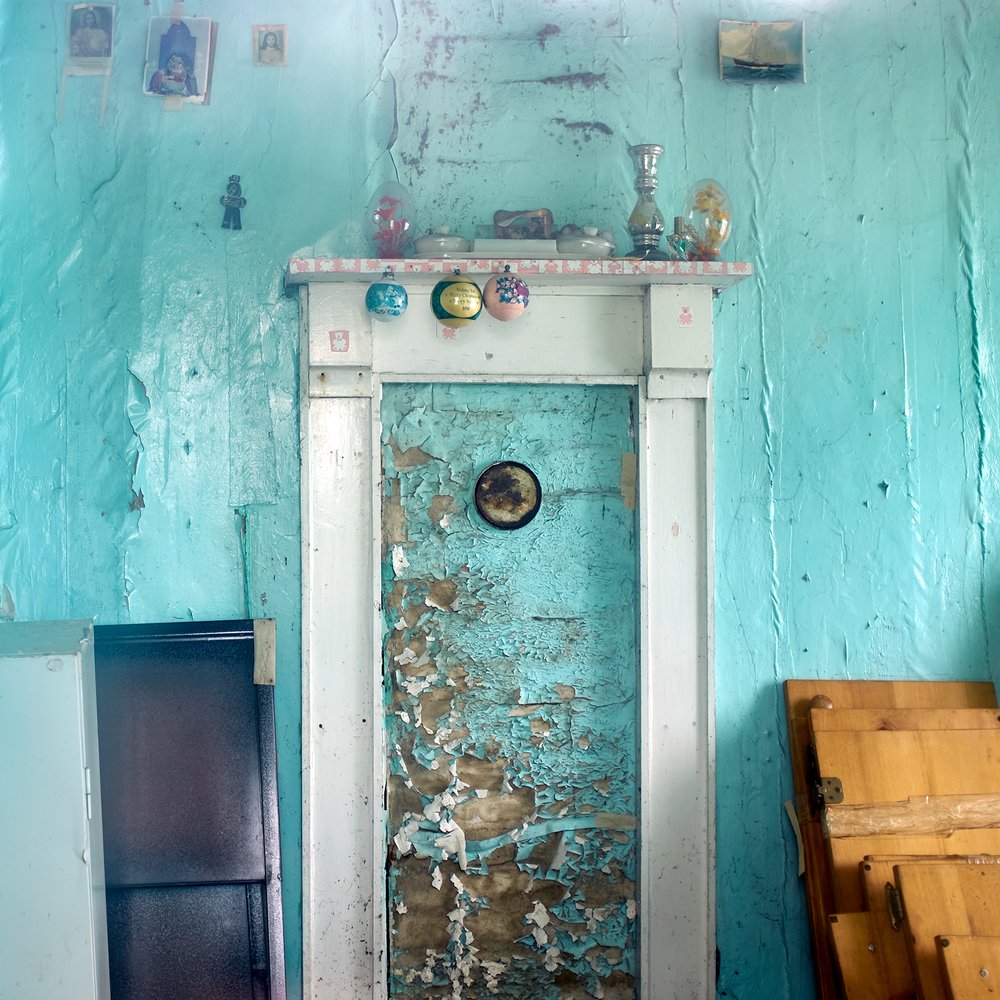
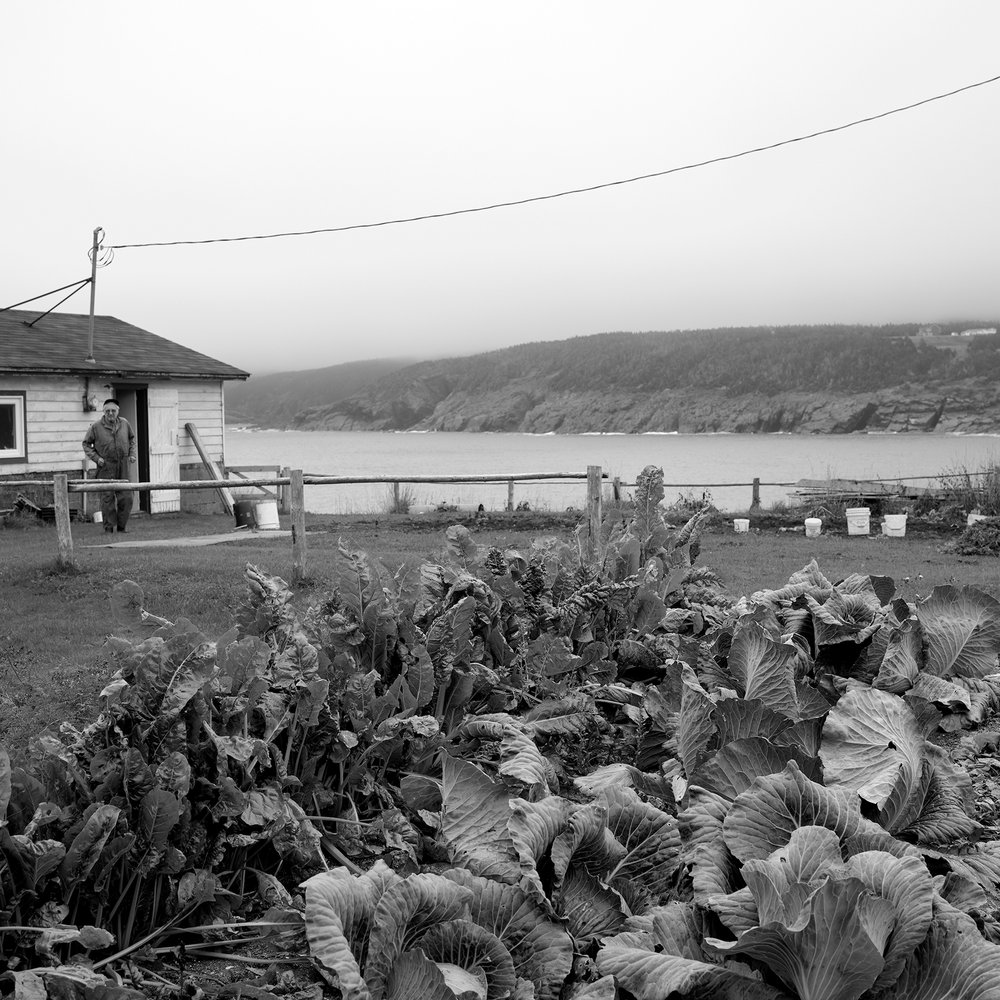
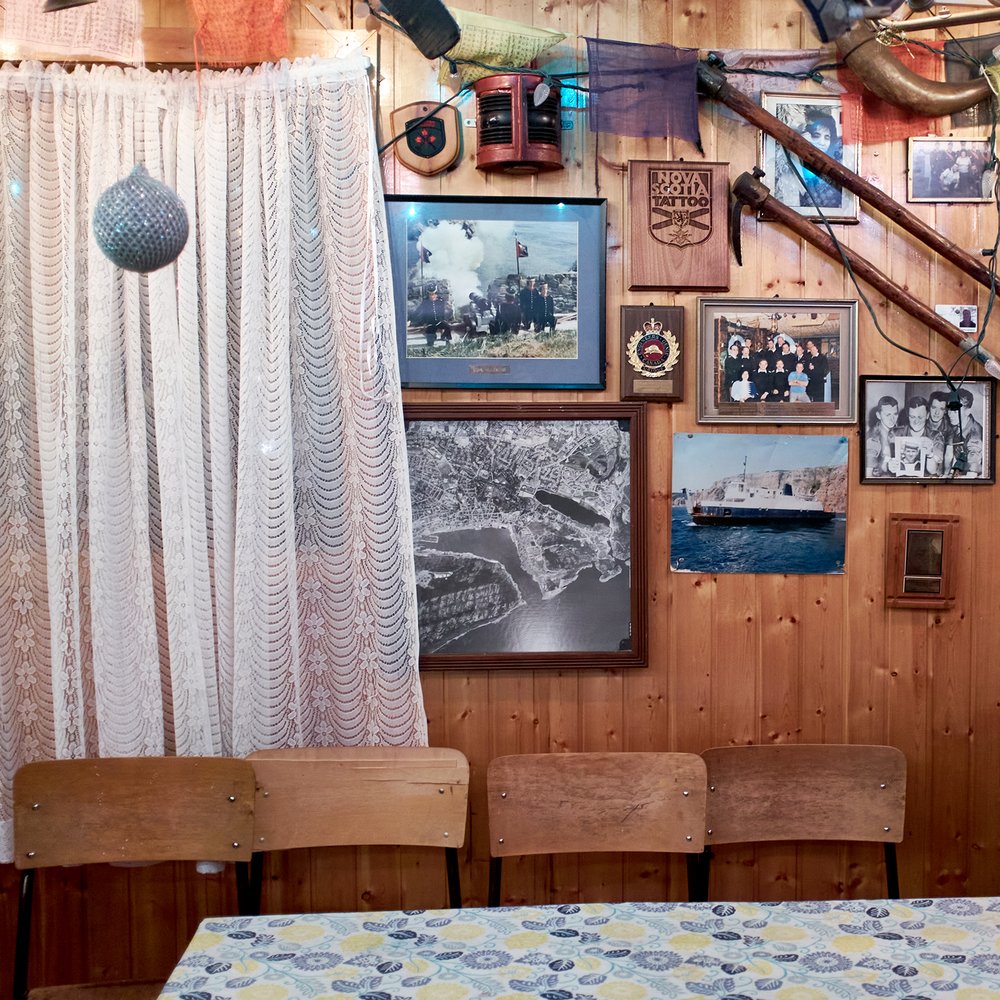
In Newfoundland, I looked for some kind of correlation to where I live now, in the Rust Belt of America. Many of the towns around mine have lost what was critical to their economy: coal, steel, manufacturing. Here it was the cod fishery, shut down approximately 30 years before my arrival. I hope you’ll notice a mantelpiece. It is decorated with baubles from Christmas 1991. In the spring of 1992, the federal government banned cod fishing, creating the biggest layoff in Canadian history. People left. I was wondering if there would be the anger in Newfoundland that simmers close to the surface in my adopted home. I didn’t run into it. Not this time, anyway. I encountered a resigned and steadfast way of living: Walking, gardening, hunting, preserving, and preparing for the long winter. Weaving the fabric of existence. To quote photographer Robert Frank: ‘Good Days Quiet.'” — Leah Frances
LEAH FRANCES is a photographer born in Alert Bay, Canada, now based in Easton, Pennsylvania. Her work has been featured in The New York Times Magazine, The New York Times, T Magazine, Lenscratch, the Carnegie Museum of Art’s online journal, Storyboard, and more and has been exhibited nationally and internationally. She holds an MFA from The Tyler School of Art and Architecture in Philadelphia. You can see more of her work at leah-frances.com or on Instagram at @americansquares.
Categories: featured, featured photographer, memoir, Nature, Photo Essay, photography, Travel

 magpiesmagazine.com