

Words, images, and recipe by Mariah Gladstone
Indigikitchen, a portmanteau of Indigenous, digital, and kitchen, is an online cooking show dedicated to re-indigenizing our diets using digital media. Using foods native to their Americas, Indigikitchen gives viewers the important tools they need to find and prepare food in their own communities. Beyond that, it strengthens the ties to our cultures and reminds us of the inherent worth of our identities while fueling our physical bodies. Indigenous food systems support healthier ecosystems, bodies, and families.
It’s no secret that healthy eating generally involves avoiding processed foods and preservatives. Indigenous foods like wild game, berries, corn, squash, and wild rice are far easier for the digestive system to process than wheat flour, dairy, and sugar. In the case of Natives, there is the added benefit of cultural revitalization; pre-contact foods, especially those harvested locally, are a testament to the resilience of Native lifestyles and a delicious way of resisting colonization.
Indigikitchen was formed to foster an appreciation and love of traditional Native foods. Along the way, we’ve branched out to supporting Native producers, building Indigenous gardens, and teaching some of the important background surrounding the colonization of our foodways.
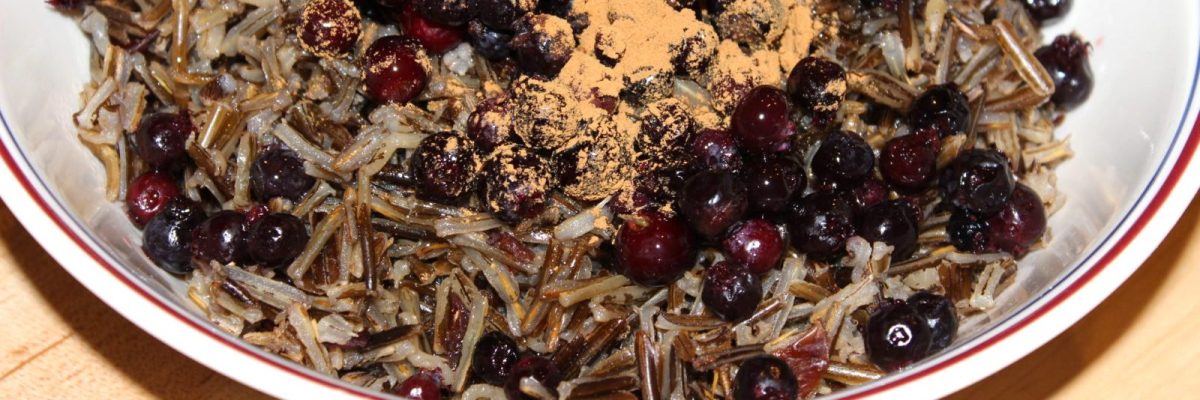
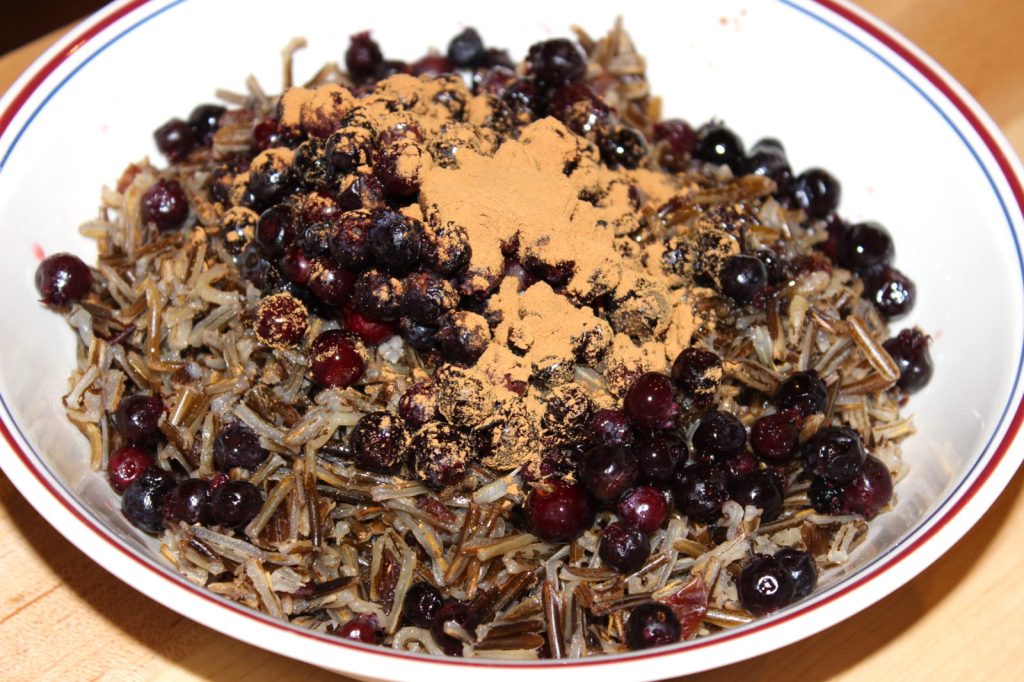
The Native communities at colleges can be incredibly tight-knit, especially when you’re a tiny minority at a huge university. At Columbia, it was no different. We would regularly host events and study breaks and potlucks where we could enjoy each other’s company and good food. A Citizen Potawatomi student would always bring this sweet wild rice dish. After graduation, I hounded her for the recipe. This recipe is an adaptation of that and dedicated to Lakota Pochedley and the community that got me through college.
A recipe from the Great Lakes area, this sweet dish can be served hot or cold.
INGREDIENTS
- 1 cup wild rice, uncooked
- 1/4 cup dried cranberries
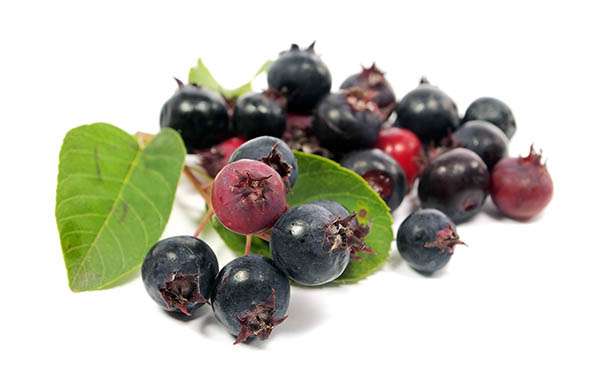
- 1 cup fresh berries: raspberries, huckleberries, saskatoon berries, blackberries are all good options
- 1/3 cup real maple syrup
- 1 tsp cinnamon
INSTRUCTIONS
- Add 1 cup of wild rice, 2 1/2 cups of water, and 1/4 cup of dried cranberries to a pot and simmer on medium-low heat until water is gone (about 45 minutes).
- Mix in fresh berries, maple syrup, and cinnamon
Mariah Gladstone (Blackfeet, Cherokee) grew up in Northwest Montana. She graduated from Columbia University with a degree in Environmental Engineering and returned home where she developed Indigikitchen. Mariah has been recognized as a “Luce Indigenous Knowledge Fellow” through the First Nations Development Institute, a “Culture of Health Leader” through the Robert Wood Johnson Foundation, and an MIT Solve Indigenous Communities Fellow. She serves on the board of the FAST (Food Access and Sustainability Team) Blackfeet. Mariah completed her Master’s Degree at SUNY – ESF through the Center for Native Peoples and the Environment.
Follow Indigikitchen on Instagram @indigikitchen and on Facebook and subscribe to the YouTube Channel

 magpiesmagazine.com
Sounds great, I wonder what is indigenous to Britain that I can substitute for cranberries?
LikeLike
I wonder, too! They’re a bit tart. I would say currants! Black or red. They were outlawed in the US for a long time, but we had a bush in our garden for over a decade. We had to pull it out this year because it was half-dead and had a white fungus of some sort that was spreading, but I still mourn it!
LikeLike