

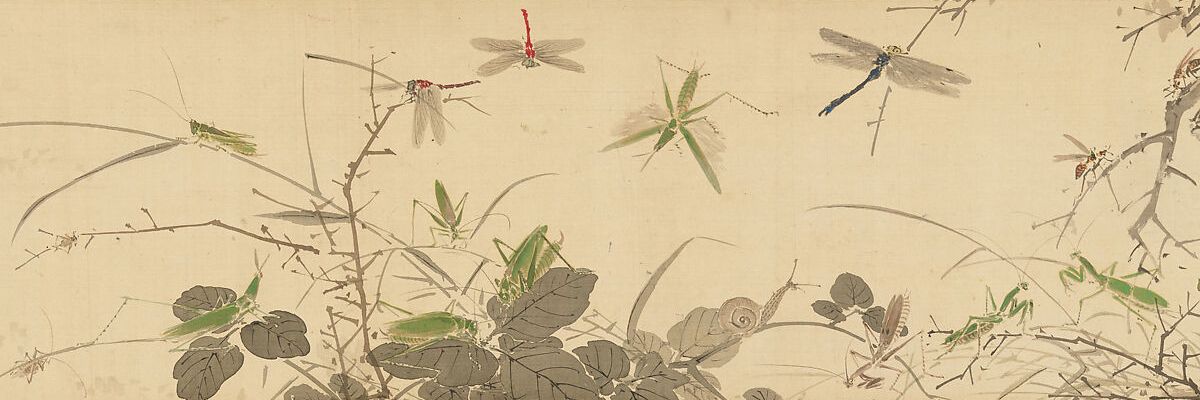
A cricket sings in my brambling dying herbs every autumn, tangled with the unruly thyme and the ever-flowering chives. I’ve never seen it but I look forward to its return every year as I do many things in autumn — with an aching amount of affection and a shadow of regret at the passing of time and the dying of the leaves and the flowers and the year. I would miss it sorely if it wasn’t there. I love it. I genuinely love this small creature I’ve never seen.
It sings a staccato song, with a small chirp, and then a space, a hanging space, and then a louder, sustained chirp. It is this pause, this small grace note leaning on a speaking silence, that kills me. There is such poetry in it. Such a sweet hopeful melancholy: which is all of autumn, all of the wistfulness for what we have and what we’ve had and, bewilderingly, for what we’ve never had, all expressed in this small beautiful moment of quiet.
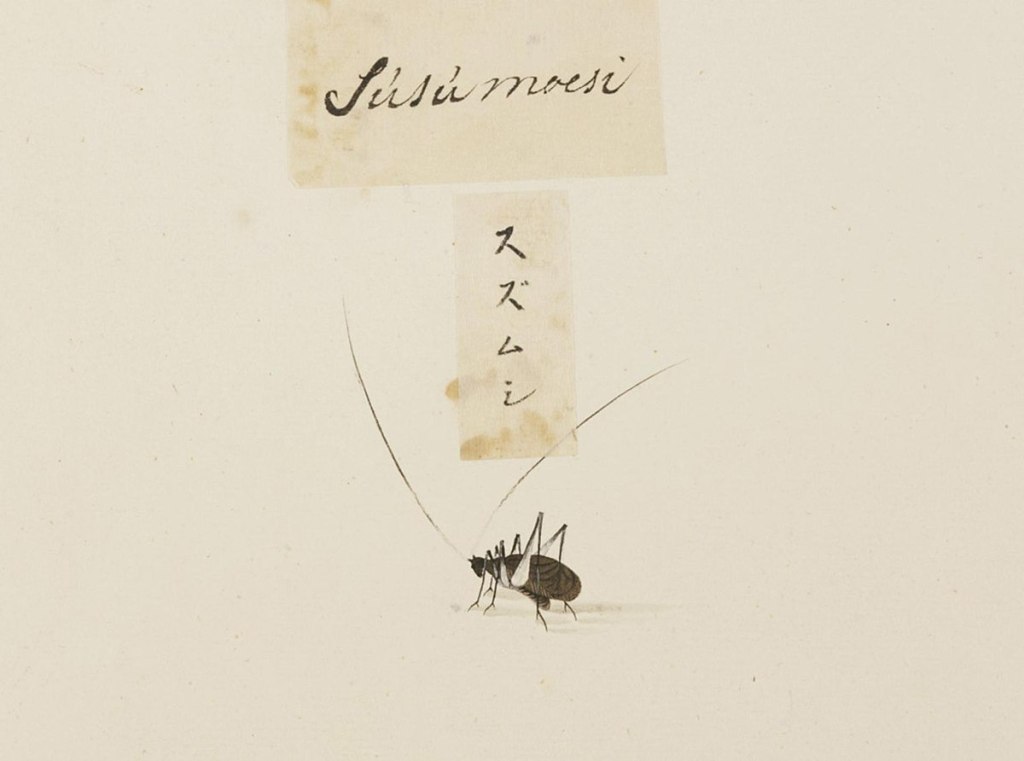
There’s a sort of trope or cliché to describe when a human says something and other humans don’t respond: Crickets. As though in the absence of human voices hearing only the cricket’s song is a disappointment. I’ve been thinking lately that very few artists or writers have ever created anything hoping nobody would see it. We create to share, we want others to react and connect to our work. We want some response, some sign that someone relates or is provoked to anger, or admires our work even if they don’t understand it. This very honest and natural need for an audience of some sort has taken a terrible turn with the onset of social media. I appreciate the ability to share more work with a wider audience. I do. But so often it’s just trying to trick someone into any response. Not engagement, just a superficial response. I do not love that. That means nothing, and is worth nothing or less than nothing.
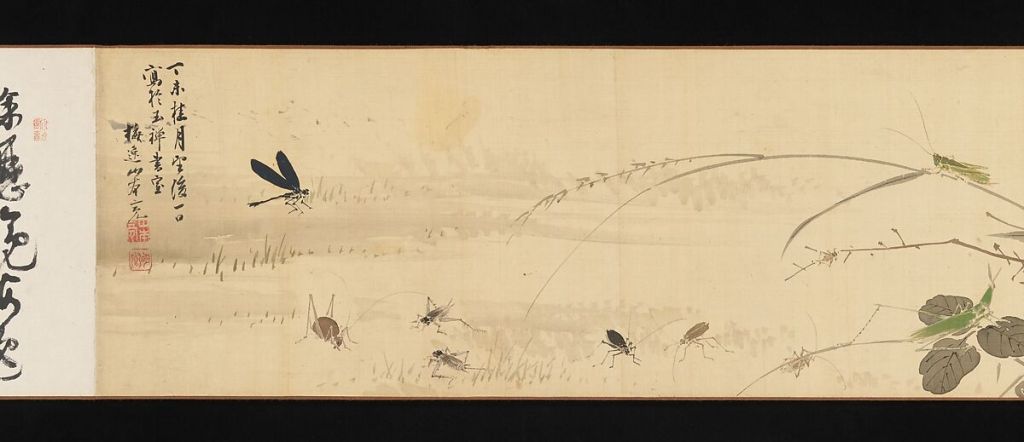
But the cricket’s song is anything but a disappointment to me. Sometimes it’s better not to hear the human voices. Sometimes it’s better to listen to the crickets, and the wind in the dry grasses or the falling leaves, which all might express human emotions better than our words can. Because we want them to and because we need to hear that in their songs. We need the silence, we need the space, we need to hear the important things that we try to say but will never understand.
And so with Tidings of Magpies. From the first, it has been my mission not to try to sell it or trick people into reading it. I would love everyone in the world to be enriched by the art and writing that we share, but I want them to discover it because they love it and relate to it and it gives them a feeling of hope or melancholy or creates an honest human connection. We want to put these stories and ideas and pictures into the world, and we want … crickets. A space to hear the small, graceful, silence-understanding voice.
Scarlet leaves
Have fallen, piled deep
Around my house, so
For who does the cricket pine
With such constant chirping?– A poem from Kokin wakashū, Attributed to Manju-in Ryōjo (1574-1643)

 magpiesmagazine.com