

“How do visual representations of the past, or lack thereof, affect our perception of history? To what extent is our experience and understanding of the present shaped by a more intimate knowledge of past events?”

“How do visual representations of the past, or lack thereof, affect our perception of history? To what extent is our experience and understanding of the present shaped by a more intimate knowledge of past events?”

“When we got up the nerve to crack the door open, we were immediately met with the smell of air that hadn’t been smelled in a long time: a mix of dust, musk, and cedar — a whiff that gave a sense, even to a kid, of past lives and an odor that we didn’t experience in the city, where every space seemed to be in constant use and never remained closed off for long.”

Recent work from photographer Patrick Joust.
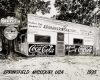
The Disappointed Tourist tries to create a level playing field in which personal losses and larger cultural losses can meet and be recognized and create a new conversation about our love for our physical environment, harnessing nostalgia to create empathy rather than division.

“Helen Levitt’s pictures haunt like intimate ghosts – ever present, never forceful, curious, receptive.”
Listen to this neo-noir short story that features the Iowa State Police, a displaced bounty hunter, a broken farmer, and his local cop acquaintance caught in a Mexican stand-off in a gasoline-soaked corn field.
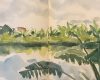
Pia De Girolamo shares a travelogue recounting observations and art from her trip to Vietnam.

“I sit on the wall and watch a fisherman wrangle his net; the sea is dark and a little choppy, and I feel an overwhelming sense of sadness.”
“The wind that comes off the Sahara towards the Atlantic is called Harmattan. The breezes over Senegal and Mauritania mingle with the warm waters near Cape Verde and occasionally become one of those end-of-summer storms that plod their way up the Mid-Atlantic states, dropping enormous amounts of rain and causing damage.”

The idea, a loose brief, of following the Nile to Aswan, close to where the river enters Egypt from Sudan, I would talk to farmers and fishermen and those whose livelihood depends on the seemingly eternal flow of the longest river in Africa. I wanted to learn of the potential risks posed by climate change on rural Egypt. I also wanted a photo or two, and, an anecdote would be good.

 magpiesmagazine.com