
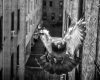
Photographer Keith Goldstein shares beautiful photographs and thoughts on lessons learned from pigeons and sparrows.

Photographer Keith Goldstein shares beautiful photographs and thoughts on lessons learned from pigeons and sparrows.
“I hope this series will be a drop that makes a tiny ripple in people’s deep within, and take them to the wonderful journey of imagination.”
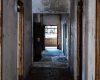
These photographs were made in the detention center and hospital wards of Ellis Island.
The echoed silence one experiences while photographing in these empty spaces is an embodied one. These are transitional spaces, in between what was and what is yet to be, between light and shadow, hope, and regret.
“How do visual representations of the past, or lack thereof, affect our perception of history? To what extent is our experience and understanding of the present shaped by a more intimate knowledge of past events?”
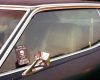
“I know that part of my attraction to a lone old car on some quiet urban street or sitting out in the desert is because it plays into a fantasy of a time after the car.”

The way Parks presents his subjects, with so much affection and clarity, we feel that we love them, and this brings home the realities of fear and injustice in a new and powerful manner.
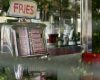
This exhibition highlights “third spaces”: components of an area’s social infrastructure, communal spaces outside of home and work such as taverns, church picnics, diners, restaurants, and movie theaters—sites where we might gather, if we could agree.

These observations and the pictures taken from them don’t speak in specifics, but when you are in a place where people, over time, have been able to imprint parts of themselves on the built environment, you can feel the city speaking to you in some way, though the language is only partly translatable or transferable.
A meditation on hate-based violence.

 magpiesmagazine.com