

“She sees herself as a tool for social activism and what she does with this tool is to shape into images of self-affirmation.”

“She sees herself as a tool for social activism and what she does with this tool is to shape into images of self-affirmation.”

“Read Forugh’s poems and you’ll find the very forces that shape our moment: misogyny, censorship, nativism, consumerism, the annihilating violence of war. Read her poems and you’ll find that they, like all the best poems, don’t merely offer a reprieve from the abuses and terrors of the world, but a repudiation of the forces that make those abuses and terrors possible: ignorance and political regimes for which ignorance has been and will always be their life’s blood.”

Lola Alvarez Bravo, an oft-overlooked female artist, created profoundly personal works, which combined a radical humanism with experiments with the uncanny.
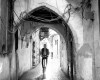
“And now, one year later, I would walk into an arrivals hall at Damascus airport filled with Syrian families crying and hugging separated sons, now-married daughters, and children that have never seen their homeland. So many tears.”
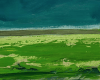
A conversation with painter Joel Adas.

“I always try to paint beauty, but some people say my paintings aren’t beautiful. Well I have beauty in my mind …”
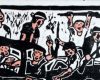
Korean social movements are repurposing the tradition of minjung-gayo (people’s music) by creatively incorporating K-pop and messages about women’s struggles today.

“For the most part the armies marched through the valley, so that they might do battle elsewhere, but some, like the soldiers of the crocked cross and the soldiers of the blood red banner, had stayed and fought and died, and in so doing they watered the rich, rocky soil with their blood, and their sacrifice gave nourishment to the legends of the nationalist and internationalist alike.”
A collection of all the articles we’ve published over the past month, for those who like to savor their Magpies’ tidings as an issue.

March ramblings.

 magpiesmagazine.com