

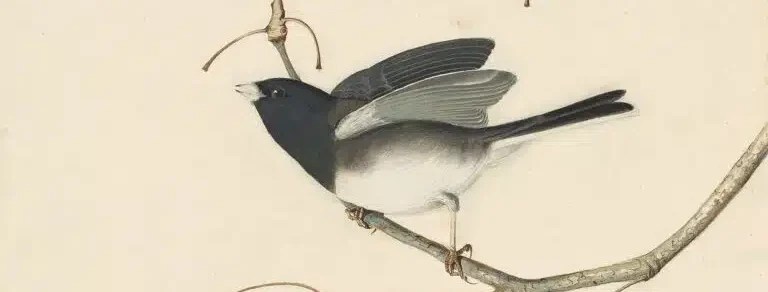
My sparrow, you are not here,
Waiting like a fern, making a spiney shadow.
The sides of wet stones cannot console me,
Nor the moss, wound with the last light. -Theodore Roethke, Elegy for Jane
Last Sunday was a blizzarding day. The sky was white and bewildering, the time passed quickly and not-at-all, and by the end of the day, the snow lay in deep, perfect drifts all around, covered by a thick glistening layer of ice. A week later, the snow is still in giant gravelly piles where it was pushed away from all the places people walk and drive and park. The ice is still there, coating everything, making it dangerous to walk outside, making it dangerous to leave the house. The time is still passing strangely. The hours pass in the usual way, some flying some crawling, but at the end of the day it’s all a blur.
The world can feel very small after a snowstorm, closing in on itself as the sidewalks and streets are dangerous to travel. But these sorts of events bring people together as well. When our city experienced a flood that destroyed neighborhoods on both sides of town, everyone came out to help — cleaning what could be cleaned, saving what could be saved, and clearing away what had been ruined. People organized to feed and shelter those in need. And after a snowstorm, there’s a strange cheerfulness in town as we meet with people we might not have talked to in a while, holed up against the cold in our separate houses. But after the snow, we venture out to clear sidewalks and shovel walks. Neighbors help each other, clearing the spaces we share, the places that connect us. We chip away at the ice together to make our world a little safer. Sometimes it feels impossible to get rid of it altogether. In the days and weeks that follow a storm, patches of ice persist, appearing out of nowhere, surprising, stubborn, knocking us off our feet, knocking us down. It feels as though they may never go away completely as long as this wicked wind blows through the town.
It takes a great effort to feel hopeful, to remind ourselves that the days will grow warm again, the snow will thaw, the ice will melt. But we know that spring will come with its own sunny inevitability. Plants will grow, flowers will bloom — we’re dreaming about our garden already, dreaming of greenness. Of course the birds are the first to know. They gather in the cold light of tall bare branches, and they flock to our backyard. Our yard is full of the small fluttering excitement of mourning doves, and cardinals, white-throated sparrows and the occasional blue jay. But mostly it’s full of dark-eyed juncos. Juncos are small pied sparrows. They’re very elegant birds: charcoal-black on top with snow-white bellies. They have sweet pink beaks, fragile pink legs that slide perilously across the ice in our yard. And they have bright sweet dark eyes. When they fly you see their chiaroscuro flashing dark and white striped tails. Juncos live all over North America, from coast to coast and Canada to Mexico. In the winter, they are migrants to our part of the world, these snow birds, and they fill the neighborhood with their cheerful songs. It makes me hopeful to see them, so beautiful in the white gold winter light, which changes to amber as the sun keeps its early-to-bed winter hours.
We found a dark-eyed junco lying still on the icy ground. Our yard is so slippery and dangerous with its coating of ice that we couldn’t reach it, but we could see it out the window; a sad, darkly feathered body, unmoving in the cold. We don’t know how or why it died, of course, and we will never know. But it made me so sad to look out the window and see it lying there. It feels like such a sad shame that it died. It seems such a sad shame that this cheerful creature will no longer flash its pretty tail feathers, or interact with its junco friends. Its small heart has stopped its beating, its pretty song will be silent. Its memories of all the places it’s been, the world that it has seen so far beyond our small scope of experience, are over. Its bird dreams are done. Its family will leave for the places they’re urged to go by some instinct we will never understand, but it will not be with them. It will never fly again on its beautiful complicated fragile wings. And it’s so easy to think that it’s silly to mourn for just another bird, one of many that we can’t even recognize or distinguish. But we know this bird is part of a family, part of a flock. This is someone’s dark-eyed child, this is someone’s dark-eyed brother or sister.
The spring will come again, the snow will thaw, the ice will melt. Some birds will come and stay, some will fly through, some will leave till next winter. But this small, fragile, beautiful, breathing, flying, bright, dark-eyed creature, lying in the neverending ice in my yard, will not feel the warmth, or fly into the new green light.

 magpiesmagazine.com