

By Lauren Dean
Art has a way of saving lives. Whether you’re creating it as a means to expel a difficulty or inhaling it as a way to survive one, it fills in those internal spaces that reason just can’t reach. As a social scientist, I used to believe that I could analyze my way out of anything. Until the day I watched the world crumble around me and realized that no matter how much I thought it through, the experience was never going to make logical sense.
In 2019, I witnessed relentless violence from my bedroom window as social unrest erupted in the center of my city. Tear gas and smoke commingled as they came through the cracks, making the air inside as unbreathable as that in the streets. The battle was to blaze for months between protestors and police, but I left the country without waiting to watch it happen.
I left, landing in the place I’d grown up and feeling as much an outsider there as I had in the country I’d just come from. Beyond that, with my two suitcases packed in haste it was surprising that the traumatized landscape had managed to travel with me. I saw threat in every occurrence, cowered at the slightest sound, and curled into myself and cried when there was nothing but fresh air in front of me. And it wasn’t only from the brutality of the unrest, but the brutal way I’d left it all behind.
A partner, an apartment, a part of me — the losses were like a haunting. I’d built a life abroad, and here I was, back where I started. A single event had knocked me off course, and I felt like a failure for my full-circle return. Starting over wasn’t on my mind. Because I didn’t think I had the will to even try.
Five years prior, Korean dramas had entered my life as I shuttled between three continents, tried to keep up with two new sets of customs, and had no central hub. I clung to pop-culture constants that I could carry with me, creating a sense of stability no matter where I was. K-dramas offered escape, as I cuddled into a corner of my apartment and binged the 16-episode stories, which were filled with love, beauty, opportunity, and upward progression.
I’d finally settled in a country and called it my home. And after flinging myself far away from it, I tried to cling to my constants again. But the breezy, swoony elation that rom-coms once evoked fell flat, and increased my sense of failure for living in such a chaotic world.
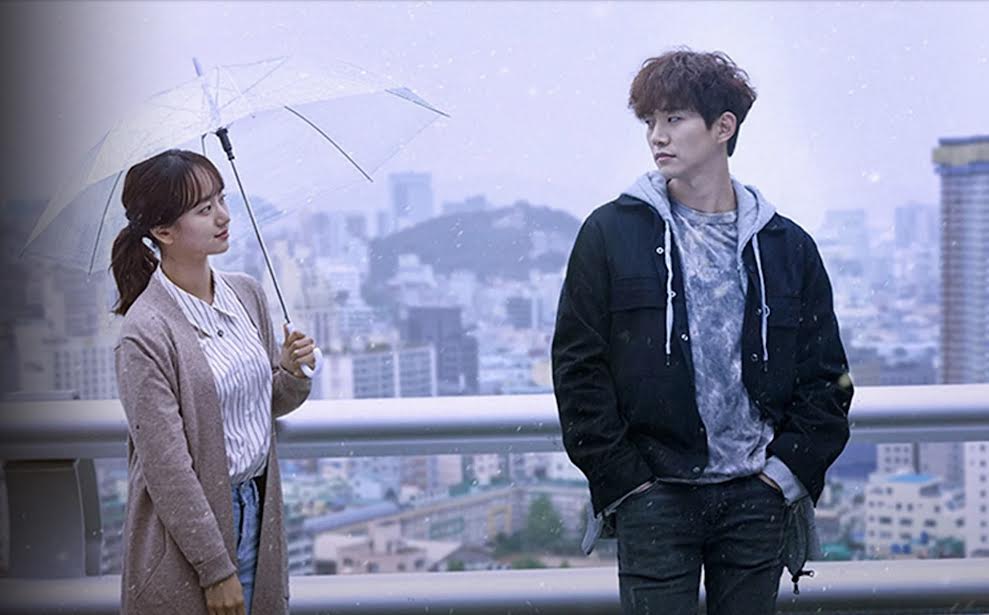
But in the sleepless dark of another night, I stumbled on a drama called Just Between Lovers. The faded colors on the cover called my attention, but the description — about a building disaster — caused me to click play. In the life I’d given up, I was an urban sociologist, and I’d written extensively about my last neighborhood. Which was only one more reason it was hard for me to watch the buildings shatter and burn.
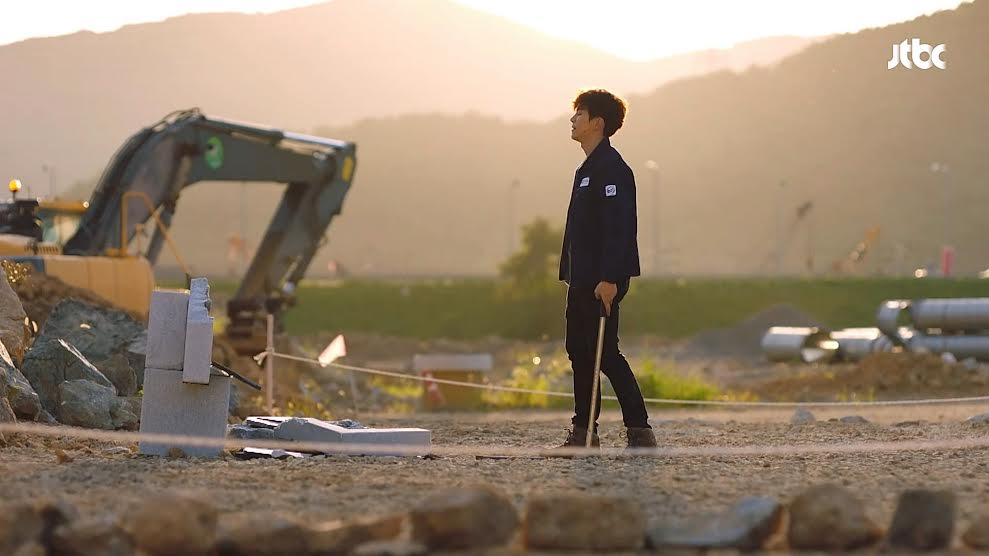
The building disaster in Just Between Lovers turned out to be of another type: corporate misconduct and shoddy construction lead to a deadly collapse. It’s based on real events. In 1995, the Sampoong Department Store in Seoul pancaked down — one floor on top of another — resulting in one of the deadliest structural disasters in history. The drama pays tribute to this tragedy by focusing on the survivors.
But “survivor” is purposefully broad. Whether they were rescued from the rubble, lost someone they loved, or had a hand in how the building malfunctioned, every character in this story struggles. Following the initial disaster, there’s a ripple effect, leading to other, ongoing disasters — from physical health problems, to addiction, suicide, divorce, and PTSD. There are no villains here. Only nuanced human beings, who are doing their damnedest to survive.
It was a hope not focused on the future, or the day that suffering ends, but that asked me to look the present in the face for what it was: normal. A thing we all endure – a common cut – and one which has nothing to do with personal failure.
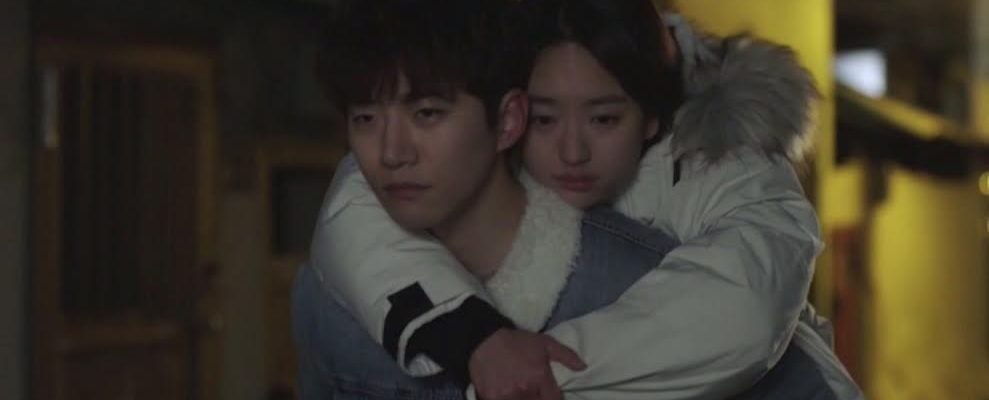
As I watched each episode pass into the next, I cried. I was used to the tears by then but this crying didn’t come from despair. Instead, I felt connected — a kind of hope from a shared sense of total defeat in a world we can’t control. It was a hope not focused on the future, or the day that suffering ends, but that asked me to look the present in the face for what it was: normal. A thing we all endure — a common cut — and one which has nothing to do with personal failure.
In the show, there’s a quote from Korean novelist Lim Chul-woo with the line, “Suffering is your strength.” This life we live is “ugly and scary,” he writes as a matter of fact. But through the strengths of our suffering, sadness, and regret, somehow, we survive.
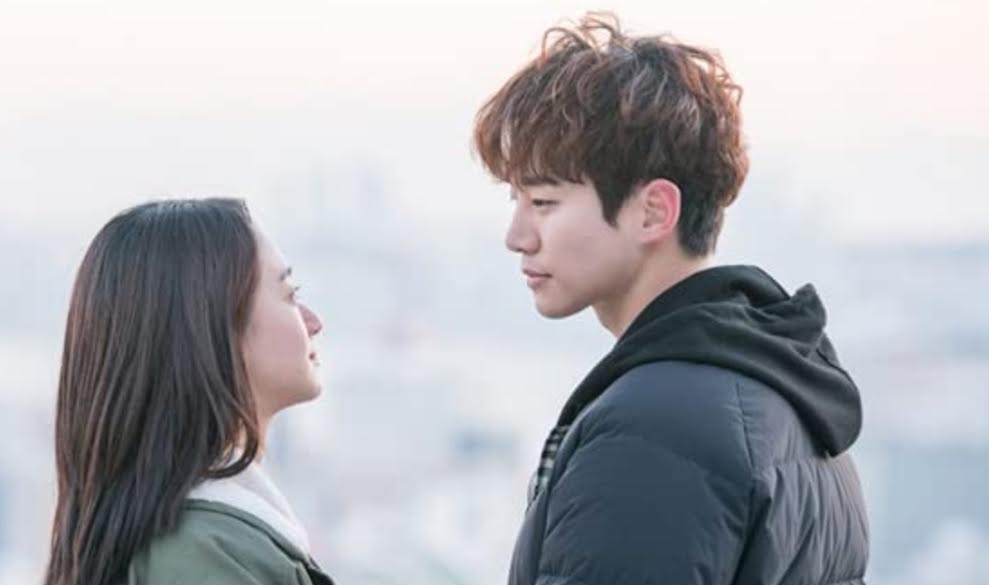
The protagonists in Just Between Lovers begin by wishing they weren’t survivors. Ten years on, they’re stuck wondering what survival is worth if it comes with so much pain. If it pushes us so far from the paths we envisioned for ourselves. And if it means we have to shoulder the burden of being pushed off course alone. What they discover is each other. Other survivors in this ugly, scary, imperfect life.
The story is a romance. But it’s not love that saves the day. It’s recognition. A mirror that says they’re not actually alone. By witnessing something broken — and beautiful — in the other, they stop wishing they could change the past, and give themselves permission to live.
I realized that the flaws we try to hide – the ones we think make us different – are the things we have in common, which will always give us reason to connect.
As I watched, I got the mirror I needed as well. A reflection that made trauma stop feeling like a break from life, and let it become a part of the whole. I realized that the flaws we try to hide — the ones we think make us different — are the things we have in common, which will always give us reason to connect.
Witnessing violence in a place I loved was not my last life disruption. And while troubled times are unpredictable, and sometimes come on like a shot, I find comfort in the boringly brave characters (real or fiction) who endure their dim-lit day, conscious that it’s a critical part of their experience. We don’t have to sink into the darkness, and neither do we need to push it away. Pain doesn’t mean we’re being punished. It only means that we survived.
(Just Between Lovers is on Netflix as Rain or Shine.)
Lauren Dean is a writer of essays, reviews, cultural analyses, and K-culture content. She holds a PhD in urban and cultural sociology and is currently knee-deep in her first novel. Her portfolio is housed at: laurenjdean.com

Categories: featured, film, why I love

 magpiesmagazine.com