

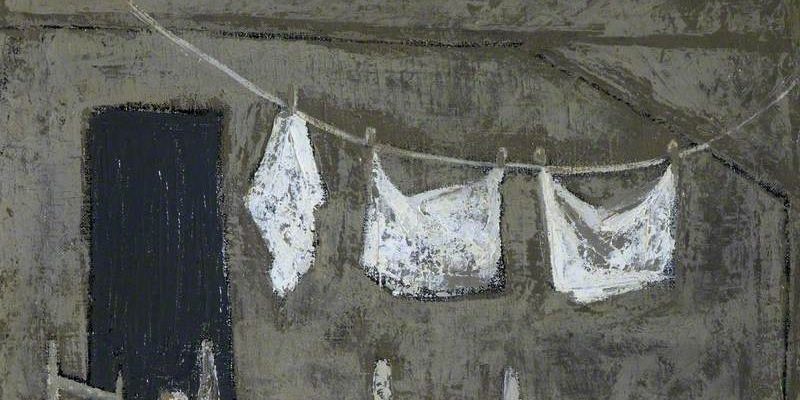
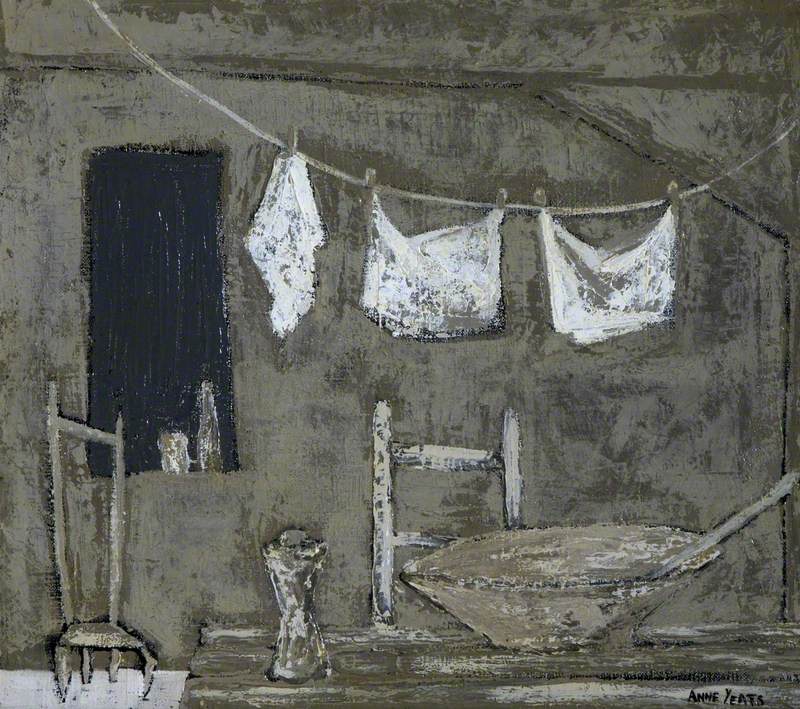
I recently learned that the word “screed” most likely comes from the Middle English shrede, meaning a scrap or fragment or a strip hanging from a garment, and from the Old English screade meaning piece cut off, cutting, or clipping. It also comes from the same root as to shred or to cut, rend, or tear.
In its better-known definition as a long and angry piece of writing, I think I might have had a fairly constant screed in my head since the election. The grief certainly hasn’t passed, but the anger is fighting its way to the surface. As much as I avoid the news (I’m half-ashamed to admit that I’ve been doing so), every little trickle of information about appointments and cabinets and plans and promises adds a sort of hopeless urgency to the screed in my mind.
I’ve been thinking all month about the way people find the strength to forge their own kind of protest — to find a voice when people are trying to silence them. I’ve been searching for these stories to share. Leopoldo Méndez, in Mexico, printed powerful images on cheap paper and distributed them to the places they would resonate the most — among the poor and overlooked and exploited. He used songs, posters, broadsheets, puppetry — anything to reach the most people and encourage them to learn and to act. And Santiago Álvarez, in Cuba and elsewhere, who made short, urgent political films with still photographs and music, who thought more about his message than his production values. And Algerian Rai music, originally sung by poor women who spoke openly (and shockingly) about what it was like to live as a poor woman, and which came to be a symbol of protest against conservatism, racism, inequality, and more. And Isabelle Eberhardt, whose very way of living as she chose to and needed to was a form of protest.
In this spirit, I love the definition of “screed” as a scrap of fabric. I love the idea of creating something from scraps and clippings, piecework and patchwork, making something from castoffs and cutaways. Patchwork quilts have long been a form of protest art — a way for people with little resources or recognition to share a message, often working communally. When the powers of evil seem to control all forms of communication, whether mainstream or otherwise, it’s time to gather the scraps, sew them together into something beautiful, and find new, unexpected, overlooked ways to ensure this beautiful thing reaches the most people possible as a message of hope, empathy, and shared strength. We can weave our anger and pain into the patterns to create something powerful enough to shred those forces of evil.
I like to think of Tidings of Magpies as a new sort of broadsheet to share peoples’ screeds, whatever form they take. Whether it’s an angry diatribe, protest art, a plan to change the world, a testament of the reality we live in and of the way our neighbors live and work and love, or a declaration that this is how I live in this world, this is who I am, and this is the light within me. Yes, we’re very small, but sometimes there’s power in being beneath the notice of the powers that be. It’s a silly thought, but this is the direction the screed in my head has been taking lately. We’re in for a rough few years, I fear, and we will take comfort, strength, and inspiration wherever we can find it.
I’m more grateful than ever for Tidings of Magpies, and the beautiful art and writing that people let us share, which gives me hope for all things. Thank you.
Categories: featured

 magpiesmagazine.com